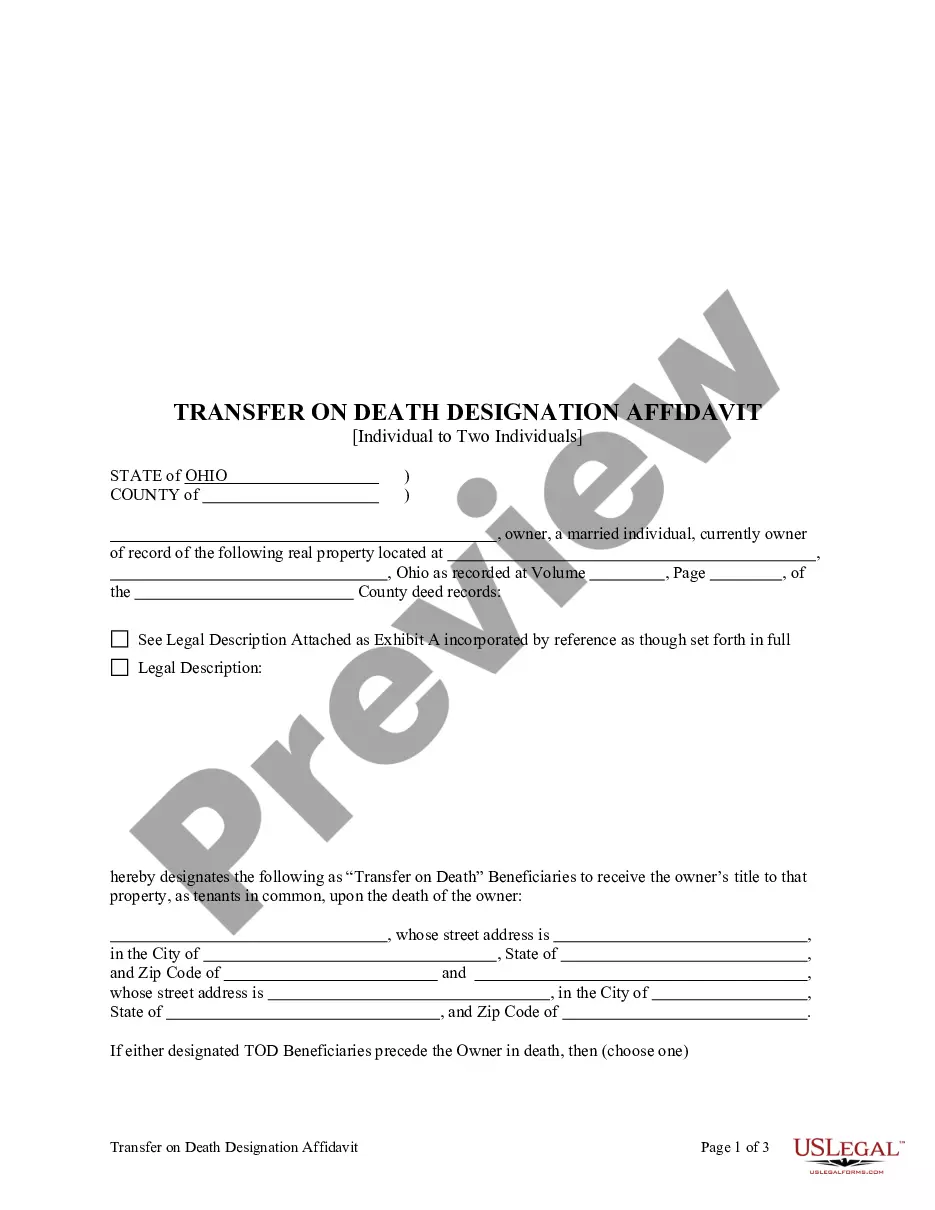
Ohio Affidavit Tod Form With Signature
Description
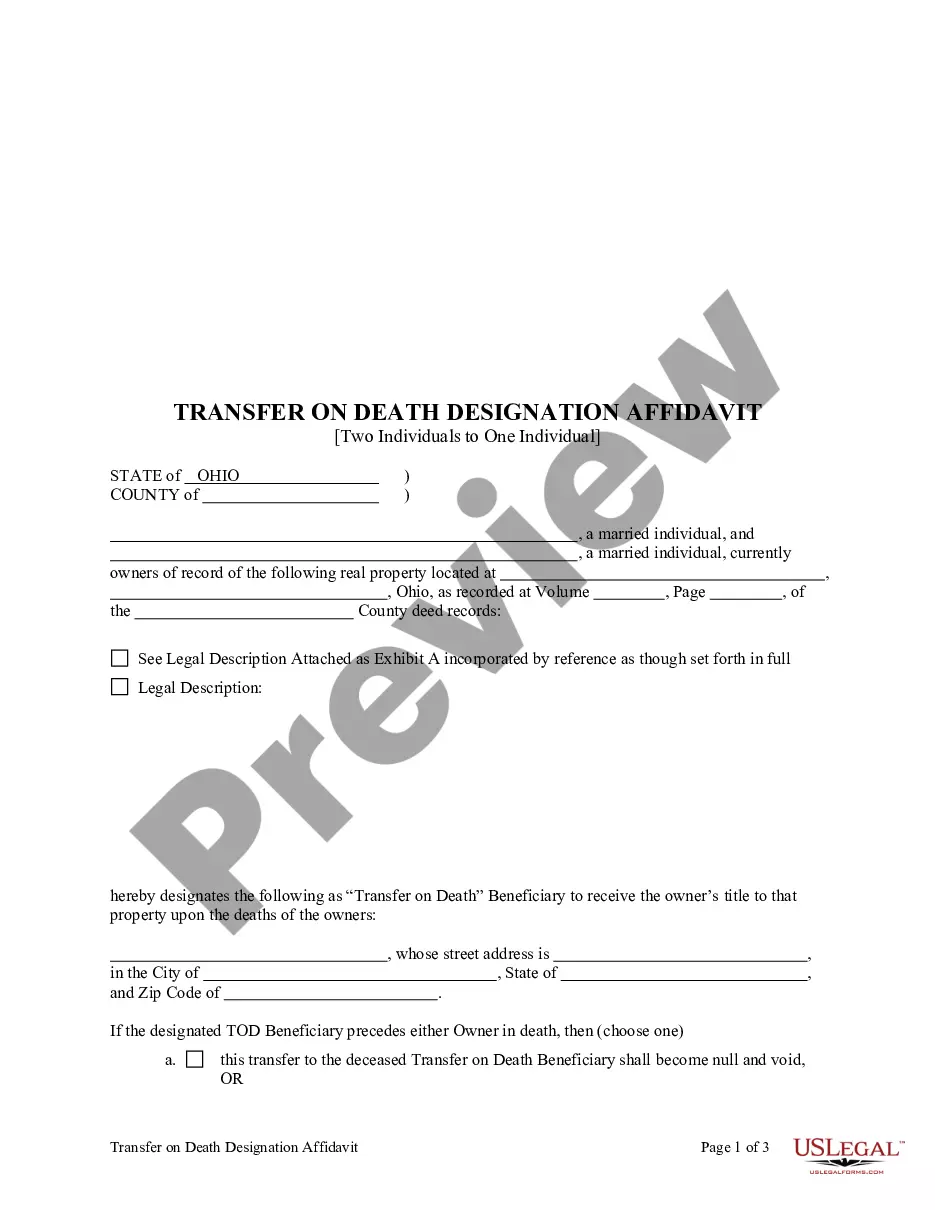
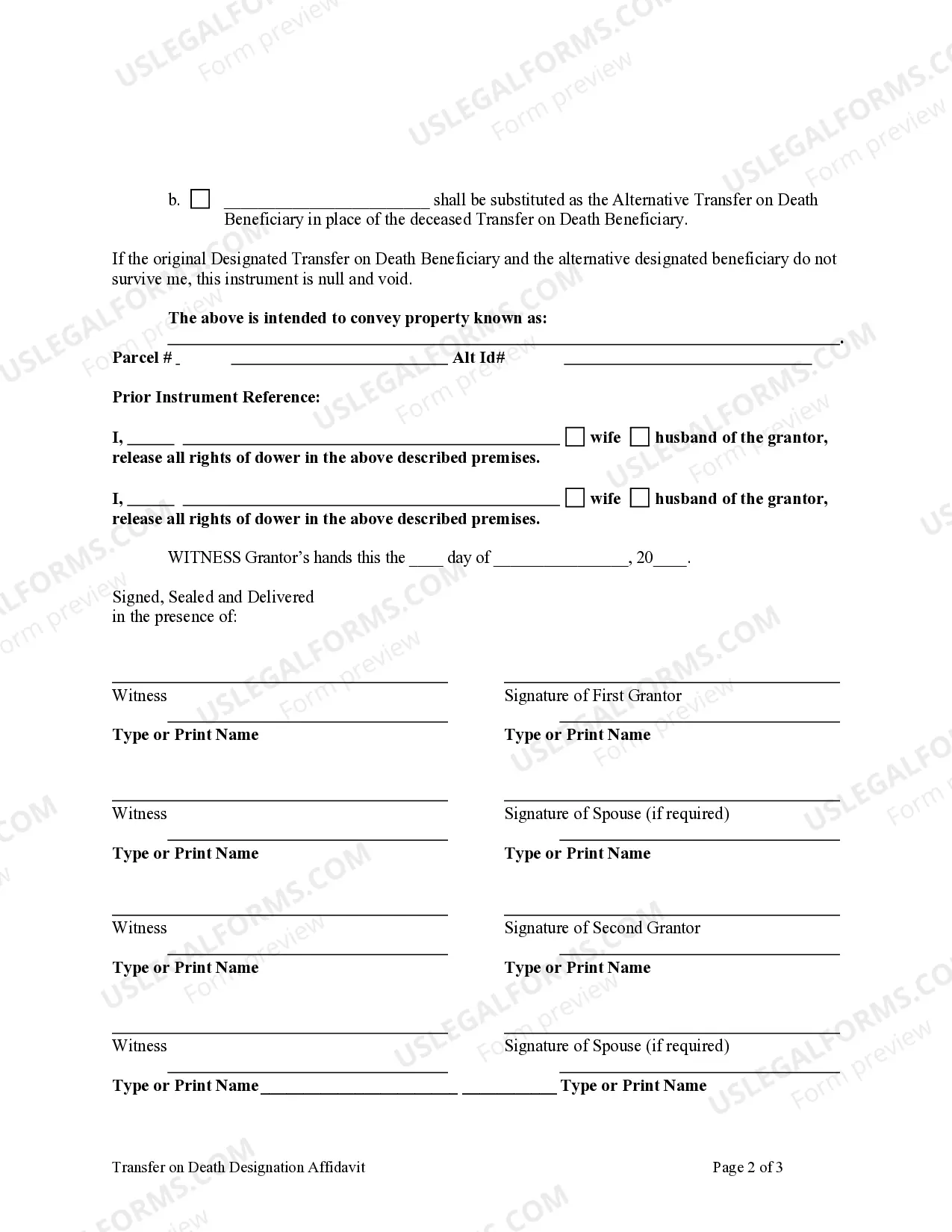
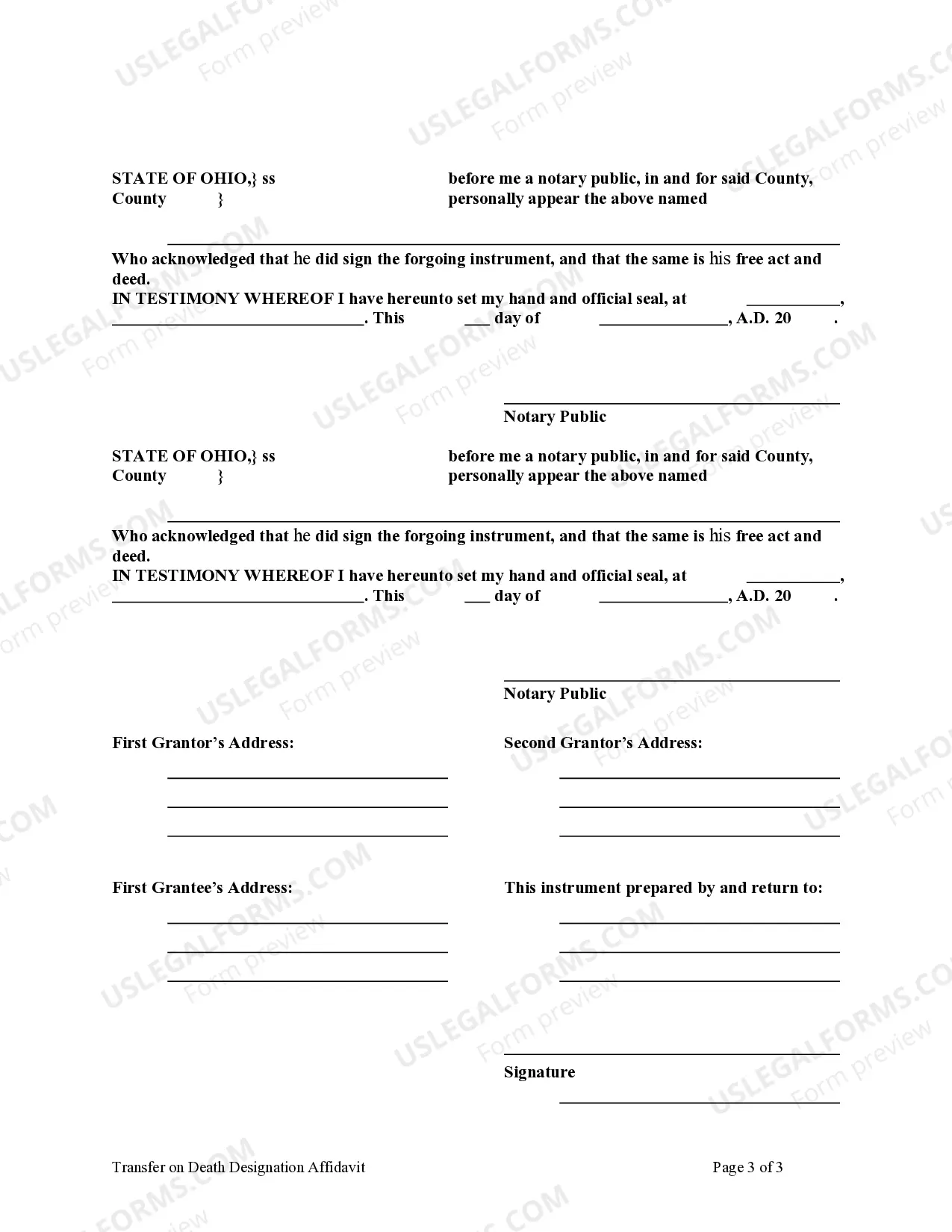


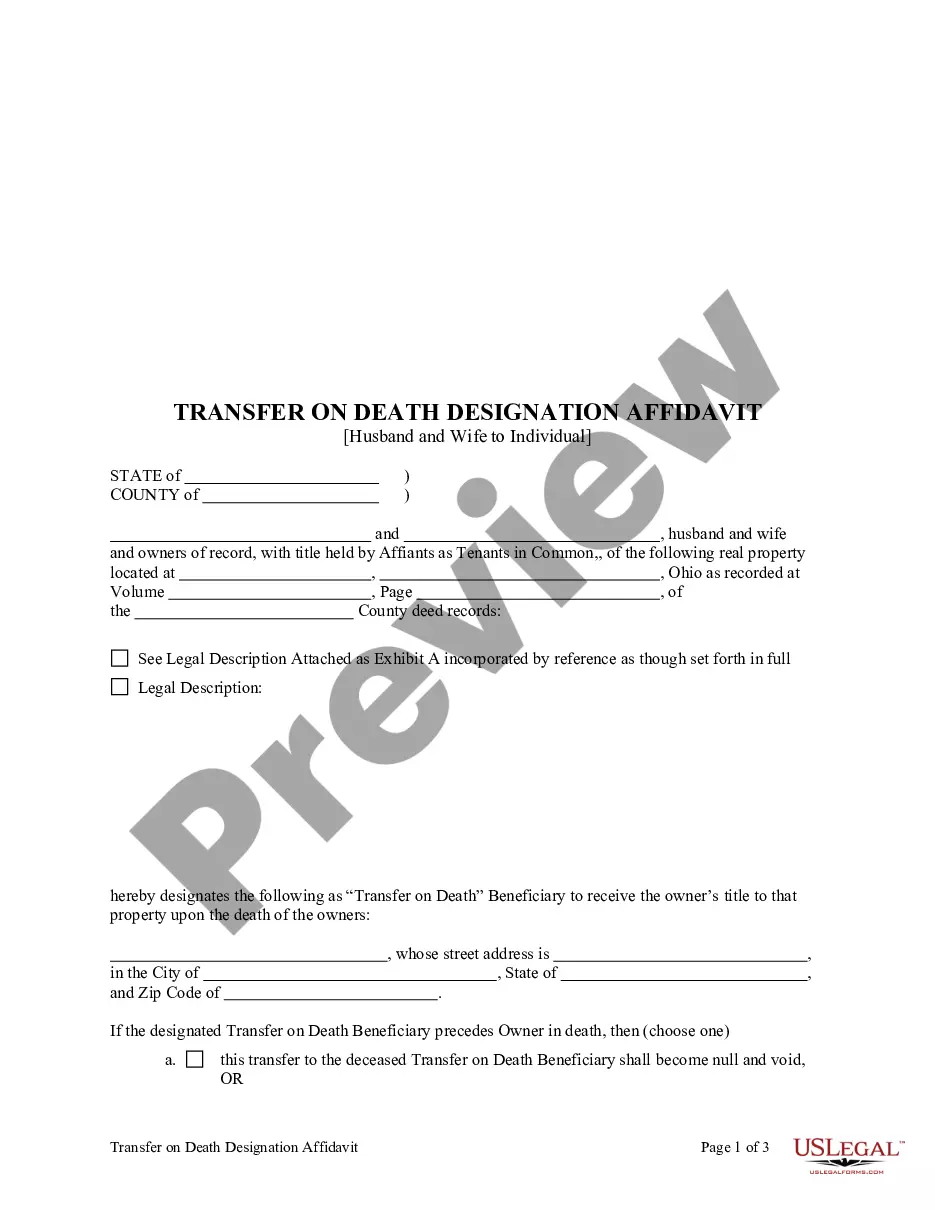
Get your form ready online
Our built-in tools help you complete, sign, share, and store your documents in one place.
Make edits, fill in missing information, and update formatting in US Legal Forms—just like you would in MS Word.
Download a copy, print it, send it by email, or mail it via USPS—whatever works best for your next step.
Sign and collect signatures with our SignNow integration. Send to multiple recipients, set reminders, and more. Go Premium to unlock E-Sign.
If this form requires notarization, complete it online through a secure video call—no need to meet a notary in person or wait for an appointment.
We protect your documents and personal data by following strict security and privacy standards.

Make edits, fill in missing information, and update formatting in US Legal Forms—just like you would in MS Word.

Download a copy, print it, send it by email, or mail it via USPS—whatever works best for your next step.

Sign and collect signatures with our SignNow integration. Send to multiple recipients, set reminders, and more. Go Premium to unlock E-Sign.

If this form requires notarization, complete it online through a secure video call—no need to meet a notary in person or wait for an appointment.

We protect your documents and personal data by following strict security and privacy standards.
Looking for another form?




How to fill out Ohio Transfer On Death Designation Affidavit - TOD From Two Individuals To One Individual?
Engaging with legal documentation and processes can be a labor-intensive addition to your routine.
Ohio Affidavit Tod Form With Signature and similar forms frequently demand that you seek them out and comprehend how to fill them out accurately.
Consequently, whether you are managing financial, legal, or personal issues, having a comprehensive and user-friendly online catalog of forms available when needed will be extremely beneficial.
US Legal Forms is the premier online resource for legal templates, providing over 85,000 state-specific documents and a variety of tools to aid you in completing your forms effortlessly.
Simply Log In to your account, search for Ohio Affidavit Tod Form With Signature, and download it instantly from the My documents section. You can also retrieve previously saved documents.
- Explore the repository of relevant documents that are just a click away.
- US Legal Forms offers state- and county-specific templates accessible at any time for download.
- Protect your document management processes with top-notch support that enables you to prepare any form in a matter of minutes without extra or hidden charges.
Form popularity
FAQ
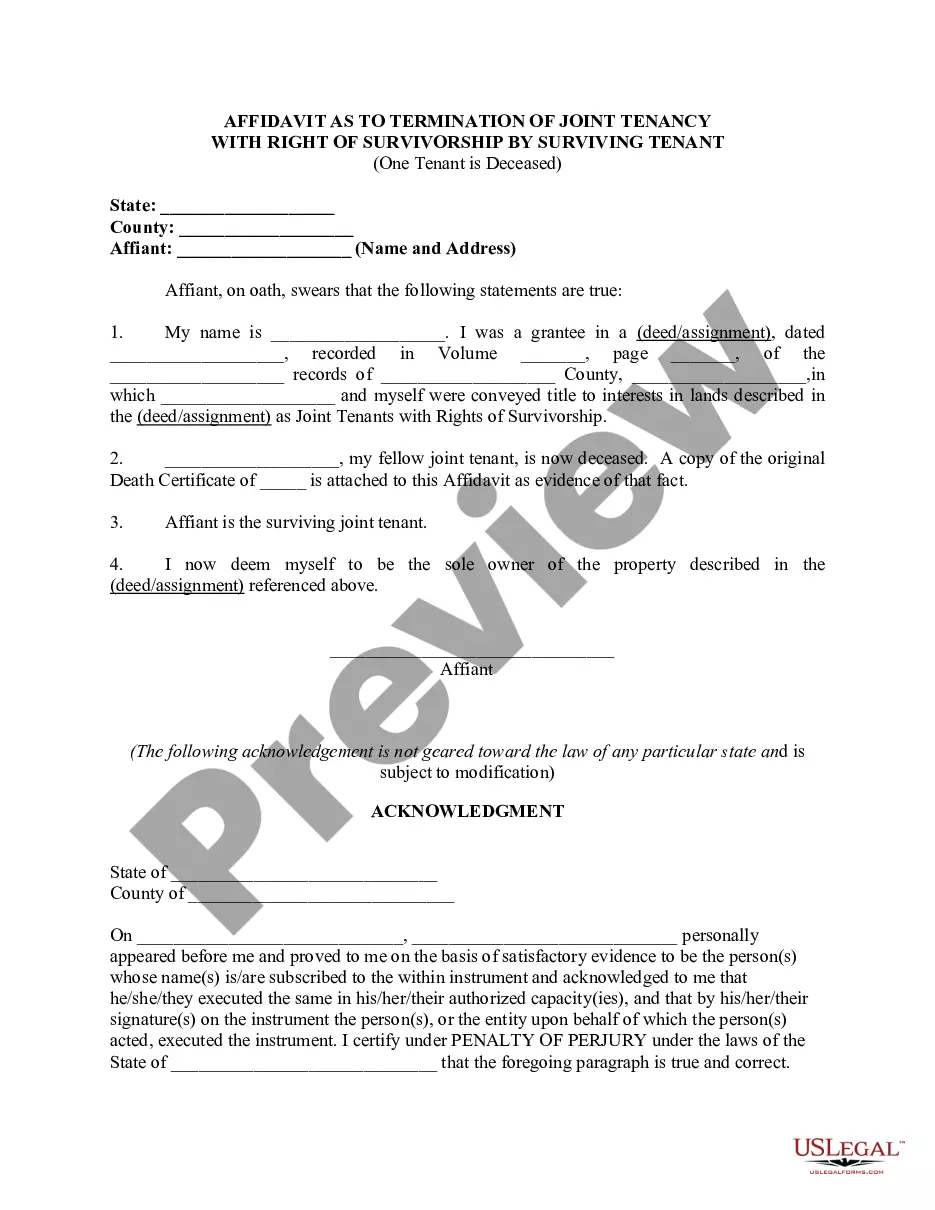
To file an affidavit of survivorship in Ohio, you first need to complete the Ohio affidavit tod form with signature. Ensure the form is correctly filled out and includes all necessary information about the property and deceased owner. After completing the form, you must take it to your county recorder’s office to officially file it. Using US Legal Forms can simplify this process, providing you with the necessary documents and guidance to ensure compliance with Ohio laws.
You do not need an attorney to complete a transfer on a death deed in Ohio, although consulting one can provide peace of mind. With the Ohio affidavit TOD form with signature, you can manage the paperwork yourself. This straightforward process enables you to easily designate a beneficiary, facilitating the transfer process when the time comes. However, if your estate is complex or disputes are likely, seeking legal advice might be beneficial.
To perform a transfer on death affidavit in Ohio, start by acquiring the Ohio affidavit TOD form with signature. Fill out the form with the relevant transaction details, specifying the beneficiary who will receive the property after your death. Once the affidavit is completed, you need to sign it and have it notarized before filing it with your local recorder's office. This method allows you to retain ownership during your lifetime while ensuring a smooth transfer upon passing.
An affidavit for transfer without probate in Ohio simplifies asset transfer when a person passes away. This form allows heirs to claim property and financial accounts without the long probate process. By using the Ohio affidavit TOD form with signature, you ensure a more straightforward transition of assets. This option is ideal for small estates, making the process quicker and less costly.
To obtain a small estate affidavit in Ohio, you must first complete the Ohio affidavit TOD form with signature. This form allows you to manage the assets of a deceased person without going through probate. After completing the form, you should file it with the appropriate probate court in your county. You may also need to provide additional documentation, like death certificates or asset valuations, depending on your situation.
While a transfer on death deed offers several advantages, such as avoiding probate, there are some disadvantages to consider. For instance, if you change your mind about the beneficiaries, you must execute a new deed. Additionally, creditors may still pursue debts owed from the property even after your death. Despite these challenges, utilizing the Ohio affidavit tod form with signature effectively manages asset transfer.
Yes, an affidavit of death needs to be notarized in Ohio. This notarization helps confirm the authenticity of the document and protects against fraudulent claims. When you use the Ohio affidavit tod form with signature, be sure to complete the notarization step for it to be legally binding. This process ensures that your wishes are respected after your passing.
Filling out a transfer on death affidavit involves a few simple steps. First, obtain the Ohio affidavit tod form with signature and fill in details about the property you wish to transfer. Include information about the beneficiaries as well. Lastly, get the affidavit signed before a notary to ensure authenticity and legality.
In Ohio, you do not necessarily need a lawyer to file a transfer on death deed. However, consulting legal assistance can be beneficial to understand the nuances involved. If you prefer to navigate the process independently, ensure that you accurately complete the Ohio affidavit tod form with signature. This will help prevent any errors in the filing process.
To fill out a transfer on death affidavit in Ohio, you need to gather information about the property and the beneficiaries. Start by completing the Ohio affidavit tod form with signature, ensuring that all required details are accurate. After filling out the form, you should sign it in front of a notary to validate it. This process makes it easier for your beneficiaries to claim the property after your passing.