Irrevocable Trusts For Dummies
Description
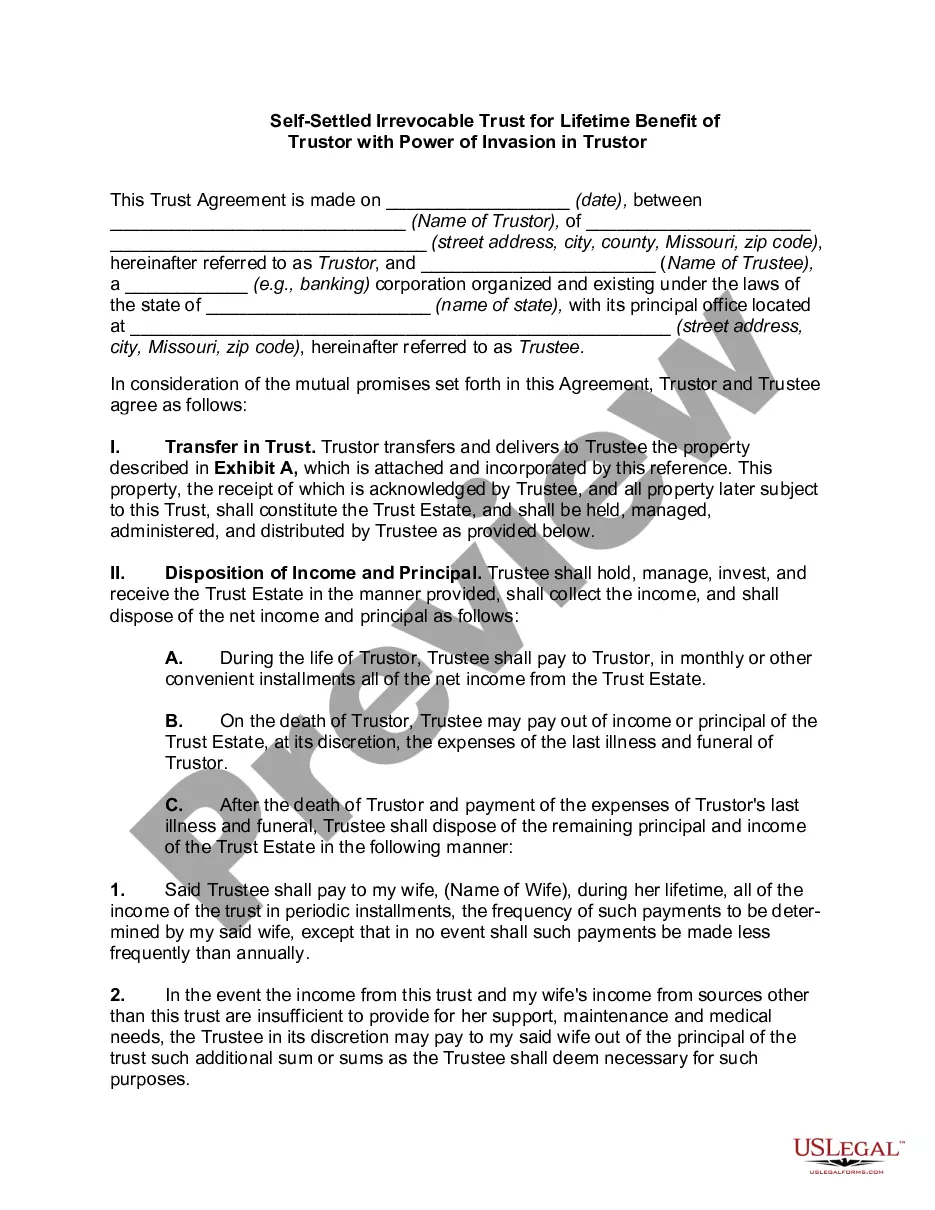
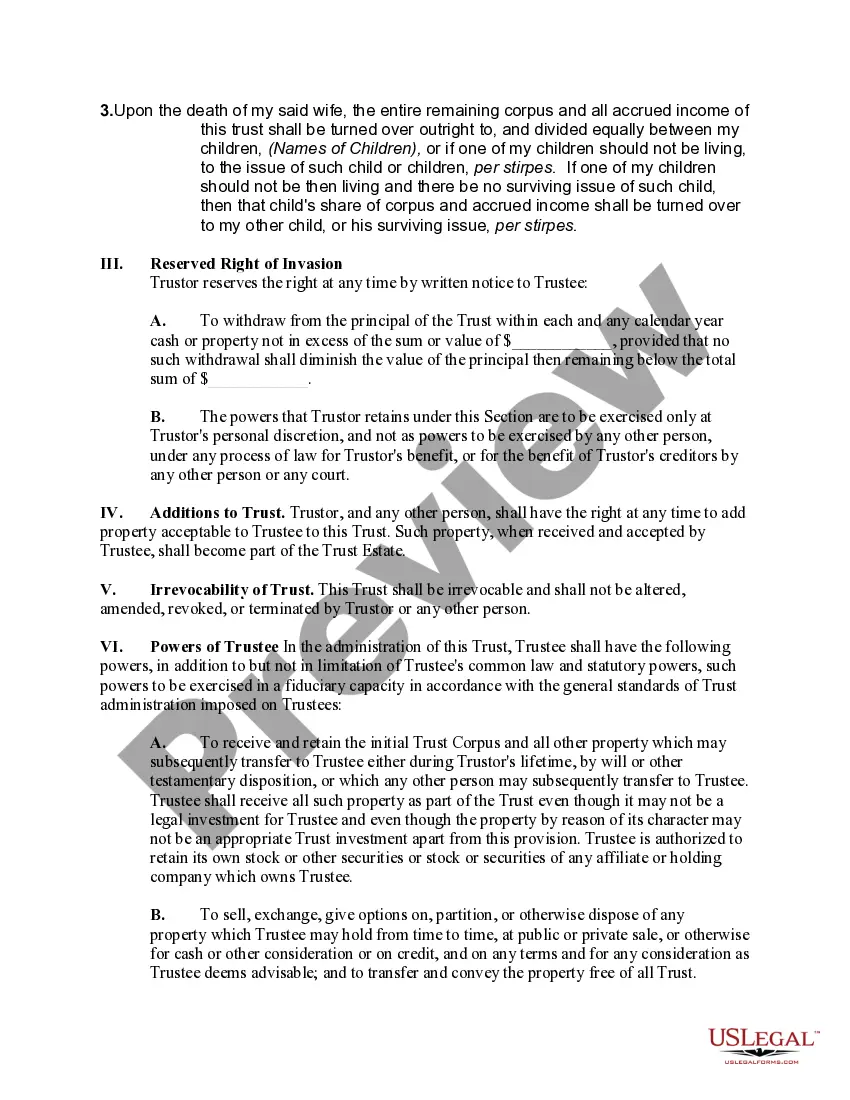
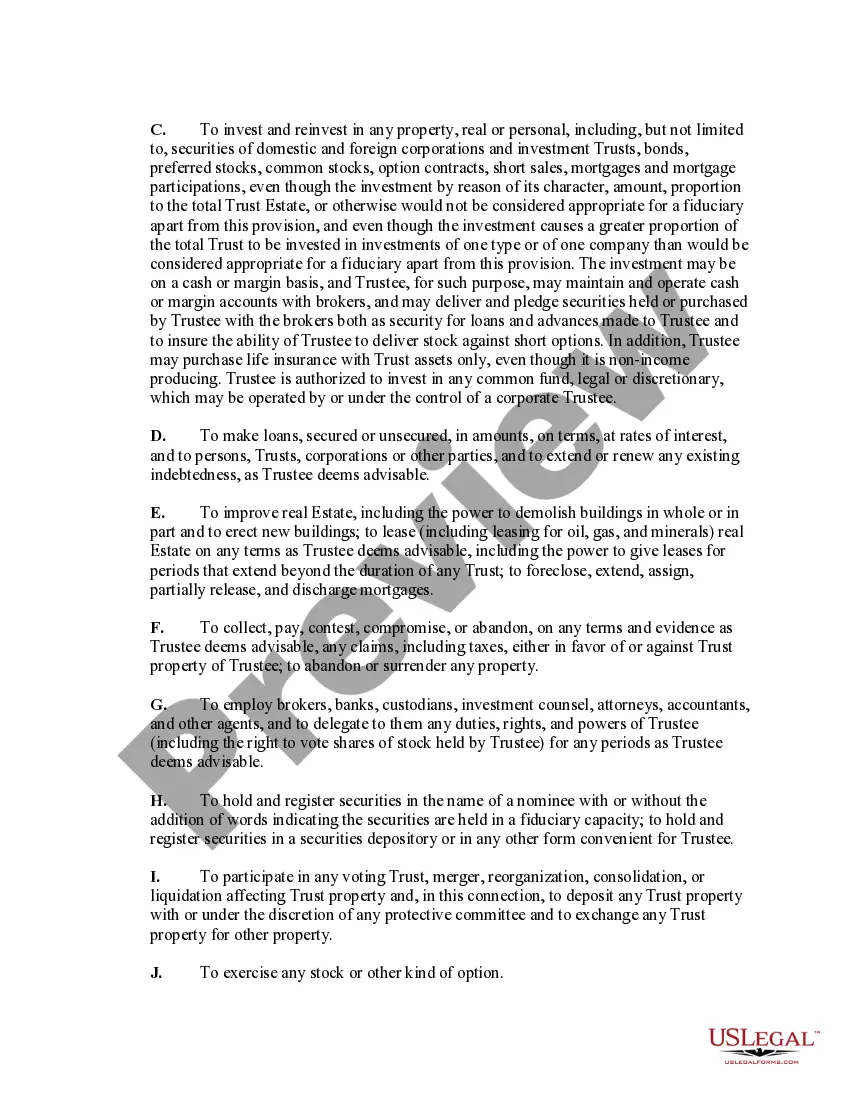
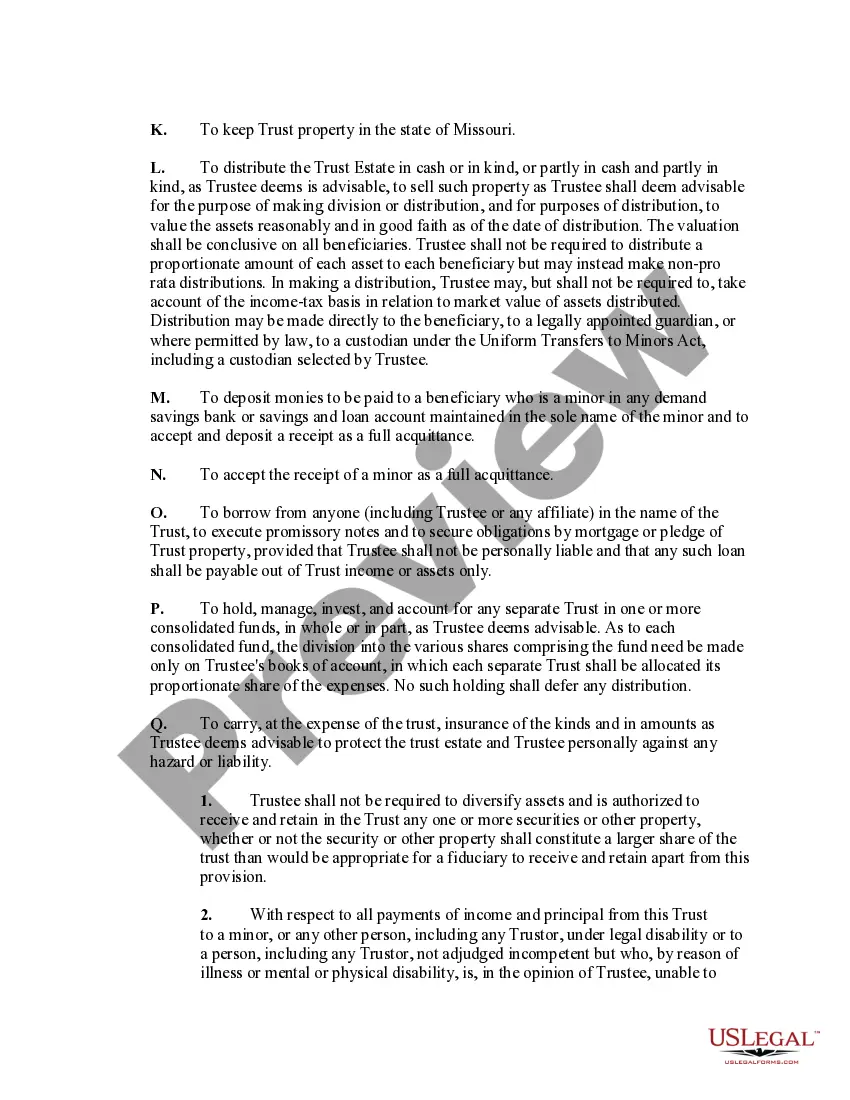
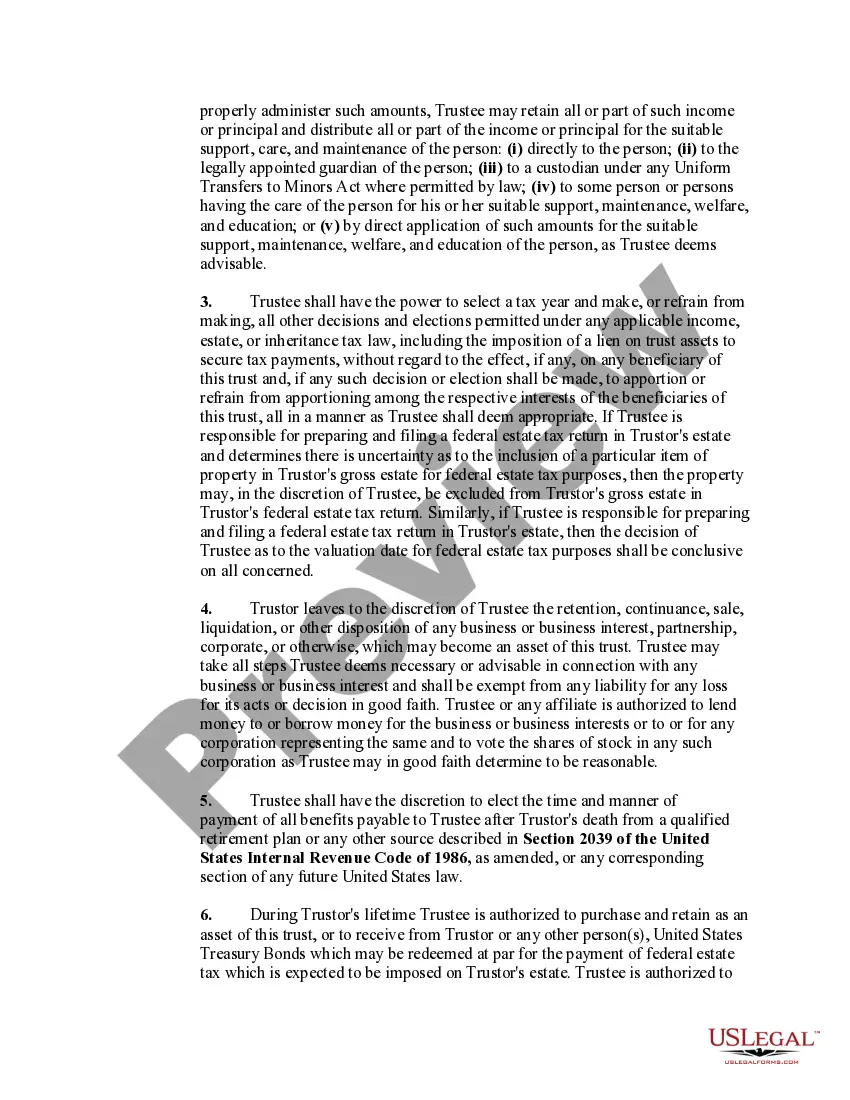
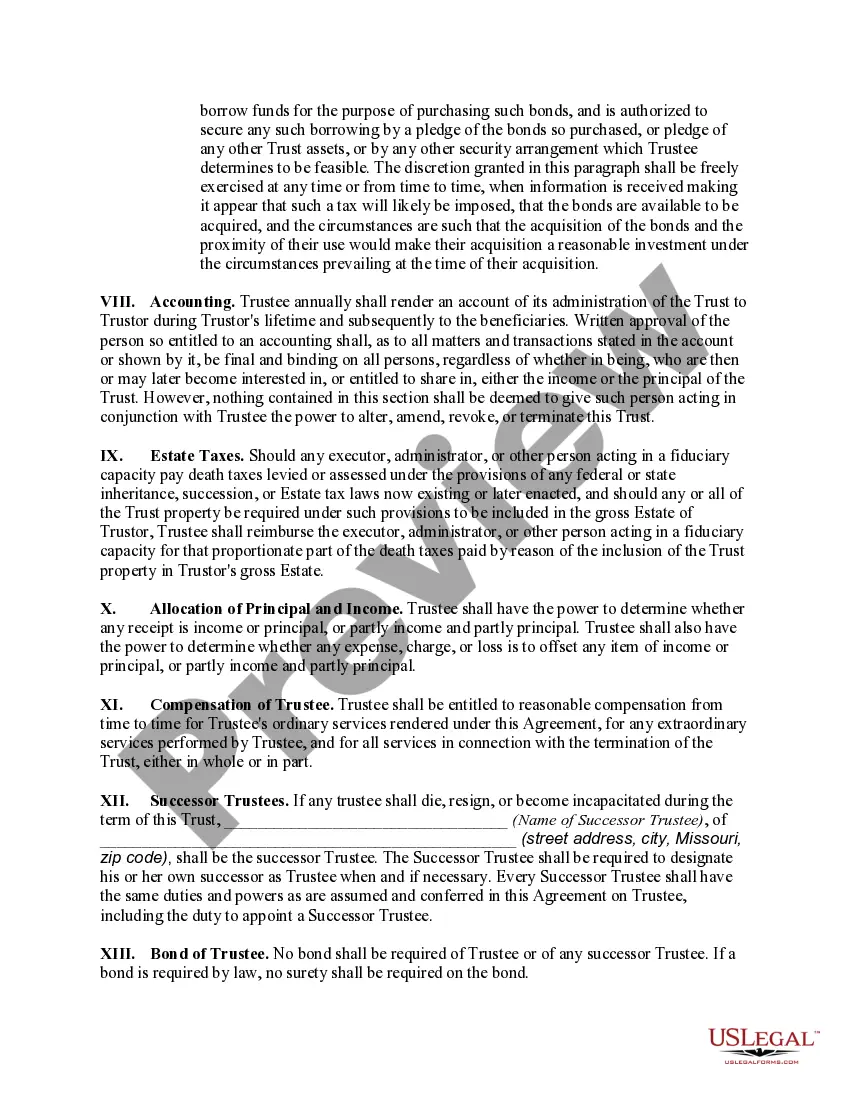
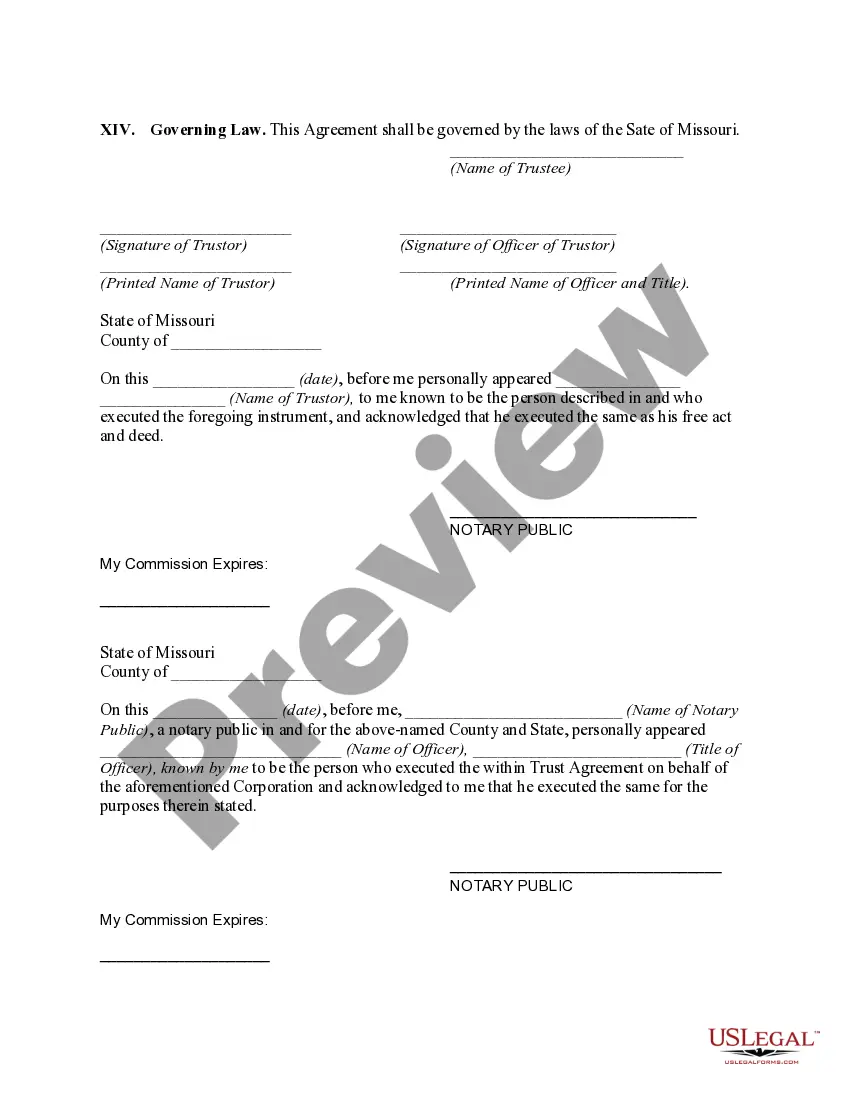

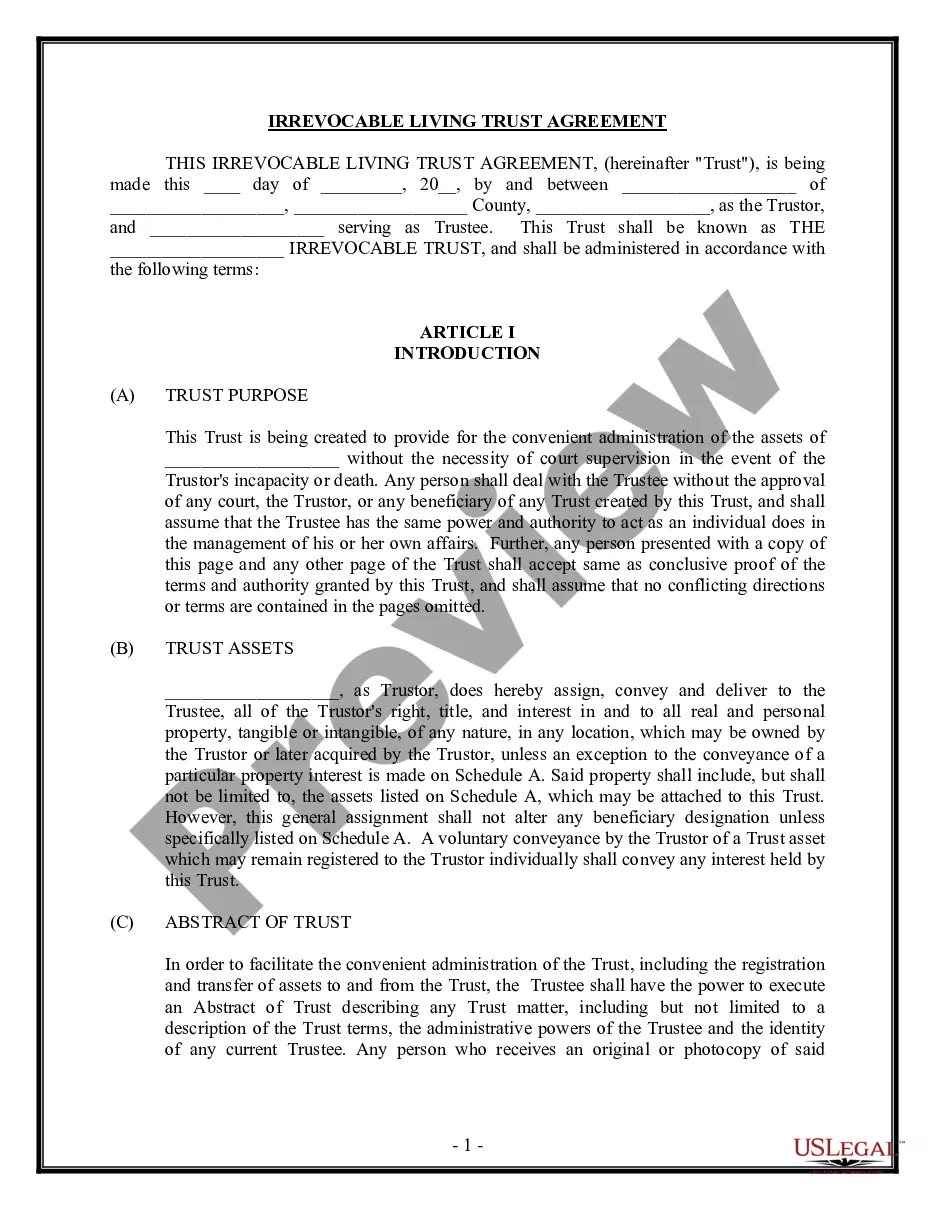
Get your form ready online
Our built-in tools help you complete, sign, share, and store your documents in one place.
Make edits, fill in missing information, and update formatting in US Legal Forms—just like you would in MS Word.
Download a copy, print it, send it by email, or mail it via USPS—whatever works best for your next step.
Sign and collect signatures with our SignNow integration. Send to multiple recipients, set reminders, and more. Go Premium to unlock E-Sign.
If this form requires notarization, complete it online through a secure video call—no need to meet a notary in person or wait for an appointment.
We protect your documents and personal data by following strict security and privacy standards.

Make edits, fill in missing information, and update formatting in US Legal Forms—just like you would in MS Word.

Download a copy, print it, send it by email, or mail it via USPS—whatever works best for your next step.

Sign and collect signatures with our SignNow integration. Send to multiple recipients, set reminders, and more. Go Premium to unlock E-Sign.

If this form requires notarization, complete it online through a secure video call—no need to meet a notary in person or wait for an appointment.

We protect your documents and personal data by following strict security and privacy standards.
Looking for another form?
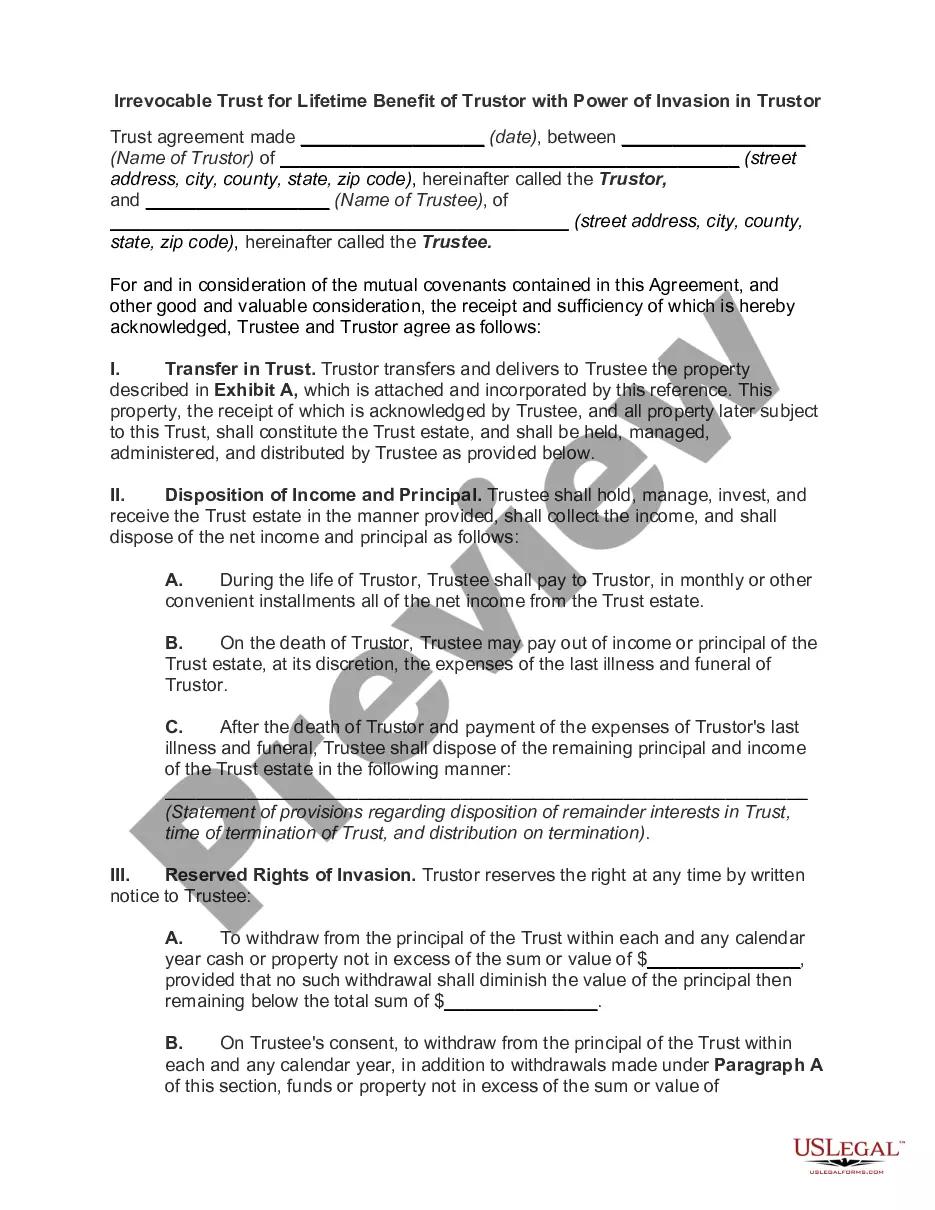
How to fill out Missouri Self-Settled Irrevocable Trust For Lifetime Benefit Of Trustor With Power Of Invasion In Trustor?
- Log in to your account on the US Legal Forms website if you are a returning user. Ensure your subscription is active before proceeding.
- If you are a new user, start by browsing the vast repository of over 85,000 legal forms. Check the Preview mode and form description to find the one that fits your needs.
- If the required form isn't available, use the Search tab to find alternatives that align with your local jurisdiction's requirements.
- Once you've identified the correct document, click on the Buy Now button. Select your preferred subscription plan and create an account to unlock additional resources.
- Complete your purchase by entering your payment details, whether through credit card or PayPal.
- After payment, download the form to your device for easy access and completion. You can also revisit and manage your documents in the My Forms section of your account.
Utilizing US Legal Forms not only streamlines the process of obtaining legal documents but also provides peace of mind through its extensive resources and expert support.
Ready to take control of your legal needs? Start your journey with US Legal Forms today!
Form popularity
FAQ
People often choose irrevocable trusts for dummies because of the unique benefits they provide. This type of trust ensures a stronger level of asset protection, keeping your wealth safe from creditors or legal claims. Additionally, it offers peace of mind knowing that your wishes concerning asset distribution will be honored. If you're looking to simplify your estate planning, US Legal Forms can help you understand how to set up an irrevocable trust to meet your needs effectively.
While irrevocable trusts for dummies offer solid advantages, there are drawbacks to consider. Once you place your assets in an irrevocable trust, you cannot change your mind, meaning you lose control over those assets. Additionally, these trusts may require more paperwork and complexity in setup compared to other estate planning tools. Finally, they can incur costs for administration and management that might not be immediately apparent.
Irrevocable trusts for dummies can serve various important purposes. First, they help in asset protection by removing your assets from your taxable estate. Second, these trusts can provide tax benefits, often lowering estate taxes that beneficiaries face. Third, they can ensure that your assets are distributed according to your wishes, as once you're placed into the trust, the terms cannot be changed.
Deciding whether your parents should put their assets in a trust depends on their financial goals and personal circumstances. An irrevocable trust can offer benefits like asset protection and tax advantages, but they must understand the implications of giving up control. It’s wise for your parents to consult with a legal professional and review resources about irrevocable trusts for dummies to make informed decisions. A well-structured trust can be a beneficial component of their estate planning.
Filling out an irrevocable trust involves detailing your specific assets, appointing a trustee, and stipulating how you want those assets distributed. It is crucial to be thorough and precise, ensuring that all legal requirements are met. Many people find guidance in simple templates or resources explaining irrevocable trusts for dummies. Using platforms like uslegalforms can simplify this process, offering straightforward forms and expert advice.
A family trust can sometimes lead to disputes among family members about how assets are managed and distributed. Additionally, if not structured properly, a family trust may not achieve the intended tax benefits or asset protection. Understanding concepts outlined in materials about irrevocable trusts for dummies can help you avoid these pitfalls. By educating yourself, you can strategically plan for your family’s future and harmony.
Placing assets in an irrevocable trust means you will lose control over those assets. This limitation can be concerning if you need to access them for future expenses. Furthermore, there may be tax implications and costs associated with setting up the trust. Therefore, it's essential to weigh the pros and cons, using resources like irrevocable trusts for dummies for guidance.
One potential downfall of having an irrevocable trust is that once you establish it, you cannot modify or revoke it easily. This lack of flexibility can be a downside for some individuals, as life circumstances may change unexpectedly. Additionally, creating an irrevocable trust may involve complex paperwork and legal fees. However, for those looking for asset protection and estate planning, understanding irrevocable trusts for dummies can provide valuable insights.
The IRS treats irrevocable trusts as separate entities for tax purposes once assets are transferred into them. This means they must follow specific tax rules and file returns as necessary. Irrevocable trusts for dummies should focus on understanding these guidelines to ensure proper compliance. Familiarizing yourself with IRS publications can provide valuable insight into maintaining your trust.
To report income from an irrevocable grantor trust, you typically include the income on your personal tax return. The IRS considers grantor trusts as part of the grantor’s taxable income. This can be a point of confusion when learning about irrevocable trusts for dummies, so maintaining detailed records of income and distributions is important. Consulting a tax professional can further clarify your reporting requirements.