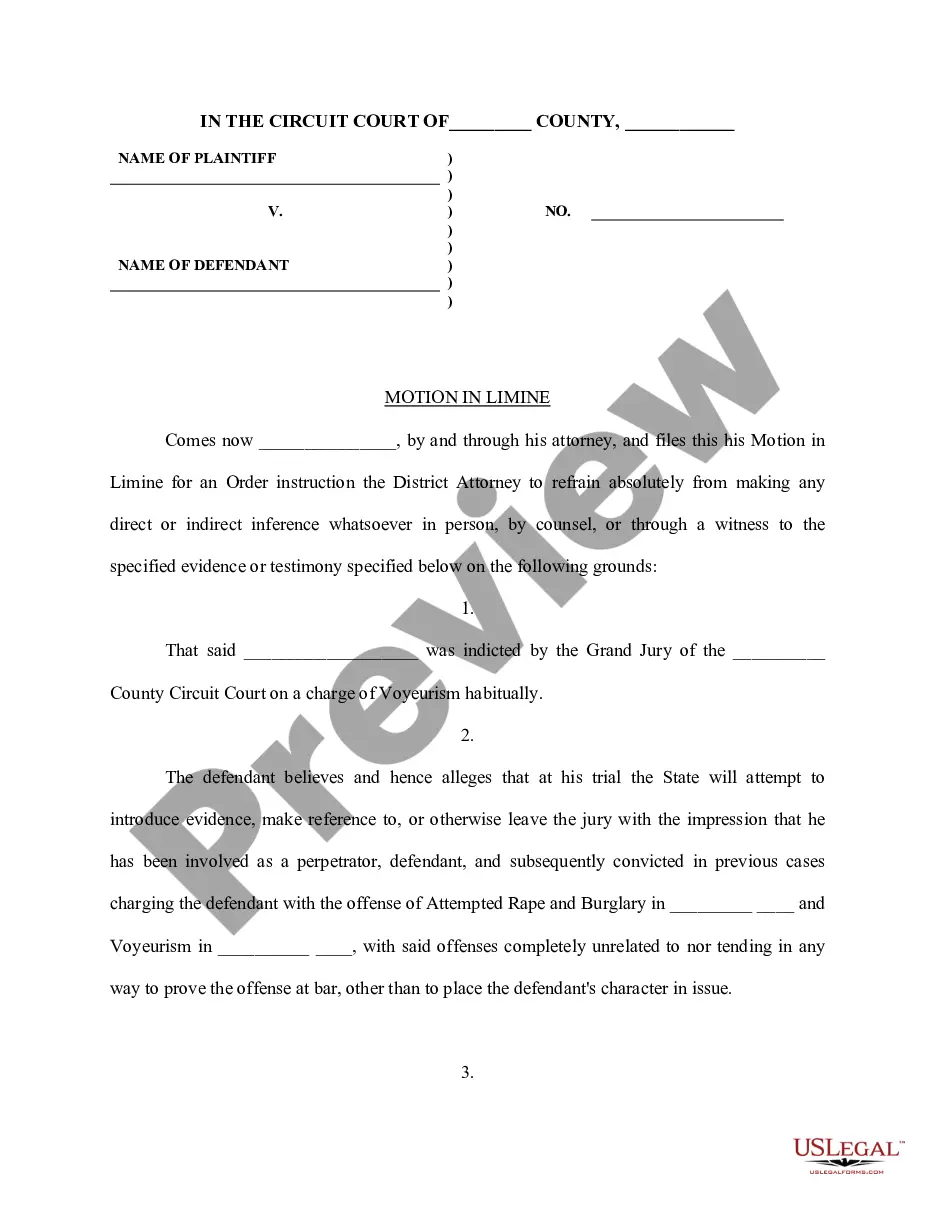
Motion To Suppress For Prosecution
Description
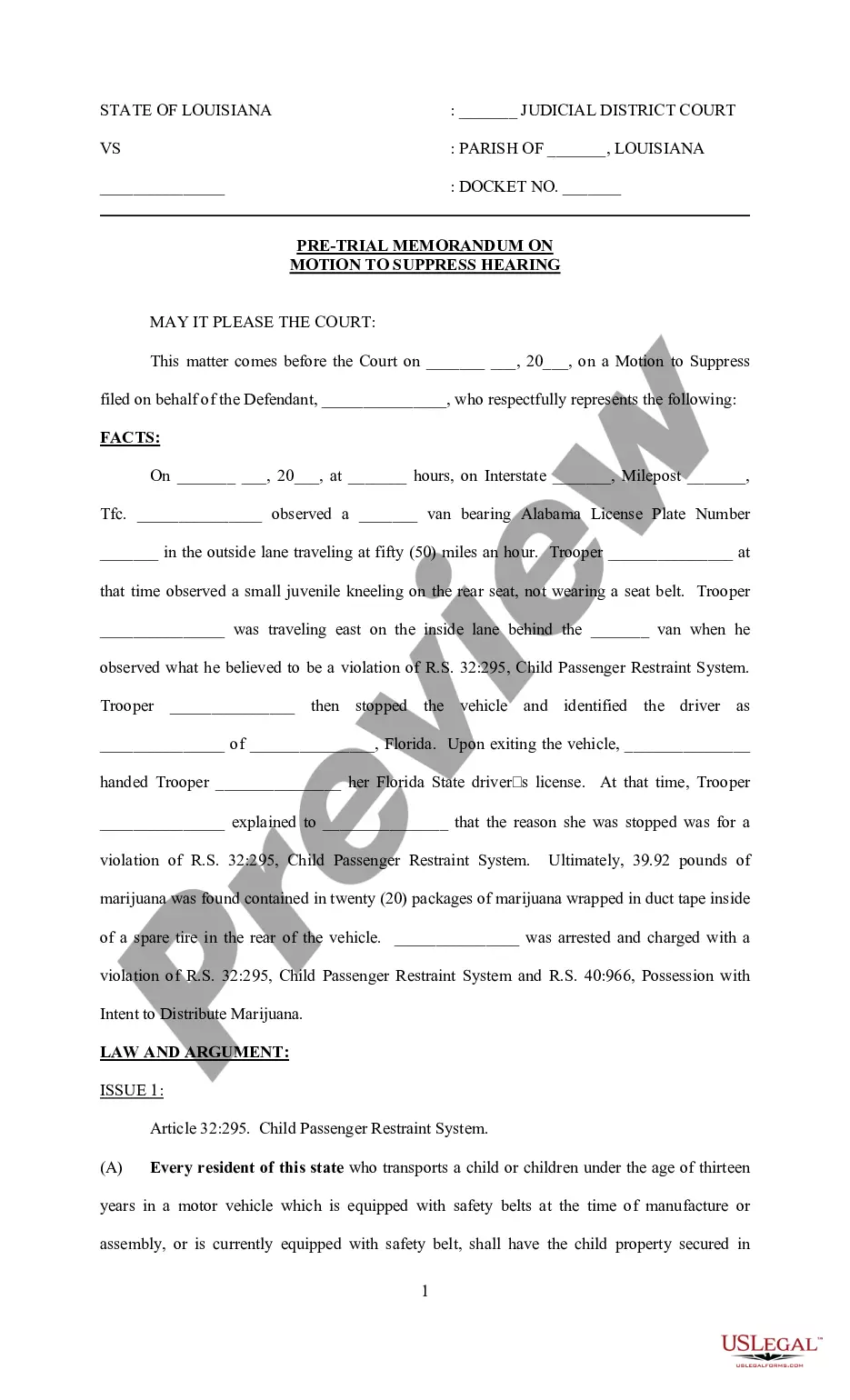
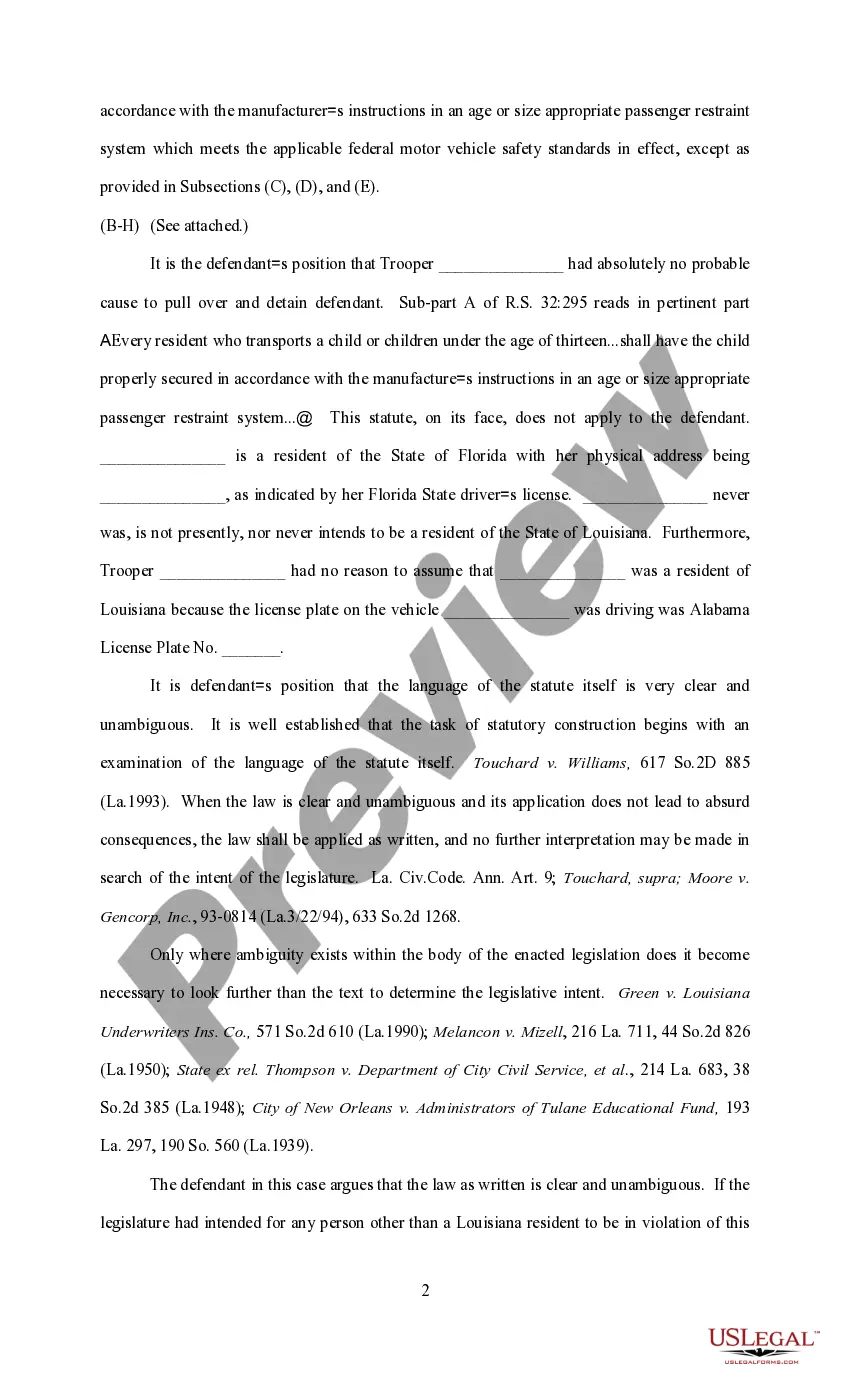
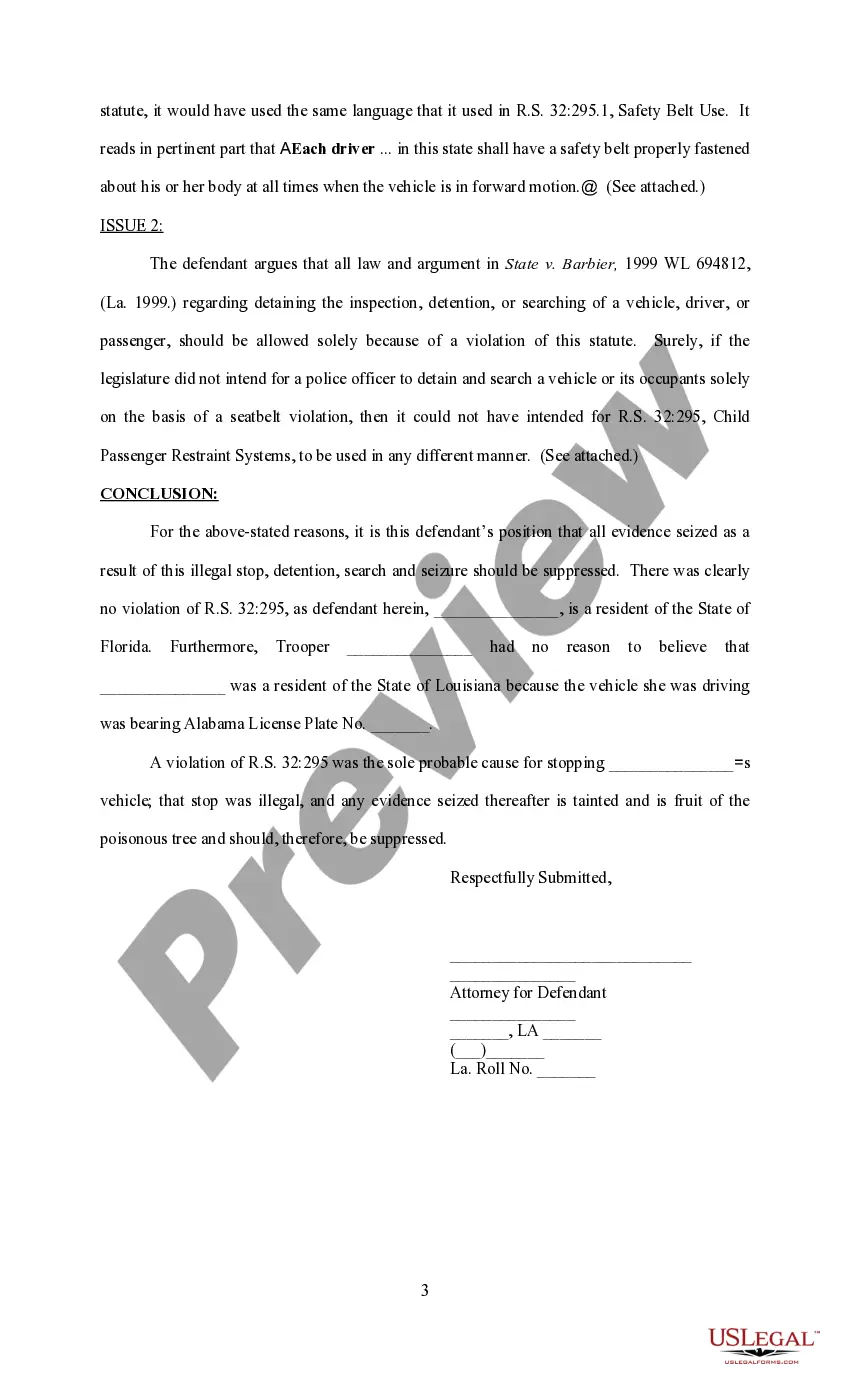
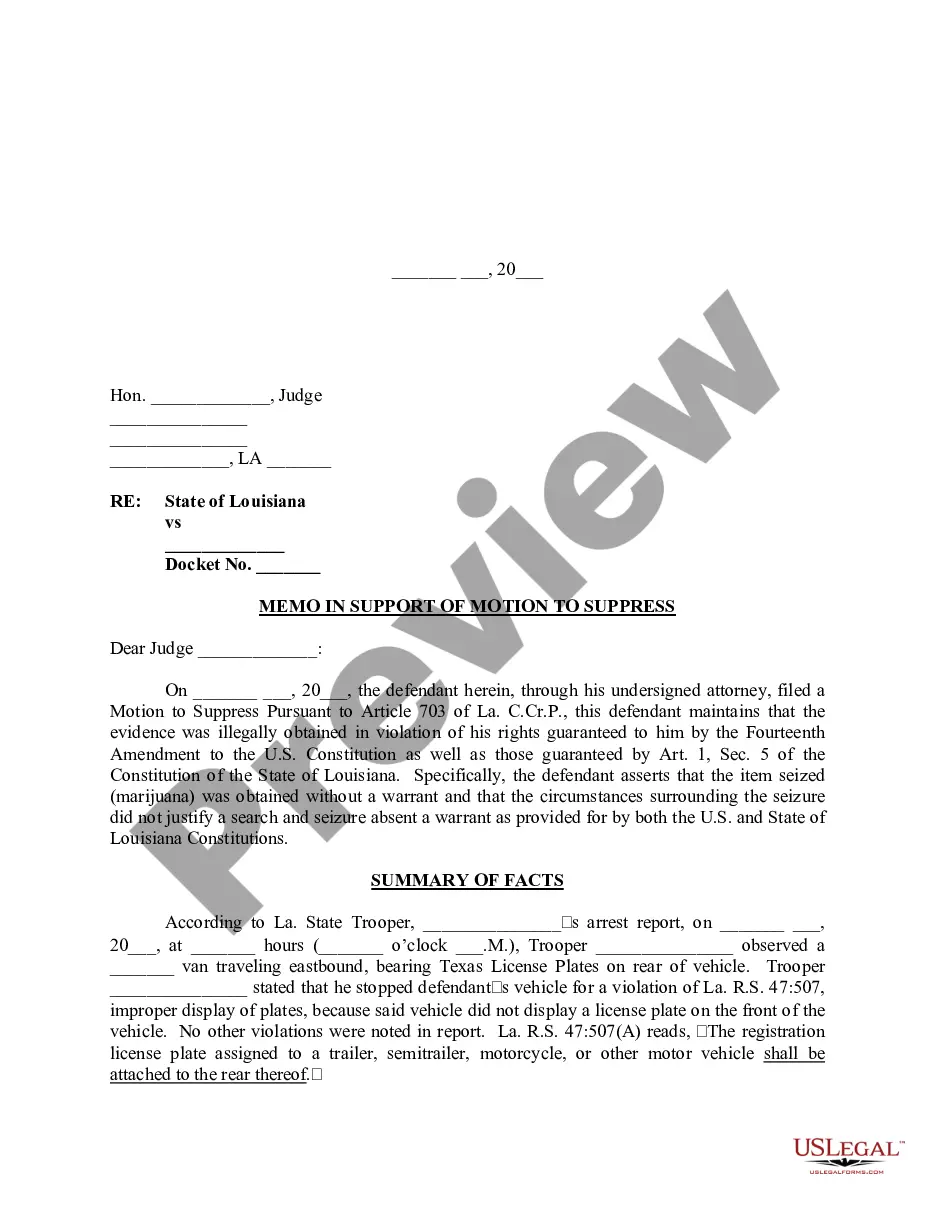
Get your form ready online
Our built-in tools help you complete, sign, share, and store your documents in one place.
Make edits, fill in missing information, and update formatting in US Legal Forms—just like you would in MS Word.
Download a copy, print it, send it by email, or mail it via USPS—whatever works best for your next step.
Sign and collect signatures with our SignNow integration. Send to multiple recipients, set reminders, and more. Go Premium to unlock E-Sign.
If this form requires notarization, complete it online through a secure video call—no need to meet a notary in person or wait for an appointment.
We protect your documents and personal data by following strict security and privacy standards.

Make edits, fill in missing information, and update formatting in US Legal Forms—just like you would in MS Word.

Download a copy, print it, send it by email, or mail it via USPS—whatever works best for your next step.

Sign and collect signatures with our SignNow integration. Send to multiple recipients, set reminders, and more. Go Premium to unlock E-Sign.

If this form requires notarization, complete it online through a secure video call—no need to meet a notary in person or wait for an appointment.

We protect your documents and personal data by following strict security and privacy standards.
Looking for another form?



Form popularity
FAQ
The exclusionary rule in Indiana prevents the use of illegally obtained evidence in court. This rule is rooted in protecting constitutional rights, ensuring that evidence collected in violation of a person's rights cannot be used against them. The exclusionary rule plays a critical role in motions to suppress for prosecution, as it underlines the importance of lawful evidence collection. Knowledge of this rule can empower individuals navigating the legal landscape.
A motion to suppress evidence in Indiana serves to exclude unlawfully obtained evidence from a trial. Typically, this involves challenging how the evidence was obtained, claiming a violation of constitutional rights. If the court grants the motion, the prosecution cannot use that evidence, thus enhancing the defense's case. Understanding the ins and outs of filing a motion to suppress for prosecution can be crucial for a fair trial.
In Indiana, a motion to dismiss is a request to terminate a case before trial. This motion may be based on a lack of legal grounds or specific deficiencies in the prosecution's case. The rule emphasizes that a motion to dismiss should clearly state why the case lacks merit. Engaging with legal professionals can help you navigate these rules effectively.
A motion to suppress in New Jersey is a legal request to exclude certain evidence from being presented at trial. This motion aims to protect a defendant's rights by arguing that the evidence was obtained in violation of their constitutional rights. If successful, the prosecution cannot use this evidence against the defendant. Understanding how to file a motion to suppress for prosecution can significantly impact the outcome of a case.
To file a motion to dismiss in Texas, you must provide valid legal grounds as justification, such as lack of jurisdiction or failure to state a claim. This motion aims to eliminate a case early in the process. Knowing the specifics of a motion to suppress for prosecution can sometimes prepare you for understanding how to argue a motion to dismiss. For clarity on these requirements, consult resources available on the US Legal Forms platform.
A motion to enforce in Texas is a petition to compel compliance with a court order. This motion is often filed when one party fails to follow through on agreed terms, whether in family law or other civil matters. Understanding how to utilize the motion to suppress for prosecution can lead you to explore related motions like this for various legal scenarios. With US Legal Forms, you can find the templates necessary for effective enforcement.
A motion to retain in Texas is a formal request asking the court to keep jurisdiction over a case. This motion usually occurs when there is a need to resolve issues related to custody, support, or property in family law. Knowing about motions to retain helps you understand your legal standing, particularly during complex cases. For assistance, US Legal Forms provides resources to ensure proper filing.
In Texas, a motion to suppress is a legal request that seeks to exclude certain evidence from trial. This motion often arises when the evidence was obtained in violation of a defendant's rights. Understanding the motion to suppress for prosecution is crucial for anyone facing legal issues, as it can significantly impact the outcome of the case. Legal platforms like US Legal Forms can guide you in filing this motion effectively.
The most common reason for evidence to be excluded from trial involves violations of the Fourth Amendment, which guards against unlawful searches and seizures. If evidence is obtained without proper warrants or probable cause, it may not be admissible. This exclusion can severely impact the prosecution's case, giving the defense an advantage. Familiarizing yourself with the ins and outs of motions to suppress for prosecution can be crucial for both legal strategies.
During a motion to suppress, both parties present their arguments regarding the admissibility of evidence before a judge. The defense typically argues that the evidence was obtained in violation of legal standards, while the prosecution defends its collection method. The judge then decides whether to allow the evidence in trial or exclude it based on the presented legal arguments. It's essential to understand the intricacies of motions to suppress for prosecution to navigate this aspect effectively.