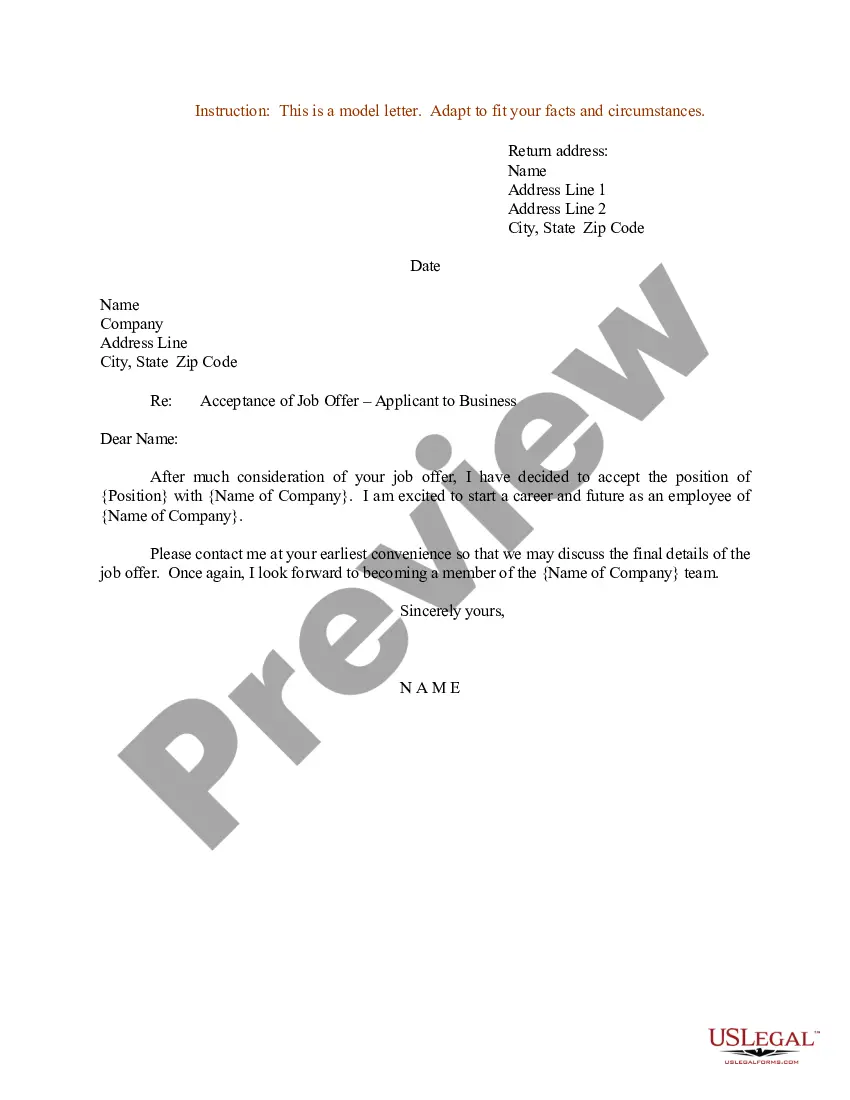
Police Acceptance Letter For Speeding In California
Description
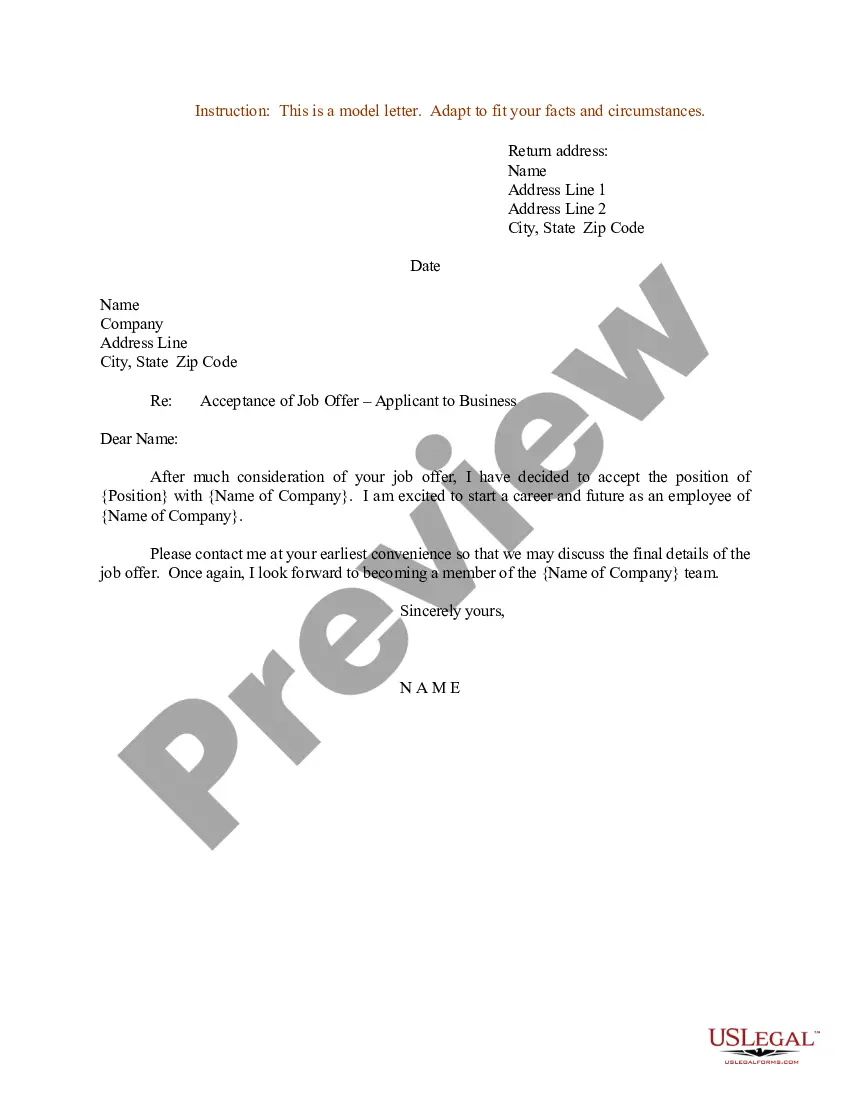
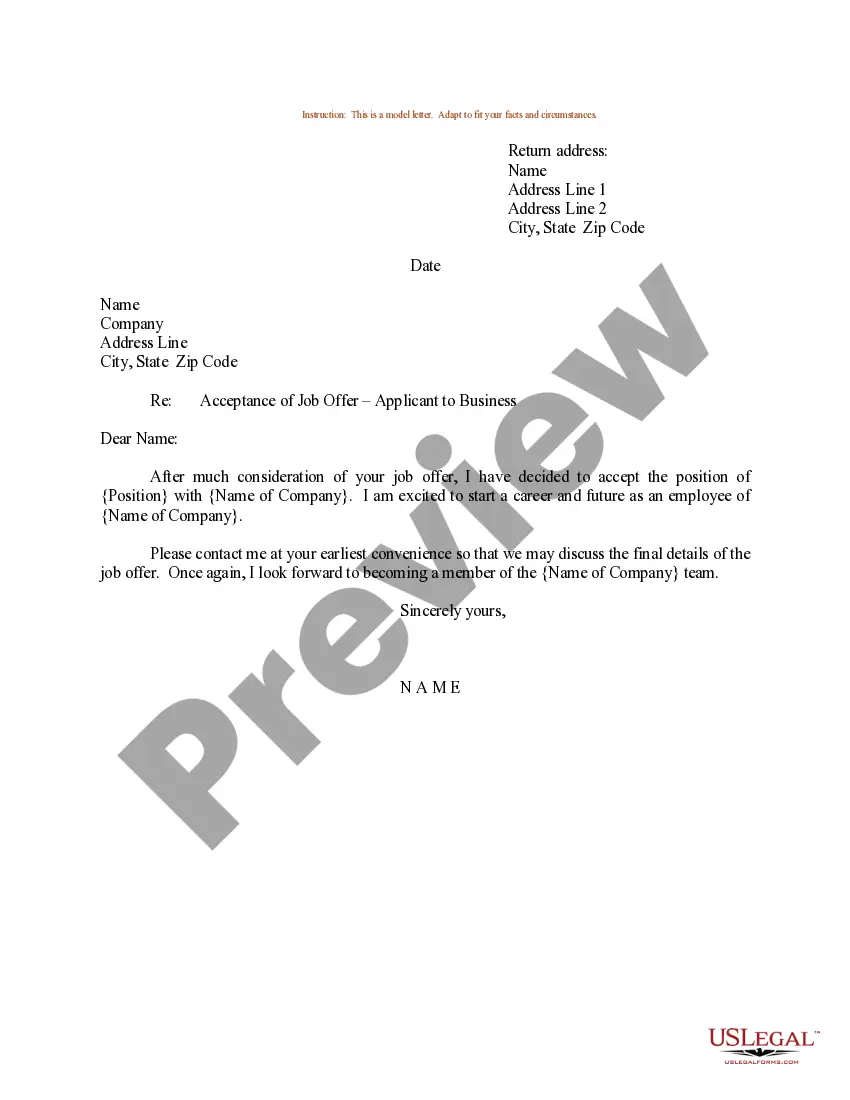
Get your form ready online
Our built-in tools help you complete, sign, share, and store your documents in one place.
Make edits, fill in missing information, and update formatting in US Legal Forms—just like you would in MS Word.
Download a copy, print it, send it by email, or mail it via USPS—whatever works best for your next step.
Sign and collect signatures with our SignNow integration. Send to multiple recipients, set reminders, and more. Go Premium to unlock E-Sign.
If this form requires notarization, complete it online through a secure video call—no need to meet a notary in person or wait for an appointment.
We protect your documents and personal data by following strict security and privacy standards.

Make edits, fill in missing information, and update formatting in US Legal Forms—just like you would in MS Word.

Download a copy, print it, send it by email, or mail it via USPS—whatever works best for your next step.

Sign and collect signatures with our SignNow integration. Send to multiple recipients, set reminders, and more. Go Premium to unlock E-Sign.

If this form requires notarization, complete it online through a secure video call—no need to meet a notary in person or wait for an appointment.

We protect your documents and personal data by following strict security and privacy standards.
Looking for another form?


Form popularity
FAQ
Common Defenses Against Speeding Tickets Inaccurate Estimation of Speed by the Officer. Questioning the Officer's Vantage Point and Conditions During the Incident. Radar and Lidar Inaccuracies. Calibration and Maintenance Records of the Device. Operator Error or Improper Use of the Device. Driving to Avoid Harm or Danger.
If you are guilty, say so, be sincere, own it and apologize. You can still appeal to the court by being honest and stating why you were speeding, but don't make a huge speech or try to blame others. Regardless of your reasons, remember that you broke the law and the court will not look favorably on that.
A driver should always plead not guilty to a speeding ticket. Pleading guilty is not advisable because: It can lead to higher fines and/or insurance rates. It can add points to a driver's record, and accumulating enough points over time can lead to license suspensions.
Six Ways to Resolve a California Traffic Ticket Hire an Attorney. Appear in Court to Request a Trial. Request a Trial by Written Declaration. Plead Guilty by Paying the Citation. Plead Guilty by Paying the Citation in Installments. Plead Guilty by Requesting Community Service.
Six Ways to Resolve a California Traffic Ticket Hire an Attorney. Appear in Court to Request a Trial. Request a Trial by Written Declaration. Plead Guilty by Paying the Citation. Plead Guilty by Paying the Citation in Installments. Plead Guilty by Requesting Community Service.
Writing an appeal letter to the court about your traffic ticket is the first thing you need to do in order to get a violation dismissed. In your letter, you should explain who you are, when and where you got your ticket and the reasons why you believe the fine should be decreased or dismissed.
Answer: To ask a judge to reduce a ticket, you should attend your court hearing punctually and present a polite and concise request, explaining any mitigating circumstances or evidence. It's also beneficial to demonstrate a clean driving record and express willingness to attend a traffic school if necessary.
Go into details about how the points will effect you and why the Judge should not impose them. This does not have to be very long or in depth and needs to be clear and concise, right to the point.
California law provides for six different ways to resolve a traffic citation in California. Hire an Attorney. Appear in Court to Request a Trial. Request a Trial by Written Declaration. Plead Guilty by Paying the Citation. Plead Guilty by Paying the Citation in Installments. Plead Guilty by Requesting Community Service.