Police Acceptance Letter For Speeding In Orange
Description
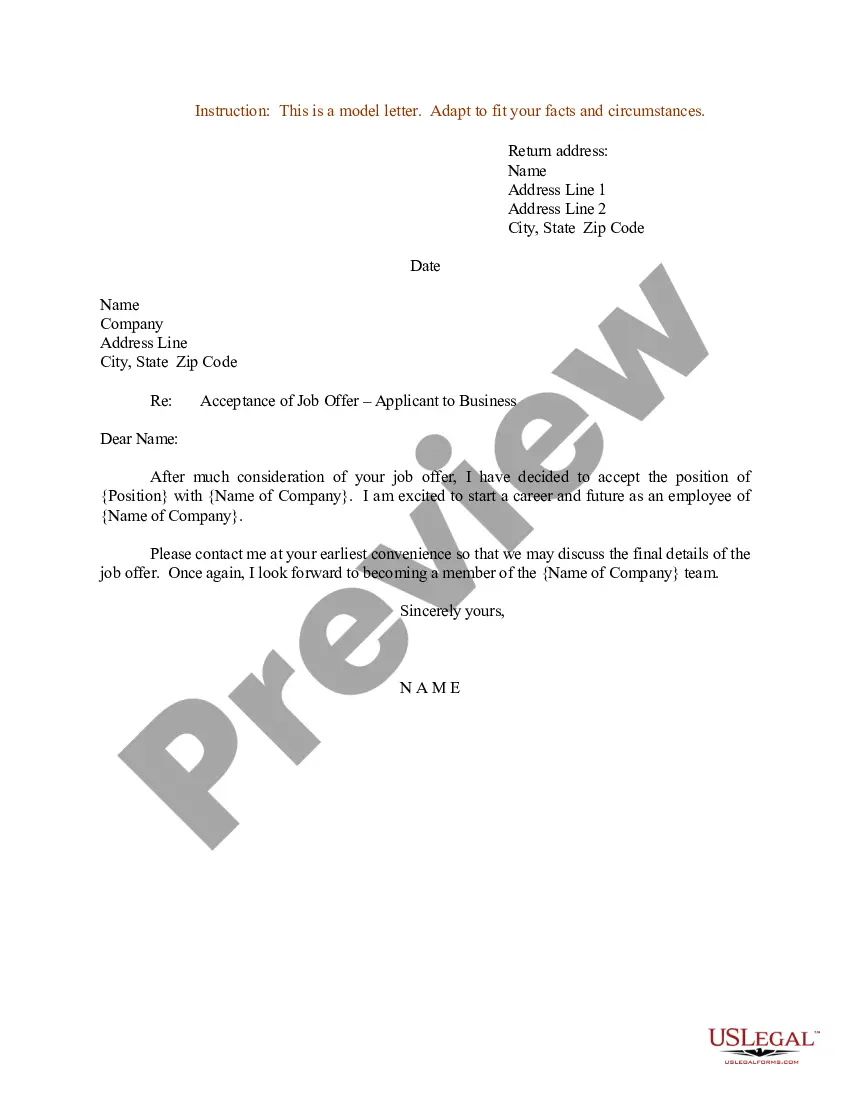
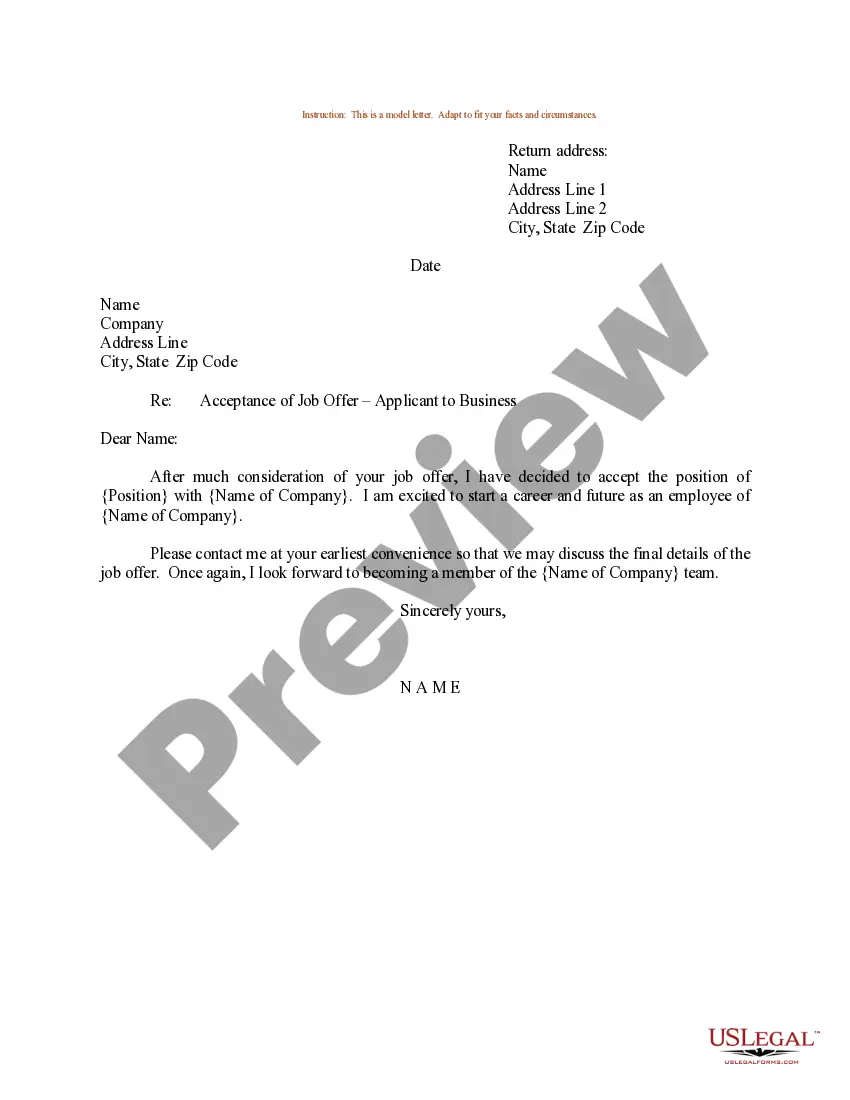
Get your form ready online
Our built-in tools help you complete, sign, share, and store your documents in one place.
Make edits, fill in missing information, and update formatting in US Legal Forms—just like you would in MS Word.
Download a copy, print it, send it by email, or mail it via USPS—whatever works best for your next step.
Sign and collect signatures with our SignNow integration. Send to multiple recipients, set reminders, and more. Go Premium to unlock E-Sign.
If this form requires notarization, complete it online through a secure video call—no need to meet a notary in person or wait for an appointment.
We protect your documents and personal data by following strict security and privacy standards.

Make edits, fill in missing information, and update formatting in US Legal Forms—just like you would in MS Word.

Download a copy, print it, send it by email, or mail it via USPS—whatever works best for your next step.

Sign and collect signatures with our SignNow integration. Send to multiple recipients, set reminders, and more. Go Premium to unlock E-Sign.

If this form requires notarization, complete it online through a secure video call—no need to meet a notary in person or wait for an appointment.

We protect your documents and personal data by following strict security and privacy standards.
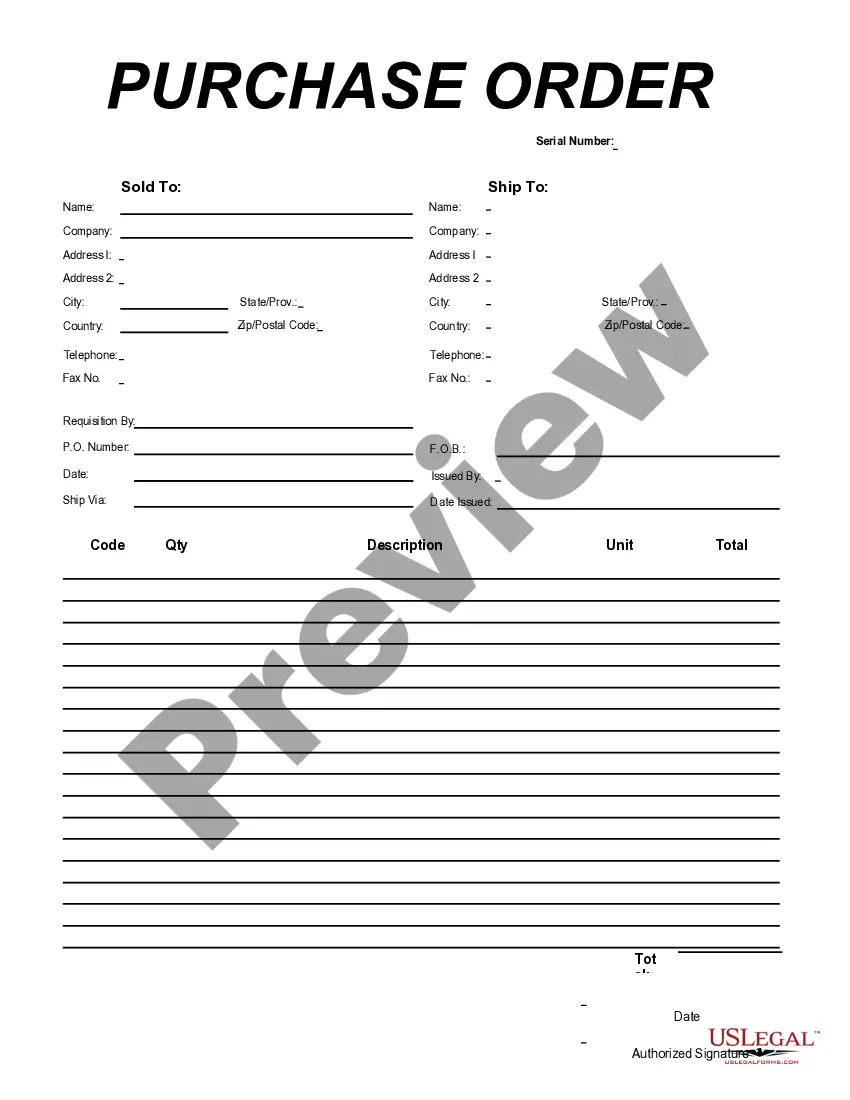
Looking for another form?






Form popularity
FAQ
Be sure to include all the essential details, including the date and location of the violation, your citation number, and any other relevant factual information. Identify yourself as the violator and explain why you are contesting the ticket.
To look up a traffic ticket, visit the website of the Superior Court of California in the county where the ticket was issued. Use the Find Your Court page to find the contact information of all county Superior Courts in California. The webpage also provides direct links to the traffic sections of their websites.
Common Defenses Against Speeding Tickets Inaccurate Estimation of Speed by the Officer. Questioning the Officer's Vantage Point and Conditions During the Incident. Radar and Lidar Inaccuracies. Calibration and Maintenance Records of the Device. Operator Error or Improper Use of the Device. Driving to Avoid Harm or Danger.
Your argument should be clear, concise, and persuasive. State the reasons why you believe you should not have been charged and present any evidence that supports your case. Use specific examples and be as detailed as possible.
Your argument should be clear, concise, and persuasive. State the reasons why you believe you should not have been charged and present any evidence that supports your case. Use specific examples and be as detailed as possible.
Answer: To ask a judge to reduce a ticket, you should attend your court hearing punctually and present a polite and concise request, explaining any mitigating circumstances or evidence. It's also beneficial to demonstrate a clean driving record and express willingness to attend a traffic school if necessary.
Writing Your Trial by Written Declaration Your opening paragraph should grab the reader's attention and clearly state your argument. Make sure to include key details about the incident, such as the date, time, and location.
A trial by written declaration is a procedure where, instead of appearing in court for a trial on your citation, you mail or bring in a written statement on a trial by written declaration by explaining the facts of your case and why the court should rule in your favor.