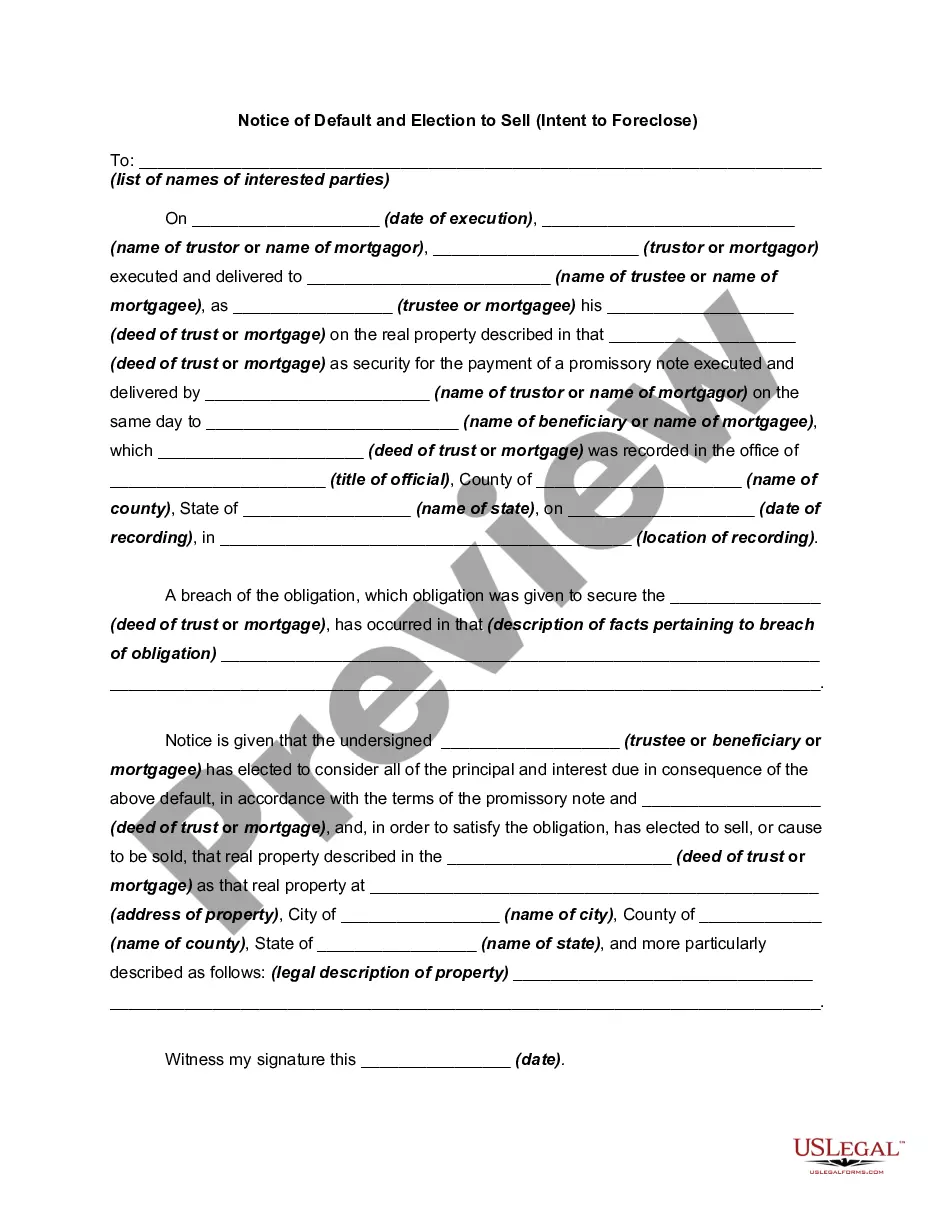
Notice Of Default In California
Description
Get your form ready online
Our built-in tools help you complete, sign, share, and store your documents in one place.
Make edits, fill in missing information, and update formatting in US Legal Forms—just like you would in MS Word.
Download a copy, print it, send it by email, or mail it via USPS—whatever works best for your next step.
Sign and collect signatures with our SignNow integration. Send to multiple recipients, set reminders, and more. Go Premium to unlock E-Sign.
If this form requires notarization, complete it online through a secure video call—no need to meet a notary in person or wait for an appointment.
We protect your documents and personal data by following strict security and privacy standards.

Make edits, fill in missing information, and update formatting in US Legal Forms—just like you would in MS Word.

Download a copy, print it, send it by email, or mail it via USPS—whatever works best for your next step.

Sign and collect signatures with our SignNow integration. Send to multiple recipients, set reminders, and more. Go Premium to unlock E-Sign.

If this form requires notarization, complete it online through a secure video call—no need to meet a notary in person or wait for an appointment.

We protect your documents and personal data by following strict security and privacy standards.
Looking for another form?
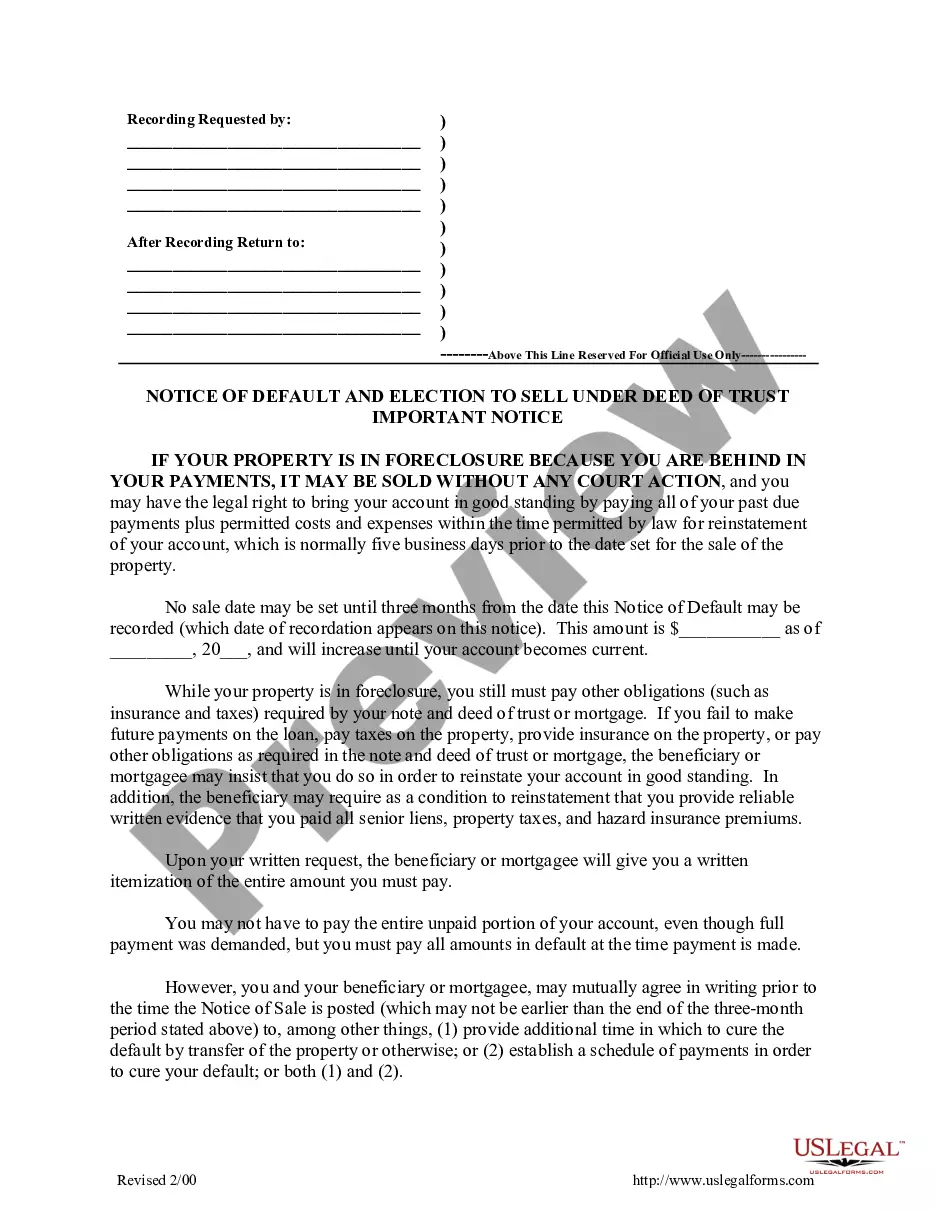
How to fill out California Notice Of Default And Election To Sell Under Deed Of Trust?
Finding a reliable location to obtain the latest and suitable legal templates is a significant part of navigating bureaucracy.
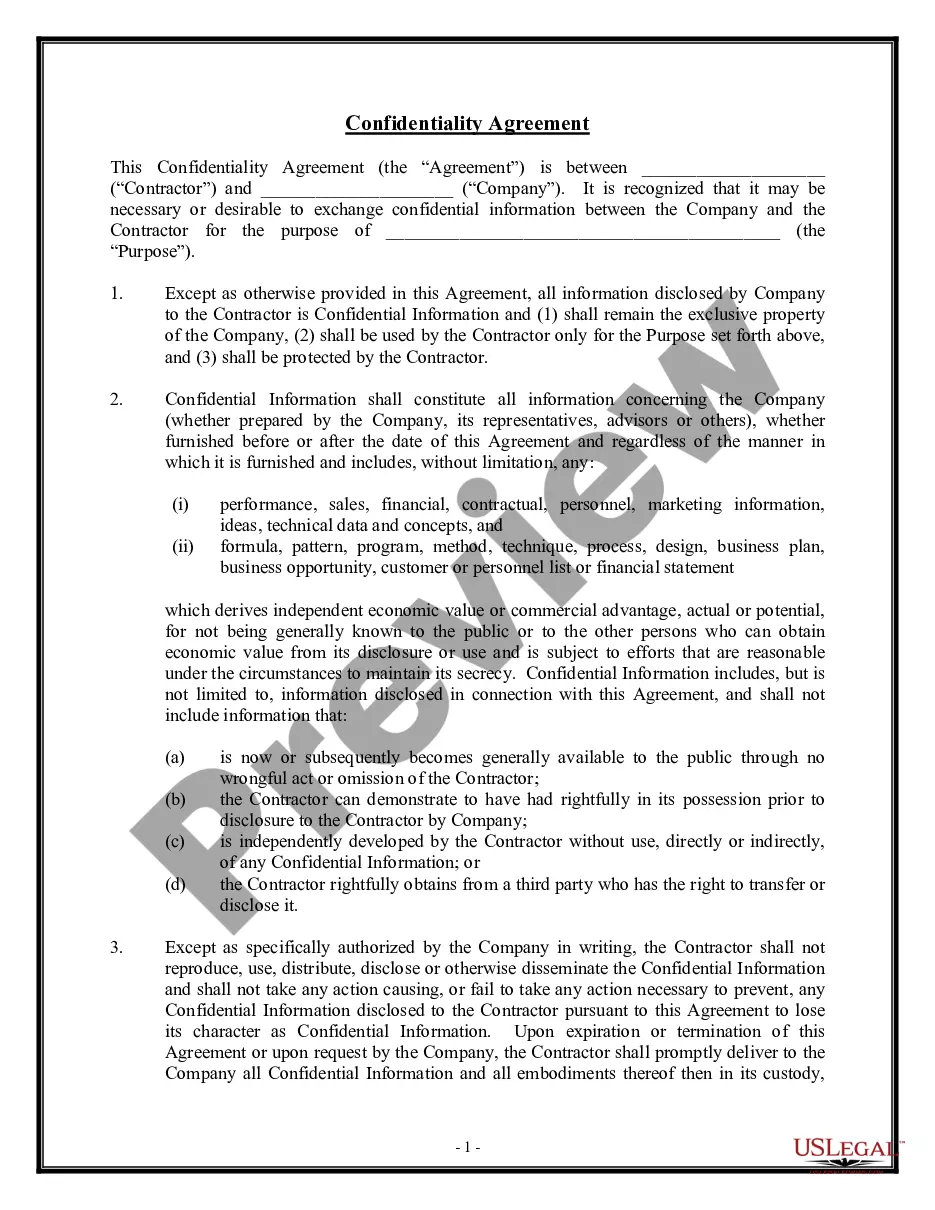
Selecting the correct legal documents requires precision and careful consideration, which is why it's essential to acquire samples of Notice Of Default In California solely from trustworthy providers like US Legal Forms.
Eliminate the hassle associated with your legal documentation. Discover the extensive US Legal Forms repository where you can locate legal samples, verify their applicability to your situation, and download them immediately.
- Use the library navigation or search bar to locate your template.
- Review the form’s description to determine if it meets the needs of your state and area.
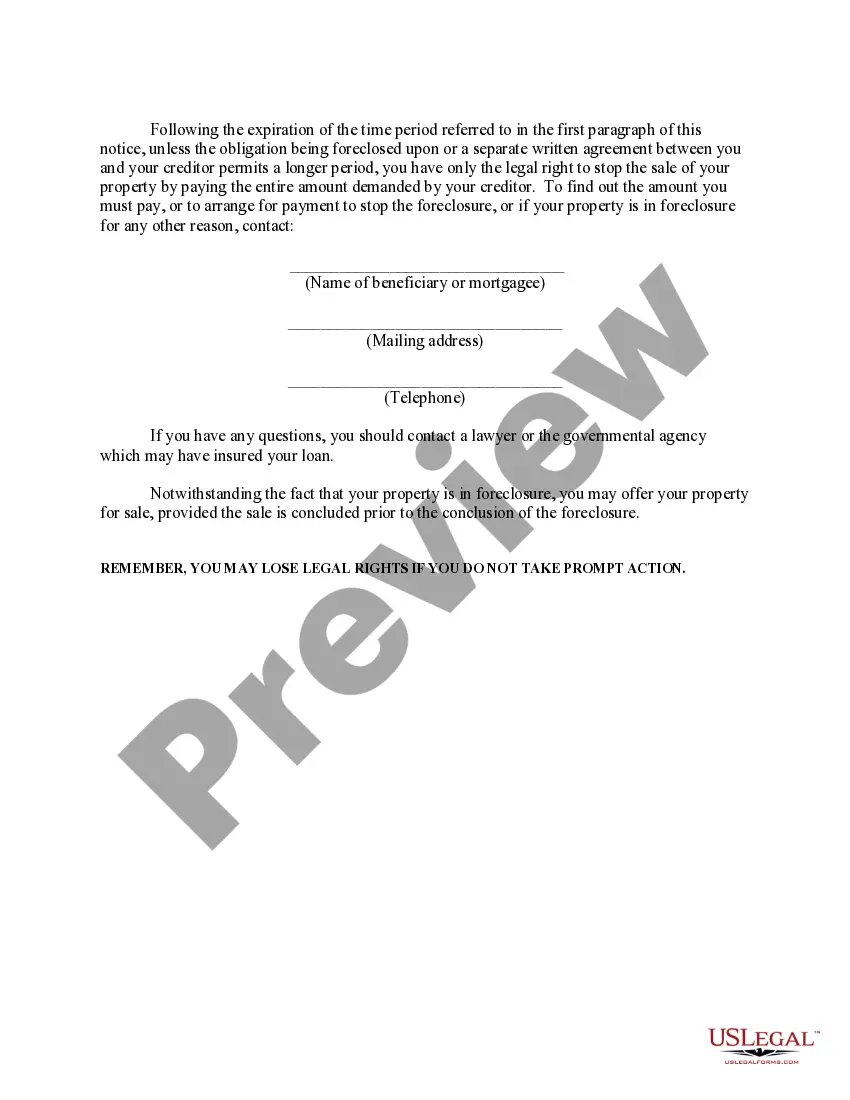
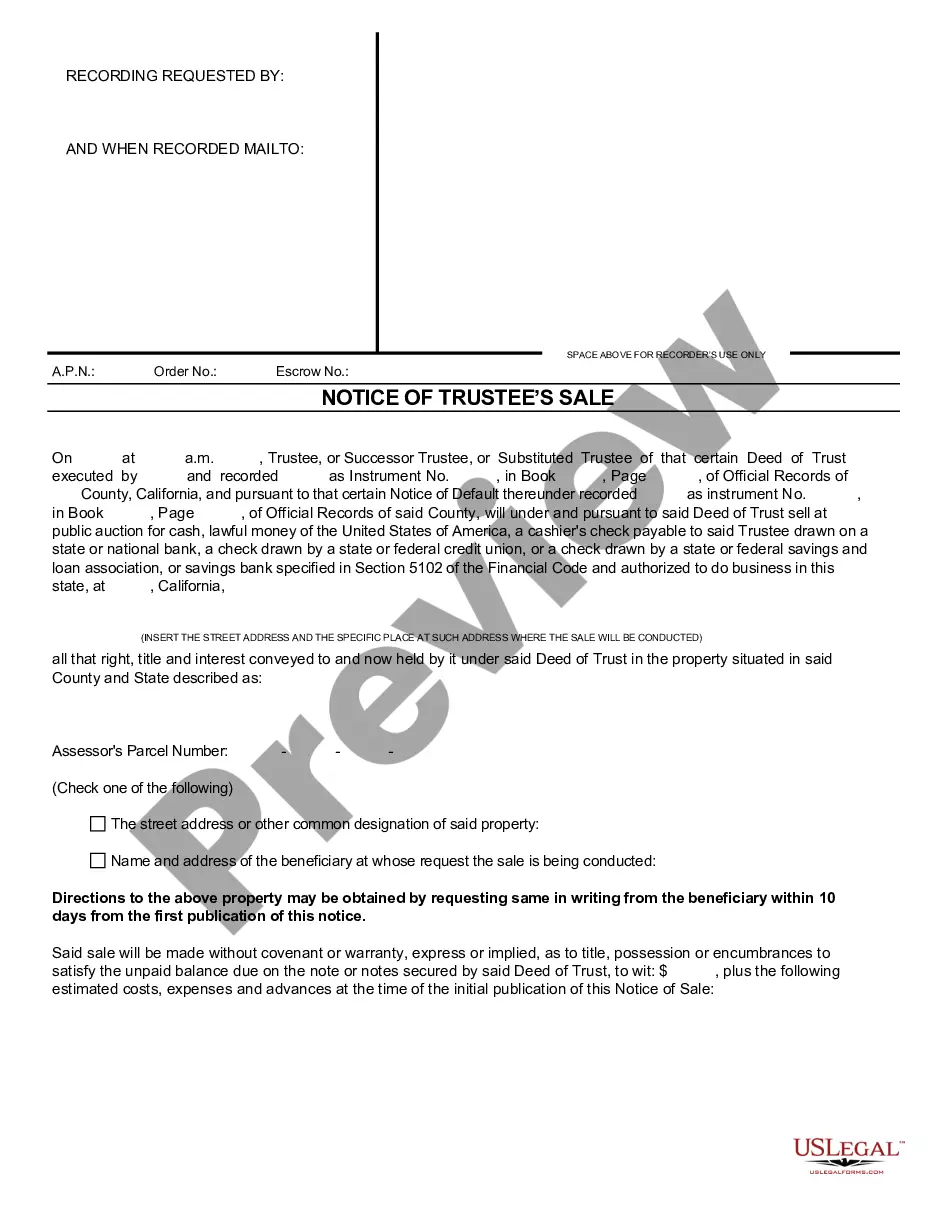
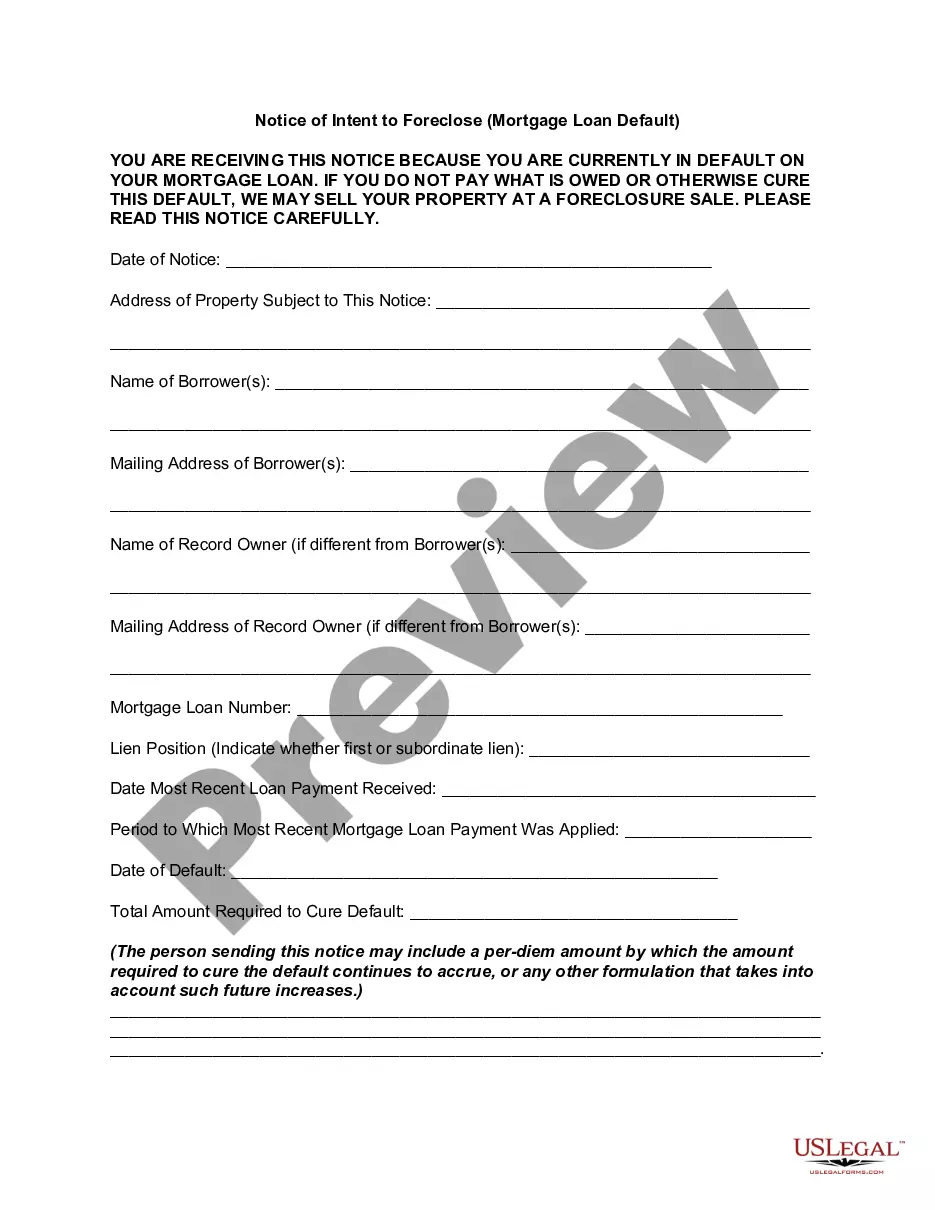
- Check the form preview, if available, to confirm that the template is indeed what you are searching for.
- Return to the search if the Notice Of Default In California does not align with your requirements.
- If you are certain about the form’s applicability, download it.
- As an authorized user, click Log in to verify and access your selected templates in My documents.
- If you haven't created a profile yet, click Buy now to acquire the template.
- Choose the pricing plan that suits your needs.
- Proceed with the registration to complete your purchase.
- Finalize your purchase by selecting a payment method (credit card or PayPal).
- Select the file format for downloading Notice Of Default In California.
- Once you have the document on your device, you can modify it using the editor or print it and complete it manually.
Form popularity
FAQ
Once a request to enter default is approved in California, the court will issue an entry of default. Following this, the defaulting party loses their right to respond to the lawsuit, which may lead to a default judgment being entered against them. This process underscores the importance of timely responses and awareness of legal obligations, especially concerning a notice of default in California.
A judgment is a final decision made by the court after considering the evidence and arguments from both sides. In contrast, a default occurs when one party, typically the defendant, fails to take action in response to a lawsuit like the Notice of default in California. Thus, a default judgment is issued in favor of the plaintiff without a trial, because the defendant did not participate.
A default judgment typically occurs when the defendant does not respond or appear in court by the deadline. In situations involving a Notice of default in California, this can happen for various reasons including lack of knowledge about the lawsuit or simply choosing not to defend themselves. Once the time limit passes, the plaintiff can seek a default judgment for relief.
The Notice of Default tells you the total amount you owe including missed payments and foreclosure fees. A declaration must be attached to the notice stating the lender has spoken to you or tried to reach you to discuss your situation.
You can ask to cancel, or ?set aside? a default judgment. You have to have a good reason for not responding in 30 days. If the judgment is canceled, you'll get a chance to answer.
Information That Will Be in the Notice of Default The property address and description of the property. The total amount owed. A deadline for resolving the amount owed. Next steps if the borrower does not resolve the delinquent amount.
How to ask for a default Fill out request for default. Request for Entry of Default (form CIV-100) ... If ready, also fill out forms to ask for a judgement. Judgment (form JUD-100) ... Mail copies to the defendant. Make at least 2 copies of everything. ... File forms. Bring the Request for Default to the court clerk.
After a default judgment, the Plaintiff will try to collect the money you owe. The Plaintiff may be able to take money from your paycheck or bank account and put a lien on your property.