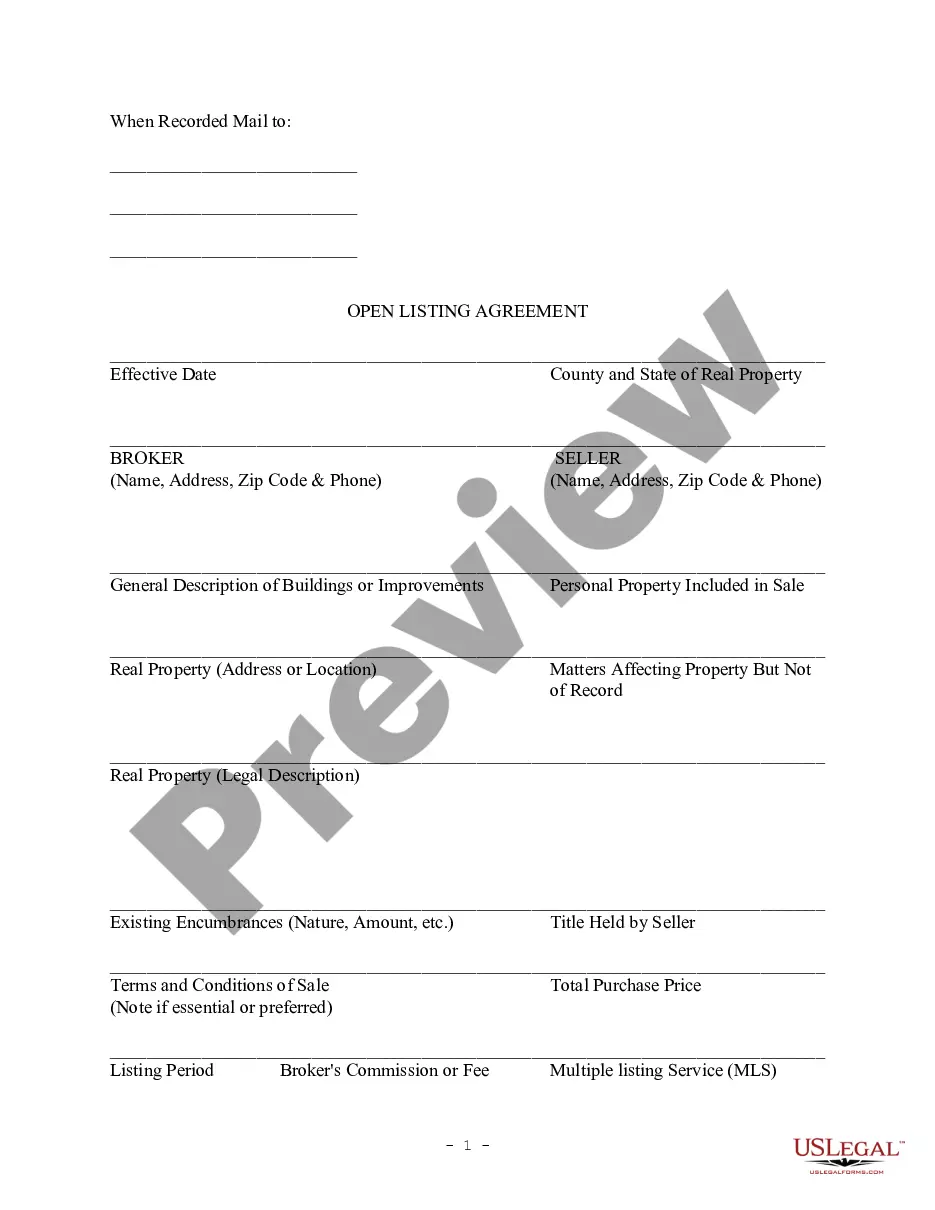
Exclusive Listing Agreement - Residential: This agreement is between the Owner of land and a Broker. A contract such as this, simply states that the Owner gives the exclusive right to selling his/her property to this particular Broker. Each party signs this document in front of a Notary Public. This form is available in both Word and Rich Text formats.
Listing Agreement For Condominium
Instant download
Description
Free preview
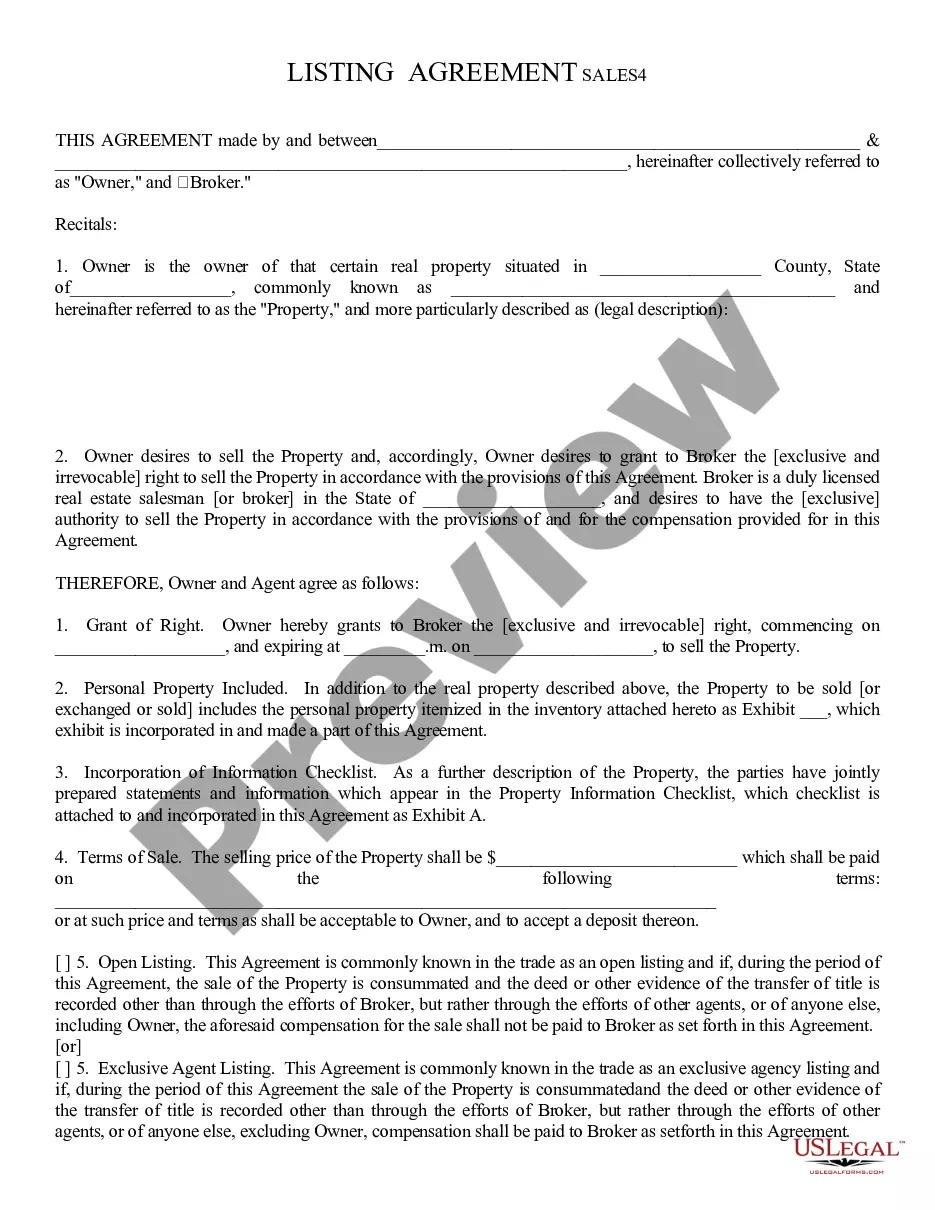
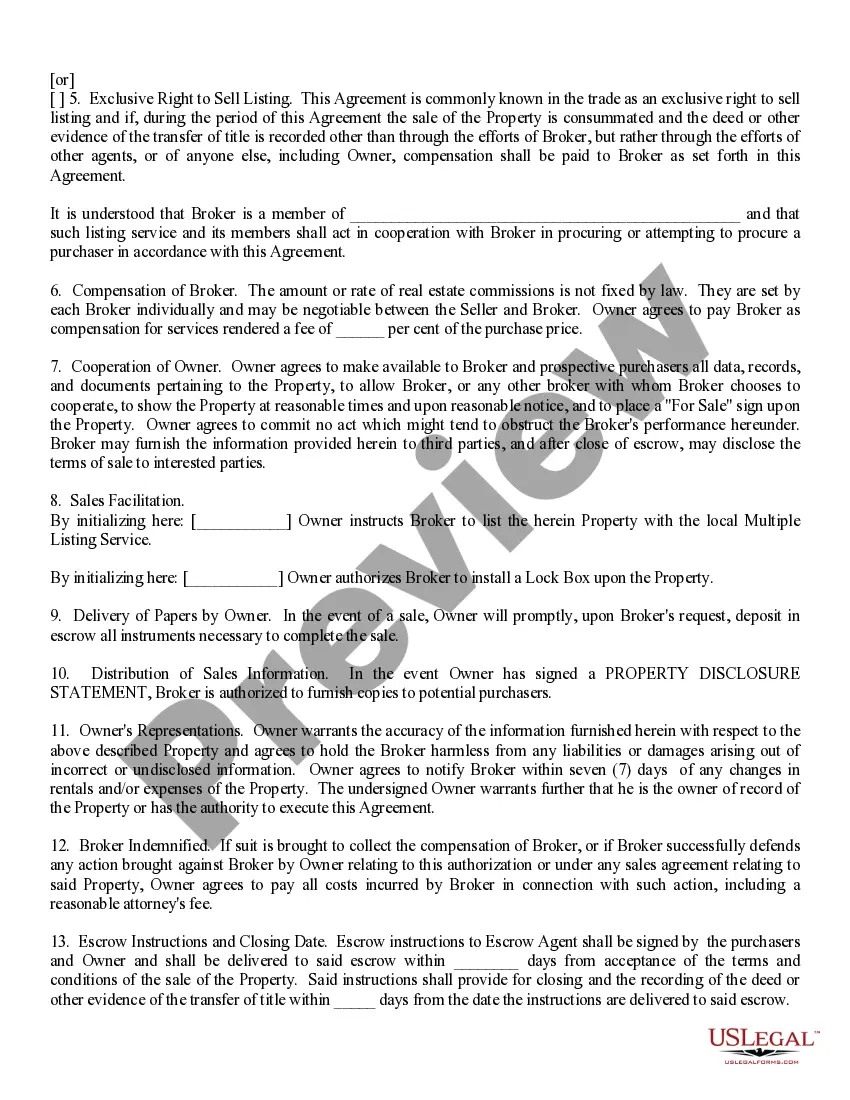
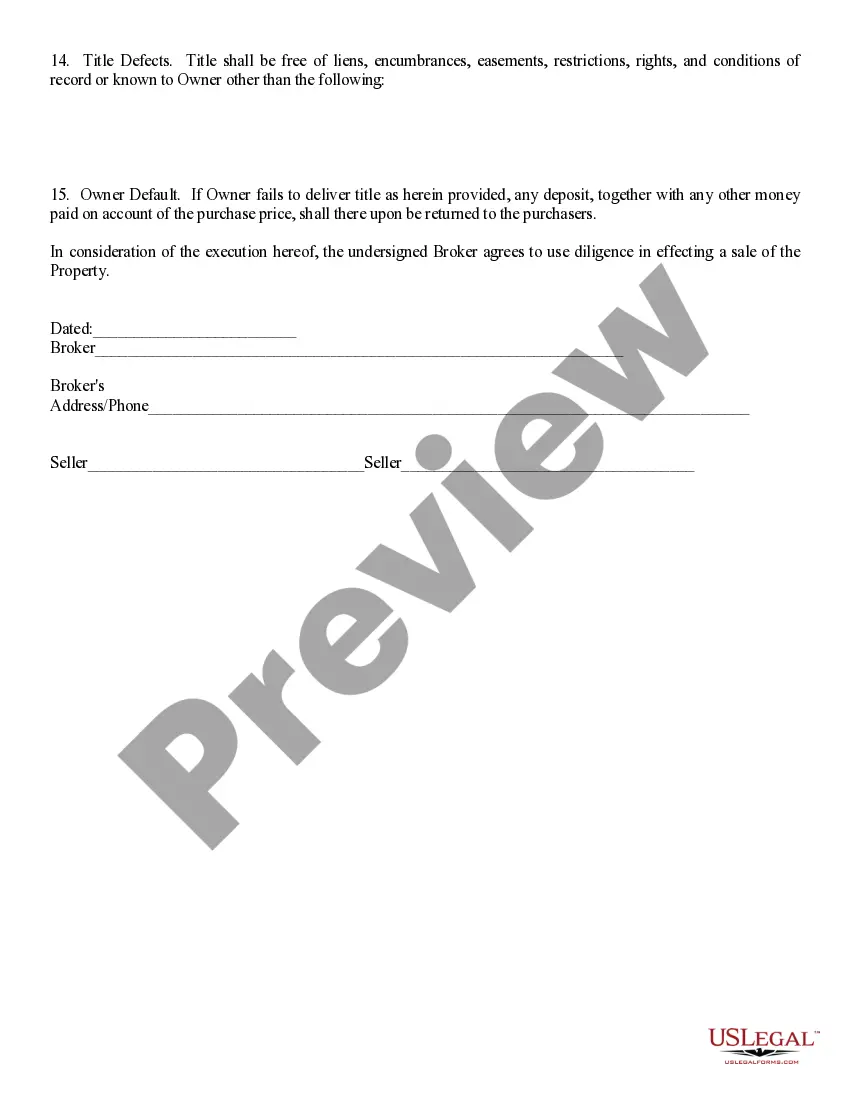
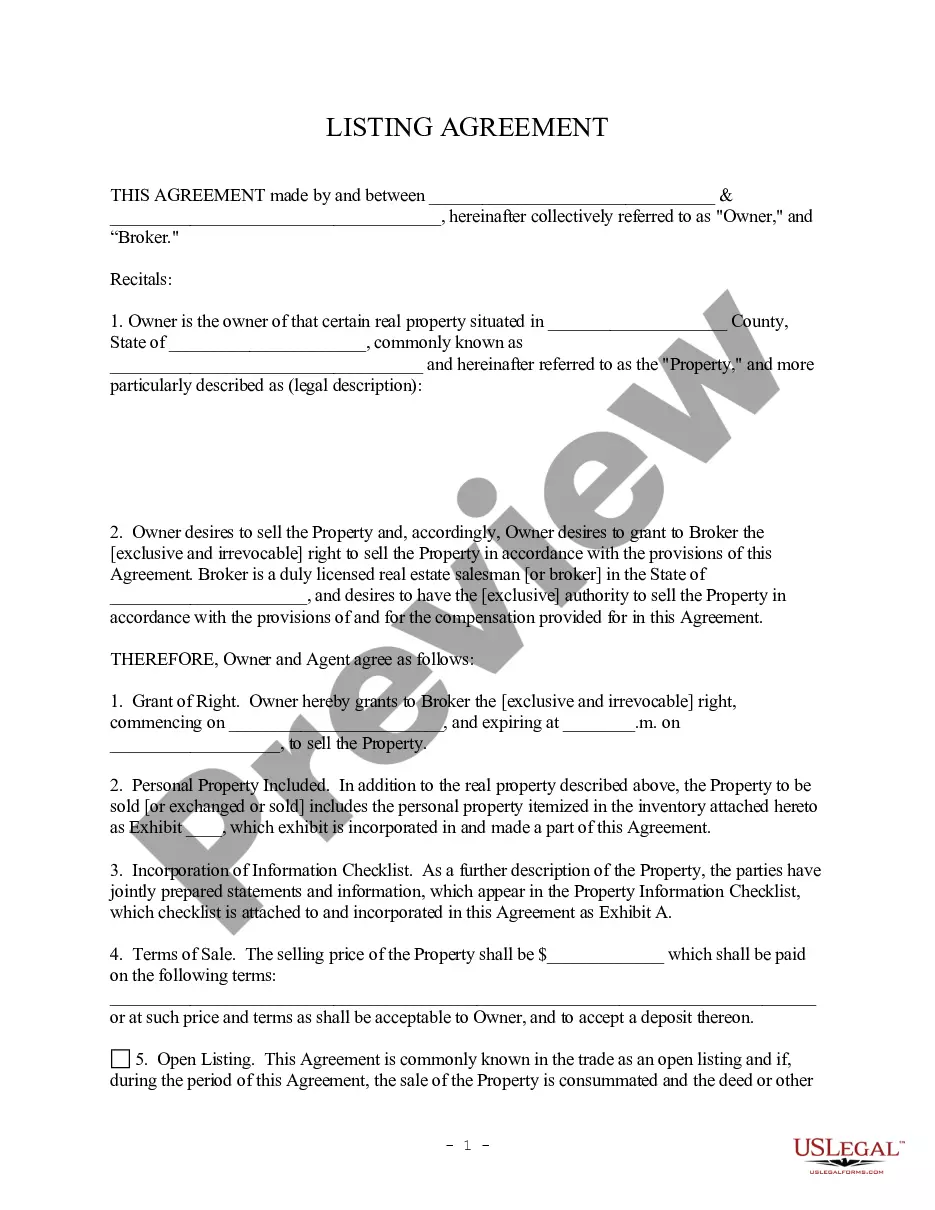
Get your form ready online
Our built-in tools help you complete, sign, share, and store your documents in one place.
Built-in online Word editor
Make edits, fill in missing information, and update formatting in US Legal Forms—just like you would in MS Word.
Export easily
Download a copy, print it, send it by email, or mail it via USPS—whatever works best for your next step.
E-sign your document
Sign and collect signatures with our SignNow integration. Send to multiple recipients, set reminders, and more. Go Premium to unlock E-Sign.
Notarize online 24/7
If this form requires notarization, complete it online through a secure video call—no need to meet a notary in person or wait for an appointment.
Store your document securely
We protect your documents and personal data by following strict security and privacy standards.

Make edits, fill in missing information, and update formatting in US Legal Forms—just like you would in MS Word.

Download a copy, print it, send it by email, or mail it via USPS—whatever works best for your next step.

Sign and collect signatures with our SignNow integration. Send to multiple recipients, set reminders, and more. Go Premium to unlock E-Sign.

If this form requires notarization, complete it online through a secure video call—no need to meet a notary in person or wait for an appointment.

We protect your documents and personal data by following strict security and privacy standards.
Looking for another form?

How to fill out Arizona Exclusive Listing Agreement - Residential?
- Access your existing US Legal Forms account. If you're a returning user, simply log in to download the necessary template.
- Verify your subscription status. Ensure it's valid to access the documents. If it's about to expire, renew it as per your payment plan.
- Browse the available forms. In Preview mode, check the form description to find one suitable for your needs that aligns with your local jurisdiction.
- Search for alternatives if necessary. If your form isn't suitable, use the Search tab to locate the correct template.
- Purchase the selected document. Click the Buy Now button and choose your preferred subscription. You’ll need to create an account to access the resources.
- Complete your payment process. Fill in your credit card information or opt for PayPal to finalize your subscription.
- Download your listing agreement. Save the template to your device and access it anytime through the My Forms menu.
By utilizing US Legal Forms, you ensure that you can easily navigate the complexities of creating a listing agreement for your condominium. With access to expert guidance and a comprehensive form library, you're in good hands.
Start your hassle-free experience today and create a legally sound listing agreement with US Legal Forms.
Form popularity
FAQ
A listing agreement for condominium must have the signatures of both the seller and the real estate agent to be legally binding. It should include a clear description of the condominium and any specific terms related to its sale. Furthermore, it is crucial to state the agent's commission rate and any other financial obligations. Having these elements in place gives you and the agent a solid foundation for a successful transaction.
For a listing agreement for condominium to be valid, it must include essential components such as the property description, parties involved, and mutual agreement on terms. Both you and your real estate agent must sign the document to signify acceptance. Furthermore, ensuring the agreement complies with state regulations and real estate laws is crucial. Utilizing a reliable platform like US Legal Forms can help guarantee that your listing agreement meets all legal standards.
When preparing a listing agreement for condominium, certain personal information is not necessary. Avoid including sensitive data such as social security numbers or bank account details, as these are irrelevant to the transaction. Additionally, personal preferences that do not directly affect property sale conditions can be omitted. Keeping the agreement focused on pertinent details can simplify the process and protect your privacy.
After you sign a listing agreement for condominium, your real estate agent will begin marketing your property according to the terms outlined in the agreement. This typically includes professional photography, online listings, open houses, and other promotional efforts. Your agent will also maintain communication with potential buyers and help negotiate offers as they come in. Following this, regular updates and feedback will be shared, ensuring you stay informed throughout the selling process.
The three main types of listing agreements include exclusive right to sell, exclusive agency, and open listing agreements. The exclusive right to sell provides the agent with the most protection and ensures they receive a commission once the property sells. An exclusive agency agreement allows the homeowner to sell the property independently without paying the agent's commission. An open listing permits multiple agents to market the property, offering flexibility but potentially less commitment.
Typically, a listing agreement for condominium lasts between three to six months. However, the exact duration may depend on various factors, including the property market conditions and agreements between the owner and the agent. Setting a reasonable timeframe can help both parties assess the effectiveness of their selling strategy. Consult platforms such as uslegalforms for standard durations and examples.
A standard listing agreement for condominium includes essential details such as the property details, commission rate, and listing duration. This agreement ensures that both the seller and agent have a clear understanding of expectations and obligations. Additionally, standard agreements often contain clauses concerning marketing efforts and what happens if the property does not sell. Utilizing templates from services like uslegalforms can streamline this process.
The inium addendum to listing is a supplemental document that can be attached to a listing agreement for condominium. This addendum offers additional terms or conditions that specify particular aspects of the agreement, such as repairs, contingencies, or specific buyer criteria. Including an addendum can provide clarity and ensure that both parties are aligned before entering a transaction. It's often recommended to utilize legal resources, such as uslegalforms, to ensure compliance.
The most widely used listing agreement for condominium is the Exclusive Right to Sell agreement. This form gives the real estate agent the sole right to market the condominium and earn a commission upon sale, regardless of who finds the buyer. This type of agreement provides an incentive for agents to actively promote the property, ensuring it receives maximum exposure in the market. You can find a suitable template on platforms like uslegalforms.
The difference between a contract and an agreement lies primarily in enforceability. A contract is a legally binding agreement that contains specific terms and conditions, including the obligations of each party. An agreement may not have all the legal elements that make it enforceable. In the context of a listing agreement for condominium, it's important to recognize that this agreement becomes a binding contract once signed, ensuring all parties fulfill their obligations.