Connecticut Last Will and Testament for Divorced Person Not Remarried with No Children
Understanding this form
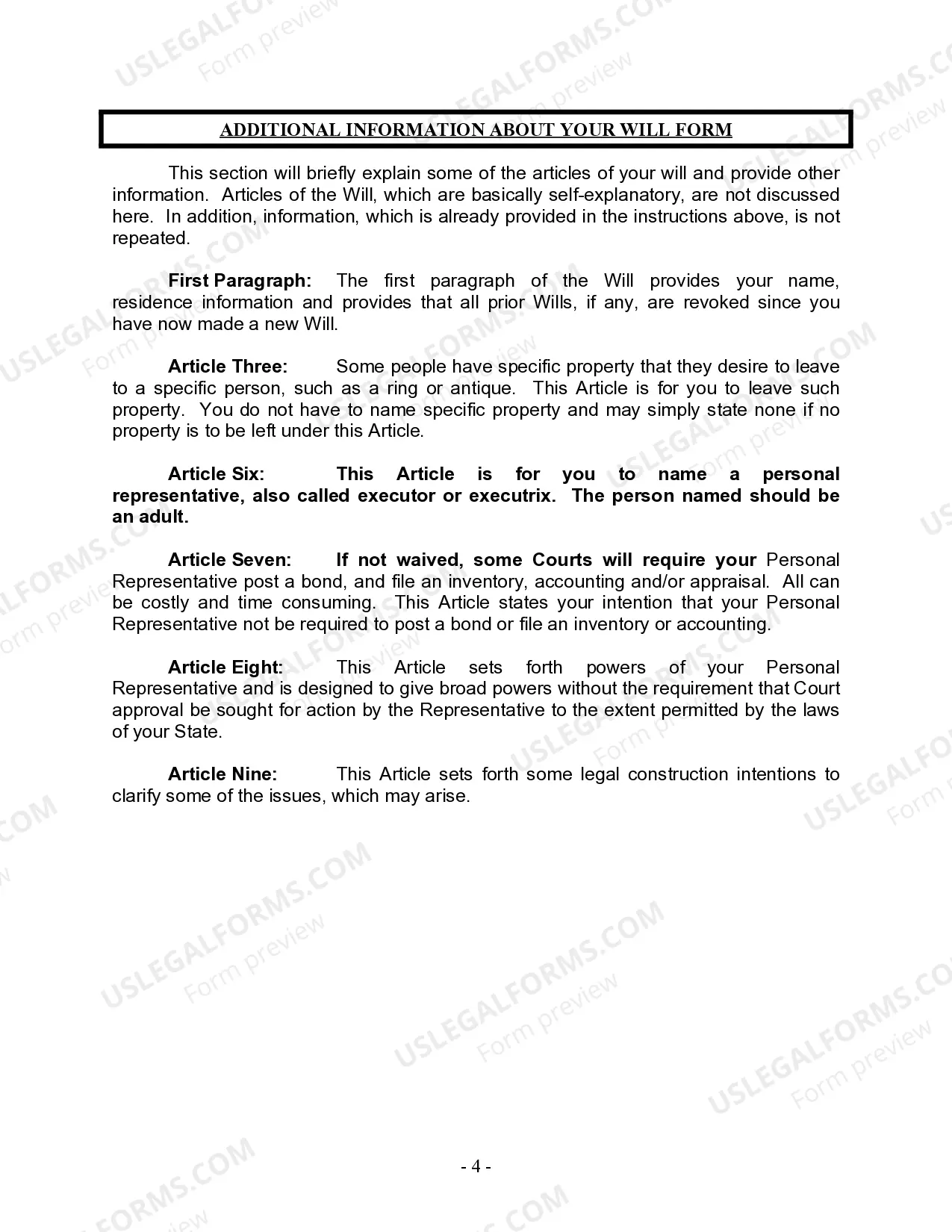
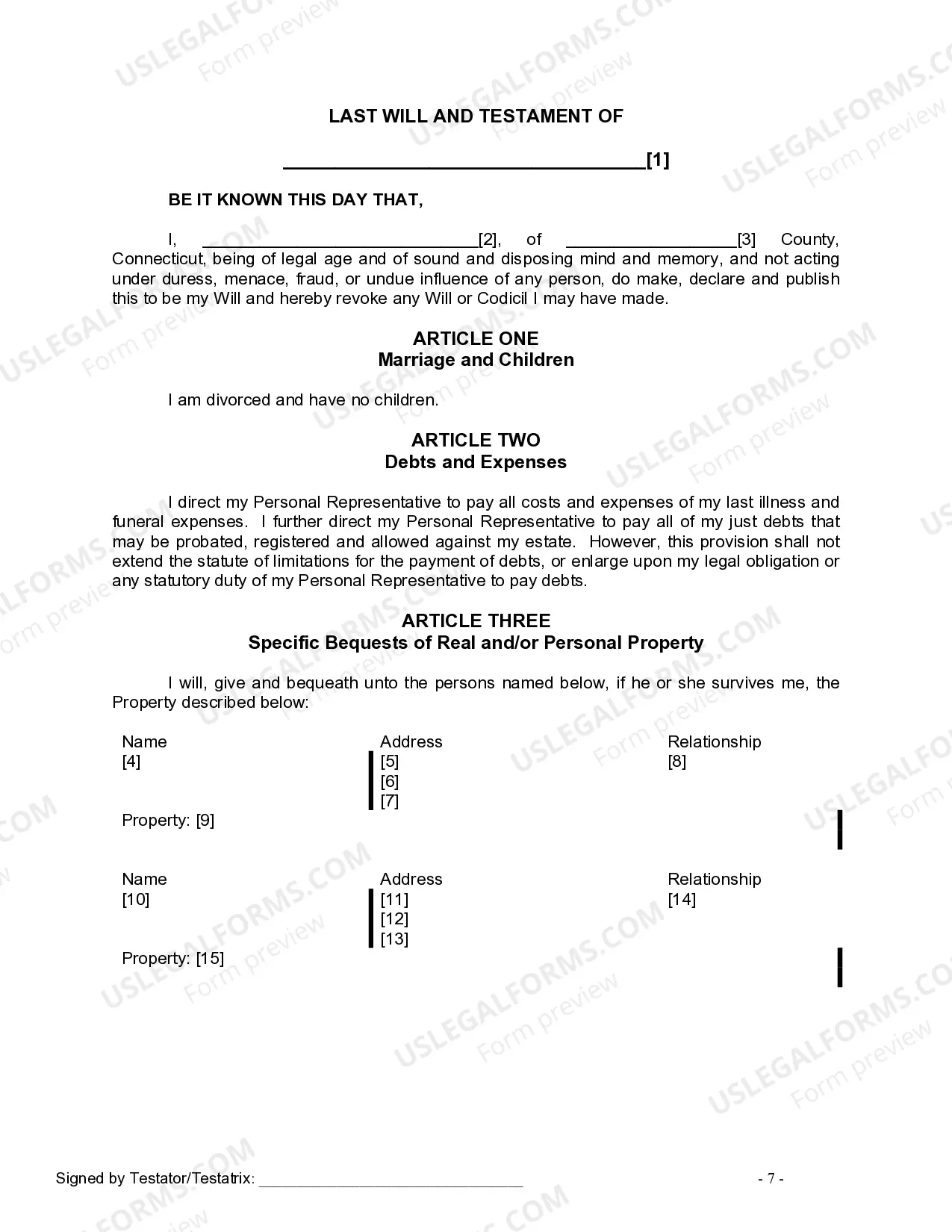
The Last Will and Testament for Divorced Person Not Remarried with No Children is a legal document that outlines how a person wishes their assets to be distributed after their death. This particular form is specifically designed for individuals who are divorced, have not remarried, and have no children. It allows the testator to appoint an executor, specify beneficiaries for their property, and address other important provisions while ensuring their wishes are respected and legally binding.
Key components of this form
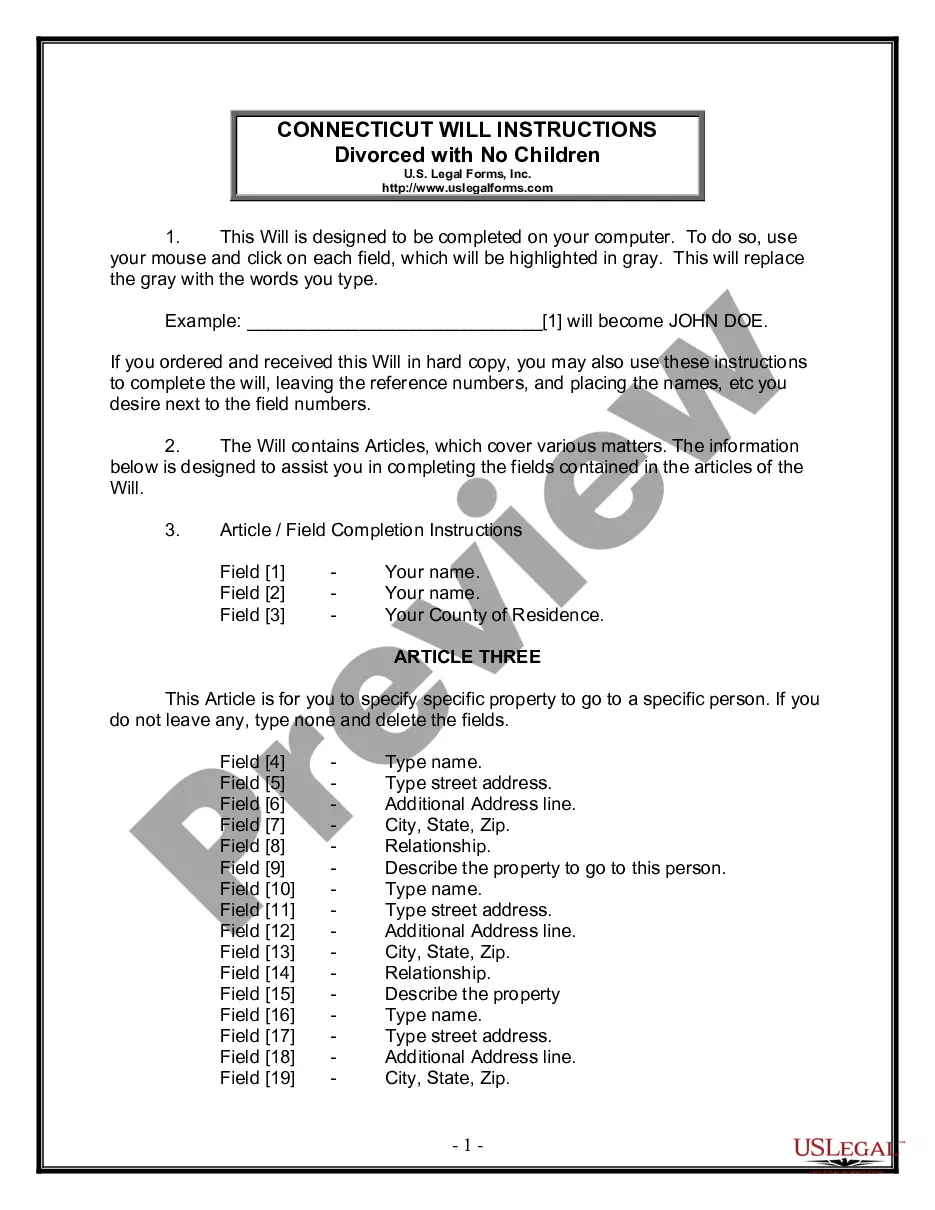
- Article One: Confirms the testator's marital status and lack of children.
- Article Two: Directs the payment of debts and funeral expenses.
- Article Three: Specifies individual gifts of property to designated beneficiaries.
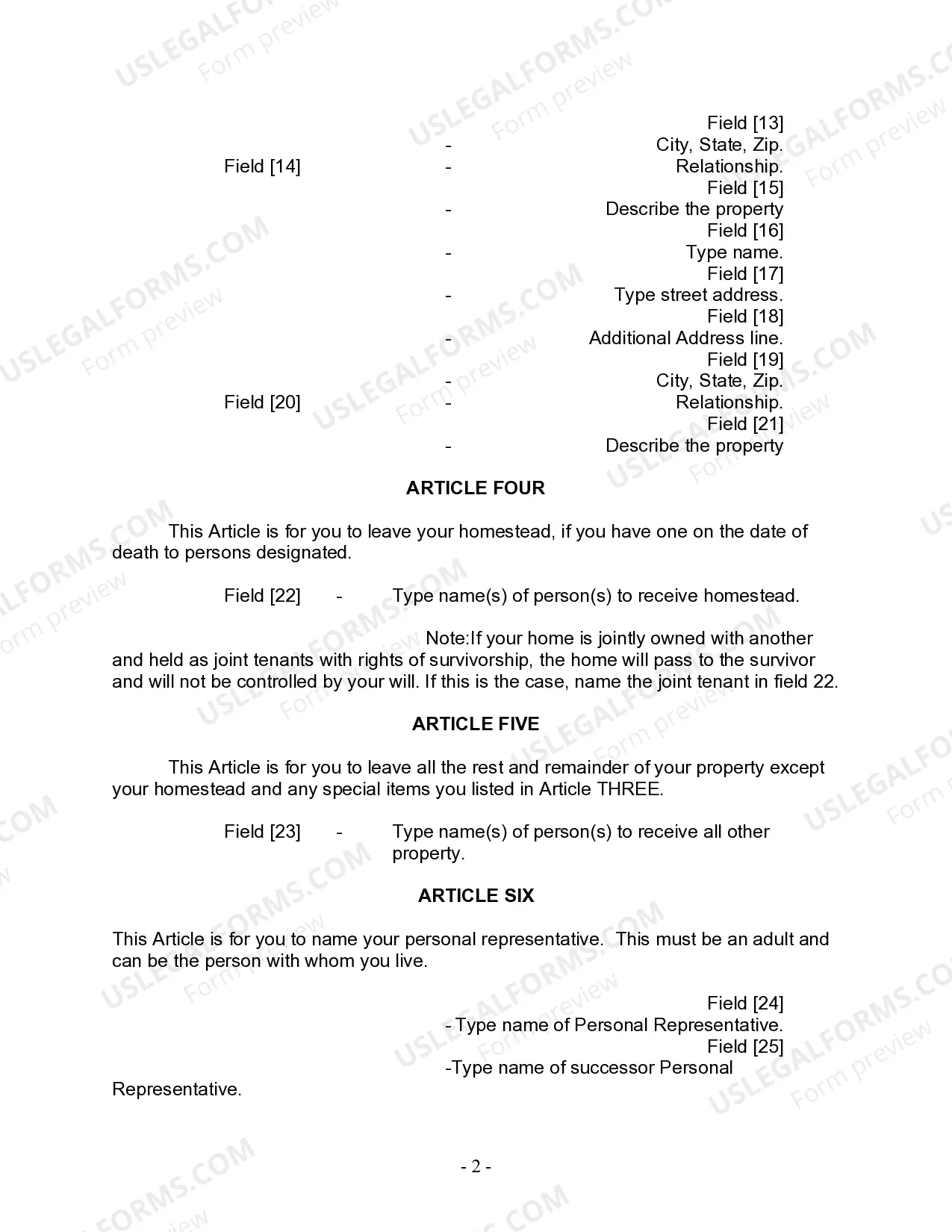
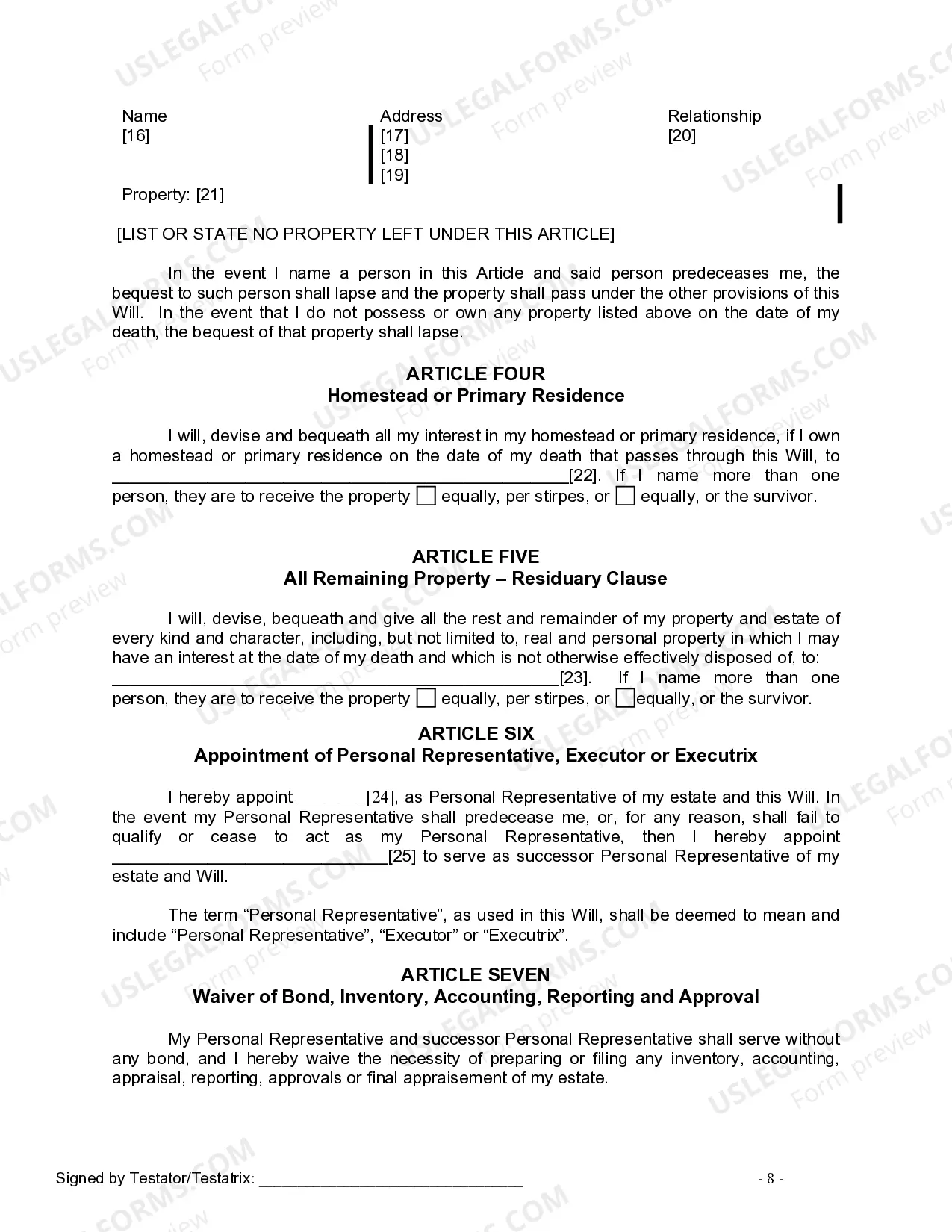
- Article Four: Addresses the distribution of the homestead or primary residence.
- Article Five: Allocates all remaining property after specific bequests.
- Article Six: Appoints a personal representative to administer the estate.
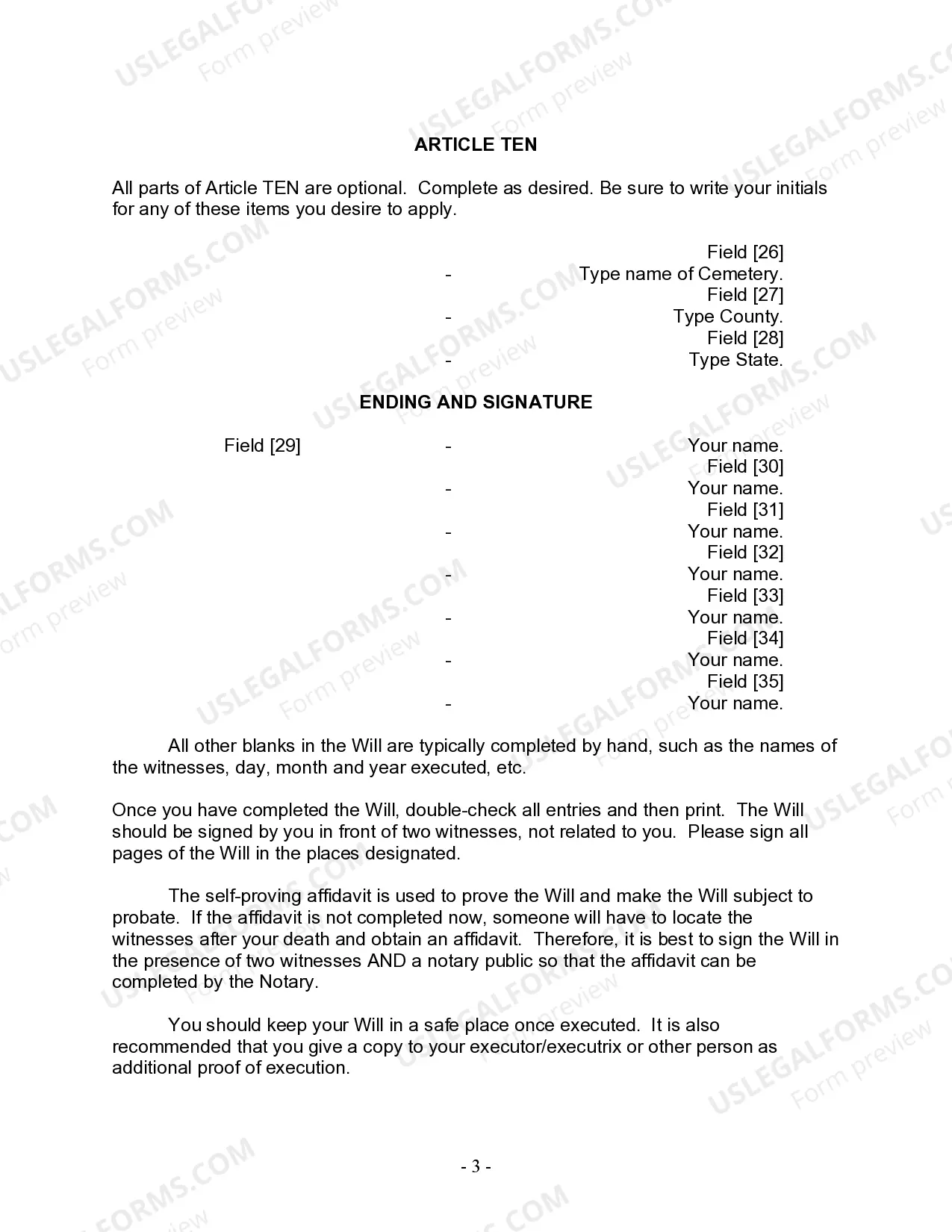
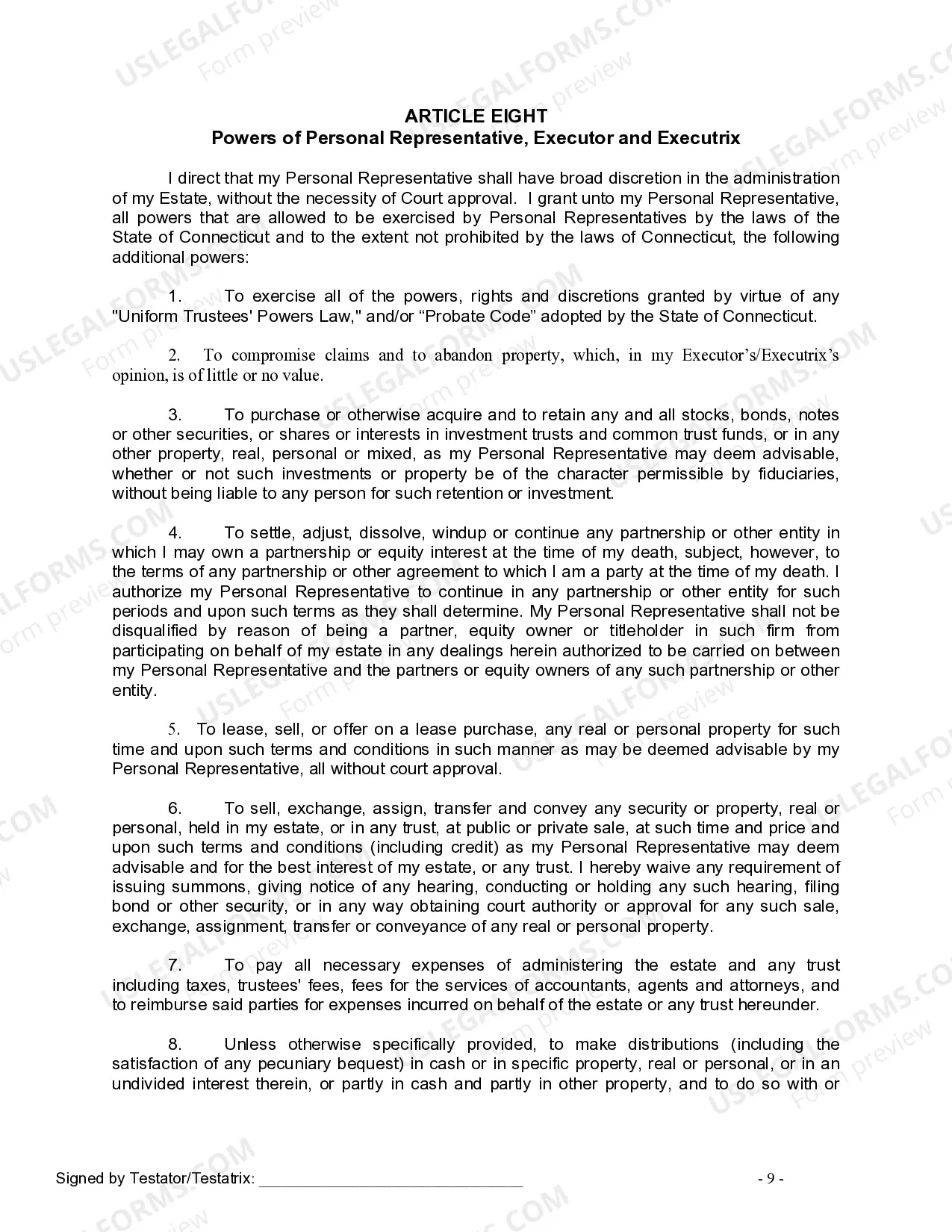
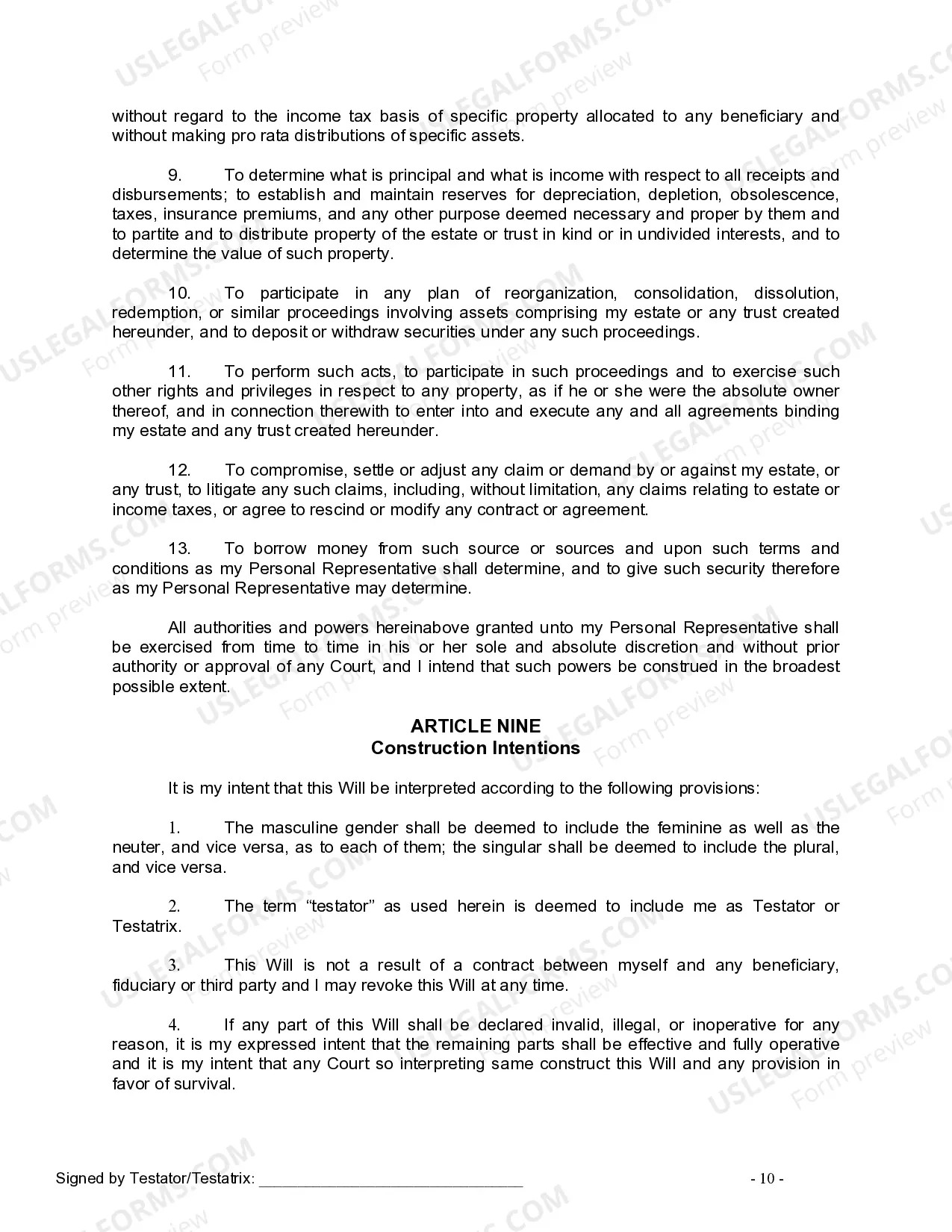
- Optional Provisions: Includes various customizable options for the executor and estate management.

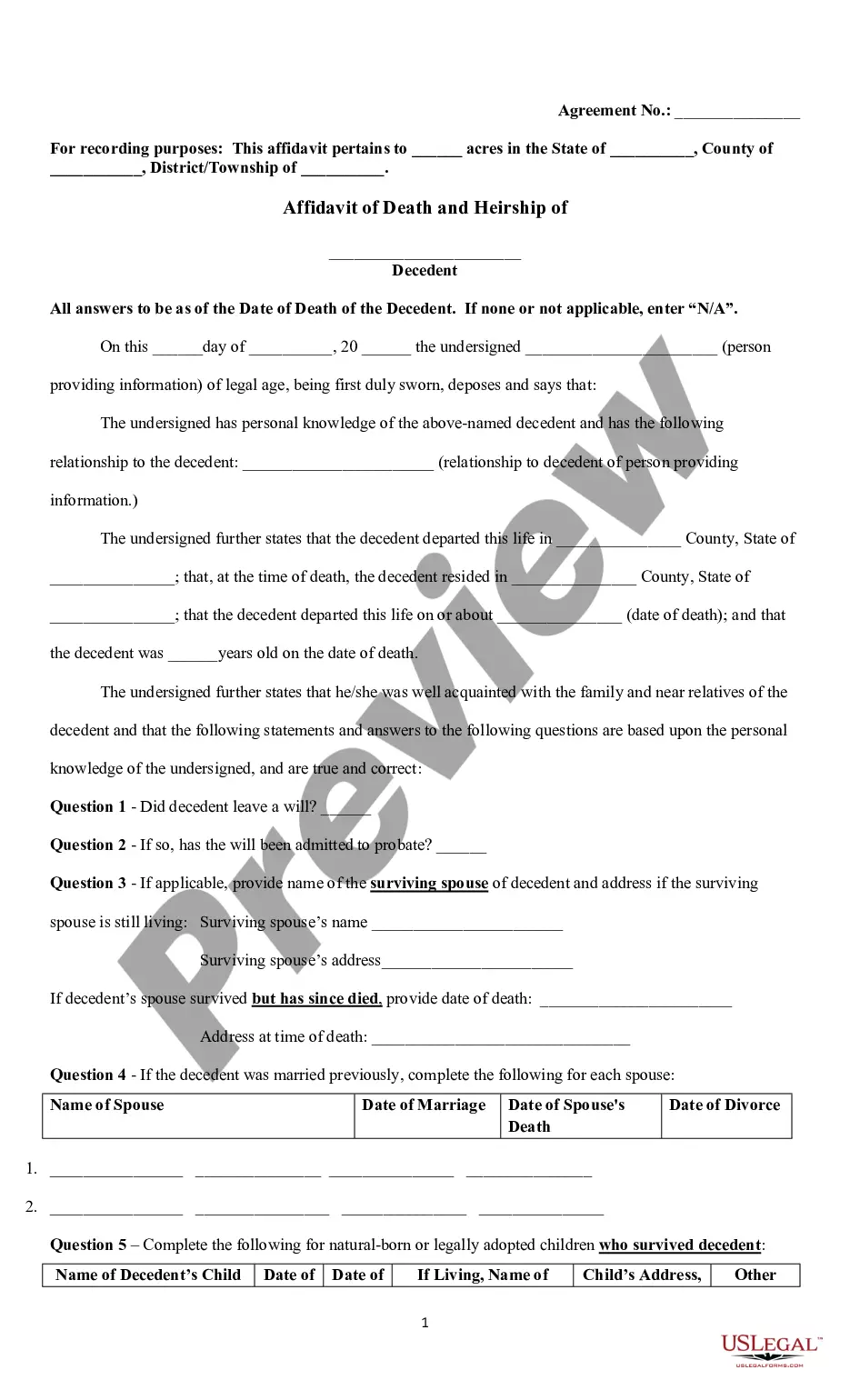
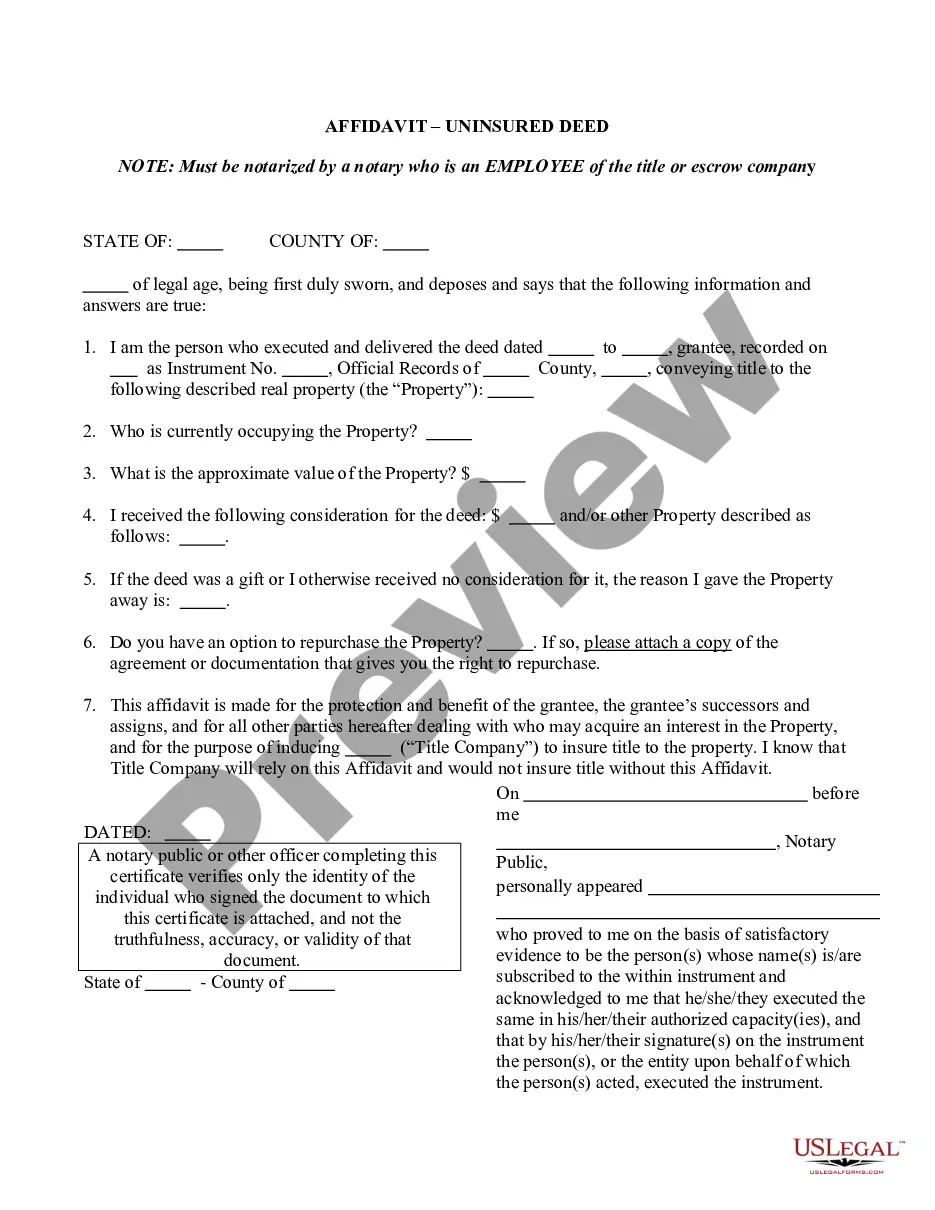
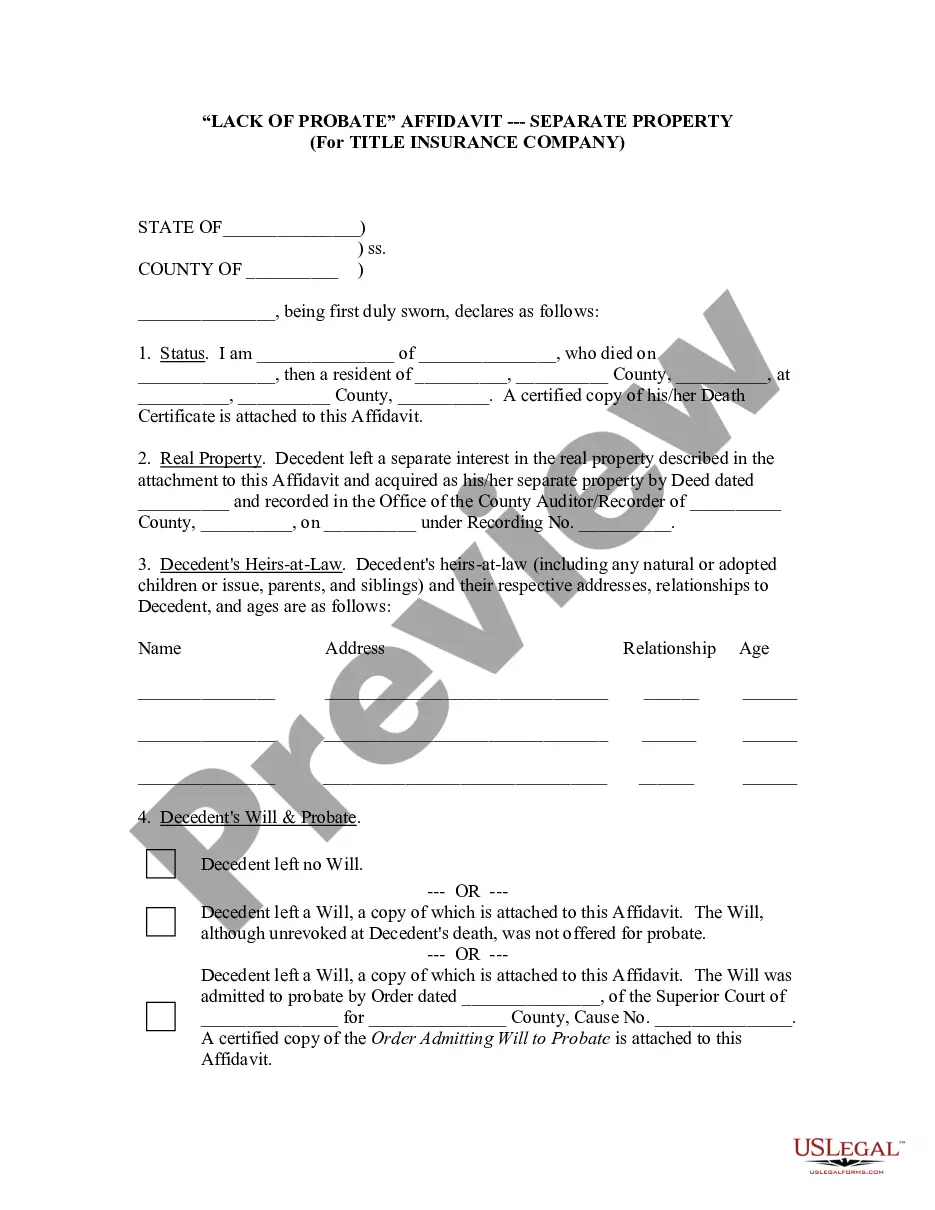

Situations where this form applies
This form is ideal for a divorced individual who has no children and wishes to dictate the distribution of their assets upon death. It is particularly useful when specific gifts are desired, or when a personal representative is needed to administer the estate. Using this will ensures that the testator's wishes are documented and can provide clarity and peace of mind for the beneficiaries.
Who should use this form
- Individuals who are divorced and have not remarried.
- Those with no children or dependents.
- People looking to ensure their wishes about property distribution are clearly outlined.
- Anyone wanting to appoint a personal representative to manage their estate after passing.
Instructions for completing this form
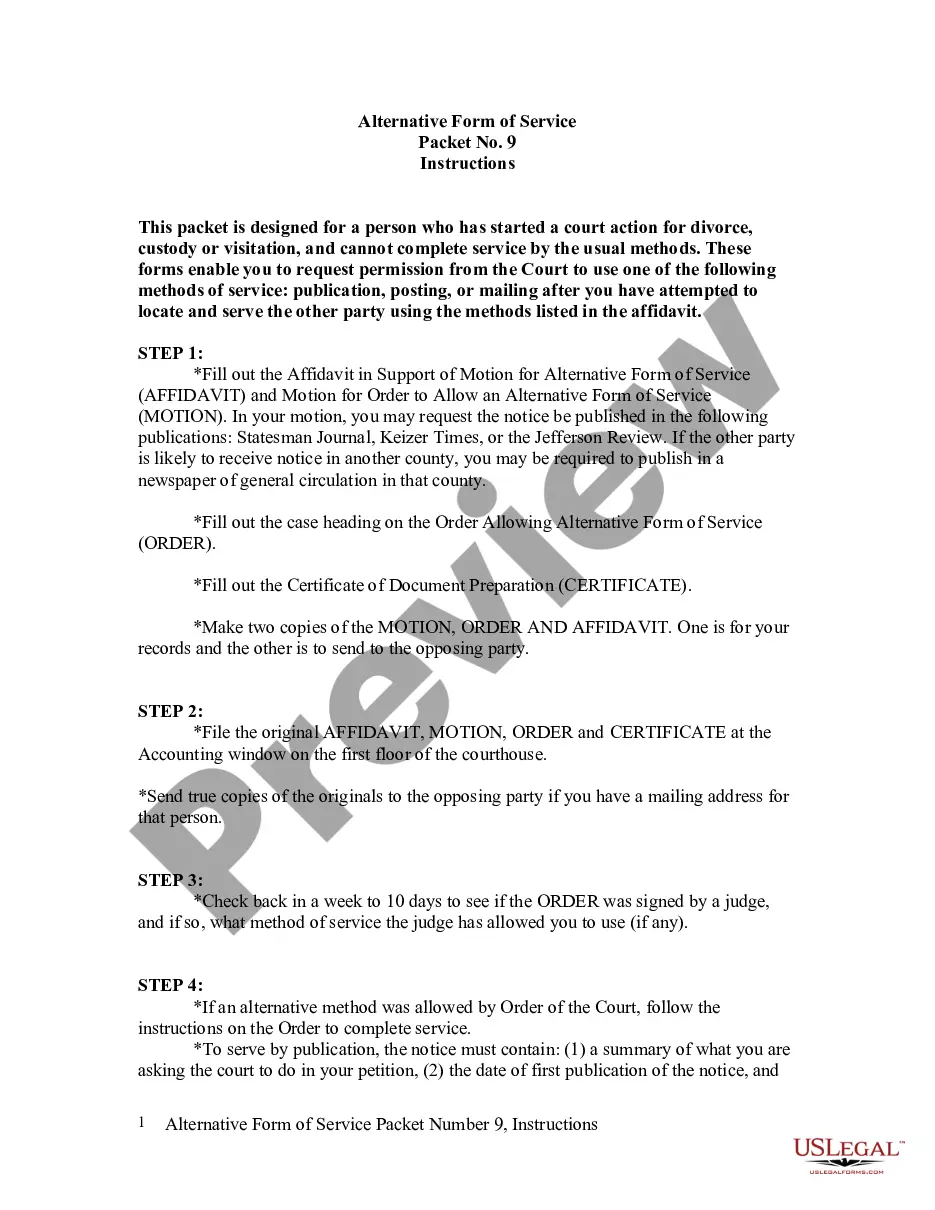
- Gather personal information including your name and address.
- Identify any specific property and the individuals you wish to leave it to.
- Select a personal representative to administer your will.
- Fill out the document, ensuring all necessary fields are completed.
- Sign the will in the presence of two witnesses who are not beneficiaries.
- If applicable, complete the self-proving affidavit with a notary for easier probate.
Does this document require notarization?
Yes, this form must be notarized to be legally valid, especially if it includes a self-proving affidavit. This can be done through US Legal Forms' integrated online notarization service, allowing for secure video calls without travel, ensuring your document meets all legal requirements.
Get your form ready online
Our built-in tools help you complete, sign, share, and store your documents in one place.
Make edits, fill in missing information, and update formatting in US Legal Forms—just like you would in MS Word.
Download a copy, print it, send it by email, or mail it via USPS—whatever works best for your next step.
Sign and collect signatures with our SignNow integration. Send to multiple recipients, set reminders, and more. Go Premium to unlock E-Sign.
If this form requires notarization, complete it online through a secure video call—no need to meet a notary in person or wait for an appointment.
We protect your documents and personal data by following strict security and privacy standards.

Make edits, fill in missing information, and update formatting in US Legal Forms—just like you would in MS Word.

Download a copy, print it, send it by email, or mail it via USPS—whatever works best for your next step.

Sign and collect signatures with our SignNow integration. Send to multiple recipients, set reminders, and more. Go Premium to unlock E-Sign.

If this form requires notarization, complete it online through a secure video call—no need to meet a notary in person or wait for an appointment.

We protect your documents and personal data by following strict security and privacy standards.
Common mistakes
- Failing to have the document signed in front of appropriate witnesses.
- Neglecting to update the will after significant life changes, such as remarriage or additional divorces.
- Not clearly specifying specific bequests, leading to ambiguity.
Why complete this form online
- Easy to complete on your computer, allowing for quick edits and updates.
- Drafted by licensed attorneys to ensure legal validity and compliance.
- Immediate access to your documents, reducing the time needed to create a will.
Summary of main points
- This Last Will and Testament is specifically tailored for divorced persons without children.
- Ensure proper witnessing and notarization according to state laws for the Will to be valid.
- Clearly specify your wishes to avoid potential disputes among family or loved ones after your passing.
Glossary of terms
- Testator: The person who makes a will.
- Beneficiary: An individual or entity entitled to receive assets from a will.
- Personal representative: The person appointed to administer an estate according to the will.
- Probate: The legal process of validating a will and administering the estate.
Looking for another form?


Form popularity
FAQ
Wills in Connecticut do not necessarily need to be notarized to be valid. However, notarization can help simplify the probate process by providing additional proof of authenticity. When drafting your Connecticut Last Will and Testament for Divorced Person Not Remarried with No Children, consider discussing notarization with a legal professional. They can guide you on the best practices to ensure your will is effective and enduring.
A will in Connecticut is considered legal if it adheres to state laws and is properly executed. Key elements include being in writing, signed by the person making the will, and witnessed by two or more people. If you are creating a Connecticut Last Will and Testament for Divorced Person Not Remarried with No Children, ensuring these elements are in place is essential. This validation protects your intentions and helps your loved ones.
To establish the validity of a will in Connecticut, the document must meet certain legal requirements. It must be in writing, signed by the testator, and witnessed by at least two individuals. When preparing your Connecticut Last Will and Testament for Divorced Person Not Remarried with No Children, following these guidelines is crucial. This step ensures that your final wishes are honored and minimizes disputes.
In Connecticut, most wills must go through the probate process to ensure their validity. This process allows a court to oversee the distribution of assets according to the Connecticut Last Will and Testament for Divorced Person Not Remarried with No Children. However, smaller estates may qualify for a streamlined procedure. Consulting legal professionals can help you understand your options.
In Connecticut, a spouse does not automatically inherit everything if the deceased had a will. Instead, the Connecticut Last Will and Testament for Divorced Person Not Remarried with No Children can specify different beneficiaries. Therefore, it’s vital to clearly outline your desires in your will, especially if you experienced a divorce. Without proper documentation, your estate may be divided according to state intestacy laws.
Inheritance rules in Connecticut vary based on the deceased's marital status and the presence of a will. Generally, without a will, the estate is distributed according to state laws, which might not align with your wishes. A Connecticut Last Will and Testament for Divorced Person Not Remarried with No Children helps define how assets are allocated, ensuring your intentions are clear. Using platforms like UsLegalForms can simplify the process of drafting a legally binding will tailored to your specific needs.
A will can indeed override some aspects of divorce papers, but this situation can be tricky. In Connecticut, if you draft a Connecticut Last Will and Testament for Divorced Person Not Remarried with No Children after your divorce, your new will can replace any benefit you previously granted to your ex-spouse. However, it's always best to consult legal counsel for specific guidance to ensure your final wishes are honored effectively.
If your spouse dies and you are not on the deed of a property, the situation can become complex. Typically, rights of inheritance apply, which can result in you having a claim to the property under Connecticut law. A well-crafted Connecticut Last Will and Testament for Divorced Person Not Remarried with No Children can clarify these intentions. Therefore, creating a will can be a vital step in protecting your assets and ensuring your wishes are respected.
Whether your spouse receives any of your inheritance largely depends on your estate planning. If you have a Connecticut Last Will and Testament for Divorced Person Not Remarried with No Children, you can specify what happens to your estate. In some cases, Connecticut law might grant certain rights to a surviving spouse, so having a clear will helps avoid ambiguity. It's advisable to consult with an attorney or a service like UsLegalForms for tailored guidance.
In Connecticut, when a husband dies, the wife is entitled to a portion of the marital property depending on several factors. If a Connecticut Last Will and Testament for Divorced Person Not Remarried with No Children is not in place, the spouse may inherit according to state law. This can include property and assets accrued during the marriage. It's important to have a will to clarify expectations and rights regarding inheritance.