Connecticut Amendment to Lease or Rental Agreement
Understanding this form
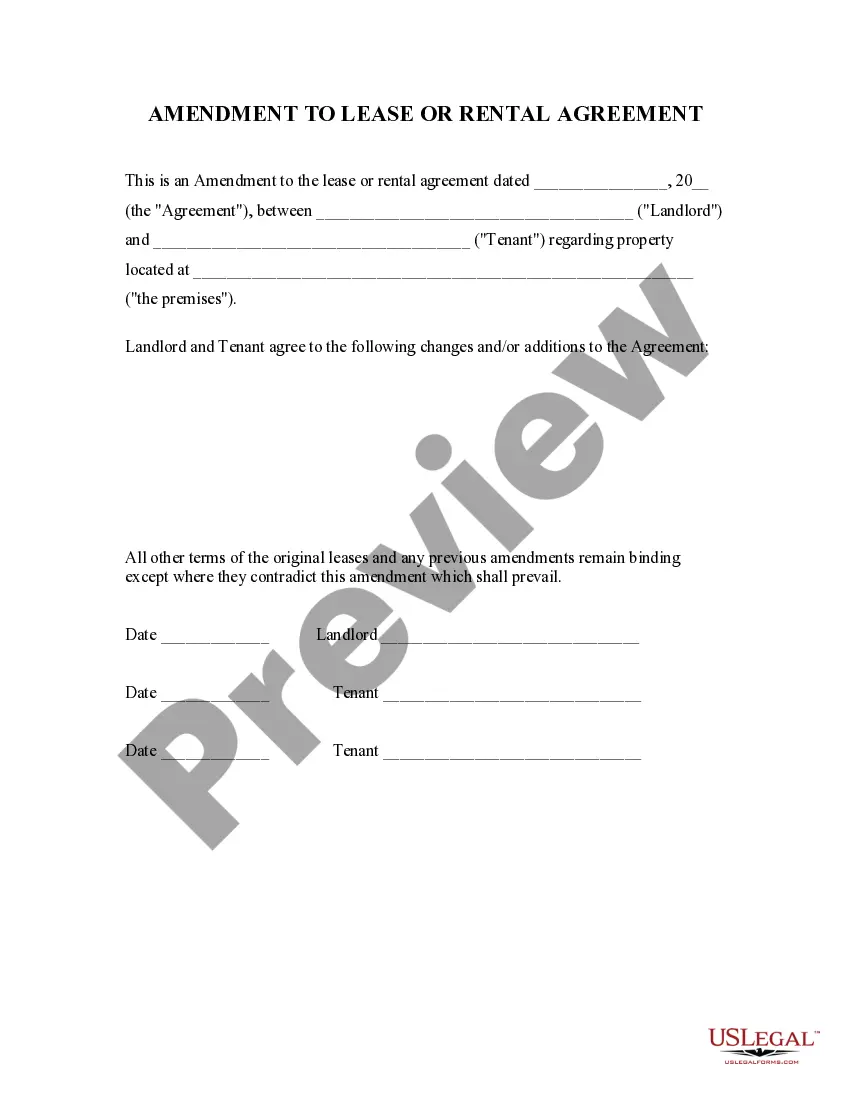
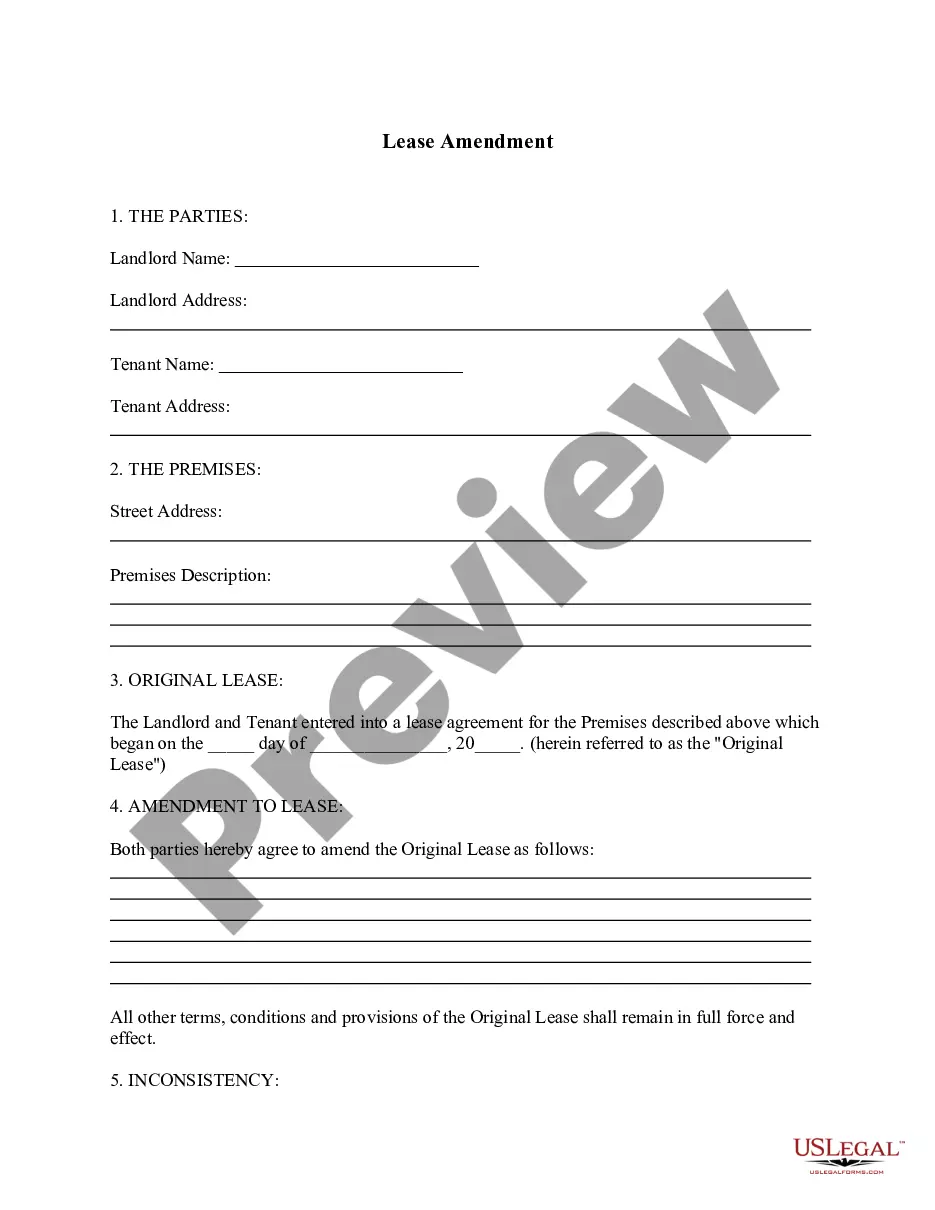
This Amendment to Lease or Rental Agreement form is used to document any agreed changes to the existing rental agreement between a landlord and a tenant. Unlike verbal agreements, this form ensures that any modifications to the original lease terms are legally binding and clear, minimizing potential disputes in the future. Using this form creates a written record of changes, reinforcing the integrity of the rental agreement.
Key components of this form
- Date of the original lease agreement.
- Names and contact information of the landlord and tenant.
- Description of the property subject to the rental agreement.
- Specific changes to the terms of the rental agreement.
- Signatures of both the landlord and tenant to execute the amendment.
Situations where this form applies
This form should be used whenever the landlord and tenant agree to modify the terms of their existing lease. Common scenarios include changes to the rental amount, lease duration, or other terms of occupancy. Capturing these changes in writing helps to clarify the expectations and responsibilities of both parties moving forward.
Who can use this document
- Landlords seeking to document changes to lease agreements.
- Tenants wishing to modify any terms of their rental agreement.
- Property managers acting on behalf of landlords to formalize changes.
- Legal professionals advising clients on rental agreements.
Steps to complete this form
- Identify the date of the original rental agreement.
- Fill in the names of both the landlord and tenant.
- Provide the address of the rental property clearly.
- Specify the changes being made to the rental agreement terms.
- Both parties must sign and date the amendment.
Is notarization required?
Notarization is generally not required for this form. However, certain states or situations might demand it. You can complete notarization online through US Legal Forms, powered by Notarize, using a verified video call available anytime.
Get your form ready online
Our built-in tools help you complete, sign, share, and store your documents in one place.
Make edits, fill in missing information, and update formatting in US Legal Forms—just like you would in MS Word.
Download a copy, print it, send it by email, or mail it via USPS—whatever works best for your next step.
Sign and collect signatures with our SignNow integration. Send to multiple recipients, set reminders, and more. Go Premium to unlock E-Sign.
If this form requires notarization, complete it online through a secure video call—no need to meet a notary in person or wait for an appointment.
We protect your documents and personal data by following strict security and privacy standards.

Make edits, fill in missing information, and update formatting in US Legal Forms—just like you would in MS Word.

Download a copy, print it, send it by email, or mail it via USPS—whatever works best for your next step.

Sign and collect signatures with our SignNow integration. Send to multiple recipients, set reminders, and more. Go Premium to unlock E-Sign.

If this form requires notarization, complete it online through a secure video call—no need to meet a notary in person or wait for an appointment.

We protect your documents and personal data by following strict security and privacy standards.
Common mistakes to avoid
- Failing to detail all changes, leading to ambiguity.
- Not having both parties sign the amendment.
- Leaving out the date of the original lease agreement.
- Assuming verbal agreements supersede written amendments.
Benefits of using this form online
- Convenience of downloading and completing the form at your convenience.
- Editability allows you to customize the amendment to suit your specific needs.
- Reliability of professionally drafted documents, ensuring legal compliance.
Looking for another form?
Form popularity
FAQ
You can terminate a lease early in Connecticut under certain conditions. For instance, if both parties agree to a Connecticut Amendment to Lease or Rental Agreement, you can legally end the lease. Additionally, if the landlord fails to meet health and safety standards, you may have grounds to break the lease. It is crucial to document any agreement or reason for early termination to ensure a smooth process.
Once you sign a lease, backing out can be challenging, but a Connecticut Amendment to Lease or Rental Agreement may provide a possible solution if both parties agree. Typically, there is no formal 'cooling-off' period in Connecticut, but you should review the lease for any specific clauses that allow for termination. Consulting with US Legal Forms can help you navigate the terms and make informed decisions.
Renegotiating a lease is possible, but it often requires a Connecticut Amendment to Lease or Rental Agreement to formalize the new terms. Approach your landlord with your requests, and if they are open to changes, ensure that all modifications are documented clearly. This not only safeguards both parties but also clarifies expectations.
Yes, you can change a lease agreement after signing, but it typically involves creating a Connecticut Amendment to Lease or Rental Agreement. This amendment outlines the specific changes and must be agreed upon by both parties. Make sure to document the agreement to avoid misunderstandings in the future.
Changing your move-in date after signing a lease is possible, but it requires a Connecticut Amendment to Lease or Rental Agreement. You need to communicate with your landlord or property manager and express your request. They may agree to the amendment; however, ensure you receive any modifications in writing for clarity.
A lease agreement can become invalid under several circumstances, such as when the agreement involves illegal activities, or if all parties do not have the legal capacity to enter into a contract. Additionally, if essential terms are vague or missing, or if the agreement was signed under duress, it may not hold up in court. To protect yourself, consider reviewing your lease with a Connecticut Amendment to Lease or Rental Agreement, which helps clarify terms and ensure enforceability.
In Connecticut, a landlord cannot evict a tenant without proper legal procedure, including providing adequate notice. They also cannot retaliate against tenants for exercising their legal rights, such as reporting health or safety violations. Violating a tenant’s privacy by entering the rental unit without notice or consent is strictly prohibited. Understanding these rules is important, especially when considering a Connecticut Amendment to Lease or Rental Agreement.
Certain legal agreements, such as property deeds, powers of attorney, and specific financial documents, typically require notarization for enforceability. While a Connecticut Amendment to Lease or Rental Agreement does not usually need notarization, having important documents notarized can be beneficial. Notarization adds a layer of credibility and can be important for transactions involving significant commitments. Always consult local laws or an attorney to clarify what is necessary in your situation.
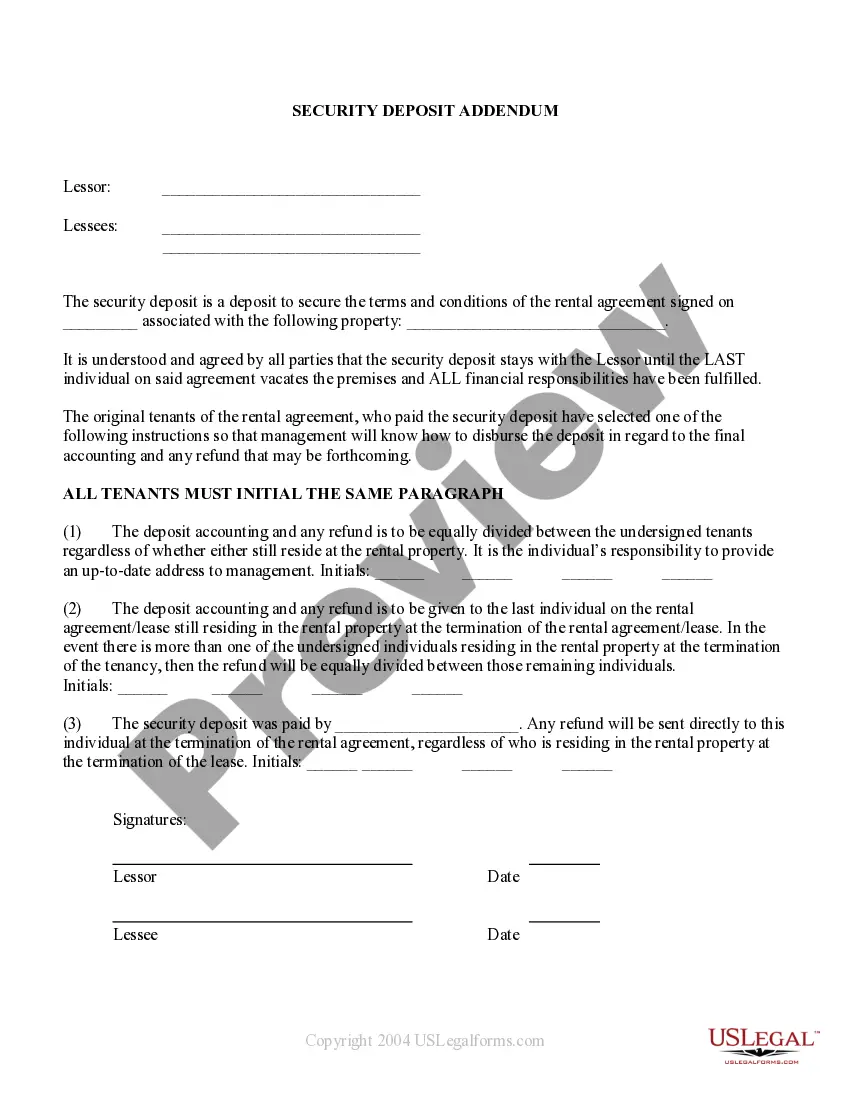
A lease addendum adds new terms to the existing lease without altering the original document, while an amendment changes existing terms of the lease. Both serve important functions in modifying agreements, but the Connecticut Amendment to Lease or Rental Agreement actively replaces terms rather than just supplementing them. Understanding these differences can help you choose the right approach for your needs.
No, a lease amendment does not typically need to be notarized in Connecticut. However, having it notarized can provide additional proof of the agreement's authenticity in case of disputes. This keeps your Connecticut Amendment to Lease or Rental Agreement secure and reduces the likelihood of future disagreements. Always keep copies of any changes for your records.