Colorado Notice of Default on Residential Lease
Overview of this form
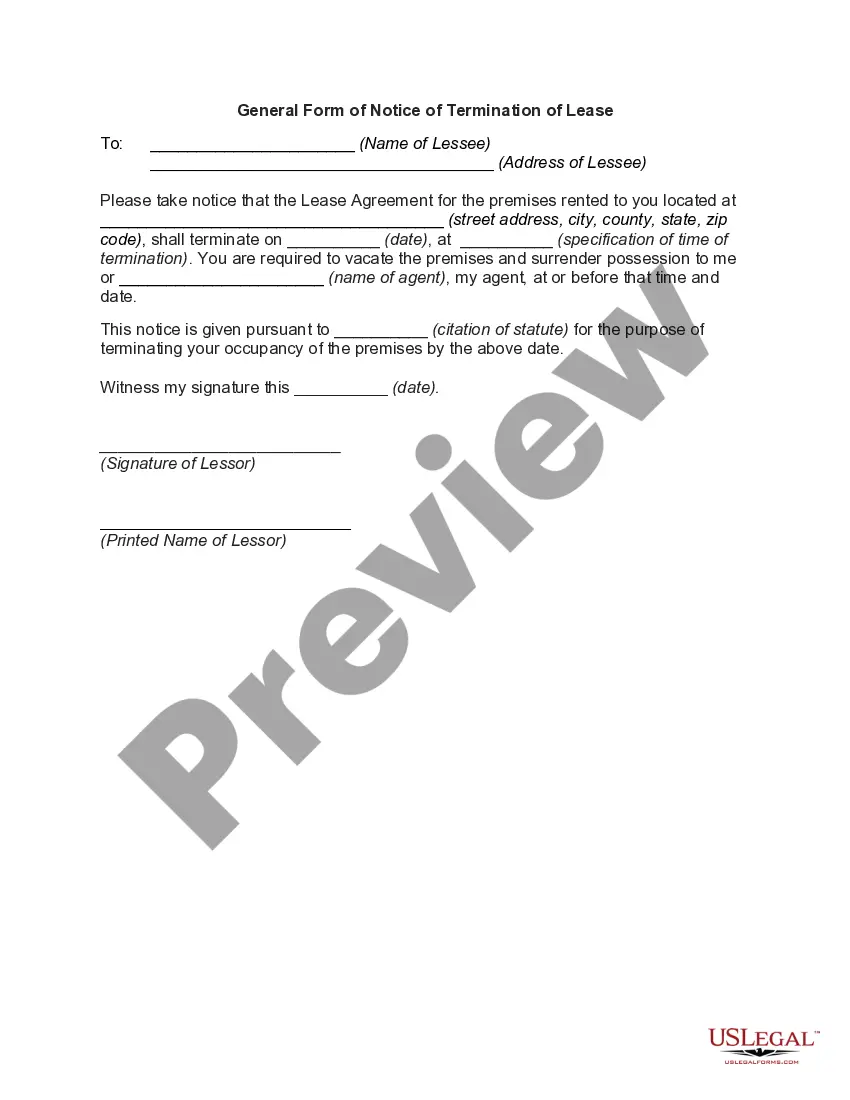
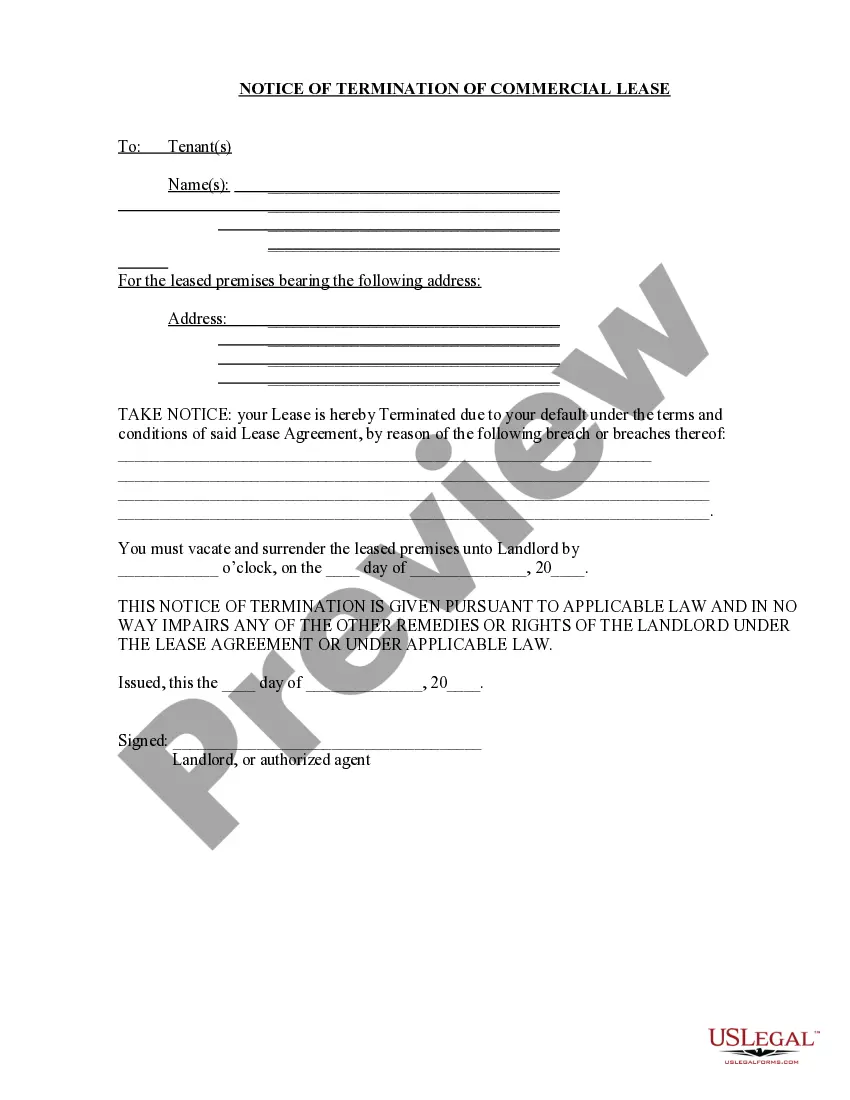
The Notice of Default on Residential Lease is a legal document used by landlords to formally notify tenants of a failure to fulfill the terms of their lease agreement, typically related to rent payment. This form outlines specific reasons for the default and sets a deadline for the tenant to remedy the violation. It is a crucial step before pursuing eviction or other legal actions, making it distinct from other rental forms.
What’s included in this form
- Identification of the parties involved, including landlord and tenant.
- Clear statement of the default, including specific reasons for the notice.
- Designated deadline date for the tenant to cure the default.
- Warning of potential consequences, including eviction and other legal actions.
- Space for the landlord's signature and date of issuance.



When this form is needed
This form is used when a tenant has failed to comply with their lease obligations, such as not paying rent on time. Landlords should issue this notice to document the default, provide the tenant an opportunity to correct the issue, and establish a timeline for resolution. Using this form is a critical step in the process of potential eviction or recovery of past-due rent.
Who can use this document
- Landlords who have tenants defaulting on rent payments.
- Property management companies acting on behalf of landlords.
- Lenders or parties managing rental properties requiring formal notices for legal compliance.
Steps to complete this form
- Identify the parties by entering the landlord's and tenant's names.
- Specify the property address where the lease is enforced.
- Clearly state the default, including specific reasons, such as failure to pay rent.
- Enter a deadline date for the tenant to resolve the default.
- Sign and date the form as the landlord or authorized agent.
Does this document require notarization?
This form does not typically require notarization unless specified by local law. Ensure to check jurisdiction-specific requirements to confirm compliance.
Get your form ready online
Our built-in tools help you complete, sign, share, and store your documents in one place.
Make edits, fill in missing information, and update formatting in US Legal Forms—just like you would in MS Word.
Download a copy, print it, send it by email, or mail it via USPS—whatever works best for your next step.
Sign and collect signatures with our SignNow integration. Send to multiple recipients, set reminders, and more. Go Premium to unlock E-Sign.
If this form requires notarization, complete it online through a secure video call—no need to meet a notary in person or wait for an appointment.
We protect your documents and personal data by following strict security and privacy standards.

Make edits, fill in missing information, and update formatting in US Legal Forms—just like you would in MS Word.

Download a copy, print it, send it by email, or mail it via USPS—whatever works best for your next step.

Sign and collect signatures with our SignNow integration. Send to multiple recipients, set reminders, and more. Go Premium to unlock E-Sign.

If this form requires notarization, complete it online through a secure video call—no need to meet a notary in person or wait for an appointment.

We protect your documents and personal data by following strict security and privacy standards.
Mistakes to watch out for
- Failing to provide specific reasons for the default.
- Not adhering to local laws regarding notice periods.
- Omitting necessary details such as deadlines and signatures.
- Using vague language that may lead to misunderstandings.
Why complete this form online
- Convenient access to downloadable templates that save time.
- Editability allows landlords to customize the form to their specific situation.
- Ensures compliance with legal language, promoting enforceability.
Legal use & context
- The form serves as a formal notification of lease violations, essential for legal proceedings.
- Using this notice is necessary to establish a record before initiating eviction proceedings.
- Failure to deliver this notice appropriately may result in legal complications for landlords.
Summary of main points
- The Notice of Default on Residential Lease is vital for managing tenant defaults.
- Completing the form accurately helps protect landlords' rights and facilitates possible eviction processes.
- Understanding local laws is crucial to ensure proper use of this notice.
Looking for another form?
Form popularity
FAQ
Yes, in certain situations, a landlord in Colorado can require a 60-day notice. This requirement might apply depending on the specific terms outlined in the lease agreement. It is essential to read your lease carefully to understand the notice requirements. Using tools like the Colorado Notice of Default on Residential Lease can assist both landlords and tenants in navigating these essential agreements.
In Colorado, tenants typically must give a minimum of 30 days' notice before vacating a rental property. This requirement often applies to month-to-month agreements. If a tenant fails to provide this notice, there could be consequences, including potential financial penalties. Familiarizing yourself with the Colorado Notice of Default on Residential Lease can help ensure a smooth transition when ending your tenancy.
In Colorado, the minimum notice a landlord can provide typically varies based on the lease agreements and the situation. For terminating a lease, landlords usually must give at least 30 days' notice for monthly rentals. If you’re unsure about the requirements, consulting resources such as the Colorado Notice of Default on Residential Lease can provide clarity. You should always understand your obligations as a tenant or landlord.
If you fail to provide a 30-day notice to your landlord, you may face significant challenges. The Colorado Notice of Default on Residential Lease can be triggered if you do not follow proper notification procedures. This may lead to eviction proceedings, making it essential to communicate with your landlord promptly. Always seek guidance to ensure you understand your rights and responsibilities.
Yes, defaulting on a lease can adversely affect your credit score. When you fail to meet lease obligations, it may lead to collections, evictions, or judgments—all of which are reported to credit agencies. Protecting your financial health is important, so staying informed about your lease requirements helps. If you find yourself facing a Colorado Notice of Default on Residential Lease, addressing the situation promptly can mitigate long-term credit damage.
Defaulting on a leased car can lead to repossession of the vehicle, negatively impacting your credit score. Leasing companies typically have the right to act swiftly when a lease agreement is not honored, which can create financial strain. It’s vital to communicate with your leasing company if you face difficulties. Utilizing resources, such as understanding the Colorado Notice of Default on Residential Lease, can help you manage your obligations better.
Yes, in Colorado, most residential leases require tenants to provide 60 days' notice prior to moving out if the lease is month-to-month. This notice allows landlords time to prepare for new tenants and manage their properties. Timely communication about your intention to leave keeps the process smooth and avoids potential issues. Therefore, understanding the Colorado Notice of Default on Residential Lease is crucial for your rights and responsibilities.
In Colorado, a residential lease must include certain disclosures to protect both parties. These typically include information about lead-based paint for properties built before 1978 and details about the landlord’s obligations. Transparency in these disclosures can prevent disputes and misunderstandings later. Familiarizing yourself with the Colorado Notice of Default on Residential Lease can further assist in knowing your rights.
The notice required to terminate a lease in Colorado generally depends on the lease terms. For month-to-month leases, 30 days' notice is commonly required, whereas fixed-term leases may require adherence to the lease agreement’s specifications. Referencing the Colorado Notice of Default on Residential Lease can clarify any obligations you face in terminating your lease properly.
In Colorado, you typically have limited options for backing out after signing a lease. If no specific clause allows it, you may have to wait until the lease term ends or negotiate directly with your landlord. Understanding the Colorado Notice of Default on Residential Lease can provide insight into the potential ramifications of breaking a lease prematurely.