Arizona Statutory Health Care Power of Attorney
Understanding this form
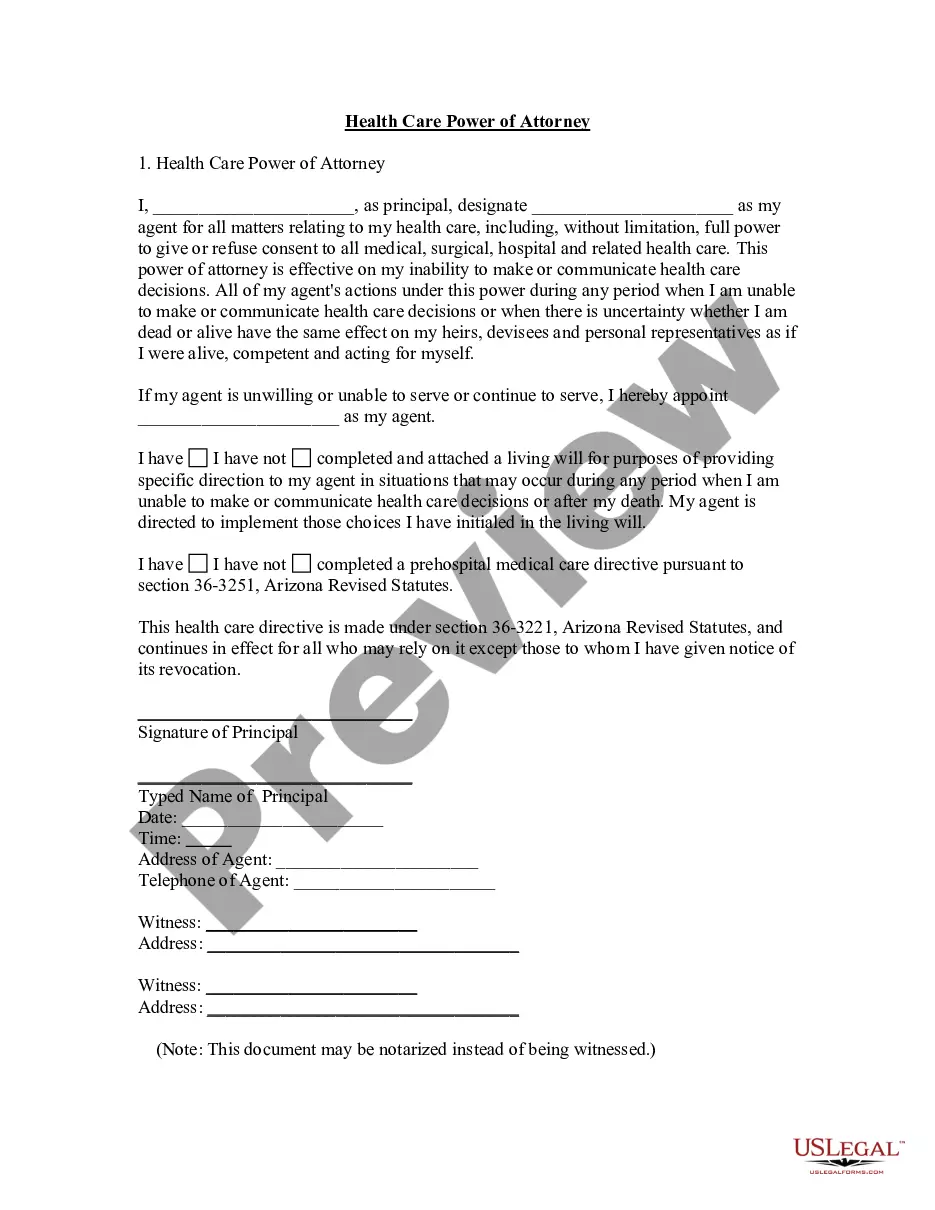
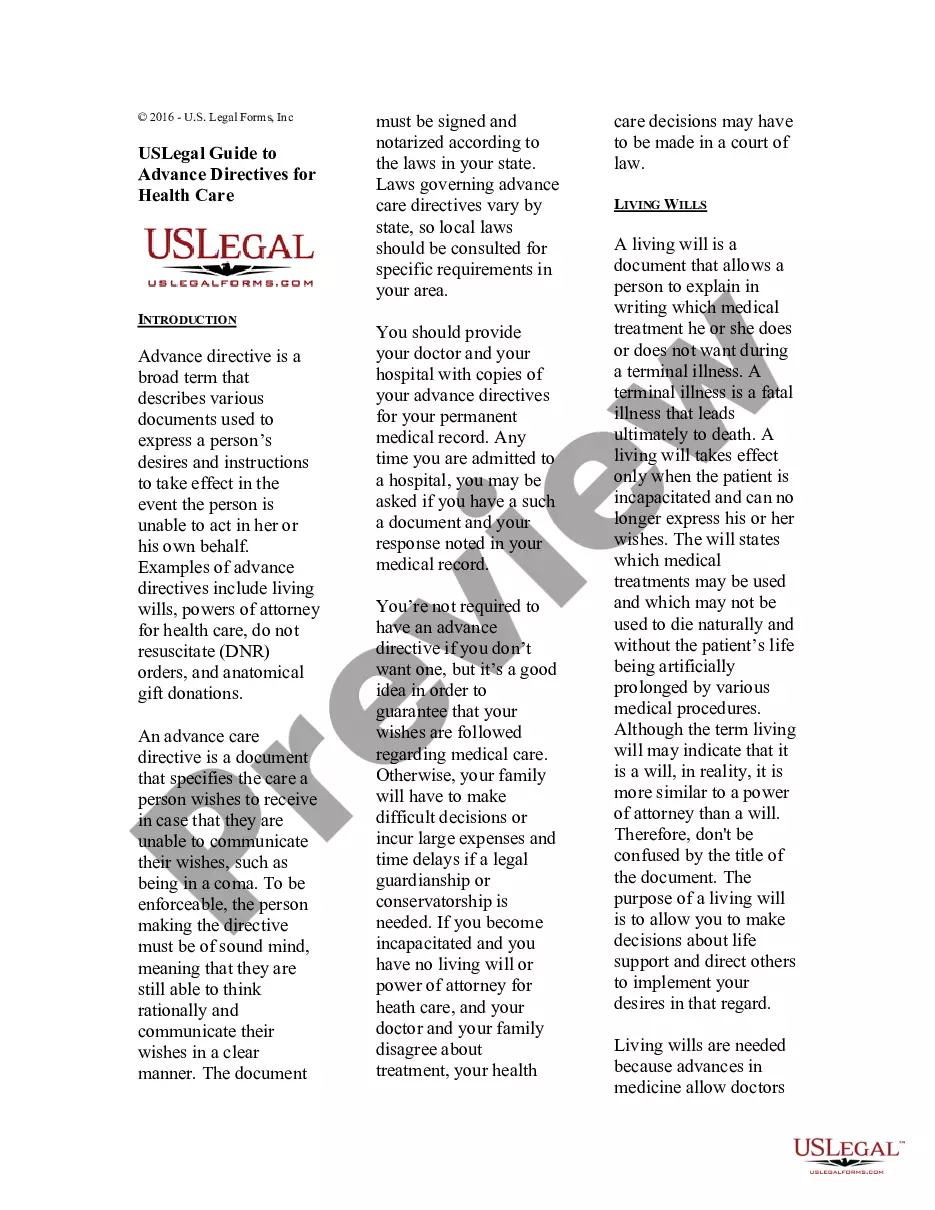
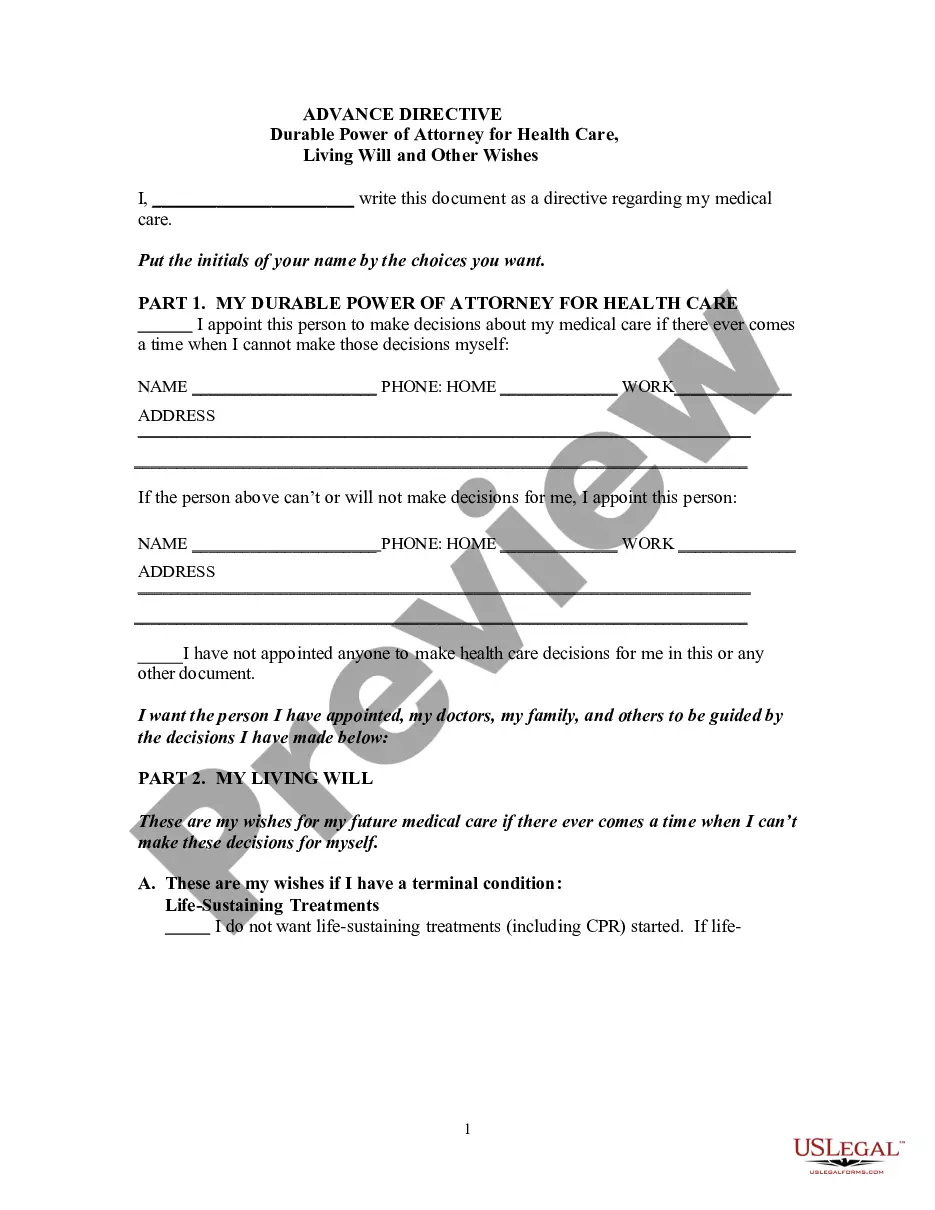
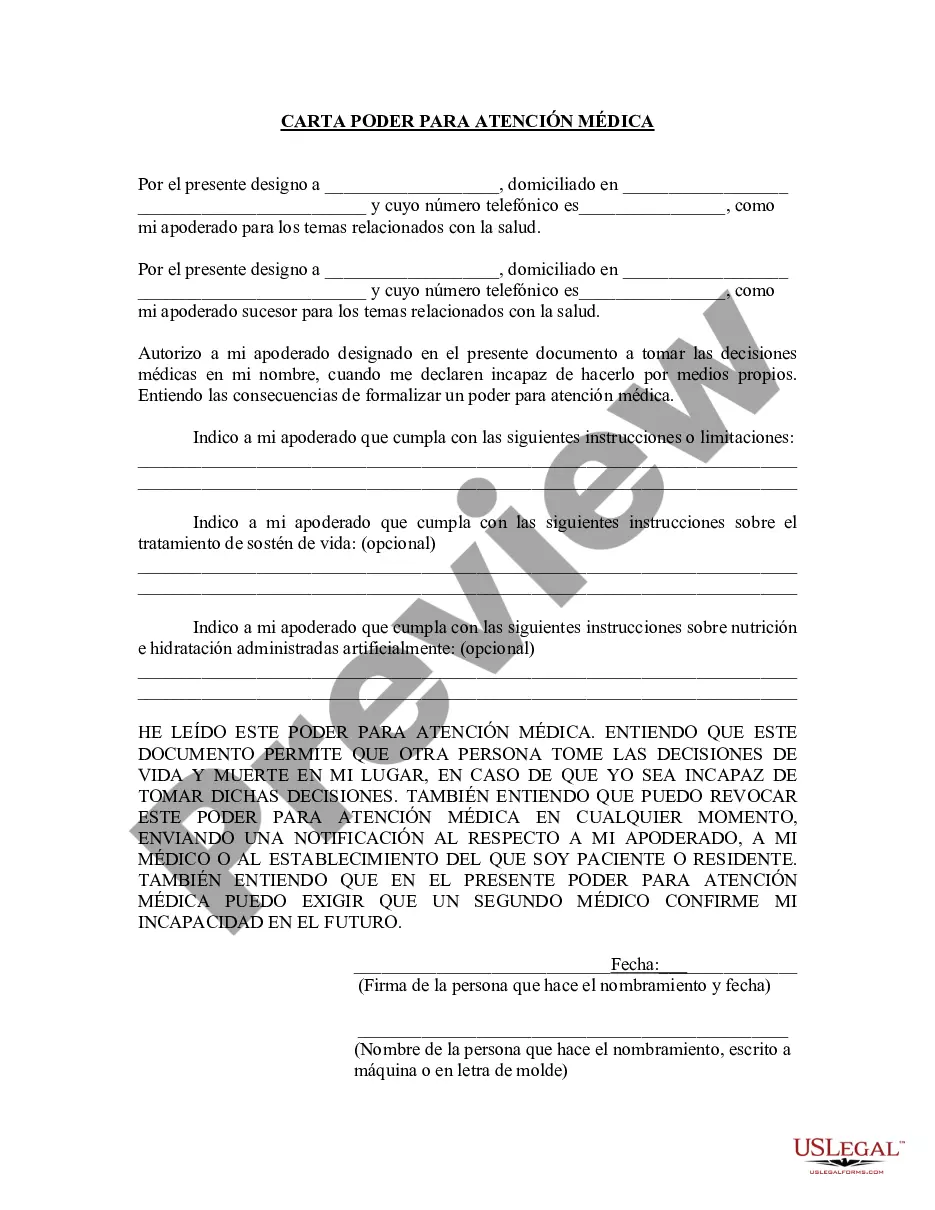
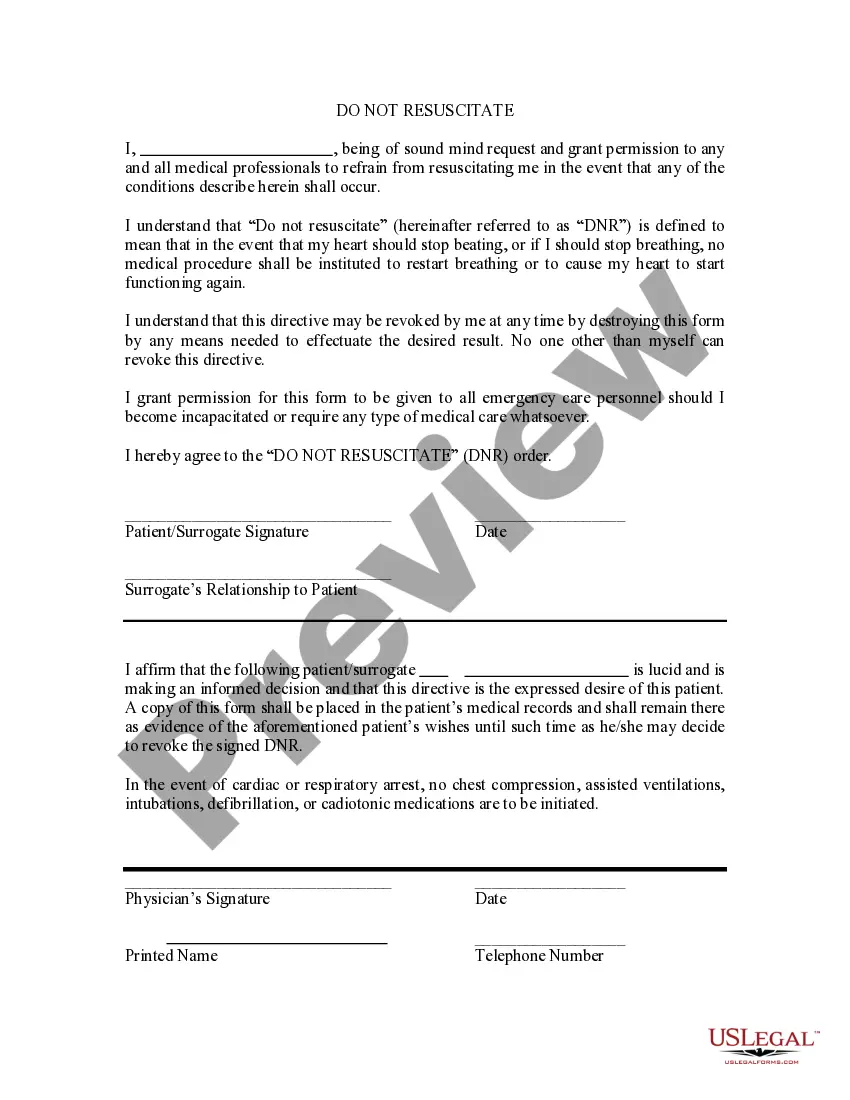
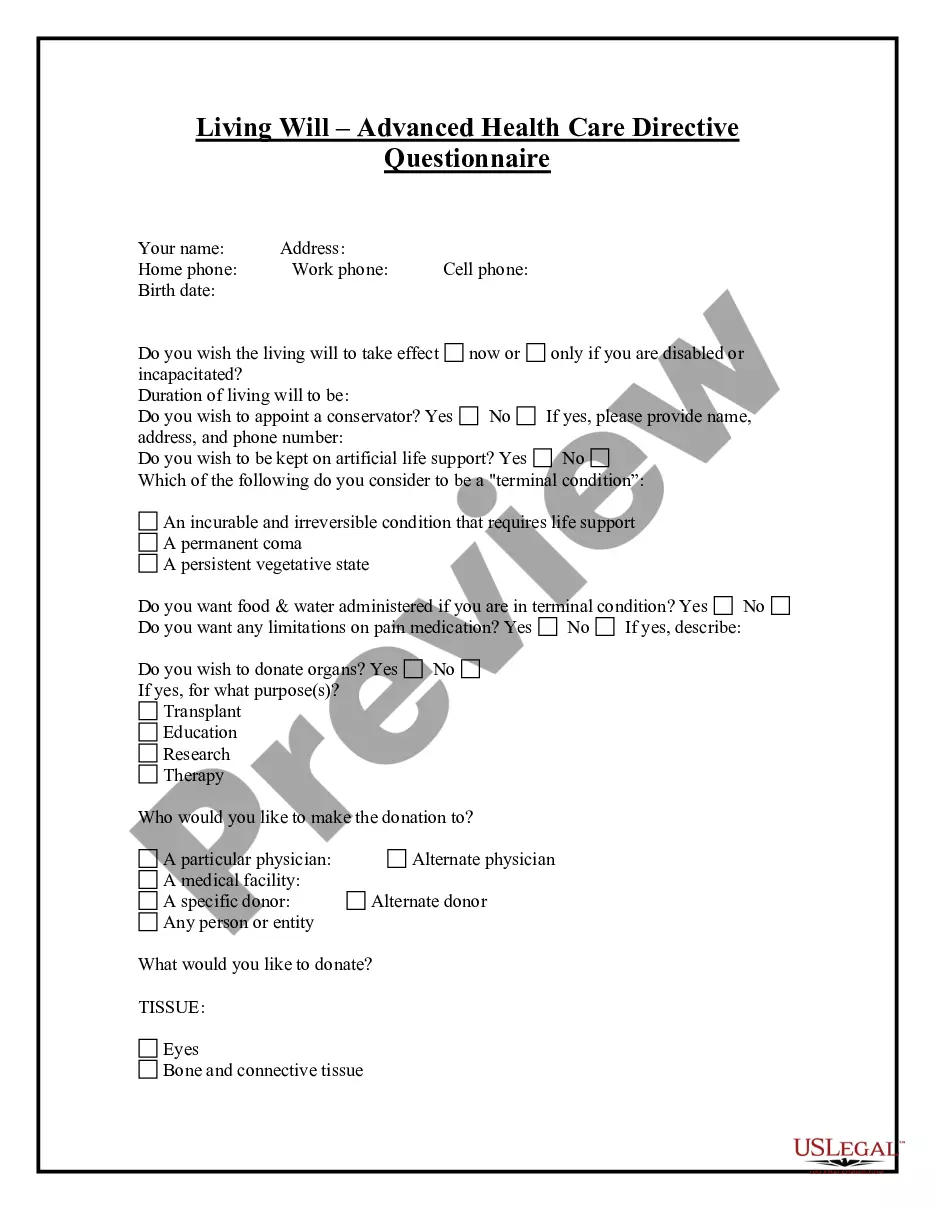
The Statutory Health Care Power of Attorney allows an adult to appoint another adult to make health care decisions on their behalf. This form grants your agent comprehensive authority to make medical decisions in accordance with your wishes when you are unable to do so. Unlike other power of attorney forms, this one specifically focuses on health care preferences, including instructions for autopsy, burial, and organ donation.
What’s included in this form
- Principal and agent designation for health care decisions.
- Authority of the agent effective upon the principal's incapacity.
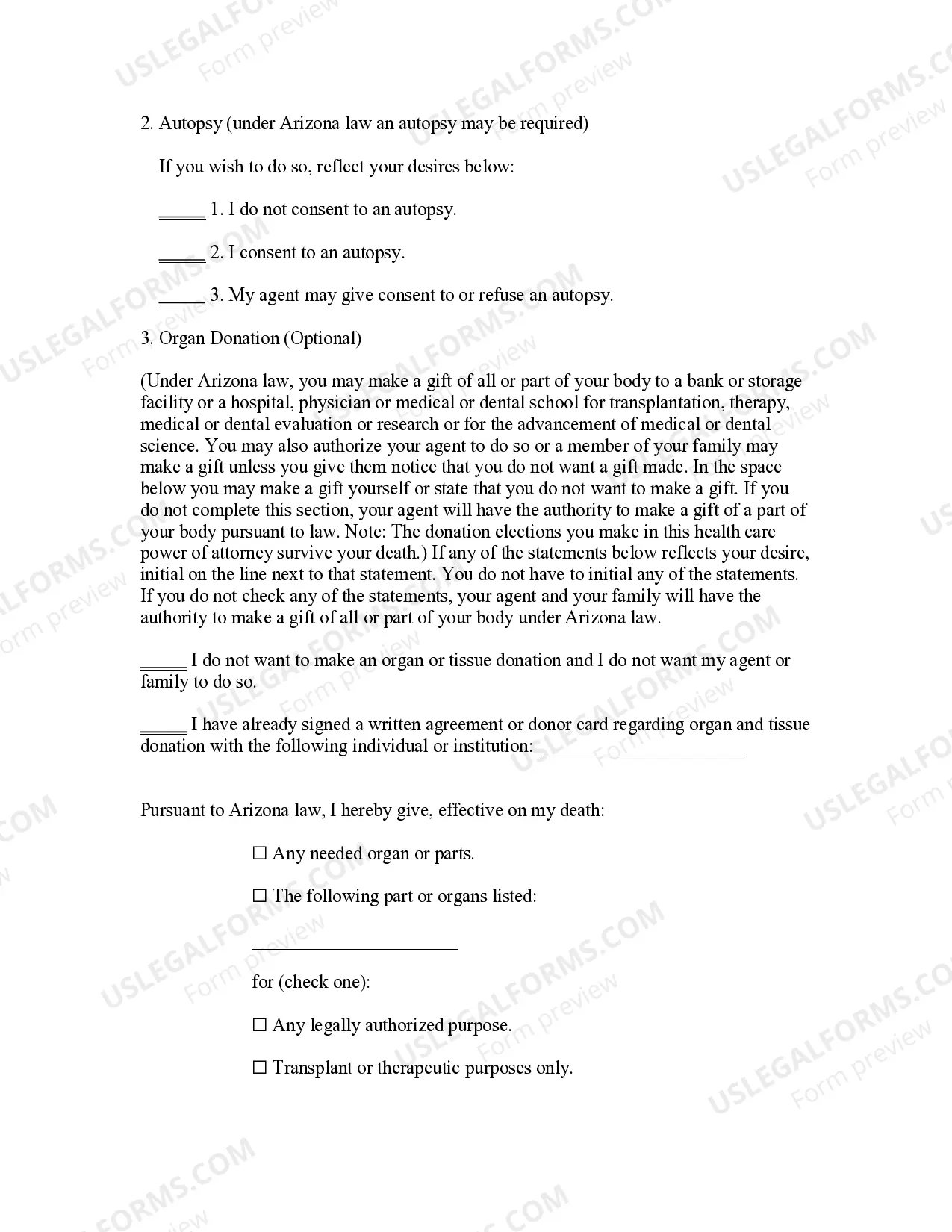
- Provisions for autopsy consent and organ donation wishes.
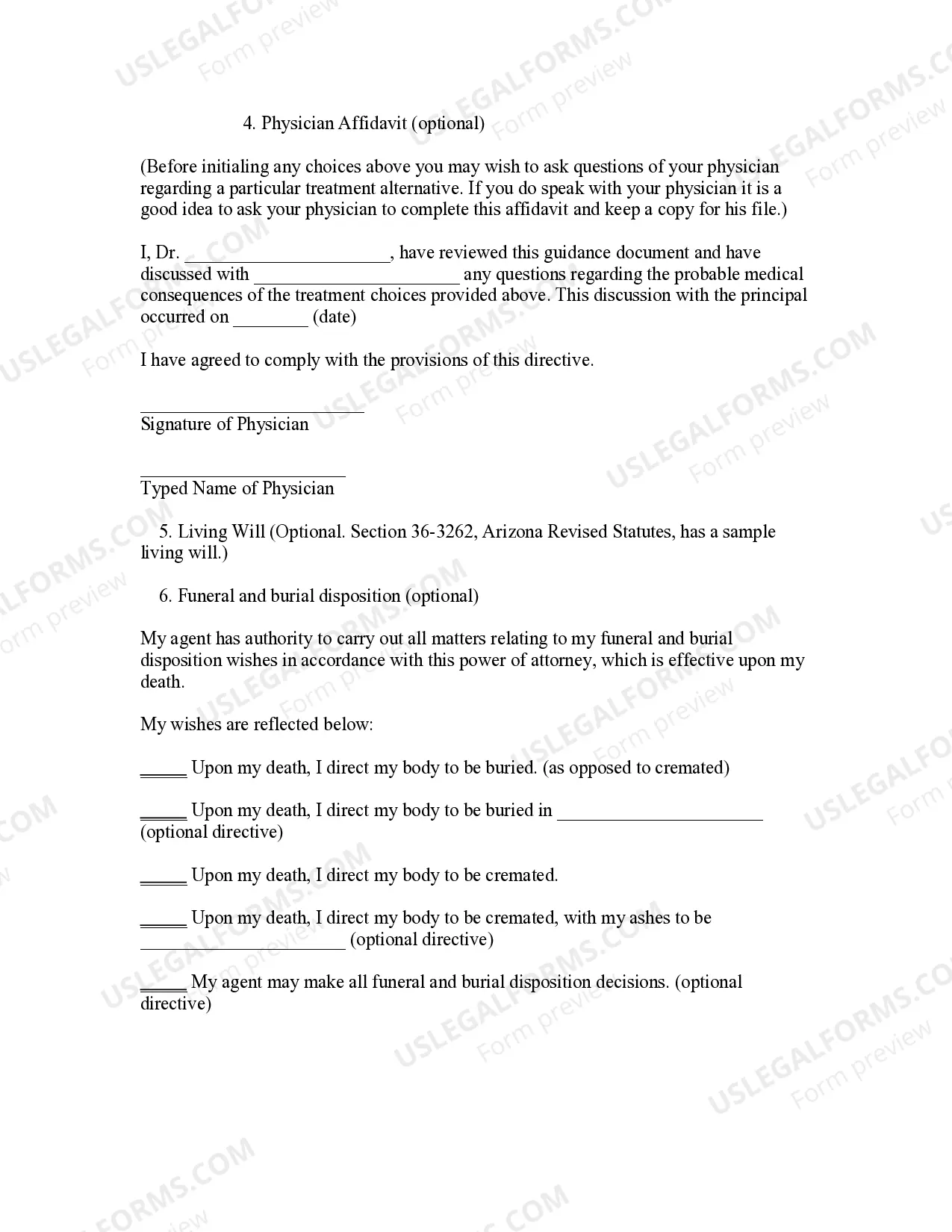
- Optional living will provisions to guide health care choices.
- Funeral and burial disposition instructions.
When this form is needed
This form is essential when you want to ensure that your health care preferences are honored if you become unable to make decisions for yourself. It is particularly useful for individuals facing health challenges, undergoing surgery, or managing chronic health conditions where future decision-making might be necessary.
Intended users of this form
- Adults who want to designate someone to manage their health care decisions.
- Individuals with specific health care wishes they want the appointed agent to follow.
- Those seeking to clarify their preferences for organ donation and funeral arrangements.
Completing this form step by step
- Identify yourself as the principal and designate your chosen agent for health care decisions.
- Specify your preferences regarding autopsy and organ donation, if desired.
- If applicable, initial and complete any sections pertaining to a living will.
- Sign and date the document to make it legally binding.
- Determine if you wish to have the form notarized or witnessed, based on your preference.
Does this document require notarization?
This form must be notarized to be legally valid. US Legal Forms provides secure online notarization powered by Notarize, allowing you to complete the process through a verified video call.
Get your form ready online
Our built-in tools help you complete, sign, share, and store your documents in one place.
Make edits, fill in missing information, and update formatting in US Legal Forms—just like you would in MS Word.
Download a copy, print it, send it by email, or mail it via USPS—whatever works best for your next step.
Sign and collect signatures with our SignNow integration. Send to multiple recipients, set reminders, and more. Go Premium to unlock E-Sign.
If this form requires notarization, complete it online through a secure video call—no need to meet a notary in person or wait for an appointment.
We protect your documents and personal data by following strict security and privacy standards.

Make edits, fill in missing information, and update formatting in US Legal Forms—just like you would in MS Word.

Download a copy, print it, send it by email, or mail it via USPS—whatever works best for your next step.

Sign and collect signatures with our SignNow integration. Send to multiple recipients, set reminders, and more. Go Premium to unlock E-Sign.

If this form requires notarization, complete it online through a secure video call—no need to meet a notary in person or wait for an appointment.

We protect your documents and personal data by following strict security and privacy standards.
Avoid these common issues
- Failing to specify the agent clearly, leading to potential confusion.
- Not including specific wishes for organ donation or autopsy.
- Neglecting to date the document, which can affect its validity.
- Choosing not to discuss your wishes with the designated agent beforehand.
Benefits of using this form online
- Convenient access to legal forms from any location, allowing for easy completion.
- Editability features that facilitate customization to meet personal needs.
- Reliable resources drafted by licensed attorneys to ensure legal compliance.
What to keep in mind
- The Statutory Health Care Power of Attorney ensures your health care wishes are respected.
- Designate an agent to make decisions on your behalf if you become unable to do so.
- Consider adding details about autopsy, organ donation, and funeral preferences.
- Review and complete the form carefully to avoid common mistakes.
Looking for another form?

Form popularity
FAQ
To obtain power of attorney for your elderly parent in Arizona, you should first discuss the matter with them to ensure they are comfortable with the arrangement. If they agree, complete the Arizona Statutory Health Care Power of Attorney form, ensuring it meets state requirements. It's wise to consult a legal professional to navigate any complexities and ensure your parent's wishes are honored.
Filling out a power of attorney in Arizona involves selecting the correct form, including details about the principal and agent. Clearly outline the powers granted and any limitations to those powers. Using the Arizona Statutory Health Care Power of Attorney form ensures that your document meets legal standards and serves its intended purpose.
In Arizona, a medical power of attorney does not require notarization to be valid, but having a notary can enhance the document's credibility. The Arizona Statutory Health Care Power of Attorney should be signed either before a notary or in the presence of witnesses. Always consider notarization as a best practice to prevent disputes.
Arizona does not require that a power of attorney be signed in front of two witnesses, but having witnesses can strengthen the validity of the document. If you opt for two witnesses, ensure they are not named in the document nor beneficiaries of your estate. This principle also applies to the Arizona Statutory Health Care Power of Attorney.
You can obtain a medical power of attorney in Arizona by completing the appropriate forms, which are available online or at legal offices. The Arizona Statutory Health Care Power of Attorney form clearly outlines the authority you wish to grant to your agent. It’s important to ensure that the form is properly filled out, signed, and either notarized or witnessed.
To create a valid power of attorney in Arizona, the principal must be at least 18 years old and mentally competent. The document must be signed by the principal and either notarized or witnessed. Utilizing the Arizona Statutory Health Care Power of Attorney form can help ensure that all legal requirements are met.
In Arizona, a power of attorney does not need to be recorded to be valid. However, recording it can provide additional legal protection and clarity. When using an Arizona Statutory Health Care Power of Attorney, it is advisable to keep the document in a safe location and provide copies to relevant parties if needed.
The rights granted to an agent under a power of attorney can vary based on the document's language. Generally, an agent can make health care decisions, access medical records, and communicate with healthcare providers on the principal's behalf. Understanding these rights within the context of the Arizona Statutory Health Care Power of Attorney ensures that your agent can effectively advocate for your health needs.
While it is not mandatory for a healthcare power of attorney to be notarized in Arizona, having it notarized adds an additional layer of credibility. Signing with a notary public can help prevent potential disputes regarding its validity. Thus, considering notarization when creating an Arizona Statutory Health Care Power of Attorney is a wise step to safeguard your wishes.
If there is no power of attorney in place, family members may be consulted to make medical decisions, following Arizona's statutory hierarchy. However, this can lead to disputes or confusion regarding your preferences. Having an Arizona Statutory Health Care Power of Attorney in place clarifies your choices and avoids potential conflicts during critical times.