Alabama Notice of Default on Residential Lease
About this form
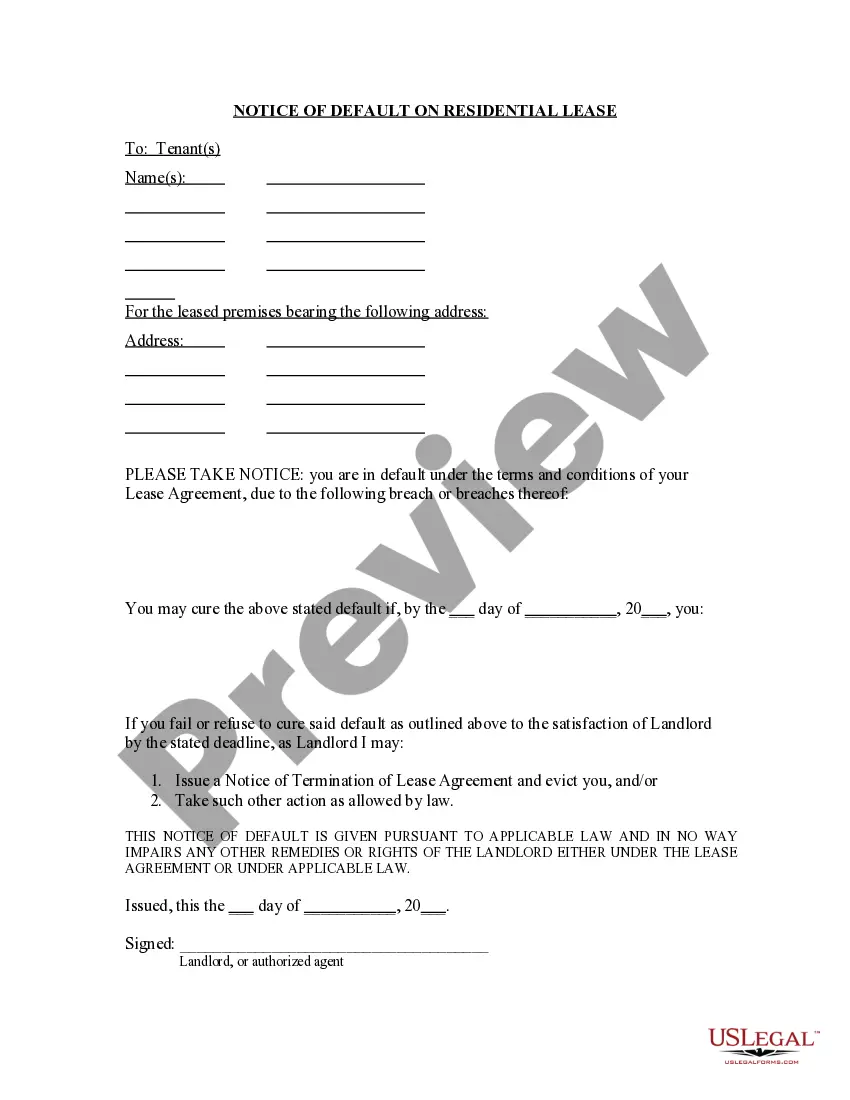
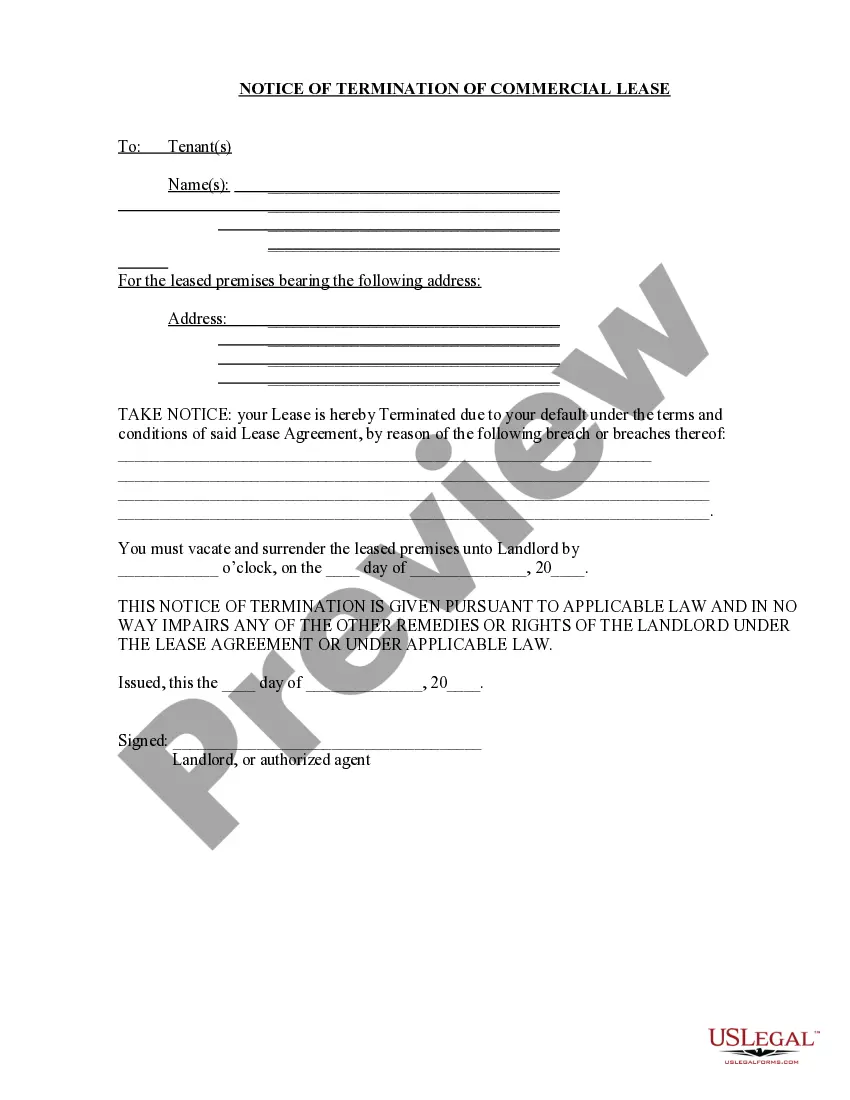
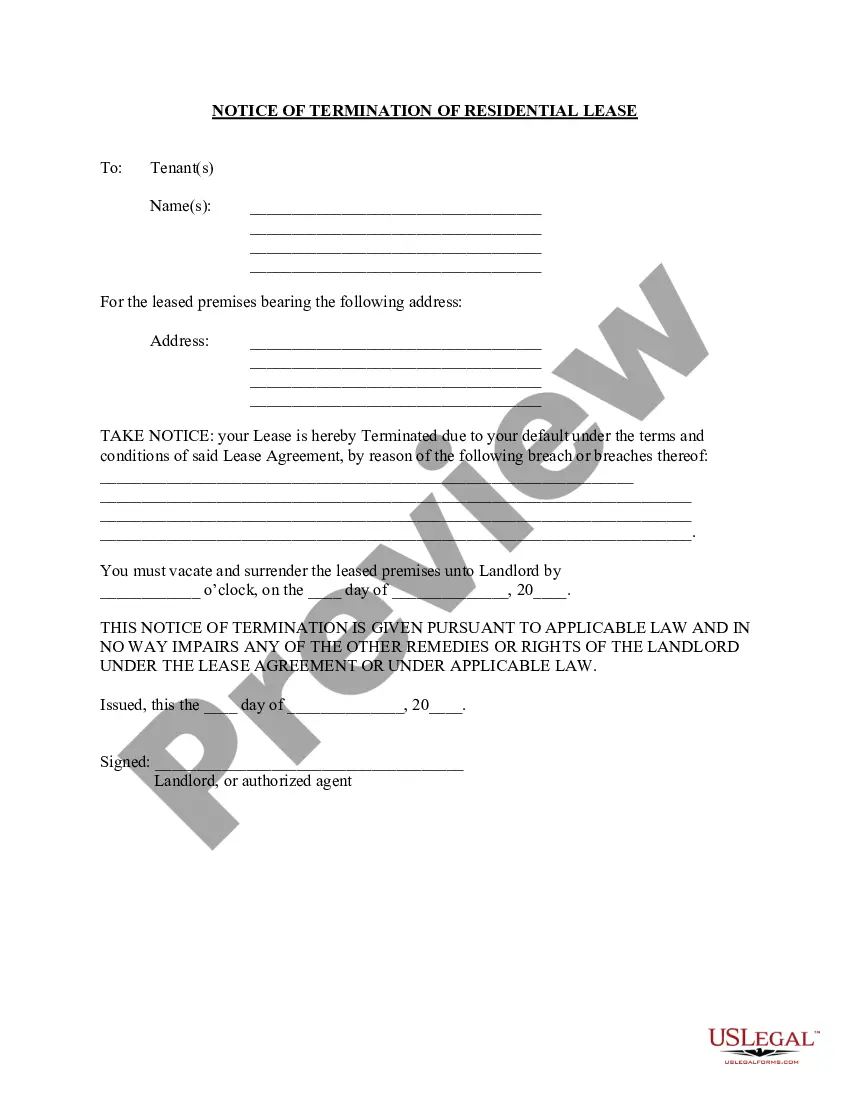
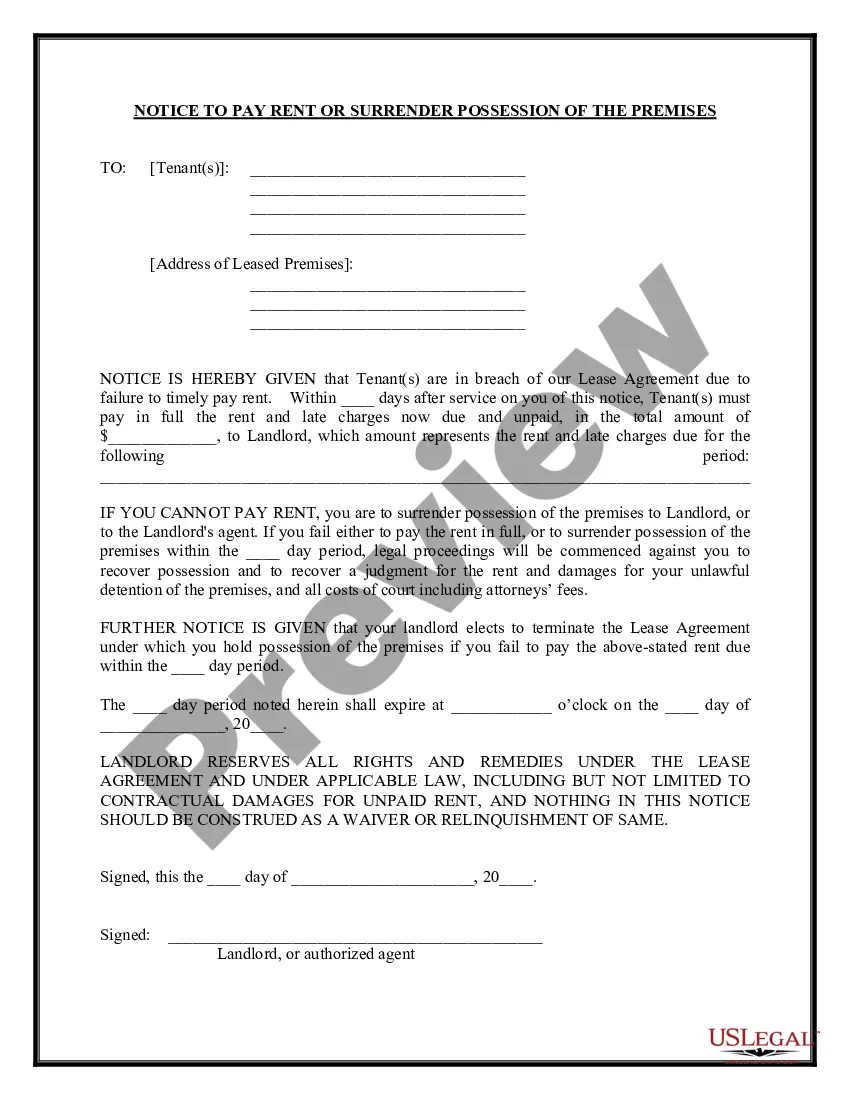
The Notice of Default on Residential Lease is a legal document issued by a landlord to notify a tenant of specific breaches of their lease agreement. This form details the reasons for the default and sets a deadline for the tenant to address these issues. It differs from other notices, such as eviction notices, as it allows the tenant an opportunity to remedy the situation before further action is taken by the landlord.
Form components explained
- Details of the specific reasons for the lease default.
- Deadline date for the tenant to cure the default.
- Statement regarding the landlord's rights under the lease and applicable law.
- Signature section for the landlord or authorized agent.
When to use this form
This form should be used when a tenant has failed to comply with the terms of their residential lease agreement. Examples include non-payment of rent, property damage, or other lease violations. It serves as a formal notification that the landlord is aware of the default and seeks to resolve the issue before taking more drastic actions such as eviction.
Who this form is for
- Landlords seeking to address tenant violations of a residential lease.
- Property managers acting on behalf of landlords.
- Tenants wanting clarity on lease defaults to manage their compliance effectively.
How to complete this form
- Identify the parties involved: landlord and tenant.
- Specify the reasons for the lease default in detail.
- Set a clear deadline for the tenant to remedy the issues.
- Enter the date of issuance at the designated fields.
- Sign the form as the landlord or authorized agent.
Does this document require notarization?
In most cases, this form does not require notarization. However, some jurisdictions or signing circumstances might. US Legal Forms offers online notarization powered by Notarize, accessible 24/7 for a quick, remote process.
Get your form ready online
Our built-in tools help you complete, sign, share, and store your documents in one place.
Make edits, fill in missing information, and update formatting in US Legal Forms—just like you would in MS Word.
Download a copy, print it, send it by email, or mail it via USPS—whatever works best for your next step.
Sign and collect signatures with our SignNow integration. Send to multiple recipients, set reminders, and more. Go Premium to unlock E-Sign.
If this form requires notarization, complete it online through a secure video call—no need to meet a notary in person or wait for an appointment.
We protect your documents and personal data by following strict security and privacy standards.

Make edits, fill in missing information, and update formatting in US Legal Forms—just like you would in MS Word.

Download a copy, print it, send it by email, or mail it via USPS—whatever works best for your next step.

Sign and collect signatures with our SignNow integration. Send to multiple recipients, set reminders, and more. Go Premium to unlock E-Sign.

If this form requires notarization, complete it online through a secure video call—no need to meet a notary in person or wait for an appointment.

We protect your documents and personal data by following strict security and privacy standards.
Common mistakes
- Failing to specify the exact reasons for the default.
- Not providing a reasonable time frame for the tenant to address the issue.
- Issuing the notice without proper documentation of the terms breached.
Benefits of completing this form online
- Convenience of immediate access and download.
- Editable templates tailored to specific needs.
- Assurance of compliance with state legal requirements.
Legal use & context
- Notices of default serve as a prerequisite to eviction proceedings.
- These forms are essential for maintaining a clear legal record of communication with tenants.
- Understanding local laws related to lease defaults is critical for enforceability.
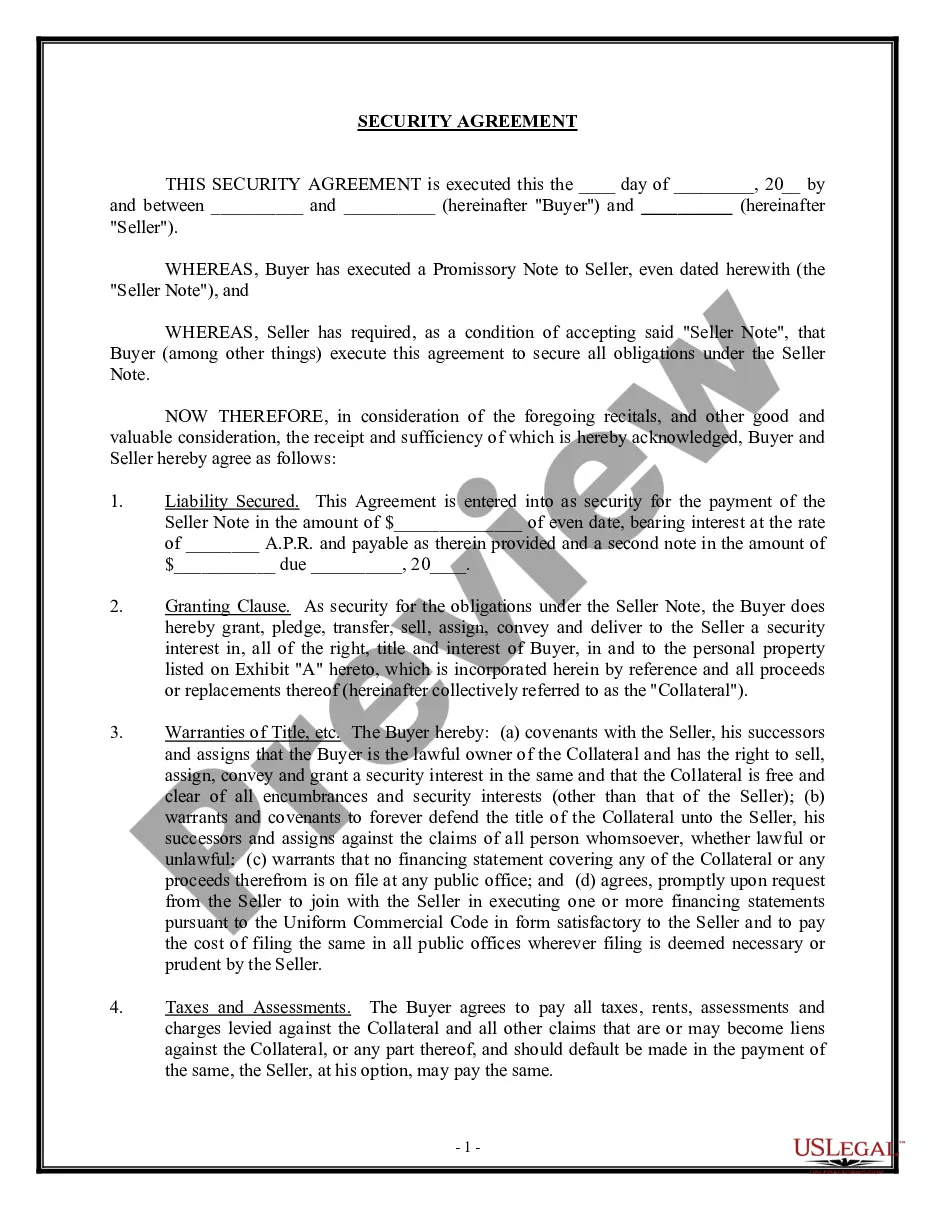
Looking for another form?
Form popularity
FAQ
In Alabama, a landlord cannot legally evict a tenant without going through the court system. The landlord must follow proper legal procedures, including providing a written notice before filing an eviction lawsuit. Understanding the Alabama Notice of Default on Residential Lease can help both parties navigate this often complex process.
The minimum notice a landlord can give a tenant in Alabama often depends on the lease type. For non-renewal of a month-to-month lease, a minimum of 30 days is standard. However, in cases of non-payment, only a seven-day notice is required, making it vital for tenants to stay informed about the Alabama Notice of Default on Residential Lease.
In Alabama, a landlord can initiate an eviction process if a tenant is more than seven days behind on rent. After this period, the landlord can issue a notice of default on the residential lease, prompting further legal action. This timeframe reinforces the importance of timely rent payments to avoid eviction complications.
When a landlord decides not to renew a lease in Alabama, they typically must give the tenant at least 30 days’ notice for leases lasting longer than a month. For month-to-month tenants, this notice period is also 30 days. This is a critical aspect of the Alabama Notice of Default on Residential Lease, as it helps tenants prepare for their next steps.
In Alabama, the time a renter has to move out largely depends on the notice provided by the landlord. If the eviction notice is due to non-payment of rent, the tenant generally has seven days to vacate the premises. For other lease violations, the timeframe may also be specified in the lease agreement. It's always beneficial to consult the Alabama Notice of Default on Residential Lease for specific details.
Section 35-9A-461 in Alabama law outlines the legal procedures for handling defaults on residential leases. This section describes the steps a landlord must follow to notify tenants of non-payment or other lease violations. Familiarizing yourself with this law, particularly the Alabama Notice of Default on Residential Lease, is crucial for both landlords and tenants to protect their interests.
In Alabama, a landlord typically must provide a written notice of at least seven days if the tenant is on a month-to-month lease. However, for leases that are longer than one month, the notice period may vary. If the lease specifies a different duration or reason for termination, that must be adhered to as well. Understanding the Alabama Notice of Default on Residential Lease can help tenants know their rights.
In Alabama, a landlord typically cannot enter a tenant's property without providing proper notice, usually 24 hours in advance, except in emergencies. Understanding this rule protects the tenant's right to privacy and security. If you find yourself facing issues with your landlord, the Alabama Notice of Default on Residential Lease could provide critical insights into your rights.
In Alabama, a landlord must provide at least seven days of notice to a tenant before initiating eviction proceedings for non-payment of rent. This period allows the tenant an opportunity to rectify the situation. It's important for both landlords and tenants to understand these rules, especially regarding the Alabama Notice of Default on Residential Lease.
A notice of default on a house is a formal notification to the homeowner that they have failed to meet the terms of their mortgage or lease. This notice typically serves as a warning that foreclosure or eviction proceedings may begin if the issues remain unresolved. In Alabama, this notice also correlates with an Alabama Notice of Default on Residential Lease, helping tenants understand their position in the leasing process.