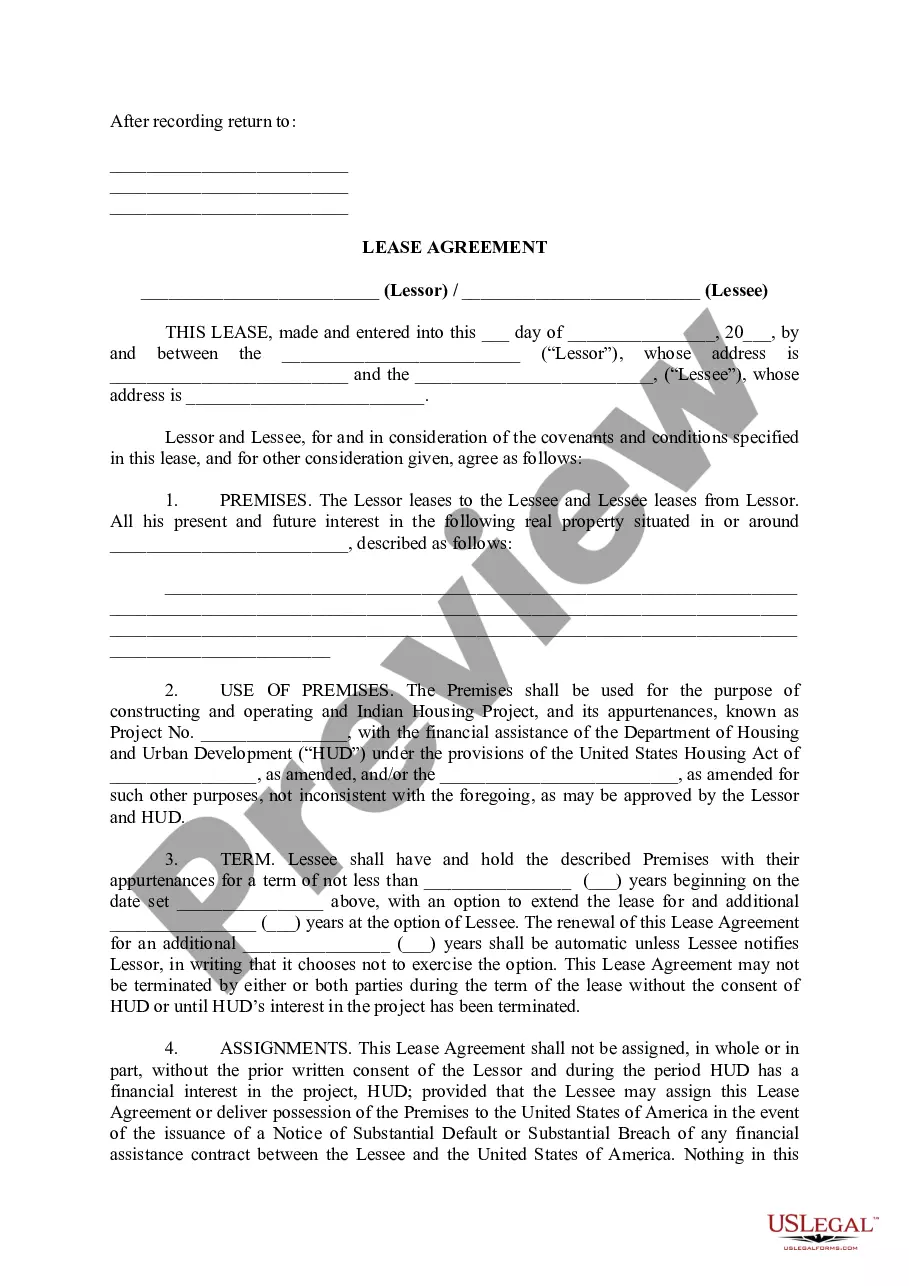
Alaska Letter from Landlord to Tenant Returning security deposit less deductions
Understanding this form
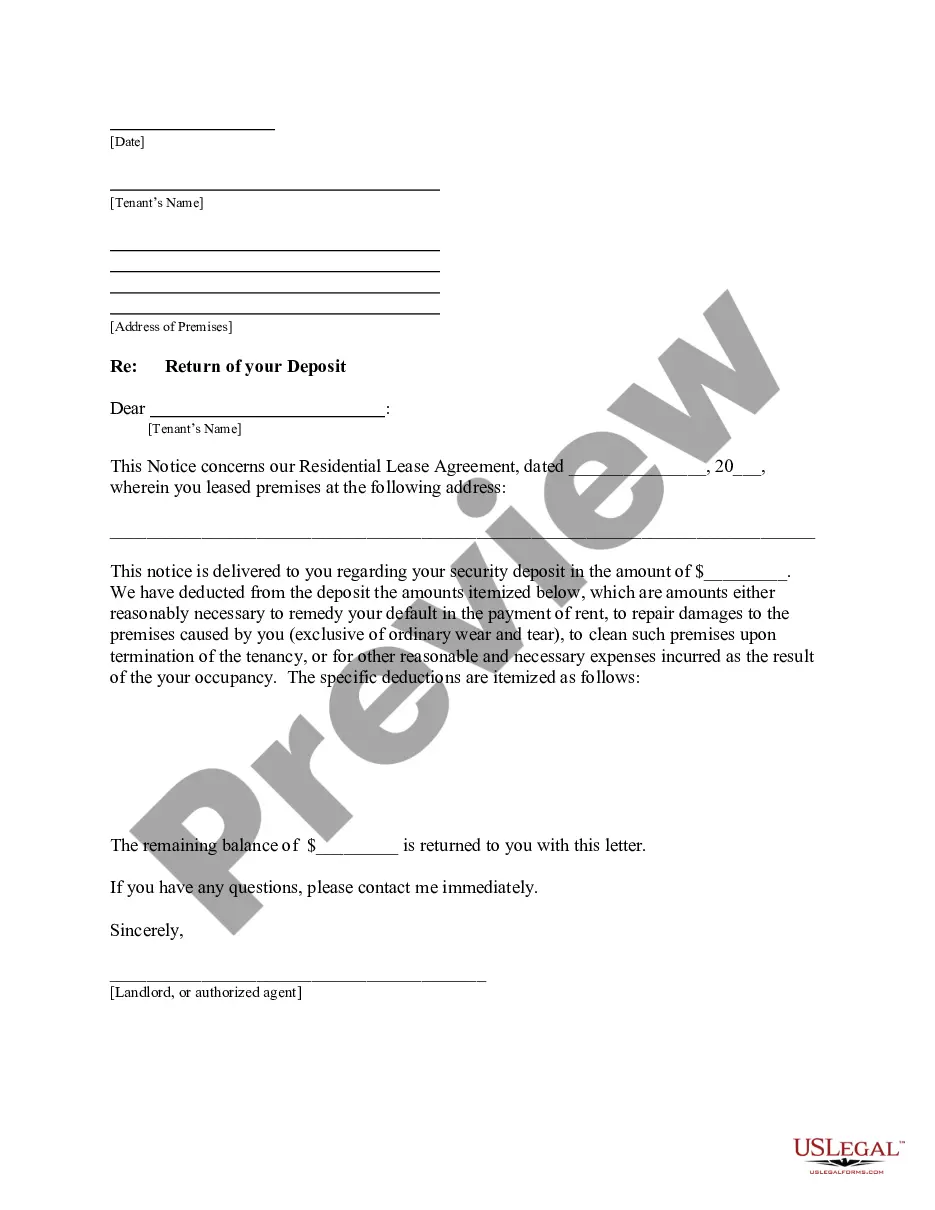
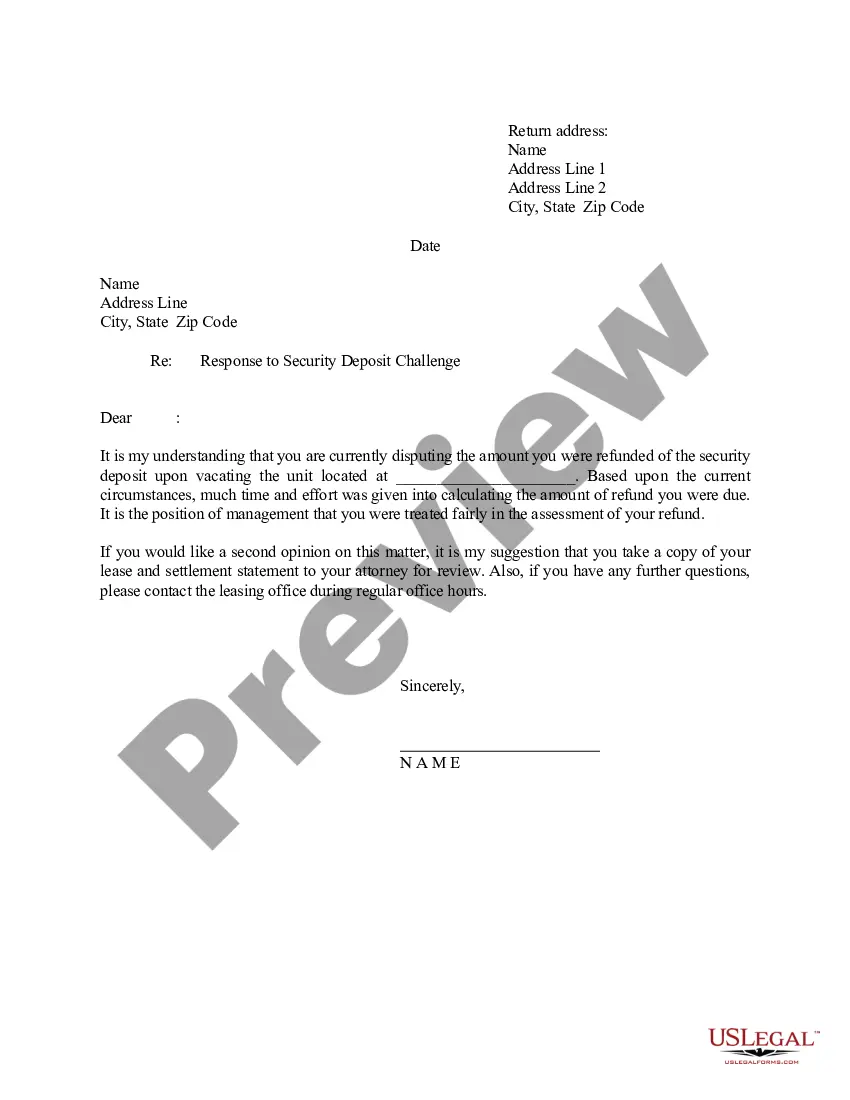
This form is a Letter from Landlord to Tenant Returning security deposit less deductions. It informs the tenant of the specific deductions made from their security deposit, detailing amounts necessary for rent defaults, damages, cleaning, or other expenses incurred during their occupancy. Unlike a rental agreement, this document focuses solely on the financial aspects related to the security deposit, providing clarity on the deductions made by the landlord. This helps ensure transparency and understanding for both parties involved in the rental agreement.
Key parts of this document
- Date of the Residential Lease Agreement.
- Address of the rented premises.
- Total amount of the security deposit.
- Itemized list of deductions with explanations.
When this form is needed
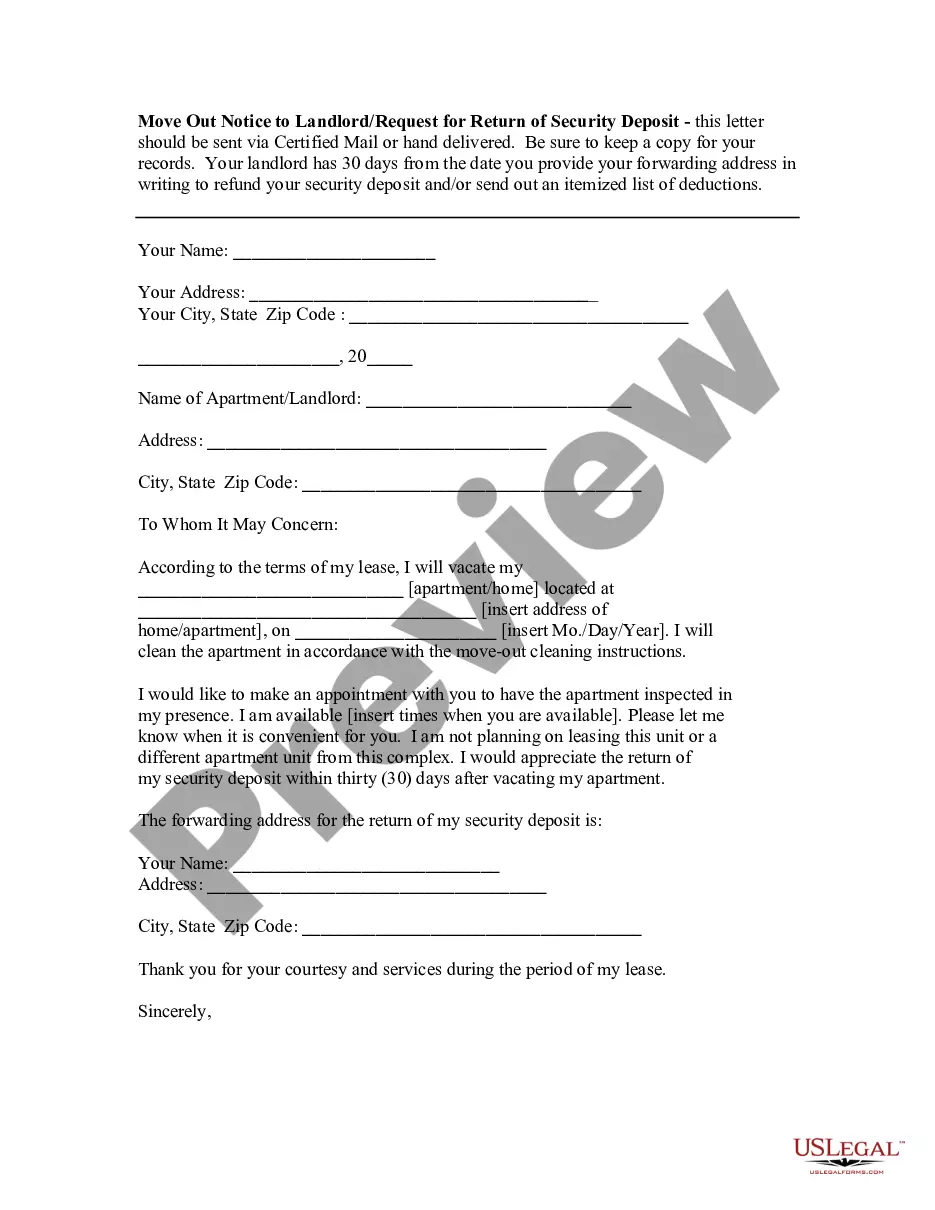
This letter should be used when a tenant vacates a rental property, and the landlord needs to return a portion of the security deposit after making necessary deductions. It is relevant when there are costs related to unpaid rent, damages beyond normal wear and tear, or cleaning expenses that are justified and documented. Using this form ensures that both the landlord and tenant have a record of the financial transactions related to the security deposit.
Who can use this document
This form is intended for:
- Landlords who have rented properties to tenants.
- Property managers overseeing rental agreements on behalf of landlords.
- Tenants who wish to understand deductions made from their security deposit upon moving out.
How to prepare this document
- Fill in the date of the Residential Lease Agreement.
- Enter the full address of the rental property.
- State the total amount of the security deposit held.
- List and describe each deduction being made from the security deposit.
- Provide a summary or explanation for each deduction to clarify the reasoning.
Is notarization required?
Notarization is not commonly needed for this form. However, certain documents or local rules may make it necessary. Our notarization service, powered by Notarize, allows you to finalize it securely online anytime, day or night.
Get your form ready online
Our built-in tools help you complete, sign, share, and store your documents in one place.
Make edits, fill in missing information, and update formatting in US Legal Forms—just like you would in MS Word.
Download a copy, print it, send it by email, or mail it via USPS—whatever works best for your next step.
Sign and collect signatures with our SignNow integration. Send to multiple recipients, set reminders, and more. Go Premium to unlock E-Sign.
If this form requires notarization, complete it online through a secure video call—no need to meet a notary in person or wait for an appointment.
We protect your documents and personal data by following strict security and privacy standards.

Make edits, fill in missing information, and update formatting in US Legal Forms—just like you would in MS Word.

Download a copy, print it, send it by email, or mail it via USPS—whatever works best for your next step.

Sign and collect signatures with our SignNow integration. Send to multiple recipients, set reminders, and more. Go Premium to unlock E-Sign.

If this form requires notarization, complete it online through a secure video call—no need to meet a notary in person or wait for an appointment.

We protect your documents and personal data by following strict security and privacy standards.
Typical mistakes to avoid
- Failing to provide clear explanations for each deduction.
- Not referencing the correct lease agreement date or tenant's information.
- Using vague language that could lead to misunderstandings.
- Omitting state-specific regulations that may apply.
Benefits of using this form online
- Convenience of downloading and completing the form at your own pace.
- Editable fields allow for precise and accurate information entry.
- Access to legally vetted templates ensures compliance with relevant laws.
- Record keeping made easy by digitally storing the completed document.
Legal use & context
- This form serves as a written notice for the tenant regarding their security deposit.
- It is a legal record of amounts deducted from the security deposit and must be kept by both parties.
- Proper use of this form helps in resolving disputes related to deposit returns.
Quick recap
- This form is essential for landlords to communicate deductions from a tenant's security deposit.
- Clear itemization of deductions helps prevent disputes and misunderstandings.
- Understanding state requirements is crucial for lawful deposit returns.
Looking for another form?
Form popularity
FAQ
Keeping security deposits in interest-bearing accounts is not required; however, if the account is interest bearing, interest earned during the first five years of the tenancy goes to the landlord and thereafter to the tenant.
The landlord is entitled to deduct from the rental deposit any expenses incurred repairing any damage to the property which occurred during the tenancy. The remainder of the money must then be refunded to the tenant no later than 14 days after the restoration of the property as dictated by the Act.
5 Times a Landlord Does Not Have to Return a Tenant's Security Deposit. Breaking or Terminating a Lease Early. Nonpayment of Rent. Damage to the Property. Cleaning Costs. Unpaid Utilities.
Unpaid rent at the end of the tenancy. Unpaid bills at the end of the tenancy. Stolen or missing belongings that are property of the landlord. Direct damage to the property and it's contents (owned by the landlord) Indirect damage due to negligence and lack of maintenance.
Your landlord can still deduct from your deposit to cover the cleaning bill if the property is not cleaned to the level it was at and can prove it, though. So, it's still important to clean the property thoroughly before you move out.
Alaska state law limits how much a landlord can charge for a security deposit (two months' rent, unless the monthly rent exceeds $2,000), when it must be returned (within 14 days after a tenant moves if the tenant has given proper notice to end the tenancy or 30 days if the tenant has not), and sets other restrictions
Your Landlord is legally obligated to return your deposit within 10 days of you both agreeing how much you'll get back (after the tenancy has ended, of course).
If your deposit didn't need to be protected and your landlord refuses to give it back, you might have to take them to court.You'll need to take your landlord to the small claims court to get your money back.
Generally, a landlord may retain all or part of the security deposit to pay for damages to the unit that occurred during the tenants' occupancy, except for those resulting from normal wear and tear. Usually, the landlord can deduct other costs, such as late fees, unpaid rent, and unpaid utility bills.