Release of Mortgage / Deed of Trust - Short Form - Release on Real Estate
Overview of this form
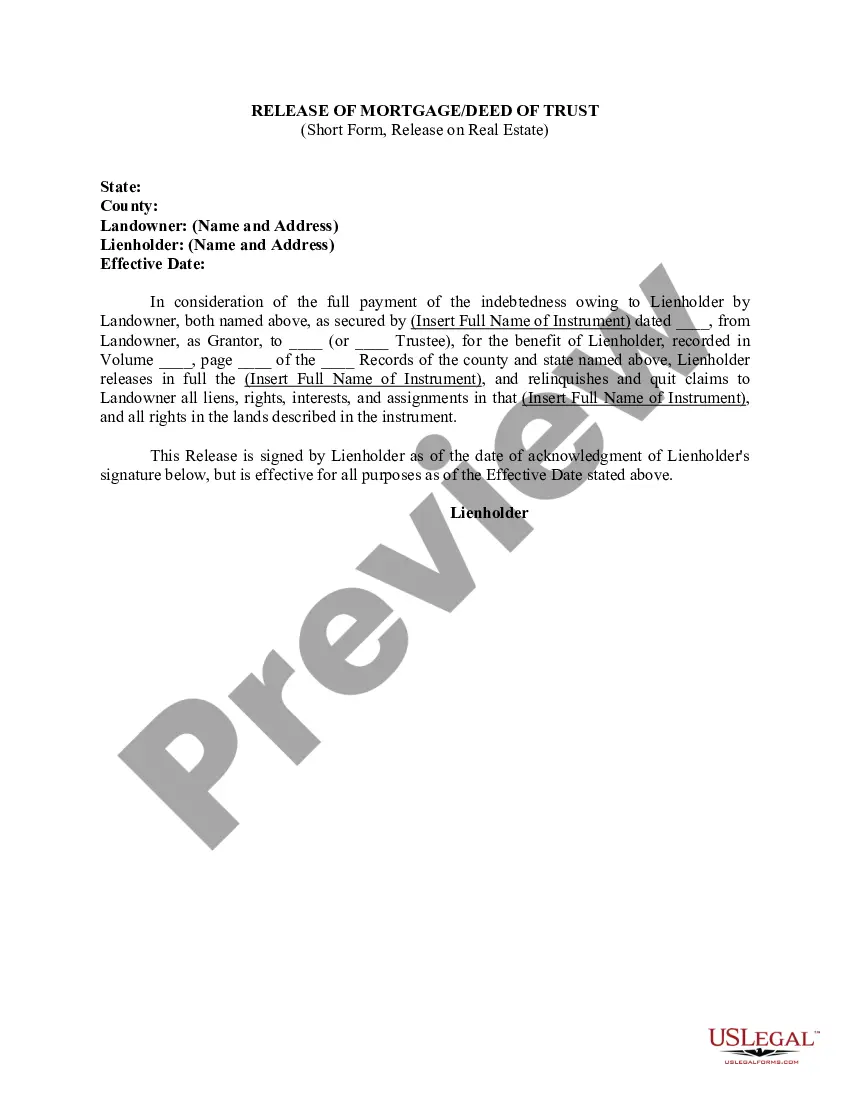
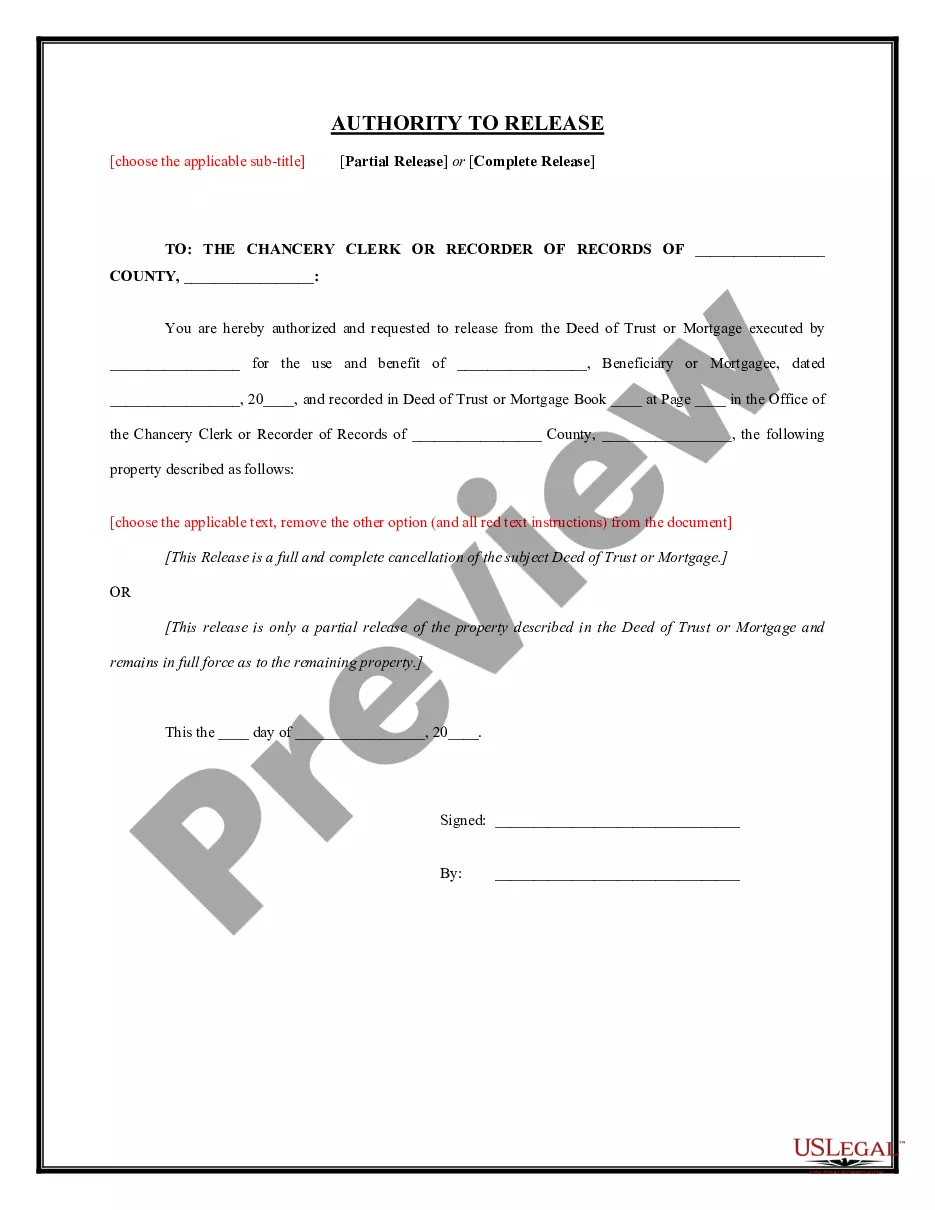
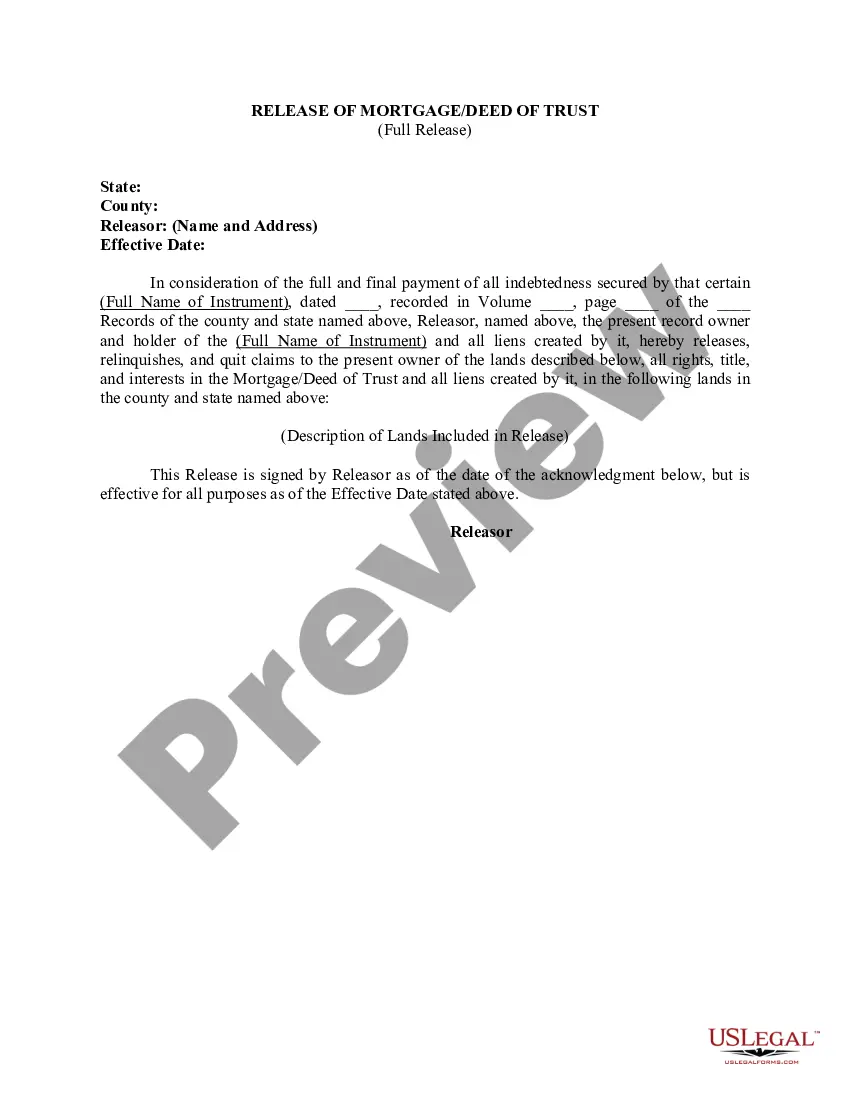
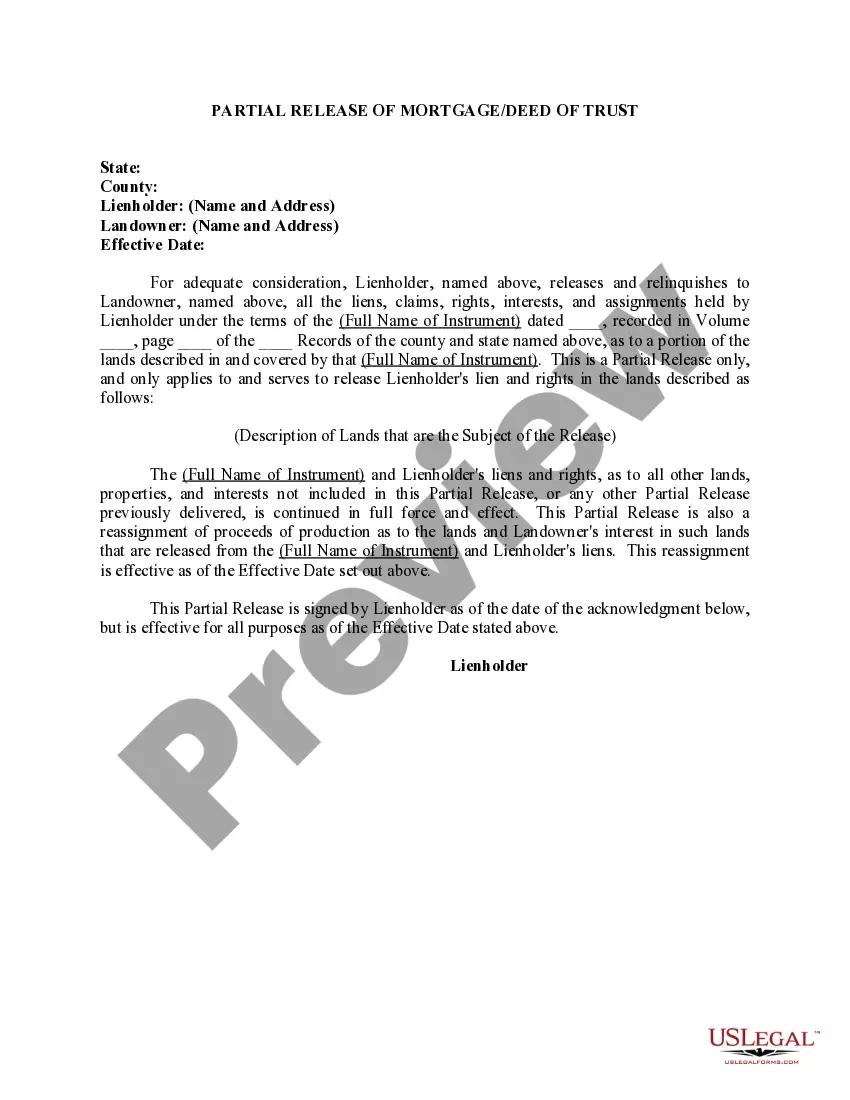
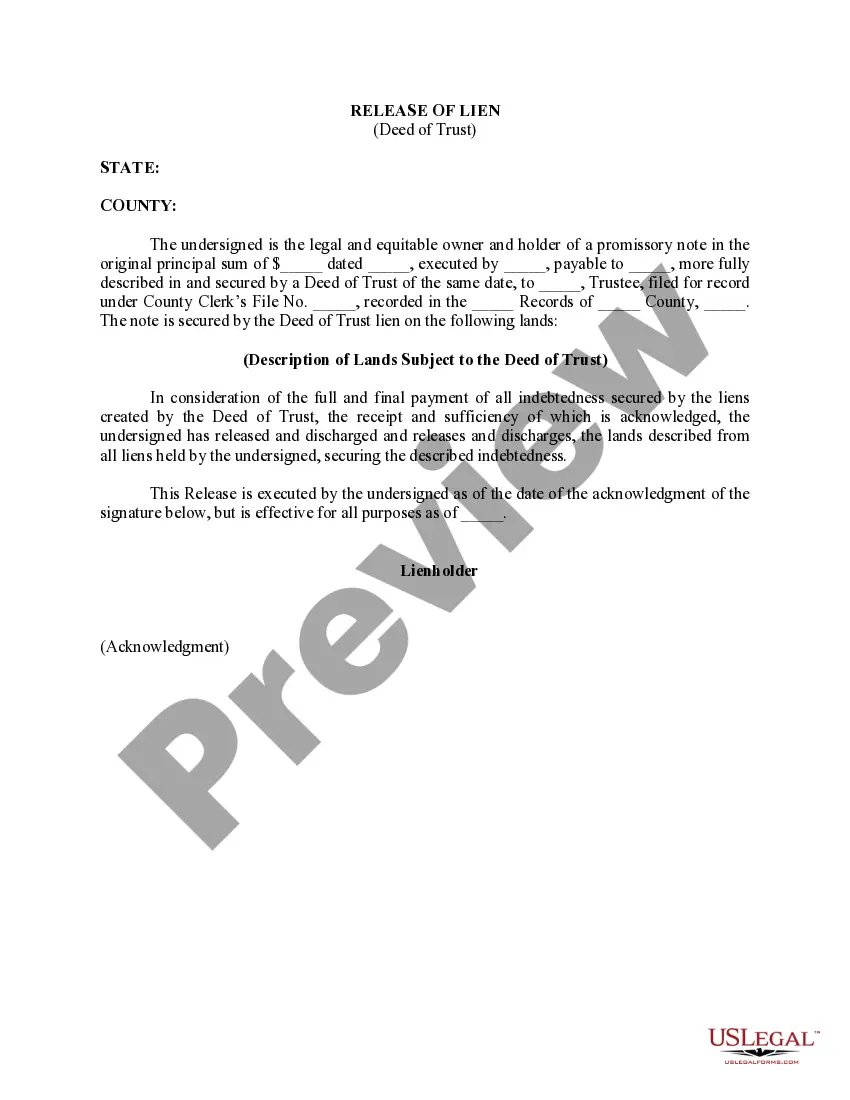
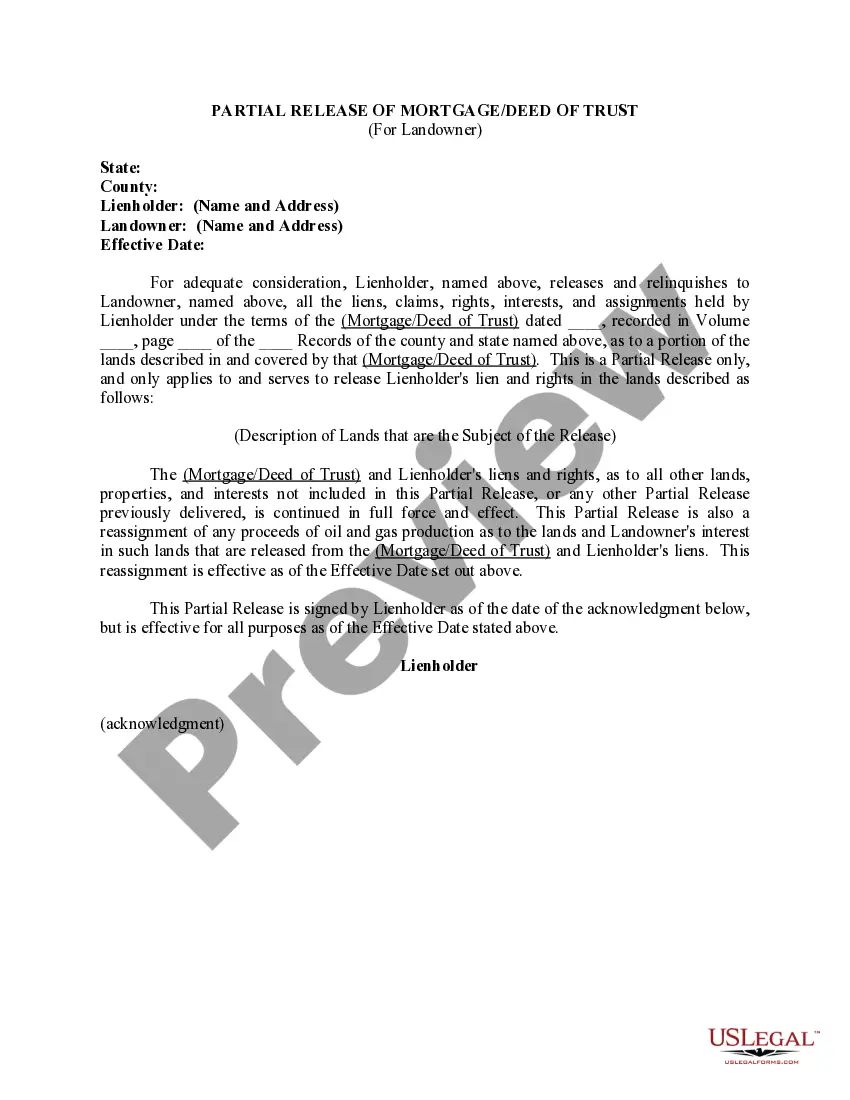
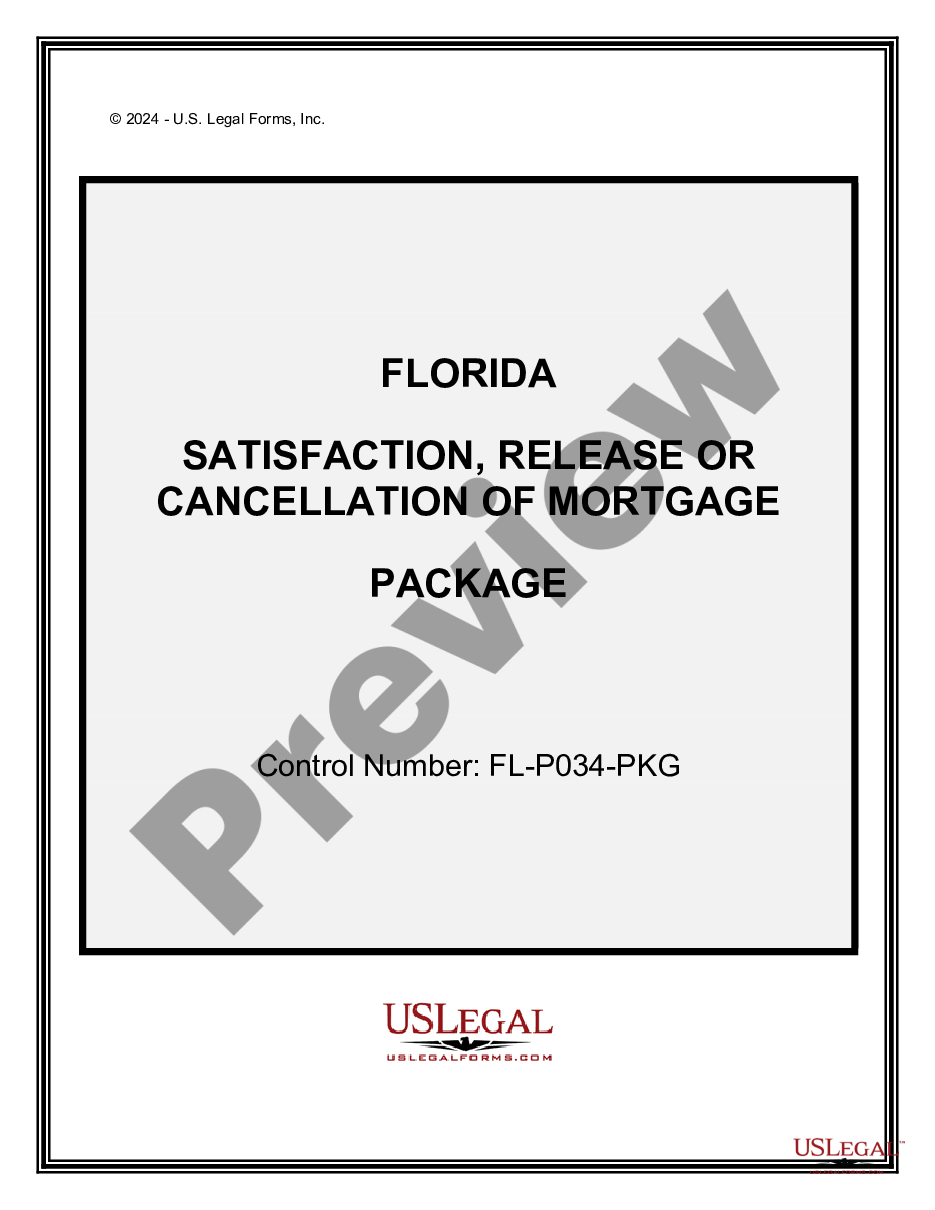
The Release of Mortgage / Deed of Trust - Short Form is a legal document used to officially release a lien on real estate once the mortgage or deed of trust has been fully paid. This form serves to terminate the lender's claim to the property, distinguishing it from other forms that may be used for different types of releases or obligations.
Key components of this form
- Names and addresses of both the landowner and lienholder.
- The effective date of the release.
- Details of the original mortgage or deed of trust, including its recording information.
- A declaration that the lienholder releases all claims related to the mortgage or deed of trust.
- Signature section for the lienholder, confirming the execution of the release.
When to use this document
This form should be used when a landowner has paid off their mortgage or deed of trust in full and requires a formal release from the lienholder. It is essential to document this release to clear the title of the property, especially when selling or refinancing the real estate in the future.
Intended users of this form
This form is suitable for:
- Landowners who have completed payment on their mortgage or deed of trust.
- Lienholders who need to formally acknowledge the release of their claim on the property.
- Real estate professionals assisting clients in the closing process.
How to prepare this document
- Identify and enter the names and addresses of the landowner and lienholder.
- Specify the effective date of the release.
- Fill in the details of the mortgage or deed of trust, including its recording volume and page number.
- Have the lienholder sign the form to complete the release.
- Keep a copy for your records and file it with the appropriate county office to finalize the release.
Does this form need to be notarized?
This form does not typically require notarization unless specified by local law. However, it is advisable to check with the relevant county office to ensure all filing requirements are met.
Get your form ready online
Our built-in tools help you complete, sign, share, and store your documents in one place.
Make edits, fill in missing information, and update formatting in US Legal Forms—just like you would in MS Word.
Download a copy, print it, send it by email, or mail it via USPS—whatever works best for your next step.
Sign and collect signatures with our SignNow integration. Send to multiple recipients, set reminders, and more. Go Premium to unlock E-Sign.
If this form requires notarization, complete it online through a secure video call—no need to meet a notary in person or wait for an appointment.
We protect your documents and personal data by following strict security and privacy standards.

Make edits, fill in missing information, and update formatting in US Legal Forms—just like you would in MS Word.

Download a copy, print it, send it by email, or mail it via USPS—whatever works best for your next step.

Sign and collect signatures with our SignNow integration. Send to multiple recipients, set reminders, and more. Go Premium to unlock E-Sign.

If this form requires notarization, complete it online through a secure video call—no need to meet a notary in person or wait for an appointment.

We protect your documents and personal data by following strict security and privacy standards.
Mistakes to watch out for
- Failing to include the effective date of the release.
- Not correctly documenting the details of the original mortgage or deed of trust.
- Omitting signatures or not following up on filing the release with the county office.
Advantages of online completion
- Convenience of immediate access and ability to download the form.
- Editability allows for customization before finalizing the document.
- Reliability of having a form drafted by licensed attorneys, ensuring it meets legal standards.
Main things to remember
- The Release of Mortgage/Deed of Trust formally releases a lien on a property.
- It is important to provide accurate details and signatures to validate the release.
- This form is beneficial for property owners who have completed payment on their mortgage or deed of trust.
Looking for another form?

Form popularity
FAQ
Party information: names and addresses of the trustor(s), trustee(s), beneficiary(ies), and guarantor(s) (if applicable) Property details: full address of the property and its legal description (which can be obtained from the County Recorder's Office)
Take possession of all the papers. Get an NOC. Get your CIBIL report updated. Get the lien withdrawn. Get an encumbrance certificate.
The person who owns the property usually signs a promissory note and a deed of trust. The deed of trust does not have to be recorded to be valid.
A Mortgage Release is where you, the homeowner, voluntarily transfer the ownership of your property to the owner of your mortgage in exchange for a release from your mortgage loan and payments.Depending on your situation, you may be required to make a financial contribution to receive a mortgage release.
A "Short Form Deed of Trust" is a document that is used to secure a promissory note by using real estate as collateral.With a Short Form Deed of Trust, a lender can foreclose on the property if the borrower defaults on making the loan payments.
Yes, there are key differences between the two. With a deed, you transfer the ownership of the property to one party. In contrast, a deed of trust does not mean the holder owns the property. In an arrangement involving a deed of trust, the borrower signs a contract with the lender with details regarding the loan.
Some owners are put off using solicitors duke to the deed of trust cost. Individuals can write out their own, and use someone else as a witness. However, this may have errors or not be a legally binding document. The investment of getting a deed of trust when buying a property is often worth it in the long term.
A Mortgage Release is where you, the homeowner, voluntarily transfer the ownership of your property to the owner of your mortgage in exchange for a release from your mortgage loan and payments.Depending on your situation, you may be required to make a financial contribution to receive a mortgage release.
In general a discharge fee costs between $275 and $325, but may be higher or lower. Some states impose a "release of mortgage" fee.