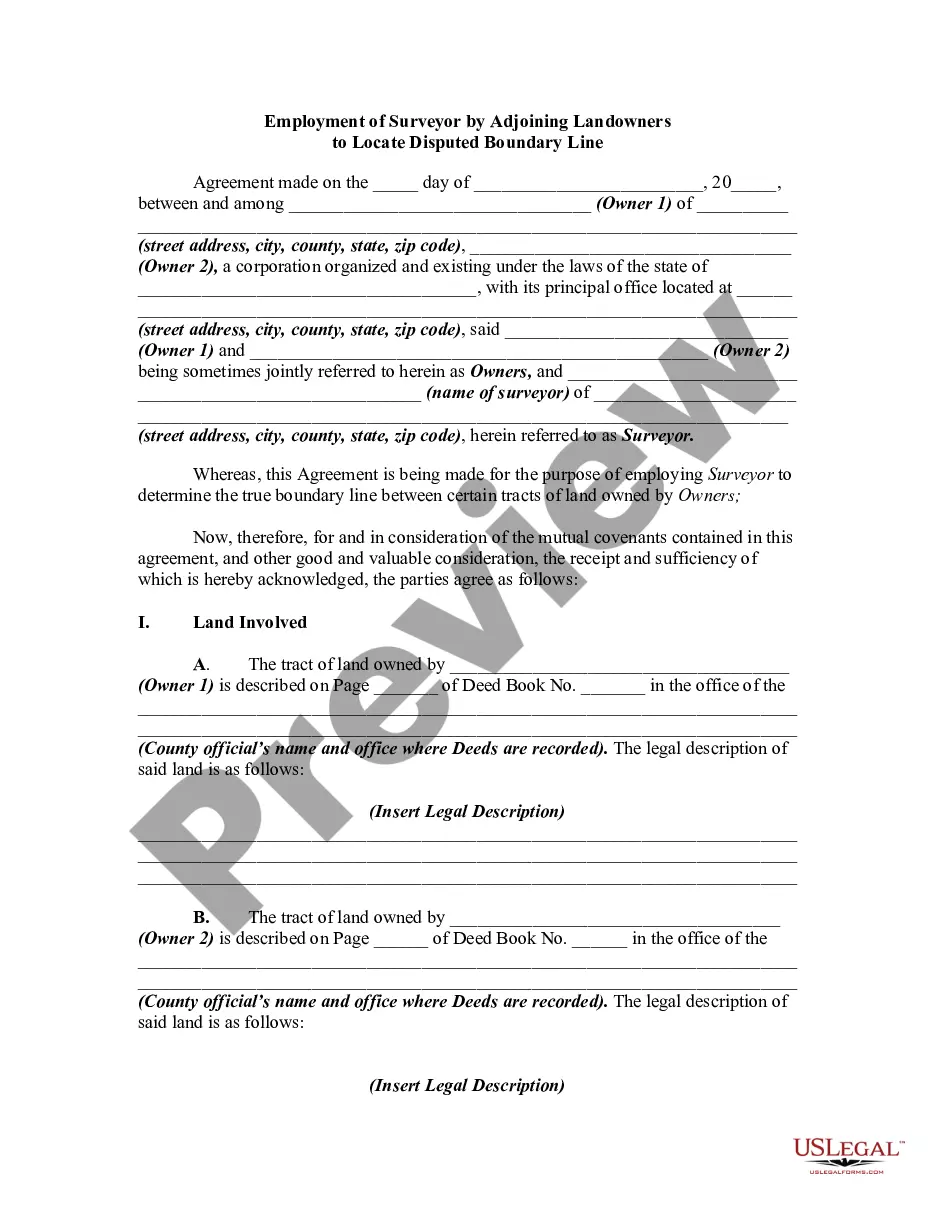
Wyoming Letter from Landlord to Tenant for Failure to use electrical, plumbing, sanitary, heating, ventilating, air conditioning and other facilities in a reasonable manner
What this document covers
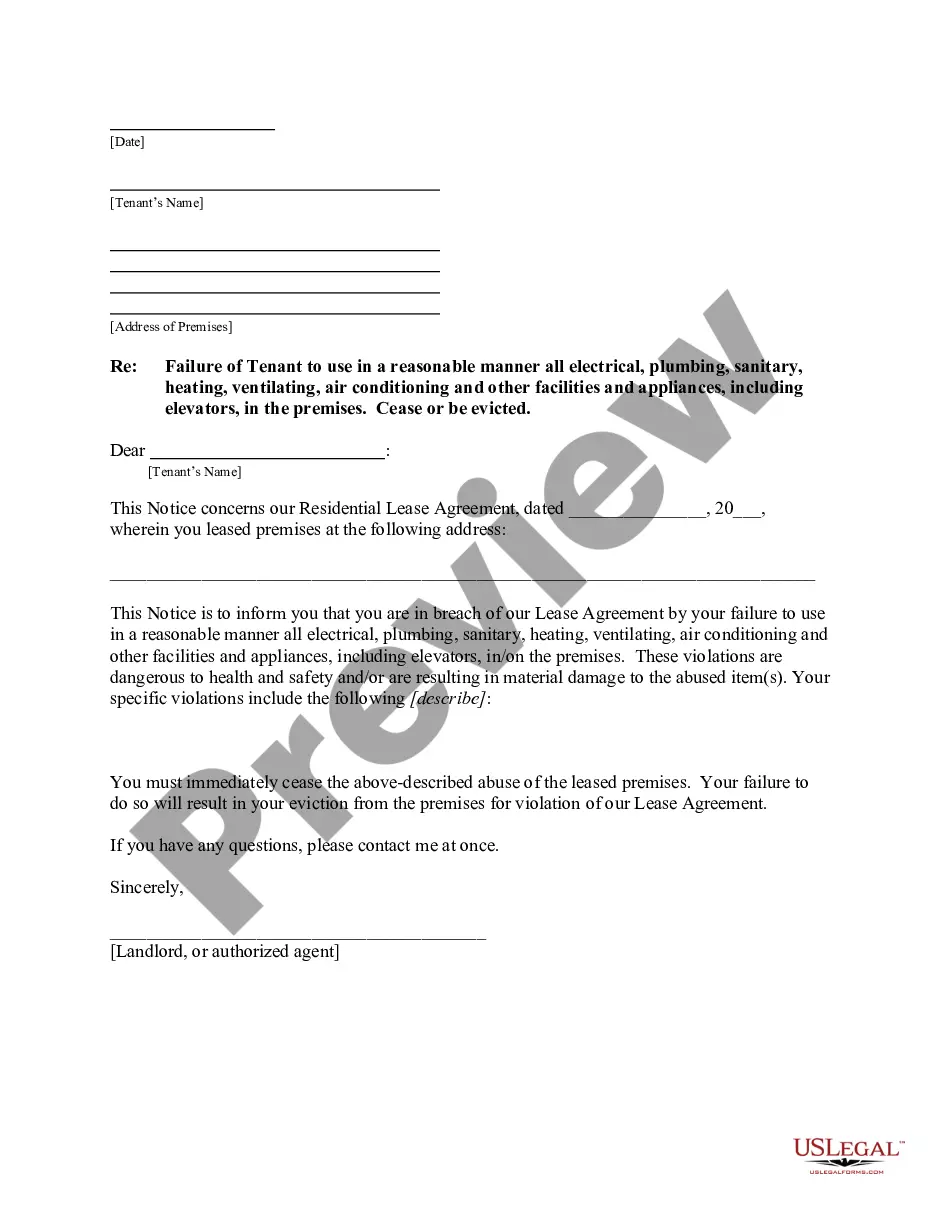
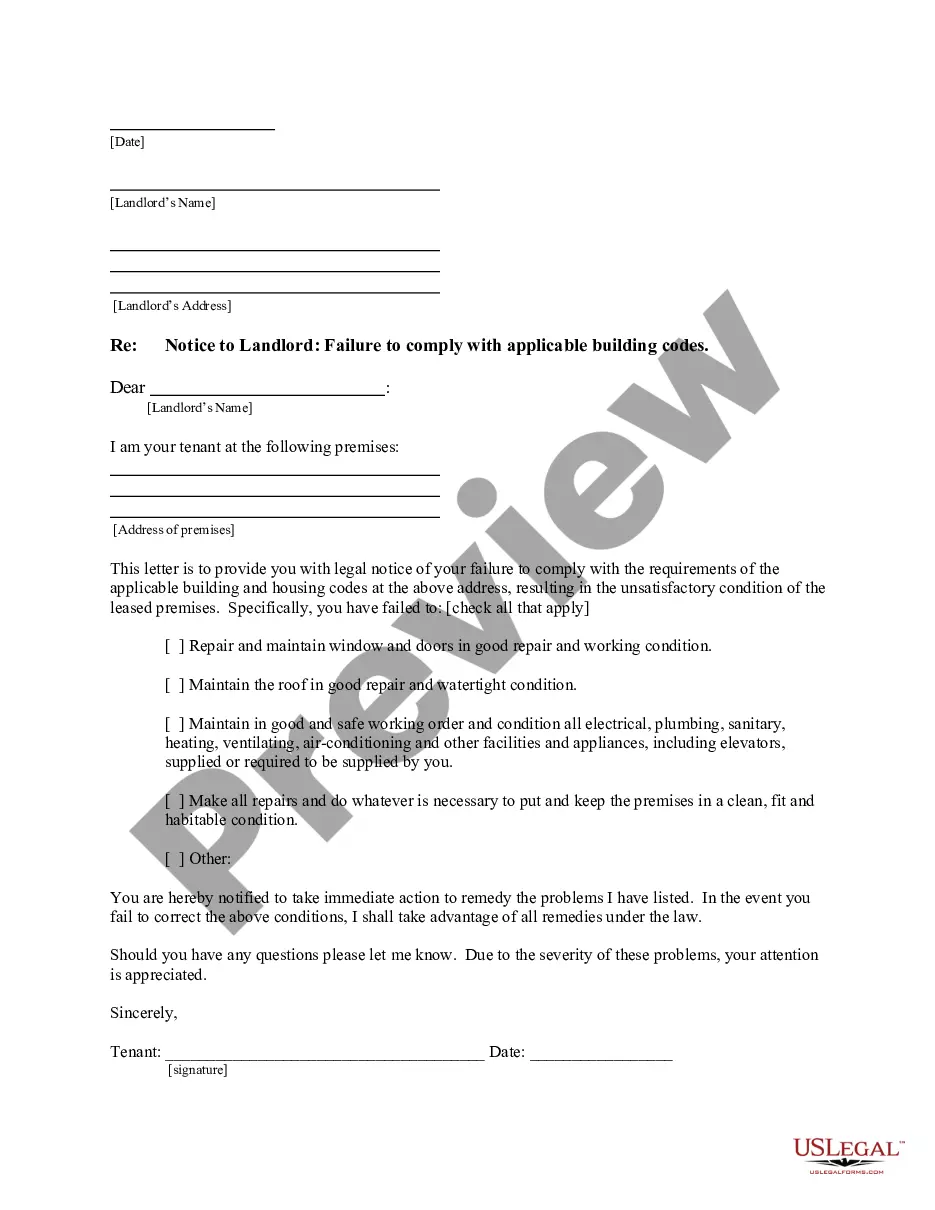
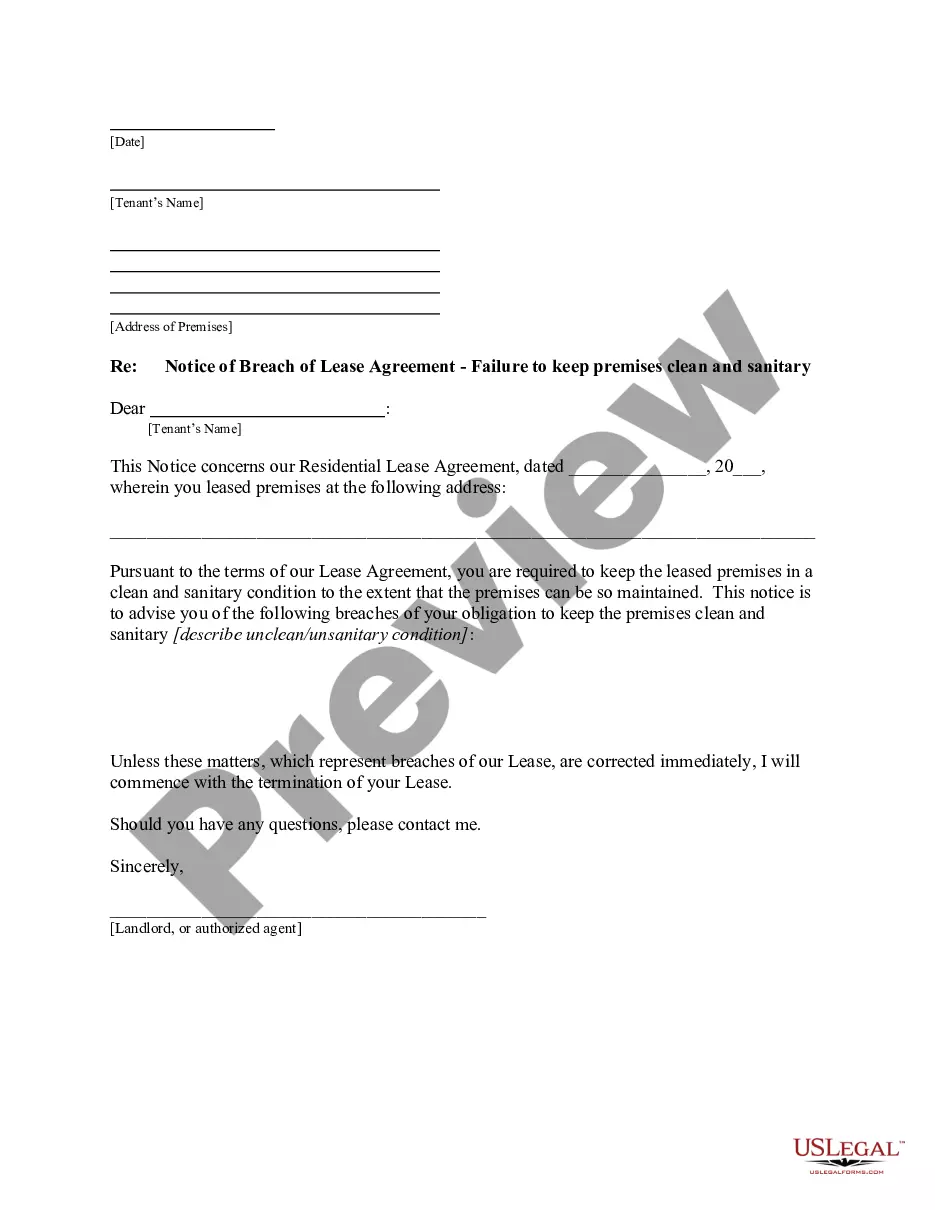
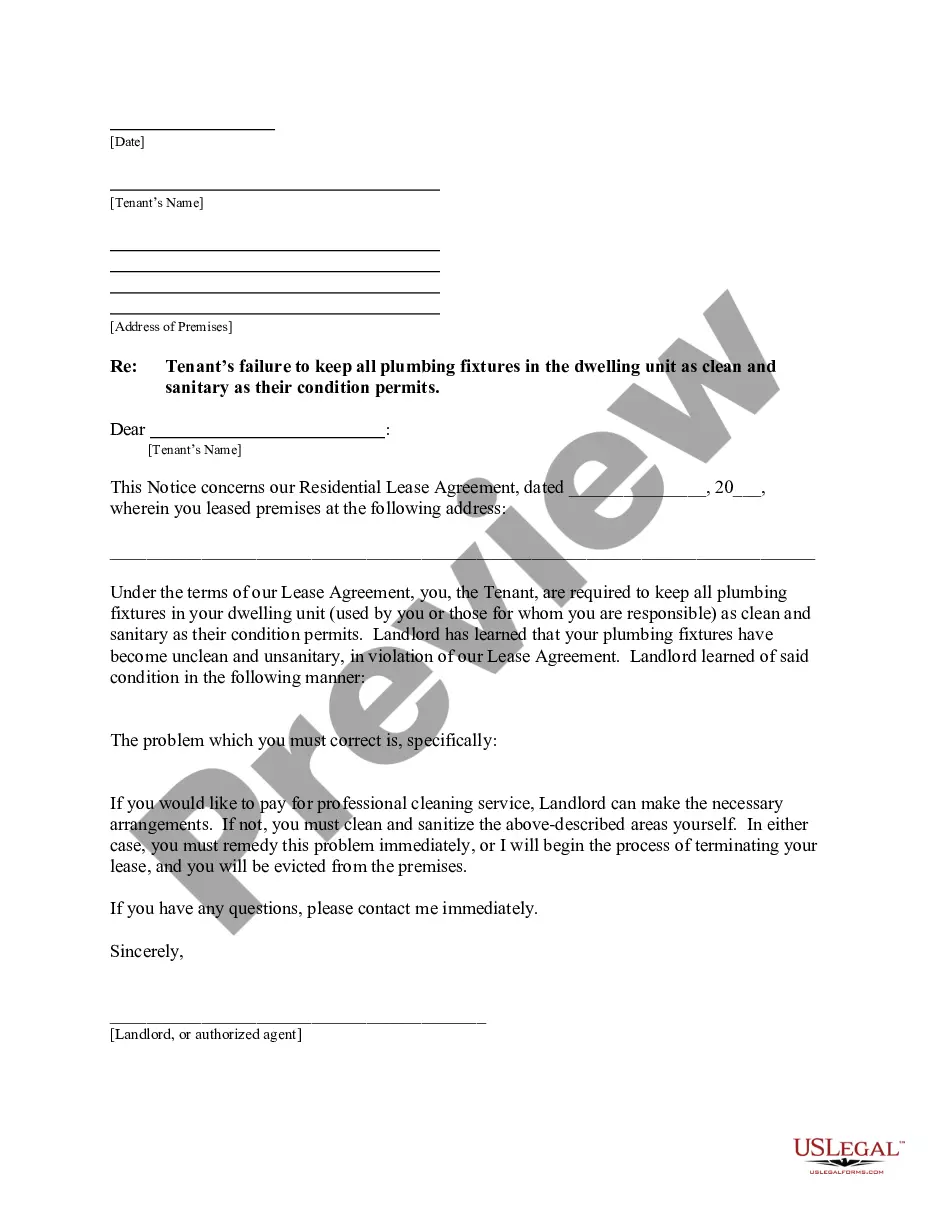
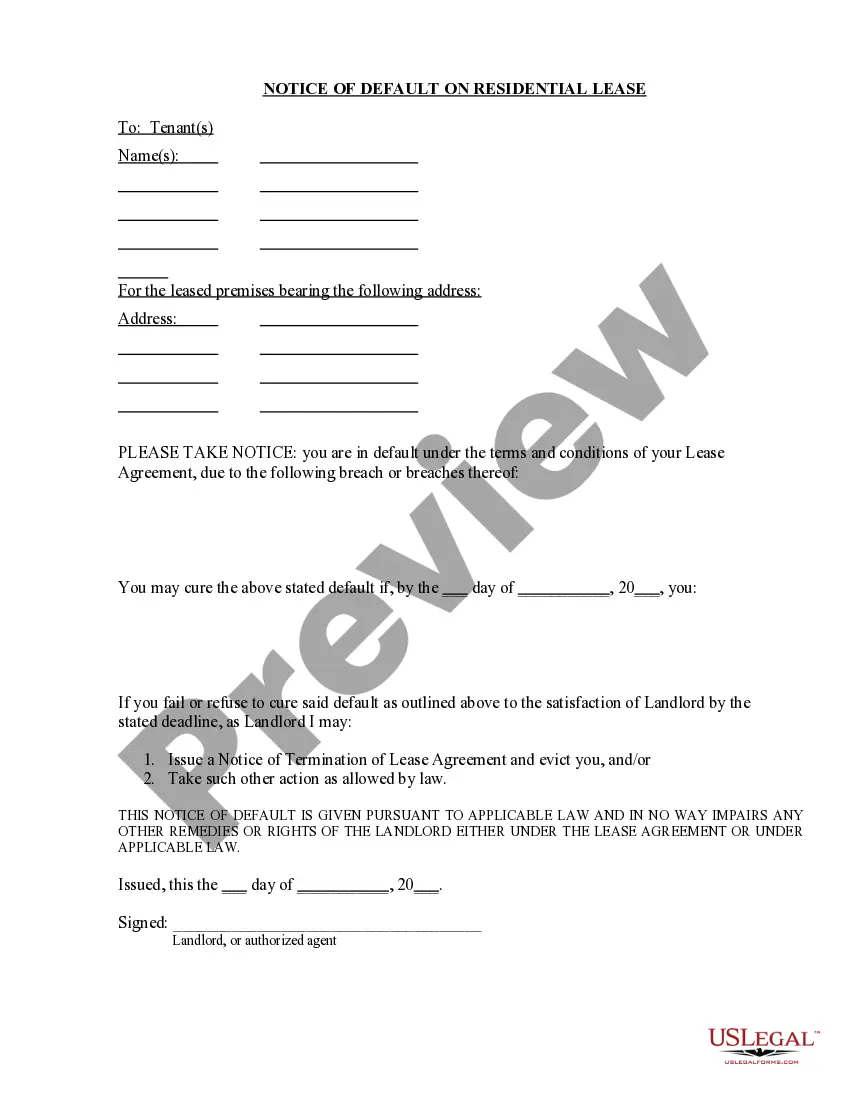
This form is a Letter from Landlord to Tenant for Failure to use electrical, plumbing, sanitary, heating, ventilating, air conditioning, and other facilities in a reasonable manner. It serves as a formal notice indicating the tenant's breach of lease terms regarding the use of essential facilities. This letter aims to inform the tenant of their responsibilities and the consequences of non-compliance, which may include eviction. Unlike other notices, this letter specifically addresses misuse of utilities and appliances, enabling landlords to communicate issues effectively.
Key parts of this document
- Identification of the landlord and tenant, including contact information.
- A clear statement of the misuse of facilities and appliances.
- Consequences for continued misuse, including potential eviction.
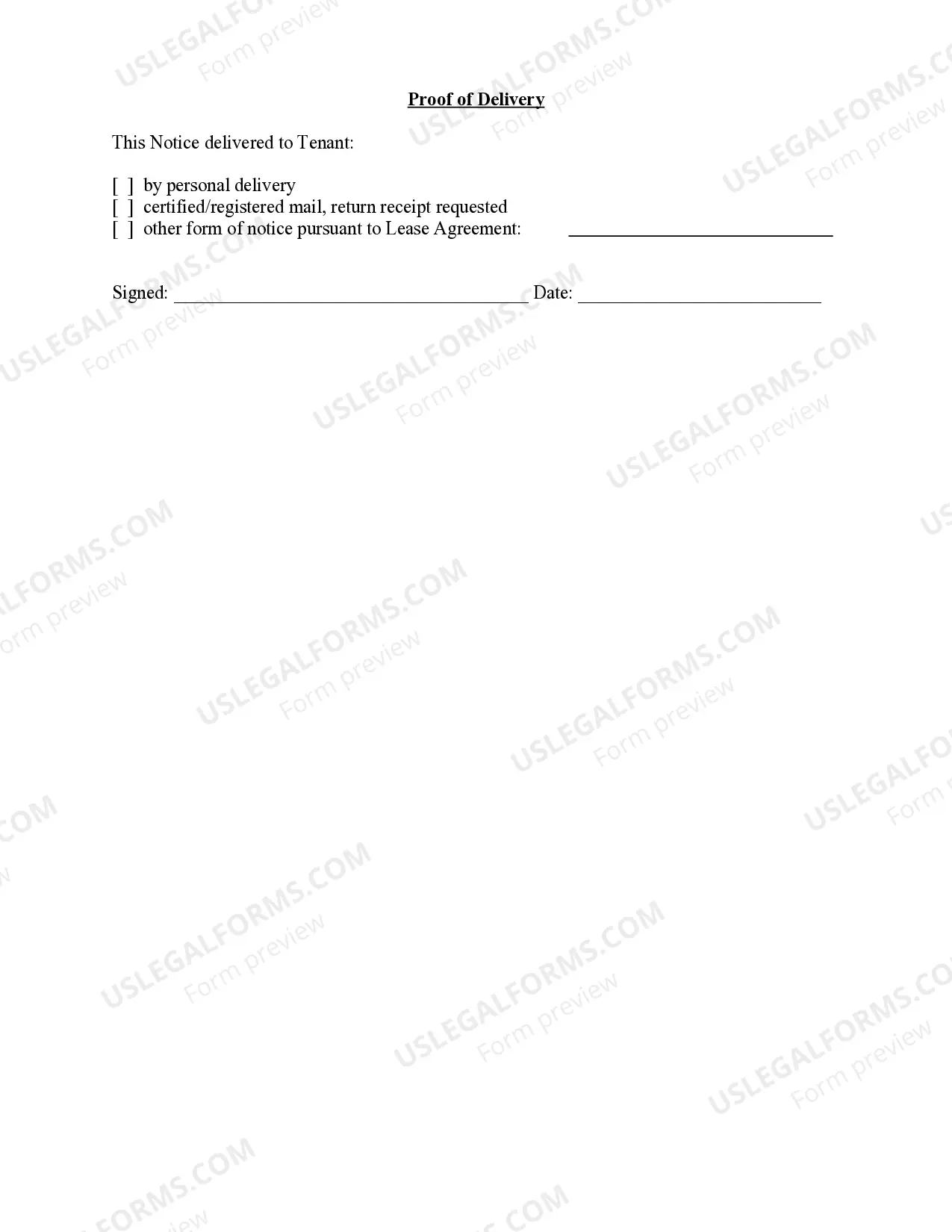
- Instructions for how the notice was delivered to the tenant.
Common use cases
This form should be used by a landlord when a tenant is found to be misusing electrical, plumbing, or other essential facilities as outlined in the lease. Common scenarios include excessive energy consumption due to negligence, failure to maintain appliances properly, or unauthorized alterations to utility systems. Using this notice helps landlords maintain property standards and communicate potential eviction repercussions due to lease violations.
Intended users of this form
This form is intended for:
- Landlords looking to address tenant misuse of facilities.
- Property managers acting on behalf of landlords.
- Legal representatives assisting landlords with lease enforcement.
Instructions for completing this form
- Identify the parties involved by entering the landlord's and tenant's names and addresses.
- Clearly state the specifics of the misuse of facilities and utilities.
- Include a statement of the consequences for continued non-compliance, specifically mentioning eviction if applicable.
- Specify the delivery method of this notice to the tenant, such as personal delivery or certified mail.
- Sign the form to validate it, either by the landlord or an authorized agent.
Notarization guidance
Notarization is not commonly needed for this form. However, certain documents or local rules may make it necessary. Our notarization service, powered by Notarize, allows you to finalize it securely online anytime, day or night.
Get your form ready online
Our built-in tools help you complete, sign, share, and store your documents in one place.
Make edits, fill in missing information, and update formatting in US Legal Forms—just like you would in MS Word.
Download a copy, print it, send it by email, or mail it via USPS—whatever works best for your next step.
Sign and collect signatures with our SignNow integration. Send to multiple recipients, set reminders, and more. Go Premium to unlock E-Sign.
If this form requires notarization, complete it online through a secure video call—no need to meet a notary in person or wait for an appointment.
We protect your documents and personal data by following strict security and privacy standards.

Make edits, fill in missing information, and update formatting in US Legal Forms—just like you would in MS Word.

Download a copy, print it, send it by email, or mail it via USPS—whatever works best for your next step.

Sign and collect signatures with our SignNow integration. Send to multiple recipients, set reminders, and more. Go Premium to unlock E-Sign.

If this form requires notarization, complete it online through a secure video call—no need to meet a notary in person or wait for an appointment.

We protect your documents and personal data by following strict security and privacy standards.
Typical mistakes to avoid
- Failing to provide complete contact information for both landlord and tenant.
- Not specifying the exact nature of the misuse leading to the warning.
- Omitting details about the consequences of continued misuse.
Why use this form online
- Quick access to legally sound templates drafted by licensed attorneys.
- Easily customizable to meet specific needs and situations.
- Instant downloading for immediate use, reducing delays in addressing tenant issues.
Legal use & context
- This notice serves as a formal warning to tenants about lease violations.
- Failure to resolve the issues may lead to legal eviction proceedings.
- Proper documentation can support a landlord's case if eviction is pursued.
Main things to remember
- This form is crucial for addressing tenant misuse of essential facilities.
- Clear communication and documentation are vital for effective resolution.
- Consult state-specific laws for any unique requirements.
Looking for another form?








Form popularity
FAQ
Sewers and lateral drains connected to the public network used to be the responsibility of the property owner. However, most are now maintained by local water companies. If you have any problems with your sewer or lateral drain, for example if it's blocked, contact your local water company.
The NSW tenant factsheet states that urgent repairs, including blocked toilets, are the responsibility of the landlord. When urgent repairs are required, the tenant must notify the landlord as soon as possible - preferably in writing.
As stated in the Landlord and Tennant Act 1985, it is the landlord's responsibility to maintain their drainage, pipes and other areas of plumbing. If a drain becomes blocked through tenant misuse however, then the tenant is liable for the cost of repairs.
Property Needs to Meet Local Health and Building Codes. Visible Mold. Pests. Changing Locks. Heat, Electric, Hot and Cold Water. Structural Integrity and Weather Protected. Regularly Discarding Trash. Damage Caused by the Tenant or Their Guests.
When you rent, your landlord is responsible for maintaining the functional aspects of your home such as plumbing, electricity, and heating. Landlords must also generally take action when flooding, a clogged pipe, pest infestation, or other problems occur.
As stated in the Landlord and Tennant Act 1985, it is the landlord's responsibility to maintain their drainage, pipes and other areas of plumbing. If a drain becomes blocked through tenant misuse however, then the tenant is liable for the cost of repairs.
The NSW tenant factsheet states that urgent repairs, including blocked toilets, are the responsibility of the landlord. When urgent repairs are required, the tenant must notify the landlord as soon as possible - preferably in writing.
If there is a problem, such as a burst pipe resulting from the landlord's failure to maintain the property, the tenant cannot be held responsible. If a tenant has detected a problem and reported it to the landlord, it is the owner's responsibility to fix them.