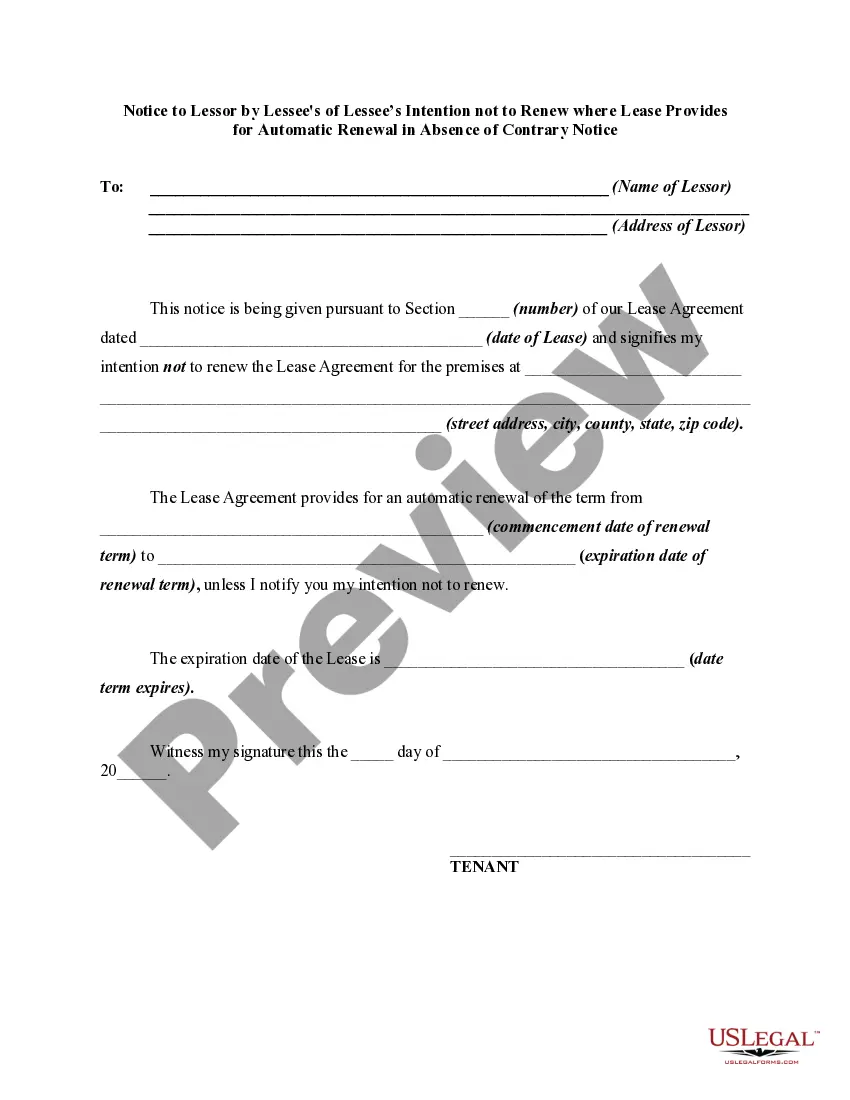
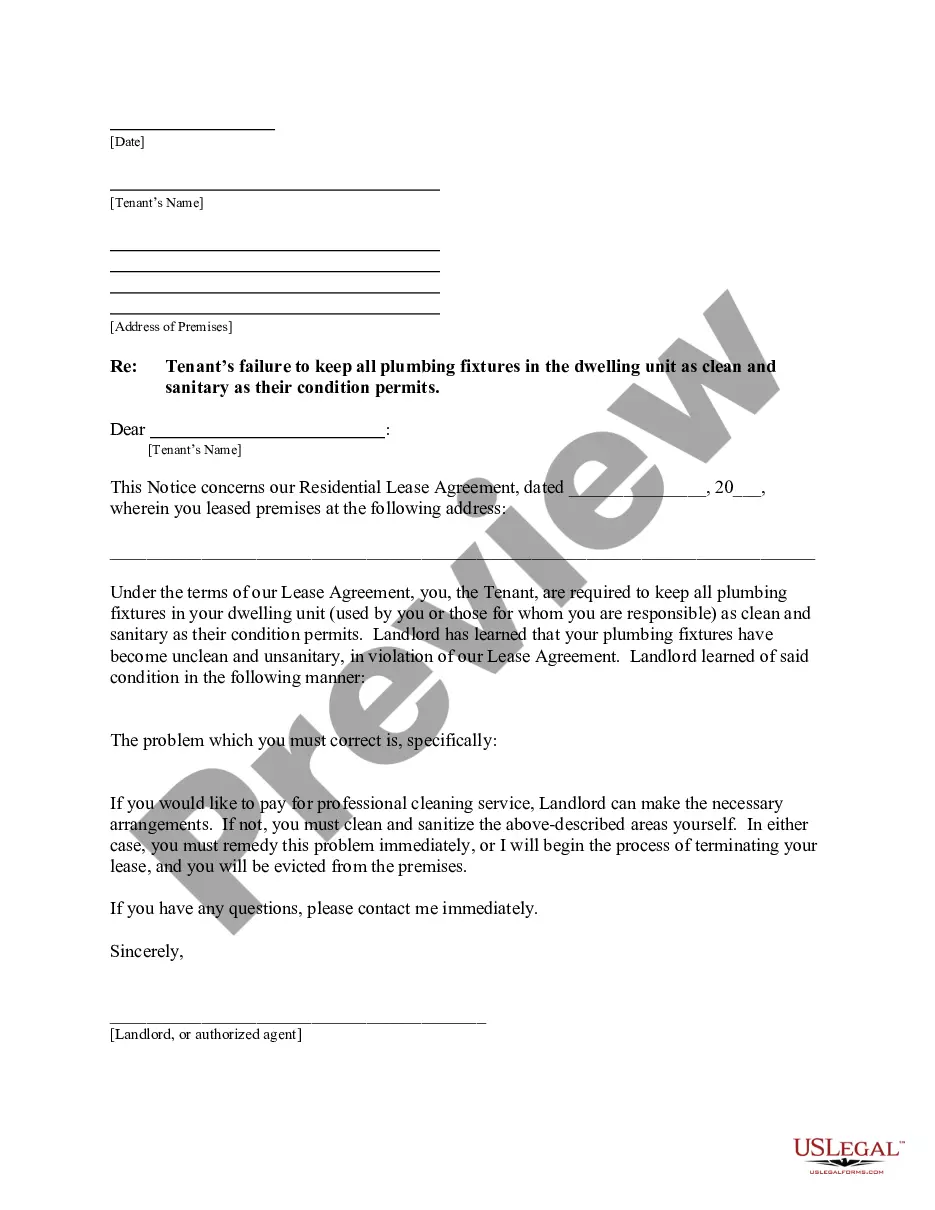
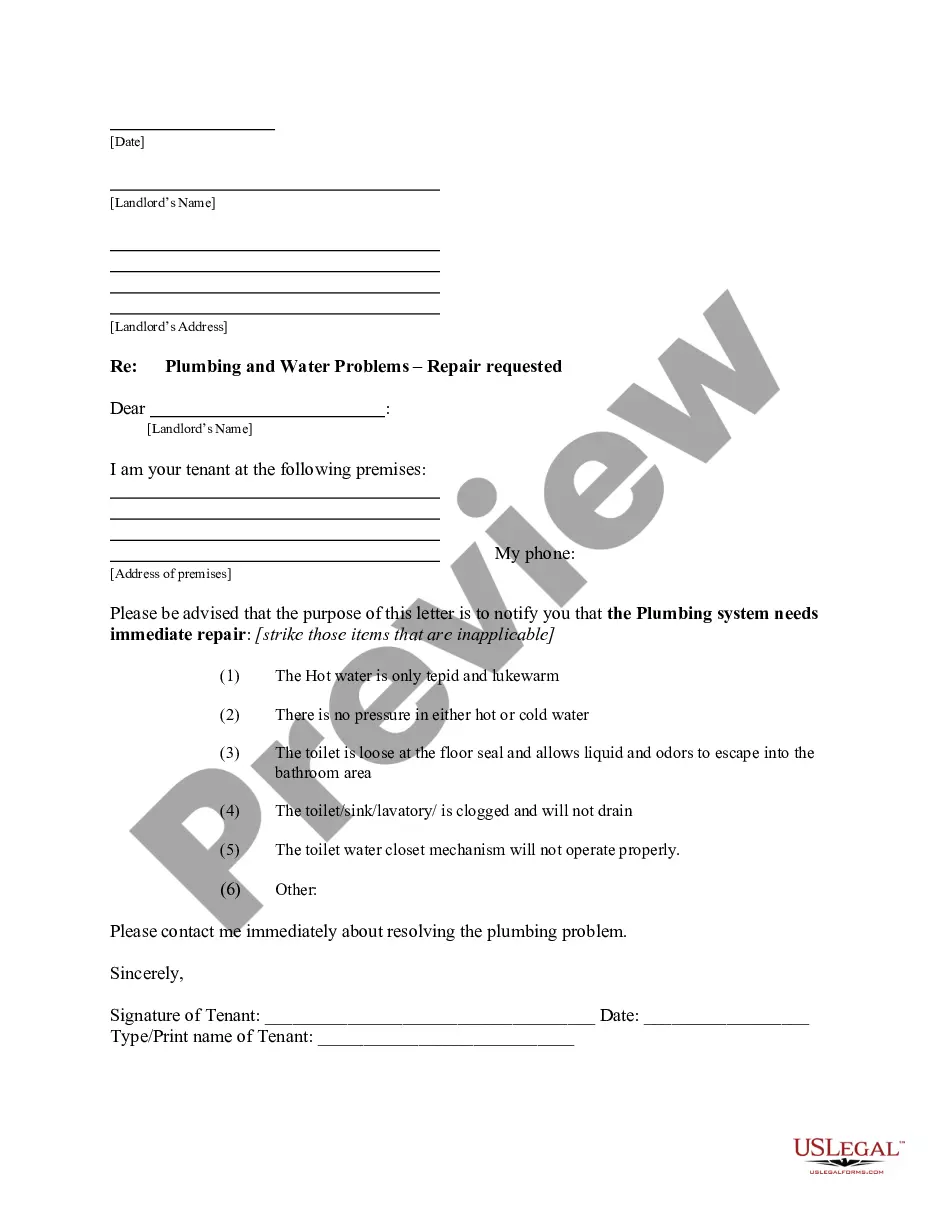
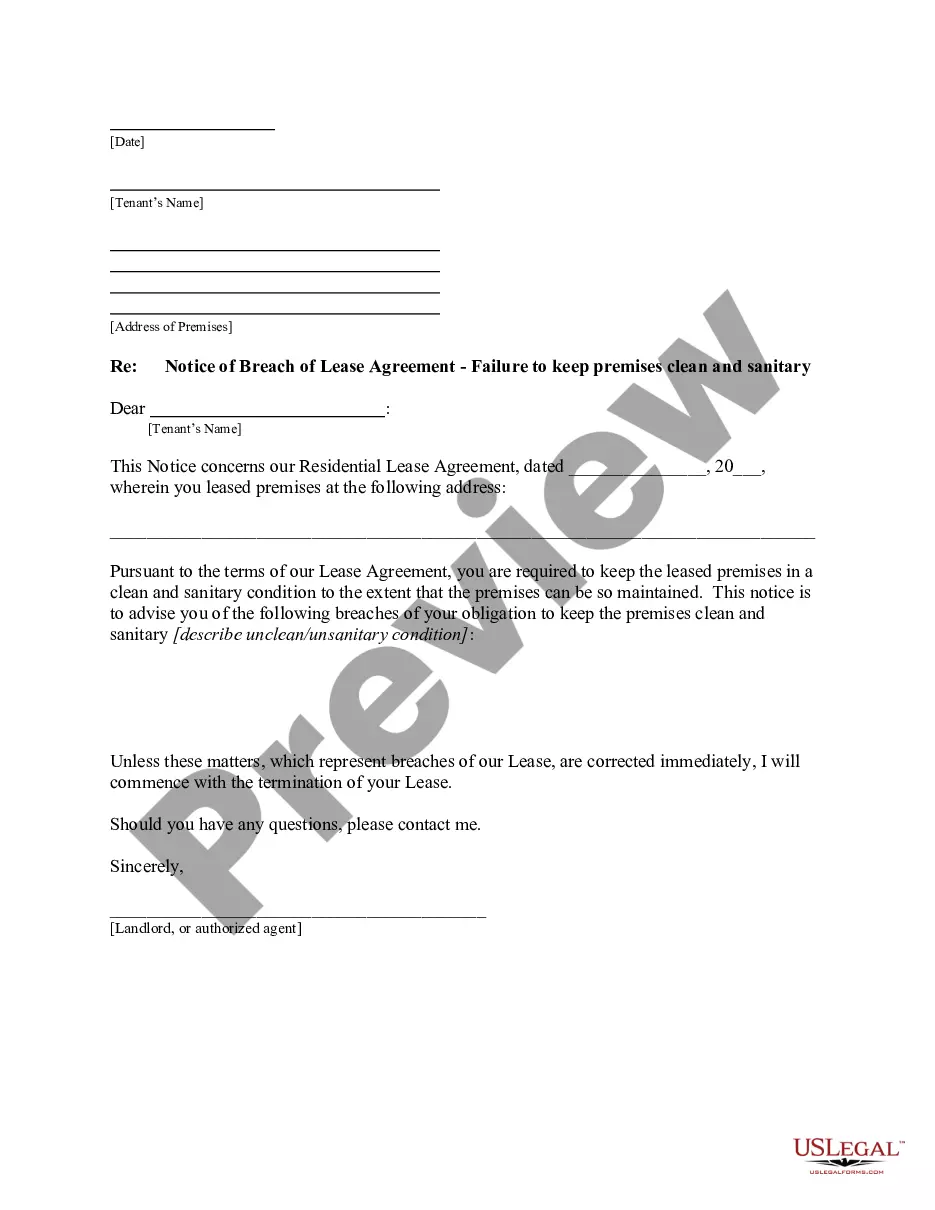
Wyoming Letter from Landlord to Tenant for Failure to keep all plumbing fixtures in the dwelling unit as clean as their condition permits - Remedy or lease terminates
About this form
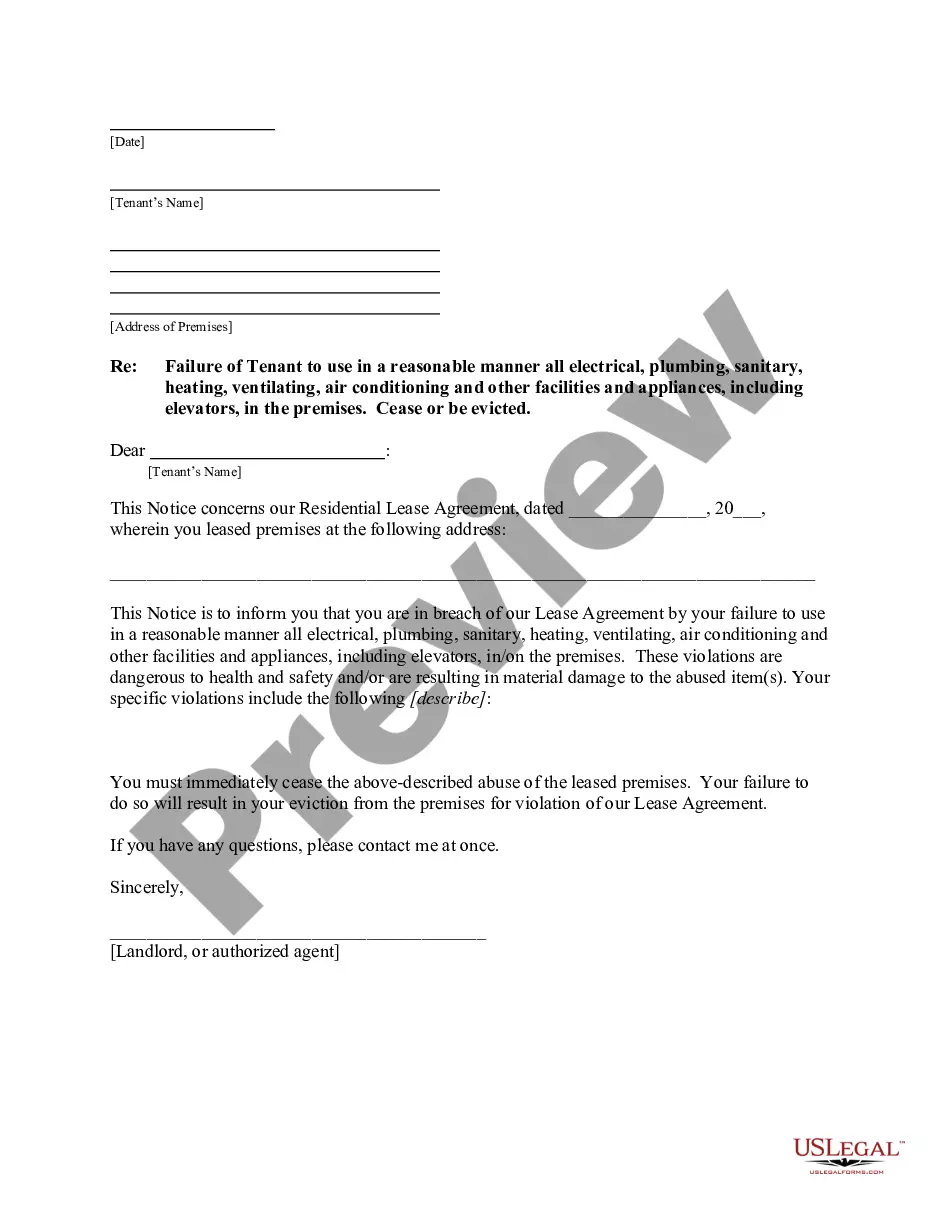
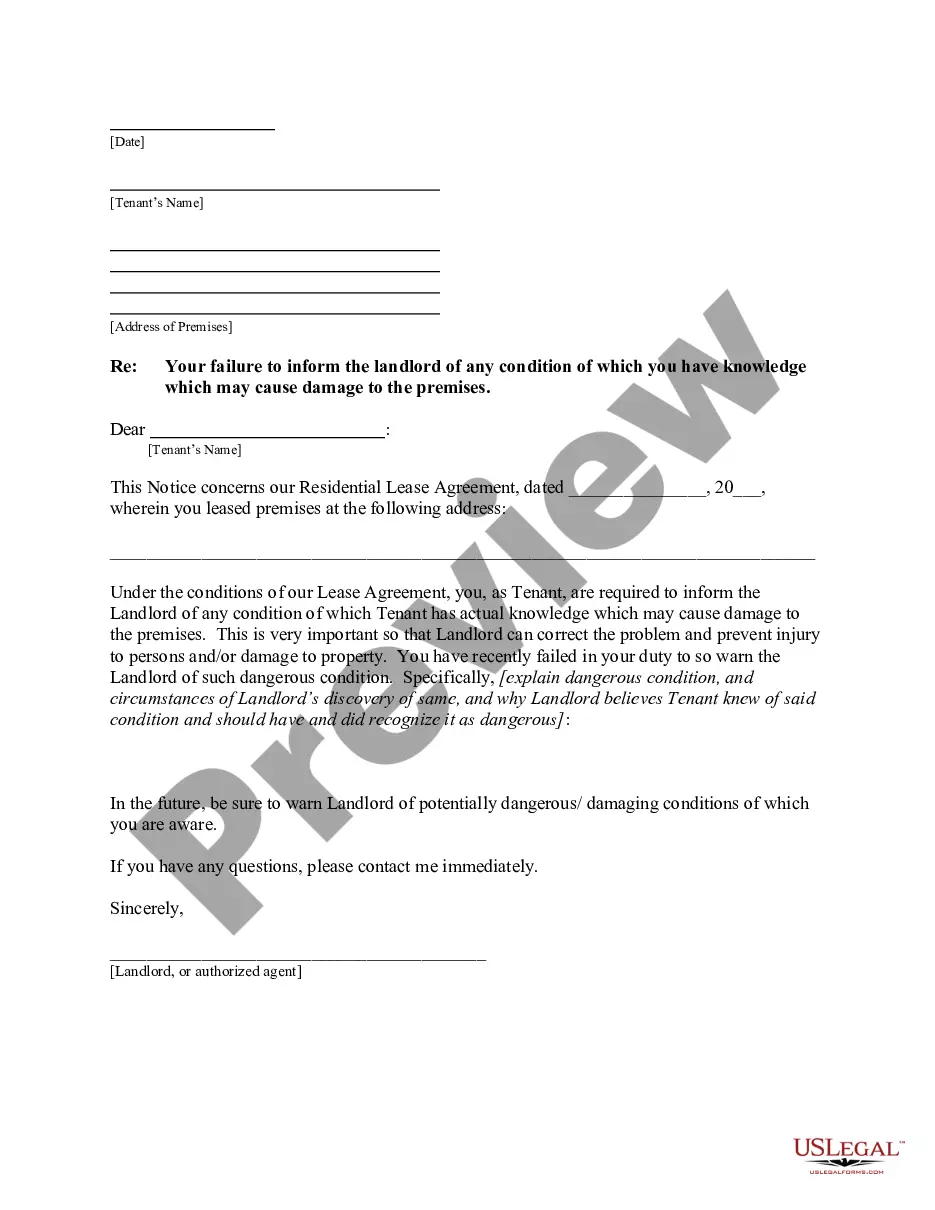
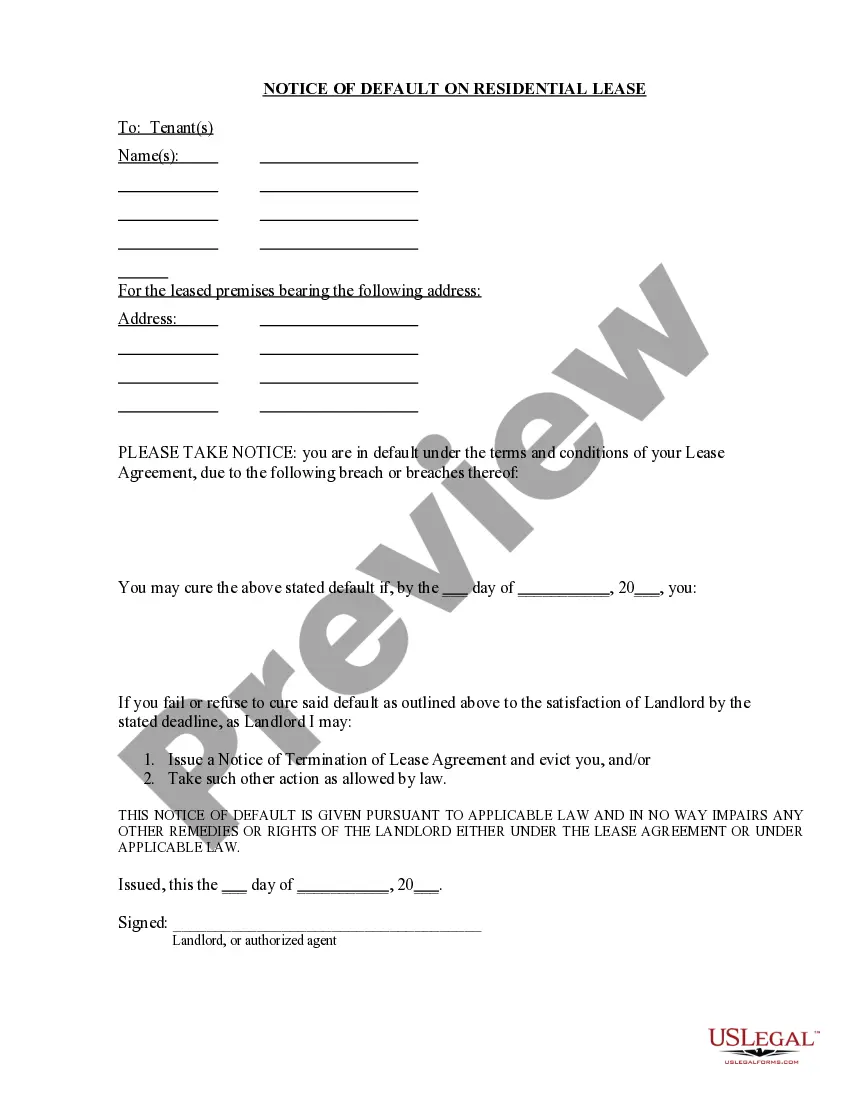
This letter from landlord to tenant addresses the tenant's failure to keep all plumbing fixtures in satisfactory condition, as required by their lease agreement. It serves as a formal notice that continued neglect may lead to the automatic termination of the lease. This form is essential for landlords seeking to uphold property maintenance standards and protect their rights under the rental agreement.
Key parts of this document
- Identification of the landlord and tenant involved.
- Description of the plumbing maintenance issues noted by the landlord.
- Warning about the potential consequence of lease termination if issues are not addressed.
- Space for delivery confirmation to the tenant.

When to use this document
This form should be used when a landlord notices that plumbing fixtures in the rental property have not been properly maintained by the tenant. It is a crucial step to formally address the issue before taking further actions, such as lease termination.
Who needs this form
- Landlords or property managers
- Legal representatives acting on behalf of landlords
- Property owners who are directly managing their rental property
How to complete this form
- Fill in the names and addresses of both the landlord and tenant.
- Clearly describe the plumbing issues that need to be addressed.
- State the potential consequences if tenant fails to remedy the situation.
- Sign the letter and provide the date of issuance.
- Choose and indicate the method of delivery to the tenant.
Does this form need to be notarized?
Notarization is not commonly needed for this form. However, certain documents or local rules may make it necessary. Our notarization service, powered by Notarize, allows you to finalize it securely online anytime, day or night.
Get your form ready online
Our built-in tools help you complete, sign, share, and store your documents in one place.
Make edits, fill in missing information, and update formatting in US Legal Forms—just like you would in MS Word.
Download a copy, print it, send it by email, or mail it via USPS—whatever works best for your next step.
Sign and collect signatures with our SignNow integration. Send to multiple recipients, set reminders, and more. Go Premium to unlock E-Sign.
If this form requires notarization, complete it online through a secure video call—no need to meet a notary in person or wait for an appointment.
We protect your documents and personal data by following strict security and privacy standards.

Make edits, fill in missing information, and update formatting in US Legal Forms—just like you would in MS Word.

Download a copy, print it, send it by email, or mail it via USPS—whatever works best for your next step.

Sign and collect signatures with our SignNow integration. Send to multiple recipients, set reminders, and more. Go Premium to unlock E-Sign.

If this form requires notarization, complete it online through a secure video call—no need to meet a notary in person or wait for an appointment.

We protect your documents and personal data by following strict security and privacy standards.
Common mistakes to avoid
- Failing to provide specific details about the plumbing issues.
- Not including the date of the notice can lead to confusion about deadlines.
- Using vague language which may not clearly convey the seriousness of the issue.
Advantages of online completion
- Convenient access and immediate downloading options.
- Editable fields to customize the form to specific situations.
- Reliable and legally sound templates reviewed by licensed attorneys.
Legal use & context
- This form serves as a formal warning to tenants regarding lease obligations.
- It helps document the landlord's efforts to maintain property standards.
- Failure to use this notice may weaken a landlord's position in any future disputes related to property maintenance.
Main things to remember
- The letter serves as a critical notice regarding maintenance obligations.
- Clear communication is essential to prevent lease termination.
- Understanding the legal context can help landlords enforce their rights effectively.
Looking for another form?

Form popularity
FAQ
Following building and housing codes. Keeping the unit safe and sanitary. Disposing of garbage. Maintaining plumbing fixtures. Properly operating all plumbing and electric fixtures. Maintaining appliances supplied by the landlord. Not damaging the unit.
Keep your rental unit as clean and safe as the condition of the premises permits. Dispose of garbage, rubbish, and other waste in a clean and safe manner. Keep plumbing fixtures as clean as their condition permits.
When you rent, your landlord is responsible for maintaining the functional aspects of your home such as plumbing, electricity, and heating. Landlords must also generally take action when flooding, a clogged pipe, pest infestation, or other problems occur.
If there is a problem, such as a burst pipe resulting from the landlord's failure to maintain the property, the tenant cannot be held responsible. If a tenant has detected a problem and reported it to the landlord, it is the owner's responsibility to fix them.
File for eviction with your local courthouse. Gather evidence. Come to the court hearing to prove your case. Win a writ of possession and have the tenant removed by the sheriff.
The role of the tenant.Be considerate of the landlord's and other tenants' rights. Not destroy, damage or deface the premises, or allow anyone else to do so. Keep the premises as clean and sanitary as the condition of the premises permits.
As stated in the Landlord and Tennant Act 1985, it is the landlord's responsibility to maintain their drainage, pipes and other areas of plumbing. If a drain becomes blocked through tenant misuse however, then the tenant is liable for the cost of repairs.
Keep your rental unit as clean and safe as the condition of the premises permits. Dispose of garbage, rubbish, and other waste in a clean and safe manner. Keep plumbing fixtures as clean as their condition permits.
The NSW tenant factsheet states that urgent repairs, including blocked toilets, are the responsibility of the landlord. When urgent repairs are required, the tenant must notify the landlord as soon as possible - preferably in writing.