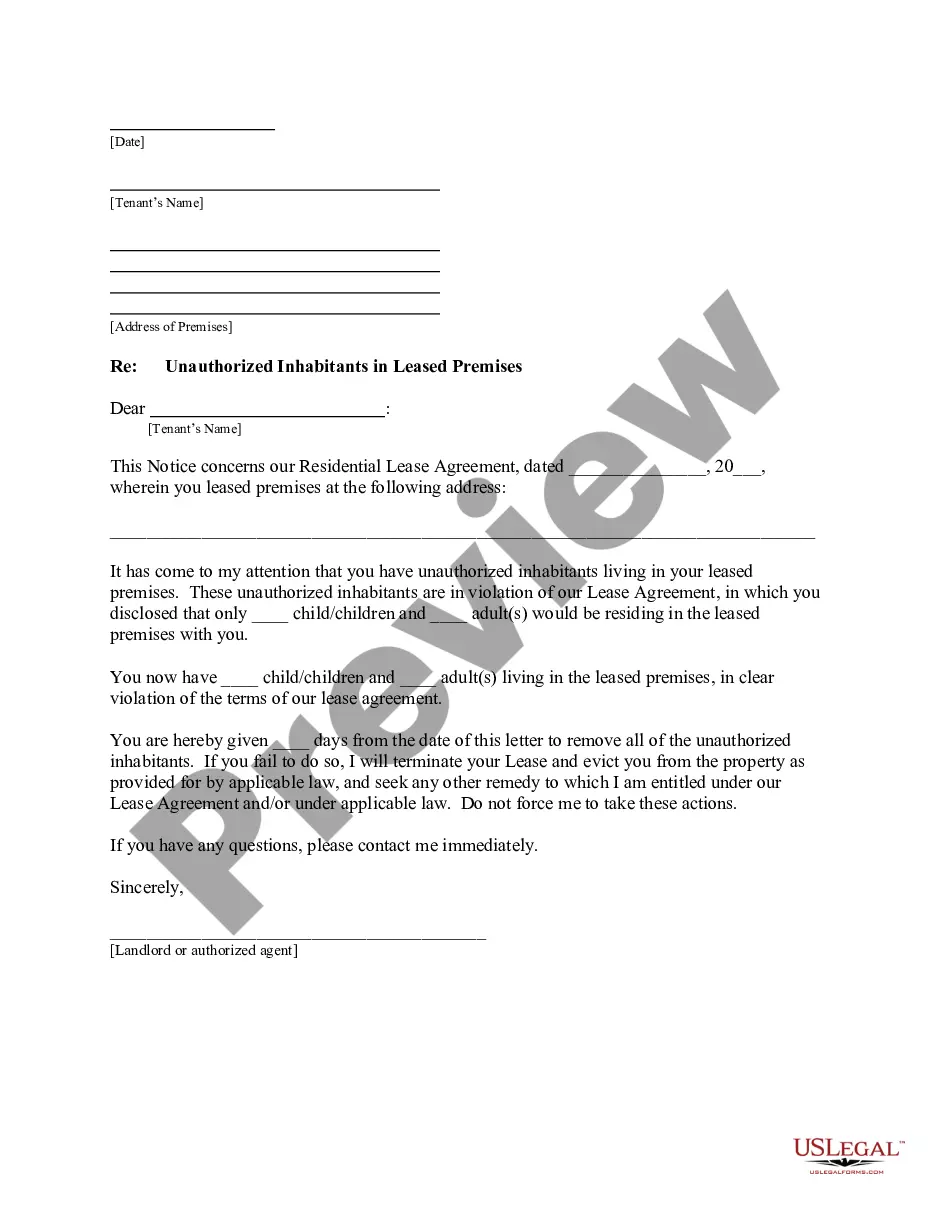
West Virginia Letter from Landlord to Tenant as Notice to remove unauthorized inhabitants
Overview of this form
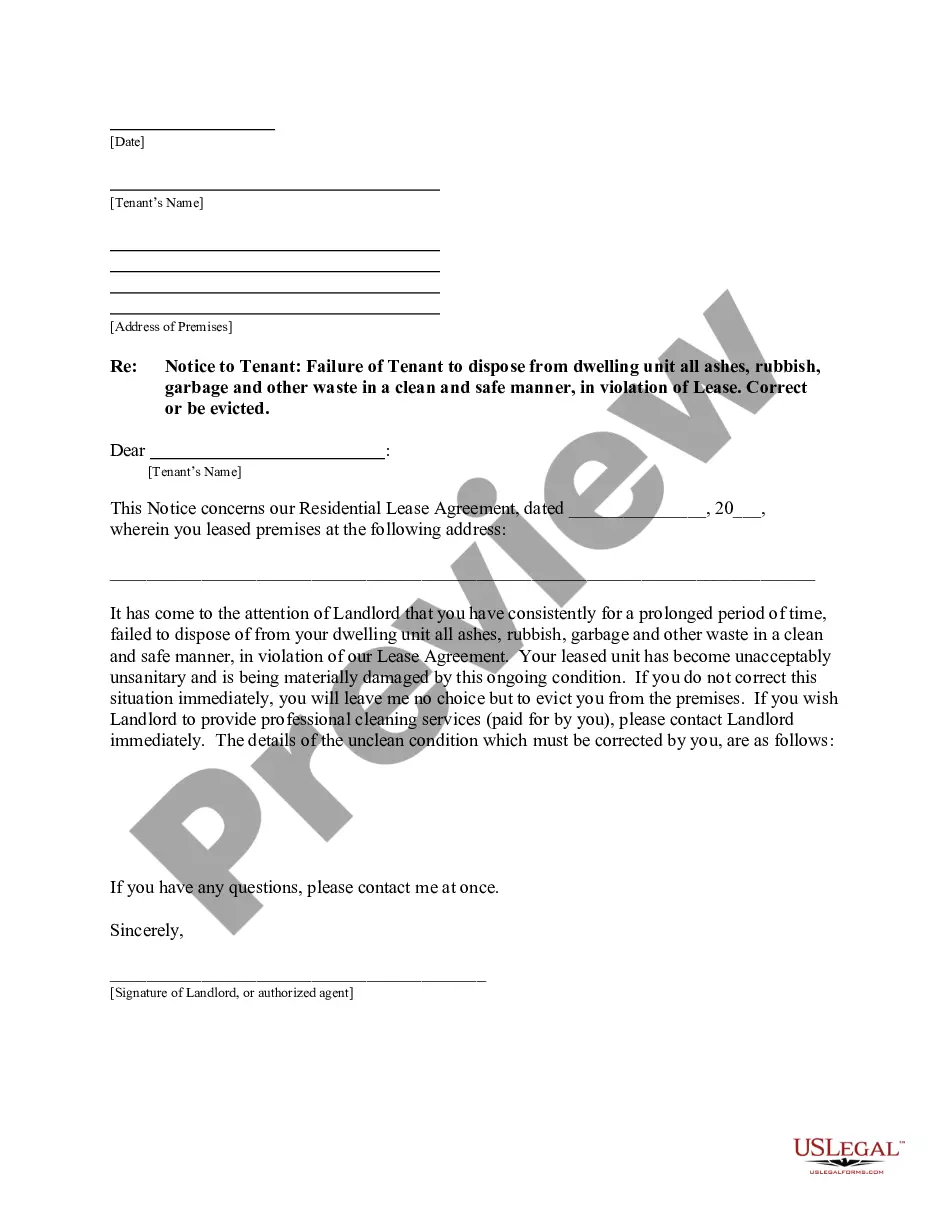
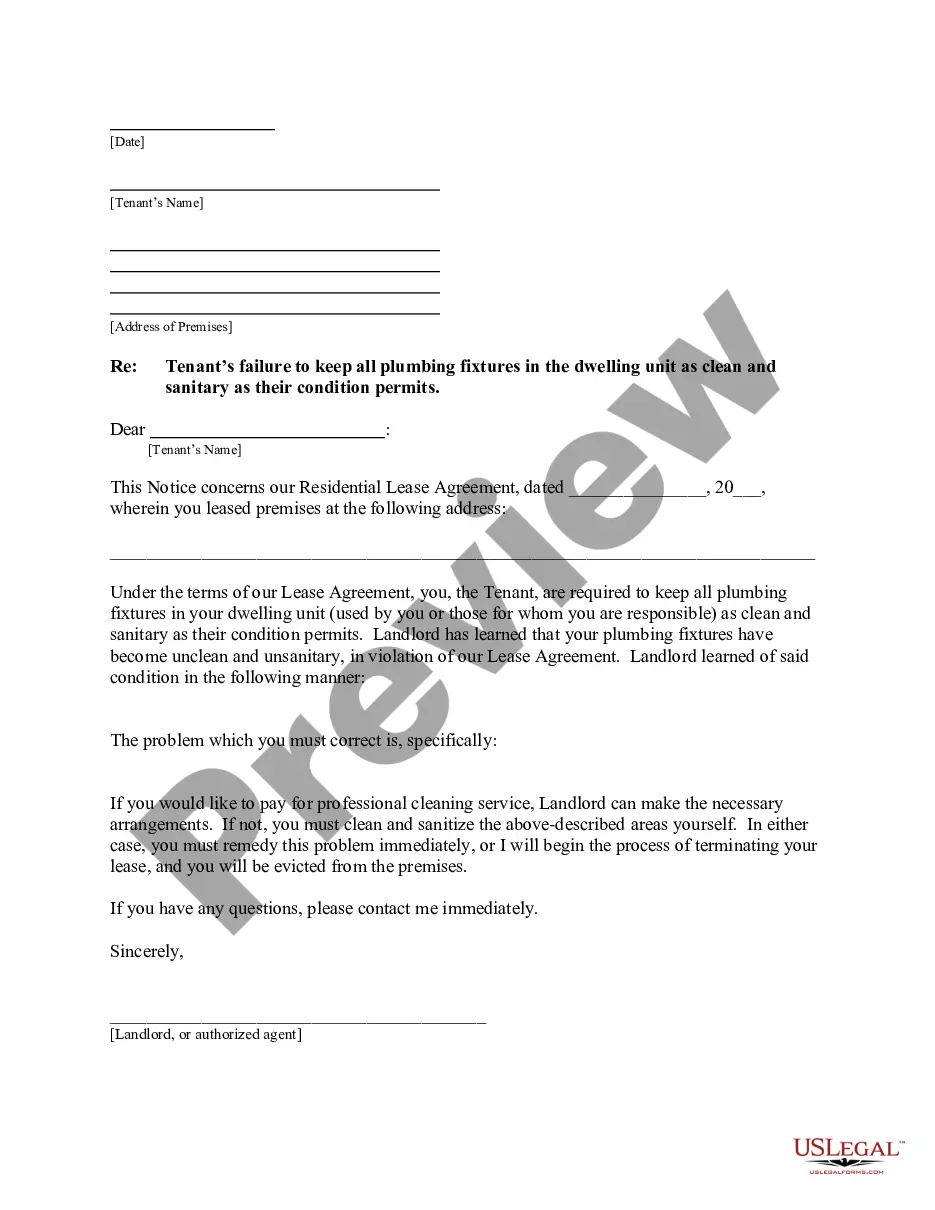
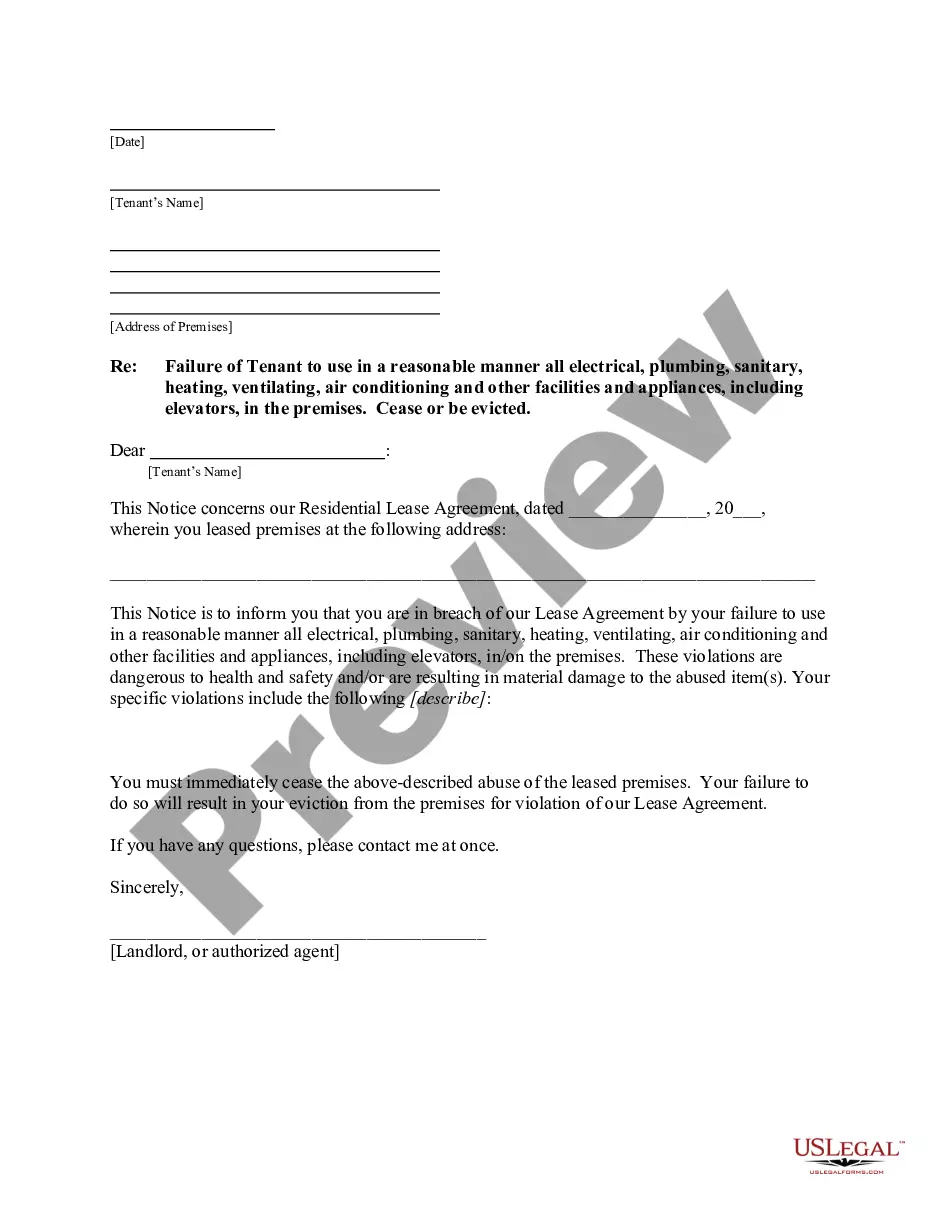
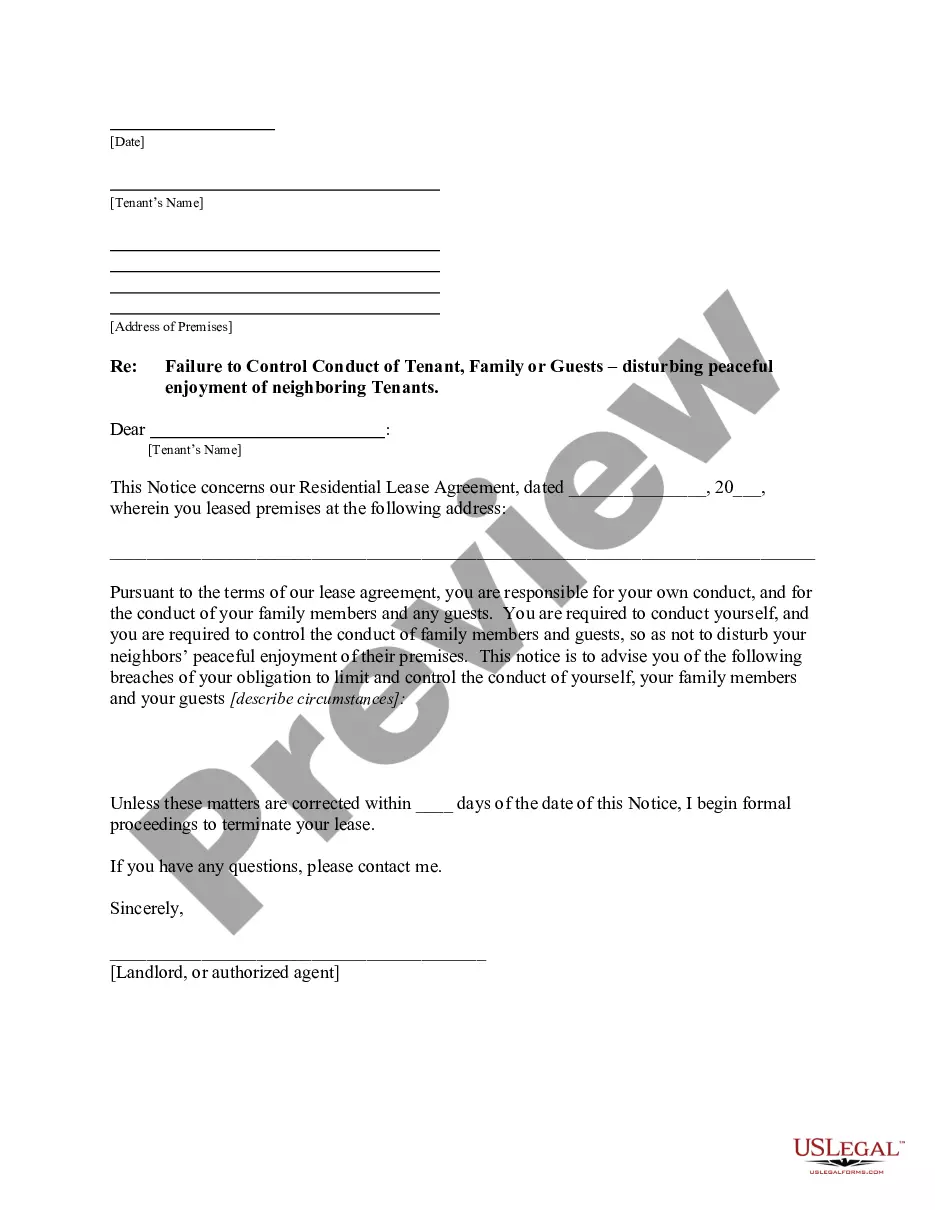
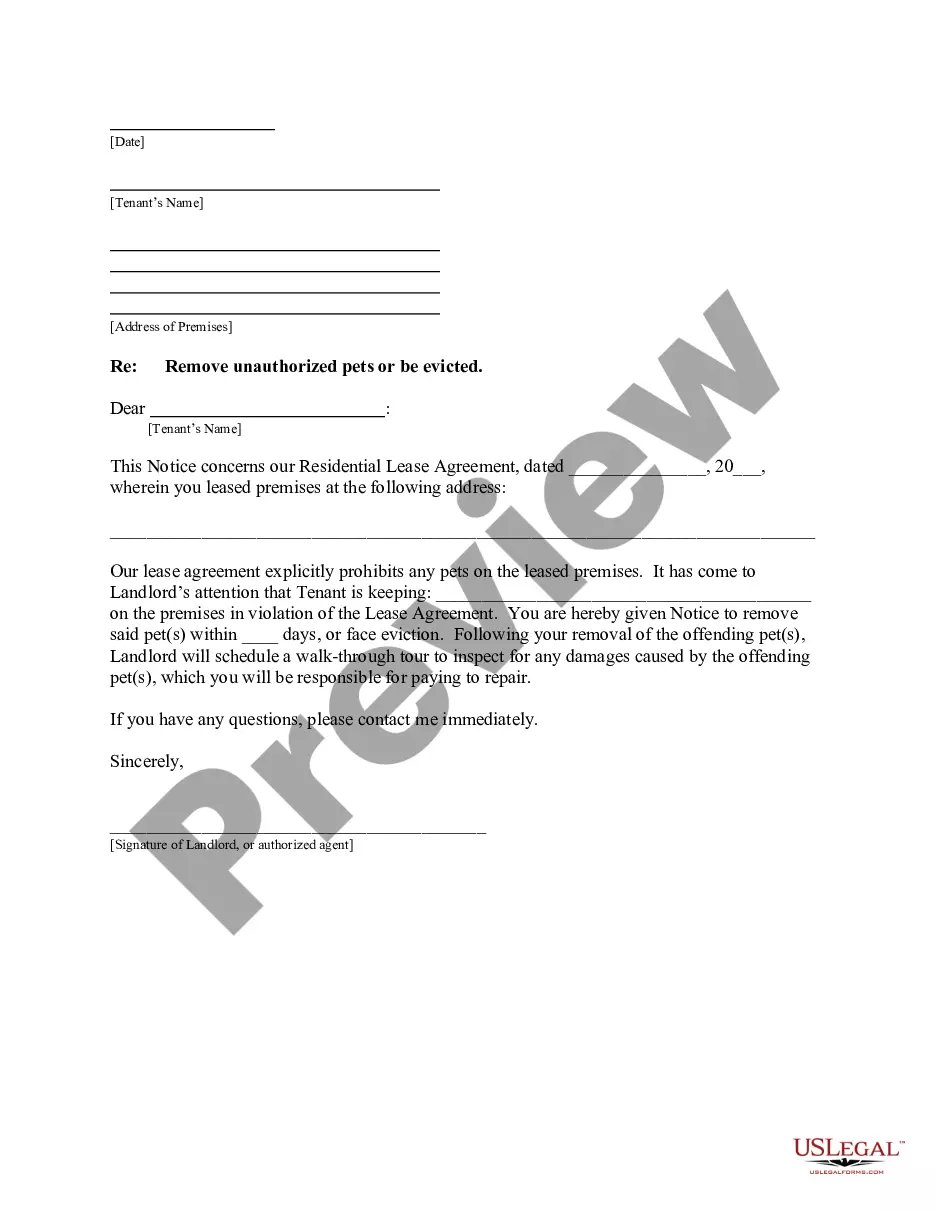
This Letter from Landlord to Tenant as Notice to remove unauthorized inhabitants is a formal document through which the landlord notifies the tenant about unauthorized individuals residing on the property. This letter serves as a demand for the tenant to remove these inhabitants within a specified timeframe, highlighting the potential consequences of lease termination and eviction if compliance is not met. The key purpose of this form is to maintain the integrity of the lease agreement by ensuring only authorized individuals live in the rental property.
Form components explained
- Date of the residential lease agreement.
- Property address of the leased premises.
- Identification of unauthorized inhabitants.
- Quantification of authorized versus unauthorized individuals.
- Notice period for the tenant to remove unauthorized inhabitants.
- Consequences of non-compliance, including lease termination and eviction.
- Landlord's contact information for further inquiries.
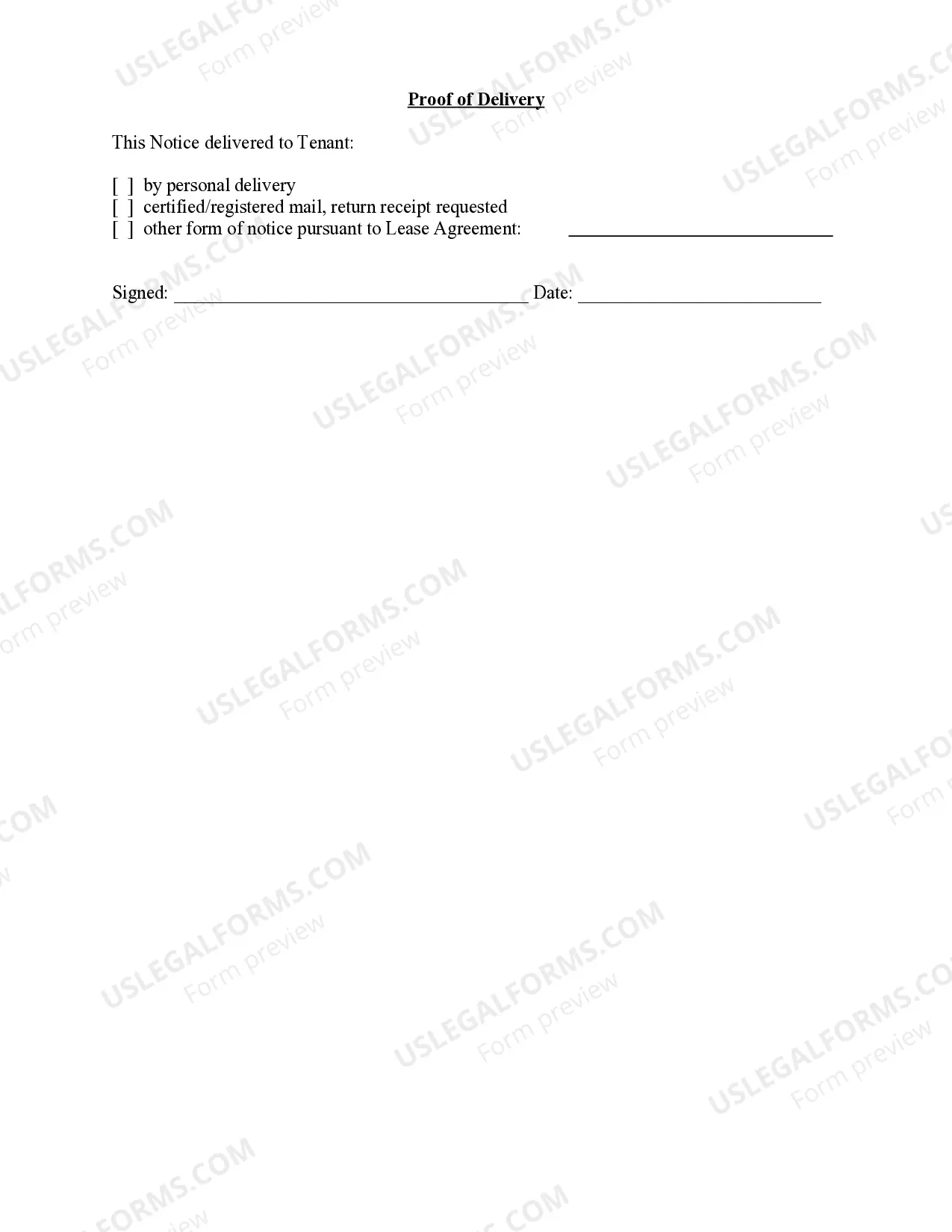
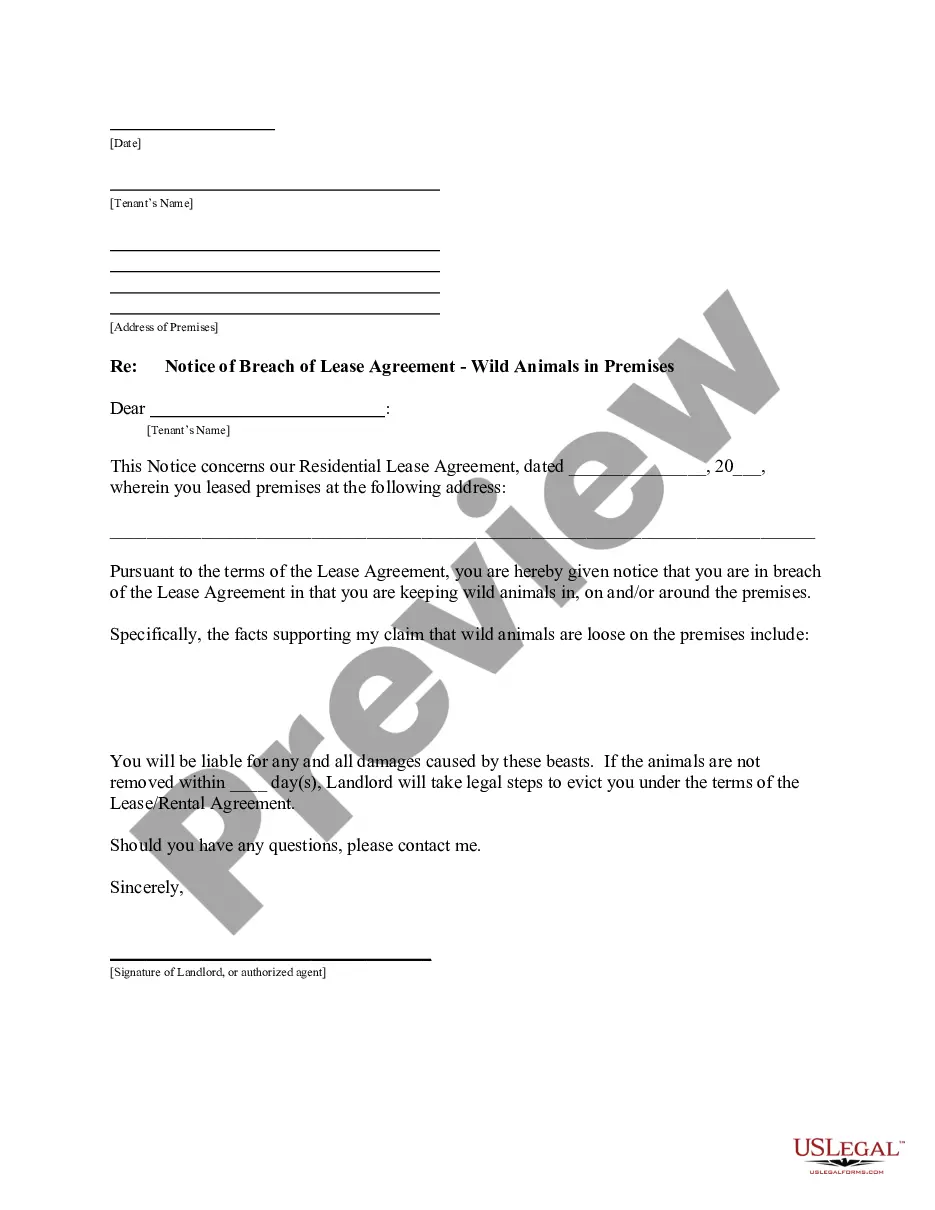
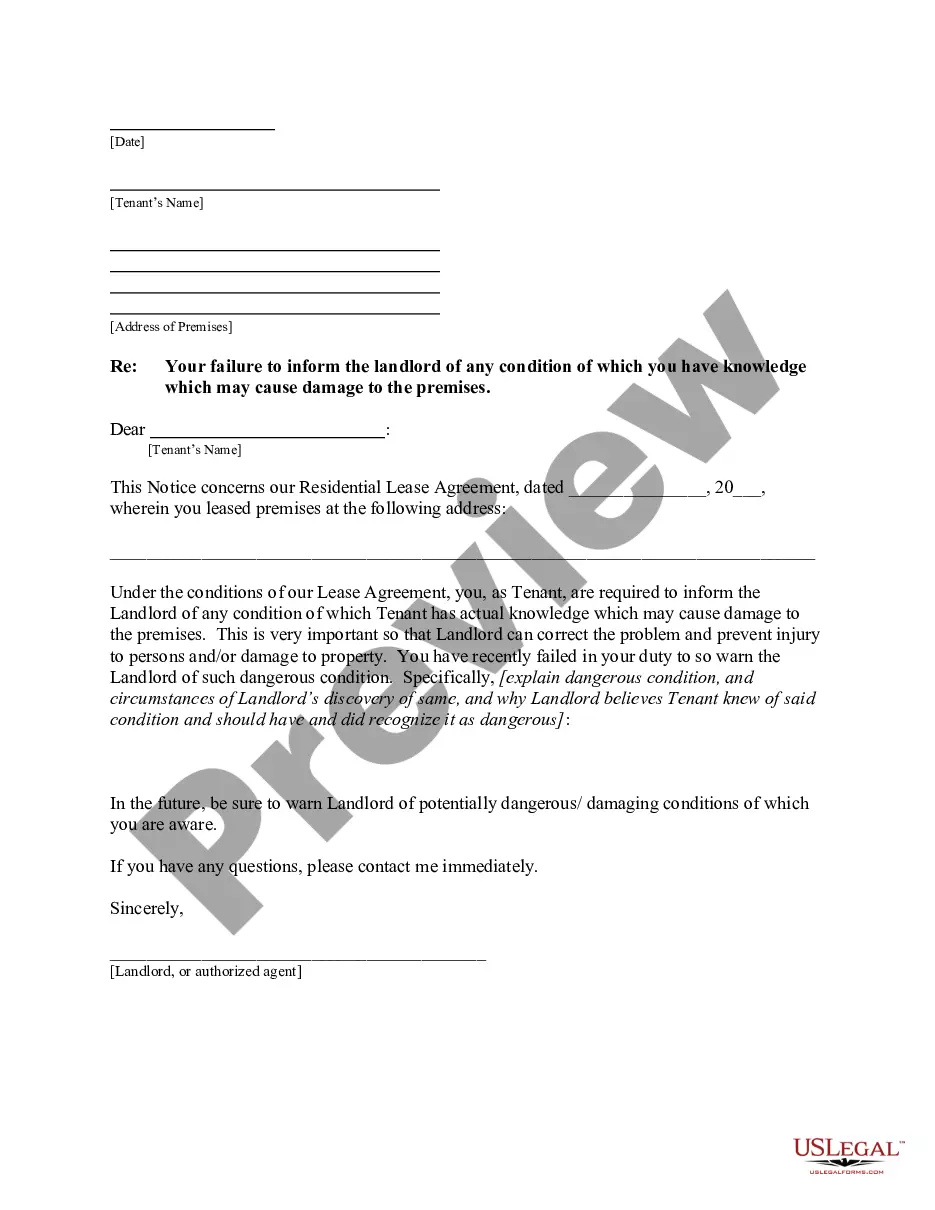
When to use this document
Who can use this document
- Landlords who have a rental agreement with tenants.
- Property owners seeking to enforce lease terms regarding occupancy.
- Property managers representing landlords in enforcing lease agreements.
- Landlords in the process of addressing violations of lease agreements due to unauthorized inhabitants.
Completing this form step by step
- Fill in the date of the residential lease agreement.
- Specify the address of the leased property clearly.
- List the total number of authorized adults and children.
- Indicate the number of unauthorized inhabitants currently residing in the rental property.
- Set a specific number of days for the removal of unauthorized inhabitants.
- Sign the form with your name and designation as the landlord or authorized agent.
Does this form need to be notarized?
This form does not typically require notarization unless specified by local law. It is advisable to check local regulations or consult with a legal professional to ensure compliance with jurisdiction-specific requirements.
Get your form ready online
Our built-in tools help you complete, sign, share, and store your documents in one place.
Make edits, fill in missing information, and update formatting in US Legal Forms—just like you would in MS Word.
Download a copy, print it, send it by email, or mail it via USPS—whatever works best for your next step.
Sign and collect signatures with our SignNow integration. Send to multiple recipients, set reminders, and more. Go Premium to unlock E-Sign.
If this form requires notarization, complete it online through a secure video call—no need to meet a notary in person or wait for an appointment.
We protect your documents and personal data by following strict security and privacy standards.

Make edits, fill in missing information, and update formatting in US Legal Forms—just like you would in MS Word.

Download a copy, print it, send it by email, or mail it via USPS—whatever works best for your next step.

Sign and collect signatures with our SignNow integration. Send to multiple recipients, set reminders, and more. Go Premium to unlock E-Sign.

If this form requires notarization, complete it online through a secure video call—no need to meet a notary in person or wait for an appointment.

We protect your documents and personal data by following strict security and privacy standards.
Avoid these common issues
- Failing to clearly identify unauthorized inhabitants.
- Omitting the proper address of the leased property.
- Not including the required notice period or dates.
- Incorrectly stating the number of authorized residents.
- Neglecting to sign the document before delivery.
Benefits of using this form online
- Convenient access to legally vetted form templates.
- Editability to tailor the document to specific situations.
- Instant downloading for immediate use.
- Cost-effective solution compared to hiring legal counsel.
- Designed to comply with current legal standards.
Legal use & context
- This notice serves as a preliminary step in addressing unauthorized inhabitants, which may prevent the landlord from taking further legal action.
- Issuing this letter establishes a documentation trail that may be useful in future legal proceedings related to the lease.
- Landlords must ensure the notice complies with local housing laws and regulations to be considered enforceable.
What to keep in mind
- This form is essential for landlords needing to address unauthorized occupants.
- Clarity and specificity in the letter can help prevent misunderstandings.
- Proper completion of this form can protect the landlord's legal rights under the lease agreement.
- Always check local laws to ensure compliance when issuing such notices.
Looking for another form?

Form popularity
FAQ
Yes, someone can live with the tenant without being on the lease. However, it is important to distinguish the difference between a guest and a long-term guest.
Know your state's landlord/tenant laws. Read and respond to the court summons. Try to work out a settlement. Consider legal counsel. Show up for court. Look sharp and provide evidence.
If you're seeking damages for emotional distress caused by a landlord's discrimination, or punitive damages for especially blatant and intentional discrimination, a lawsuit may well be your best bet. Understand what's involved in suing your landlord. You may file a lawsuit in either federal or state court.
If you think your landlord is violating the Fair Housing Act, you can get that landlord in trouble by filing a complaint at HUD.gov. Your remedy for breach of quiet enjoyment is to terminate the lease and move or sue in small claims court.
The court might require your landlord to get involved in evicting someone who's not on your lease, which will bring to his attention that you violated the lease by letting someone else move in. This could lead to your eviction as well because you broke the lease.
Allowing friends and family to live in a property rent free might be a kind gesture but doing so may affect the extent to which expenses are deducted.If the rent does exceed this limit the excess will be taxed but this 'excess' amount may be covered by the landlord's tax-free personal allowance.
Review Your Lease Before You Sign. Research Local Laws. Keep Records. Pay Your Rent. Maintain Respectful Communication. Seek an Agreeable Solution. Request Repairs in Writing. What Do You Think?
If your landlord breaches the warranty of habitability or the warranty of quiet enjoyment, you may be able to sue her to recover monetary damages.In some states, such as California and Arizona, you may be able to seek emotional distress damages if the landlord's actions were particularly egregious.
By not having signed a lease, you have no proof of rights. No signature means no peace of mind. Being in a roommate situation, without the lease, could always end at any second.Without a lease, the landlord would be free to increase rent at the end of every 30 days.