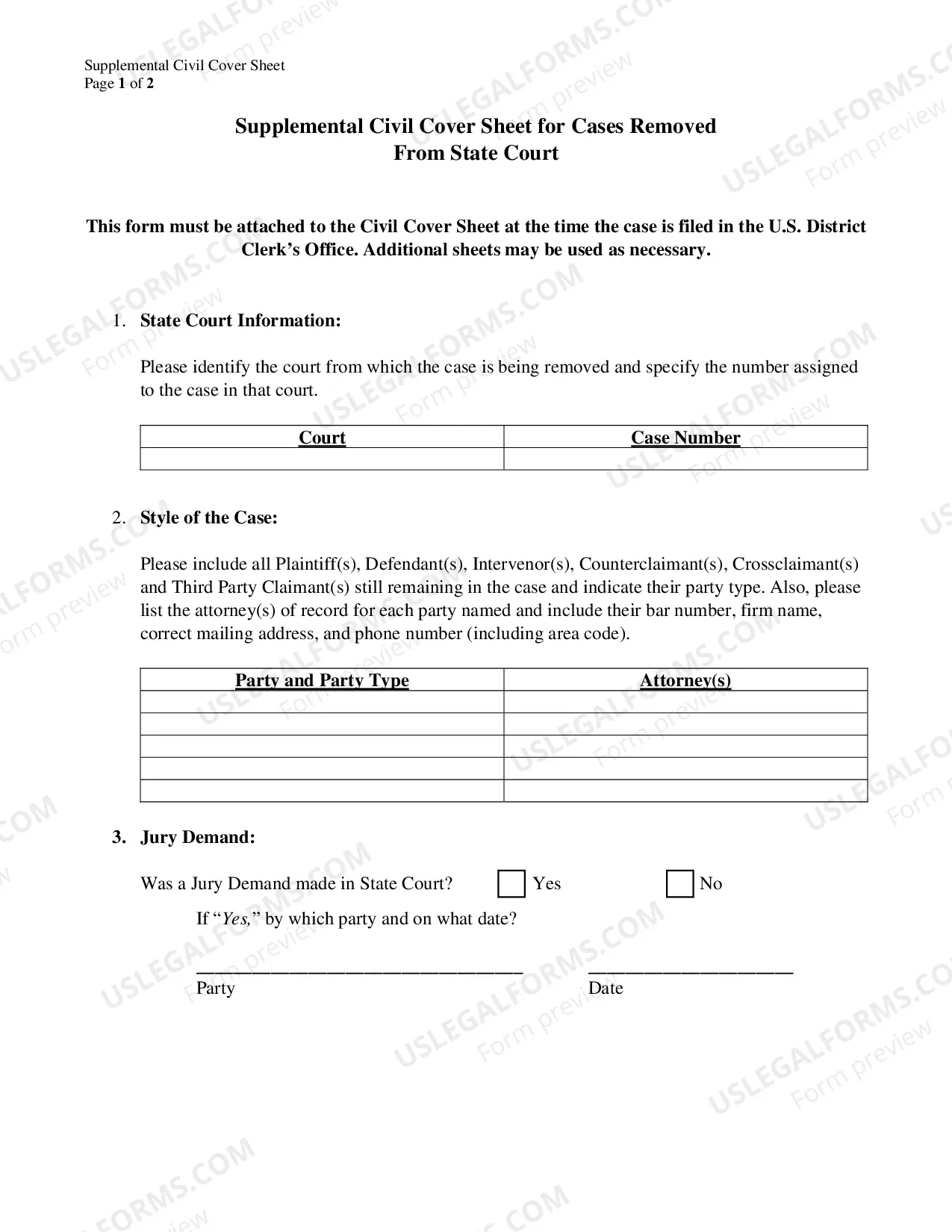
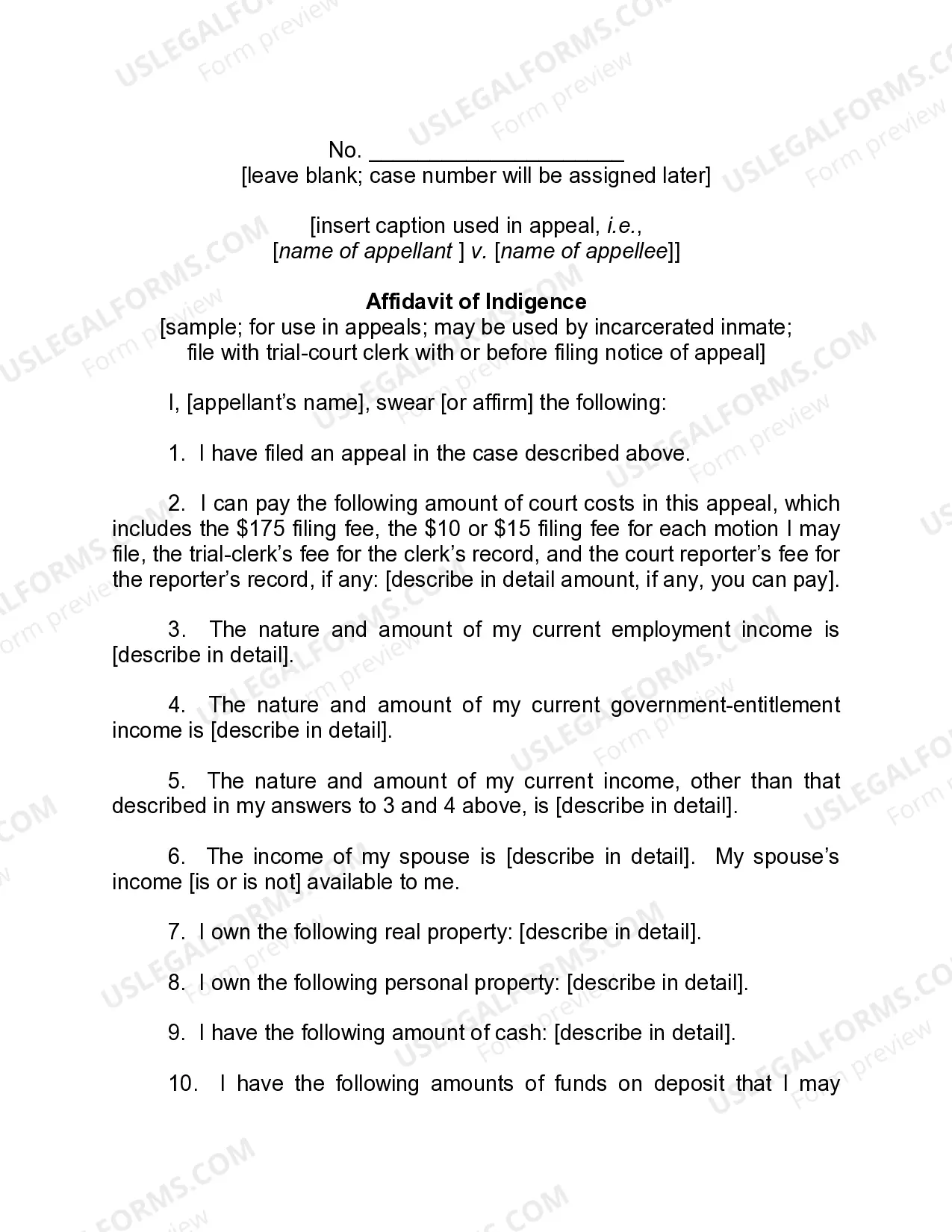
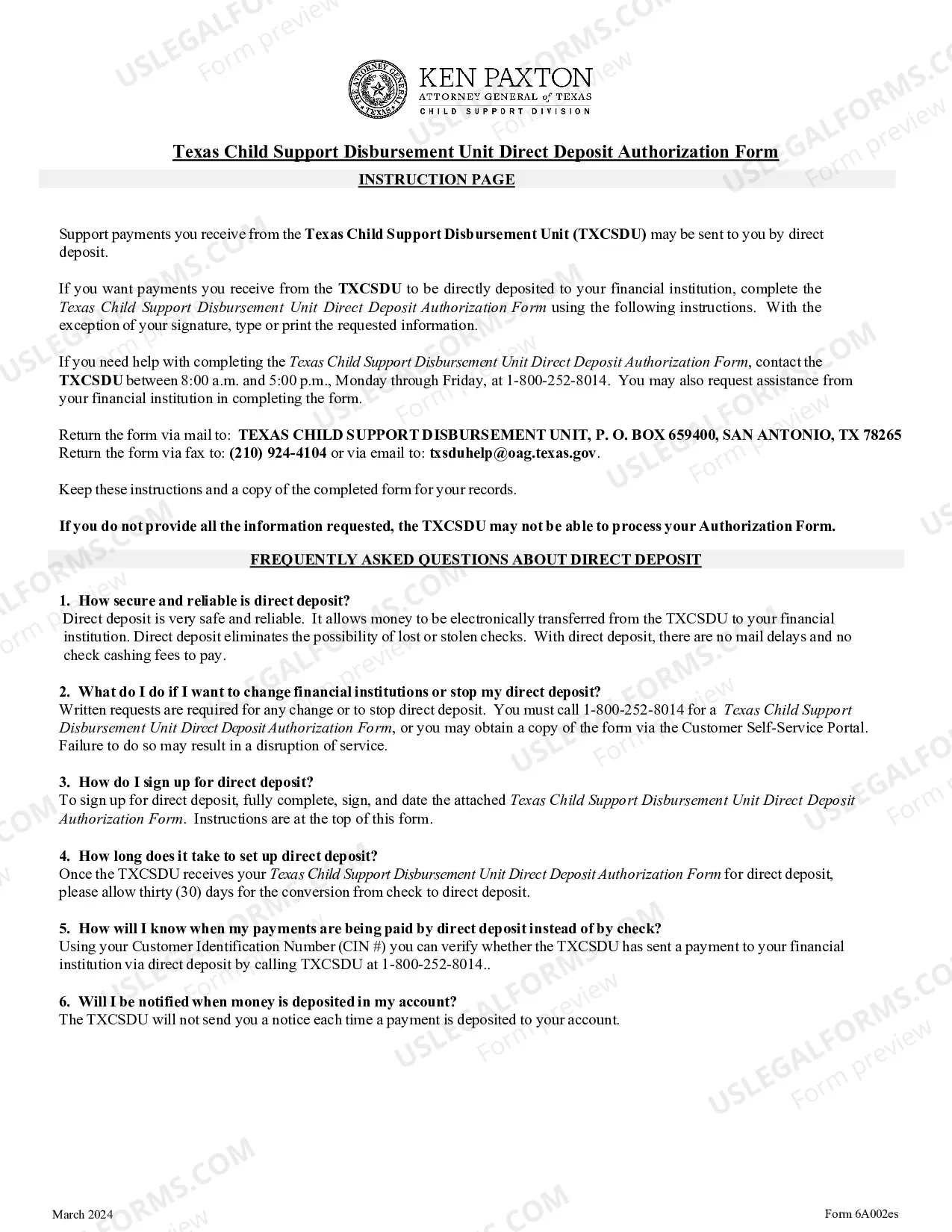
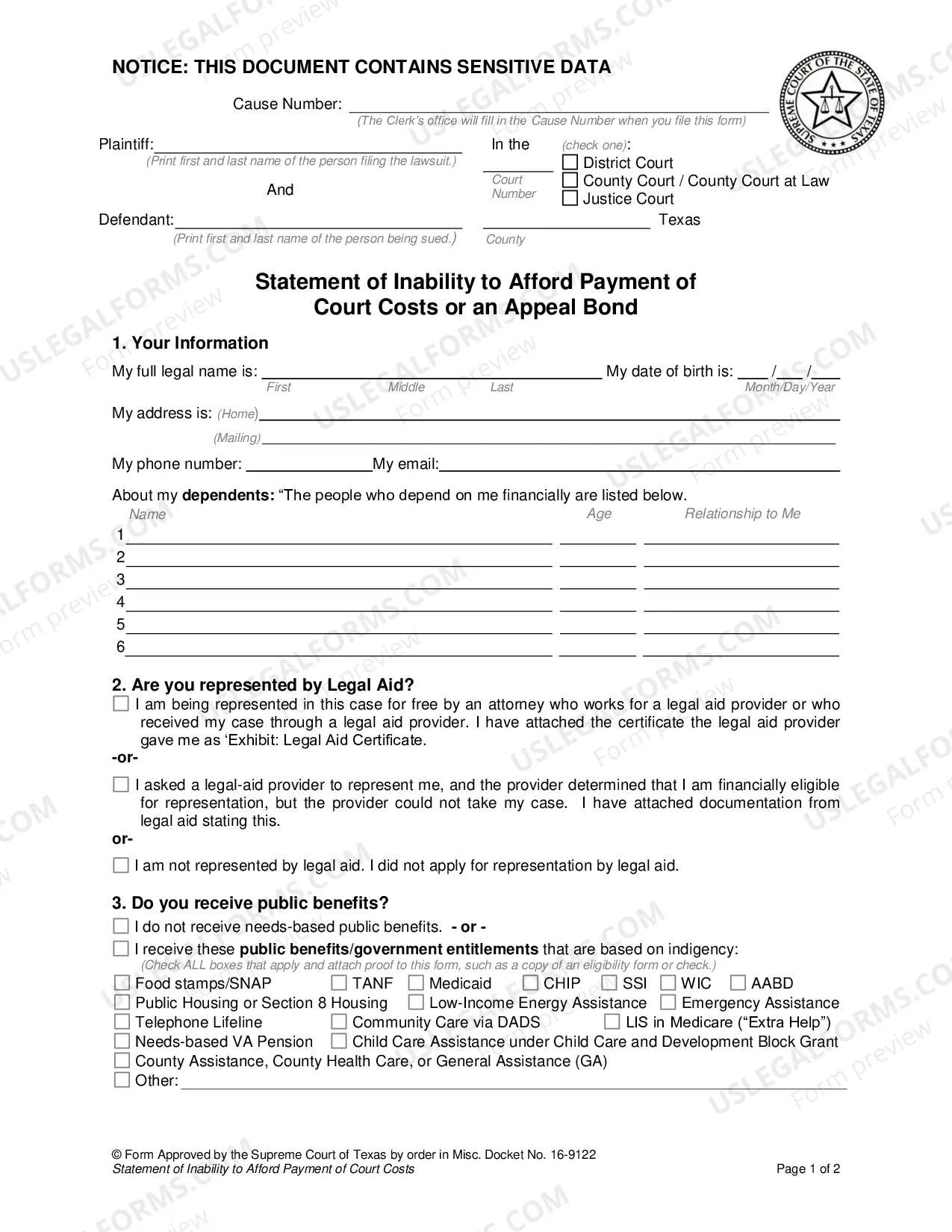
Wisconsin Standby Temporary Guardian Legal Documents Package

What is this form package?
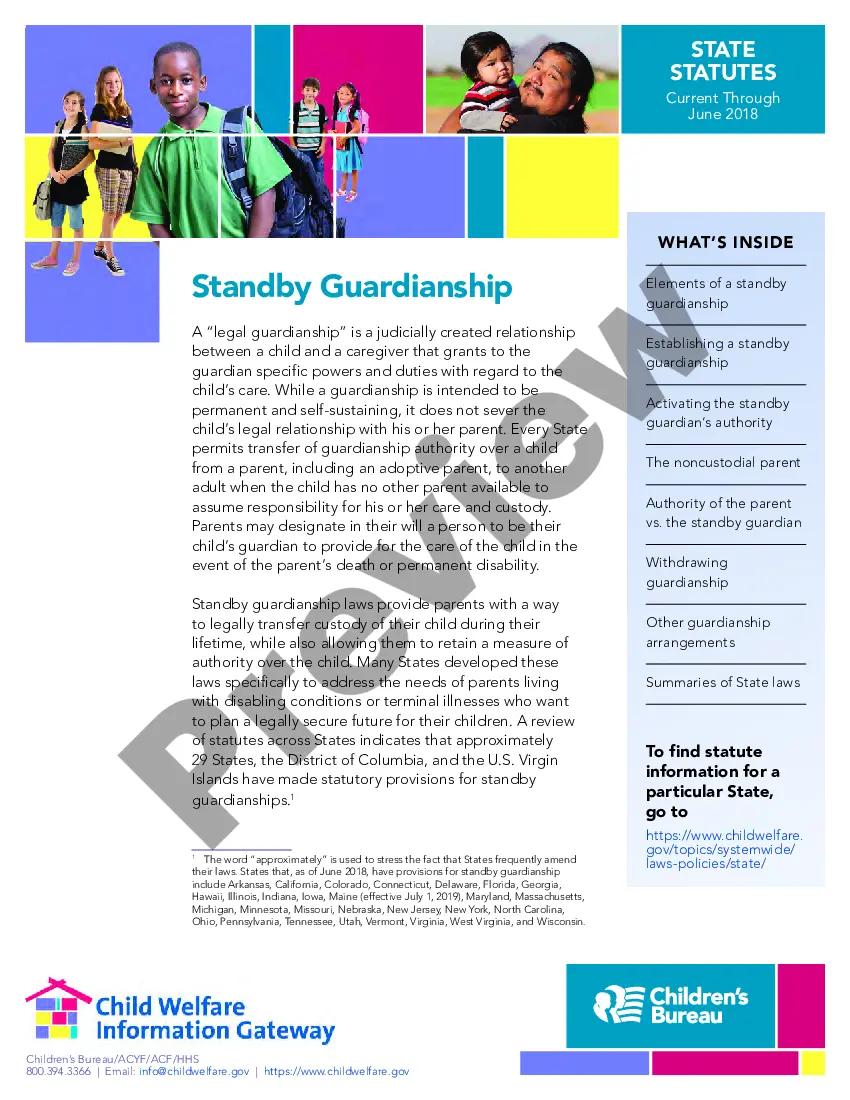
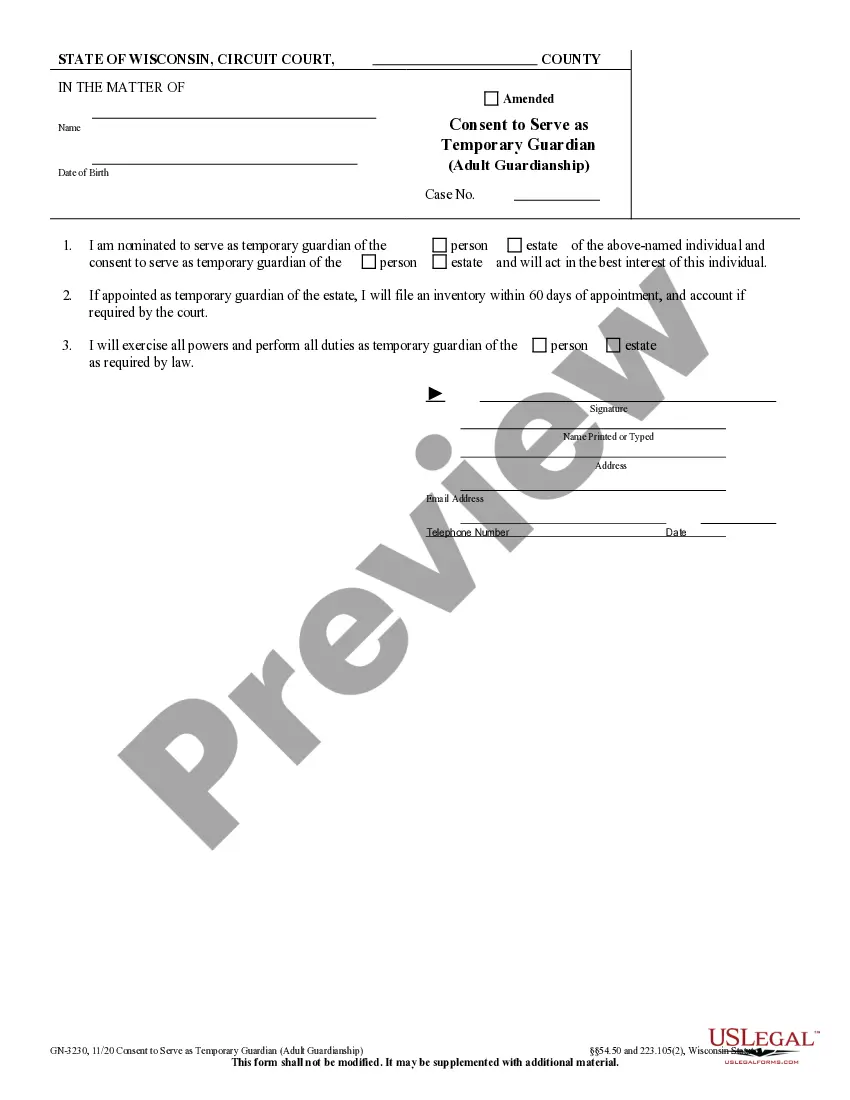
The Wisconsin Standby Temporary Guardian Legal Documents Package provides essential resources and legal forms for establishing a standby guardianship. A standby guardian is legally appointed to make decisions for a child or disabled individual when a parent is unable to do so. This package distinguishes itself by offering not only the necessary forms but also detailed explanations of state laws and guidelines, making it a comprehensive solution for guardianship situations in Wisconsin.
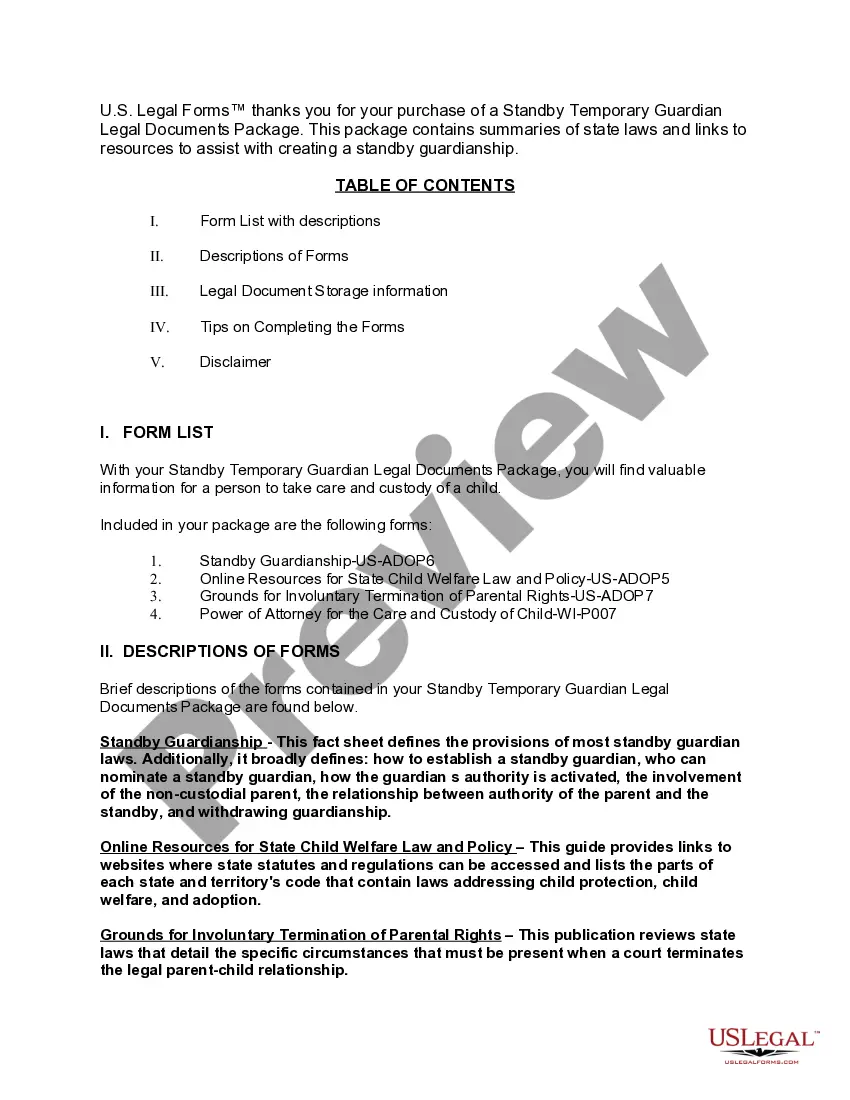
What’s included in this form package


When this form package is needed
This form package is useful in various scenarios, such as:
- When parents anticipate being unable to care for their child due to health issues, deployment, or other circumstances.
- If a parent wishes to designate someone to take care of their child temporarily in case of emergencies.
- When establishing a legal arrangement for a childâs care without terminating parental rights.
- If a guardian needs to manage the affairs of a minor child or disabled adult in the absence of the primary caretakers.
Intended users of this form package
- Parents wishing to nominate a standby guardian for their children.
- Individuals responsible for the care of a minor or disabled person.
- Court personnel involved in guardianship cases.
- Family members seeking to assist in a caregiving capacity.
Steps to complete these forms
- Review all included forms and guidelines to understand the requirements.
- Gather necessary information about the child, the proposed guardian, and any relevant legal documents.
- Complete the Standby Guardianship form, including any required signatures and dates.
- If utilizing a Power of Attorney, ensure it is signed in front of a notary if required.
- File any necessary documents with the appropriate court or agency as instructed.
Do forms in this package need to be notarized?
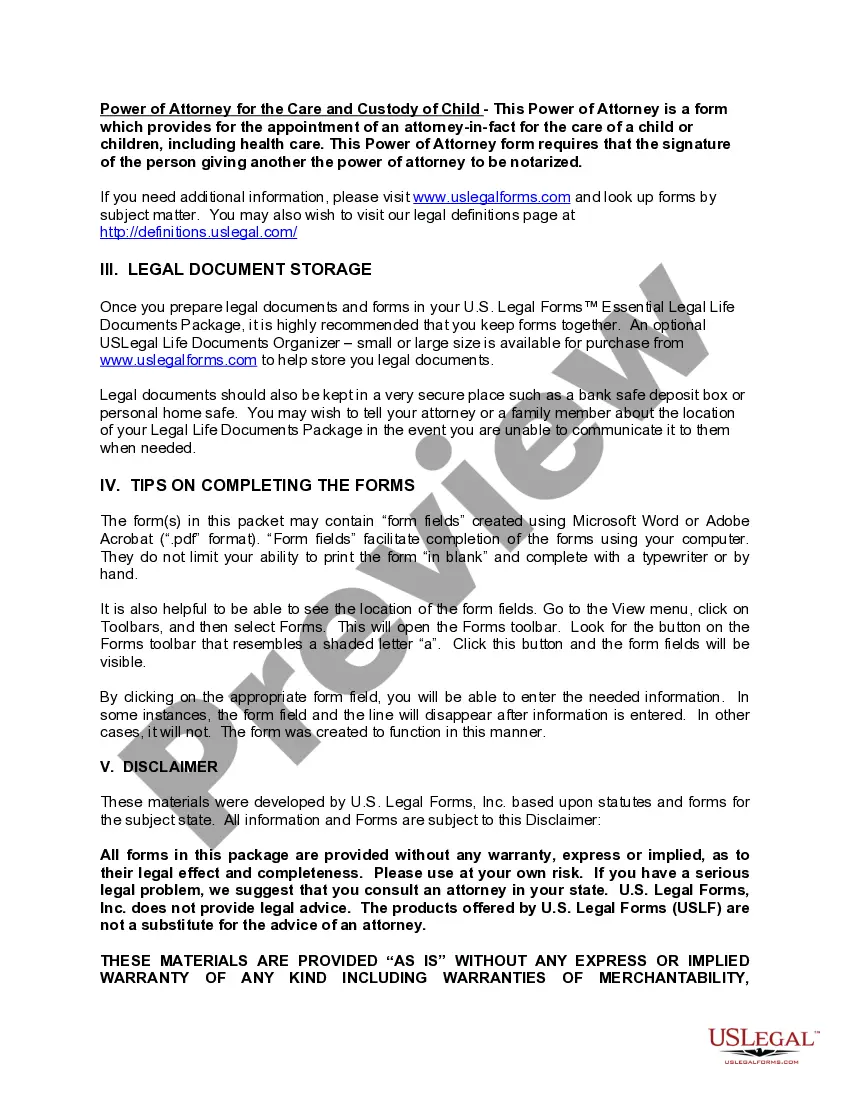
Yes, forms in this package must be notarized to be legally valid. The Power of Attorney for the Care and Custody of a Child specifically requires notarization. U.S. Legal Forms offers integrated online notarization services, available twenty-four hours a day, ensuring a secure and easy process without the need for travel.
Get your form ready online
Our built-in tools help you complete, sign, share, and store your documents in one place.
Make edits, fill in missing information, and update formatting in US Legal Forms—just like you would in MS Word.
Download a copy, print it, send it by email, or mail it via USPS—whatever works best for your next step.
Sign and collect signatures with our SignNow integration. Send to multiple recipients, set reminders, and more. Go Premium to unlock E-Sign.
If this form requires notarization, complete it online through a secure video call—no need to meet a notary in person or wait for an appointment.
We protect your documents and personal data by following strict security and privacy standards.

Make edits, fill in missing information, and update formatting in US Legal Forms—just like you would in MS Word.

Download a copy, print it, send it by email, or mail it via USPS—whatever works best for your next step.

Sign and collect signatures with our SignNow integration. Send to multiple recipients, set reminders, and more. Go Premium to unlock E-Sign.

If this form requires notarization, complete it online through a secure video call—no need to meet a notary in person or wait for an appointment.

We protect your documents and personal data by following strict security and privacy standards.
Avoid these common issues
- Failing to fully understand the role and authority of a standby guardian.
- Not having the forms notarized when required, leading to legal issues.
- Leaving blank fields on the forms, which may invalidate them.
- Ignoring local laws or regulations that may affect guardianship arrangements.
Why use this package online
- Convenient access to essential legal forms that can be downloaded and completed at your own pace.
- Editable documents, allowing you to customize each form as needed for your specific situation.
- Reliable resources sourced from licensed attorneys, ensuring that the forms comply with current legal standards.
Looking for another form?
Form popularity
FAQ
The main difference between custody and guardianship is the child's parents - custody is provided to the child's biological parents while guardianship is given to a non-biological parent.
The main difference between custody and guardianship is the child's parents - custody is provided to the child's biological parents while guardianship is given to a non-biological parent.
Temporary guardianship refers to formally turning over the care of your children to another adult for a specific period of time.Also, the guardian would be responsible for making decisions and handling situations with the child's school.
Temporary guardians have legal custody over the children, are legally responsible for them, and have the right to make any medical, educational, or financial decisions. The length of a temporary guardianship is about 60 days. State statues will set an appropriate time, if the guardianship is court ordered.
The names of the forms are usually: Petition for Appointment of Guardian (or Petition for Appointment of Guardian of Minor) Petition for Conservatorship (when dealing with an incompetent adult) Order Appointing Guardian.
Guardianships grant one person the power to make decisions for someone whom the court determines needs protection. These decisions may be medical or financial and can include things like where the person will live, what kind of care they will receive, and how this care will be paid for.
A guardianship action is a court procedure to appoint someone called a guardian to make medical and/or financial decisions for an incompetent person called the Ward.
There are two types of guardianships, a full guardianship and a limited guardianship.
Petition for Appointment of Guardian (Full/Limited/Temporary/Emergency Guardianship) (Form JN-1501; if the child is Native American, use Form IW-1501) Nomination of Guardian by Parent or Child if the child is over 12 (JN-1510) Notice of Hearing (Form JD-1724; if the child is Native American, use Form IW-1724)