Texas Contract for Deed Seller's Disclosure of Tax Payment and Insurance - Residential - Land Contract - Agreement for Deed
About this form
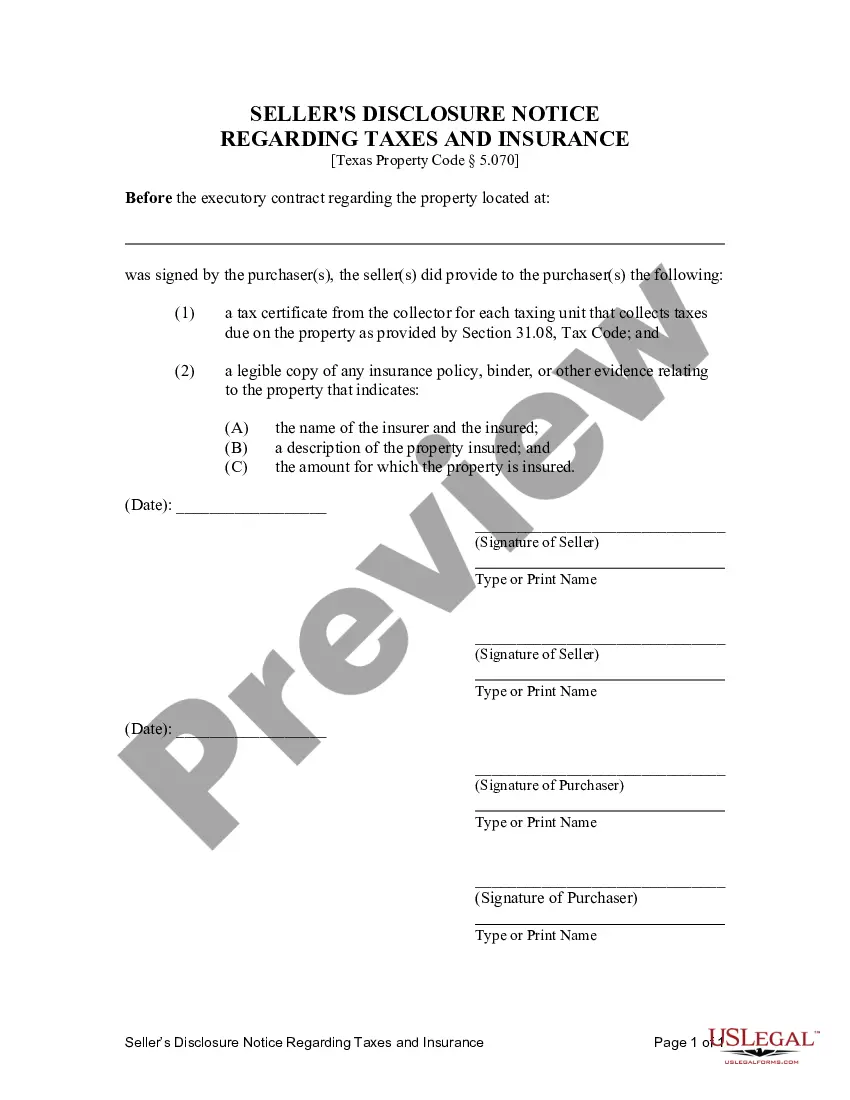
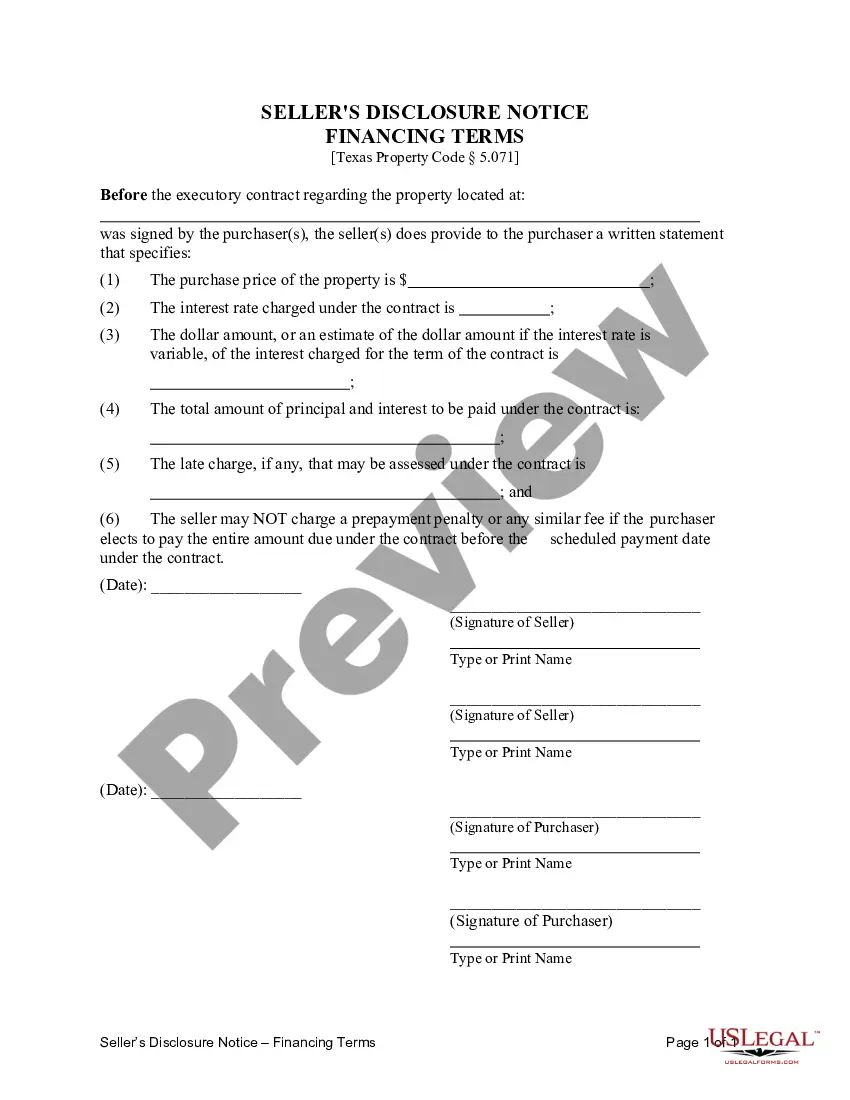
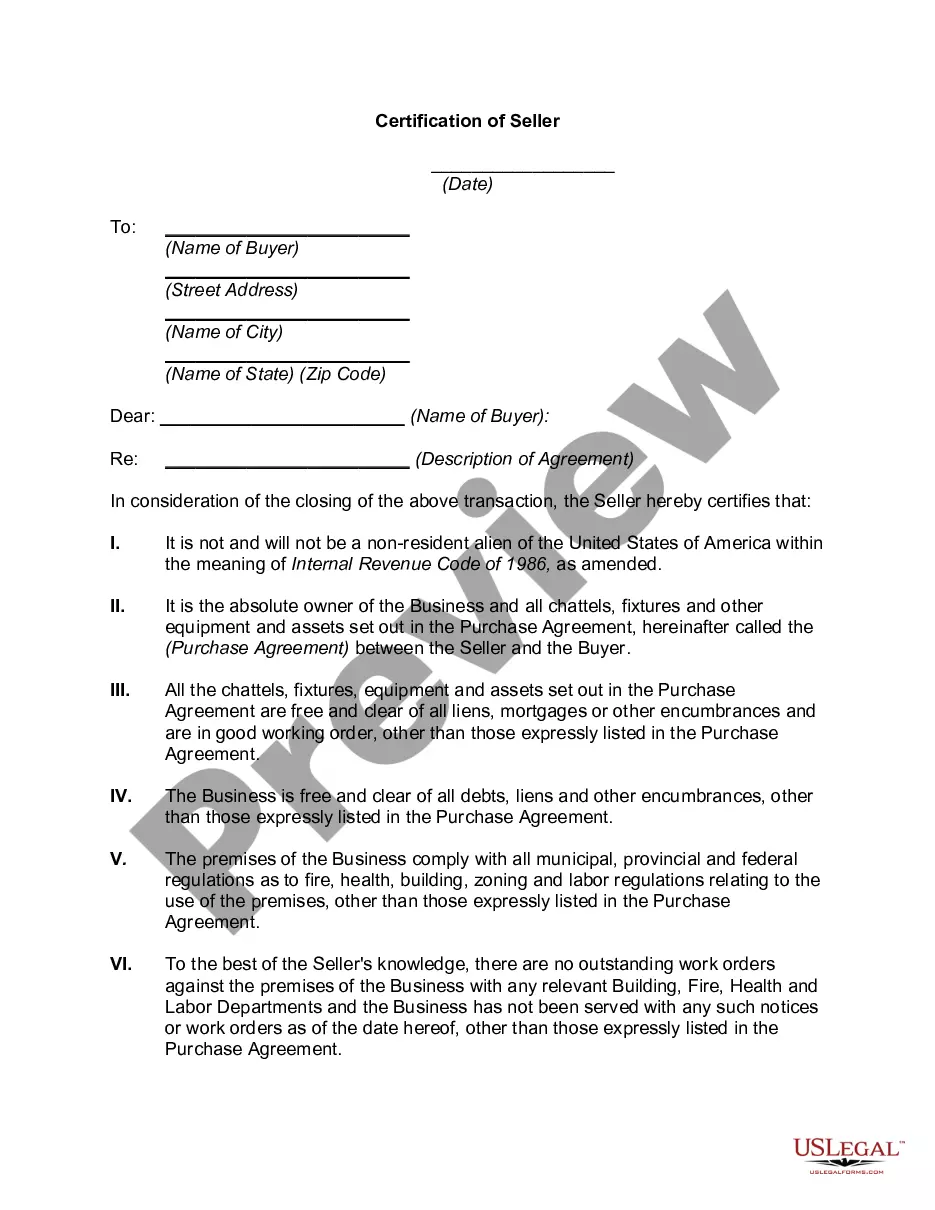
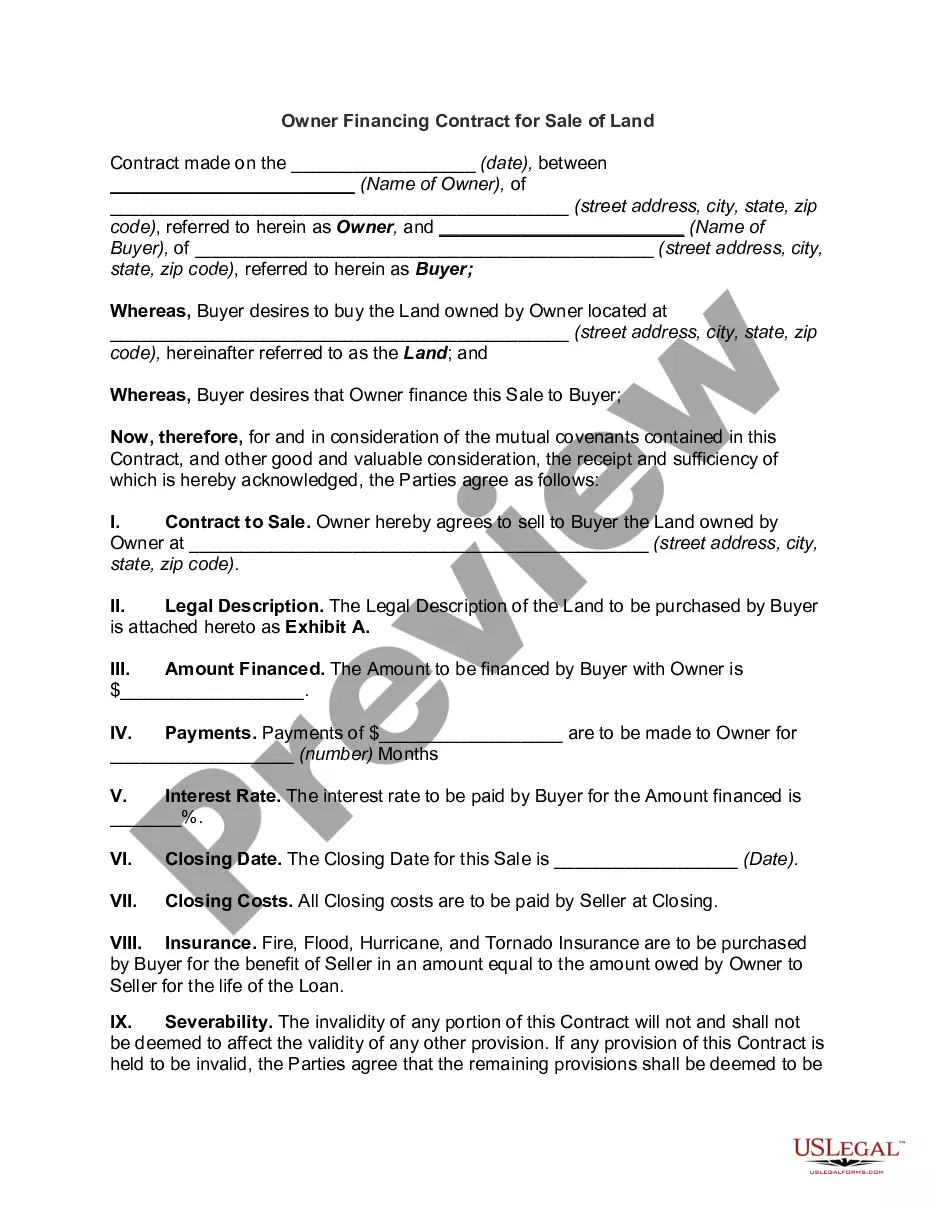
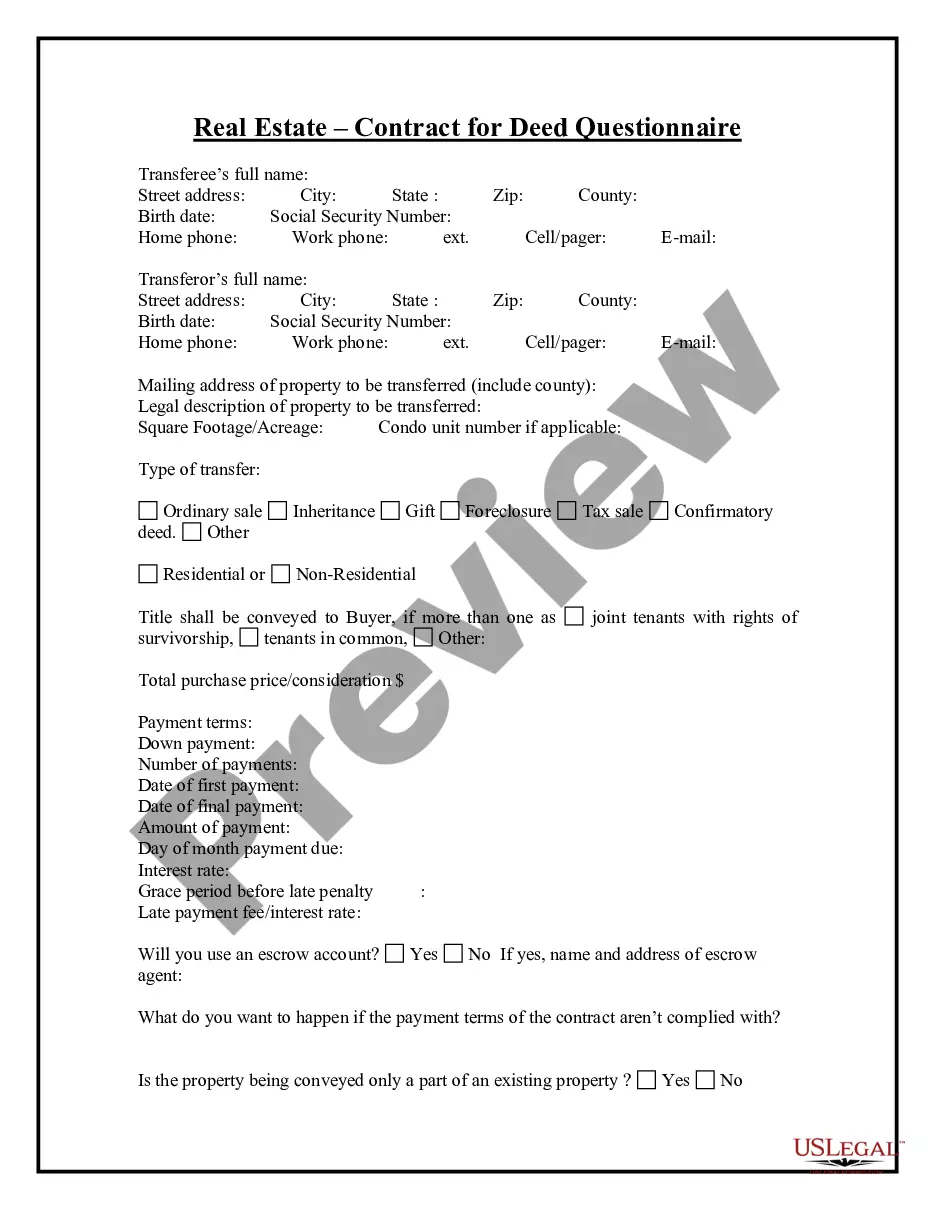
The Contract for Deed Seller's Disclosure of Tax Payment and Insurance is an essential legal document used in Texas for transactions involving a contract for deed. This form ensures that the seller discloses important details about tax payments and insurance coverage related to the property, allowing buyers to make informed decisions. Unlike a standard purchase agreement, this form specifically addresses unique aspects of property financing through a contract for deed arrangement.
Key parts of this document
- Tax certificate: A document from the tax collector verifying any taxes owed on the property.
- Insurance documentation: A copy of the insurance policy or binder that details the coverage on the property.
- Insurer and insured information: Identification of the insurer, insured party, and property description.
- Insurance amount: Specification of the monetary value for which the property is insured.
- Date and signature lines: Areas for parties to sign and date the document.
When to use this document
This form is used when a seller is entering into a contract for deed arrangement in Texas. It is essential to provide full disclosure regarding property taxes and insurance to a potential buyer. This ensures transparency in the transaction and assists the buyer in understanding their financial obligations.
Who can use this document
- Property sellers who are offering a contract for deed agreement.
- Buyers considering a property under a contract for deed to ensure proper disclosures are made.
- Real estate agents acting on behalf of either buyer or seller in such transactions.
- Attorneys assisting clients with property transfers involving contracts for deed.
Instructions for completing this form
- Collect the tax certificate from the relevant tax collector for the property.
- Obtain a copy of the insurance policy or binder related to the property.
- Fill in the names of the insurer and insured, along with a description of the property on the form.
- Indicate the amount for which the property is insured.
- Have both parties sign and date the document to finalize the disclosure.
Does this document require notarization?
This form usually doesn’t need to be notarized. However, local laws or specific transactions may require it. Our online notarization service, powered by Notarize, lets you complete it remotely through a secure video session, available 24/7.
Get your form ready online
Our built-in tools help you complete, sign, share, and store your documents in one place.
Make edits, fill in missing information, and update formatting in US Legal Forms—just like you would in MS Word.
Download a copy, print it, send it by email, or mail it via USPS—whatever works best for your next step.
Sign and collect signatures with our SignNow integration. Send to multiple recipients, set reminders, and more. Go Premium to unlock E-Sign.
If this form requires notarization, complete it online through a secure video call—no need to meet a notary in person or wait for an appointment.
We protect your documents and personal data by following strict security and privacy standards.
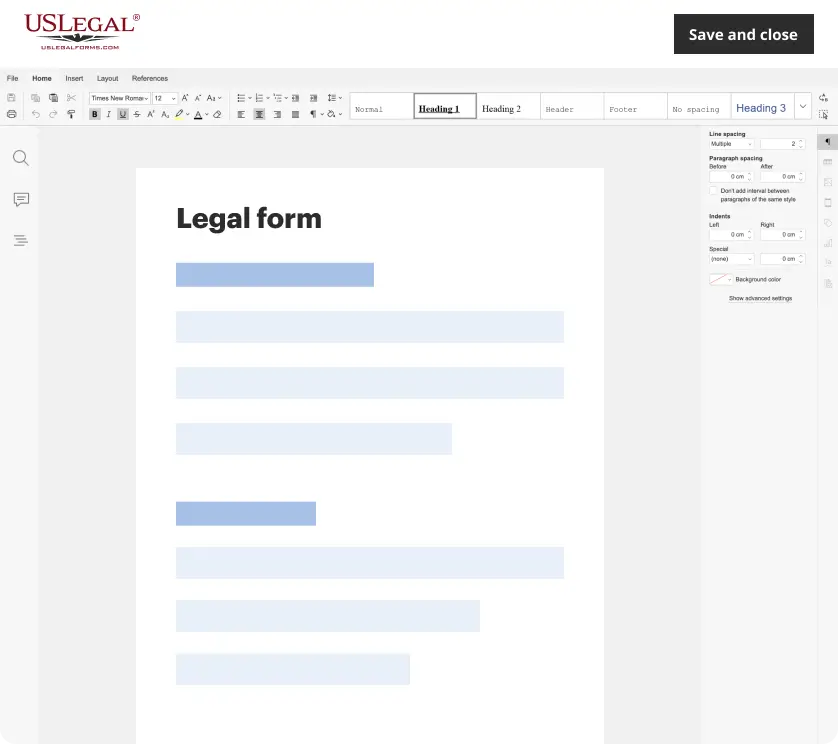
Make edits, fill in missing information, and update formatting in US Legal Forms—just like you would in MS Word.
Download a copy, print it, send it by email, or mail it via USPS—whatever works best for your next step.
Sign and collect signatures with our SignNow integration. Send to multiple recipients, set reminders, and more. Go Premium to unlock E-Sign.
If this form requires notarization, complete it online through a secure video call—no need to meet a notary in person or wait for an appointment.
We protect your documents and personal data by following strict security and privacy standards.
Typical mistakes to avoid
- Failing to provide an up-to-date tax certificate.
- Not including all relevant insurance details, such as coverage limits.
- Leaving sections of the form incomplete, including signatures and dates.
- Using outdated forms that may not comply with current Texas laws.
Benefits of using this form online
- Immediate access to the document allows for quick completion and submission.
- Forms are customizable, enabling users to tailor them to specific needs.
- Reliability, as the forms are drafted by licensed attorneys familiar with Texas laws.
- Downloadable in various formats, making it easy to store and share.
Looking for another form?
Form popularity
FAQ
When is a seller exempt from providing a seller's disclosure?Another seller hadn't even lived in the property they were selling; it was an investment property and they didn't have enough first-hand knowledge of the property's history to provide a disclosure.
If a seller fails to disclose, or actively conceals, problems that affect the value of the property; they are violating the law, and may be subject to a lawsuit for recovery of damages based on claims of fraud and deceit, misrepresentation and/or breach of contract.
In short, you don't have to disclose a death in a house in Texas unrelated to the condition of the property, the HIV status of any occupants of the property, and won't be held responsible for any conditions that you are truly unaware of.
Disclosure Laws in Texas for Home SalesSeller disclosures in Texas are governed by Texas Property Code Section § 5.008.Given all of the stresses involved in selling your home, you do not want to create this additional layer of uncertainty.
California, like many states, requires its residential property sellers to disclose, in writing, details about the property they have on the market.(See, California Civil Code § 1102.)
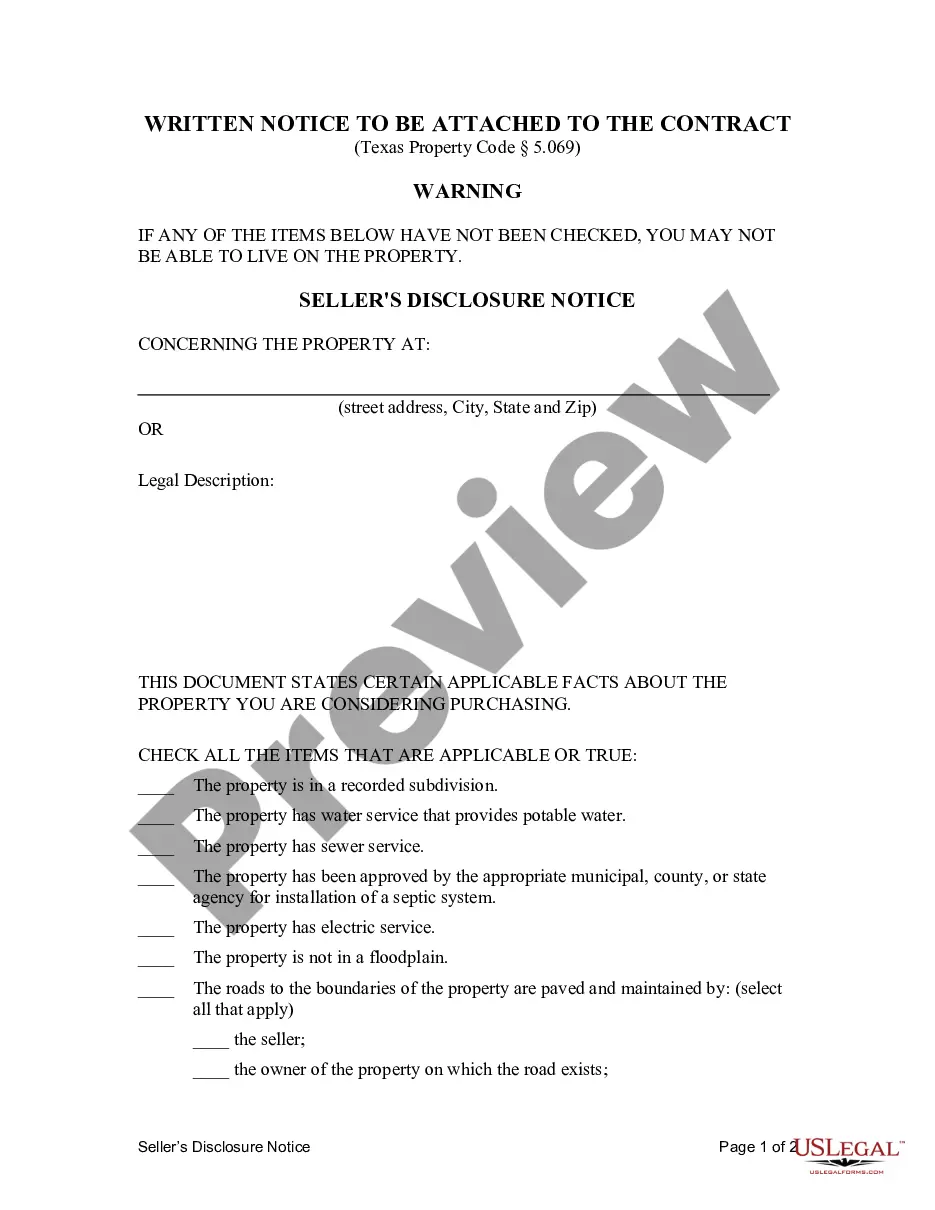
The Texas Property Code requires that most home sellers fill out a Seller's Disclosure form. The purpose of the form is to disclose any issues with the house you are selling that you are aware of and give the potential buyers information and a historical account of your home.
A seller is supposed to be truthful when answering the disclosure statement for the buyer.And, if a seller lies, the buyer is entitled to go after the seller for damages sustained because of an omission in the disclosure statement given to the buyer.
Seller's Disclosure Notices are required in most Texas residential transactions. Many sellers mistakenly assume that if they never occupy the property, they are exempt from the disclosure requirement. Make sure your seller is truly exempt before deciding to omit the disclosure.