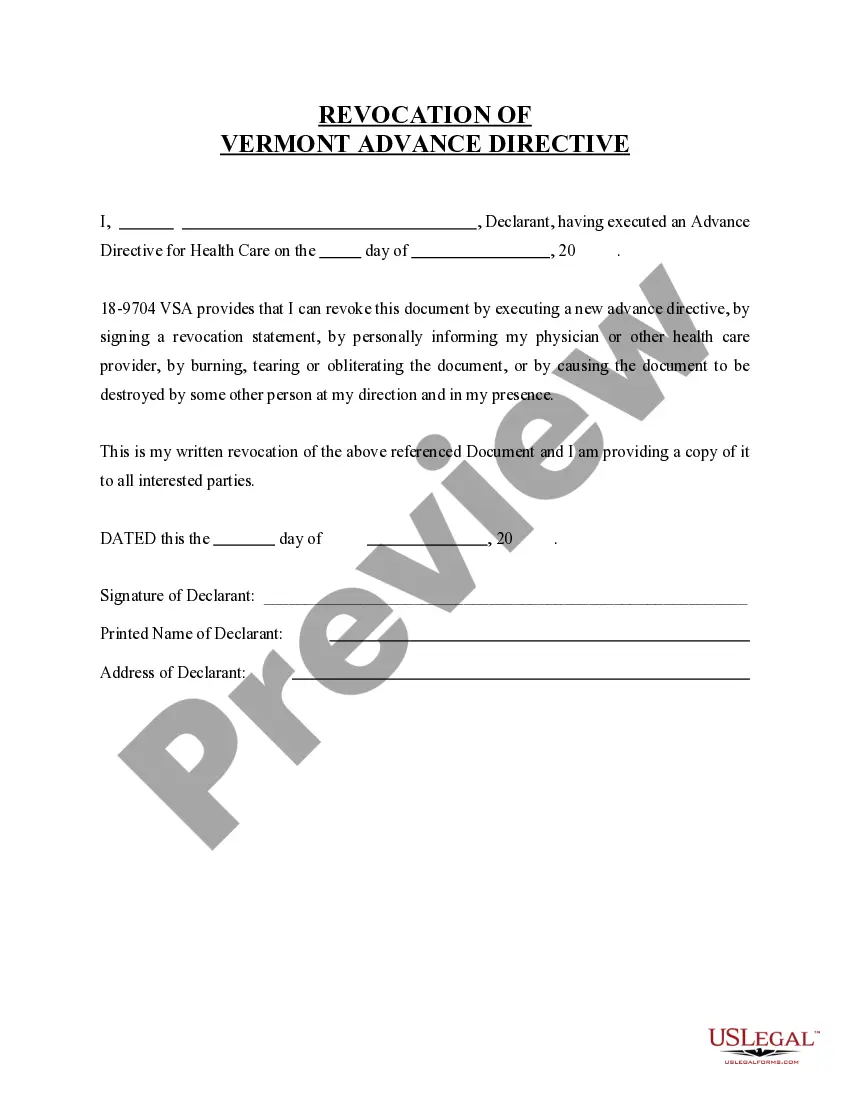
Vermont Revocation of Advance Directive for Healthcare
Overview of this form
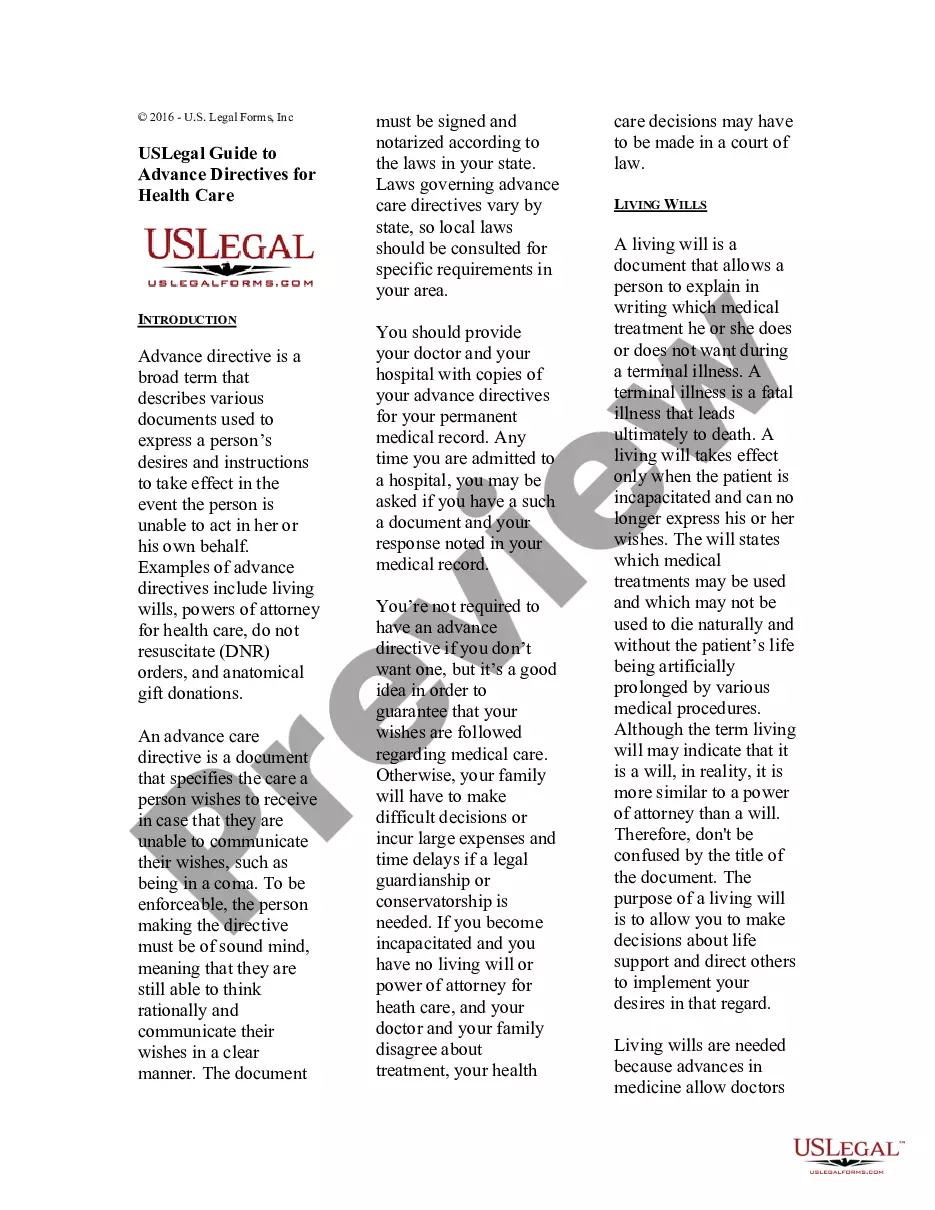
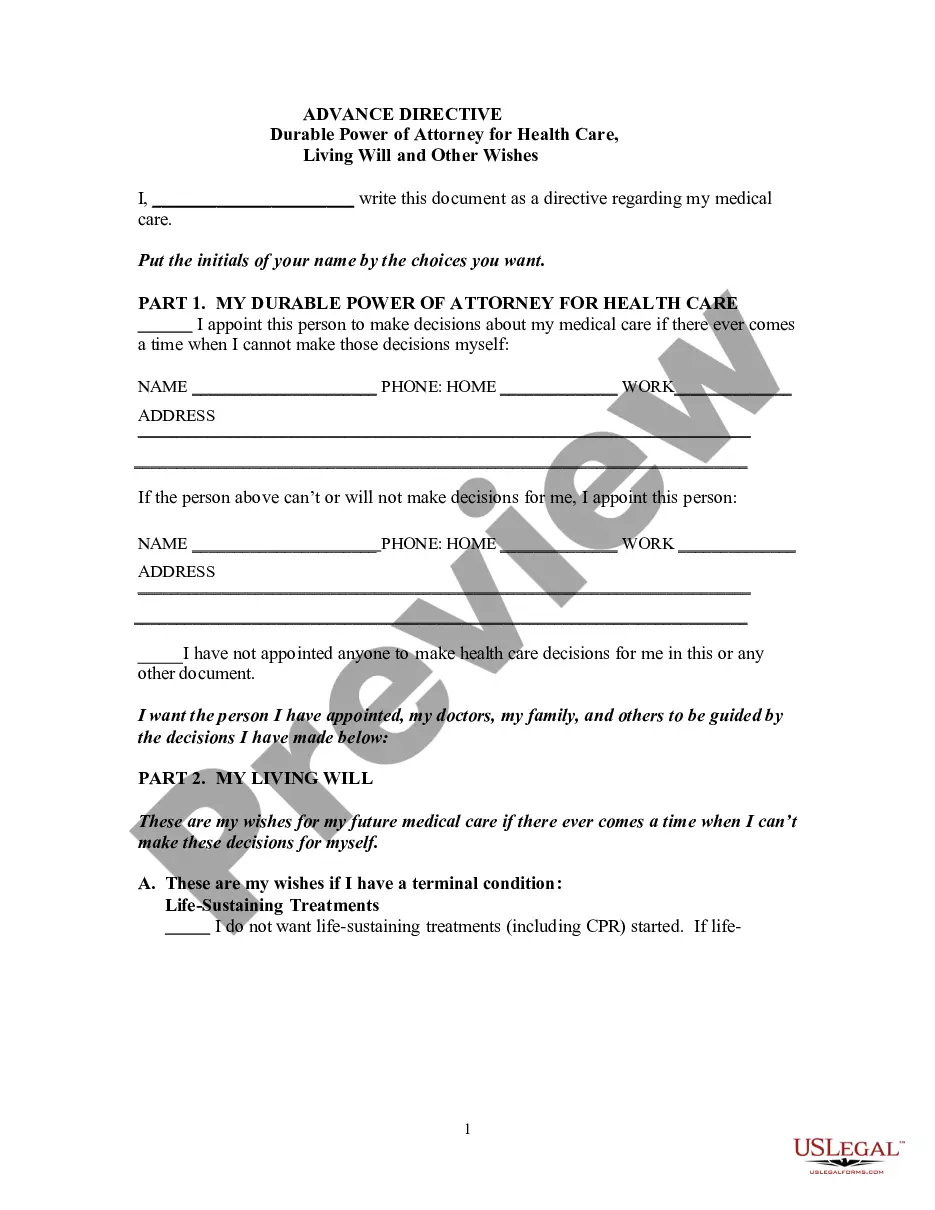
The Revocation of Advance Directive for Healthcare is a legal document that formally nullifies any previously executed Advance Directive. An Advance Directive specifies your healthcare preferences in case you are unable to communicate those wishes. This revocation ensures that your latest medical preferences are clear and prevents confusion among healthcare providers and family members. It is crucial to complete this form if you wish to change your healthcare decisions made under a prior directive.
Key components of this form
- Statement of revocation, explicitly canceling prior directives.
- Details about the original Advance Directive being revoked.
- Identification of individuals or entities receiving copies of the revocation.
Situations where this form applies
This form should be used when you want to withdraw your previously stated healthcare preferences set out in an Advance Directive. This may occur when you wish to change your healthcare agent, modify your preferences for life-sustaining treatment, or if your health condition changes significantly. It is essential whenever you want to ensure that your current wishes are followed.
Who needs this form
This form is suitable for any individual who has previously completed an Advance Directive and intends to revoke it. It is particularly relevant for those undergoing significant life changes, such as a serious health diagnosis or changes in family dynamics that may impact healthcare decisions.
- Individuals with an existing Advance Directive.
- Patients who wish to update their healthcare preferences.
- Anyone who has appointed a healthcare agent and wants to change it.
Completing this form step by step
- Clearly identify the Advance Directive you are revoking.
- Write a statement revoking the directive in the provided space.
- List the names of parties to whom you will provide copies of the revocation.
- Sign and date the form to validate your revocation.
Notarization guidance
Notarization is generally not required for this form. However, certain states or situations might demand it. You can complete notarization online through US Legal Forms, powered by Notarize, using a verified video call available anytime.
Get your form ready online
Our built-in tools help you complete, sign, share, and store your documents in one place.
Make edits, fill in missing information, and update formatting in US Legal Forms—just like you would in MS Word.
Download a copy, print it, send it by email, or mail it via USPS—whatever works best for your next step.
Sign and collect signatures with our SignNow integration. Send to multiple recipients, set reminders, and more. Go Premium to unlock E-Sign.
If this form requires notarization, complete it online through a secure video call—no need to meet a notary in person or wait for an appointment.
We protect your documents and personal data by following strict security and privacy standards.

Make edits, fill in missing information, and update formatting in US Legal Forms—just like you would in MS Word.

Download a copy, print it, send it by email, or mail it via USPS—whatever works best for your next step.

Sign and collect signatures with our SignNow integration. Send to multiple recipients, set reminders, and more. Go Premium to unlock E-Sign.

If this form requires notarization, complete it online through a secure video call—no need to meet a notary in person or wait for an appointment.

We protect your documents and personal data by following strict security and privacy standards.
Avoid these common issues
- Failing to mention the specific Advance Directive being revoked.
- Not providing copies to all interested parties.
- Leaving the form unsigned or undated.
Benefits of completing this form online
- Convenient access and immediate downloads.
- Editable templates allow customization to fit your needs.
- Reliable content developed by licensed attorneys.
Summary of main points
- The Revocation of Advance Directive for Healthcare ensures updated healthcare preferences are clear.
- It is crucial to notify all relevant parties about the revocation.
- Always sign and date the form for it to be legally valid.
Looking for another form?
Form popularity
FAQ
No, generally your brother with a durable general power of attorney (DGPOA) does not have authority to supersede your father's advance directive.
A person can also revoke their Advance Directive orally, by telling their healthcare provider that they no longer want either the entire document or any parts of it enforced.
An advance directive, alone, may not be sufficient to stop all forms of life-saving treatment.You retain the right to override the decisions or your representative, change the terms of your living will or POA, or completely revoke an advance directive.
Reviewing and changing advance directives You can change your directives at any time. If you want to make changes, you must create a new form, distribute new copies and destroy all old copies. Specific requirements for changing directives may vary by state.
Advance Directives are referred to by different names depending on the state where you reside: advance directive, living will, declaration, power of attorney, patient advocate designation, etc.If someone disputes the validity of your health care directive, it may be challenged in court.
Review your advance care planning decisions from time to timefor example, every 10 years, if not more often. You might want to revise your preferences for care if your situation or your health changes.
Advance care directives are legally enforceable in NSW. Although NSW does not have specific legislation on advance care directives, the Supreme Court has said that valid advance care directives must be respected (as an extension to a person's right to determine their own medical treatment).
The name and contact information of your healthcare agent/proxy. Answers to specific questions about your preferences for care if you become unable to speak for yourself. Names and signatures of individuals who witness your signing your advance directive, if required.