Vermont Sale of a Business Package
About this form package
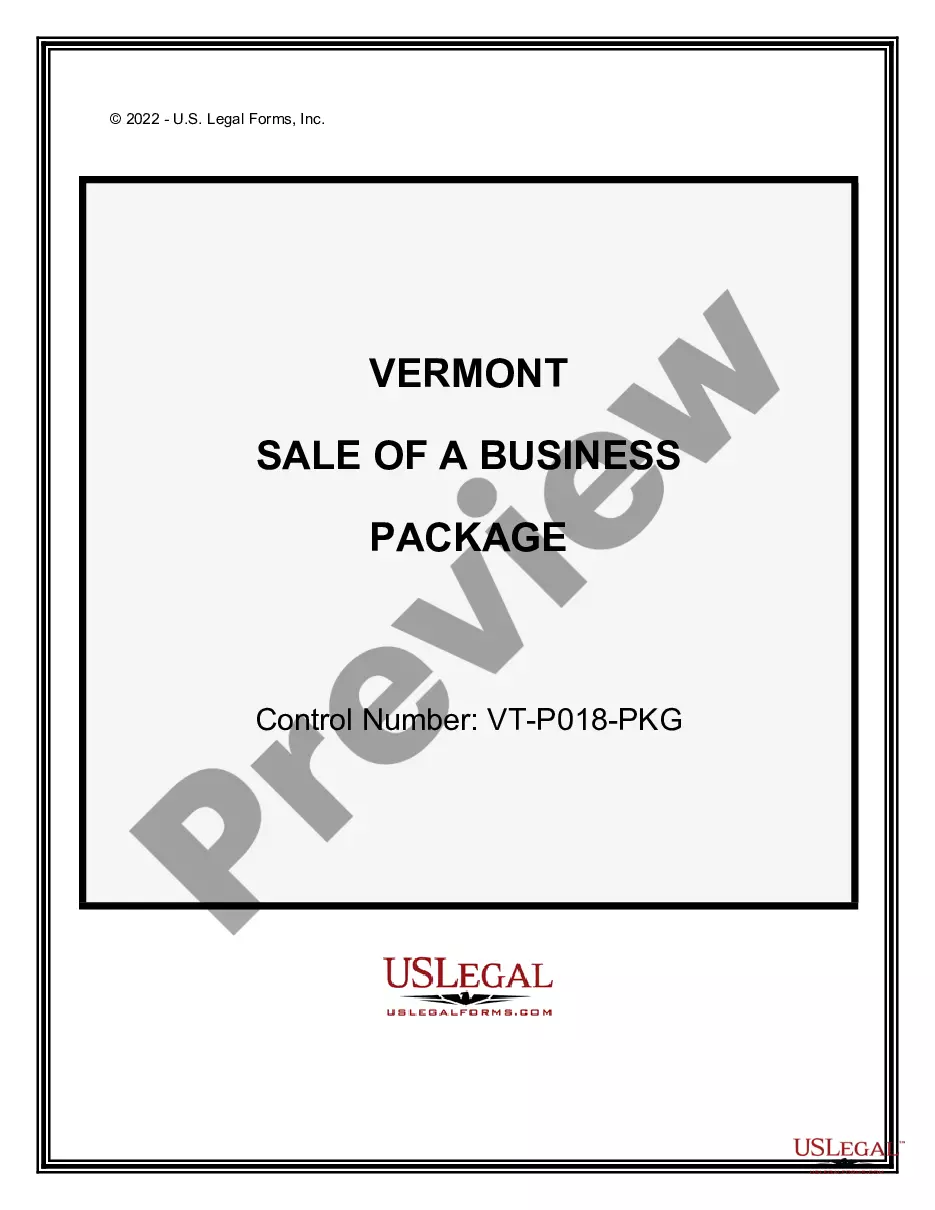
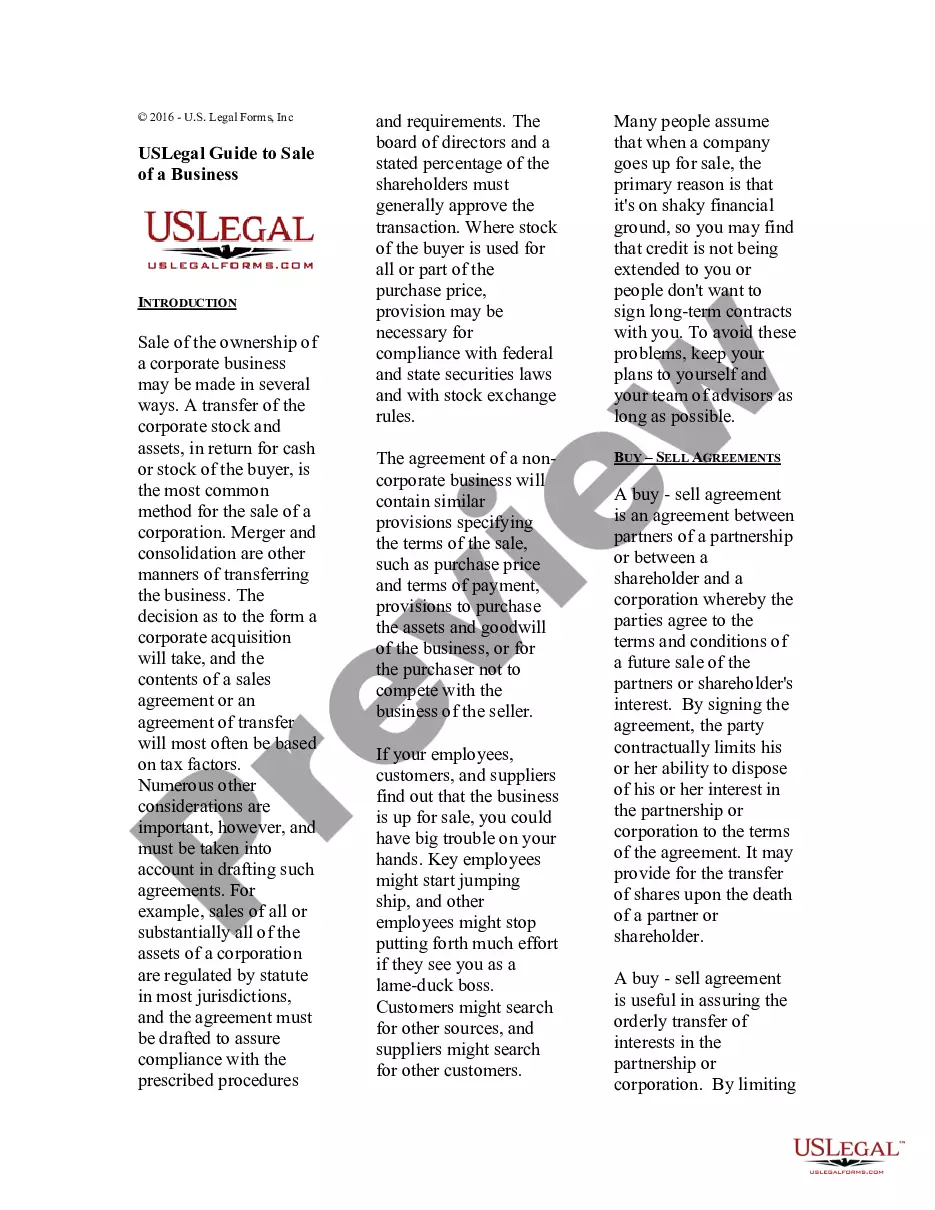
The Vermont Sale of a Business Package includes essential legal documents designed to facilitate the sale of a business, whether it is a sole proprietorship or a corporate entity. This package stands out as it offers a collection of state-specific forms and agreements, crafted by licensed attorneys, ensuring that all legal requirements are met efficiently while allowing users to customize documents to suit their unique circumstances. By using this comprehensive package, buyers and sellers will navigate the complexities of a business sale with clear legal documentation.
Documents contained in this package
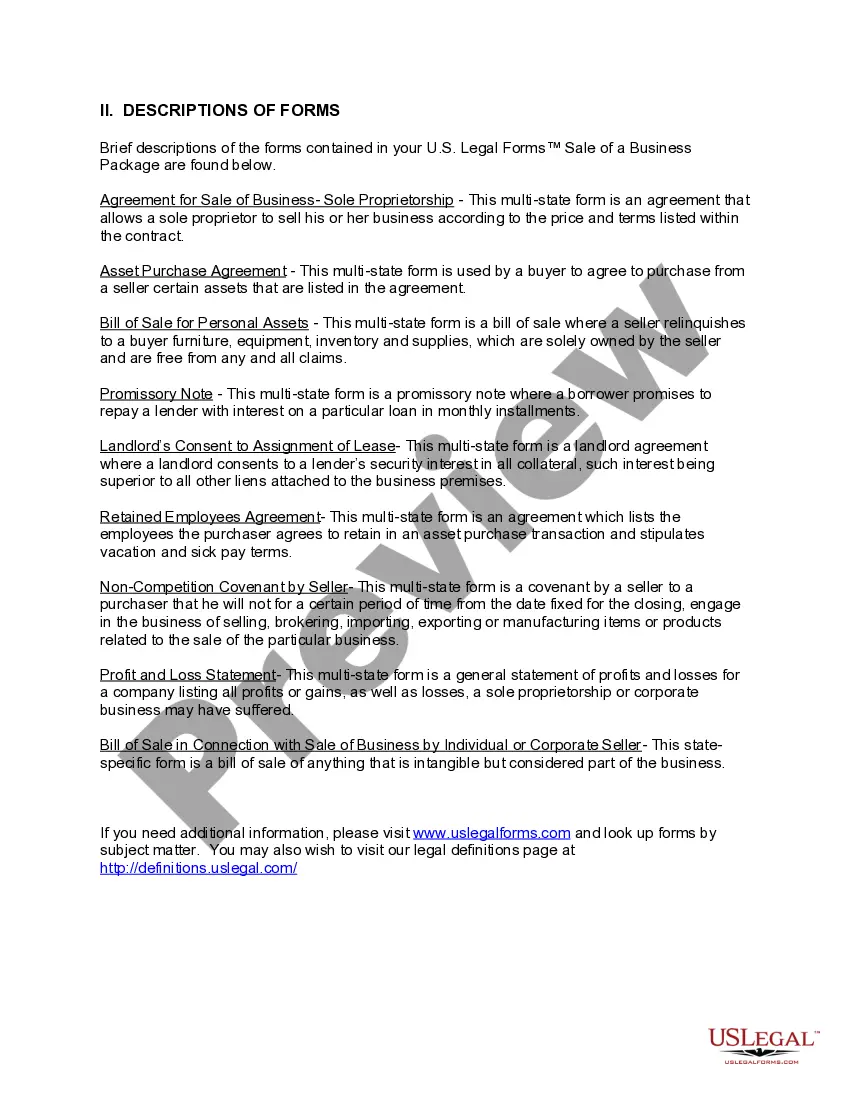
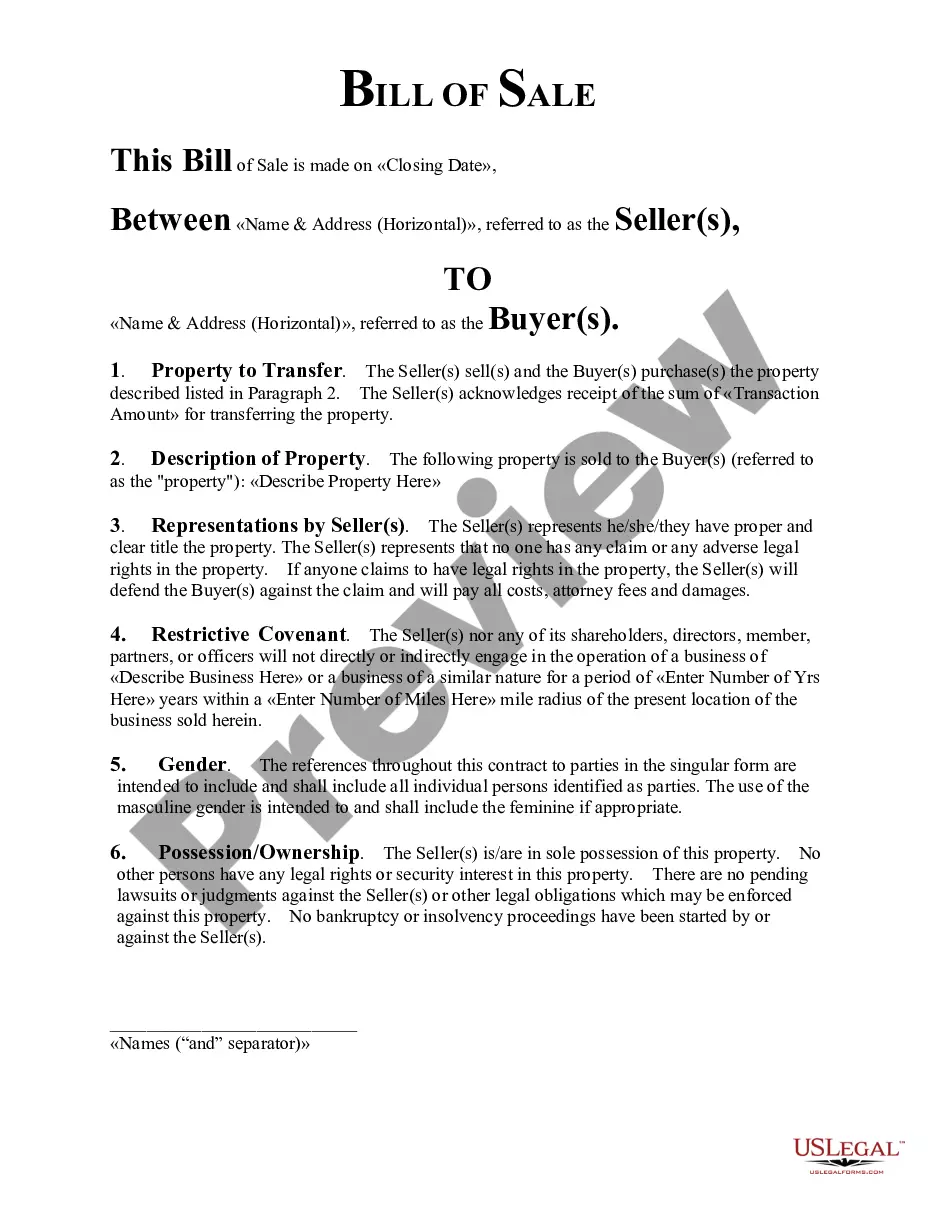
- Bill of Sale in Connection with Sale of Business by Individual or Corporate Seller
- Asset Purchase Agreement - Business Sale
- Sale of Business - Bill of Sale for Personal Assets - Asset Purchase Transaction
- Sale of Business - Landlord's Consent to Assignment of Lease - Asset Purchase Transaction
- Sale of Business - Promissory Note - Asset Purchase Transaction
- Sale of Business - Retained Employees Agreement - Asset Purchase Transaction
- Noncompetition Covenant by Seller in Sale of Business
- Agreement for Sale of Business - Sole Proprietorship - Asset Purchase
- Profit and Loss Statement


Common use cases
This form package is particularly useful in several scenarios, including:
- When you are selling a sole proprietorship or a corporate business in Vermont.
- When you need to outline specific terms of asset purchases in a clear and legally binding manner.
- When both buyers and sellers need to document the transfer of personal and business assets securely.
- When it's necessary to establish agreements related to retained employees or noncompetition clauses during the sale process.
Who can use this document
- Business owners planning to sell their business in Vermont.
- Corporate entities looking to navigate the complexities of asset sales.
- Individual buyers seeking clarity on their purchase agreements.
- Buyers and sellers who require documentation for legal protection during a business transaction.
Steps to complete these forms
- Review the included forms and ensure you understand their purpose and requirements.
- Identify the parties involved in the transaction and enter their information in the appropriate fields.
- Fill out the details of the sale, including terms, asset descriptions, and any relevant financial arrangements.
- Ensure all necessary signatures are obtained from both parties where applicable.
- Keep copies of completed forms for your records and any potential legal needs in the future.
Notarization requirements for forms in this package
Most forms in this package do not require notarization. However, local laws or specific situations may demand it. Our online notarization service, powered by Notarize, lets you complete the process through a verified video call, available anytime.
Get your form ready online
Our built-in tools help you complete, sign, share, and store your documents in one place.
Make edits, fill in missing information, and update formatting in US Legal Forms—just like you would in MS Word.
Download a copy, print it, send it by email, or mail it via USPS—whatever works best for your next step.
Sign and collect signatures with our SignNow integration. Send to multiple recipients, set reminders, and more. Go Premium to unlock E-Sign.
If this form requires notarization, complete it online through a secure video call—no need to meet a notary in person or wait for an appointment.
We protect your documents and personal data by following strict security and privacy standards.

Make edits, fill in missing information, and update formatting in US Legal Forms—just like you would in MS Word.

Download a copy, print it, send it by email, or mail it via USPS—whatever works best for your next step.

Sign and collect signatures with our SignNow integration. Send to multiple recipients, set reminders, and more. Go Premium to unlock E-Sign.

If this form requires notarization, complete it online through a secure video call—no need to meet a notary in person or wait for an appointment.

We protect your documents and personal data by following strict security and privacy standards.
Common mistakes to avoid
- Failing to properly identify all parties involved in the transaction.
- Omitting crucial terms or conditions in the agreement.
- Not obtaining the necessary signatures or authorizations on forms.
- Neglecting to retain copies of completed documents for future reference.
Benefits of using this package online
- Convenience of on-demand access to legal documents without the need for in-person appointments.
- Editability allows you to customize forms to fit your specific transaction needs quickly.
- Reliable templates drafted by licensed attorneys, ensuring legal soundness and relevance.
- Immediate download options make it easy to obtain the necessary documents when you need them.
Legal use & context
- The forms provided help clarify and solidify the sale agreement between parties.
- Using these documents ensures compliance with Vermont's legal standards for business transactions.
- Proper completion and execution of these forms can prevent future disputes related to the sale.
What to keep in mind
- The Vermont Sale of a Business Package contains critical legal documents for business transactions.
- Document customization can ensure that your specific needs and terms are met efficiently.
- Proper execution of these forms helps protect your rights and meet state legal requirements.
Looking for another form?
Form popularity
FAQ
Sellers use tax is the same as a sales tax. It is a transaction tax, calculated as a percentage of the sales price of goods and certain services. However, the key difference is that the sellers use tax is imposed on vendors located outside of the state, but are registered to collect tax in the state.
A use tax is a type of tax levied in the United States by numerous state governments.Use taxes are functionally equivalent to sales taxes. They are typically levied upon the use, storage, enjoyment, or other consumption in the state of tangible personal property that has not been subjected to a sales tax.
Generally, if the item would have been taxable if purchased from a California retailer, it is subject to use tax. For example, purchases of clothing, appliances, toys, books, furniture, or CDs would be subject to use tax.
The buyer will pay both the cost of the item along with the sales tax. eBay will collect and remit the tax. Sellers are not able to opt out of selling items into the states listed above or opt out of eBay automatically collecting sales tax.
Use tax has the same rate of 6%, rules, and exemptions as sales tax. Vermont Sales and Use Tax is destination-based. One of the following must happen for the purchased item to be subject to sales and use tax: The buyer takes possession of the item in Vermont. The buyer has the item delivered or shipped to Vermont.
Vermont Sales Tax is charged on the retail sales of tangible personal property unless exempted by law. The sales tax rate is 6%.
To sum it up, delivery charges are considered part of the sale and are therefore taxable if the sale is taxable. If you happen to be selling a non-taxable item, then delivery charges are also not taxable. Vermont is a fairly straightforward state when it comes to shipping taxability.
Sellers are responsible for collecting and paying the tax, and purchasers are responsible for paying the tax that the sellers must collect and pay. In essence, this type of sales tax is a hybrid of the other two types.
The seller is responsible for paying sales tax to the CDTFA on their taxable transactions. A seller is generally allowed to collect the sales tax from youthe customer; however, the seller owes the tax even if they do not collect it from the customer.