Vermont Quitclaim Deed from Husband and Wife to Husband and Wife
About this form
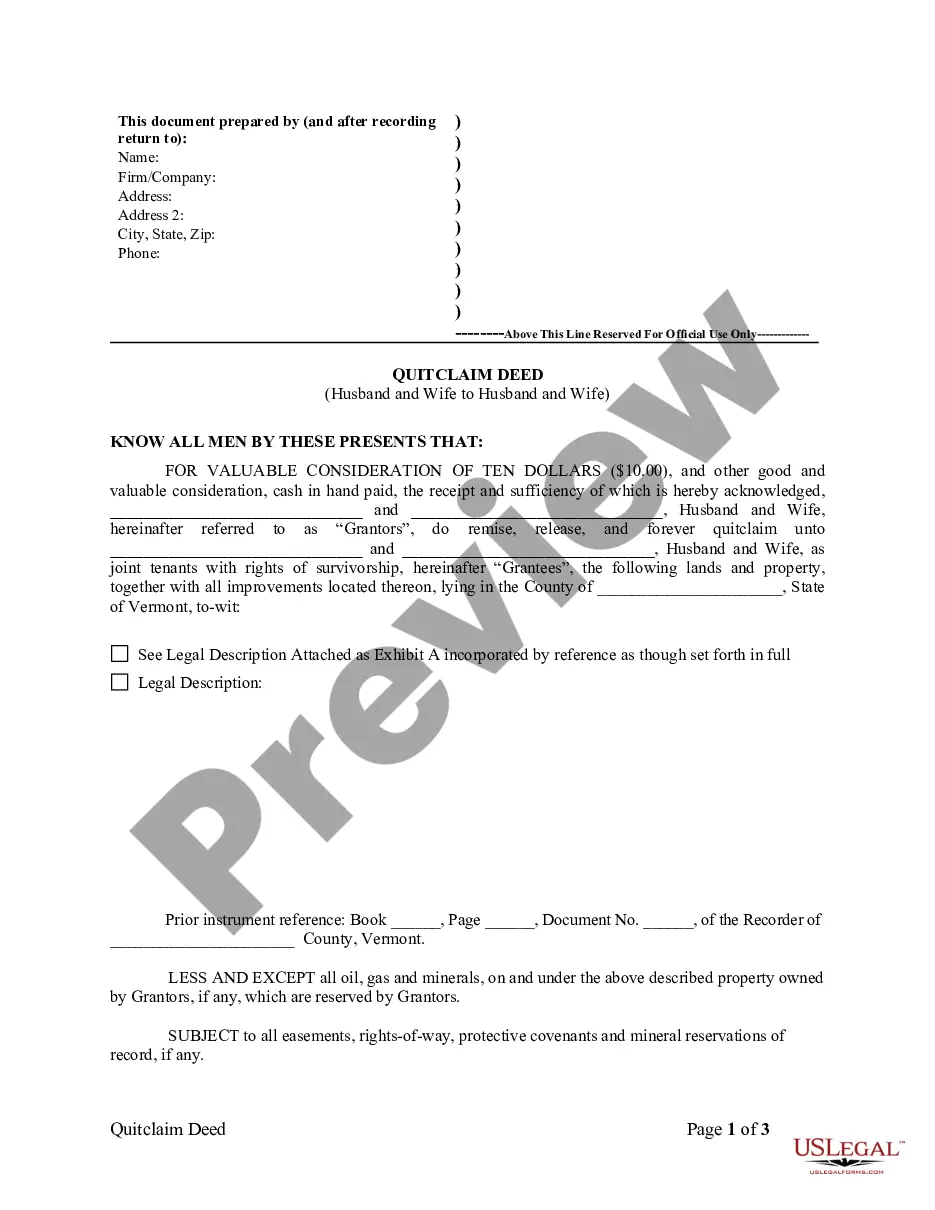
This form is a Quitclaim Deed from Husband and Wife to Husband and Wife. It allows the grantors, who are a married couple, to transfer their interest in a property to themselves as grantees. This type of deed is primarily used to clarify ownership rights without warranty of title, distinguishing it from other deeds that may provide such warranties. The Quitclaim Deed is particularly useful in situations involving property transfers between spouses, such as for updating titles due to marriage, divorce, or estate planning.
Key components of this form
- Grantors: This section identifies the husband and wife as the individuals transferring property.
- Grantees: This section specifies that the property is being transferred to the same husband and wife.
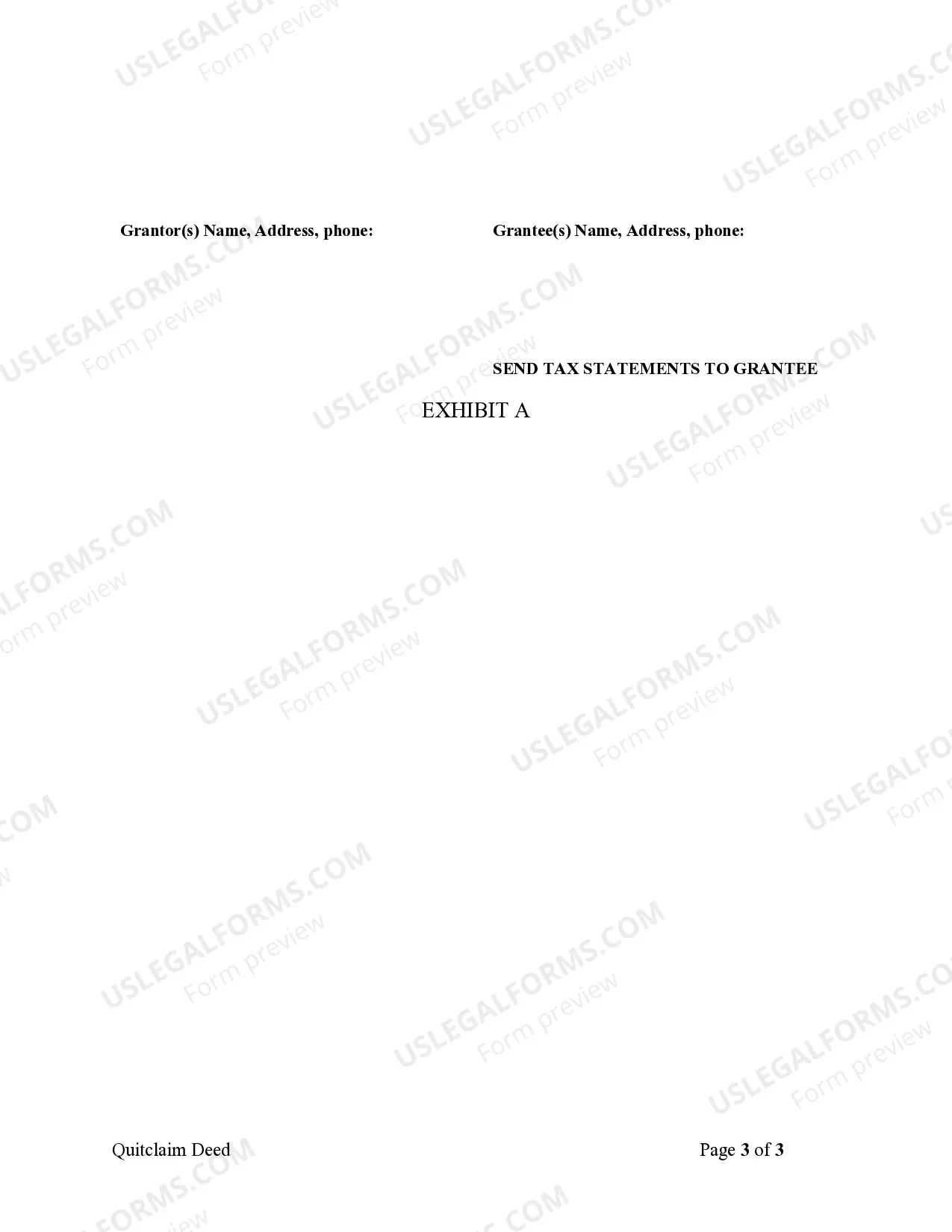
- Legal description: The property being conveyed is clearly described in detail.
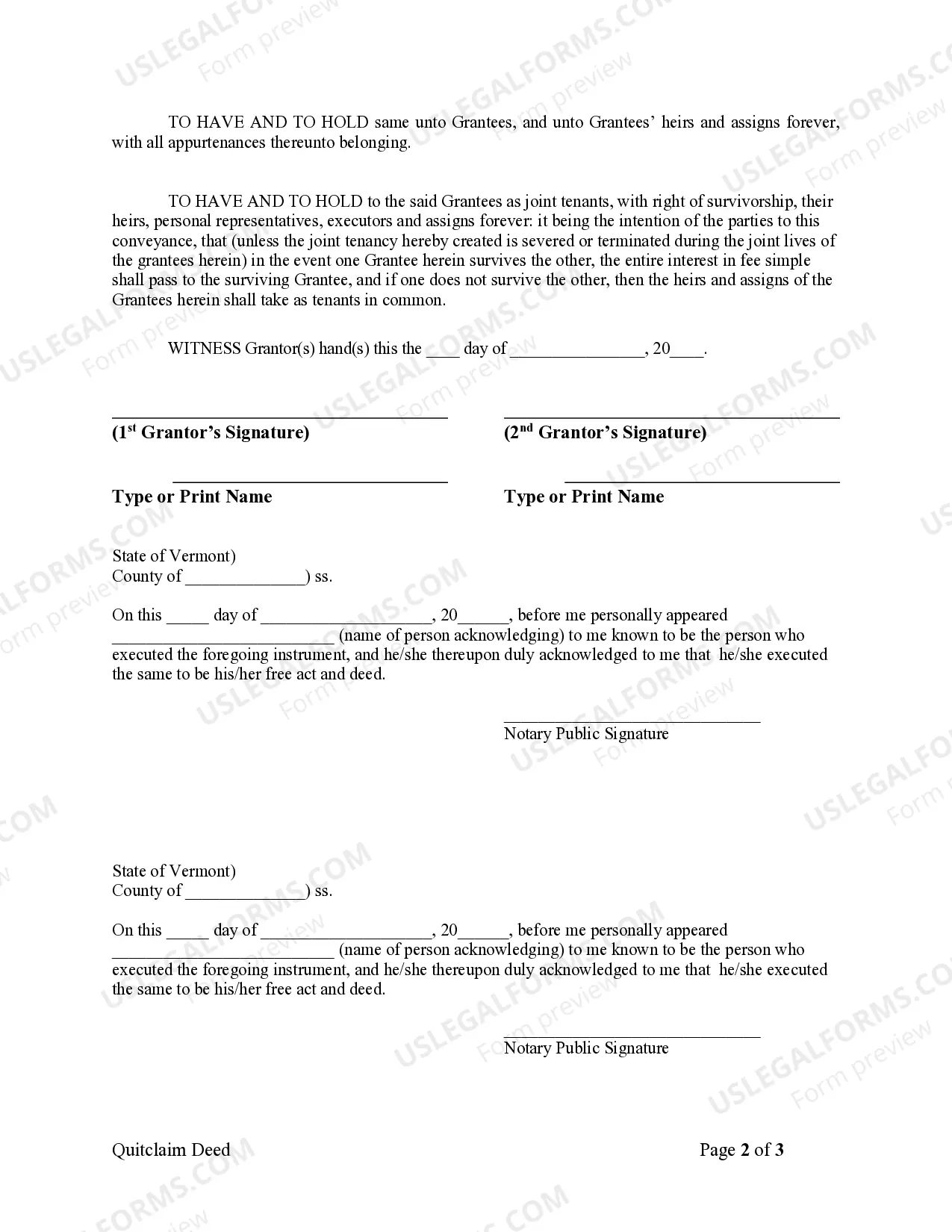
- Survivorship clause: This clause ensures that if one spouse passes away, the other retains full ownership of the property.
- Reservation clause: Any oil, gas, and mineral rights may be reserved to the grantors.





When to use this document
This form is typically used in situations where spouses want to transfer ownership rights in a property between themselves. Common scenarios include transferring a property after marriage, modifying the title after a divorce, or ensuring joint ownership through a joint tenancy with right of survivorship. It can also be useful for updating property records during estate planning, ensuring smoother transitions upon the death of either spouse.
Who needs this form
- Married couples looking to clarify ownership of their property.
- Spouses involved in divorce proceedings who need to modify the title of jointly owned property.
- Couples planning their estates who want to ensure property transfers are handled properly.
- Property owners who wish to formally document a transfer without warranties attached.
Steps to complete this form
- Identify the parties: Clearly state the names of the grantors (husband and wife) and the grantees (also husband and wife).
- Specify the property: Include the legal description of the property being transferred, often found in accompanying documents or property records.
- State the intent: Indicate that the transfer is being made as joint tenants with right of survivorship.
- Enter reservation details: Note any reservations, such as oil, gas, or mineral rights, that are being retained by the grantors.
- Sign and date: Ensure that both grantors sign and date the document in the required areas to validate the transfer.
Is notarization required?
Notarization is required for this form to take effect. Our online notarization service, powered by Notarize, lets you verify and sign documents remotely through an encrypted video session, available 24/7.
Get your form ready online
Our built-in tools help you complete, sign, share, and store your documents in one place.
Make edits, fill in missing information, and update formatting in US Legal Forms—just like you would in MS Word.
Download a copy, print it, send it by email, or mail it via USPS—whatever works best for your next step.
Sign and collect signatures with our SignNow integration. Send to multiple recipients, set reminders, and more. Go Premium to unlock E-Sign.
If this form requires notarization, complete it online through a secure video call—no need to meet a notary in person or wait for an appointment.
We protect your documents and personal data by following strict security and privacy standards.

Make edits, fill in missing information, and update formatting in US Legal Forms—just like you would in MS Word.

Download a copy, print it, send it by email, or mail it via USPS—whatever works best for your next step.

Sign and collect signatures with our SignNow integration. Send to multiple recipients, set reminders, and more. Go Premium to unlock E-Sign.

If this form requires notarization, complete it online through a secure video call—no need to meet a notary in person or wait for an appointment.

We protect your documents and personal data by following strict security and privacy standards.
Avoid these common issues
- Failing to provide a full legal description of the property.
- Not including any reservations that may apply to the transfer.
- Omitting signatures or dates from the form.
- Neglecting to check for state-specific requirements for executing the deed.
Advantages of online completion
- Convenience: Download the form anytime, anywhere without the need for an appointment.
- Editability: Fill out the form digitally, allowing for easy corrections and adjustments.
- Reliability: Forms drafted by licensed attorneys ensure legal compliance and accuracy.
Key takeaways
- A Quitclaim Deed is a straightforward way for spouses to transfer property ownership.
- This form does not guarantee clear title; it simply transfers the interest held by the grantors.
- Ensure clarity in legal descriptions and ownership clauses to avoid future disputes.
Looking for another form?



Form popularity
FAQ
Quitclaim deeds are most often used to transfer property between family members. Examples include when an owner gets married and wants to add a spouse's name to the title or deed, or when the owners get divorced and one spouse's name is removed from the title or deed.
The drawback, quite simply, is that quitclaim deeds offer the grantee/recipient no protection or guarantees whatsoever about the property or their ownership of it. Maybe the grantor did not own the property at all, or maybe they only had partial ownership.
A quitclaim deed is a legal instrument that is used to transfer interest in real property.The owner/grantor terminates (quits) any right and claim to the property, thereby allowing the right or claim to transfer to the recipient/grantee.
But you might be wondering if an owner can transfer a deed to another person without a real estate lawyer. The answer is yes. Parties to a transaction are always free to prepare their own deeds.A quitclaim deed, for example, is far simpler than a warranty deed.