Virginia Landlord Tenant Eviction / Unlawful Detainer Forms Package
About this form package
The Virginia Landlord Tenant Eviction / Unlawful Detainer Forms Package provides a comprehensive set of legal forms designed specifically for landlords seeking to evict tenants in Virginia. This package includes essential documents that ensure compliance with state laws, helping landlords navigate the eviction process efficiently and legally. Unlike generic eviction forms, these documents are tailored to Virginia's legal requirements, making them a reliable choice for landlords facing tenancy challenges.
What’s included in this form package
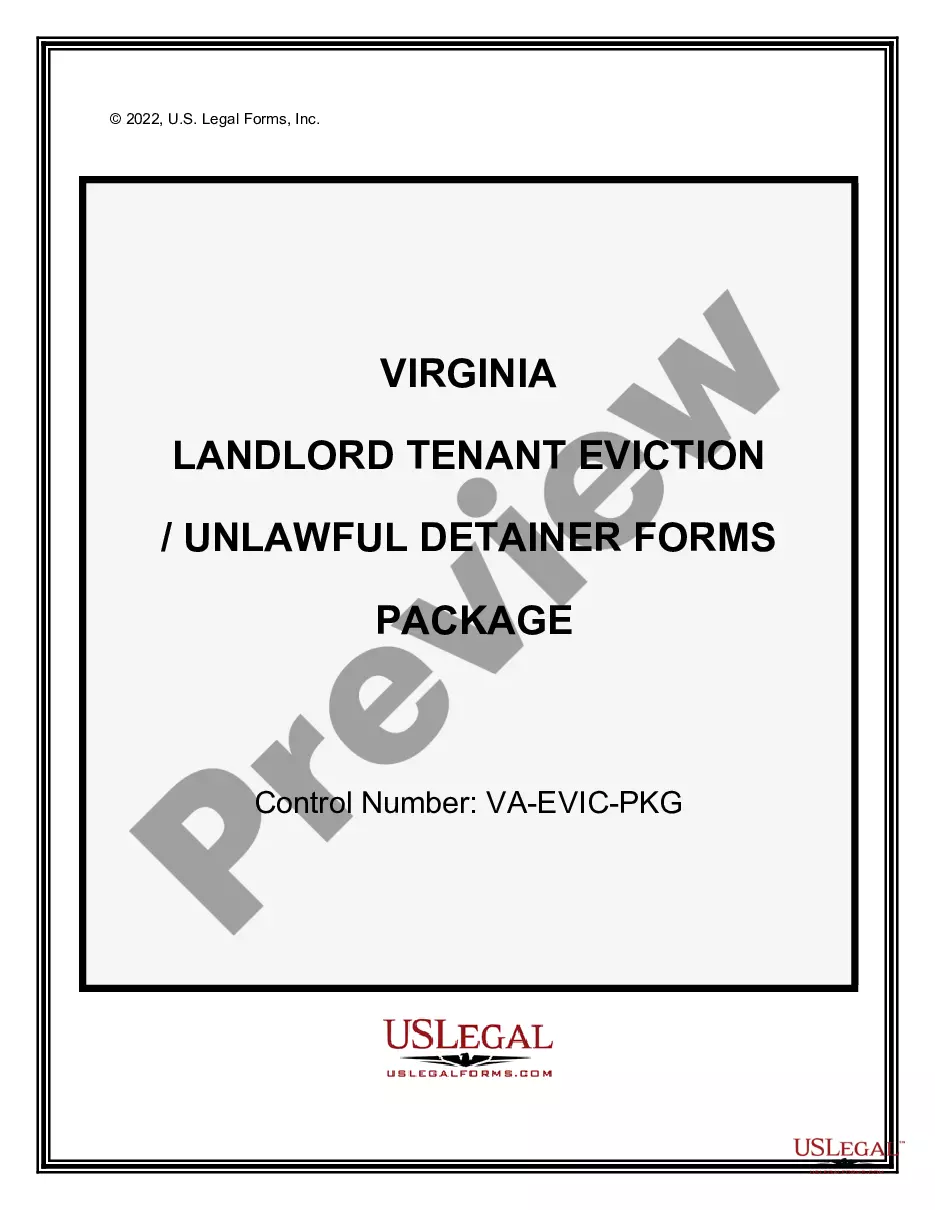
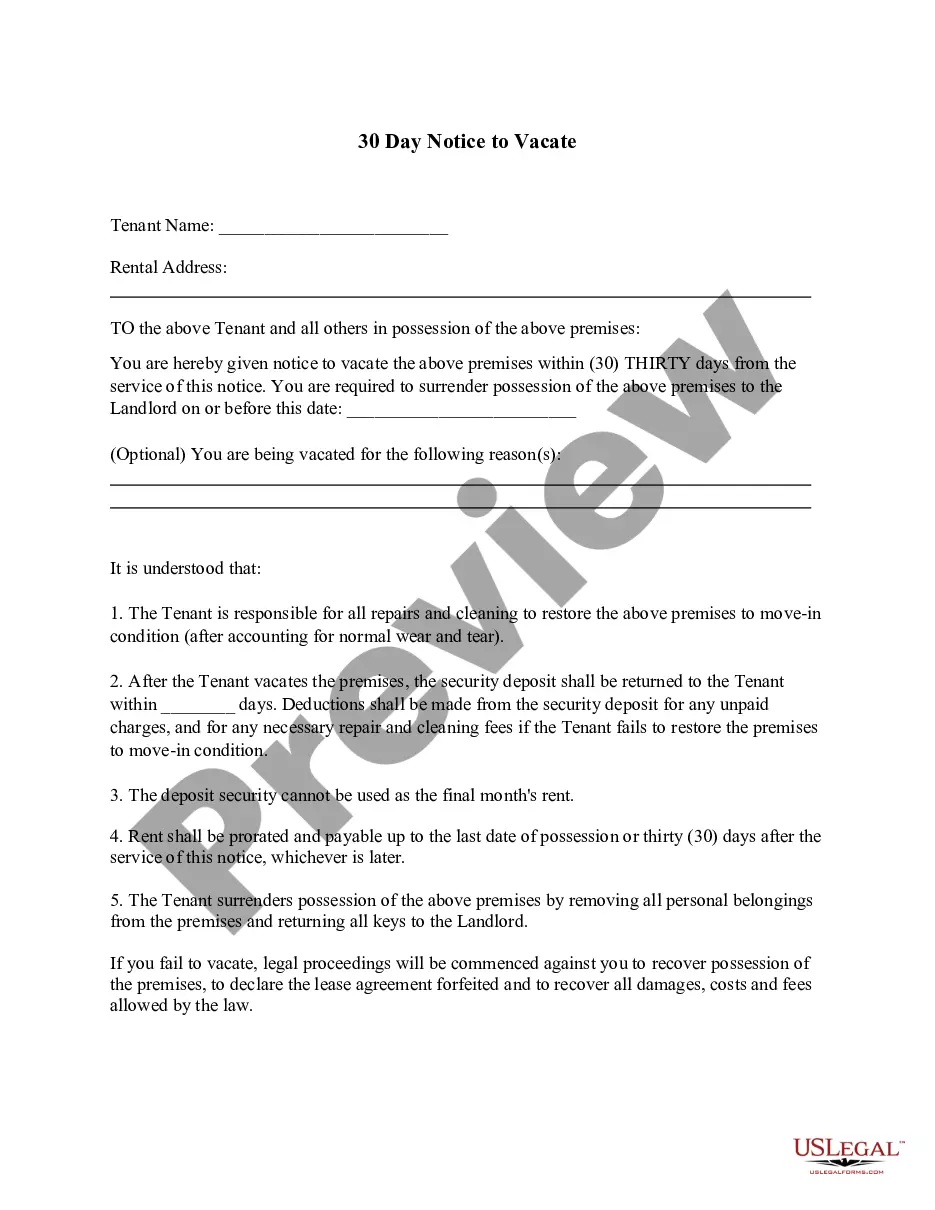
- Notice to Terminate Month to Month Lease - 30 Day Period to End of Term - Residential
- Notice to Terminate Year to Year Lease - 90 Day Period to End of Term - Residential
- 14 Day Notice to Pay Rent or Lease Terminates - Residential
- 30 Day Notice to Terminate Lease Due to Non-Remediable Breach - Residential
- 30 Day Notice of Termination for Intentional Recurring Breach - Residential
- 60 Day Notice to Terminate Year-to-Year Lease - Residential from Landlord to Tenant
- Certificate Of Mailing Posted Service
- Summons For Unlawful Detainer
- Notice Of Hearing To Establish Final Rent And Damages
- Request For Writ Of Possession In Unlawful Detainer Proceedings


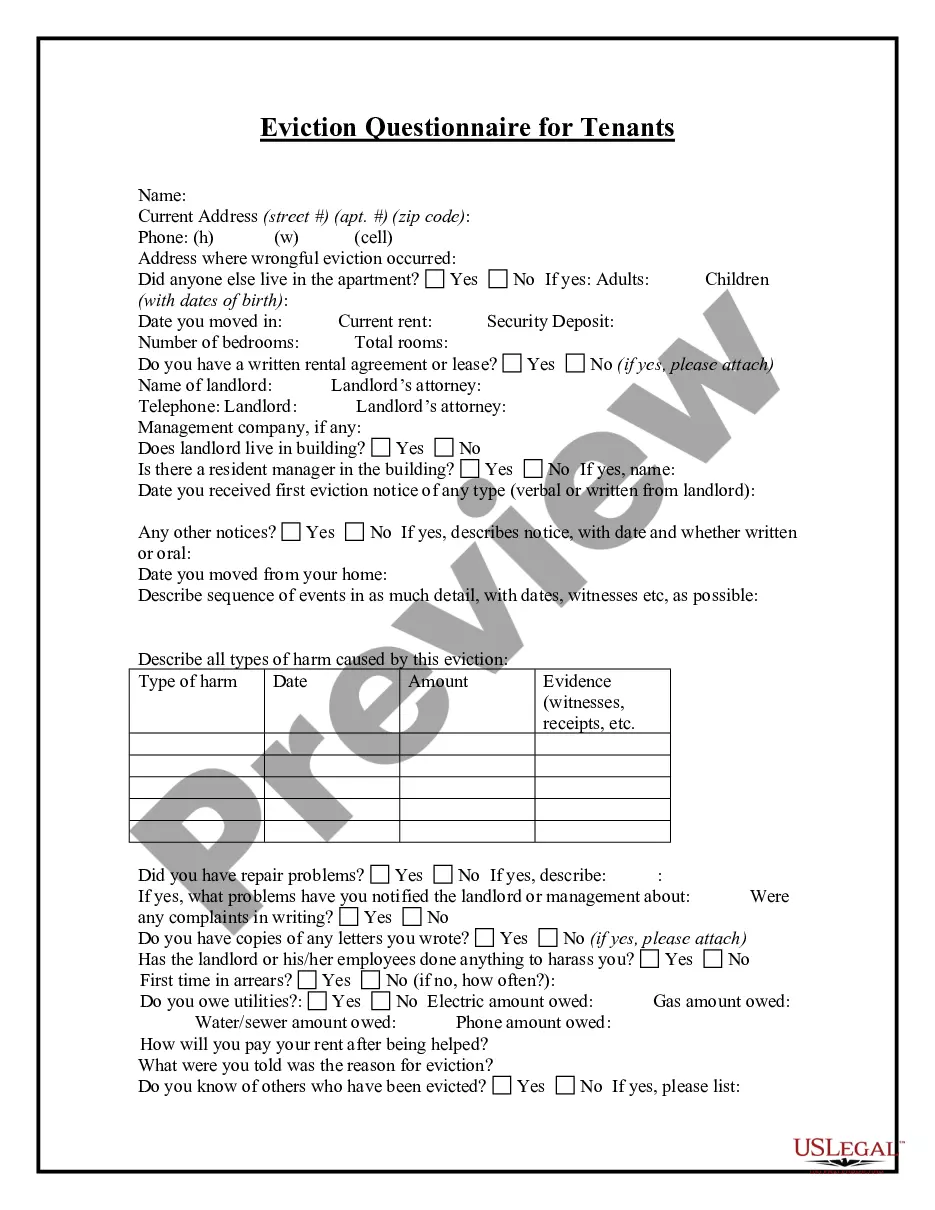
Common use cases
This form package should be used in various situations, including:
- When a tenant fails to pay rent within the specified timeframe.
- To terminate a month-to-month or year-to-year lease agreement.
- In cases of tenant breaches that cannot be repaired.
- When seeking legal eviction due to intentional recurring breaches by the tenant.
- To initiate formal eviction proceedings for an unwanted tenant.
Who should use this form package
- Landlords who own residential rental properties in Virginia.
- Property management companies managing tenant leases.
- Anyone acting on behalf of a landlord in an eviction situation.
- Landlords wanting to ensure compliance with legal requirements during the eviction process.
How to prepare this document
- Review the included forms and identify which forms apply to your situation.
- Carefully fill out each form, ensuring that all required information is complete and accurate.
- Sign and date the forms as necessary, adhering to any specific instructions provided.
- Deliver the completed forms to the tenant in accordance with Virginia law, ensuring proper notice is served.
- File any required documents with the local court if you proceed with legal action.
Notarization requirements for forms in this package
Notarization is generally not required for forms in this package. However, specific circumstances or local laws may require it. You can complete notarization remotely through US Legal Forms, powered by Notarize, with 24/7 availability.
Get your form ready online
Our built-in tools help you complete, sign, share, and store your documents in one place.
Make edits, fill in missing information, and update formatting in US Legal Forms—just like you would in MS Word.
Download a copy, print it, send it by email, or mail it via USPS—whatever works best for your next step.
Sign and collect signatures with our SignNow integration. Send to multiple recipients, set reminders, and more. Go Premium to unlock E-Sign.
If this form requires notarization, complete it online through a secure video call—no need to meet a notary in person or wait for an appointment.
We protect your documents and personal data by following strict security and privacy standards.

Make edits, fill in missing information, and update formatting in US Legal Forms—just like you would in MS Word.

Download a copy, print it, send it by email, or mail it via USPS—whatever works best for your next step.

Sign and collect signatures with our SignNow integration. Send to multiple recipients, set reminders, and more. Go Premium to unlock E-Sign.

If this form requires notarization, complete it online through a secure video call—no need to meet a notary in person or wait for an appointment.

We protect your documents and personal data by following strict security and privacy standards.
Avoid these common issues
- Failing to provide adequate notice to the tenant before eviction.
- Using outdated forms not reflecting current Virginia law.
- Neglecting to keep copies of all served documents for personal records.
Advantages of online completion
- Convenience of downloading and printing forms from home.
- Editability allows landlords to customize forms as needed.
- Reliability, with forms updated to comply with current laws.
Looking for another form?

Form popularity
FAQ
The Virginia Residential Landlord and Tenant Act governs the relations between landlords and tenants. A landlord must file an eviction lawsuit, also called an unlawful detainer suit, and receive a court order before physically evicting a tenant.The type of notice required depends on the reason for the lawsuit.
Know Your Rights. It goes without saying, but take some time to know your rights as a tenant. Keep Good Records. Make Sure Notice is Proper. Service of the Unlawful Detainer. Talking to an Attorney. Managing Partner Lipton Legal Group, A PC Beverly Hills, CA.
Common Reasons a Landlord Will File an Unlawful Detainer These include: The tenant has not paid rent. The tenant has engaged in illegal dealings at the rental property. The tenant has breached another substantial lease clausesuch as having a pet or threatening or harassing other tenants at the property.
Addresses. Date. Tenant names. Status and date of the lease. Why the eviction notice is served (clear and concise explanation) Date tenant must vacate the property. Proof of service or delivery of notice.
NOTE: Under Virginia law, if you do not have a lease, and you do not pay rent, you are considered a tenant at sufferance. This means you can be evicted for any reason at all, at any time, and no notice needs to be given to you.A periodic tenant is due notice at least one rental period in advance.
Step 1: Give Notice. First, you'll need to give notice to the tenant that you are thinking about evicting them. Step 2: Unlawful Detainer Summons. Step 3: Trial Time. Step 4: Writ of Possession. Step 5: Possession Removal.
Courts commonly refer to eviction actions as "forcible entry and detainer" or "unlawful detainer" actions. The legal theory is that the landlord alleges the tenant unlawfully continues to have use and possession of the rental property, and the landlord seeks the assistance of the court to have the tenant removed.
File a Request for Writ of Possession for Unlawful Detainer within one calendar year of the judgment issued. The court will send your request to the Sheriff, who must then execute the eviction order within 30 days.