Virginia Letter from Tenant to Landlord containing Notice that premises in uninhabitable in violation of law and demand immediate repair
Understanding this form
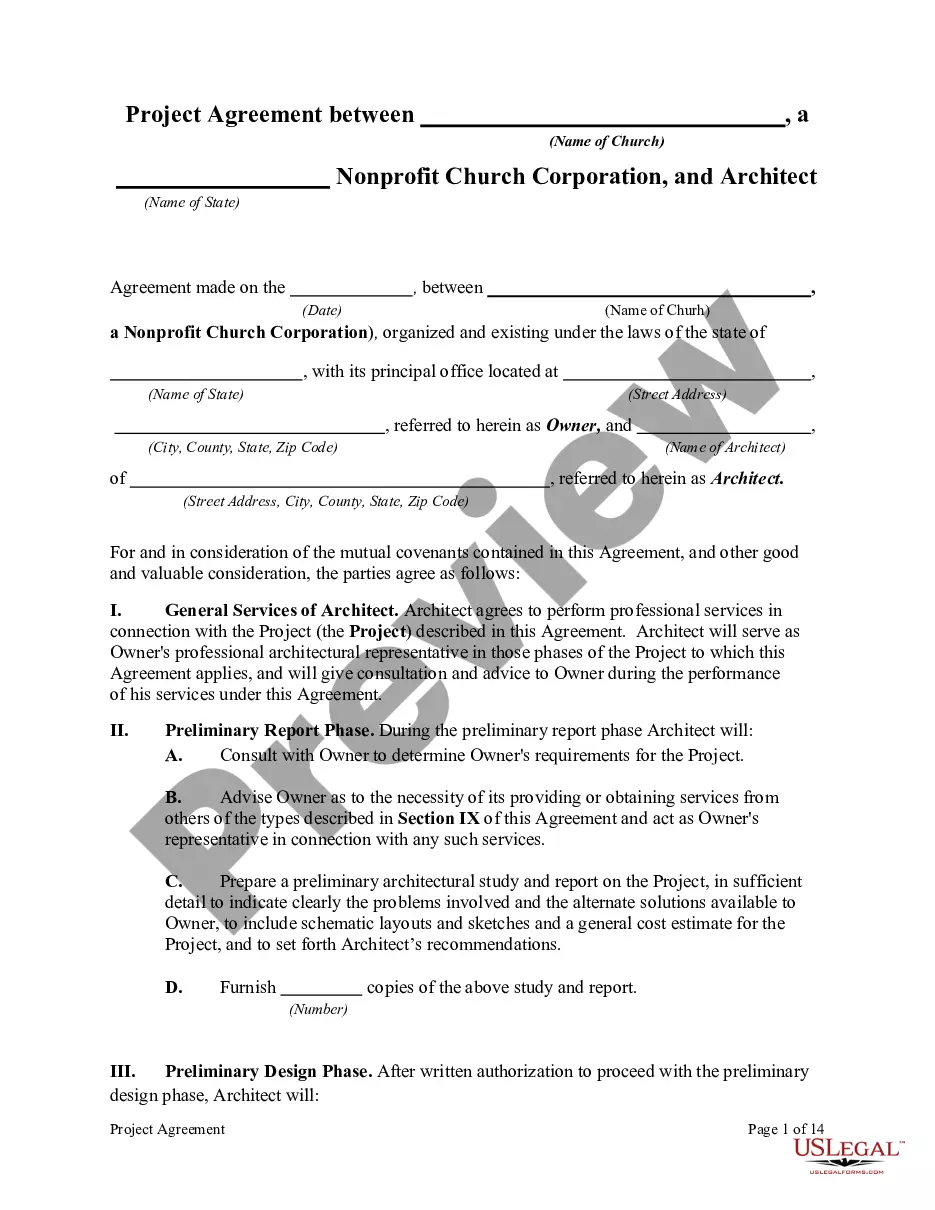
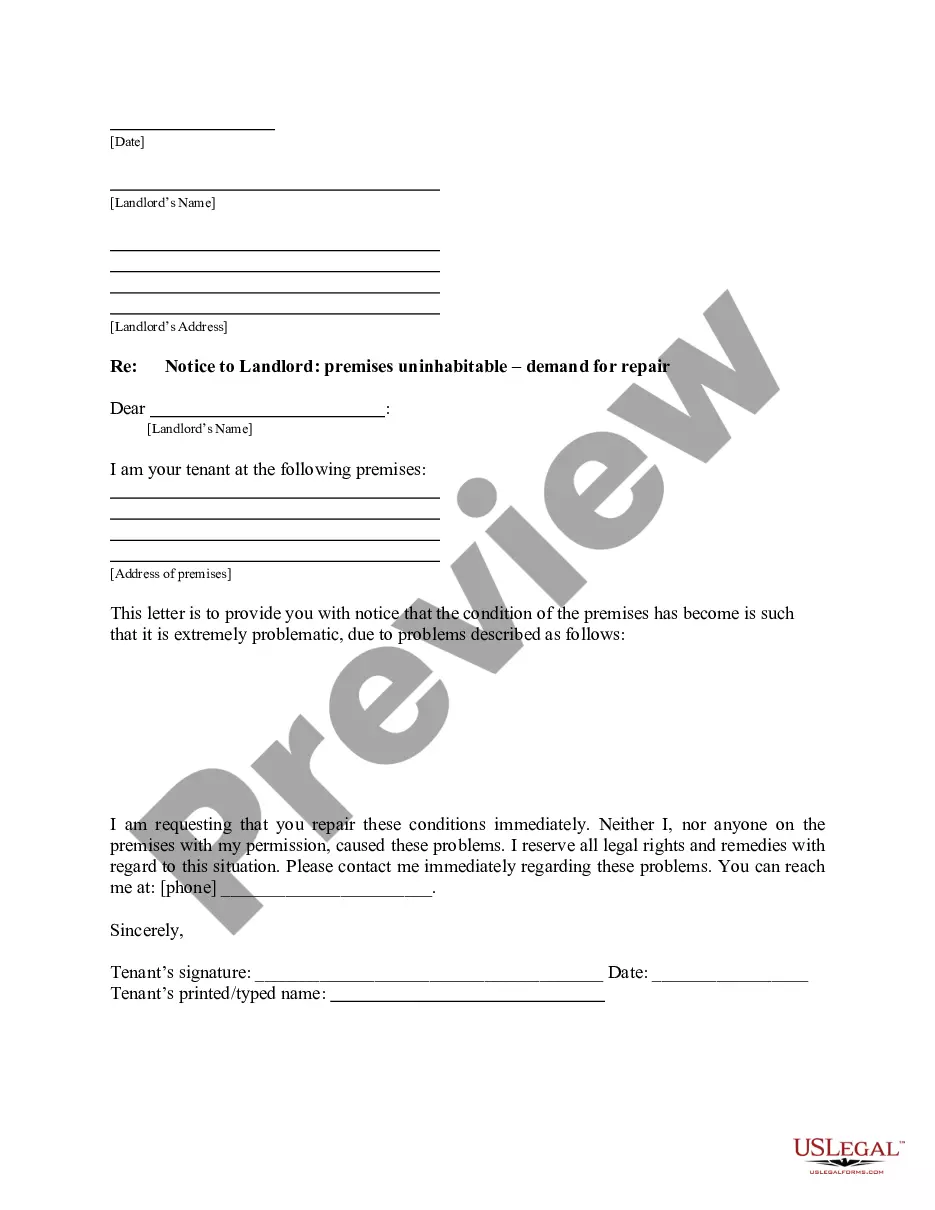
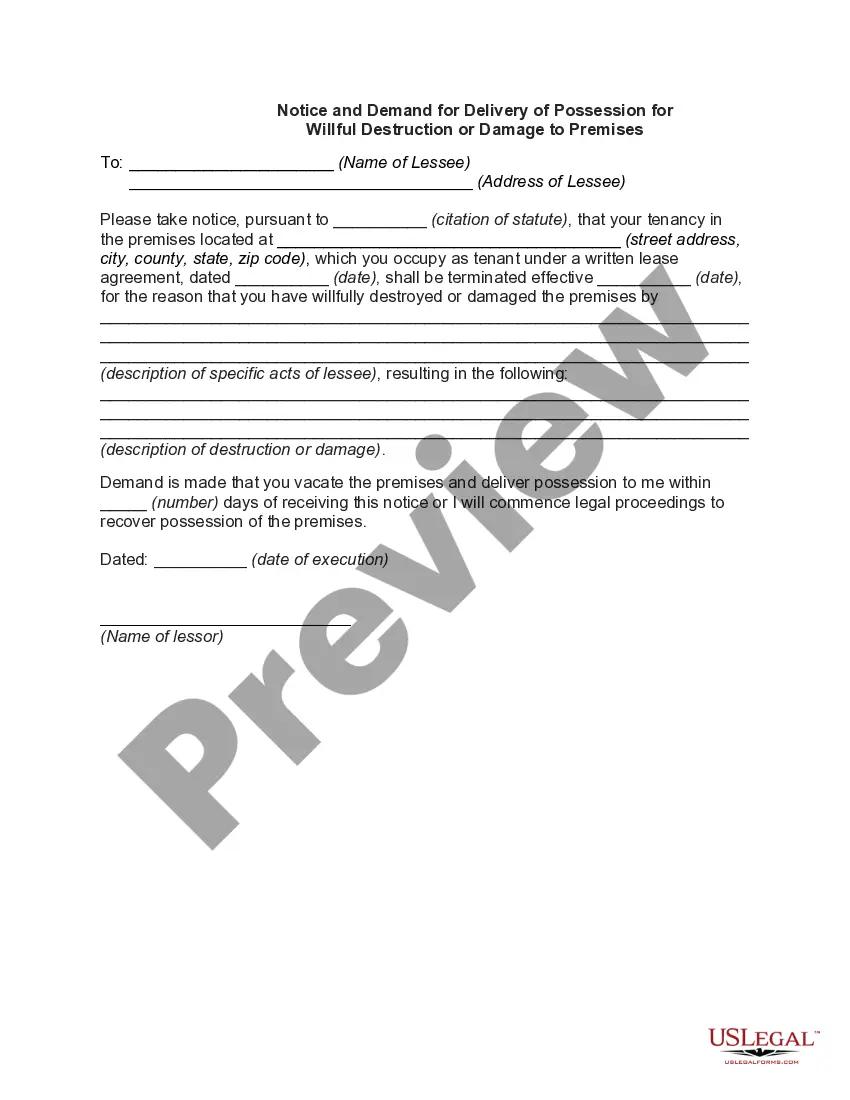
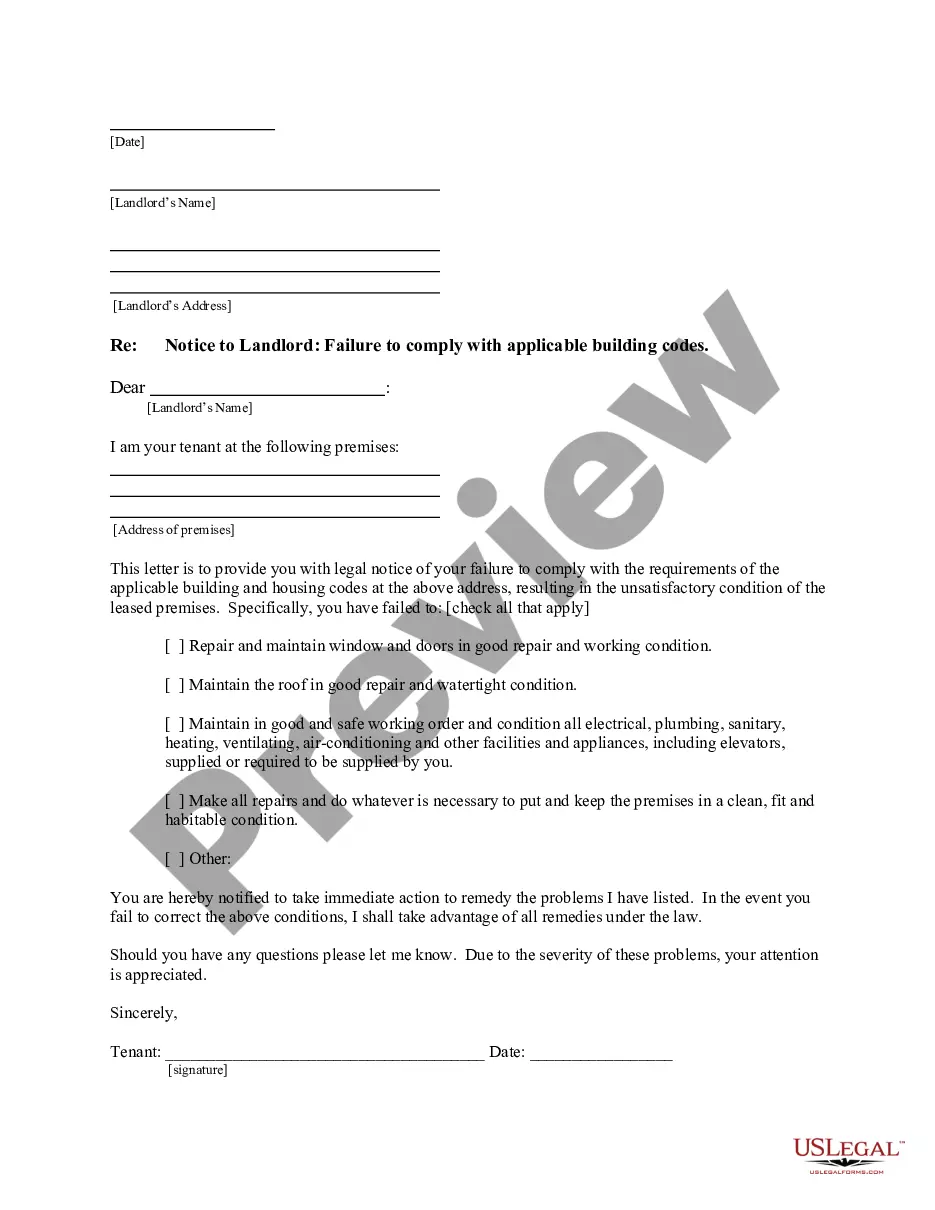
This form is a Letter from Tenant to Landlord containing Notice that premises are uninhabitable in violation of law and demand immediate repair. It is issued by a tenant to formally inform the landlord about unsafe or unsatisfactory conditions in their rental property. Unlike other tenant forms, this letter specifically emphasizes health or safety violations requiring urgent correction and may allow the tenant to take further action if the landlord fails to respond appropriately.
Key components of this form
- Tenant's signature and date: To validate the notice.
- Landlord's address: Ensures the notice reaches the correct person.
- Details of uninhabitable conditions: Clear description of issues needing repair.
- Demand for immediate repairs: Outlines what the tenant expects from the landlord.


When this form is needed
This form should be used when a tenant experiences serious issues that make their living conditions unsafe or unhealthy. Examples include lack of heating, water leaks, mold growth, or other violations that could harm the tenant's health or safety. The tenant uses this notice to formally request repairs and to protect their legal rights concerning the lease agreement.
Who should use this form
- Tenants facing unlivable conditions in their rented property.
- Individuals who have already verbally informed their landlord but require a documented notice.
- Renters seeking to enforce their rights under landlord-tenant laws.
Instructions for completing this form
- Identify the parties: Enter the tenant's name and the landlord's name and address.
- Describe the issues: Clearly list the specific problems making the property uninhabitable.
- Complete the demand: Specify the repairs that need to be made and the urgency of these repairs.
- Sign and date: The tenant should sign and date the letter to confirm its validity.
Notarization guidance
This form does not typically require notarization unless specified by local law. However, having a notarized document may add an extra layer of validation. If you are unsure, check local regulations for guidance.
Get your form ready online
Our built-in tools help you complete, sign, share, and store your documents in one place.
Make edits, fill in missing information, and update formatting in US Legal Forms—just like you would in MS Word.
Download a copy, print it, send it by email, or mail it via USPS—whatever works best for your next step.
Sign and collect signatures with our SignNow integration. Send to multiple recipients, set reminders, and more. Go Premium to unlock E-Sign.
If this form requires notarization, complete it online through a secure video call—no need to meet a notary in person or wait for an appointment.
We protect your documents and personal data by following strict security and privacy standards.

Make edits, fill in missing information, and update formatting in US Legal Forms—just like you would in MS Word.

Download a copy, print it, send it by email, or mail it via USPS—whatever works best for your next step.

Sign and collect signatures with our SignNow integration. Send to multiple recipients, set reminders, and more. Go Premium to unlock E-Sign.

If this form requires notarization, complete it online through a secure video call—no need to meet a notary in person or wait for an appointment.

We protect your documents and personal data by following strict security and privacy standards.
Common mistakes to avoid
- Failing to clearly describe the uninhabitable conditions.
- Not providing accurate landlord contact information.
- Neglecting to sign and date the letter.
Why complete this form online
- Convenient download and immediate access.
- Editability allows tenants to customize the letter as needed.
- Reliable templates drafted by licensed attorneys ensure legal compliance.
Legal use & context
- This form serves as formal notification to the landlord about necessary repairs.
- Should the landlord fail to act, it may support the tenant's case in legal proceedings.
- Understanding the specifics in your jurisdiction can enhance enforceability in court.
Summary of main points
- This form notifies landlords about serious living condition issues.
- Use it to formally demand necessary repairs for safety and health violations.
- Be aware of state-specific laws that govern landlord responsibilities.
Looking for another form?





Form popularity
FAQ
Uninhabitable conditions can include dangerous ones, such as holes in the floor, unsafe or exposed wiring, or non-working air conditioning in dangerously hot summer months. Gross infestations of roaches, fleas or other pests are also uninhabitable conditions.
: unfit for habitation : not inhabitable an uninhabitable wilderness.
When a home is condemned, the owner (and tenants, if any) are notified in writing that the building must be vacated. A sign is attached to the building stating that the dwelling is not fit for human habitation, and that it cannot be occupied.The owner of the building may be ordered to repair or demolish the building.
The legal definition of an unsanitary living condition can vary from state-to-state and even county-to-county. However, generally speaking, these definitions might include but are not limited to: excessive dirt or filth in the home. improper building construction or poor maintenance of living quarters.
In Virginia, property is generally presumed abandoned if it has remained unclaimed by the owner for more than five years after it became payable or distributable.
If the problem is an emergency, (such as no heat in winter, or no water), your landlord must fix it immediately. This means within hours, or at most a day or two. For other repairs, you should give a reasonable time, such as 10-15 days, to make the repairs needed.
A change in the condition of the property that makes it uninhabitable, unsurprisingly, throws a wrench into that arrangement. Without certain actions from the property owner, you the tenant could have legal grounds to withhold rent, end the lease, or even sue the property owner.
In California, habitability includes the following specific warranties: A dwelling also may be considered uninhabitable (unlivable) if it substantially lacks any of the following: Effective waterproofing and weather protection of roof and exterior walls, including unbroken windows and doors.