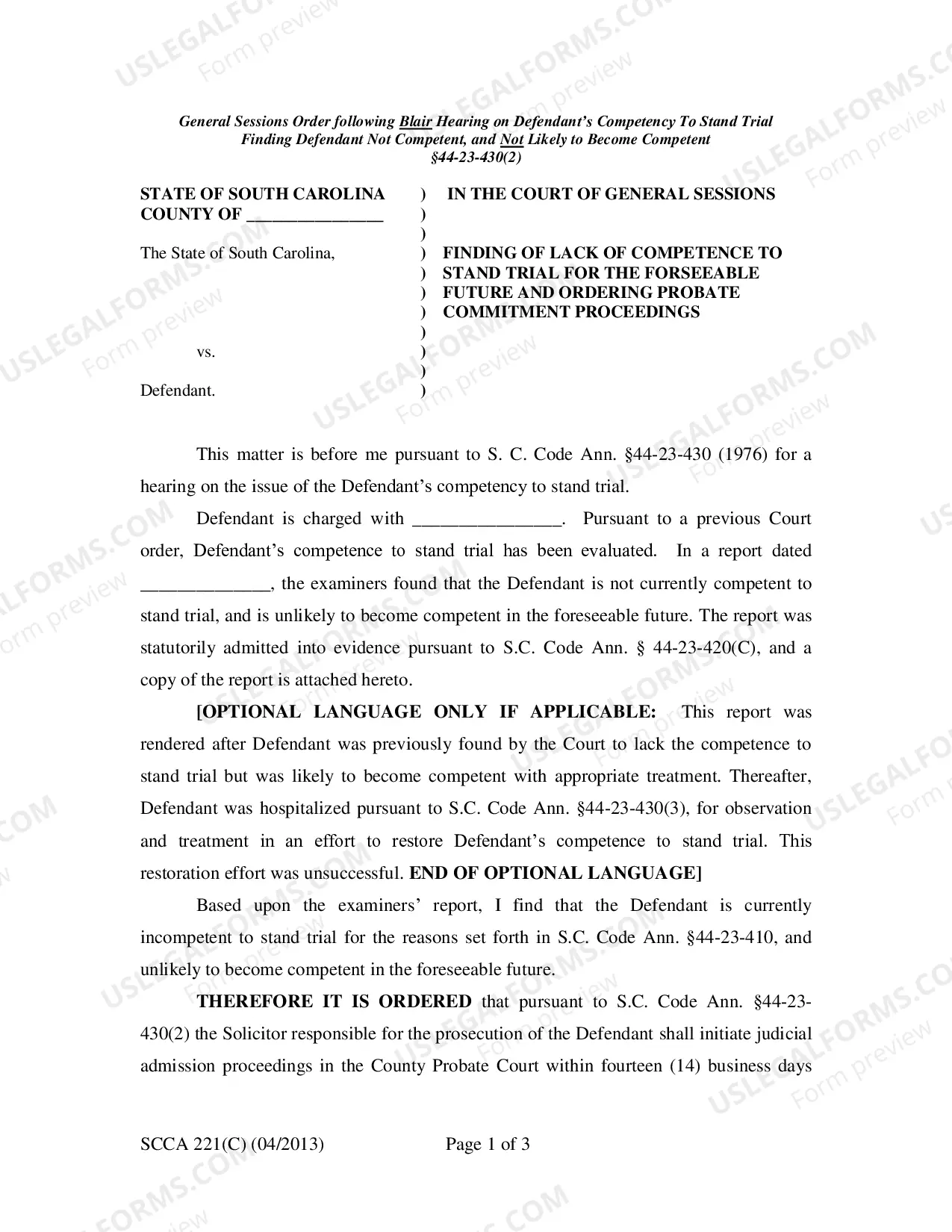
Waiver and Release From Liability For Minor Child for Rugby Club
Understanding this form
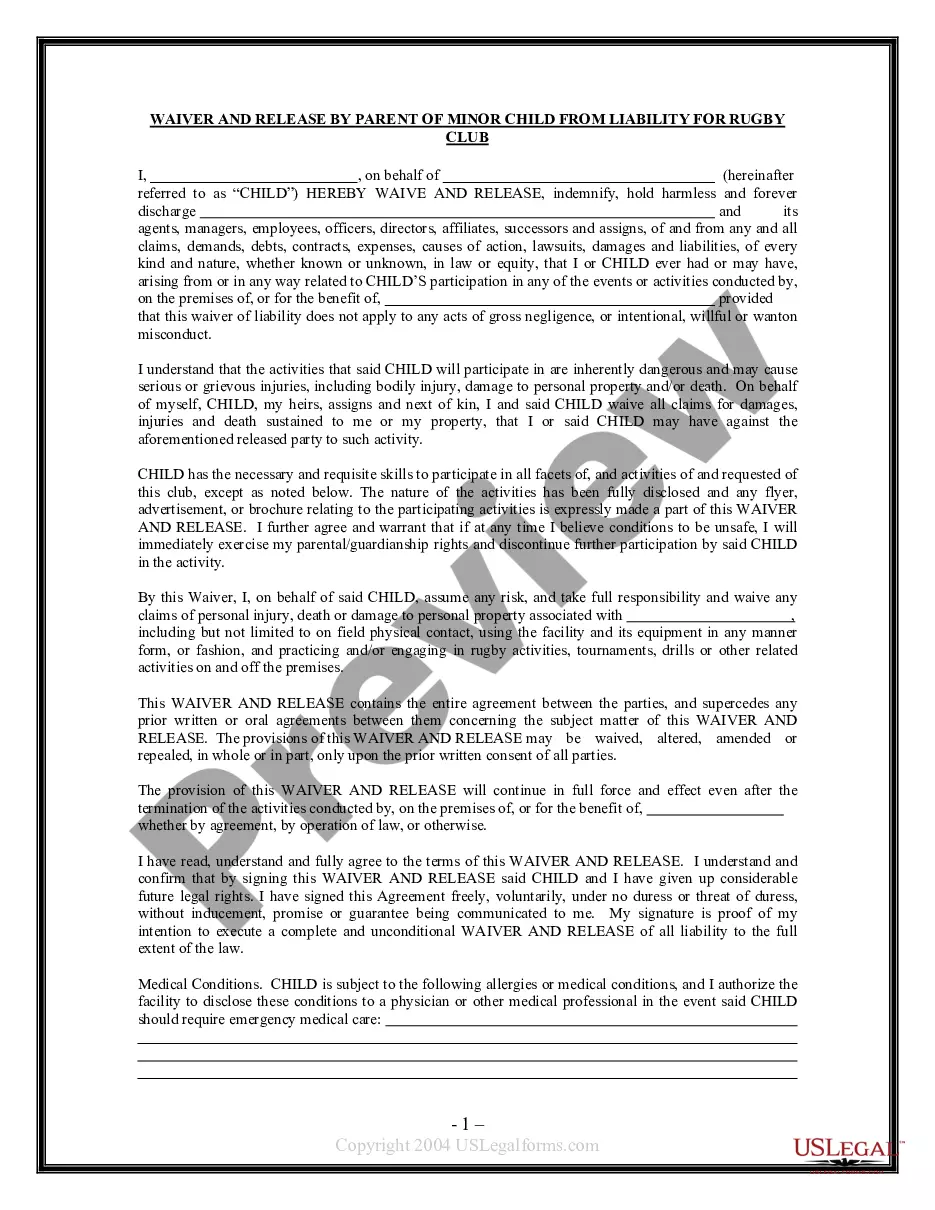
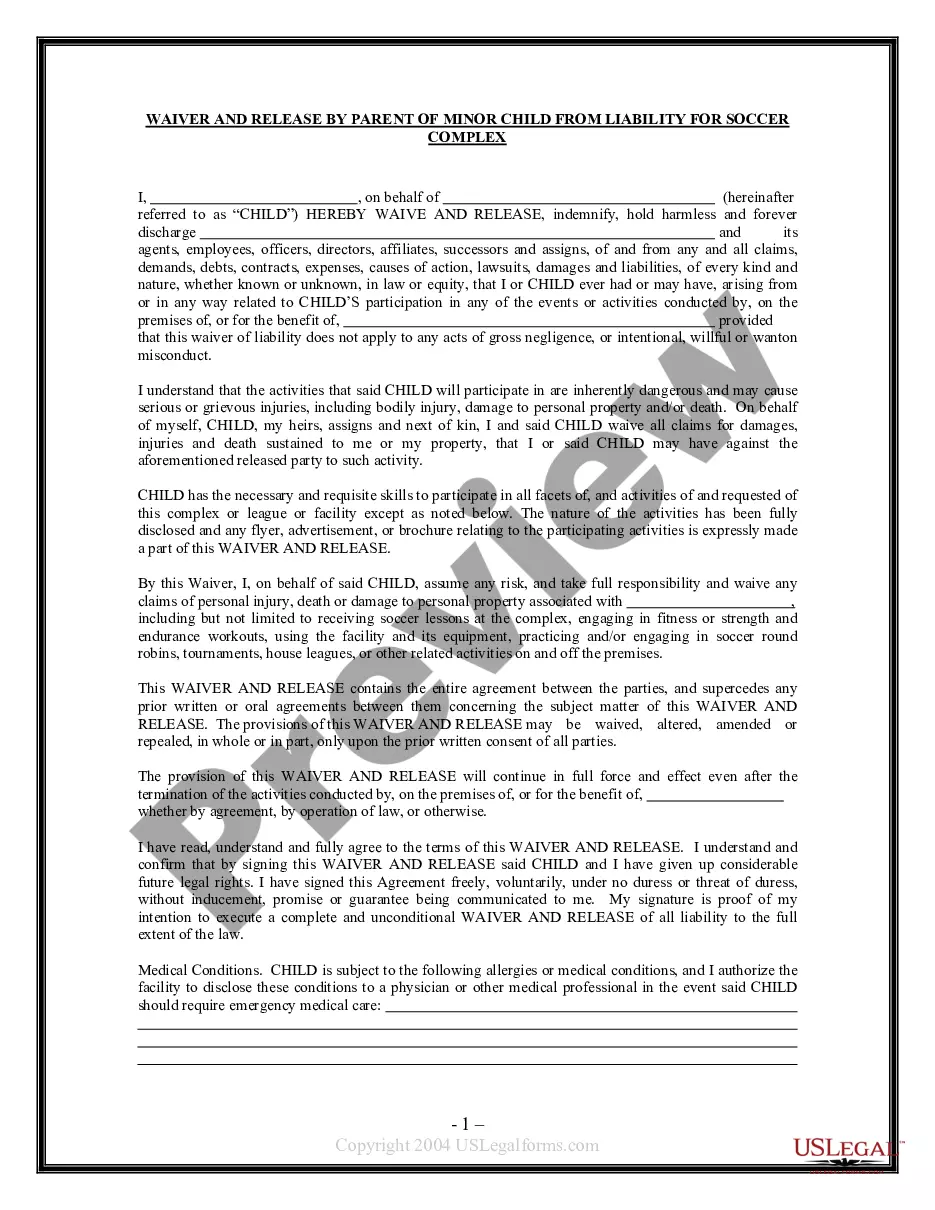
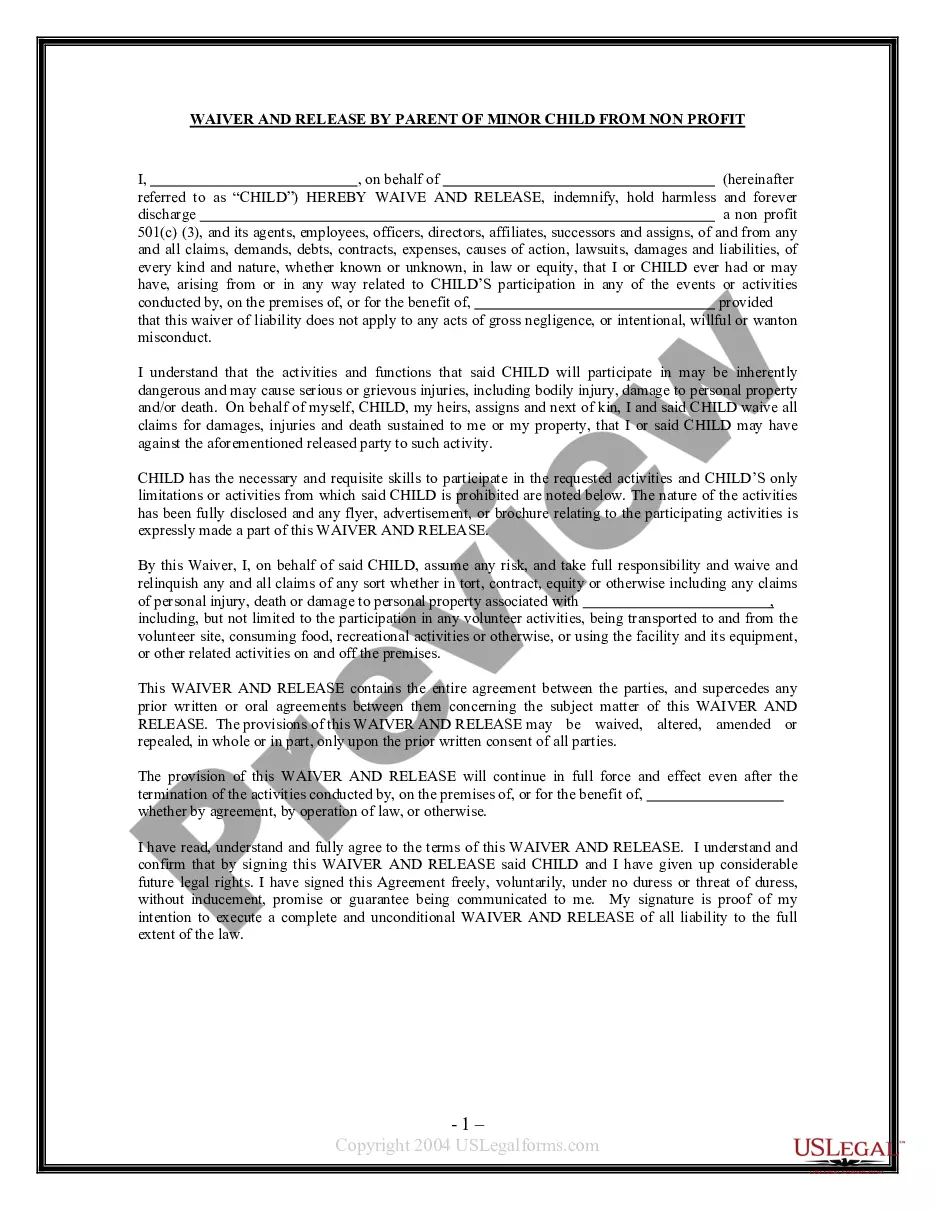
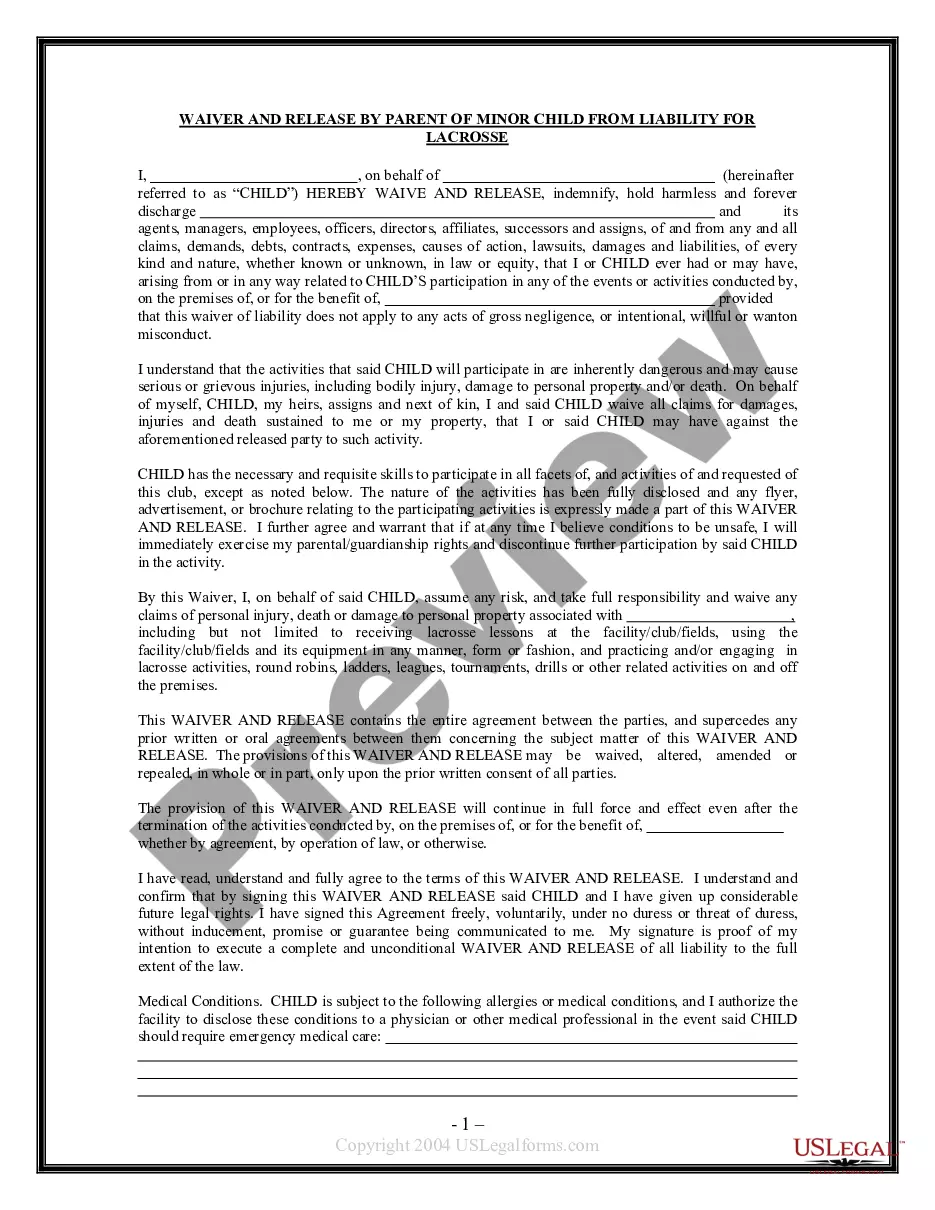
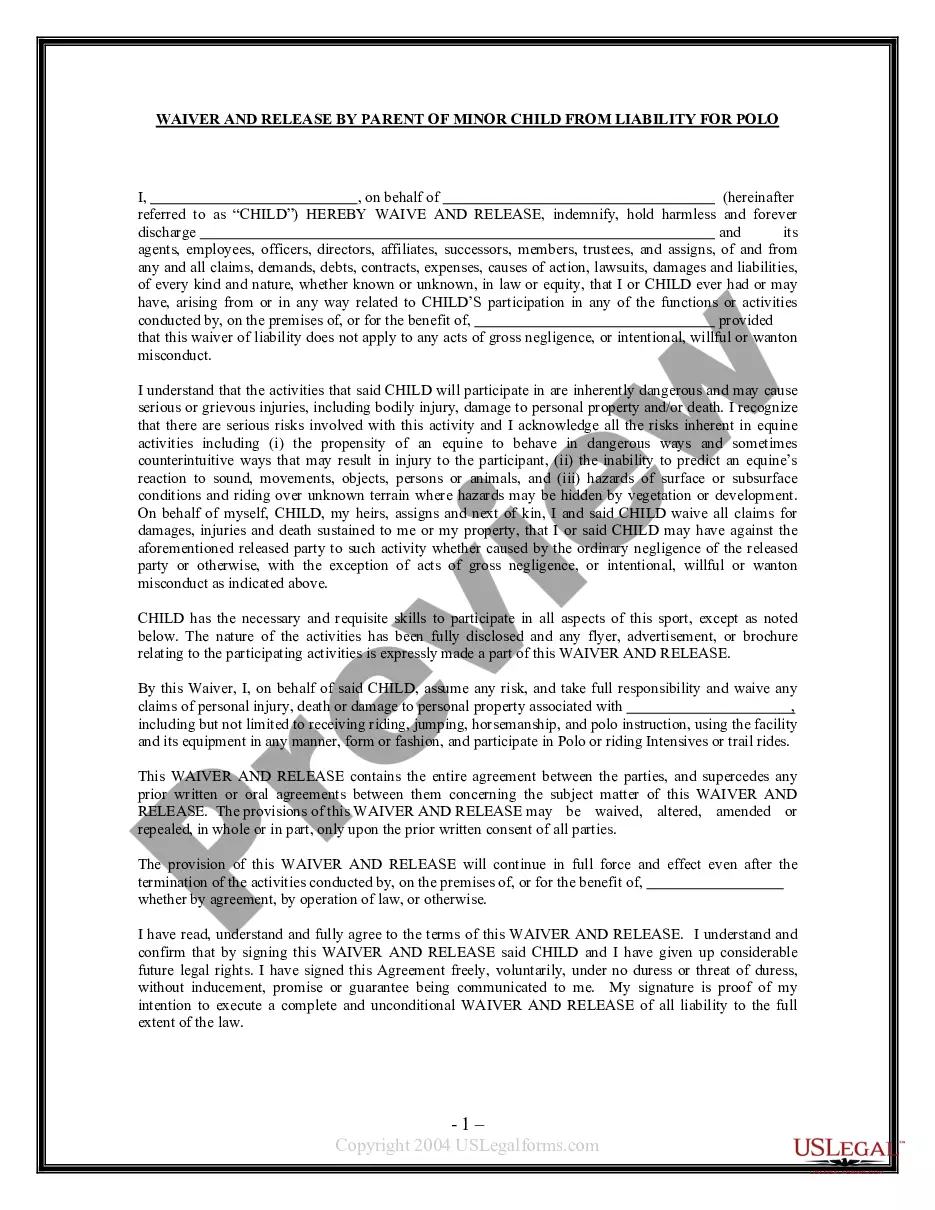
The Waiver and Release From Liability For Minor Child for Rugby Club is a legal document that allows a parent or guardian to release a rugby club from liability for any injuries that may occur to a minor child during activities at the facility. This form is essential for ensuring that the rugby club is not held responsible for injuries that result from the inherent risks associated with rugby activities, distinguishing it from other types of release forms that may not specifically address minors or sports-related activities.
What’s included in this form
- Identification of the minor child participating in rugby activities
- A clear acknowledgment of the inherent risks associated with rugby
- A waiver of claims for damages, injuries, or death
- Parental consent for participation in activities
- A clause regarding the ability to withdraw the minor from activities due to unsafe conditions
- A statement that this form supersedes any prior agreements
When to use this document
This waiver should be used when a parent or guardian wishes to enroll their minor child in a rugby club. It is essential before participation in any rugby-related activities, especially during practices, games, and events at the rugby facility. This form protects both the rugby club and the parent or guardian by clearly outlining the risks and acknowledging that the parent or guardian understands these risks.
Who needs this form
- Parents or guardians of minor children participating in rugby
- Rugby clubs requiring parental consent for minor participants
- Organizations or coaches managing youth rugby teams
How to complete this form
- Fill in the name of the minor child participating in the rugby club.
- Read and acknowledge the inherent risks associated with rugby by signing the form.
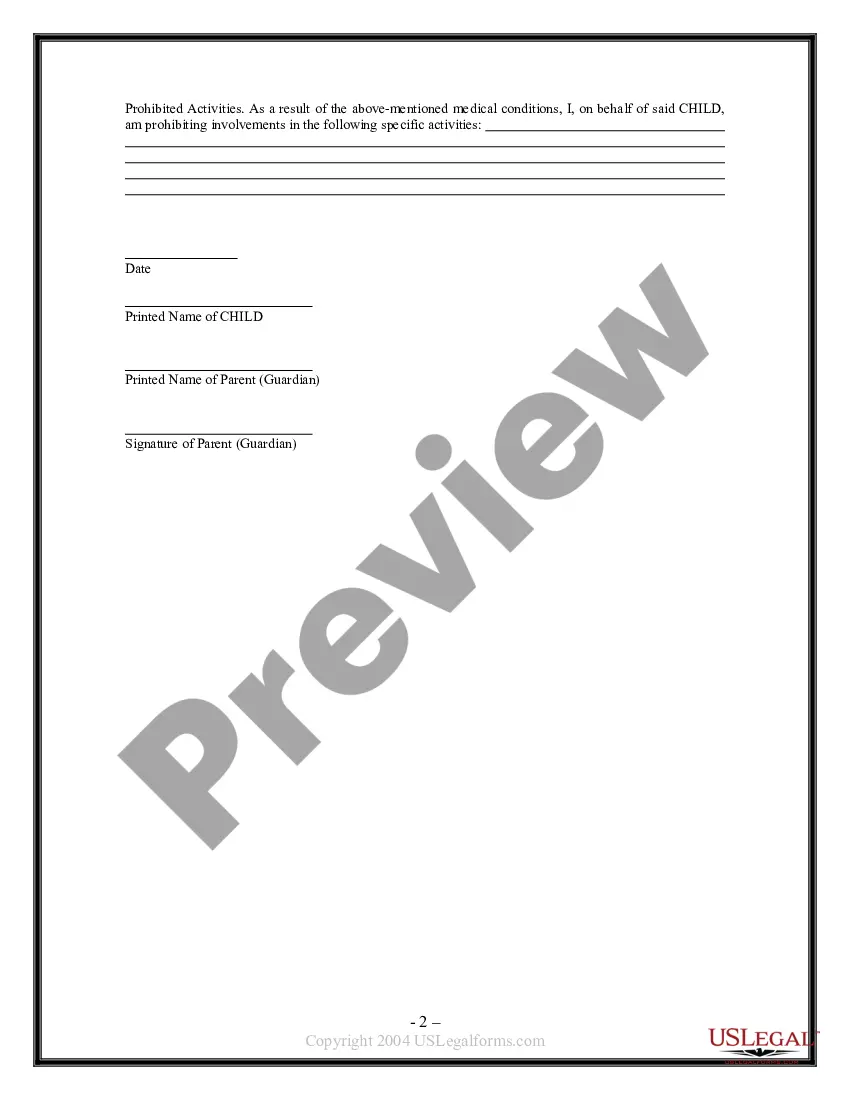
- Provide your name as the parent or guardian and sign the waiver.
- Specify any relevant medical considerations or restrictions for the child.
- Submit the completed form to the rugby club before participation.
Does this form need to be notarized?
This form does not typically require notarization unless specified by local law. However, having it notarized can provide an extra level of authenticity and assurance in case of disputes.
Get your form ready online
Our built-in tools help you complete, sign, share, and store your documents in one place.
Make edits, fill in missing information, and update formatting in US Legal Forms—just like you would in MS Word.
Download a copy, print it, send it by email, or mail it via USPS—whatever works best for your next step.
Sign and collect signatures with our SignNow integration. Send to multiple recipients, set reminders, and more. Go Premium to unlock E-Sign.
If this form requires notarization, complete it online through a secure video call—no need to meet a notary in person or wait for an appointment.
We protect your documents and personal data by following strict security and privacy standards.

Make edits, fill in missing information, and update formatting in US Legal Forms—just like you would in MS Word.

Download a copy, print it, send it by email, or mail it via USPS—whatever works best for your next step.

Sign and collect signatures with our SignNow integration. Send to multiple recipients, set reminders, and more. Go Premium to unlock E-Sign.

If this form requires notarization, complete it online through a secure video call—no need to meet a notary in person or wait for an appointment.

We protect your documents and personal data by following strict security and privacy standards.
Common mistakes
- Failing to sign and date the form, making it invalid.
- Not providing complete medical information or restrictions affecting the child's participation.
- Assuming verbal consent is sufficient; always submit a written waiver.
Why use this form online
- Easy access to a professionally drafted legal document.
- Ability to fill out and edit the form at your convenience.
- Quick download, allowing you to complete and submit the form immediately.
Summary of main points
- The waiver allows parents to protect rugby clubs against liability for injuries to their minor children.
- Completing the form is essential for legally safeguarding both parties involved.
- Always review the form for state-specific requirements before use.
- Ensure proper completion and storage of the signed waiver for future reference.
Looking for another form?


Form popularity
FAQ
The minor's name should be printed after their parent or guardian's signature followed by the word minor. For example, if the parent or guardian's name is John Doe and the minor's name is Jane Doe, an acceptable signature would read: John Doe for Jane Doe (minor).
A liability waiver, or release waiver, is a legal document that a company or organization requires members of the public to sign in order to protect their organization from being sued if you sustain an injury.Depending on the facts of your case, you may still be able to file a lawsuit and recover damages.
A liability waiver, or release of liability, is a legal document that a company or organization has you sign in order to protect them from being sued in the event that you are injured.
Minor Waiver. RELEASE OF LIABILITY, WAIVER OF CLAIMS, ASSUMPTION OF RISKS AND INDEMNTIY AGREEMENT BY SIGNING THIS DOCUMENT YOU WILL WAIVE CERTAIN LEGAL RIGHTS, INCLUDING THE RIGHT TO SUE.
In California, a liability waiver must be clear, unambiguous, and explicit. In other words, waivers cannot be printed in faded ink, in small font, on the back of a paper, or in an otherwise ambiguous form. If the waiver that you sign is not represented clearly, it may not hold up in the event of a lawsuit.
Waiver of Parental permission is permitted under 45 CFR 46.408(c) when it is not a reasonable requirement to protect subjects. This waiver is usually but not always limited to minimal risk research, such as surveys, interviews or focus groups.
Liability Waivers for Minors Since minors lack the legal capacity to sign contracts, liability waivers commonly require a parent/guardian signature on the minor's behalf. However, at law, while contracts can be enforceable by a minor, they are not enforceable against a minor (J.