Written Consent of Directors
Overview of this form
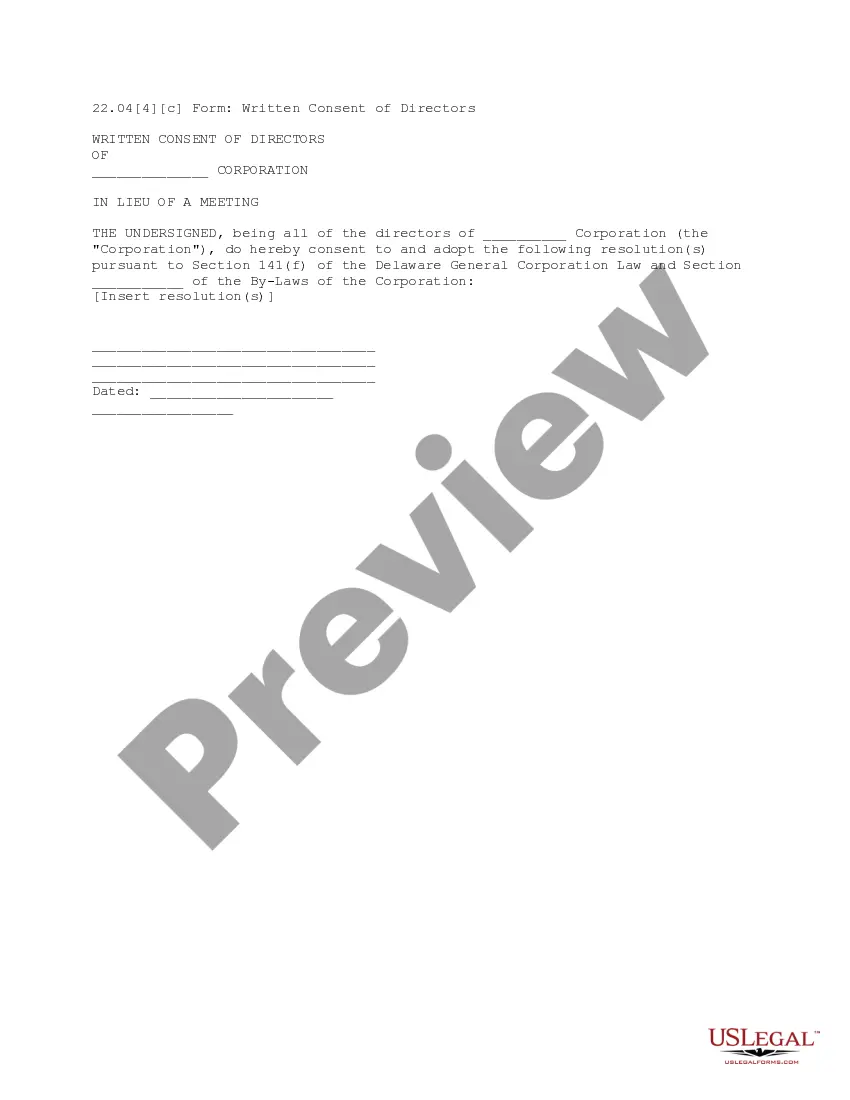
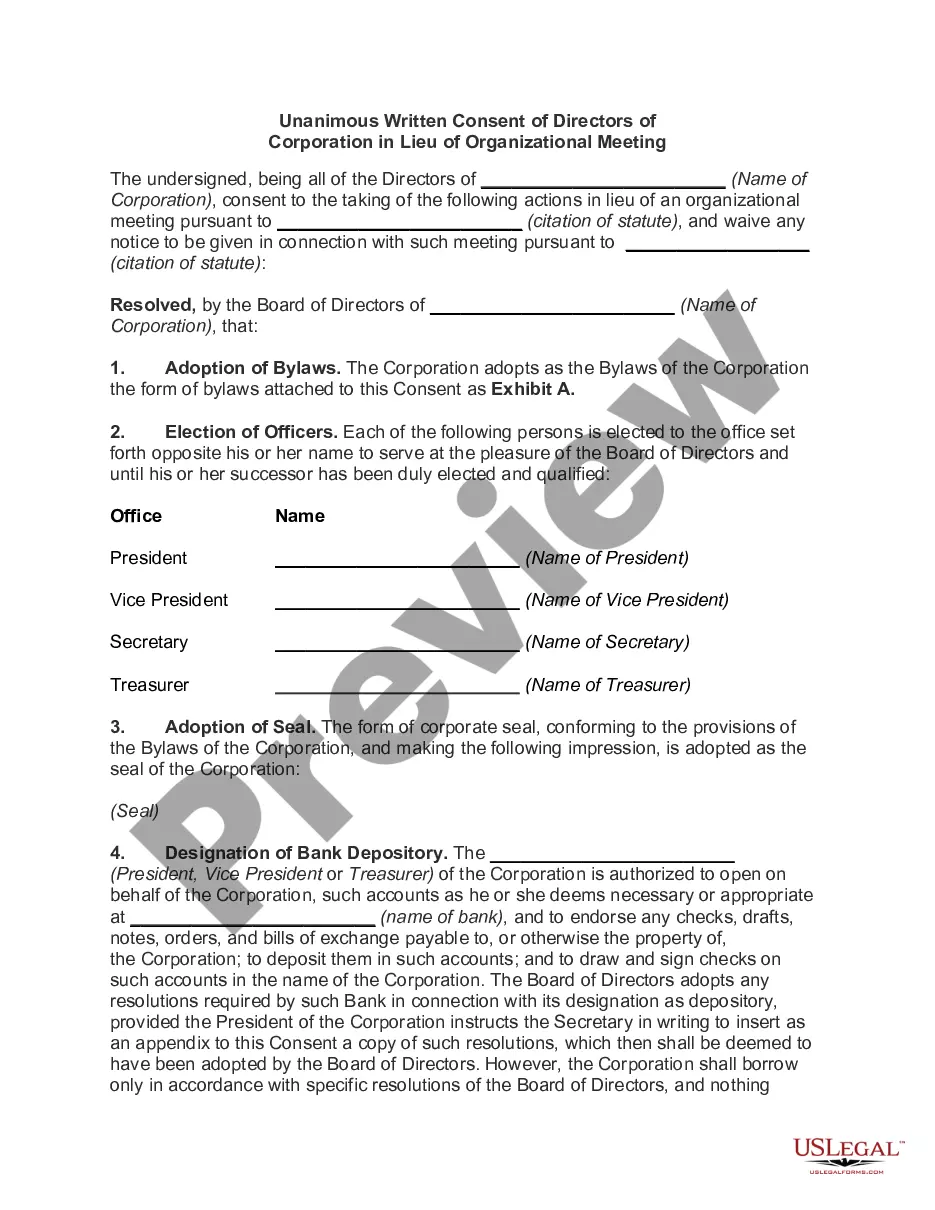
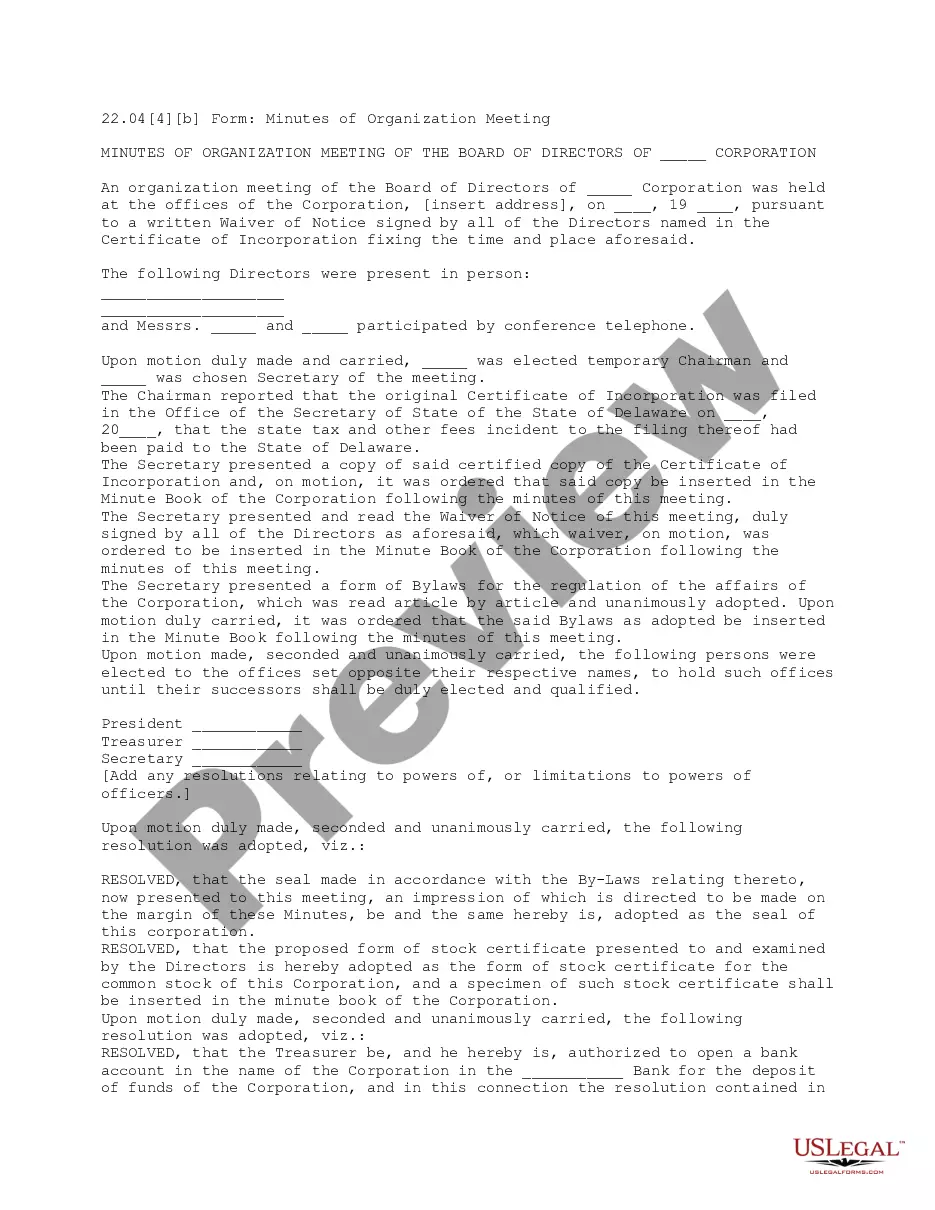
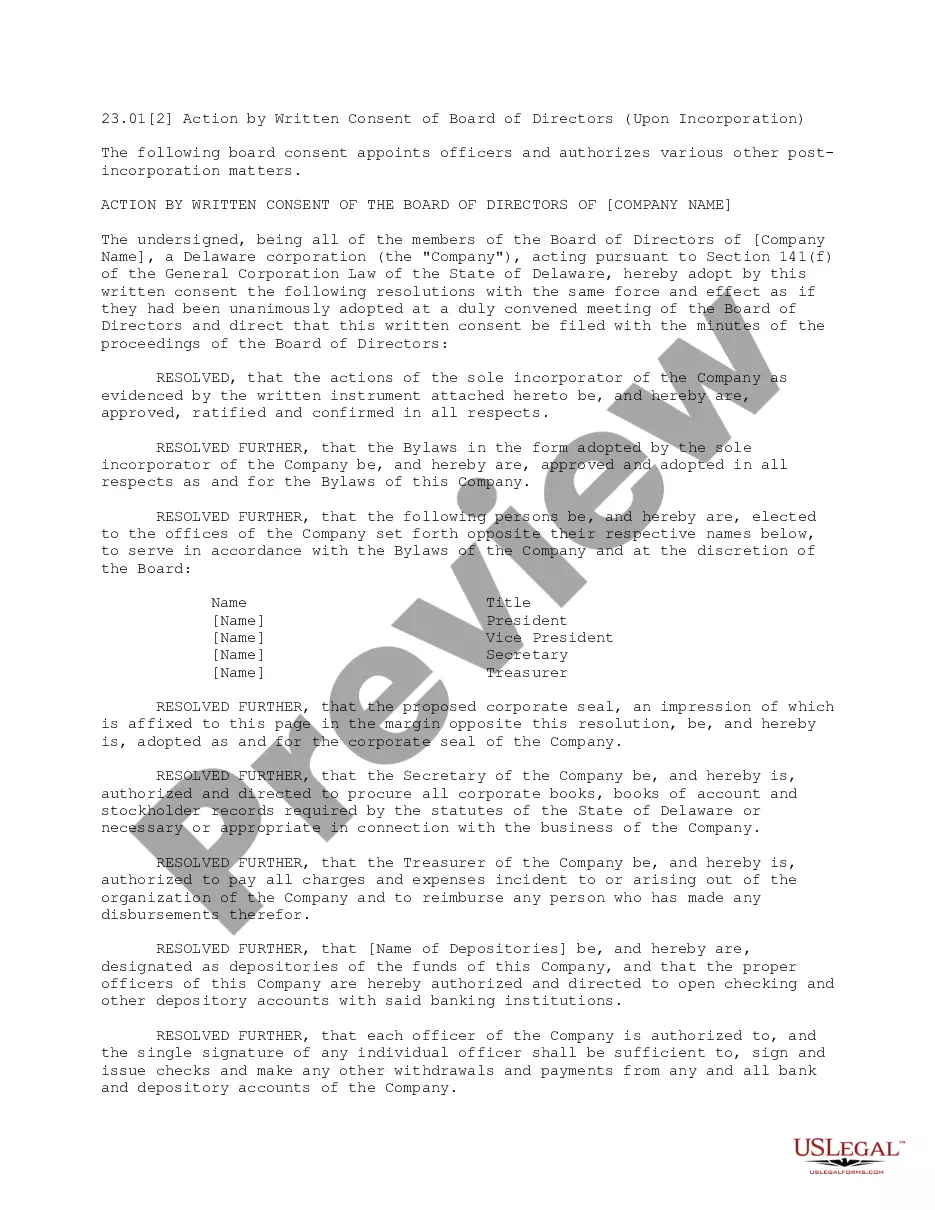
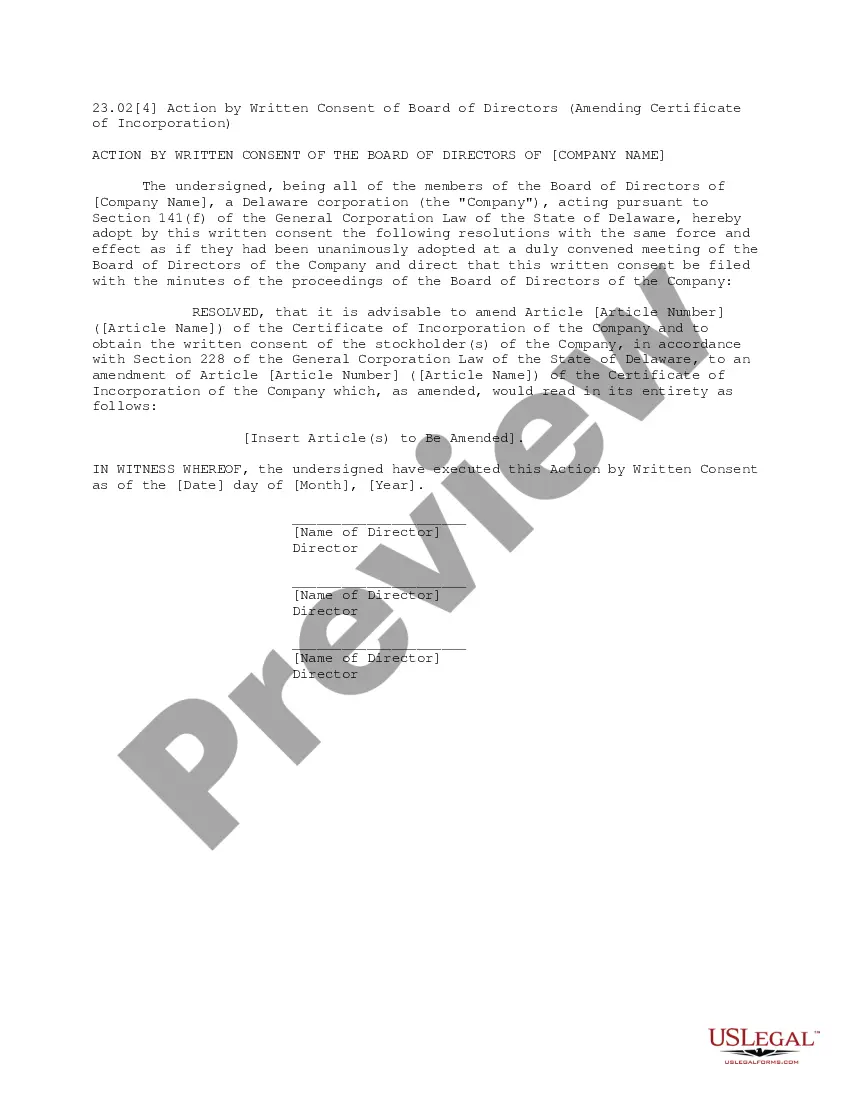
The Written Consent of Directors is a formal document used in corporate governance. It allows all directors of a corporation to consent to a decision without holding a physical meeting. This form is particularly useful in streamlining corporate decision-making processes while ensuring that all directors are in agreement. Unlike traditional meeting minutes, which require gathering everyone, this consent form simplifies the process by allowing decisions to be made in writing.
Form components explained
- Title indicating the nature of the document
- Name of the corporation for which the consent is being executed
- Space to insert specific resolutions or decisions made by the directors
- Signature lines for all directors of the corporation
- Date the consent is executed

When to use this form
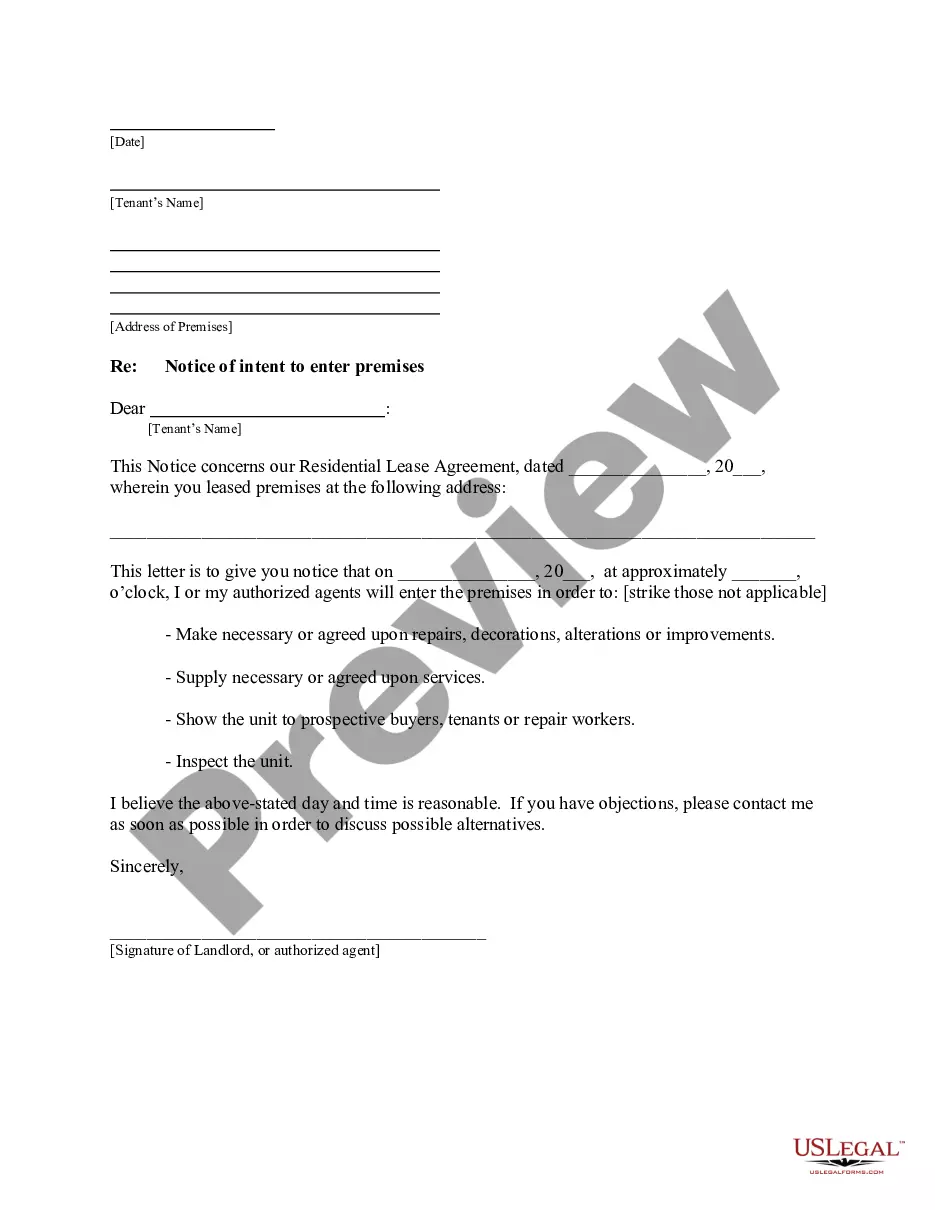
This form should be used when the directors of a corporation need to make decisions on corporate matters without convening a formal meeting. Scenarios may include approving financial reports, corporate policies, or other important actions that require a collective agreement among directors.
Who can use this document
- Corporate directors of a business entity
- Legal representatives acting on behalf of the corporation
- Organizations looking for a streamlined way to obtain director approvals
Steps to complete this form
- Enter the name of the corporation at the top of the document.
- Insert the specific resolutions that the directors are approving.
- Have all directors sign the document, confirming their consent.
- Fill in the date the consent is being executed.
- Keep a copy of the signed document for corporate records.
Does this document require notarization?
In most cases, this form does not require notarization. However, some jurisdictions or signing circumstances might. US Legal Forms offers online notarization powered by Notarize, accessible 24/7 for a quick, remote process.
Get your form ready online
Our built-in tools help you complete, sign, share, and store your documents in one place.
Make edits, fill in missing information, and update formatting in US Legal Forms—just like you would in MS Word.
Download a copy, print it, send it by email, or mail it via USPS—whatever works best for your next step.
Sign and collect signatures with our SignNow integration. Send to multiple recipients, set reminders, and more. Go Premium to unlock E-Sign.
If this form requires notarization, complete it online through a secure video call—no need to meet a notary in person or wait for an appointment.
We protect your documents and personal data by following strict security and privacy standards.

Make edits, fill in missing information, and update formatting in US Legal Forms—just like you would in MS Word.

Download a copy, print it, send it by email, or mail it via USPS—whatever works best for your next step.

Sign and collect signatures with our SignNow integration. Send to multiple recipients, set reminders, and more. Go Premium to unlock E-Sign.

If this form requires notarization, complete it online through a secure video call—no need to meet a notary in person or wait for an appointment.

We protect your documents and personal data by following strict security and privacy standards.
Mistakes to watch out for
- Failing to have all directors sign the document.
- Not specifying the resolutions clearly.
- Using outdated versions of the form that may not comply with current laws.
Advantages of online completion
- Convenience of immediate access and download.
- Editable format that allows customization for specific needs.
- Reliability of using attorney-drafted templates for legal compliance.
Key takeaways
- The Written Consent of Directors allows decision-making without a physical meeting.
- Ensure all directors sign to validate the consent.
- Confirm any state-specific legal requirements before use.
Looking for another form?
Form popularity
FAQ
The Unanimous in Unanimous Written Consent reflects the fact that board of director consents typically must be approved by all board members. See, e.g., California Corporations Code Section 307(b) and Delaware General Corporation Law Section 141(f).
Written Consents are internal documents that are often used by directors in a corporation, or members or managers in a limited liability company (LLC), to grant consent to a decision or action, in writing.A written consent typically takes the place of meeting minutes in order to record a final decision.
Board actions may include: Fine or civil penalty. Referral to an alternative to discipline program for practice monitoring and recovery support (drug or alcohol dependent nurses, or in some other mental or physical conditions)
A consent agenda (Roberts Rules of Order calls it a consent calendar) allows the board to approve all these items together without discussion or individual motions.
Board Consent refers to the approval of a startup's board of directors. The Board Consent can take written form or can be effected at a meeting of the Board of Directors. Board Consent is needed to approve certain startup transactions, such as option grants.
Topics of a routine/recurring nature. Procedural decisions. Non-controversial issues that do not require debate or deliberation. Items previously discussed for which the team has come to a consensus, but that still need an official vote.
If the company is publicly traded, members of the board of directors are elected by shareholders, which often includes the company's founder, if the business is still in an early stage. board members can often be nominated for the position by an existing board member.
While members of the board of directors are elected by shareholders, which individuals are nominated is decided by a nomination committee.Ideally, directors' terms are staggered to ensure only a few directors are elected in a given year. Removal of a member by resolution in a general meeting can present challenges.
Shareholder action by written consent refers to corporate shareholders' right to act by written consent instead of a meeting. This type of consent avoids some of the negative characteristics of shareholder meetings.Shareholder action by written consent is also known as: Shareholders' Consent to Action Without Meeting.