USLegal Pamphlet on Do Not Intubate - DNI
Overview of this form
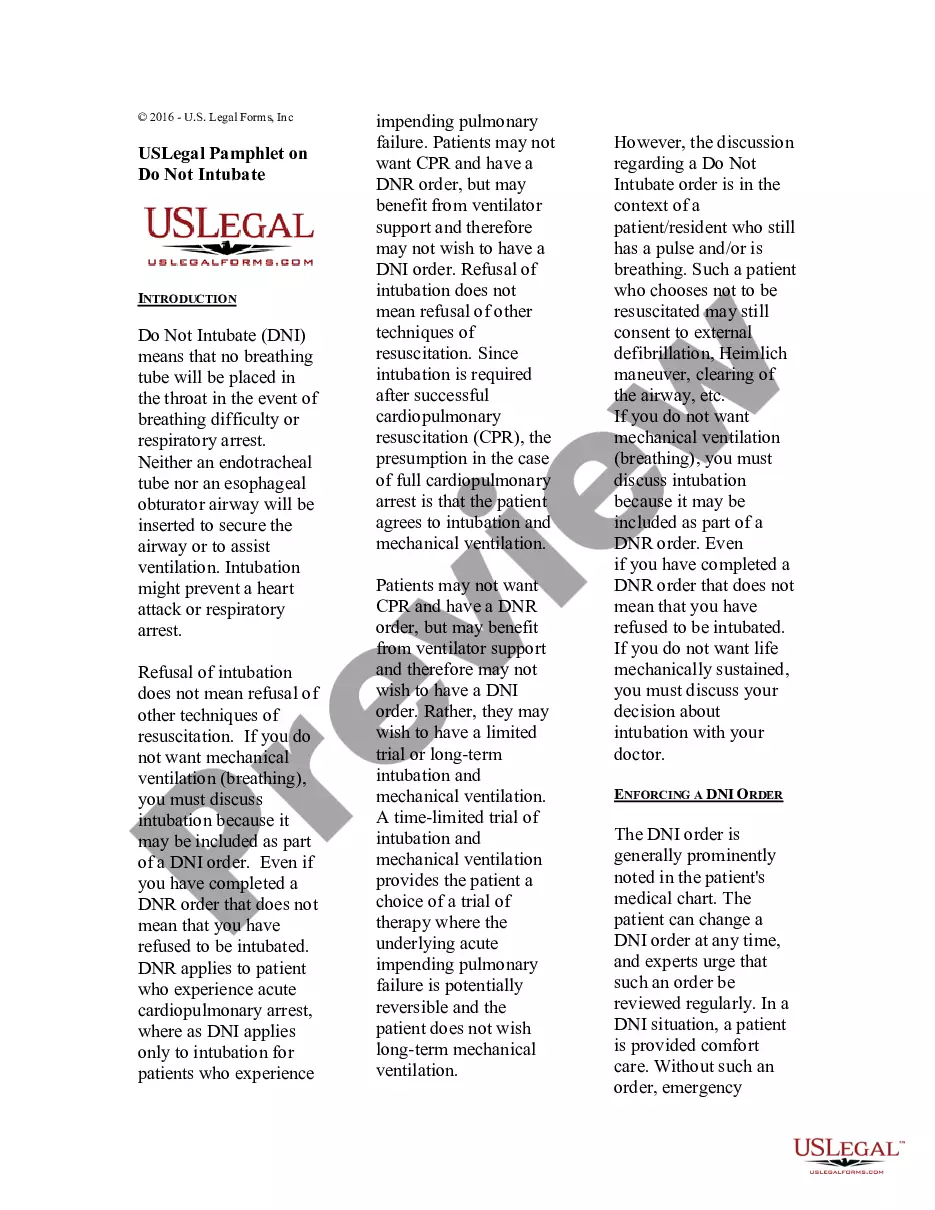
The USLegal Pamphlet on Do Not Intubate (DNI) provides essential information regarding the DNI order, which specifies that a patient does not wish to have a breathing tube inserted in the case of respiratory distress. This pamphlet contrasts DNI orders with Do Not Resuscitate (DNR) orders, clarifying key distinctions to assist patients in making informed decisions regarding their medical care.
Main sections of this form
- Definition and purpose of a Do Not Intubate (DNI) order
- Comparison of DNI and DNR orders
- Implications of refusing intubation and mechanical ventilation
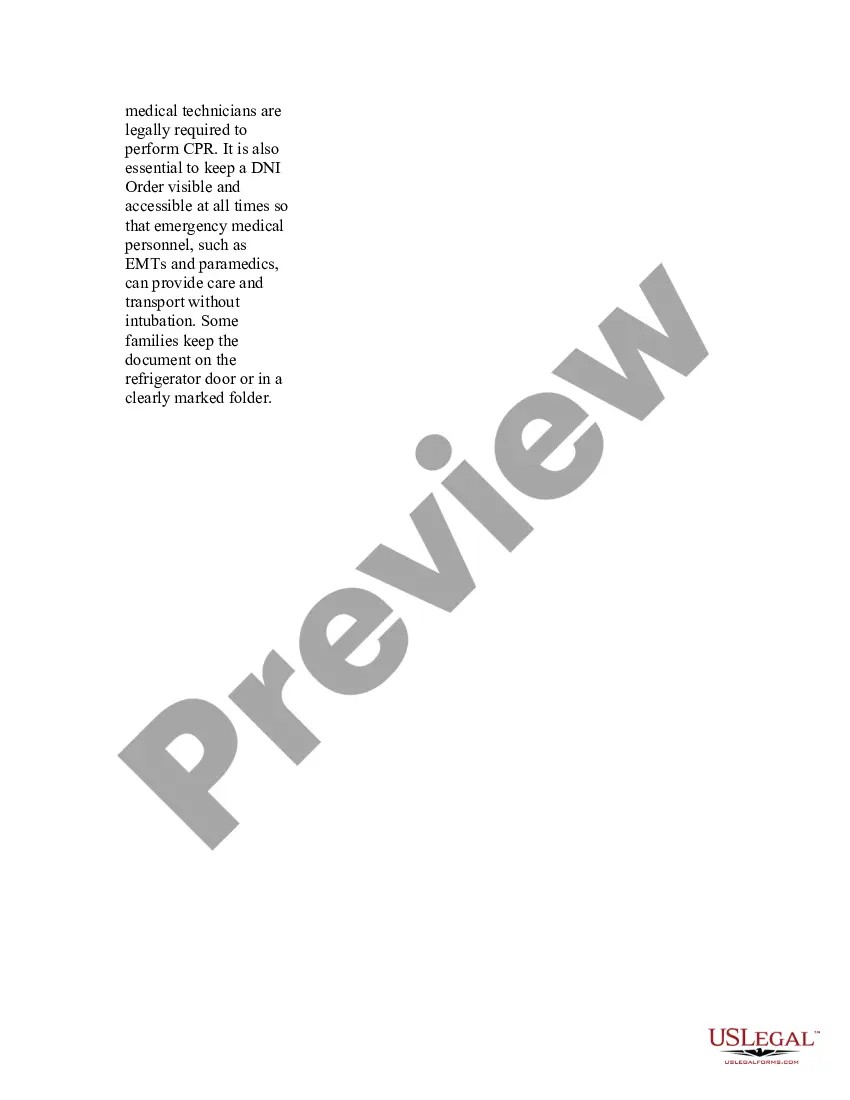
- Guidelines for enforcing a DNI order in medical settings
- Advice on how to communicate your wish regarding intubation with healthcare providers
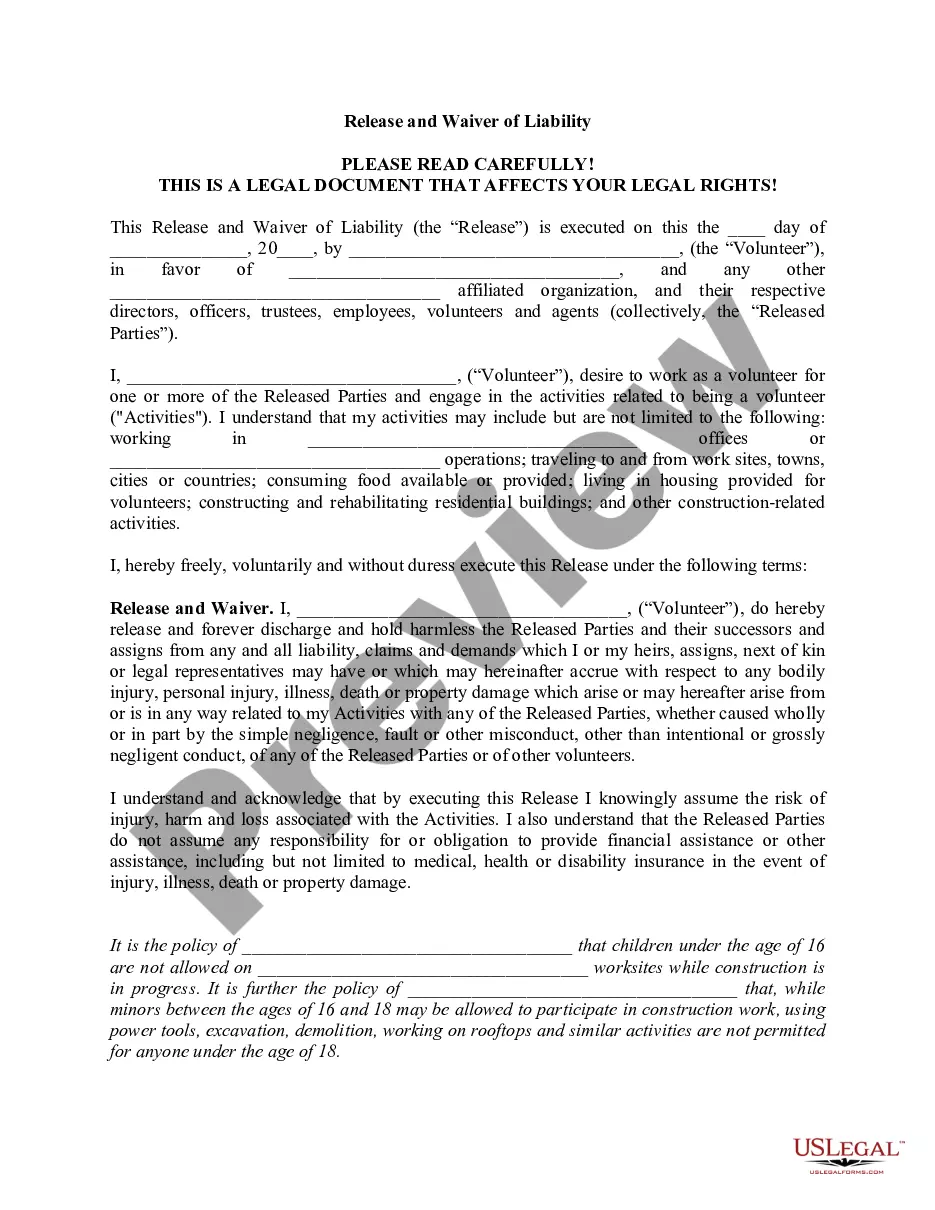
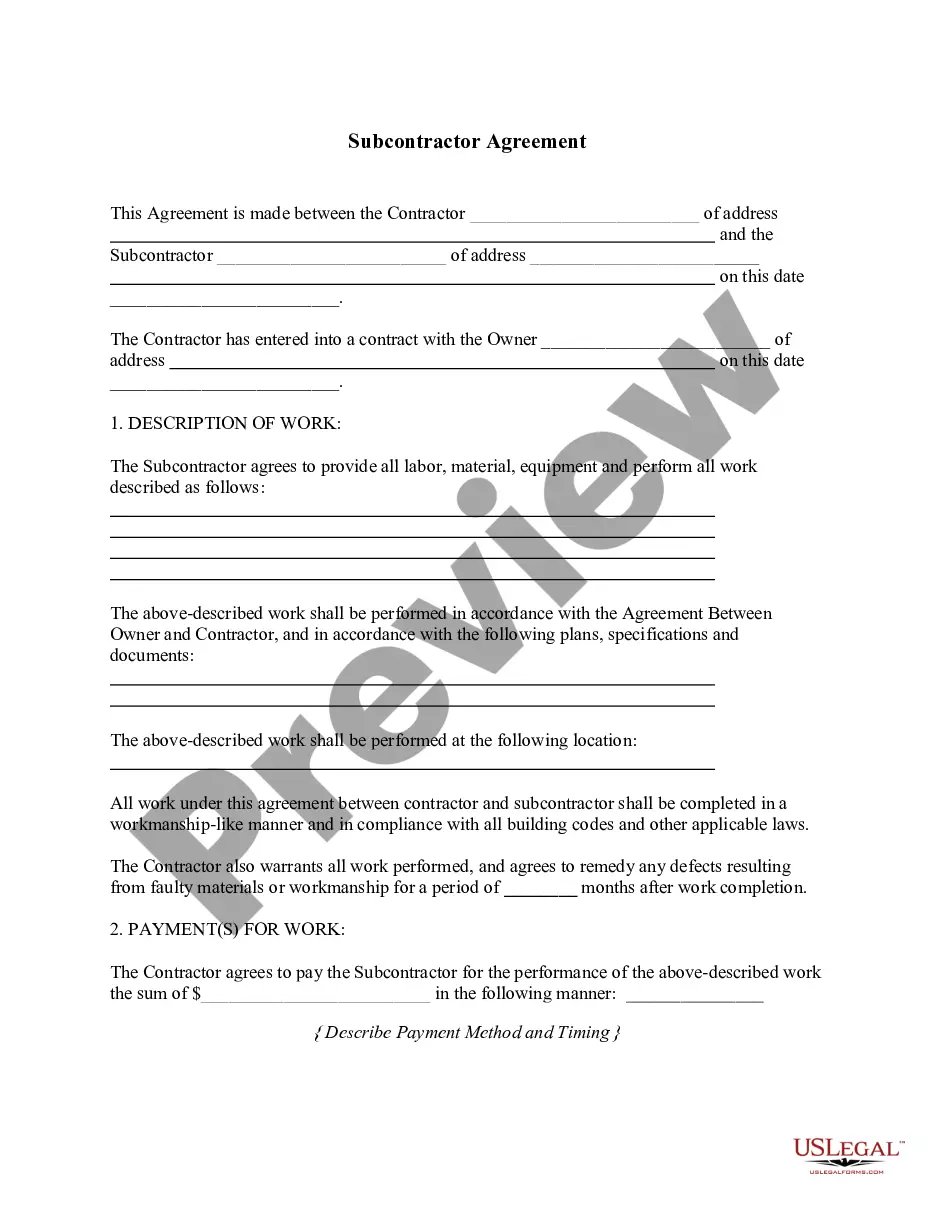
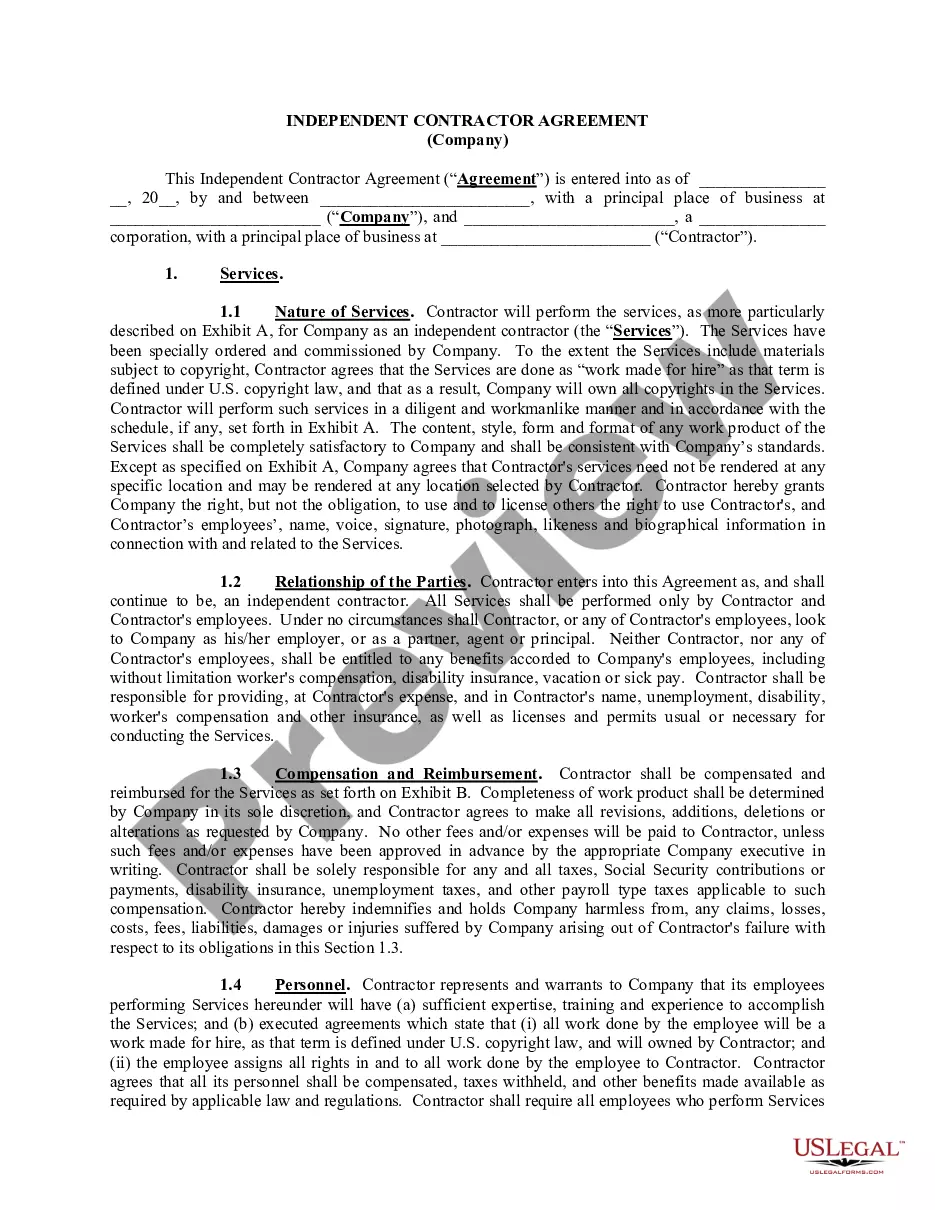
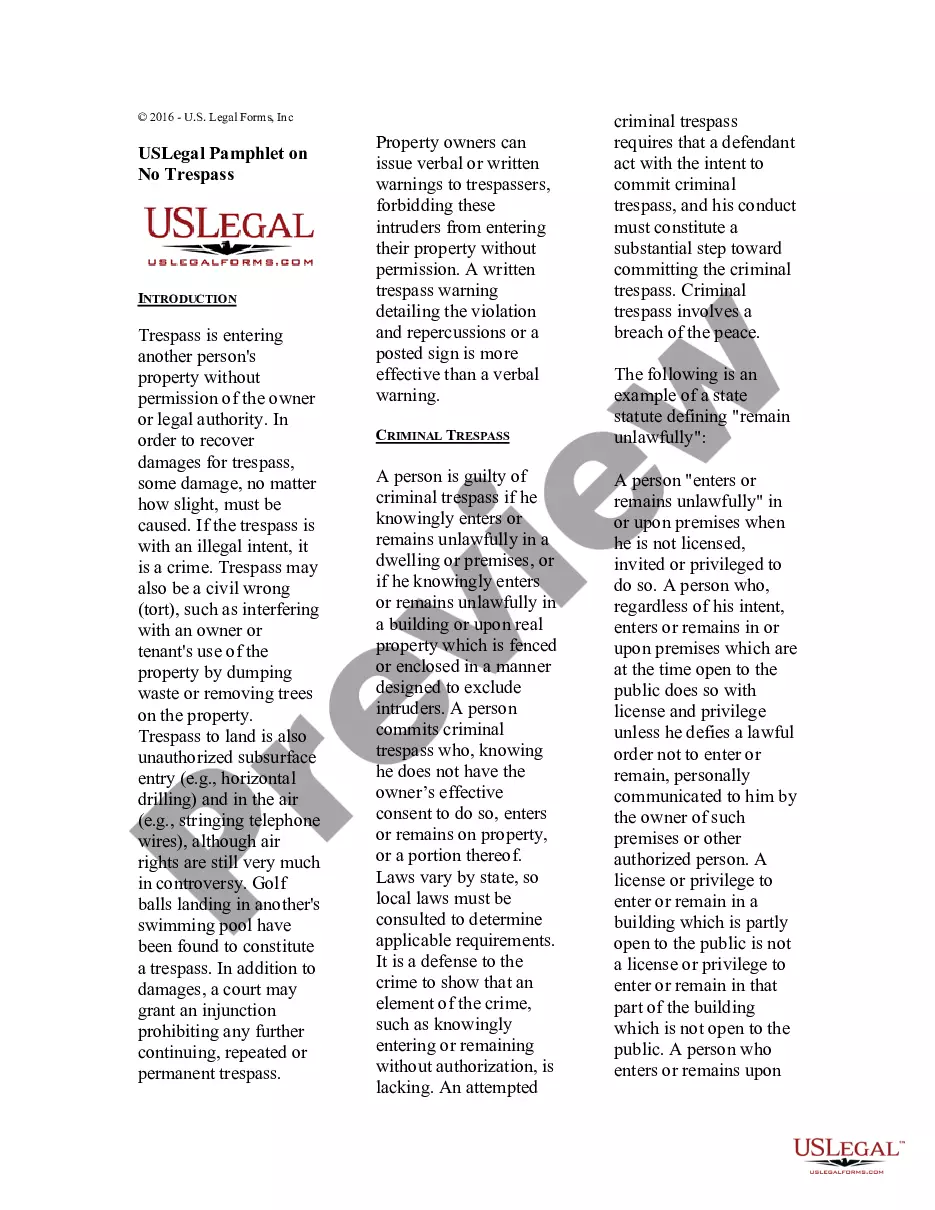
When this form is needed
This pamphlet is useful for patients who are considering their wishes concerning respiratory treatment. It is applicable in scenarios such as serious illness, discussions with medical providers about end-of-life care, or when a patient is experiencing an acute health crisis and wants to ensure their wishes are known regarding intubation. Understanding a DNI order can help avoid unwanted interventions in critical situations.
Intended users of this form
- Patients or residents who wish to express their preferences regarding intubation in medical emergencies
- Family members looking to advocate for loved ones' healthcare wishes
- Healthcare professionals needing clarity on their patients' treatment preferences
Steps to complete this form
- Discuss your preferences regarding intubation with your healthcare provider.
- Clearly articulate your wishes concerning mechanical ventilation and whether to include a DNI order.
- Ensure that your DNI preferences are documented in your medical record.
- Regularly review and update your DNI order as necessary, based on changes in health status or preferences.
- Share the location of your DNI order with family members and emergency contacts.
Does this form need to be notarized?
This form does not typically require notarization to be legally valid. However, some jurisdictions or document types may still require it. US Legal Forms provides secure online notarization powered by Notarize, available 24/7 for added convenience.
Get your form ready online
Our built-in tools help you complete, sign, share, and store your documents in one place.
Make edits, fill in missing information, and update formatting in US Legal Forms—just like you would in MS Word.
Download a copy, print it, send it by email, or mail it via USPS—whatever works best for your next step.
Sign and collect signatures with our SignNow integration. Send to multiple recipients, set reminders, and more. Go Premium to unlock E-Sign.
If this form requires notarization, complete it online through a secure video call—no need to meet a notary in person or wait for an appointment.
We protect your documents and personal data by following strict security and privacy standards.

Make edits, fill in missing information, and update formatting in US Legal Forms—just like you would in MS Word.

Download a copy, print it, send it by email, or mail it via USPS—whatever works best for your next step.

Sign and collect signatures with our SignNow integration. Send to multiple recipients, set reminders, and more. Go Premium to unlock E-Sign.

If this form requires notarization, complete it online through a secure video call—no need to meet a notary in person or wait for an appointment.

We protect your documents and personal data by following strict security and privacy standards.
Typical mistakes to avoid
- Assuming that a DNR order automatically includes a DNI preference
- Not discussing intubation wishes with healthcare providers before emergencies arise
- Failing to keep the DNI documentation visible and accessible for emergency personnel
Benefits of completing this form online
- Convenience of downloading and accessing the form at your convenience
- Capability to customize the document to suit your specific needs
- Reliability of forms drafted by licensed attorneys to ensure legal accuracy
Legal use & context
- A DNI order is legally binding and must be respected by healthcare providers during emergencies.
- This form helps clarify patient preferences and can prevent misunderstandings in critical care situations.
- It is important to ensure that a DNI order is included in the patient's medical record to facilitate quick access during emergencies.
Main things to remember
- A Do Not Intubate order outlines preferences against mechanical ventilation in respiratory distress.
- It is essential to distinguish between DNI and DNR orders to ensure appropriate medical care.
- Regular review and communication of your DNI order are crucial for effective enforcement in medical situations.
Looking for another form?
Form popularity
FAQ
Some patients choose the "do not intubate" option, which means that they do not want to be placed on a ventilator to prolong their life. " Do not resuscitate" means the patient chooses not to have CPR.
A DNI or Do Not Intubate order means that chest compressions and cardiac drugs may be used, but no breathing tube will be placed. An AND or Allow Natural Death order is a term used at some hospitals as an alternative to the more traditional DNR order.
Conclusions: Conflation of DNR and DNI into DNR/DNI does not reliably distinguish patients who refuse or accept intubation for indications other than cardiac arrest, and thus may inappropriately deny desired intubation for those who would accept it, and inappropriately impose intubation on patients who would not.
Conclusions: Conflation of DNR and DNI into DNR/DNI does not reliably distinguish patients who refuse or accept intubation for indications other than cardiac arrest, and thus may inappropriately deny desired intubation for those who would accept it, and inappropriately impose intubation on patients who would not.
The DNR must be signed by the doctor. There are several types of DNR forms: DNR-A status indicates comfort care only; the comfort care order set should be completed routinely for all DNR-A patients.
A patient has the option to be Full Code, DNR (Do Not Resuscitate), DNI (Do Not Intubate) or both DNR and DNI. This choice is far from simple, and the way these questions are worded can be a major factor in a patient's choice.
Under this new directive, resuscitation plans replace no-CPR or DNR orders, and must be made in consultation with the patient or substitute decision-maker. They are legally enforceable, and must be followed by staff, but need to be reviewed on a regular basis.