First Set Of Requests For Admissions Propounded By Plaintiff to Defendant
Overview of this form
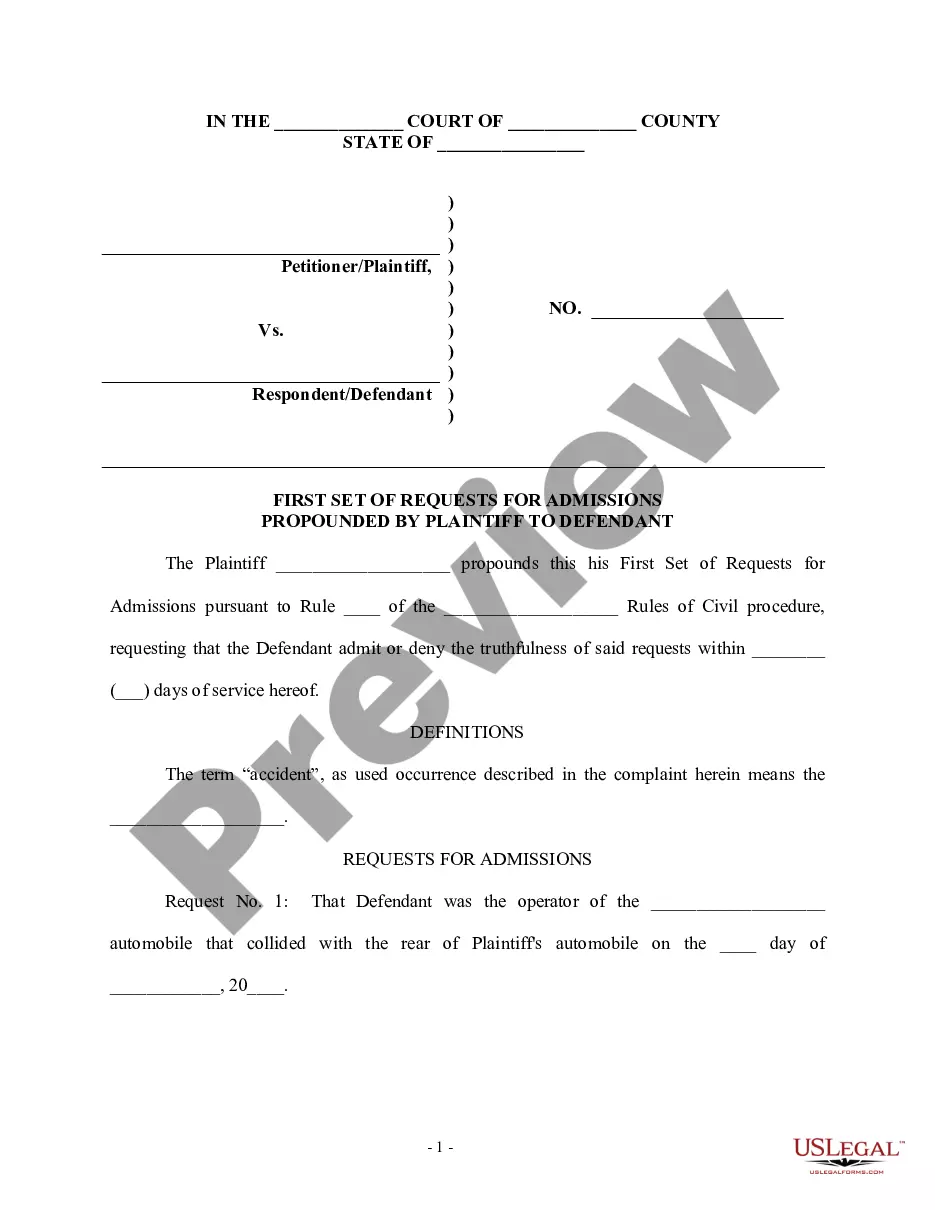
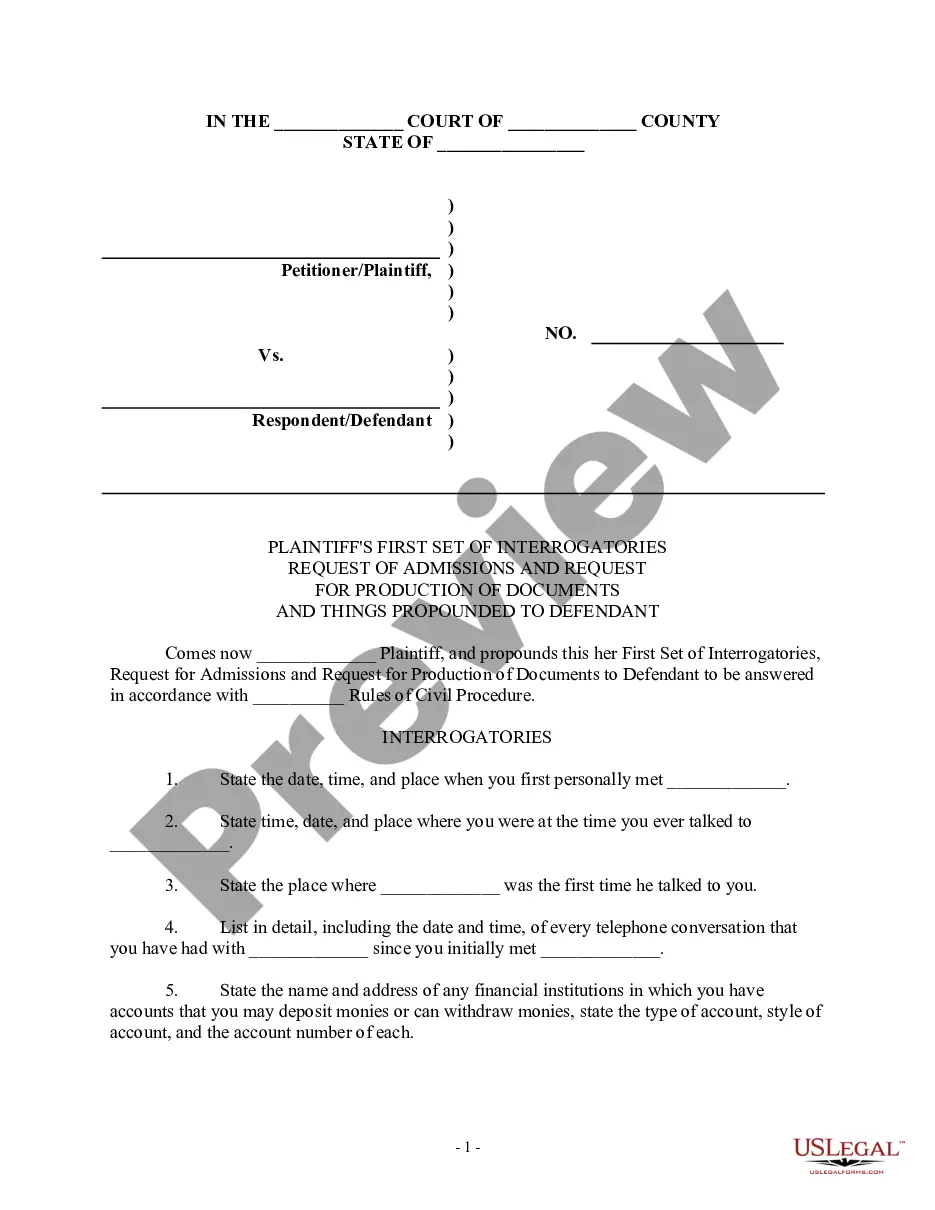
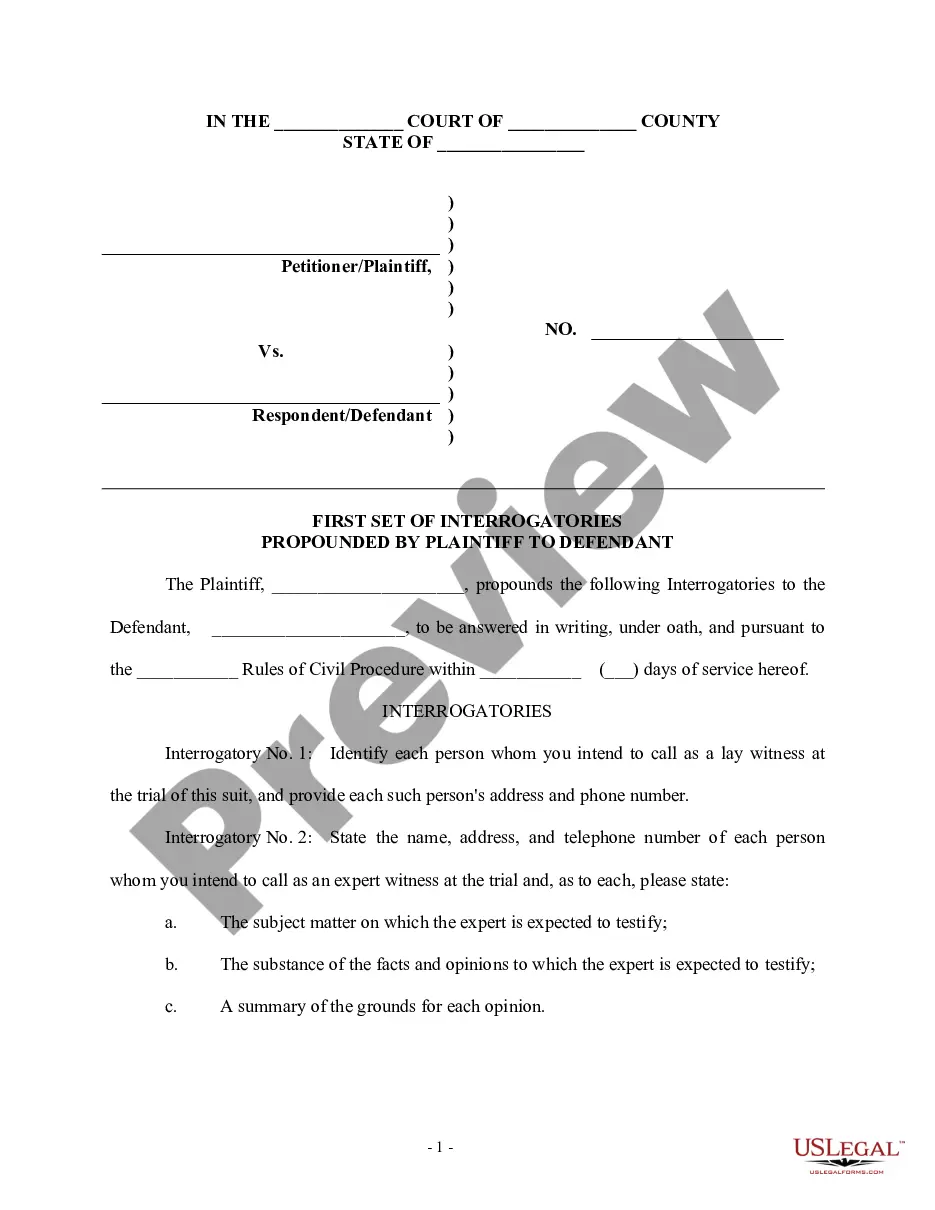
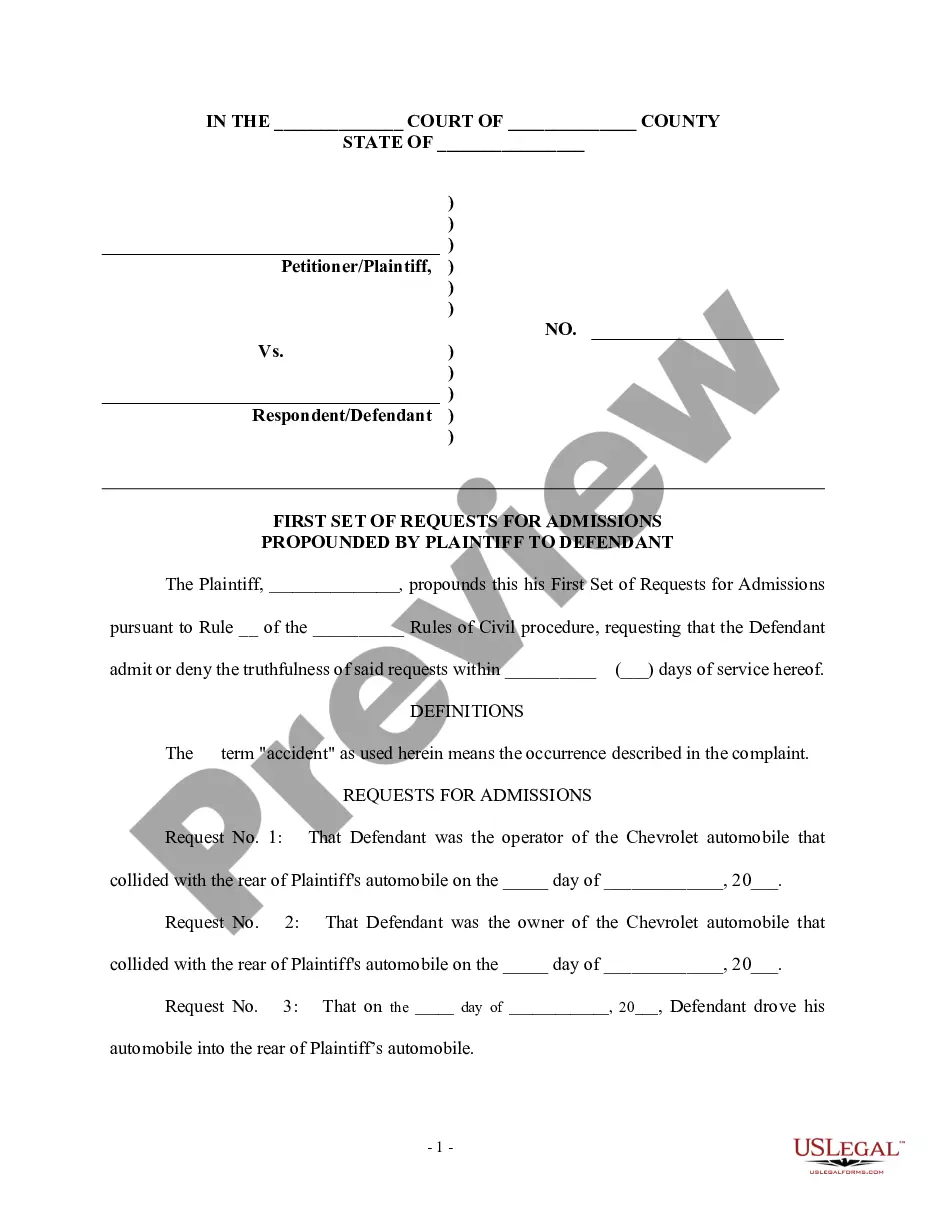
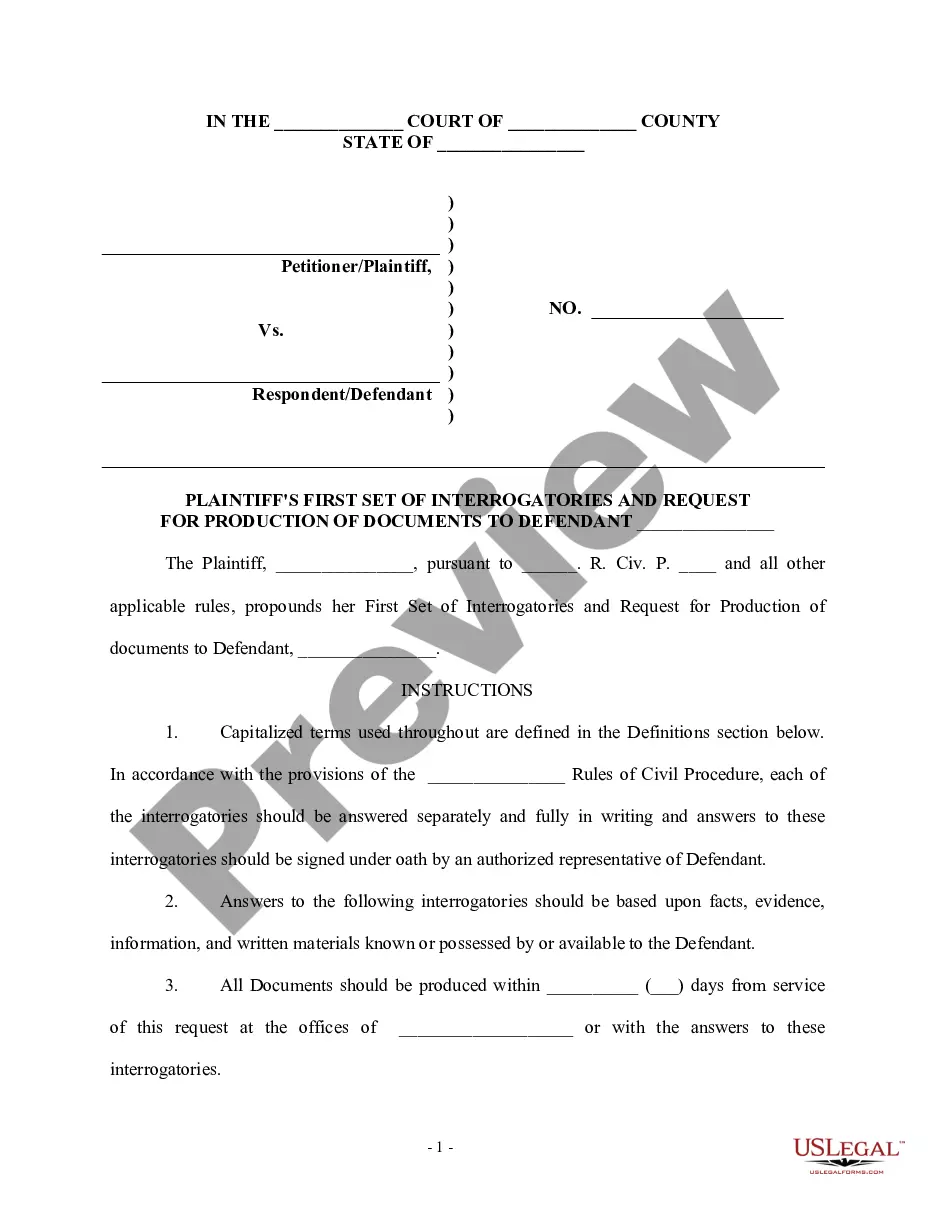
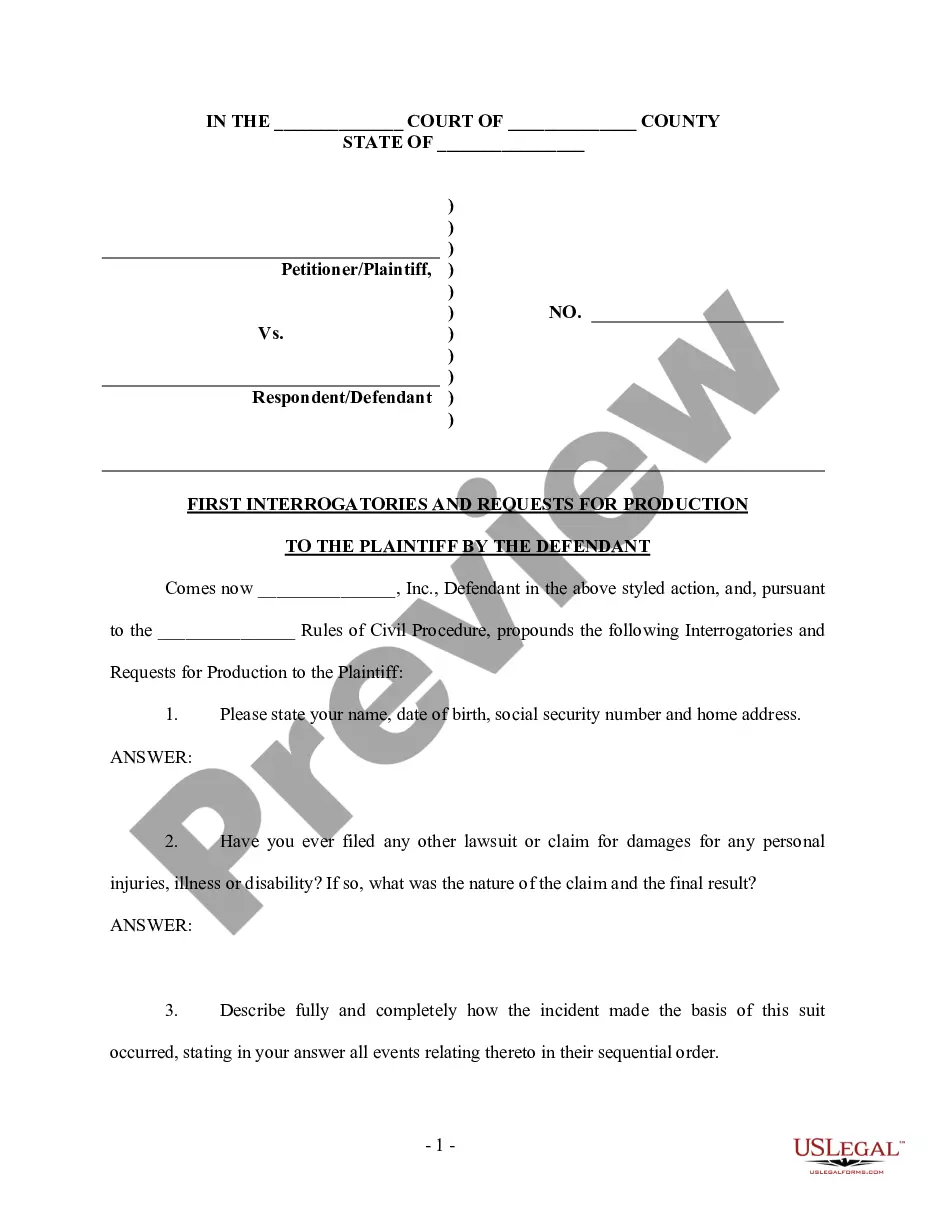
This form is known as the First Set of Requests for Admissions Propounded by Plaintiff to Defendant. It is a legal document used in the context of an automobile accident case, where the plaintiff asks the defendant to admit or deny certain facts related to the incident. This form allows the plaintiff to clarify the circumstances of the accident, which can significantly impact the outcome of the case. Unlike other legal forms, such as interrogatories, this form specifically focuses on requests for admissions that can help streamline the litigation process by establishing agreed-upon facts.
Form components explained
- Definitions section defining the accident and its context.
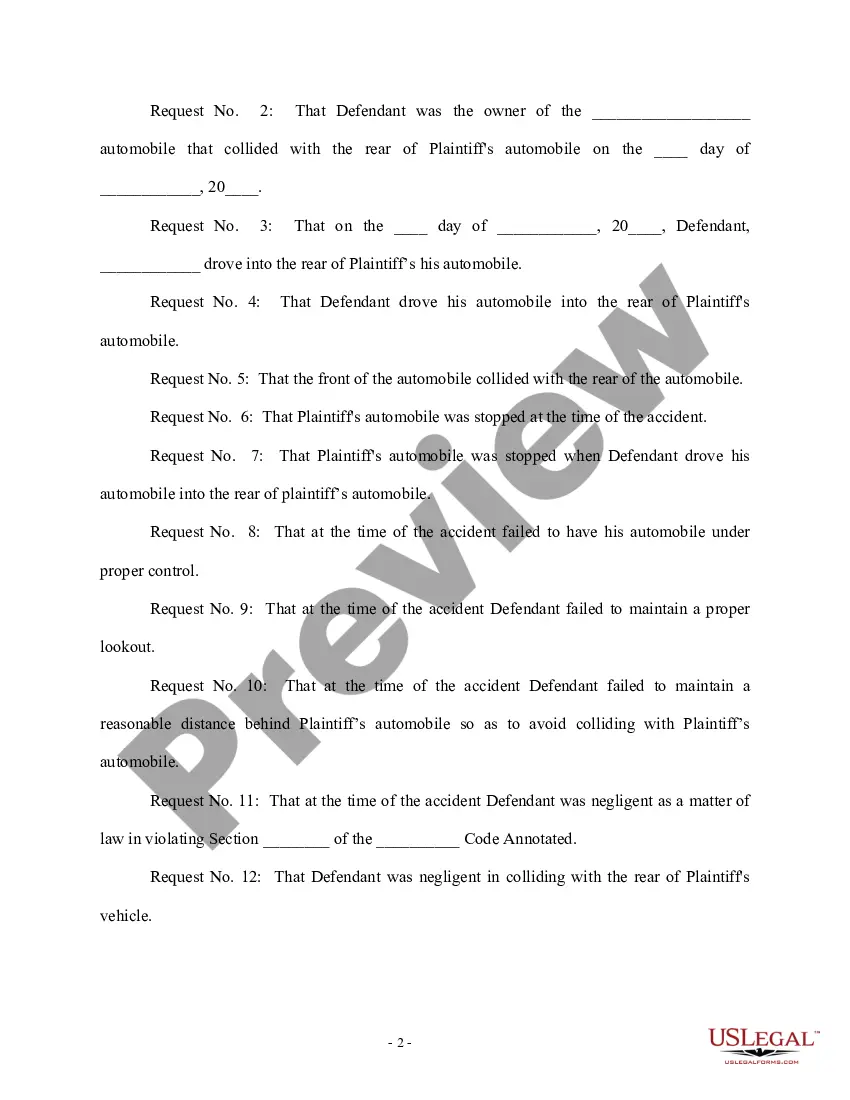
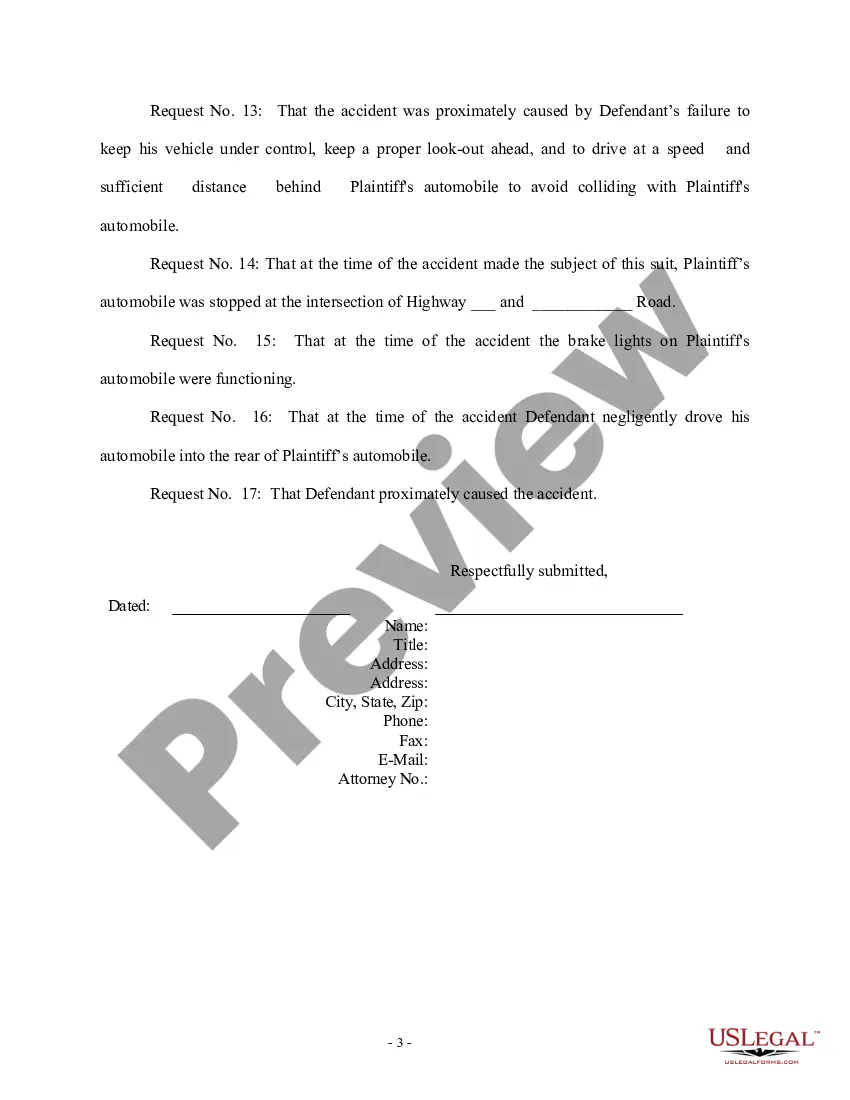
- Requests for admissions, including details about the accident and negligence claims.
- Specific requests where the defendant must admit or deny facts related to the incident.
- Signature block for the plaintiff's attorney to certify the document.
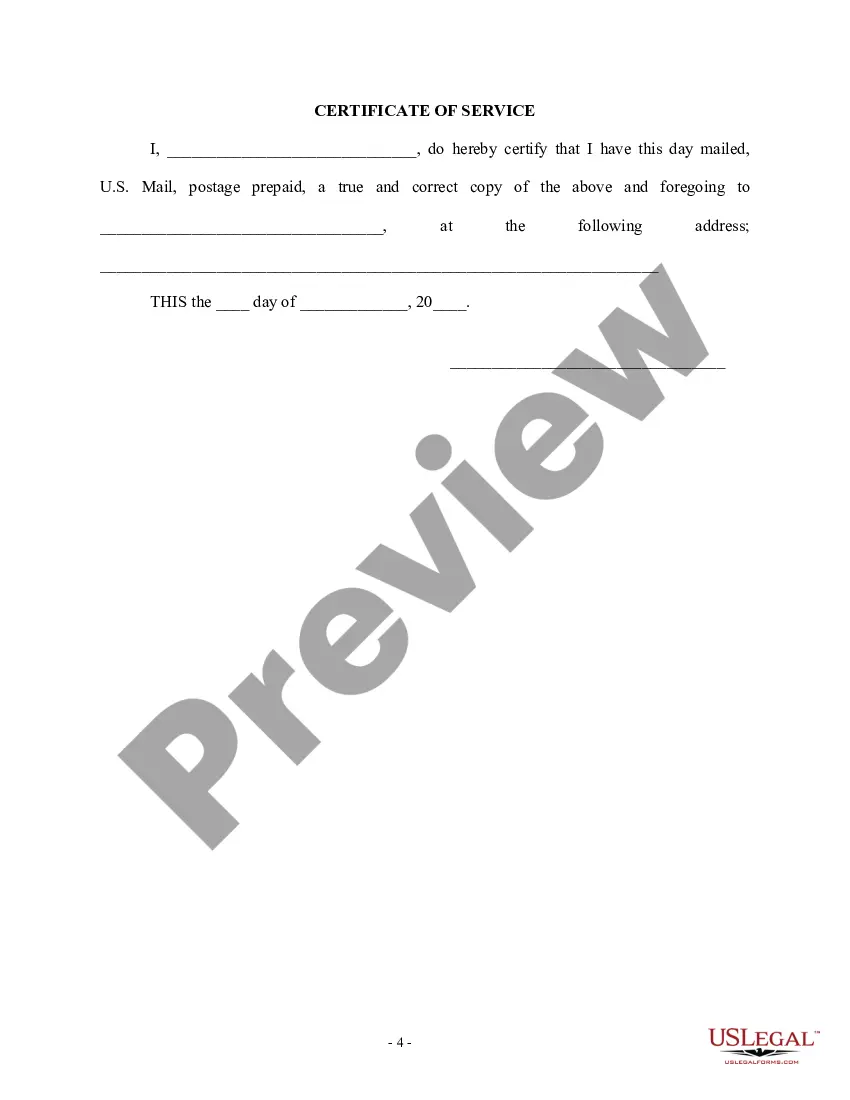
- Certificate of service to confirm that the requests were properly sent to the defendant.
When this form is needed
This form should be used after an automobile accident has occurred and litigation is underway. It is particularly applicable when the plaintiff wants to clarify factual disputes with the defendant to simplify trial proceedings. Use this form to establish the defendant's liability by forcing them to confirm specific details about the accident, such as the operation and condition of their vehicle at the time of the incident.
Who needs this form
This form is intended for:
- Plaintiffs involved in an automobile accident case seeking to establish liability.
- Attorneys representing plaintiffs who need to gather admissions from the defendant.
- Individuals with limited legal knowledge seeking a straightforward way to handle requests for admissions.
Steps to complete this form
- Identify the defendant and provide information about the accident, including dates and locations.
- Fill in specific requests that the defendant must admit or deny, ensuring clarity in wording.
- Provide your name, title, and contact information as the plaintiff's attorney.
- Sign and date the document to certify its validity.
- Mail a copy of the completed form to the defendant, keeping proof of service.
Notarization guidance
This form usually doesn’t need to be notarized. However, local laws or specific transactions may require it. Our online notarization service, powered by Notarize, lets you complete it remotely through a secure video session, available 24/7.
Get your form ready online
Our built-in tools help you complete, sign, share, and store your documents in one place.
Make edits, fill in missing information, and update formatting in US Legal Forms—just like you would in MS Word.
Download a copy, print it, send it by email, or mail it via USPS—whatever works best for your next step.
Sign and collect signatures with our SignNow integration. Send to multiple recipients, set reminders, and more. Go Premium to unlock E-Sign.
If this form requires notarization, complete it online through a secure video call—no need to meet a notary in person or wait for an appointment.
We protect your documents and personal data by following strict security and privacy standards.

Make edits, fill in missing information, and update formatting in US Legal Forms—just like you would in MS Word.

Download a copy, print it, send it by email, or mail it via USPS—whatever works best for your next step.

Sign and collect signatures with our SignNow integration. Send to multiple recipients, set reminders, and more. Go Premium to unlock E-Sign.

If this form requires notarization, complete it online through a secure video call—no need to meet a notary in person or wait for an appointment.

We protect your documents and personal data by following strict security and privacy standards.
Common mistakes
- Failing to number the requests properly, which can cause confusion.
- Not providing sufficient detail in the admissions, making them too vague.
- Overlooking the requirement to serve the requests to the defendant properly.
Why use this form online
- Convenient access to legal forms without the need for in-person consultations.
- Editable format allows customization for specific cases or jurisdictions.
- Ensures reliability by providing forms drafted by licensed attorneys.
Looking for another form?







Form popularity
FAQ
Each request must be numbered consecutively. The first paragraph immediately shall state he identity of the party requesting the admissions, the set number, and the identity of the responding party. Each request shall be separately set forth and identified by letter or number. C.C.P.
In a civil action, a request for admission is a discovery device that allows one party to request that another party admit or deny the truth of a statement under oath. If admitted, the statement is considered to be true for all purposes of the current trial.
The provisions of Rule 36 make it clear that admissions function very much as pleadings do. Thus, when a party admits in part and denies in part, his admission is for purposes of the pending action only and may not be used against him in any other proceeding.
In a civil action, a request for admission is a discovery device that allows one party to request that another party admit or deny the truth of a statement under oath. If admitted, the statement is considered to be true for all purposes of the current trial.
2033.210. (a) The party to whom requests for admission have been directed shall respond in writing under oath separately to each request. (b) Each response shall answer the substance of the requested admission, or set forth an objection to the particular request.
All requests for admission must be relevant to the issues in the case. If a request does not lead to the discovery of relevant, admissible evidence, you may object.
Similar to responses to Requests for Production, responses to Requests for Admissions do not have to be verified. It is critical to respond to Requests for Admissions because failure to respond results in the requests being deemed admitted without the need for a motion to have the responses established as admitted.
When responding to Requests for Admissions, remember to answer as follows: Admit: If any portion of the Request for Admission is true then you must admit to that portion of the request. You are also allowed to have a hybrid response admit the part of the request that is true while denying another part.
It is possible to object to all or part of a request as well, but courts do not like parties who play word games to avoid responding.A responding party can qualify an answer or deny only a part of the matter of which an admission is requested, and admit the remainder of the request.