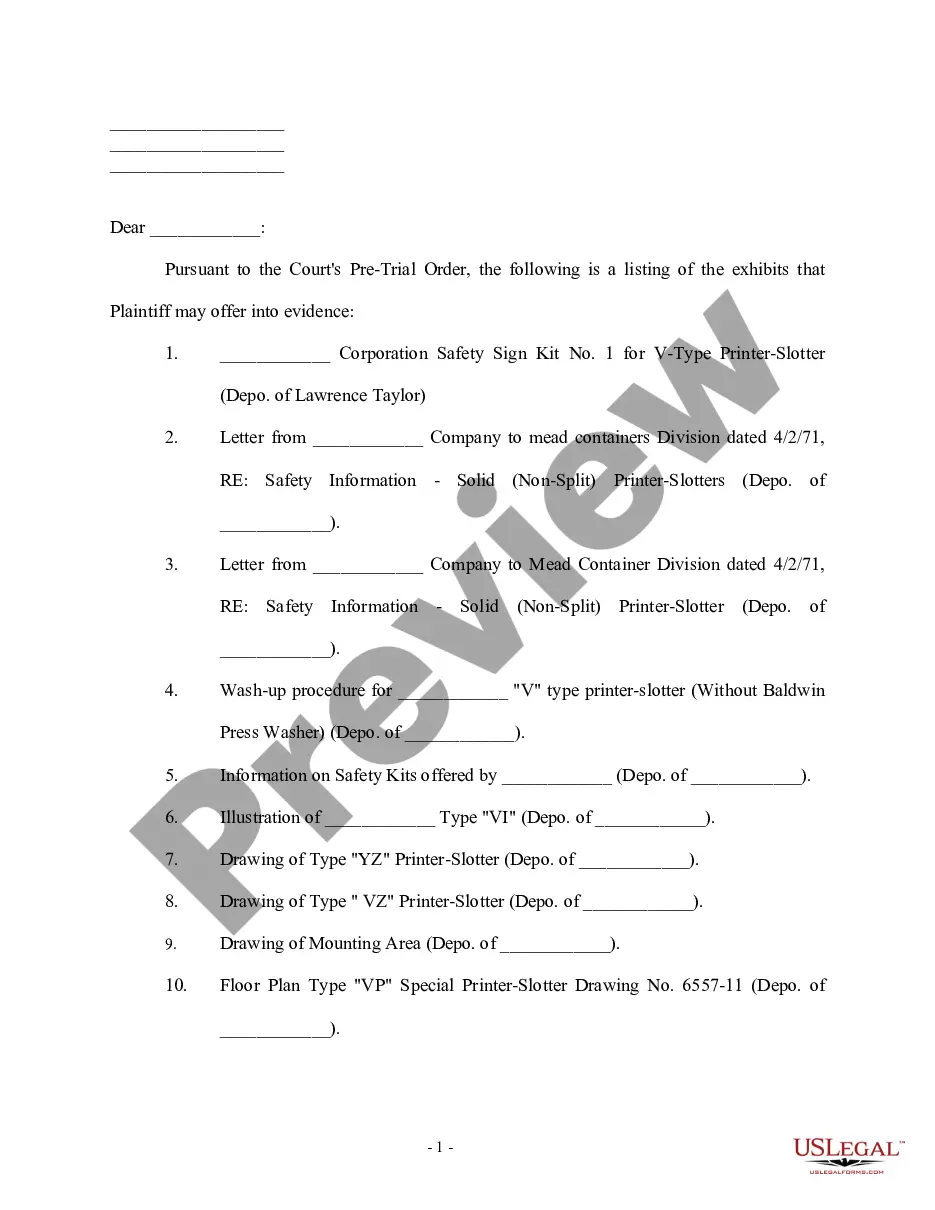
Letter regarding Anticipated Exhibits to be Offered at Trial
What is this form?
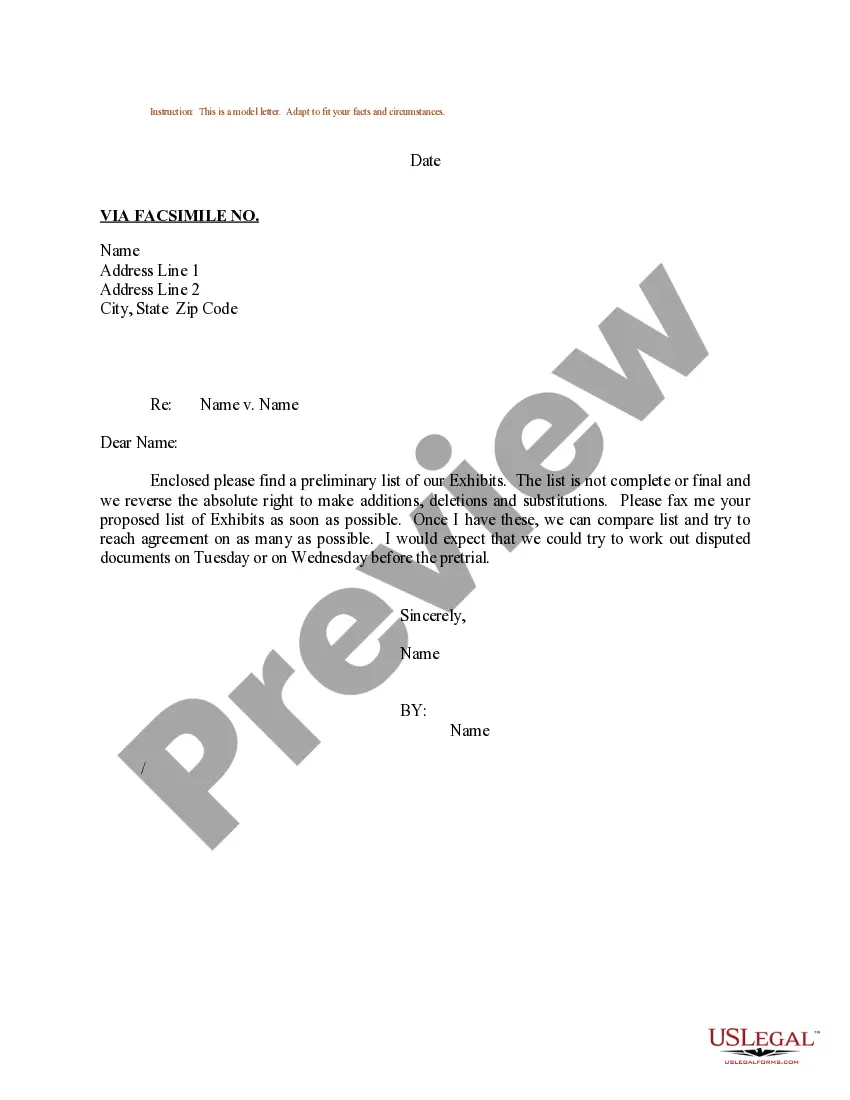
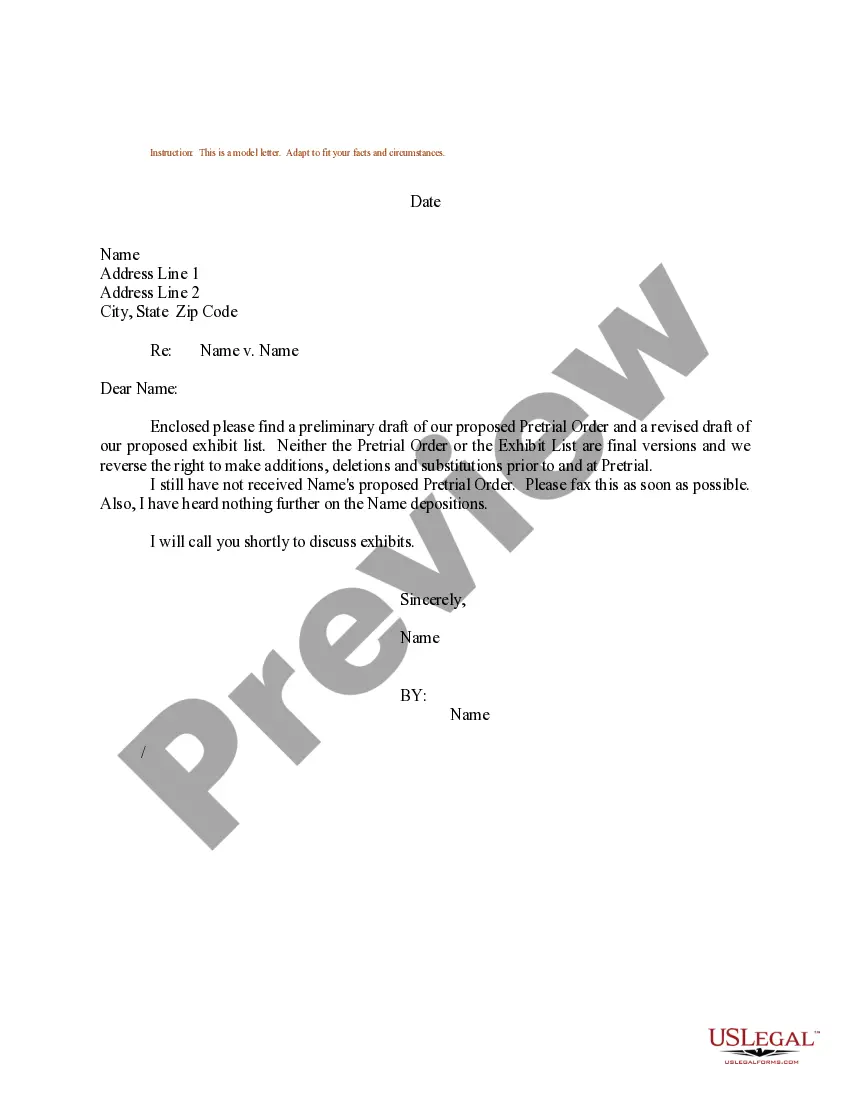
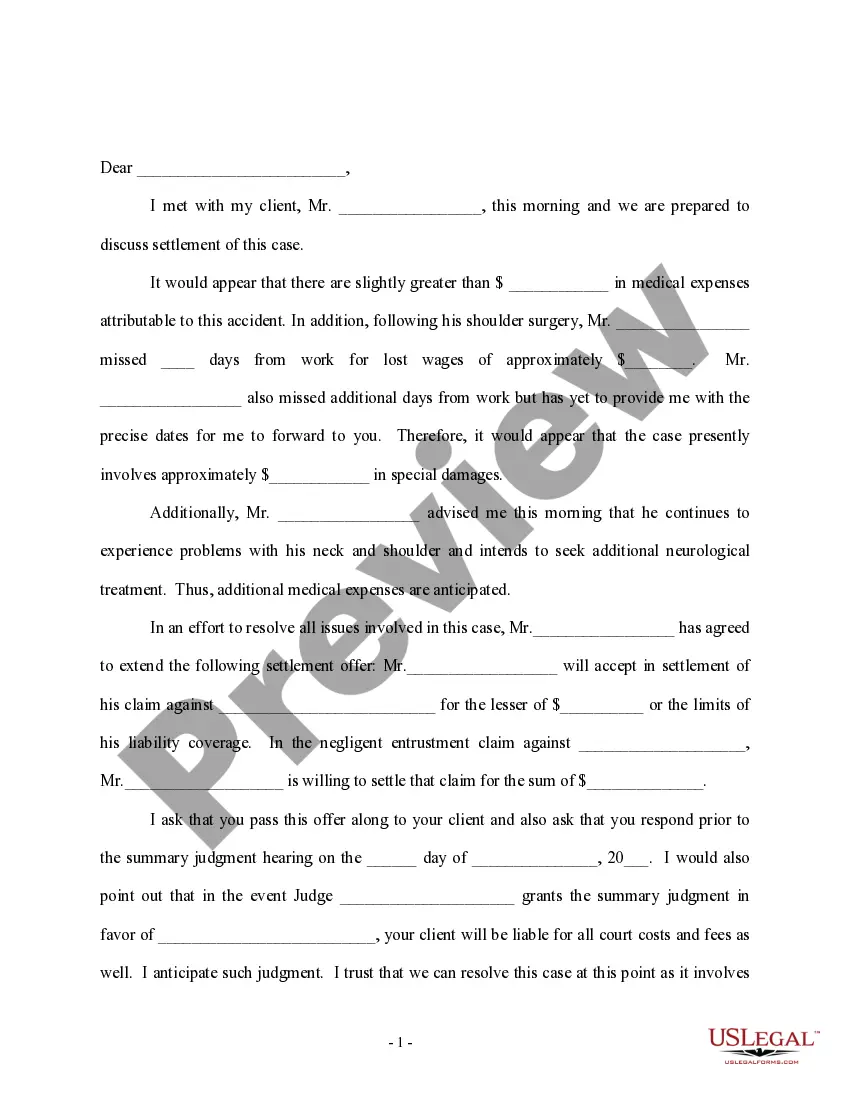
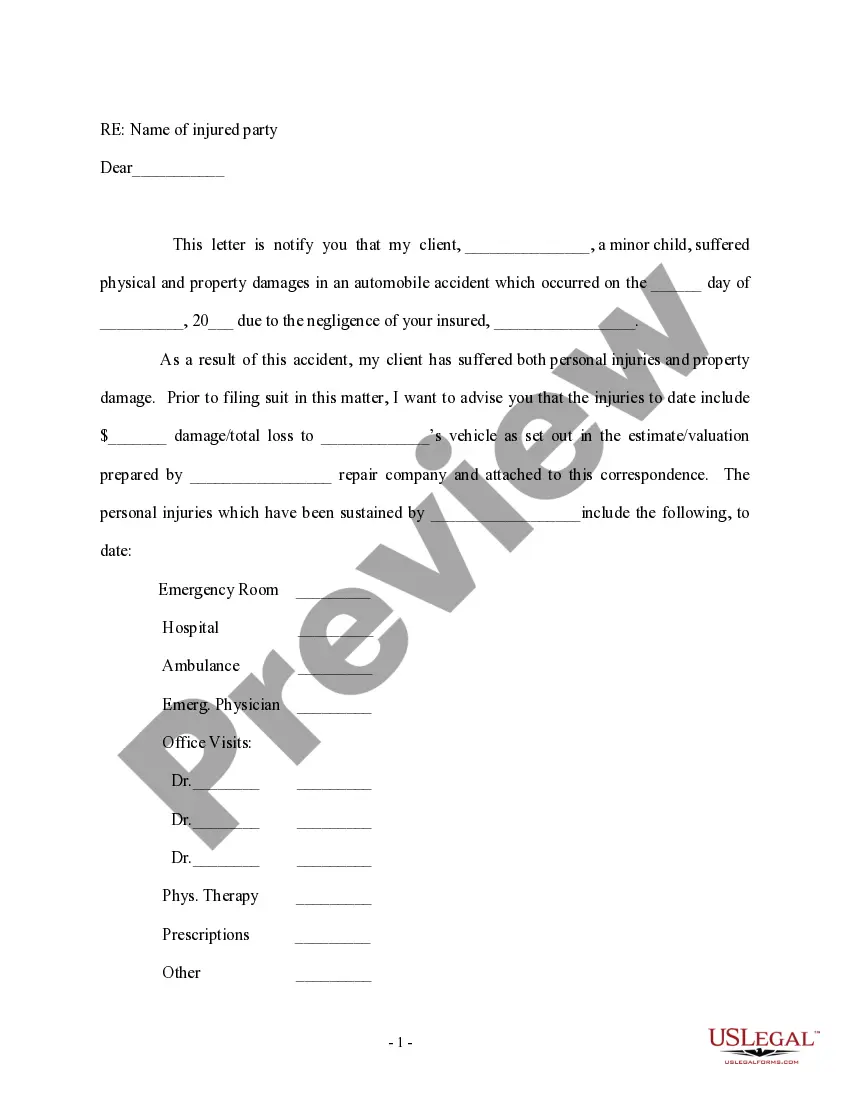
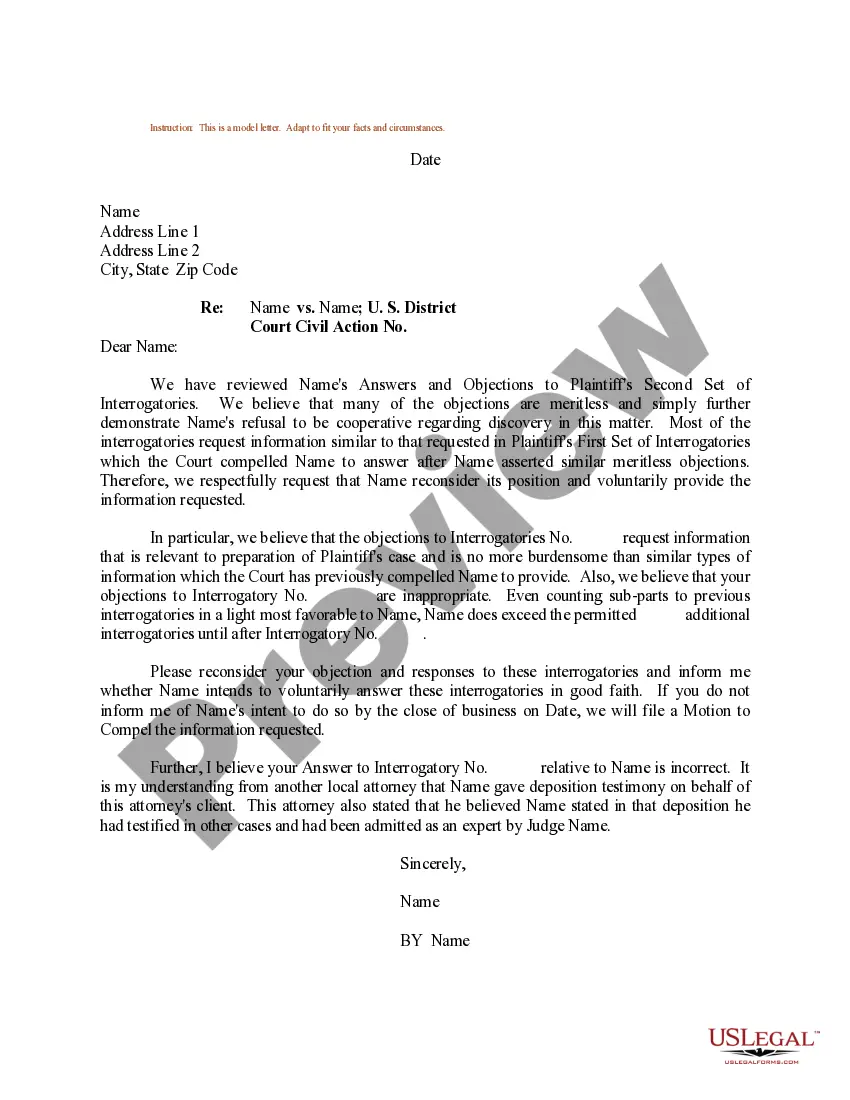
The Letter regarding Anticipated Exhibits to be Offered at Trial is a formal communication from the plaintiff's counsel to the opposing counsel. This letter outlines the exhibits that the plaintiff plans to present as evidence during a trial. The main purpose of this form is to ensure transparency and provide advance notice of the evidence, distinguishing it from other communications that may not specify particular exhibits.
What’s included in this form
- Identification of the plaintiff and defendant
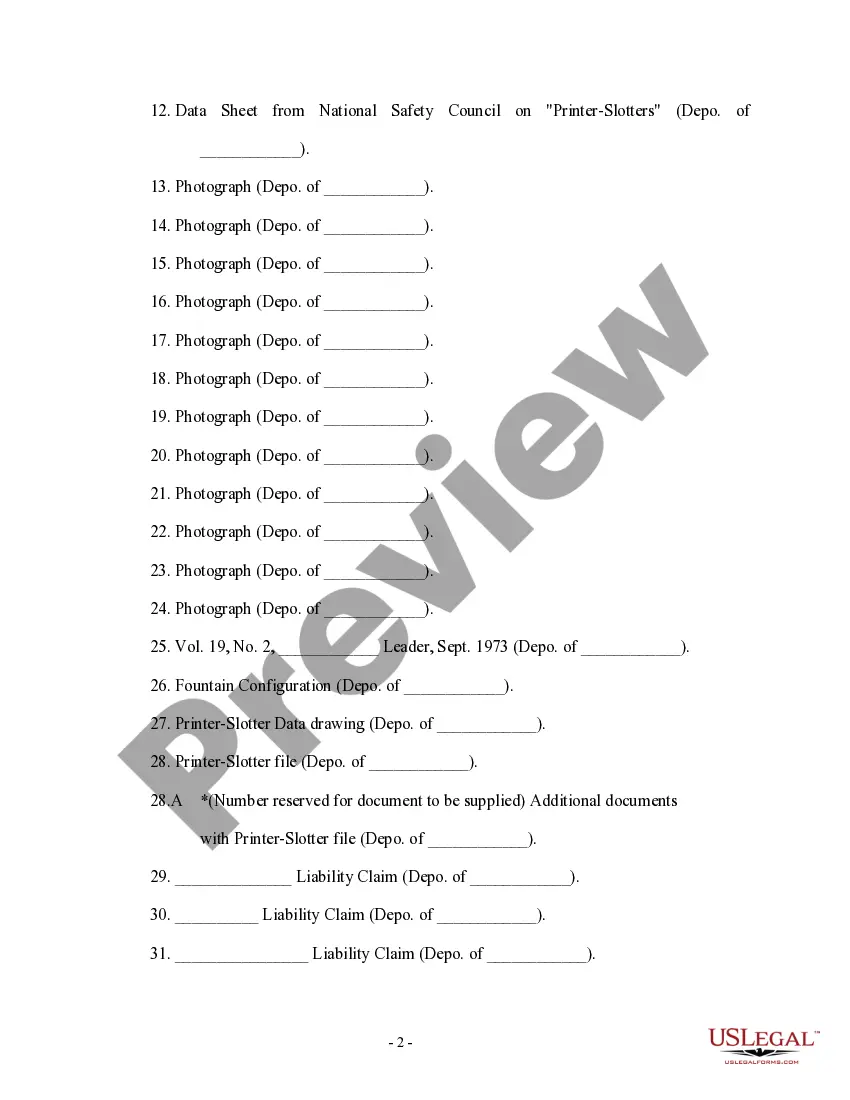
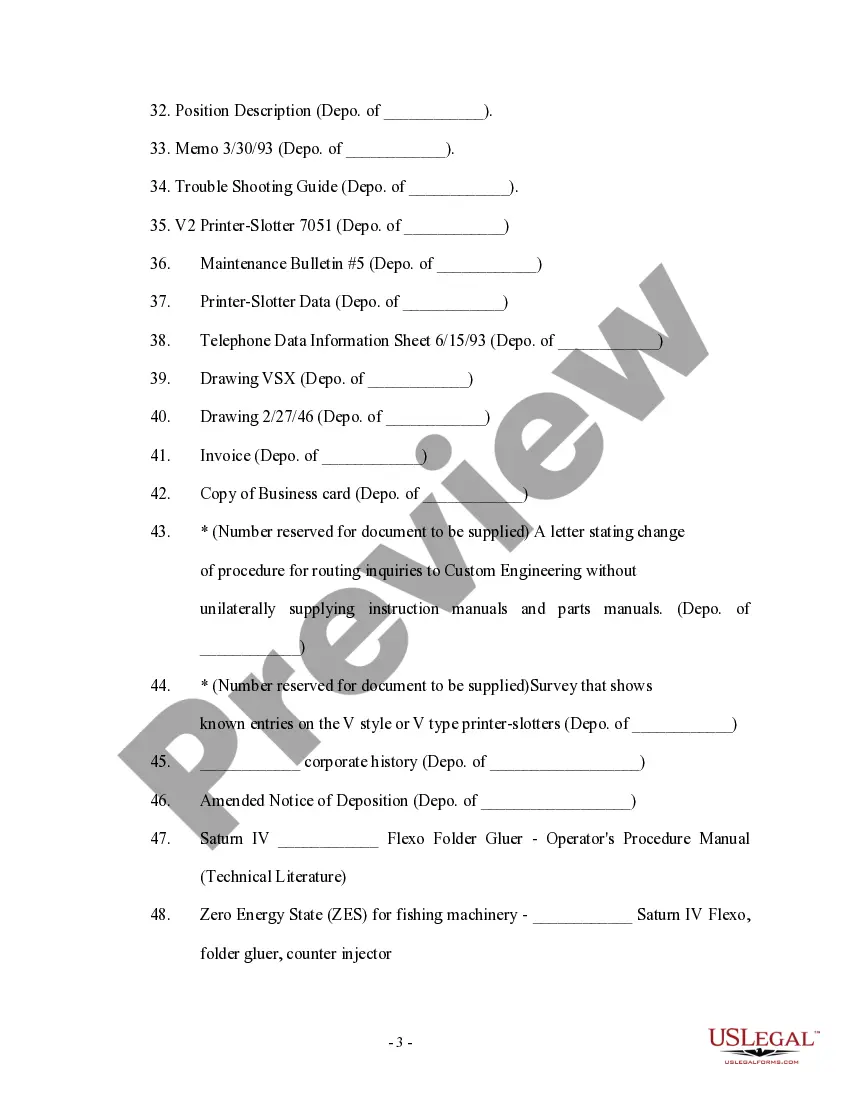
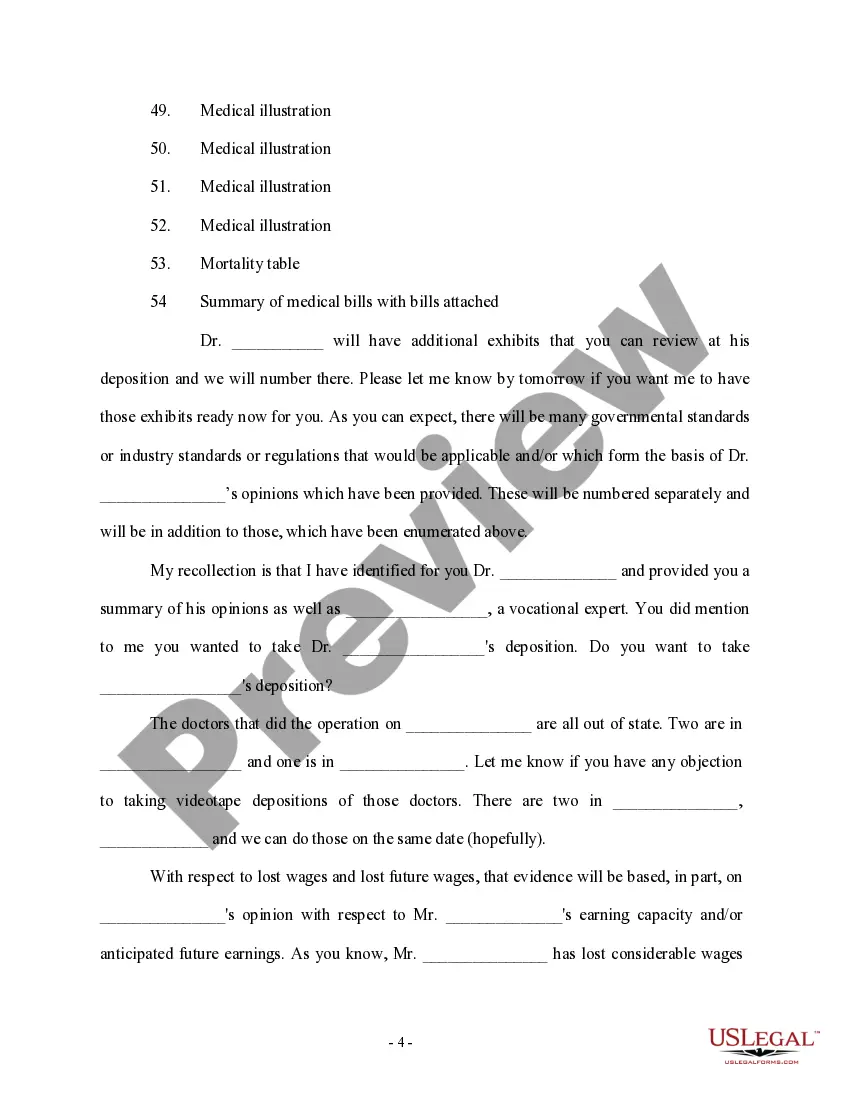
- Listing of anticipated exhibits with descriptions and depositions
- Notification of additional exhibits that may be presented
- Request for confirmation regarding depositions
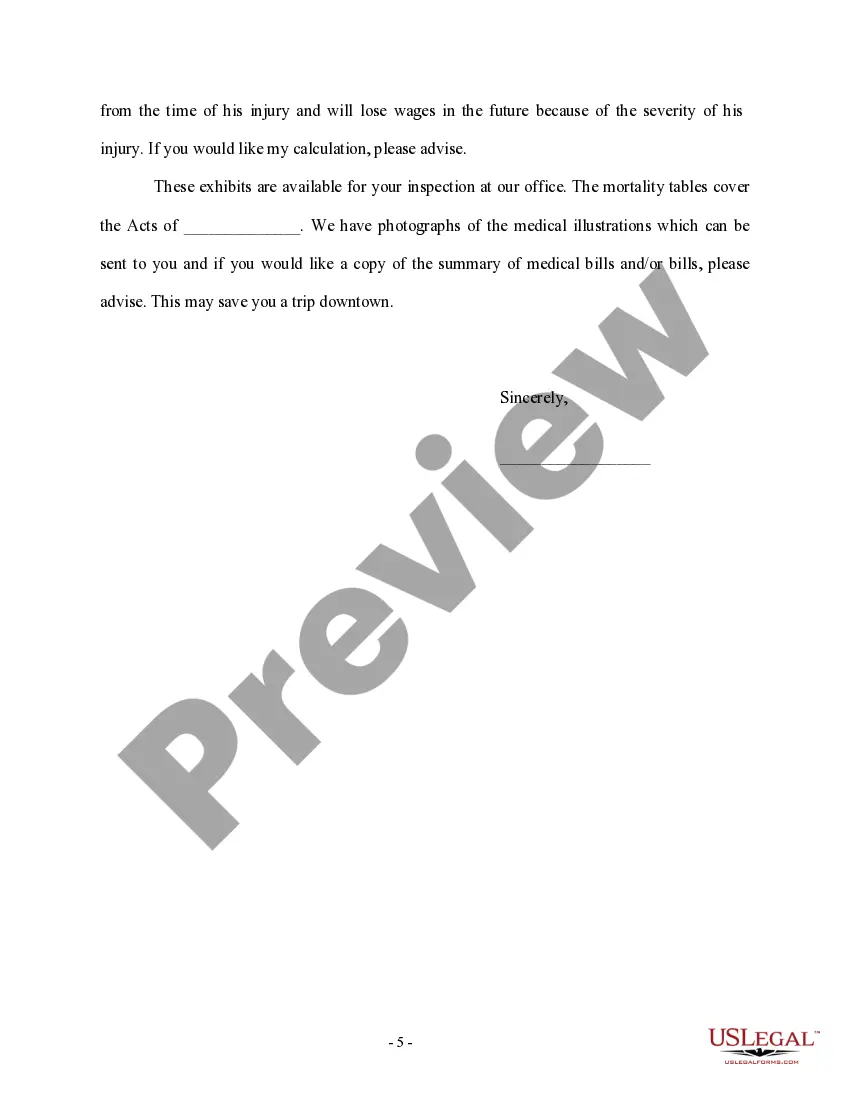
- Information on the availability of exhibits for review

Situations where this form applies
You should use this form when you are preparing for an upcoming trial and need to inform the opposing party of the exhibits you intend to introduce as evidence. This is typically required by court rules as part of pre-trial procedures to ensure both parties are adequately prepared and aware of the evidence being presented.
Who can use this document
- Plaintiffs in civil litigation
- Attorneys representing plaintiffs in court
- Legal teams preparing evidence for a trial
How to prepare this document
- Identify the parties involved in the case at the top of the letter.
- List each anticipated exhibit along with a brief description.
- Include relevant deposition references for each exhibit.
- Notify the opposing counsel about additional exhibits or depositions required.
- Sign and date the letter before sending it to the opposing counsel.
Does this document require notarization?
Notarization is generally not required for this form. However, certain states or situations might demand it. You can complete notarization online through US Legal Forms, powered by Notarize, using a verified video call available anytime.
Get your form ready online
Our built-in tools help you complete, sign, share, and store your documents in one place.
Make edits, fill in missing information, and update formatting in US Legal Forms—just like you would in MS Word.
Download a copy, print it, send it by email, or mail it via USPS—whatever works best for your next step.
Sign and collect signatures with our SignNow integration. Send to multiple recipients, set reminders, and more. Go Premium to unlock E-Sign.
If this form requires notarization, complete it online through a secure video call—no need to meet a notary in person or wait for an appointment.
We protect your documents and personal data by following strict security and privacy standards.

Make edits, fill in missing information, and update formatting in US Legal Forms—just like you would in MS Word.

Download a copy, print it, send it by email, or mail it via USPS—whatever works best for your next step.

Sign and collect signatures with our SignNow integration. Send to multiple recipients, set reminders, and more. Go Premium to unlock E-Sign.

If this form requires notarization, complete it online through a secure video call—no need to meet a notary in person or wait for an appointment.

We protect your documents and personal data by following strict security and privacy standards.
Typical mistakes to avoid
- Failing to include all relevant exhibits that will be presented at trial.
- Not referencing the deposition information correctly.
- Sending the letter too close to the trial date, which may not comply with court timelines.
Benefits of completing this form online
- Convenient access to ready-to-use legal templates
- Edit and customize the form to fit specific circumstances
- Reliable source of legal content prepared by licensed attorneys
Key takeaways
- The Letter regarding Anticipated Exhibits to be Offered at Trial ensures transparency in litigation.
- It outlines the evidence the plaintiff plans to present, following legal procedures.
- Proper completion and timely submission are crucial to avoid legal pitfalls.
Looking for another form?

Form popularity
FAQ
Each document filed with the court must, to the extent feasible, be consecutively paginated from beginning to end, including any attachments. Trial or other exhibits must be similarly numbered. Adopted effective July 1, 2015.
Place one sticker on the bottom right corner of the first page of each exhibit. 2713 If you are the plaintiff, use a yellow sticker.Once you have them in the order you like, you need to write a number or letter on each sticker.
Generally, exhibits are labeled in sequential alphabetical or numerical order. For example, Exhibit A is followed by Exhibit B, etc. This gives the reader clear guideposts to follow throughout the document.
You should place Exhibit stickers on each exhibit so that the court reporter does not need to take time to do this at trial. Create a master index of each exhibit including the author/source, date, type and short description to identify the exhibit. You should have a minimum of three copies of each exhibit.
Generally, exhibits are labeled in sequential alphabetical or numerical order. For example, Exhibit A is followed by Exhibit B, etc. This gives the reader clear guideposts to follow throughout the document.
Exhibits should be numbered (1, 2, 3) or lettered (A, B, C) consecutively in the order they are first encountered in the body of the contract.
Exhibits should be numbered (1, 2, 3) or lettered (A, B, C) consecutively in the order they are first encountered in the body of the contract.
Have the exhibit marked. Show the exhibit to opposing advocate. Ask permission to approach the witness. Show the exhibit to the witness. Lay the foundation for the exhibit. Move for admission of the exhibit in evidence.
Every exhibit should be labeled with exhibit stickers so that a court reporter doesn't need to do this at trial. Generally, exhibits are labeled in alphabetical or numerical order to provide clear guideposts for the progression of exhibits.