Statement of Work
Understanding this form
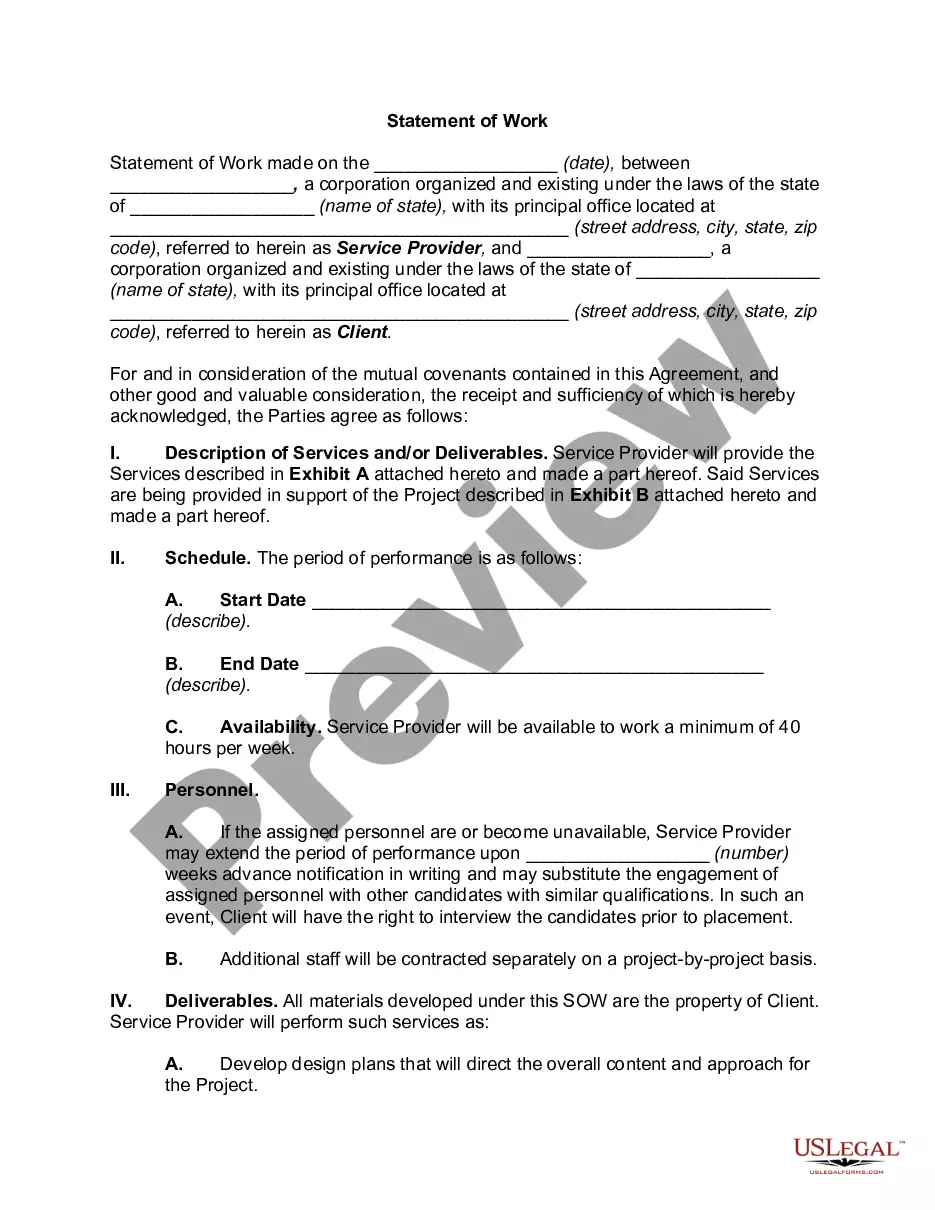
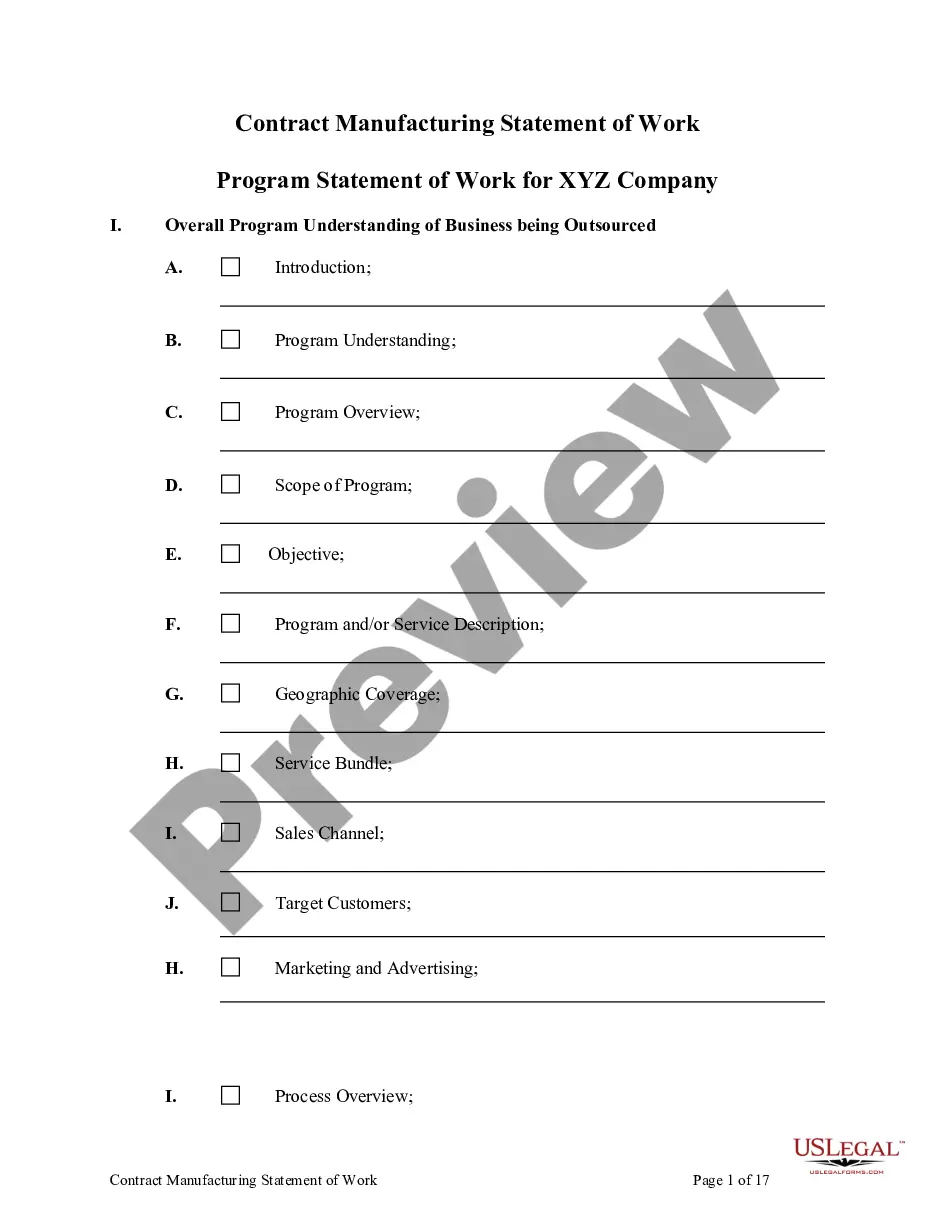
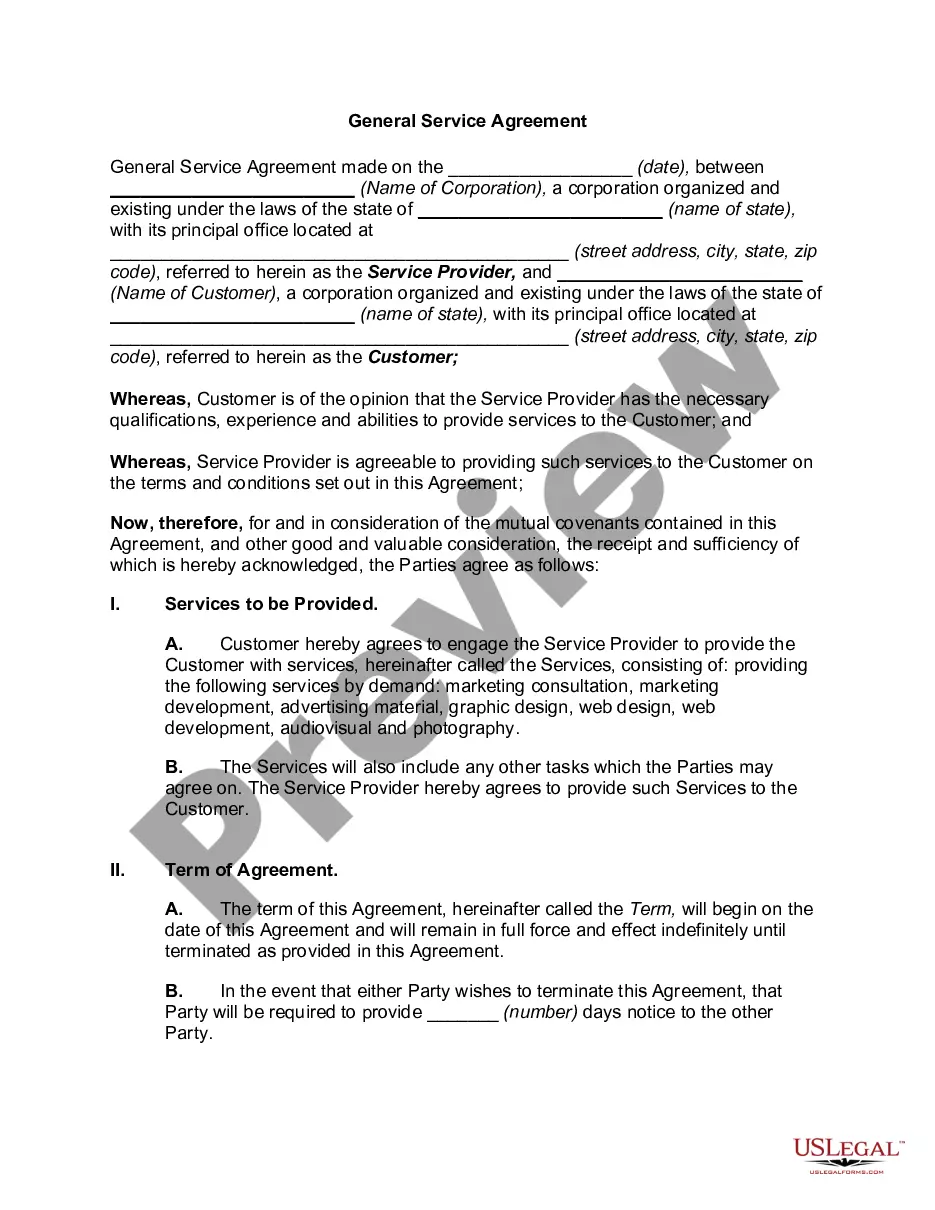
A Statement of Work (SOW) form is a crucial document used to detail the expectations and deliverables of a job being performed for a client. It outlines how the work will be completed, the timeline involved, and the responsibilities of both the service provider and the client. This document helps prevent misunderstandings and ensures both parties have a mutual understanding of the project's scope and requirements. Unlike basic service agreements, the SOW is more comprehensive and specifically tailored to individual projects.
What’s included in this form
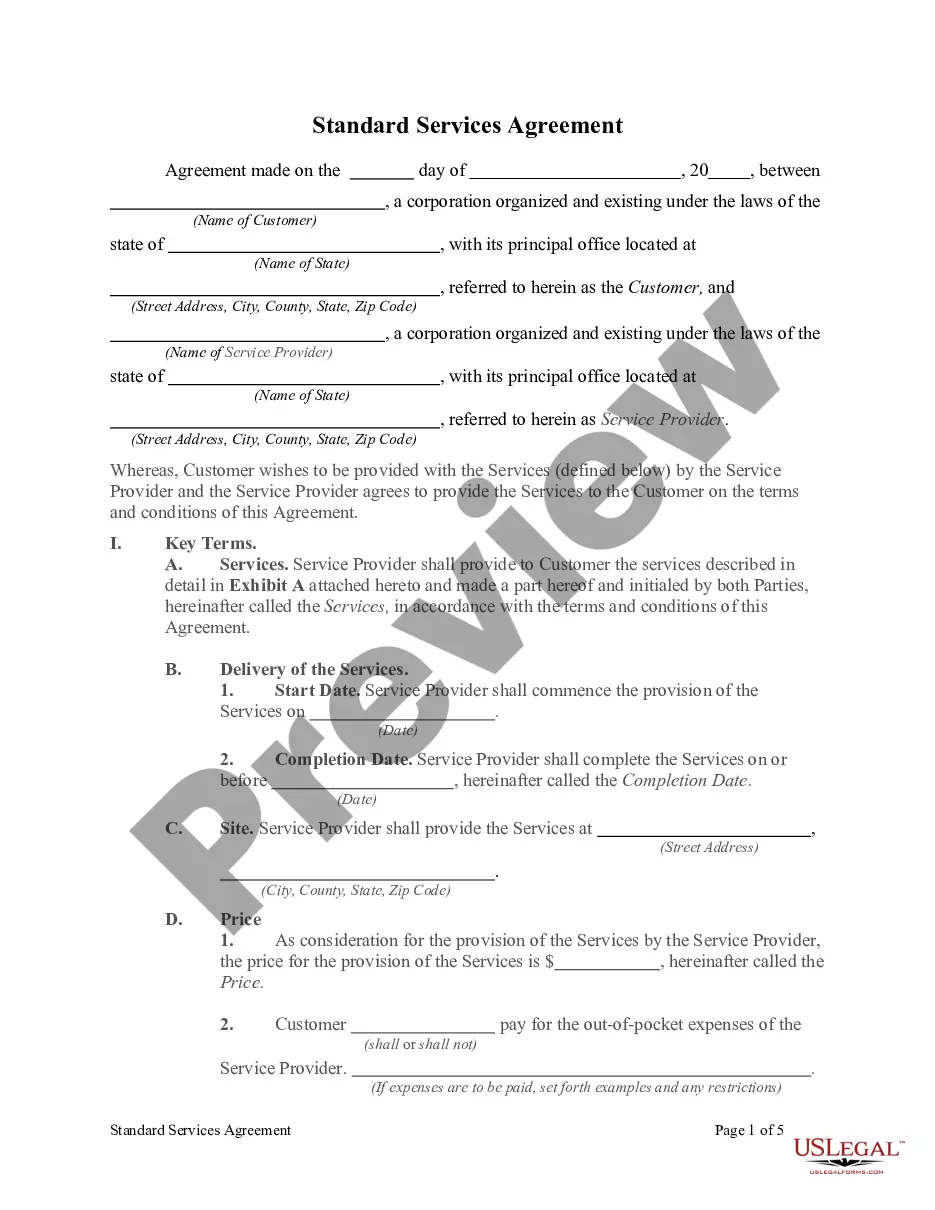
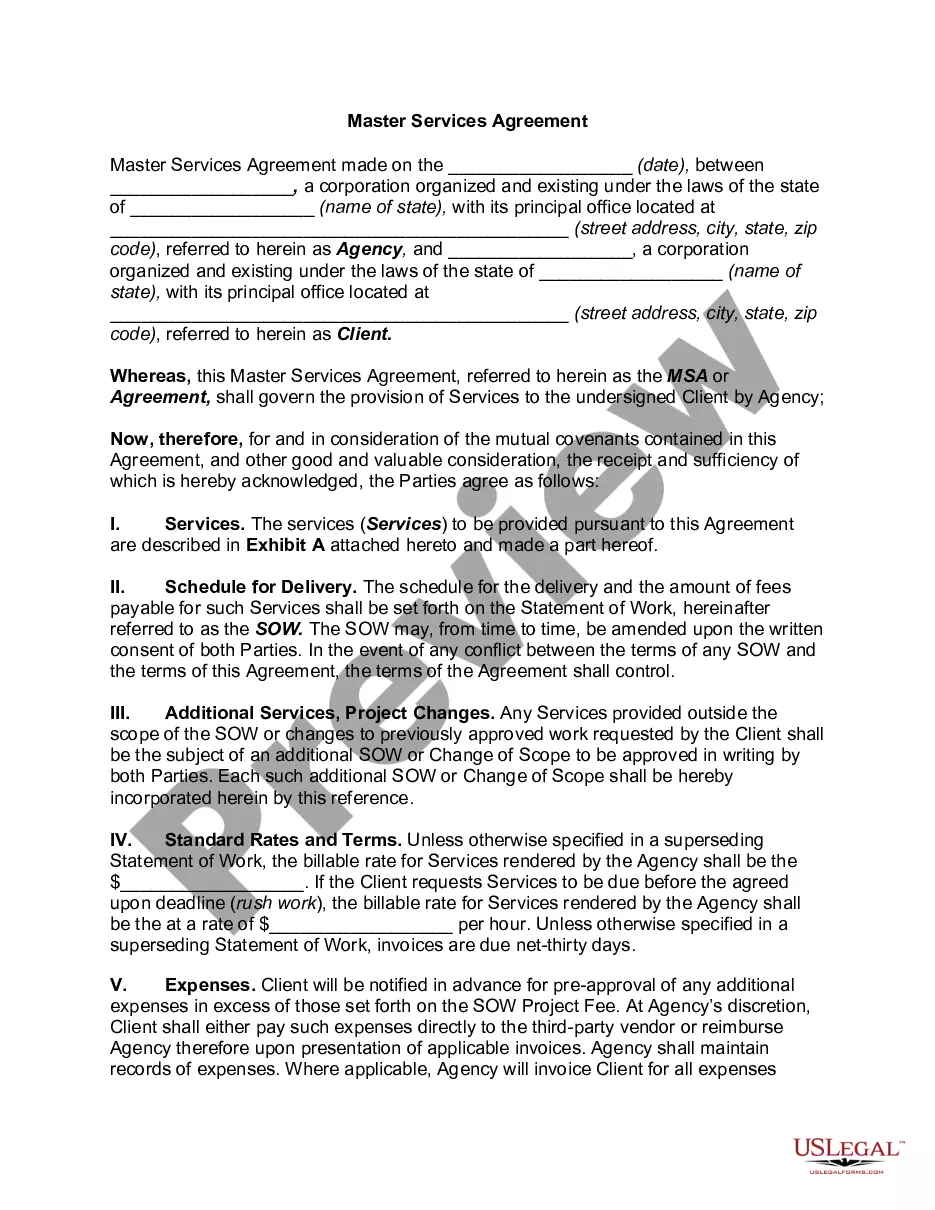
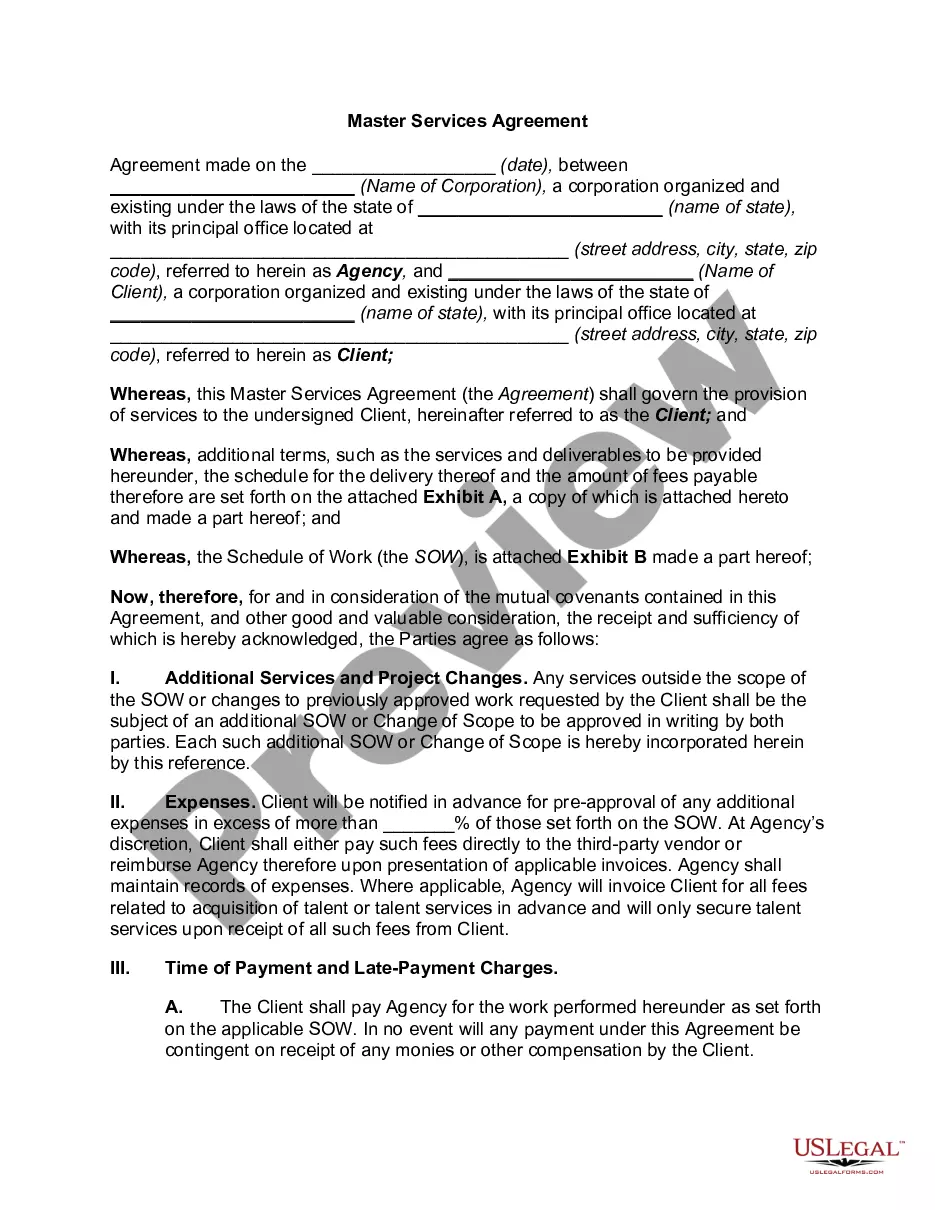
- Date of the agreement.
- Identification of the service provider and client, including business details.
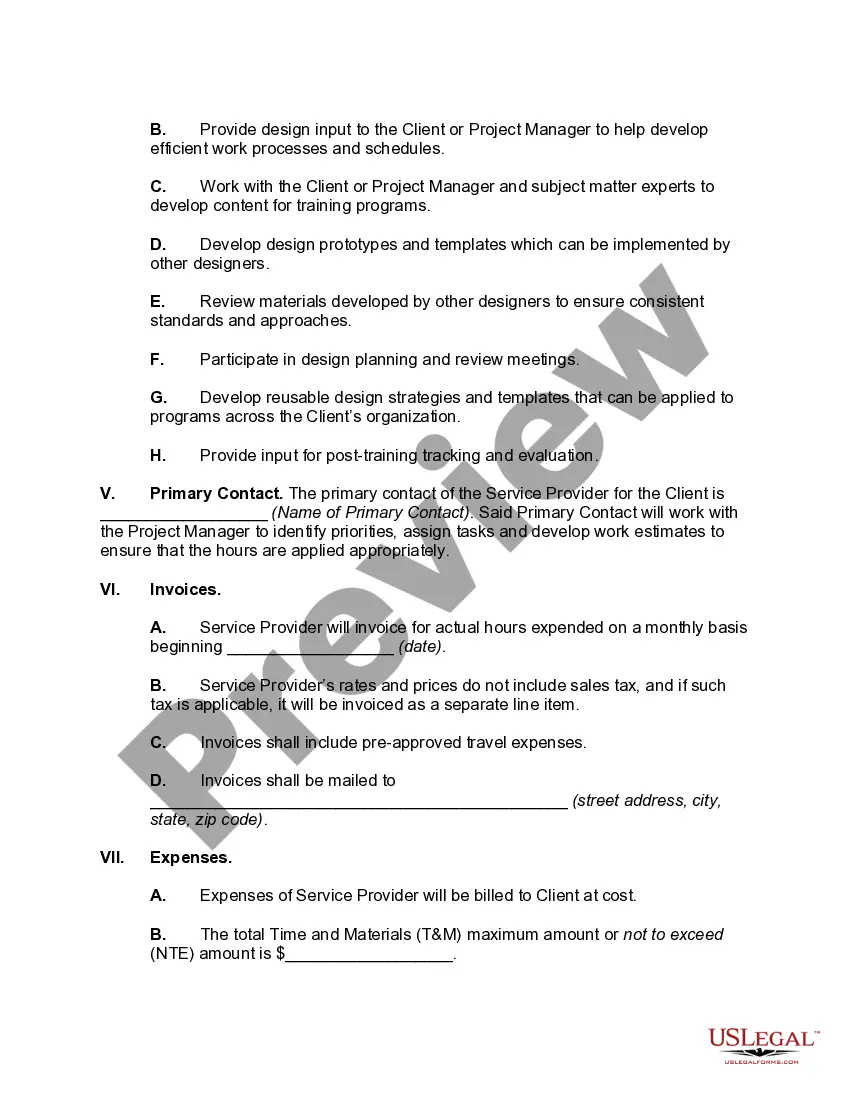
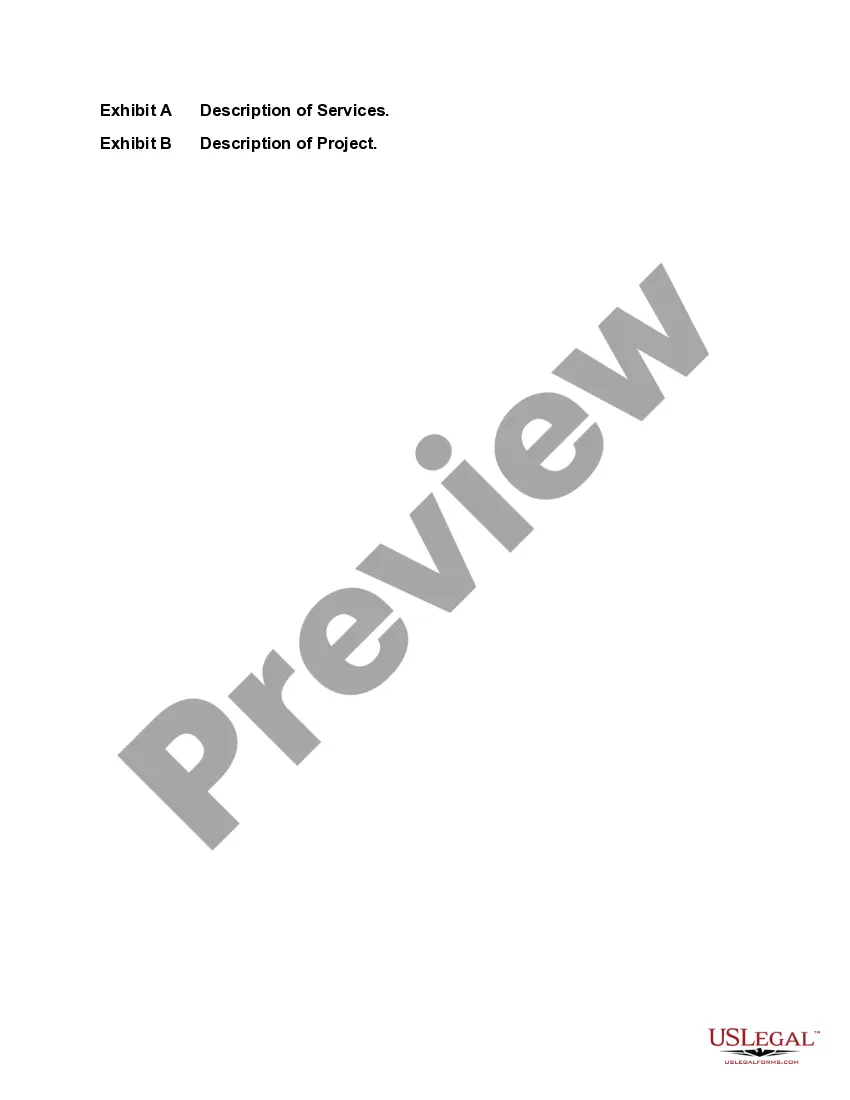
- Detailed description of services and deliverables.
- Performance schedule, including start and end dates.
- Personnel assignment and available staffing options.
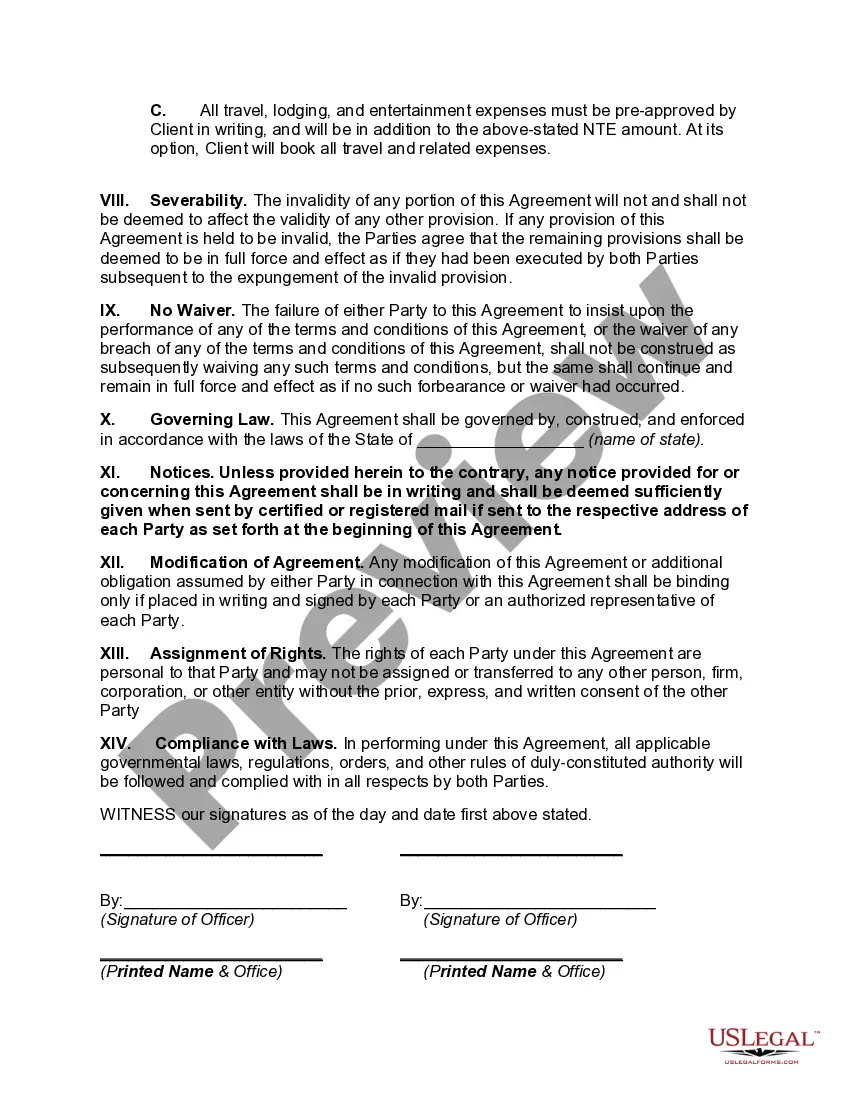
- Invoice terms and expense billing procedures.
- Governing law and legal compliance clauses.
- Severability and no waiver provisions.
Common use cases
Use this Statement of Work form when entering into a contractual agreement for a project that requires clear definitions of work to be performed. It is particularly useful in scenarios such as consulting projects, design contracts, IT service agreements, or any situation where the scope of work needs to be explicitly stated to avoid disputes.
Intended users of this form
This form is intended for:
- Service providers looking to define their obligations clearly before starting work.
- Clients who need detailed descriptions of the services they are hiring for.
- Businesses and contractors involved in project-based work.
- Professionals in fields such as IT, construction, and consultancy who require formal agreements for project deliverables.
Instructions for completing this form
- Identify and enter the date and names of the service provider and client at the beginning of the form.
- Clearly specify the description of services and any deliverables in the designated sections.
- Outline the schedule by providing the start and end dates for the work to be performed.
- Detail any personnel assignments and their availability as mentioned in the personnel section.
- Complete the invoicing and expense sections, including rates and billing procedures.
- Ensure all parties sign the document to formalize the agreement.
Notarization guidance
This form does not typically require notarization to be legally valid. However, some jurisdictions or document types may still require it. US Legal Forms provides secure online notarization powered by Notarize, available 24/7 for added convenience.
Get your form ready online
Our built-in tools help you complete, sign, share, and store your documents in one place.
Make edits, fill in missing information, and update formatting in US Legal Forms—just like you would in MS Word.
Download a copy, print it, send it by email, or mail it via USPS—whatever works best for your next step.
Sign and collect signatures with our SignNow integration. Send to multiple recipients, set reminders, and more. Go Premium to unlock E-Sign.
If this form requires notarization, complete it online through a secure video call—no need to meet a notary in person or wait for an appointment.
We protect your documents and personal data by following strict security and privacy standards.

Make edits, fill in missing information, and update formatting in US Legal Forms—just like you would in MS Word.

Download a copy, print it, send it by email, or mail it via USPS—whatever works best for your next step.

Sign and collect signatures with our SignNow integration. Send to multiple recipients, set reminders, and more. Go Premium to unlock E-Sign.

If this form requires notarization, complete it online through a secure video call—no need to meet a notary in person or wait for an appointment.

We protect your documents and personal data by following strict security and privacy standards.
Common mistakes to avoid
- Failing to clearly define the scope of work, leading to misunderstandings.
- Not specifying start and end dates, which could cause project delays.
- Omitting details about invoicing and expenses, leading to disputes over payment.
- Not having all parties sign the agreement, making it difficult to enforce.
Benefits of using this form online
- Convenient access to customizable templates that are legally vetted.
- Easy editing features that allow for quick adjustments based on project needs.
- Reliable documentation that helps protect against disputes and misunderstandings.
- Immediate availability, allowing users to create and download forms at any time.
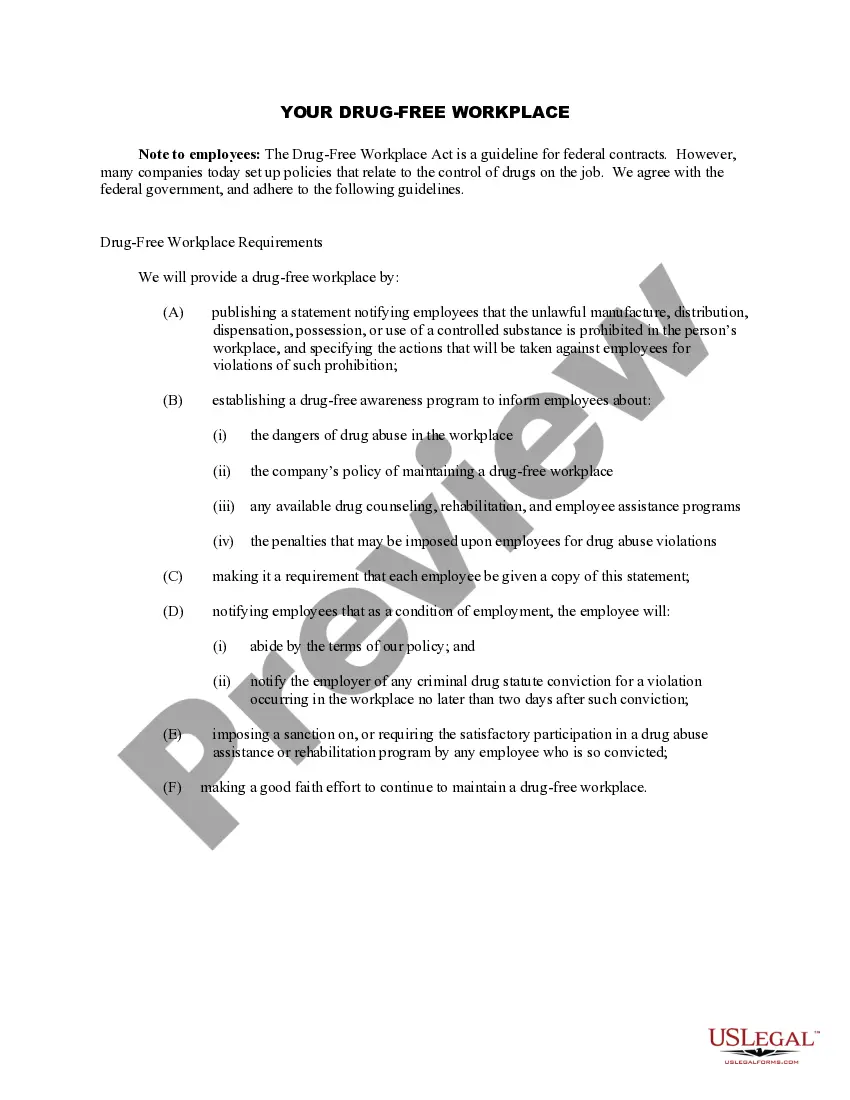
Looking for another form?
Form popularity
FAQ
A Statement of Work (SOW) is a document within a contract that describes the work requirements for a specific project along with its performance and design expectations.A well-written SOW will define the scope and Key Performance Indicators (KPIs) for the agreement.
Introduce the project. Define the vision. Set the project requirements. Define the scope. Set the deadline of the project. Allocate key resources. Create the schedule. Specify the terms of payment and due dates.
Understand what a SOW is. A SOW defines the scope of work required and the time in which it's to be performed. Know what to include. Define success. Don't forget a timetable. Tie payment to milestones. Use language everyone can understand. Be specific. Remember postproduction needs.
A Statement of Work (SOW) is an important part of both project and contract management that helps guarantee that the work for a project will be done according to certain guidelines and expectations. Contractors or collaborators outside your organization will use the SOW to guide their work during a specific project.
A statement of work is a highly detailed, legally-binding contract, while a project charter is a shorter, high-level, non-legal overview. You'll often create project charters after the SOW. There's no difference between a scope of work and a statement of work.
What is a statement of work template? A statement of work template agreed-upon between an agency and a client clearly defines what work to include within a project and what isn't part of it. In itself, an SoW template is a project contract that establishes and aligns the expectations for both parties.
Scope of Work. Include what's actually going to be done, or what could be done if required. Deliverables. Timeline and Resources. Payment Terms. Client Services. Changes. Terms and Conditions.
Requirements should be unambiguous. Requirements should be short. Requirements must be feasible. Requirements should be prioritized. Requirements should be testable. Requirements should be consistent. Requirements shouldn't include conjunctions like and / or
Scope of Work. Include what's actually going to be done, or what could be done if required. Deliverables. Timeline and Resources. Payment Terms. Client Services. Changes. Terms and Conditions.