Litigation Costs Clause for Lease
Overview of this form
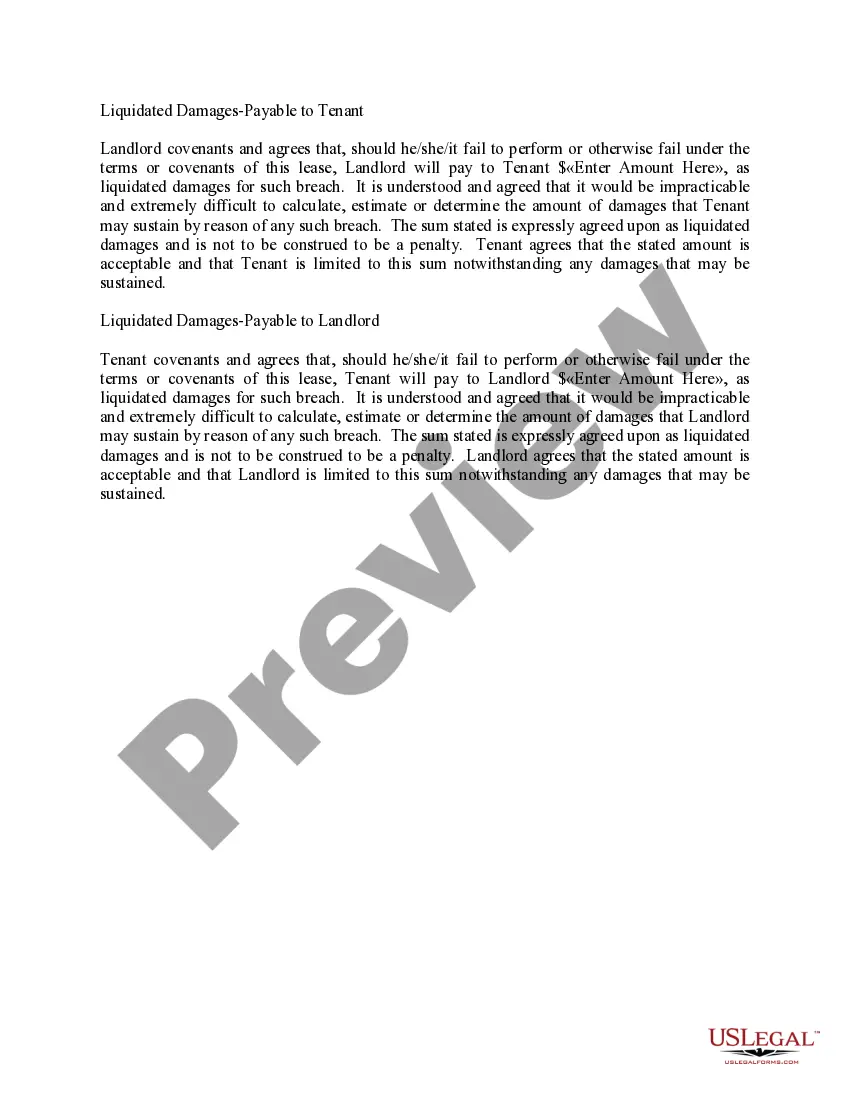
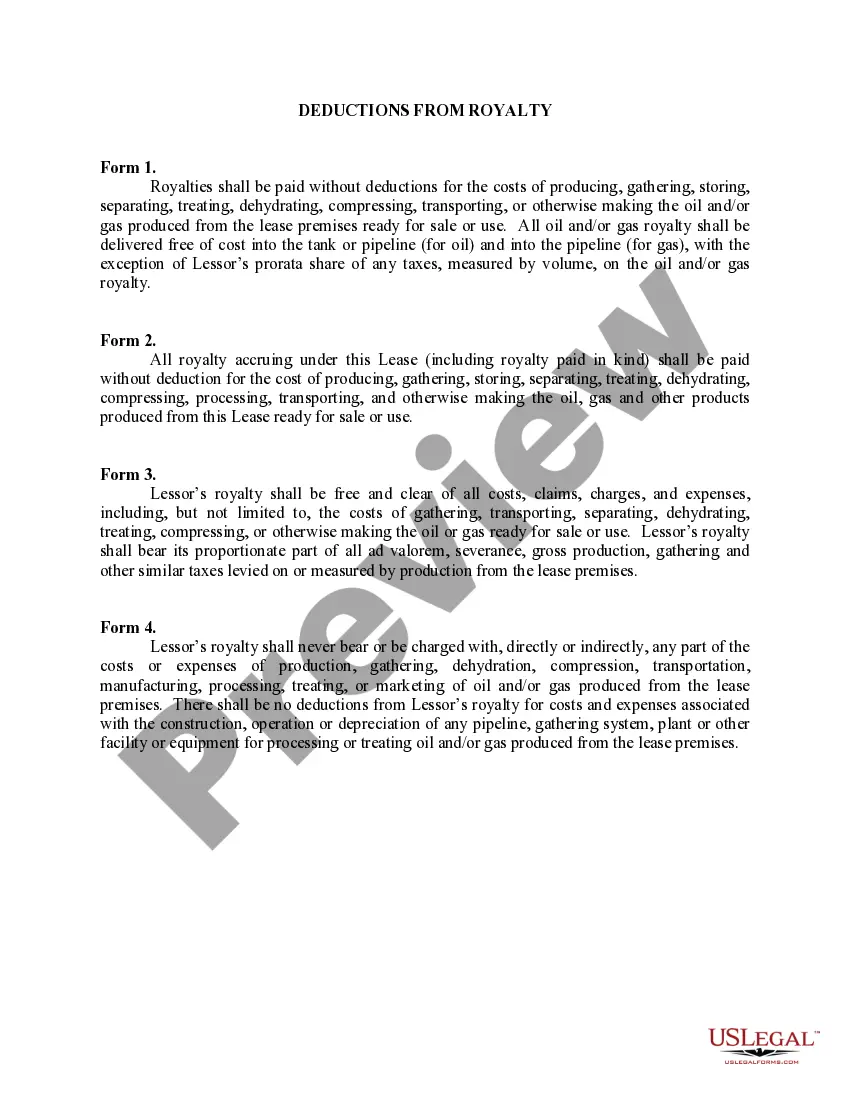
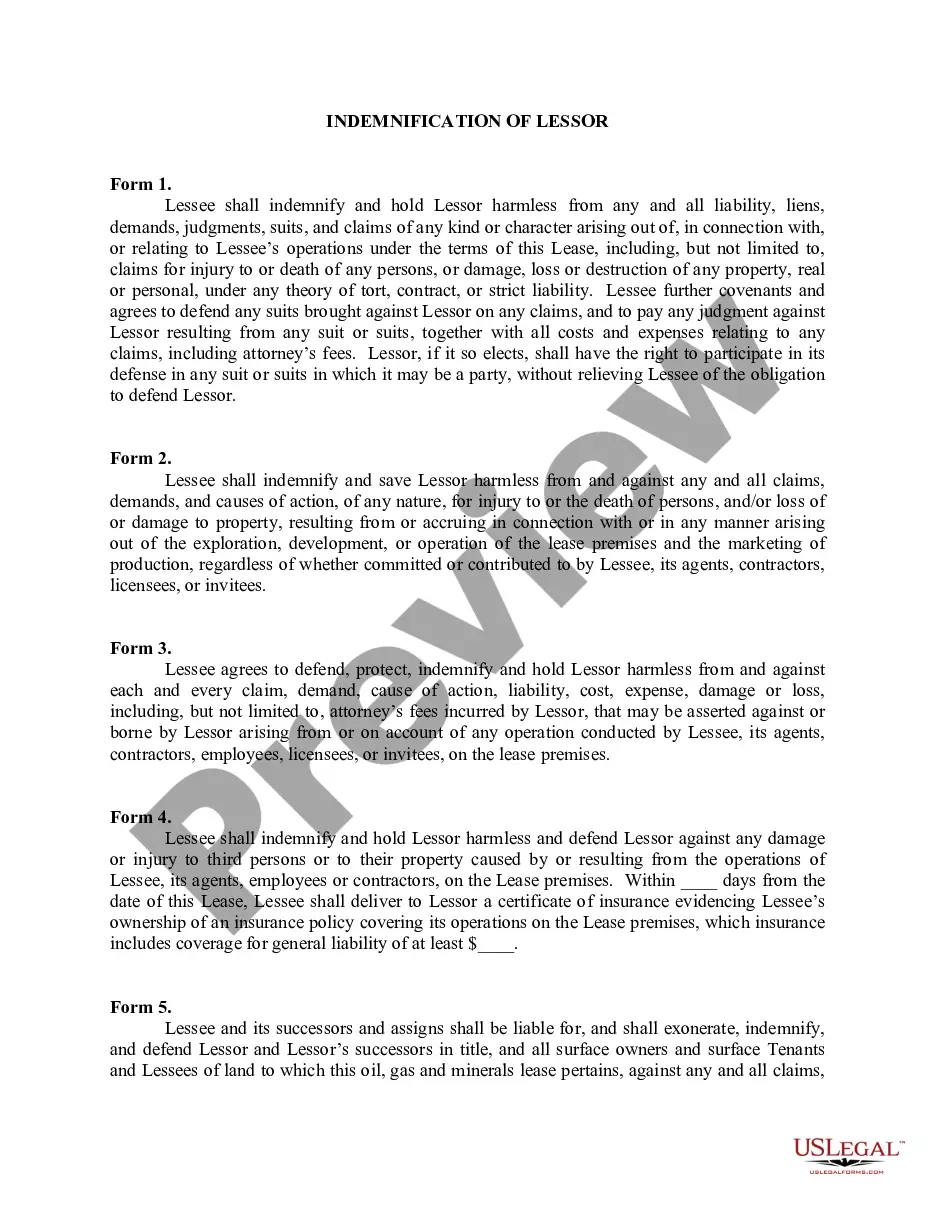
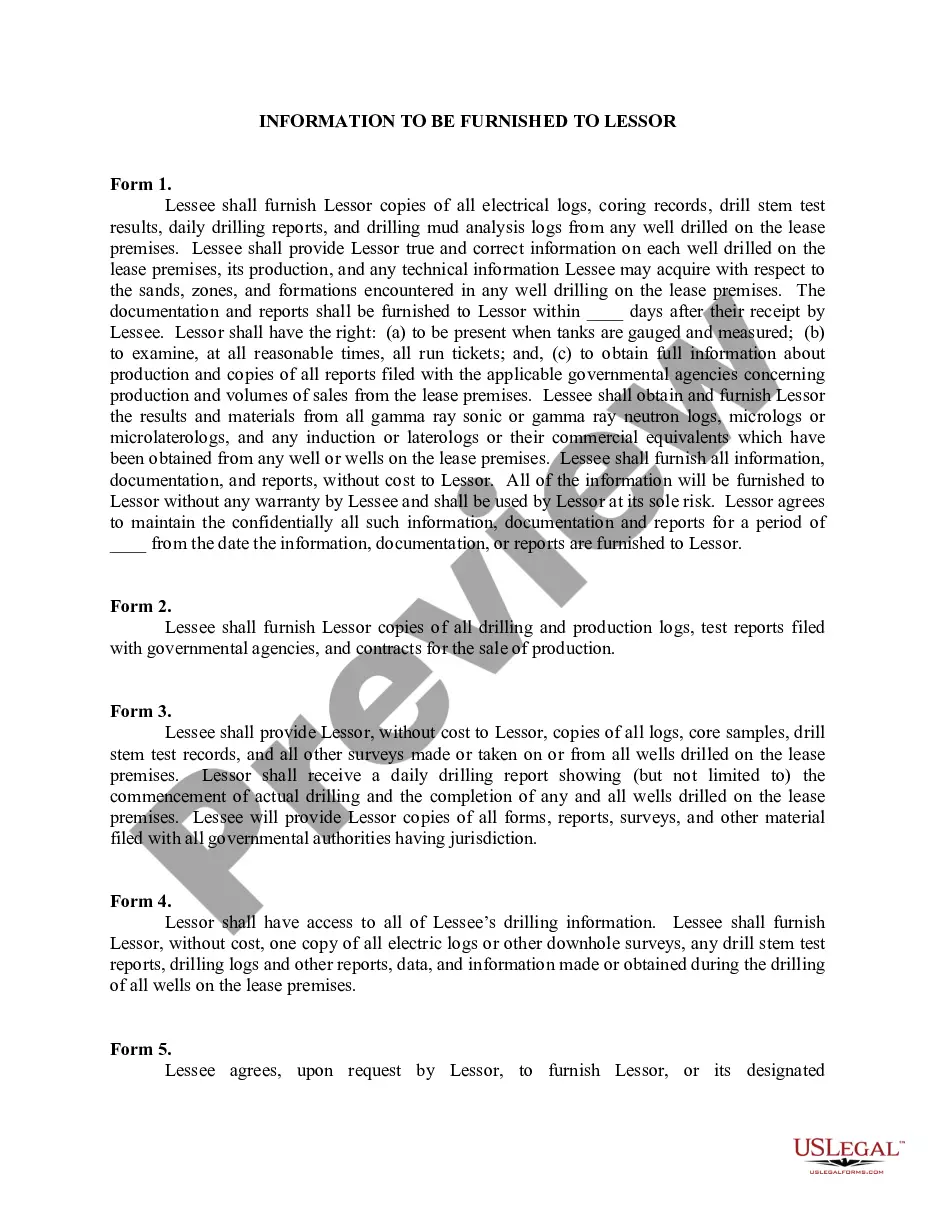
The Litigation Costs Clause for Lease is a legal document that allows landlords to specify who is responsible for legal fees if a lawsuit arises related to the lease. This form offers additional provisions that can limit the rights of the tenant (Lessee) in the standard lease agreement. It ensures that the landlord (Lessor) can recover all reasonable legal costs if they prevail in litigation due to the Lessee's failure to adhere to the lease terms.
What’s included in this form
- Clause requiring the Lessee to pay reasonable attorneys' fees if the Lessor prevails in litigation.
- Specification on where lawsuits must be filed (the county where the lease premises are located).
- Waiver of jurisdiction regarding federal courts except for appeals to the U.S. Supreme Court.
- Provision for the recovery of pre-judgment interest along with attorney fees if the Lessor wins.
When to use this document
This form is needed when establishing a commercial or residential lease agreement that may potentially lead to disputes. It is especially useful if you foresee possible conflicts regarding lease compliance or want to clarify the consequences of a breach. By including this clause, landlords can protect their financial interests in the event of litigation regarding lease obligations.
Intended users of this form
- Landlords wanting to secure their rights in lease agreements.
- Property managers who oversee multiple rental units.
- Tenants who wish to negotiate lease terms with clauses regarding litigation-related costs.
- Real estate professionals involved in lease transactions.
How to complete this form
- Identify the parties involved, including the Lessor and Lessee.
- Specify the lease premises covered under the agreement.
- Include any additional clauses or modifications you require.
- Review the completed form for accuracy and completeness.
- Have both parties sign and date the form to make it legally binding.
Does this form need to be notarized?
This form does not typically require notarization unless specified by local law. It is always advisable to check local regulations or consult with a legal professional if you are uncertain about notarization requirements for your lease agreement.
Get your form ready online
Our built-in tools help you complete, sign, share, and store your documents in one place.
Make edits, fill in missing information, and update formatting in US Legal Forms—just like you would in MS Word.
Download a copy, print it, send it by email, or mail it via USPS—whatever works best for your next step.
Sign and collect signatures with our SignNow integration. Send to multiple recipients, set reminders, and more. Go Premium to unlock E-Sign.
If this form requires notarization, complete it online through a secure video call—no need to meet a notary in person or wait for an appointment.
We protect your documents and personal data by following strict security and privacy standards.

Make edits, fill in missing information, and update formatting in US Legal Forms—just like you would in MS Word.

Download a copy, print it, send it by email, or mail it via USPS—whatever works best for your next step.

Sign and collect signatures with our SignNow integration. Send to multiple recipients, set reminders, and more. Go Premium to unlock E-Sign.

If this form requires notarization, complete it online through a secure video call—no need to meet a notary in person or wait for an appointment.

We protect your documents and personal data by following strict security and privacy standards.
Common mistakes to avoid
- Failing to specify the location for litigation.
- Omitting necessary signatures from either party.
- Not reviewing state-specific legal requirements before use.
- Including vague or unclear language in additional provisions.
Benefits of using this form online
- Immediate access to professionally drafted legal templates.
- Convenient download options for quick and easy use.
- Simple editing to tailor clauses to your specific needs.
- Reliable legal language that meets standard requirements.
Legal use & context
- This clause is enforceable in a court of law if both parties have agreed to its terms in the lease agreement.
- Important to ensure that all terms are clear to avoid disputes regarding interpretation.
- Jurisdictional limitations can impact where lawsuits may be filed, so clarity is crucial.
Quick recap
- The litigation costs clause for lease protects the lessorâs right to recover legal fees.
- This form includes specific conditions regarding litigation and jurisdiction.
- Understanding and completing this form accurately is essential for both lessors and lessees.
Looking for another form?
Form popularity
FAQ
Yes and no. There are no state laws that explicitly ban landlords from charging early termination fees. What the laws do say is that California landlords can only demand an amount equal to their actual costs related to you moving out early.
The use clause in a lease tells you how you can utilize your space. It may restrict your lines of business, stipulate office hours that you must adhere to and place restrictions on advertising signage on the premises.
10 Important Rental Lease Clauses. #1 Rent Liability. #2 Severability Clause. #3 Access to Premises. #4 Use of Premises. #5 Holding Over. #6 Sublet Rules. #7 Disturbance Clause.
With Tenant Consent. If the tenant and landlord both agree to the change, the parties can either (1) execute a new lease or rental agreement that includes the new clause, or (2) amend the existing lease or rental agreement. Without Tenant Consent.
When Does a Rental Lease Become Legally Binding? The lease becomes legally binding when all parties have signed: the landlord and all tenants living in the unit who are 18 and older. If you're worried about situations where a lease needs to end early, learn about breaking a lease and grounds for eviction.
Amount of rent, security deposit, other payments. Duration of agreement and renewal criteria. List of fittings, fixtures. Registration of agreement. Restrictions.
Adding an Addendum An addendum must include the basic elements of any landlord/tenant agreement. You should include the date, the address of the rental property and the names of each party just as you would in the original lease.
If an issue crops up after a lease has begun, you can still add a clause or addendum. You will just need to send your tenant written notice of the change, preferably with a lease amendment, and then get your tenant's signature on the new amendment.