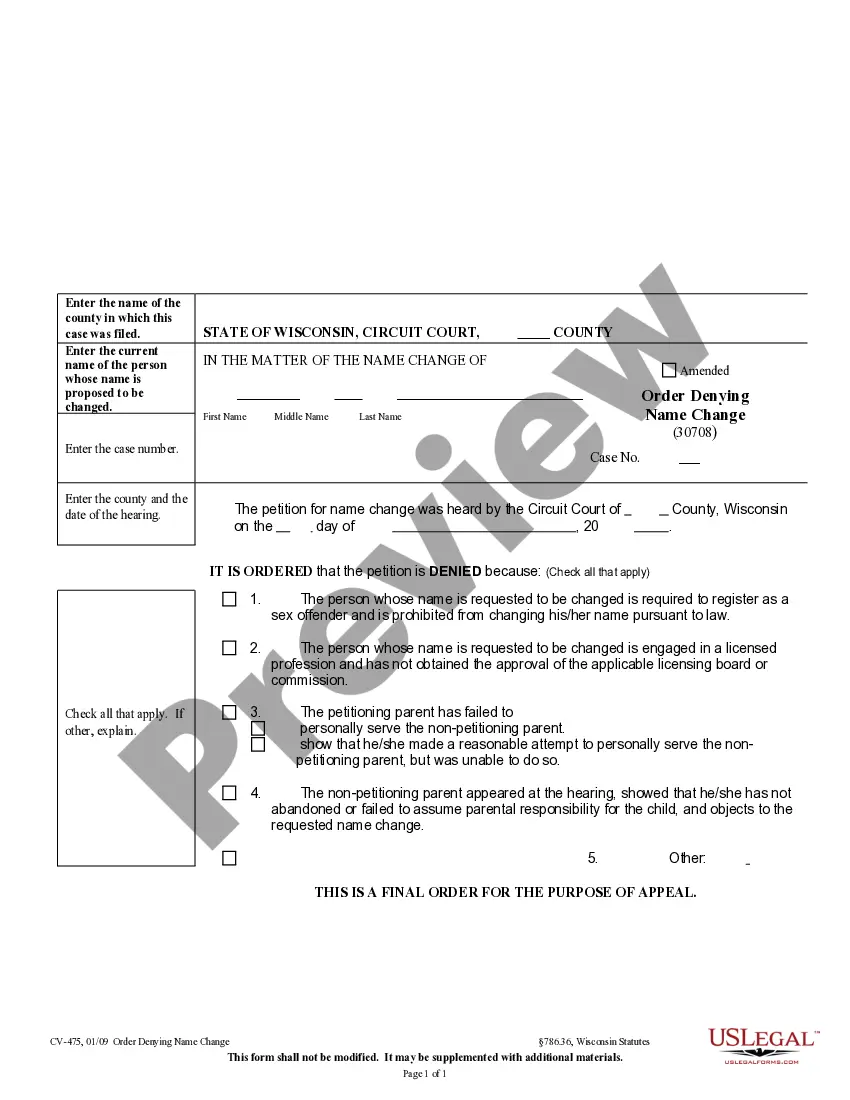
Motion to Cite Plaintiff for Contempt of Temporary Judgment Requiring One-Half Mortgage Payment - Domestic Relations
Understanding this form
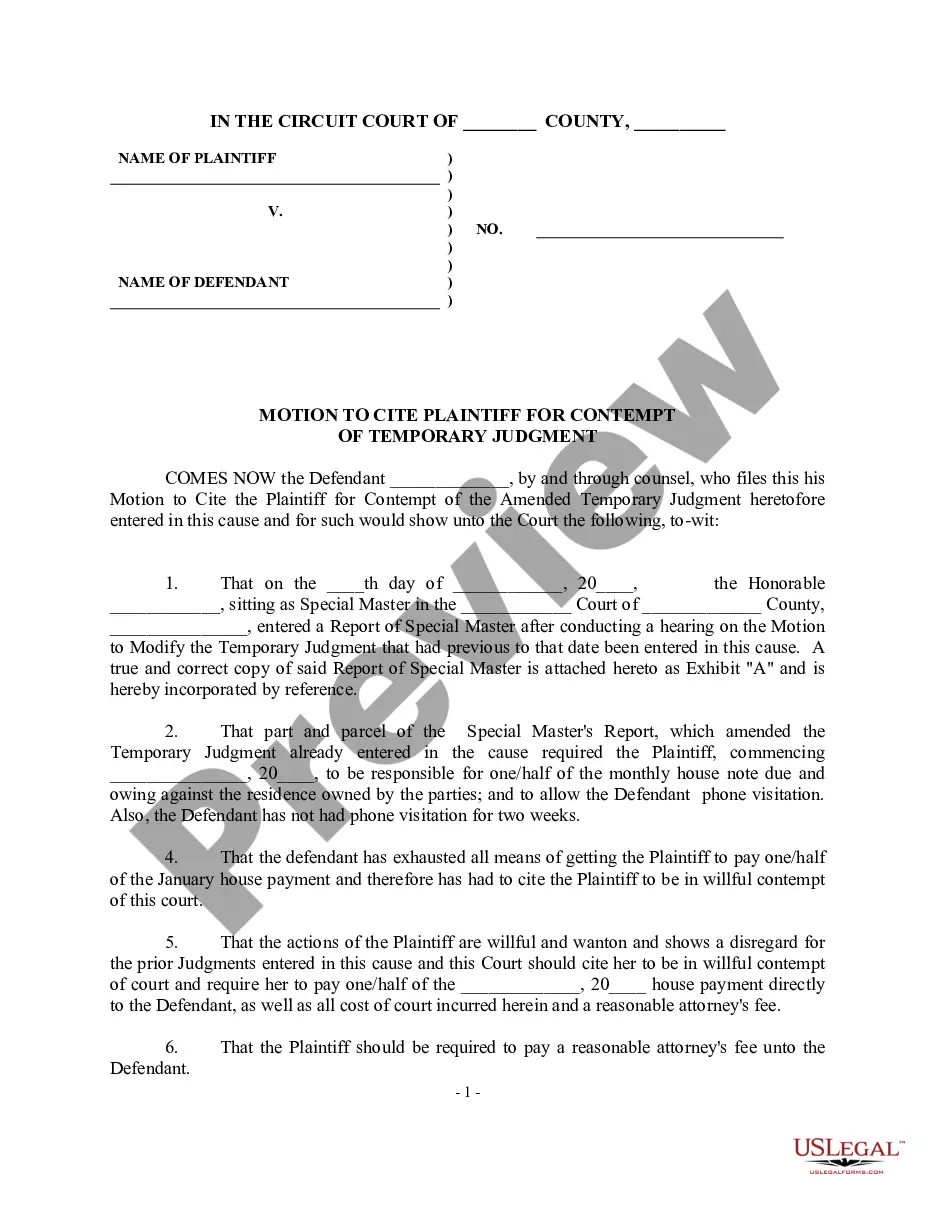
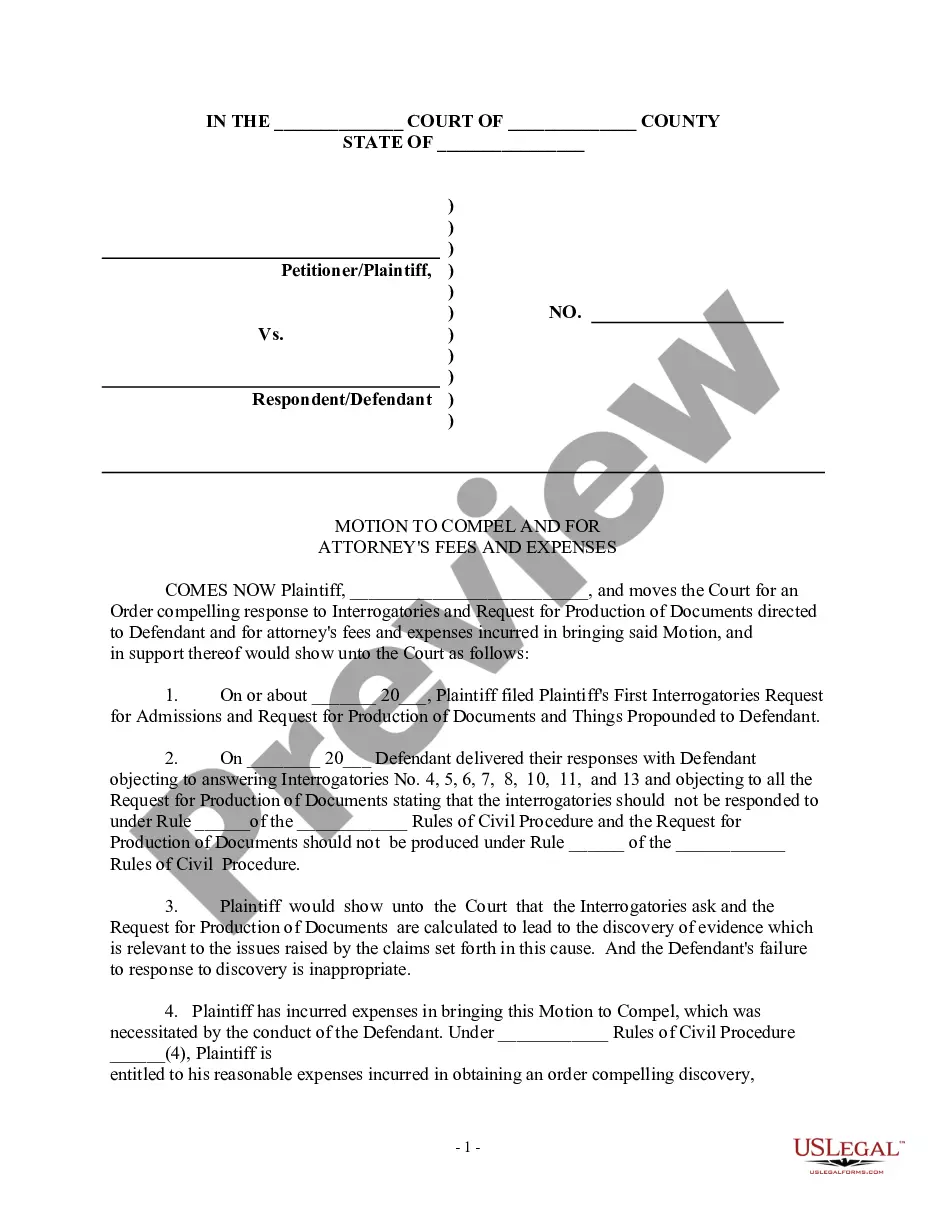
This form is a Motion to Cite Plaintiff for Contempt of Temporary Judgment Requiring One-Half Mortgage Payment. It is used in domestic relations cases when a defendant needs to request that the court hold the plaintiff in contempt of a temporary judgment that mandates payment obligations. This motion outlines the failure of the plaintiff to comply with court orders regarding financial responsibilities related to mortgage payments and visitation rights.
Main sections of this form
- Identification of the defendant and plaintiff.
- Details of the previous court judgment and compliance failures.
- Claims of willful contempt by the plaintiff.
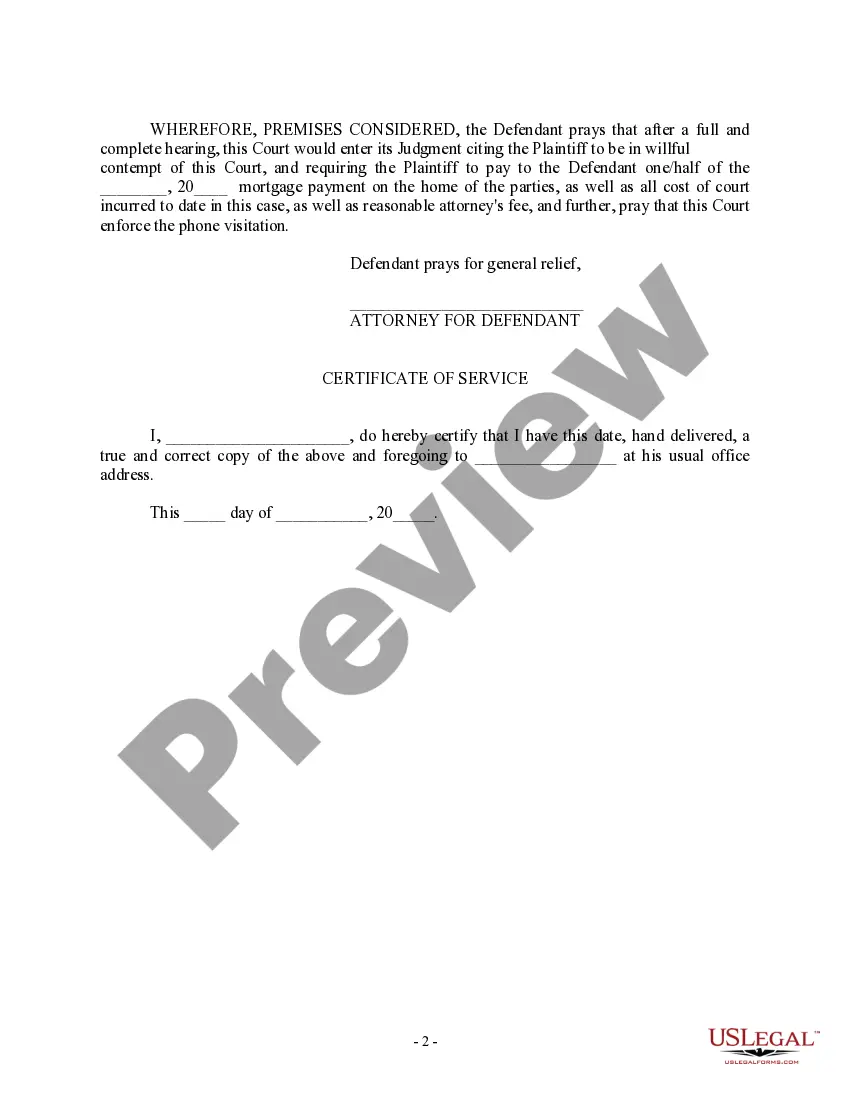
- Requests for specific relief, including payment obligations and attorney fees.
- A certificate of service confirming delivery to the plaintiff.
Common use cases
This form should be used when a defendant believes that the plaintiff has not complied with a court's temporary judgment, specifically regarding mortgage payments or visitation arrangements. It is essential in situations where one party is not meeting their financial obligations as ordered by the court, leading to a need for legal action to enforce compliance.
Who should use this form
- Defendants in a domestic relations case who are affected by non-compliance with court orders.
- Individuals seeking to enforce temporary judgments related to financial responsibilities, such as mortgage payments.
- Anyone requiring legal action to ensure compliance with visitation rights as defined in previous court rulings.
How to complete this form
- Identify the defendant and plaintiff, providing full names and contact details.
- Reference the court case number and details of the prior temporary judgment.
- Clearly state the specific obligations the plaintiff failed to meet.
- Detail the requests for enforcement, including the amount due and any attorney fees.
- Complete the certificate of service to confirm delivery of the motion to the plaintiff.
Notarization guidance
This form does not typically require notarization unless specified by local law. Always check specific state requirements to ensure compliance with local rules.
Get your form ready online
Our built-in tools help you complete, sign, share, and store your documents in one place.
Make edits, fill in missing information, and update formatting in US Legal Forms—just like you would in MS Word.
Download a copy, print it, send it by email, or mail it via USPS—whatever works best for your next step.
Sign and collect signatures with our SignNow integration. Send to multiple recipients, set reminders, and more. Go Premium to unlock E-Sign.
If this form requires notarization, complete it online through a secure video call—no need to meet a notary in person or wait for an appointment.
We protect your documents and personal data by following strict security and privacy standards.

Make edits, fill in missing information, and update formatting in US Legal Forms—just like you would in MS Word.

Download a copy, print it, send it by email, or mail it via USPS—whatever works best for your next step.

Sign and collect signatures with our SignNow integration. Send to multiple recipients, set reminders, and more. Go Premium to unlock E-Sign.

If this form requires notarization, complete it online through a secure video call—no need to meet a notary in person or wait for an appointment.

We protect your documents and personal data by following strict security and privacy standards.
Avoid these common issues
- Failing to include essential details of the original temporary judgment.
- Not adequately stating the grounds for contempt.
- Incorrectly filling out the certificate of service.
- Omitting specific requests for relief or amounts owed.
Benefits of completing this form online
- Convenience of downloading at any time.
- Easily editable to adapt to your specific legal situation.
- Access to templates drafted by licensed attorneys for reliability.
Legal use & context
- This form is used within domestic relations cases where a court order exists concerning mortgage responsibilities.
- Filing this motion can lead to the enforcement of a judgment and potentially the collection of attorney's fees.
- Contempt findings can carry serious legal consequences, including penalties against the plaintiff.
What to keep in mind
- The form is designed to enforce compliance with temporary judgments related to mortgage payments.
- It is crucial to accurately detail any violations by the plaintiff to help the court understand the context of the contempt claim.
- Always check specific state laws and consider legal counsel for guidance in filing this motion.
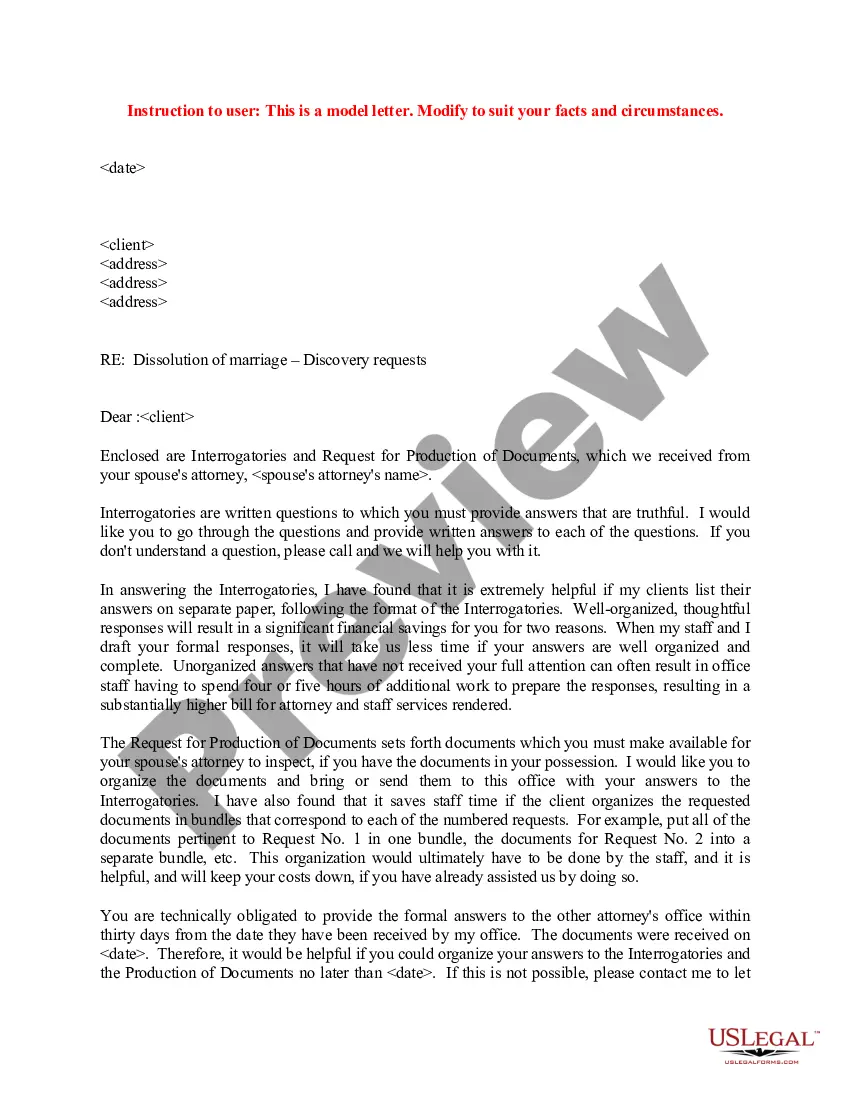
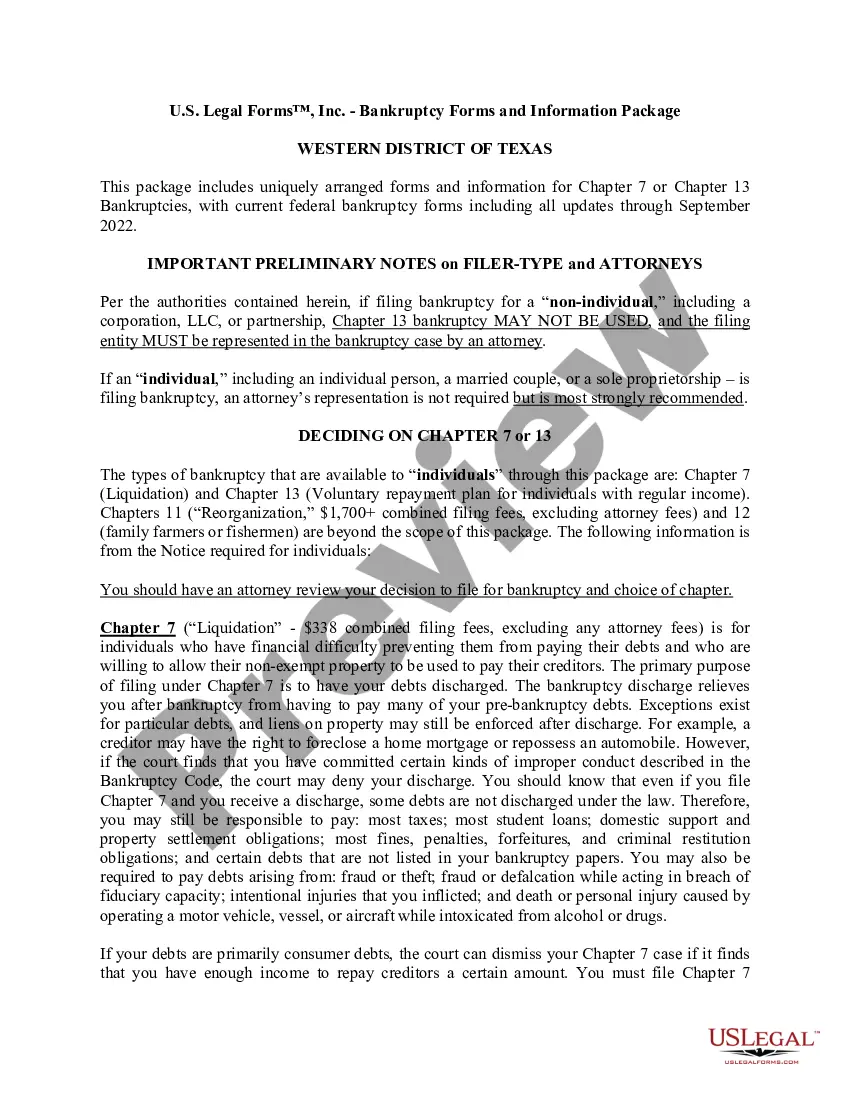
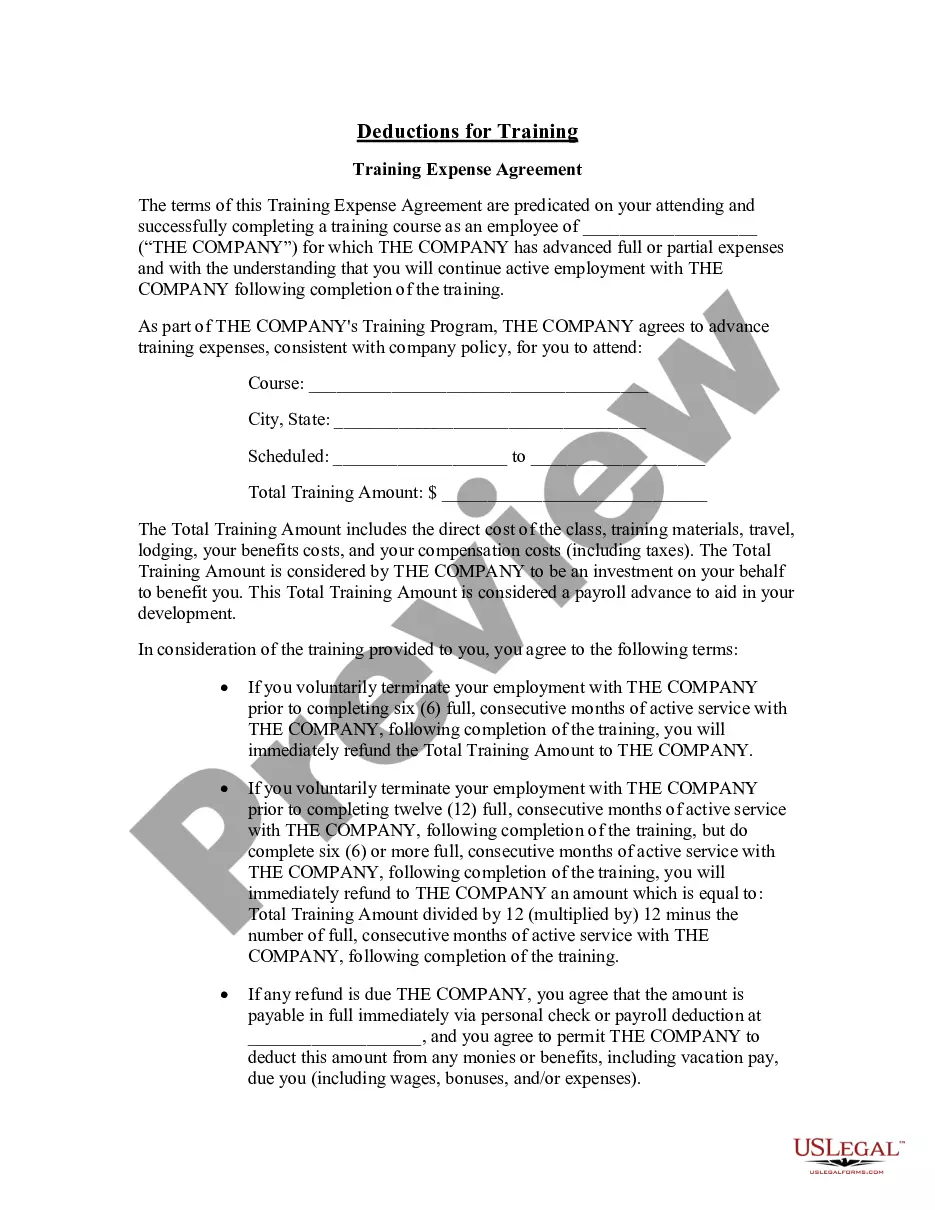
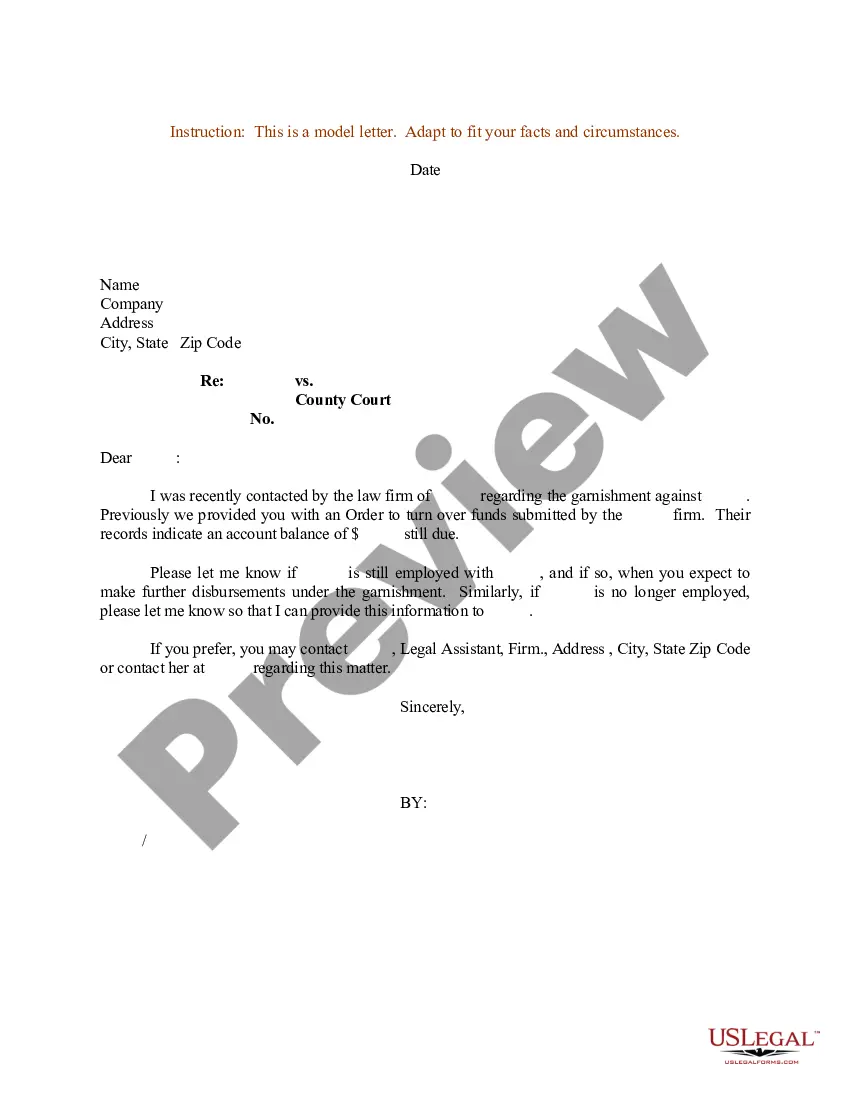
Looking for another form?

Form popularity
FAQ
Basically, if you are suing someone then you are the Plaintiff and if you are being sued, you are the Defendant.
The definition of a plaintiff is someone who brings a lawsuit against someone into court. An example of a plaintiff is a wife filing for divorce.The party in a civil law case who brings the action in a court of law.
A case citation is generally made up of the following parts:the volume number of the reporter containing the full text of the case. the abbreviated name of that case reporter. the page number on which the case begins the year the case was decided; and sometimes.
In criminal trials, the state's side, represented by a district attorney, is called the prosecution. In civil trials, the side making the charge of wrongdoing is called the plaintiff. (The side charged with wrongdoing is called the defendant in both criminal and civil trials.)
Name of the case (italicized or underlined - assuming you are writing a brief or memo); Volume of the United States Reports; Reporter abbreviation ("U.S."); First page where the case can be found in the reporter and pinpoint page if required;
To cite a court case or decision, list the name of the case, the volume and abbreviated name of the reporter, the page number, the name of the court, the year, and optionally the URL. The case name is italicized in the in-text citation, but not in the reference list.
In the trial court, the first name listed is the plaintiff, the party bringing the suit. The name following the "v" is the defendant. If the case is appealed, the name of the petitioner (appellant) is usually listed first, and the name of the respondent (appellee) is listed second.
Plaintiff, the party who brings a legal action or in whose name it is broughtas opposed to the defendant, the party who is being sued. The term corresponds to petitioner in equity and civil law and to libelant in admiralty.
General format for citing case studies: Author(s). (Year). Title of case study. Number of case study.