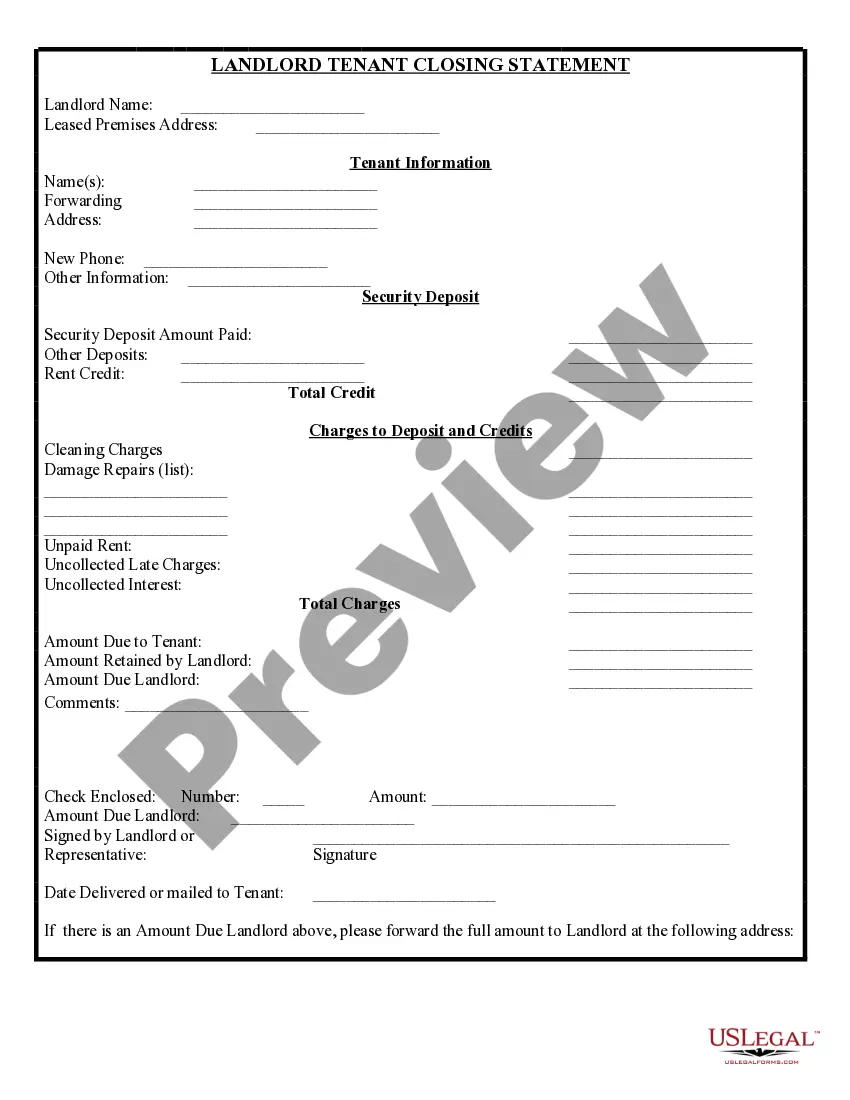
Option License Agreement for a Literary Work License
Overview of this form
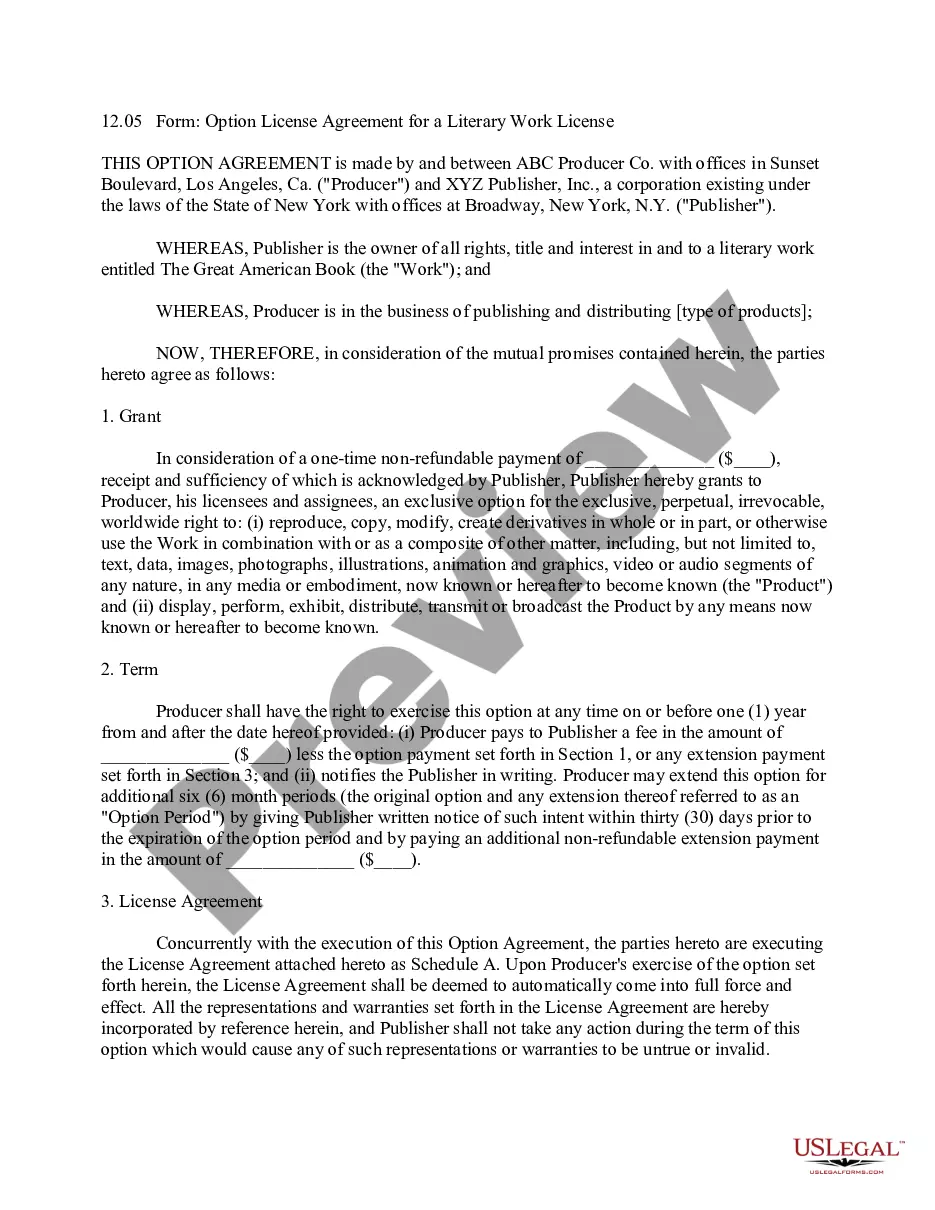
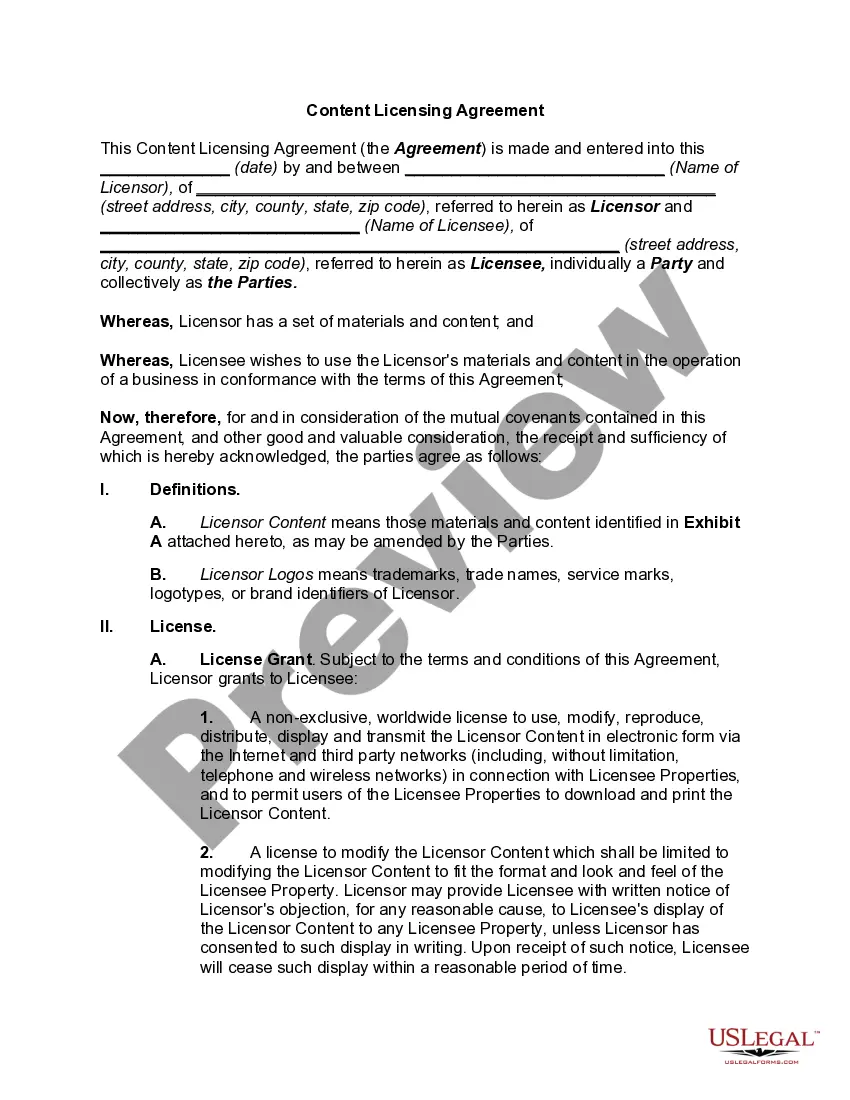
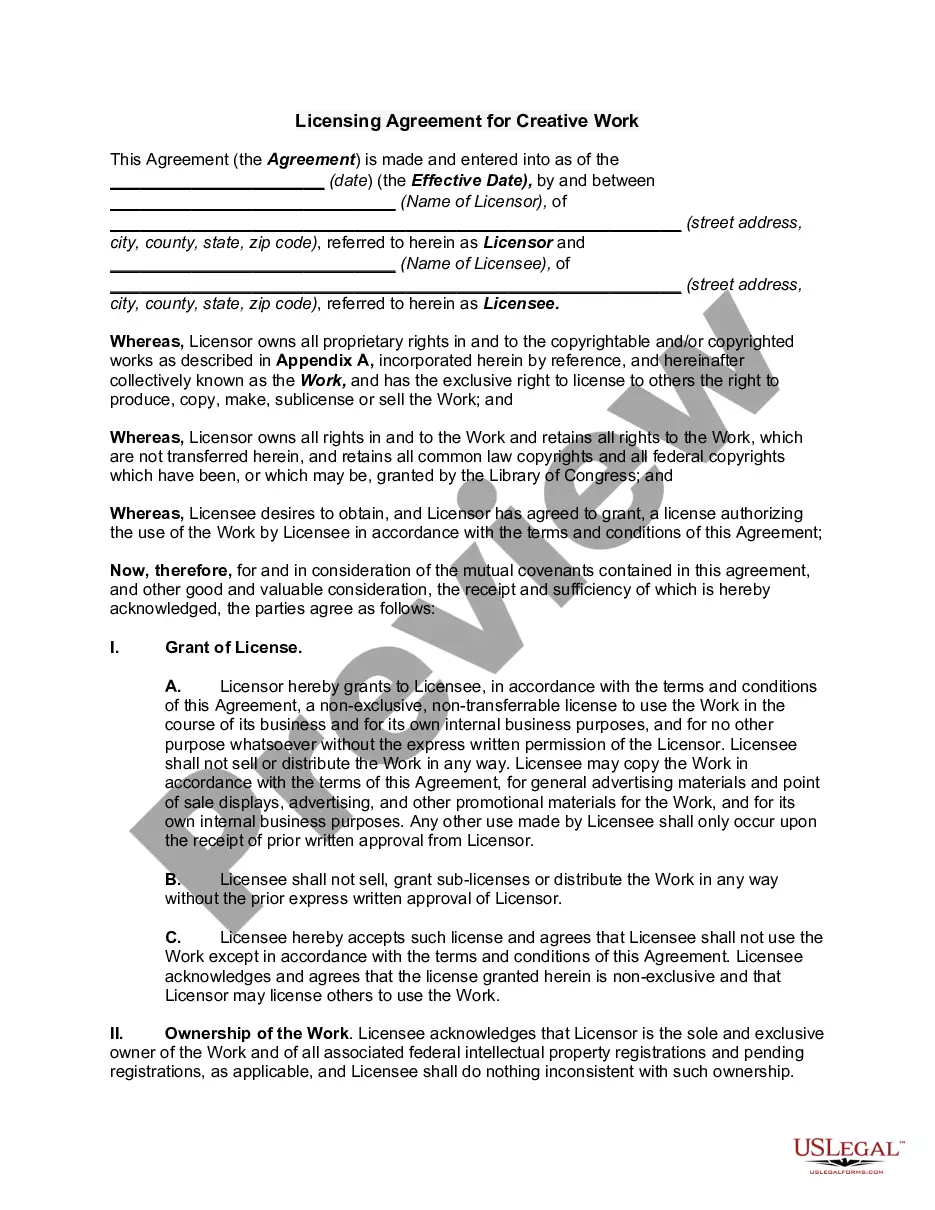
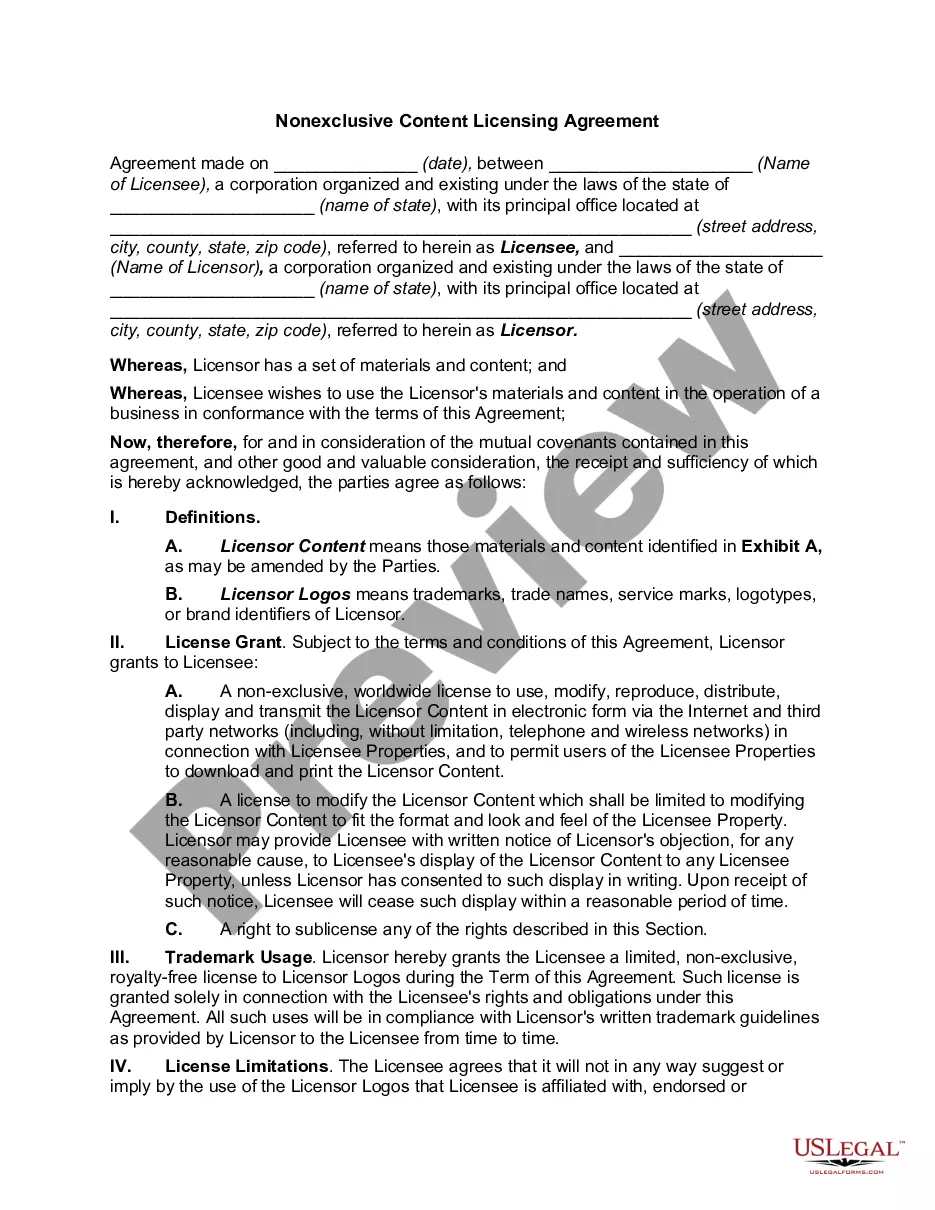
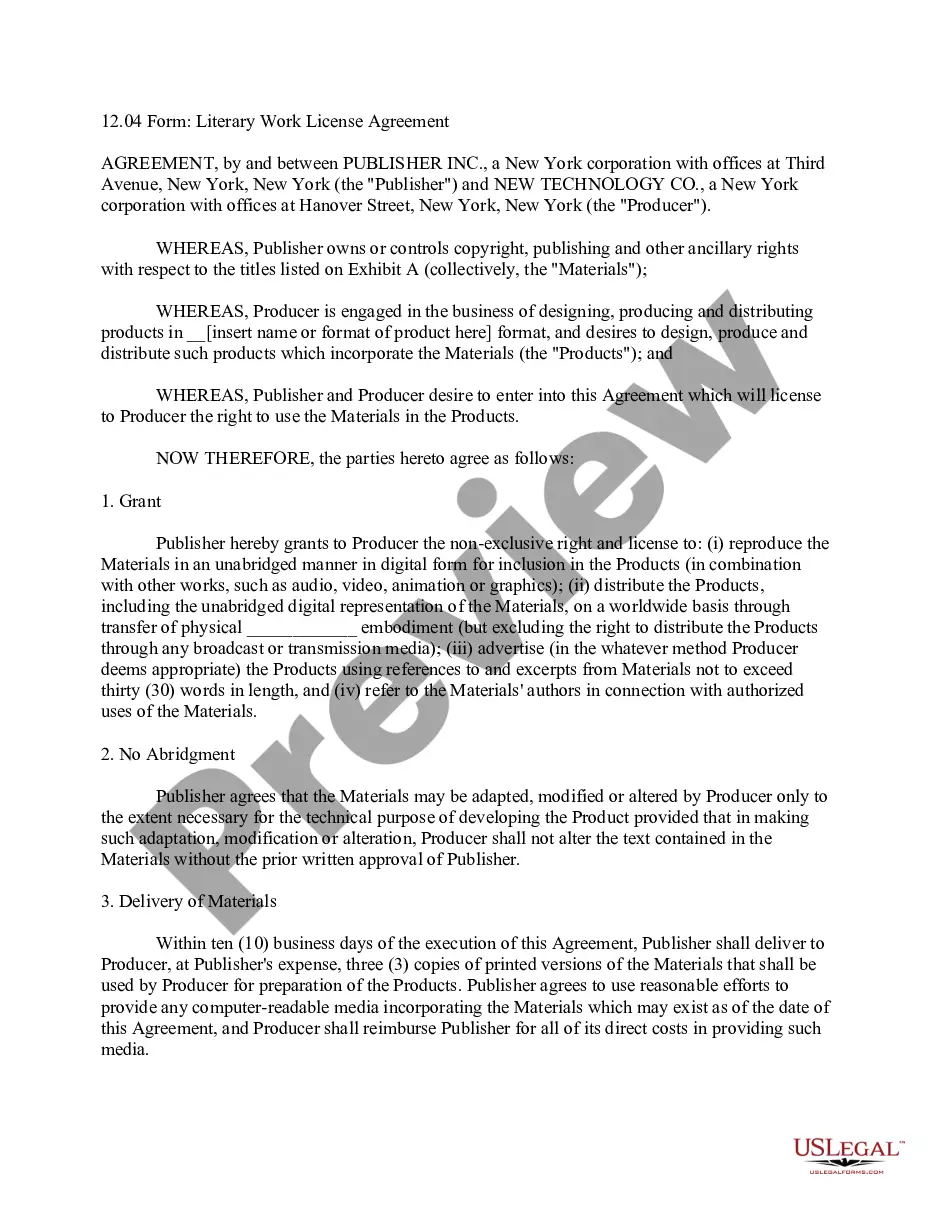
The Option License Agreement for a Literary Work License is a legal document that grants a producer the exclusive right to use a literary work for specified purposes. This agreement differentiates itself from general licensing agreements by focusing specifically on literary works, allowing the producer to reproduce, modify, and distribute the literary content. This form is essential for both publishers and producers involved in book adaptations or other literary productions.
Form components explained
- Grant of license: Defines the rights granted to the producer and specifies the scope of usage for the literary work.
- Term: Outlines the duration of the option period and conditions for extensions.
- License Agreement: States that a separate license agreement will come into effect upon exercising the option.
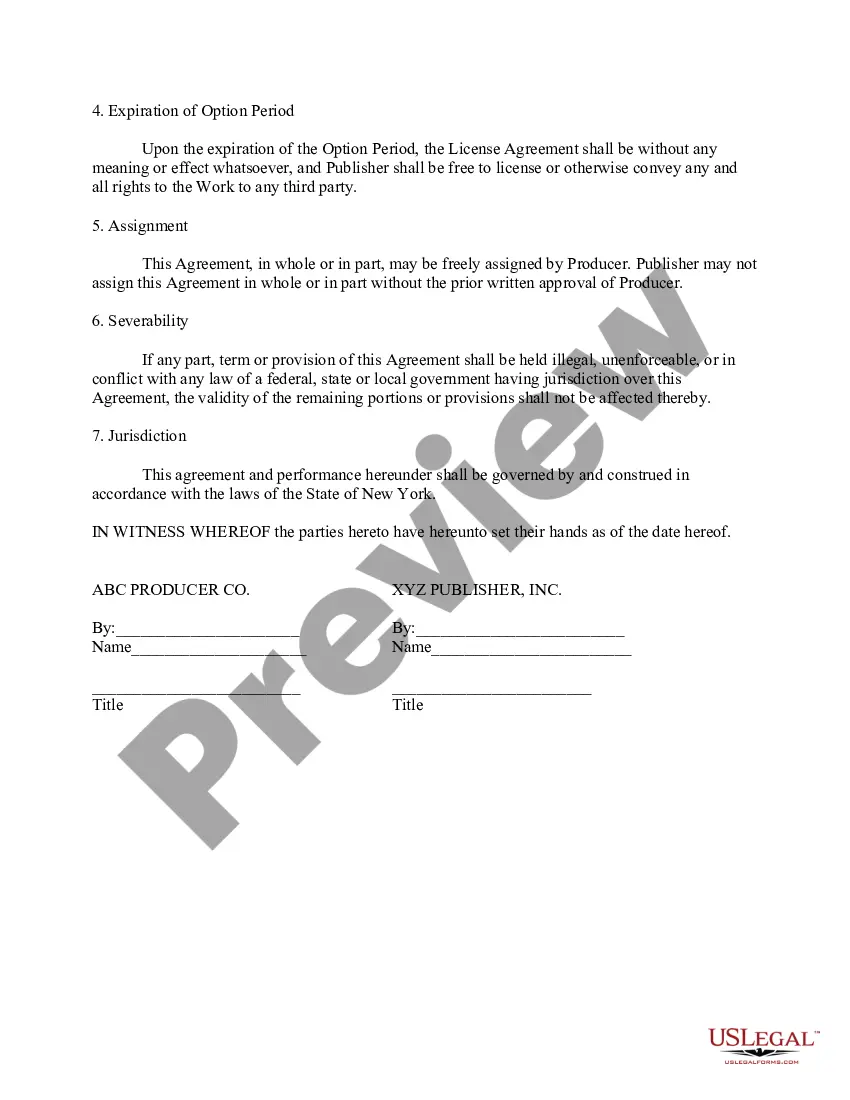
- Expiration: Details what happens once the option period concludes.
- Assignment: Explains the conditions under which the agreement may be assigned by the producer or publisher.
- Jurisdiction: Specifies that the agreement is governed by the laws of New York.
Common use cases
This form should be used when a producer wishes to secure the rights to a literary work for adaptation or distribution purposes. It is particularly relevant when negotiating the option to create derivative works, such as films or other media formats based on the original literary content. This agreement helps to ensure that both parties are clear on the terms of usage before any significant investment is made.
Who needs this form
This form is suitable for:
- Publishers who own the rights to literary works and wish to license those rights.
- Producers looking to adapt literary works for various media.
- agents or representatives seeking to negotiate licensing options on behalf of authors or literary estates.
How to complete this form
- Identify the parties involved: Clearly write the names and addresses of both the producer and the publisher.
- Fill in the literary work title: Specify the title of the literary work that is being licensed.
- Enter payment details: Indicate the payment amount for the exclusive option rights.
- Specify the option period: Define the length of the initial option period and any potential extensions.
- Include signatures: Ensure that representatives from both the producer and publisher sign and date the agreement.
Does this form need to be notarized?
This form usually doesn’t need to be notarized. However, local laws or specific transactions may require it. Our online notarization service, powered by Notarize, lets you complete it remotely through a secure video session, available 24/7.
Get your form ready online
Our built-in tools help you complete, sign, share, and store your documents in one place.
Make edits, fill in missing information, and update formatting in US Legal Forms—just like you would in MS Word.
Download a copy, print it, send it by email, or mail it via USPS—whatever works best for your next step.
Sign and collect signatures with our SignNow integration. Send to multiple recipients, set reminders, and more. Go Premium to unlock E-Sign.
If this form requires notarization, complete it online through a secure video call—no need to meet a notary in person or wait for an appointment.
We protect your documents and personal data by following strict security and privacy standards.

Make edits, fill in missing information, and update formatting in US Legal Forms—just like you would in MS Word.

Download a copy, print it, send it by email, or mail it via USPS—whatever works best for your next step.

Sign and collect signatures with our SignNow integration. Send to multiple recipients, set reminders, and more. Go Premium to unlock E-Sign.

If this form requires notarization, complete it online through a secure video call—no need to meet a notary in person or wait for an appointment.

We protect your documents and personal data by following strict security and privacy standards.
Typical mistakes to avoid
- Failing to specify the literary work clearly.
- Not entering the payment amounts correctly.
- Missing signatures from one or both parties.
- Not understanding the implications of the option period and expiration terms.
- Neglecting to review the legal implications of the agreement based on their jurisdiction.
Advantages of online completion
- Convenience of immediate access and downloading the form.
- Editability of the document to customize terms as needed.
- Reliability, as forms are prepared by licensed attorneys to ensure legal compliance.
Legal use & context
- The Option License Agreement provides a clear structure for rights management between producers and publishers.
- It helps prevent misunderstandings about rights and responsibilities associated with the literary work.
- The form is enforceable under the laws of New York, but variations may exist across other jurisdictions.
Main things to remember
- The Option License Agreement serves to outline specific rights for the adaptation of literary works.
- Clear terms regarding the duration and conditions of the option are crucial.
- Proper execution and understanding of the agreement can protect both parties' interests.
Looking for another form?





Form popularity
FAQ
Download a template for a licensing agreement. Choose your role as the licensor or licensee. Define the license(s) in the agreement. Decide whether the license is exclusive or not. Settle the matter of fees and payment schedule. Add a renewal date and rules.
A Copyright License Agreement is a contract under which a copyright owner allows another person or company to use their copyrighted material in one way or another: to reprint it, or distribute it, to use it for a specified amount of time, and more.
If you want a licensing agreement tailored to your specific situation, most attorneys charge $100-$300 or more an hour.
Exclusive or non-exclusive. In an exclusive license, the intellectual property holder is licensing the work only to one person, for that particular use/territory. Territory. Use. Attribution. Derivative works. Confidentiality. Time frame. Termination.
Copyrights give the copyright owner exclusive rights over their original works. While not all works are copyrightable, a few examples of copyrightable materials include movies, literary works, live performances, sound recordings, radio broadcasts, and even software.
An example of a licensing agreement is a contract between the copyright holders of software and another company, allowing the latter to use the computer software for their daily business operations.
What is a Licensing Agreement? A licensing agreement is a contract between two parties (the licensor and licensee) in which the licensor grants the licensee the right to use the brand name, trademark, patented technology, or ability to produce and sell goods owned by the licensor.
A license agreement is a business contract between two parties. The licensor (the seller of the license) owns the asset being licensed and the licensee (the buyer) pays for the right to use the license. The licensee pays royalties to the owner in exchange for the right to sell the product or use the technology.