Content License Agreement for Digital Product
About this form
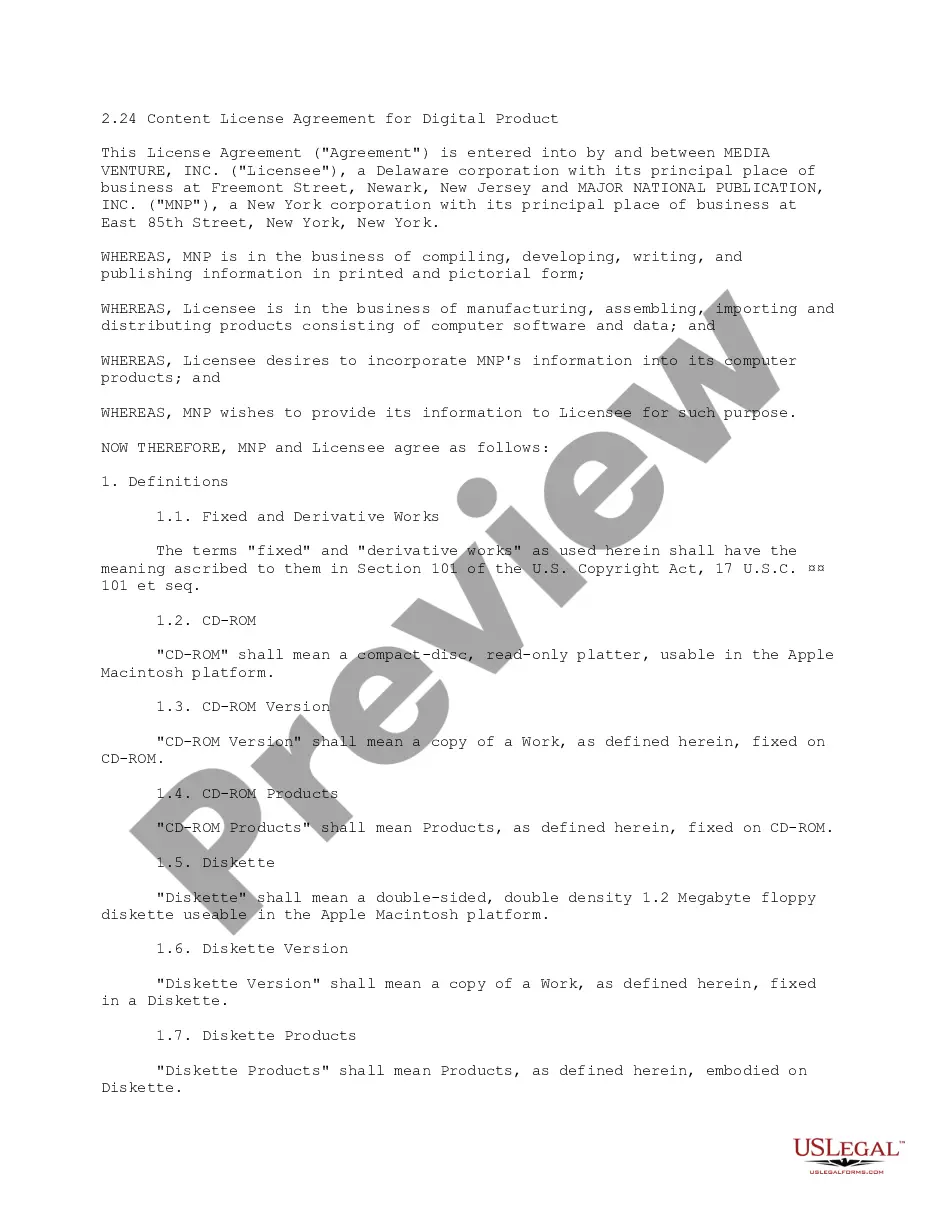
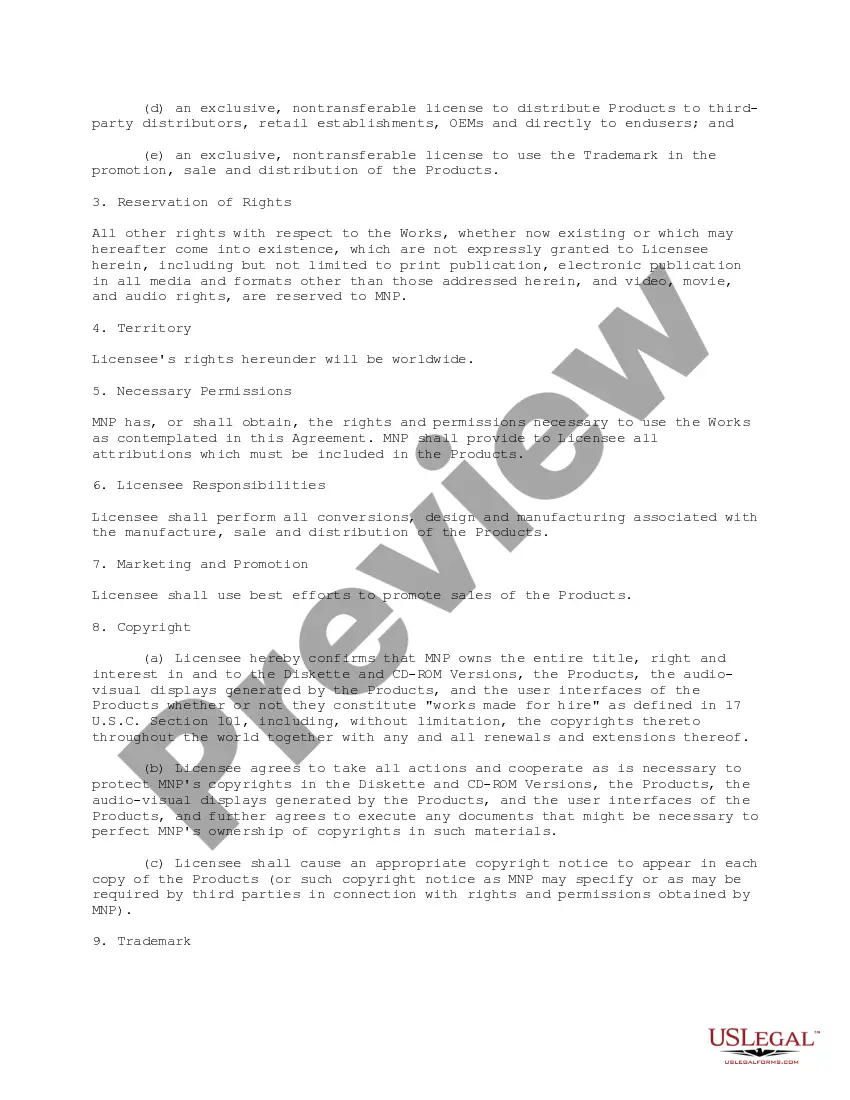
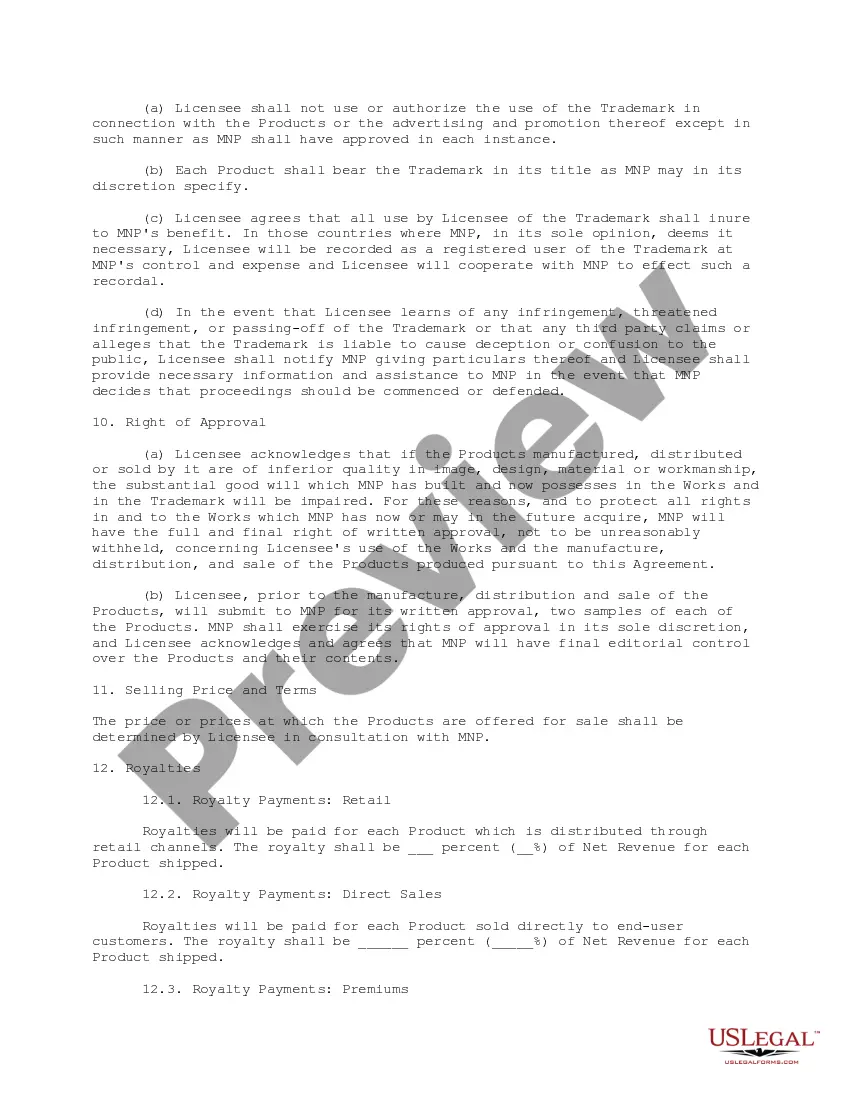
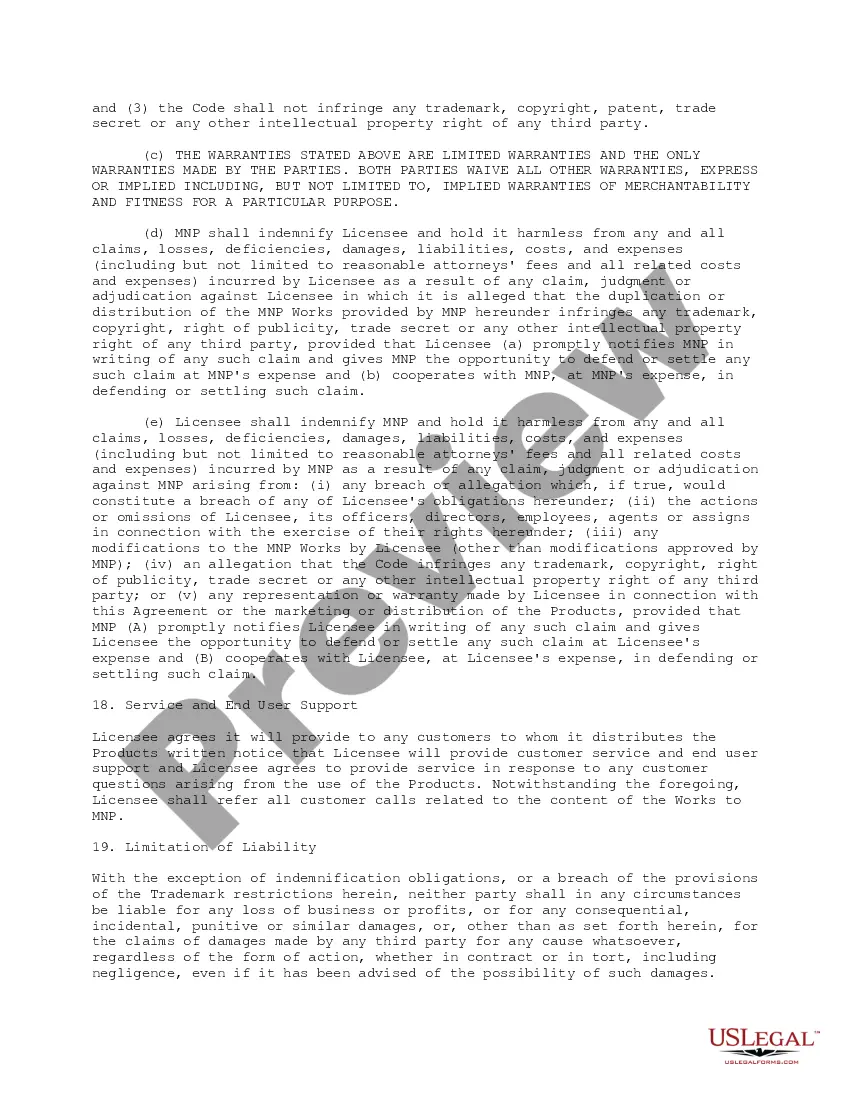
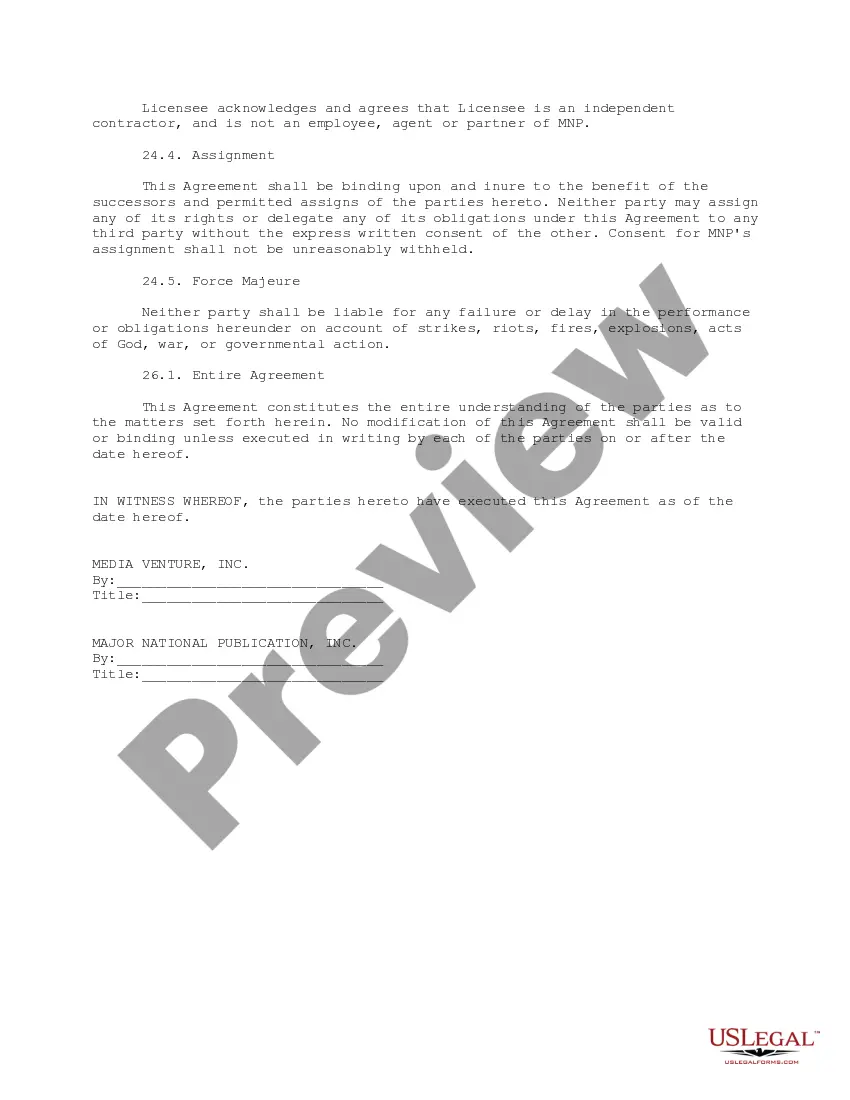
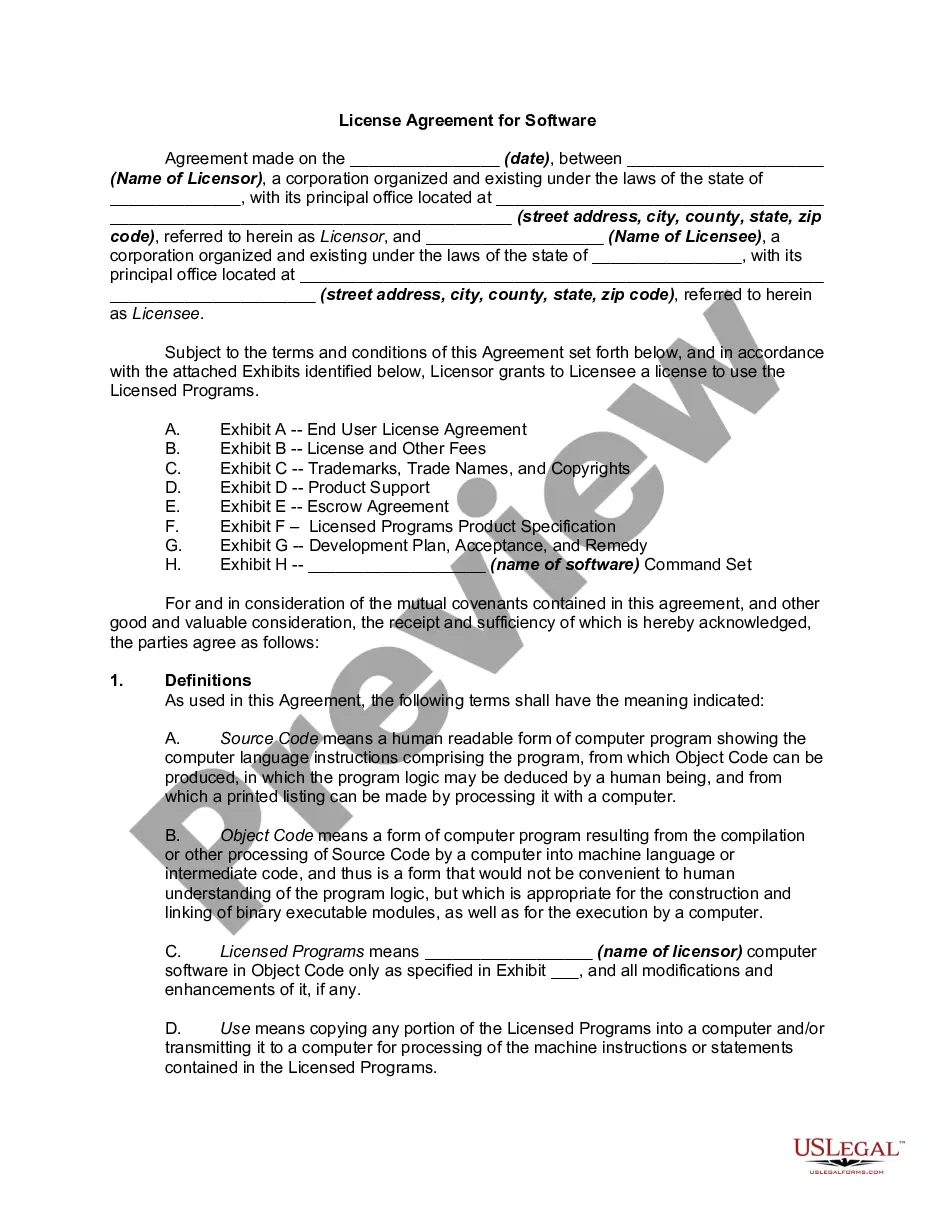
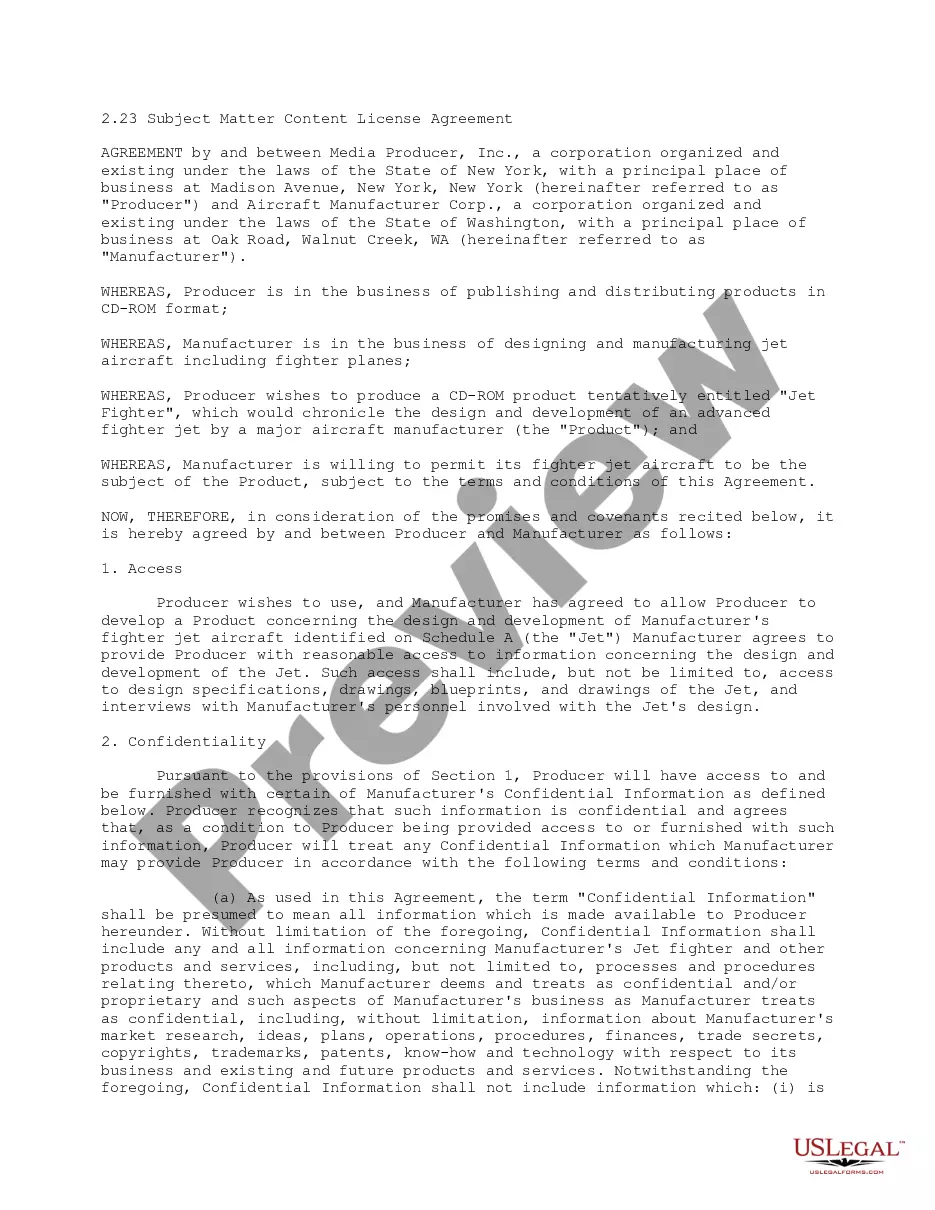
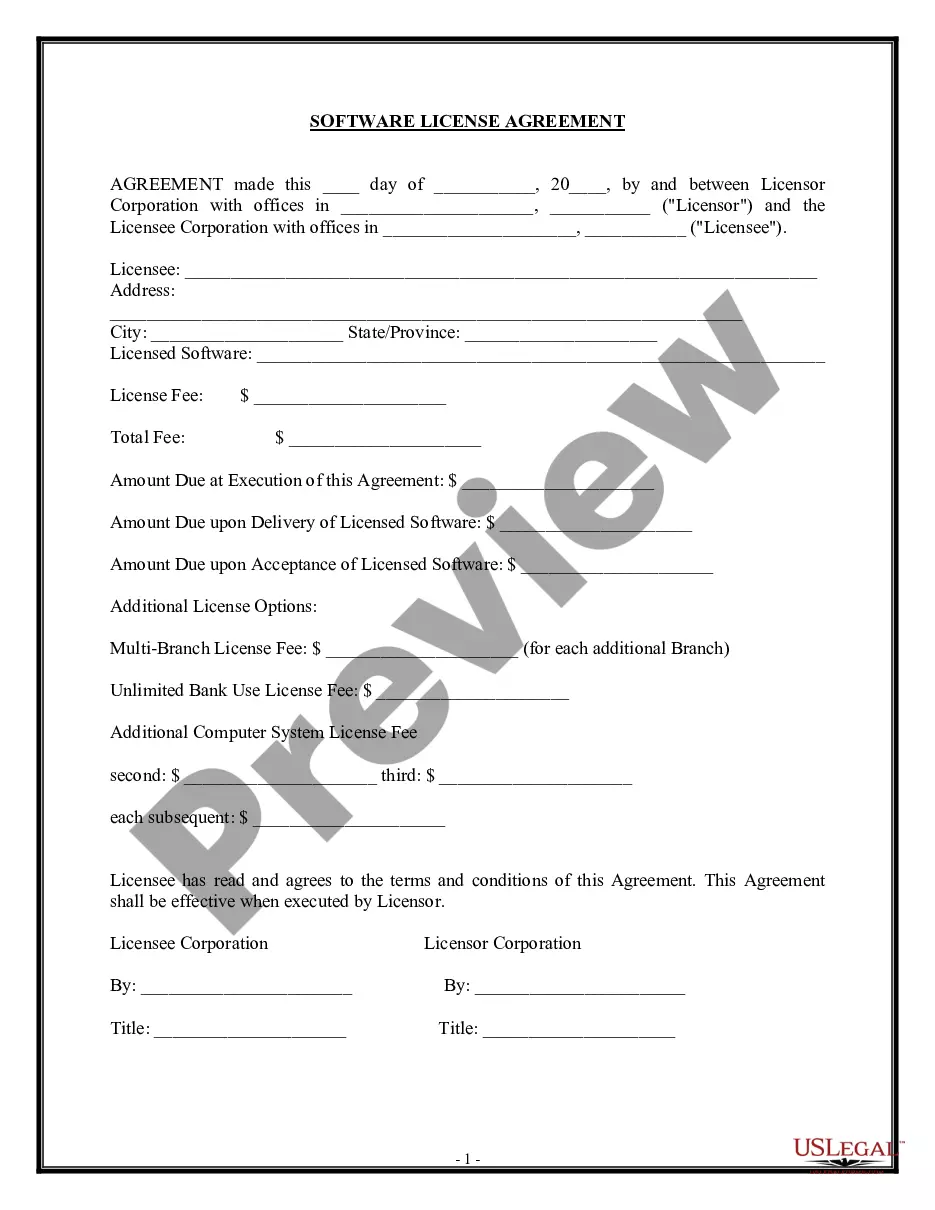
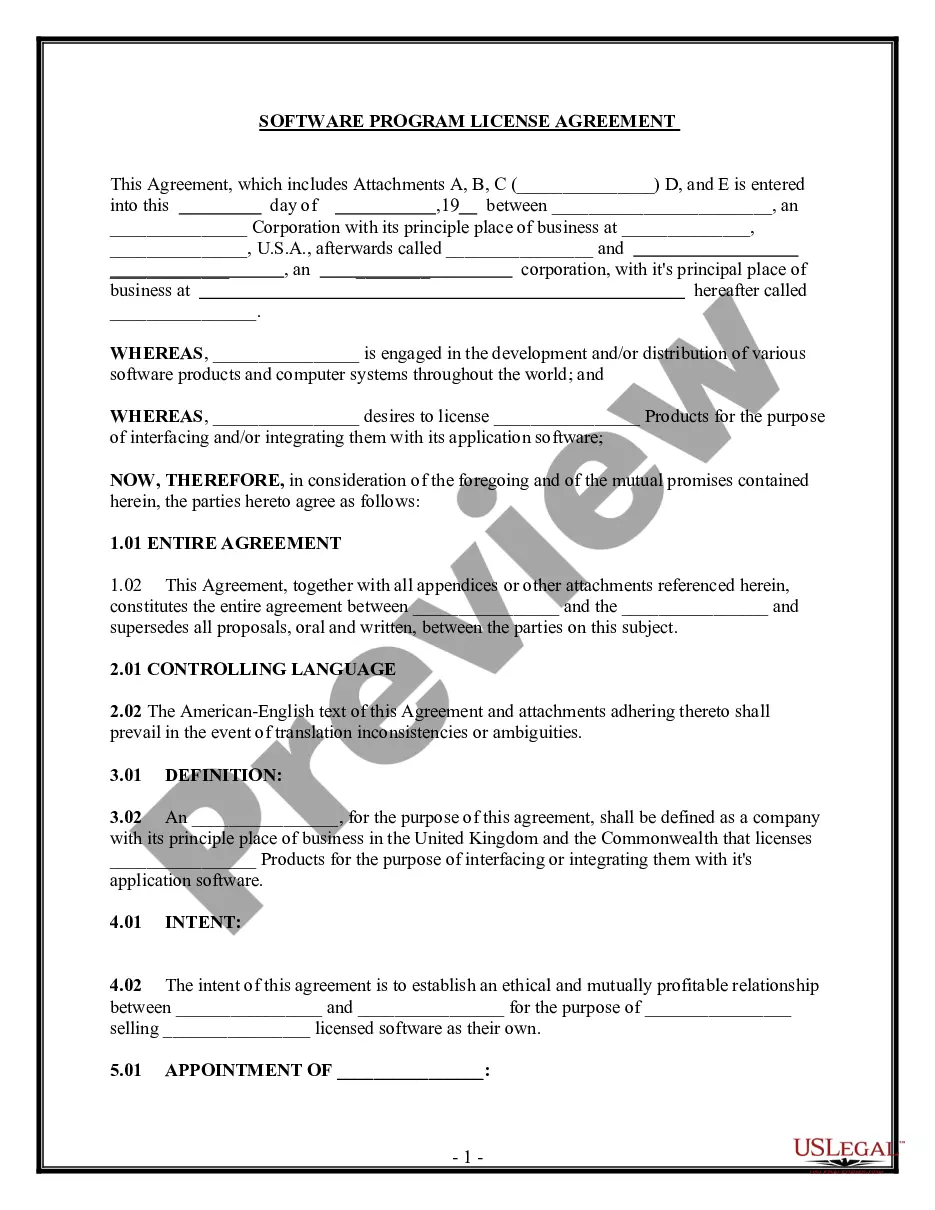
The Content License Agreement for Digital Product is a legal document that establishes the terms under which a licensee may integrate and distribute content created by a licensor into their digital products. This agreement helps protect the rights of both parties, ensuring that the licensor's intellectual property is safeguarded while allowing the licensee to utilize the content for commercial purposes. Unlike general licensing agreements, this specific form is tailored for digital products such as software and data stored on media like CD-ROMs and diskettes.
What’s included in this form
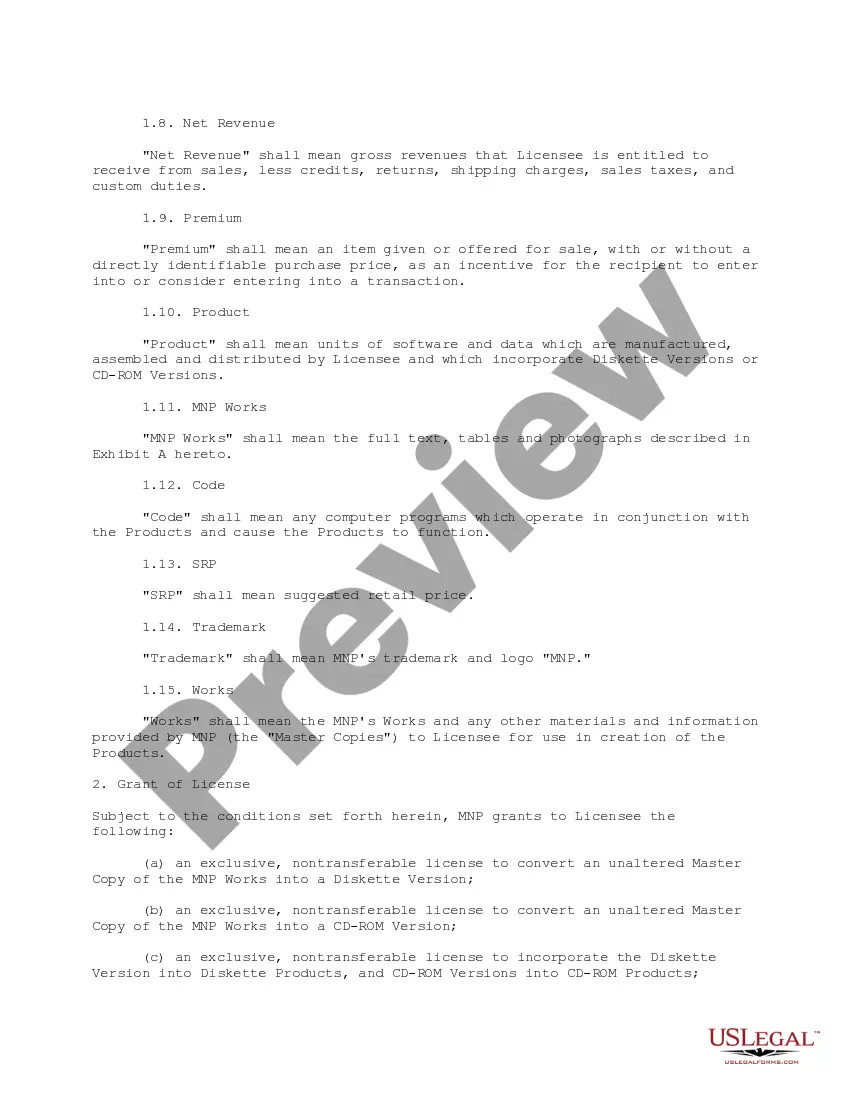
- Definitions - Clarifies terms and jargon specific to the agreement.
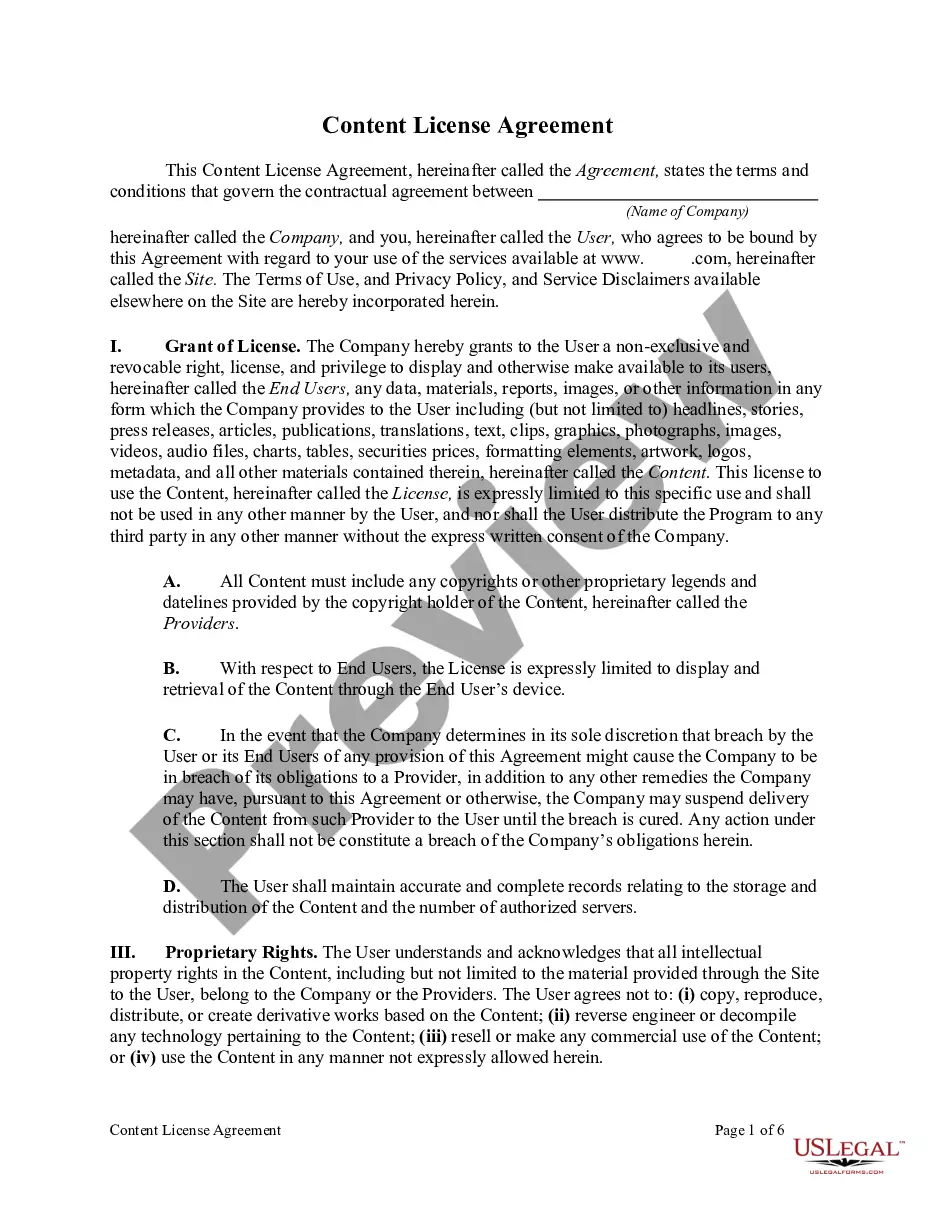
- Grant of License - Outlines the rights and limitations regarding the use of the content.
- Reservation of Rights - Details what rights the licensor retains.
- Licensing Territories - Specifies the geographical scope of the license.
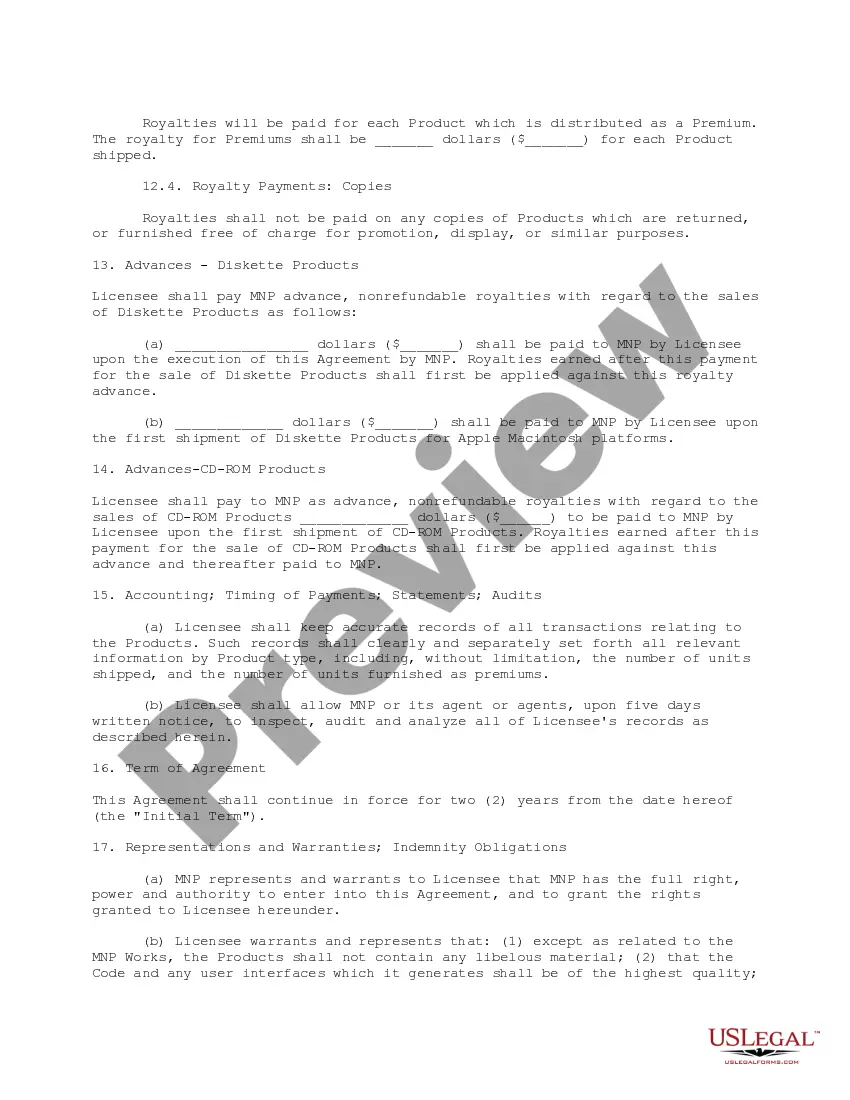
- Royalty Payments - Describes the financial terms, including how royalties are calculated and paid.
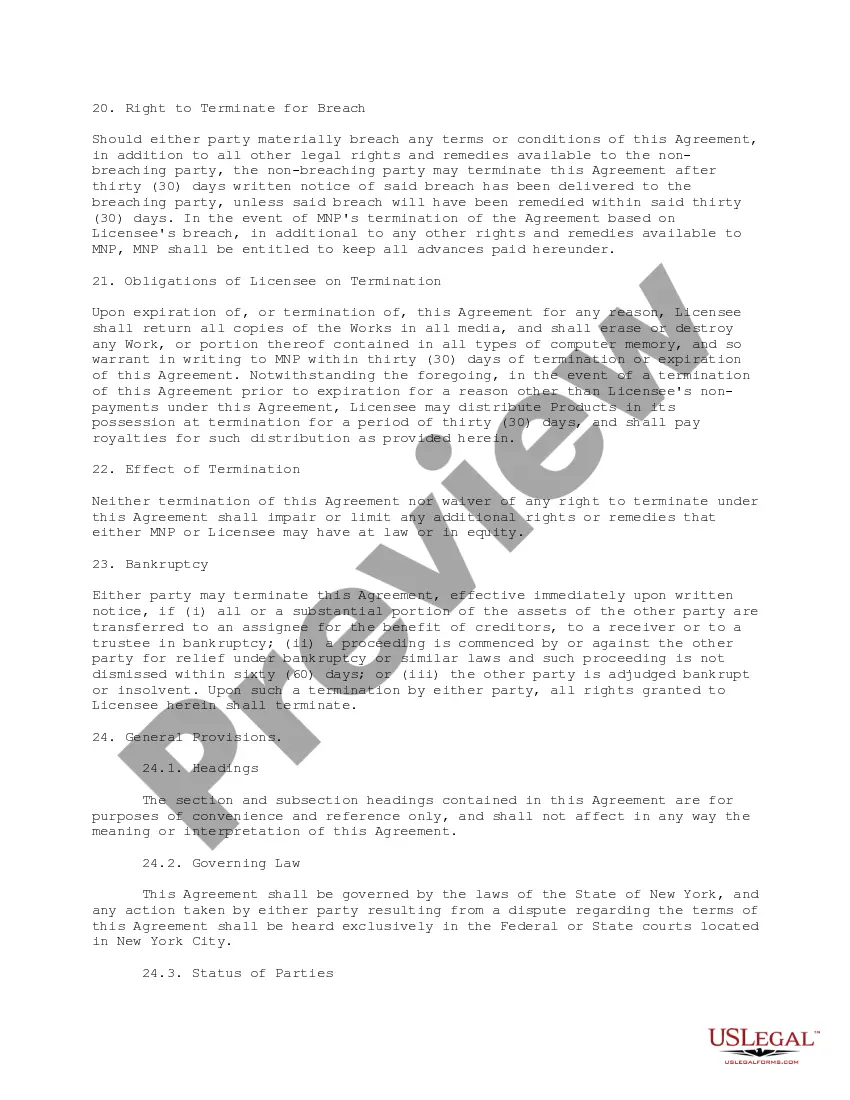
- Termination Rights - Provides conditions under which either party can terminate the contract.
When to use this form
You should use the Content License Agreement for Digital Product when you want to legally formalize the arrangement of integrating third-party content into your digital products. This could apply in various scenarios, such as when a software developer wishes to include specific databases, media, or written content produced by another company within their applications. It is essential whenever commercial use of such content is intended to avoid copyright infringement issues.
Who can use this document
- Software developers looking to integrate external content into their products.
- Companies creating digital media products that require licensed content.
- Individuals or entities seeking to establish a licensing agreement with content creators.
- Businesses that distribute products commercially and need to ensure compliance with copyright laws.
How to complete this form
- Identify the parties involved by entering the names and addresses of the licensee and licensor.
- Specify the content being licensed by listing the titles and descriptions as detailed in the agreement.
- Detail the scope of the license, including whether it is exclusive or non-exclusive.
- Fill in financial terms, including royalty percentages and any advance payments.
- Review the obligations of both parties regarding marketing, promotion, and support.
- Sign and date the agreement by authorized representatives of both parties.
Does this form need to be notarized?
Notarization is generally not required for this form. However, certain states or situations might demand it. You can complete notarization online through US Legal Forms, powered by Notarize, using a verified video call available anytime.
Get your form ready online
Our built-in tools help you complete, sign, share, and store your documents in one place.
Make edits, fill in missing information, and update formatting in US Legal Forms—just like you would in MS Word.
Download a copy, print it, send it by email, or mail it via USPS—whatever works best for your next step.
Sign and collect signatures with our SignNow integration. Send to multiple recipients, set reminders, and more. Go Premium to unlock E-Sign.
If this form requires notarization, complete it online through a secure video call—no need to meet a notary in person or wait for an appointment.
We protect your documents and personal data by following strict security and privacy standards.

Make edits, fill in missing information, and update formatting in US Legal Forms—just like you would in MS Word.

Download a copy, print it, send it by email, or mail it via USPS—whatever works best for your next step.

Sign and collect signatures with our SignNow integration. Send to multiple recipients, set reminders, and more. Go Premium to unlock E-Sign.

If this form requires notarization, complete it online through a secure video call—no need to meet a notary in person or wait for an appointment.

We protect your documents and personal data by following strict security and privacy standards.
Typical mistakes to avoid
- Failing to define all relevant terms clearly, which can lead to misunderstandings.
- Not specifying the territorial rights of the license, which may limit enforcement.
- Omitting royalty payment details or percentages, leading to disputes later.
- Overlooking the need for mutual approval rights in terms of product quality.
Why complete this form online
- Convenience of immediate access to a legally vetted document suitable for your needs.
- Editability allows you to customize the agreement according to your specific terms.
- Reliability of using documents drafted by licensed attorneys ensures compliance with legal standards.
Legal use & context
- This agreement is legally binding and enforceable when properly executed by both parties.
- It serves as a critical tool for protecting intellectual property rights in digital environments.
- Parties should consult legal counsel to ensure that all terms comply with applicable copyright laws.
Looking for another form?


Form popularity
FAQ
The 3 P's of collegiate licensing are protection, promotion, and profit.
A license agreement is a business contract between two parties. The licensor (the seller of the license) owns the asset being licensed and the licensee (the buyer) pays for the right to use the license. The licensee pays royalties to the owner in exchange for the right to sell the product or use the technology.
An example of a licensing agreement is a contract between the copyright holders of software and another company, allowing the latter to use the computer software for their daily business operations.
Invent an original product. Research your market. Do a patent search. Consider filing a provisional patent application. File a patent application. Search for licensees. Sign a licensing agreement. Collect royalties.
An example of a licensing agreement is a contract between the copyright holders of software and another company, allowing the latter to use the computer software for their daily business operations.
Exclusive or non-exclusive. In an exclusive license, the intellectual property holder is licensing the work only to one person, for that particular use/territory. Territory. Use. Attribution. Derivative works. Confidentiality. Time frame. Termination.
Download a template for a licensing agreement. Choose your role as the licensor or licensee. Define the license(s) in the agreement. Decide whether the license is exclusive or not. Settle the matter of fees and payment schedule. Add a renewal date and rules.
A licensing agreement is a legal contract between two parties, known as the licensor and the licensee. In a typical licensing agreement, the licensor grants the licensee the right to produce and sell goods, apply a brand name or trademark, or use patented technology owned by the licensor.