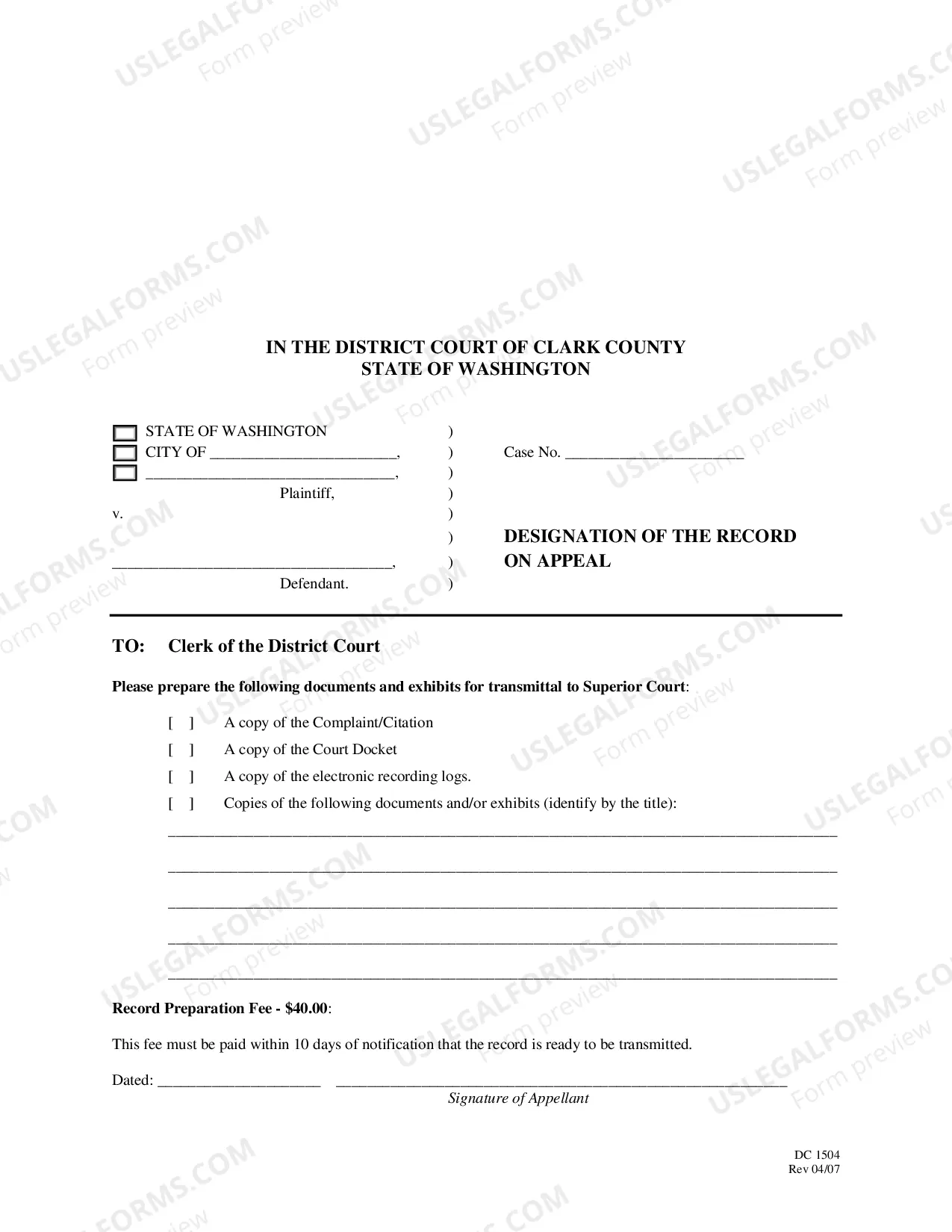
OEM Reciprocal License Agreement
Understanding this form
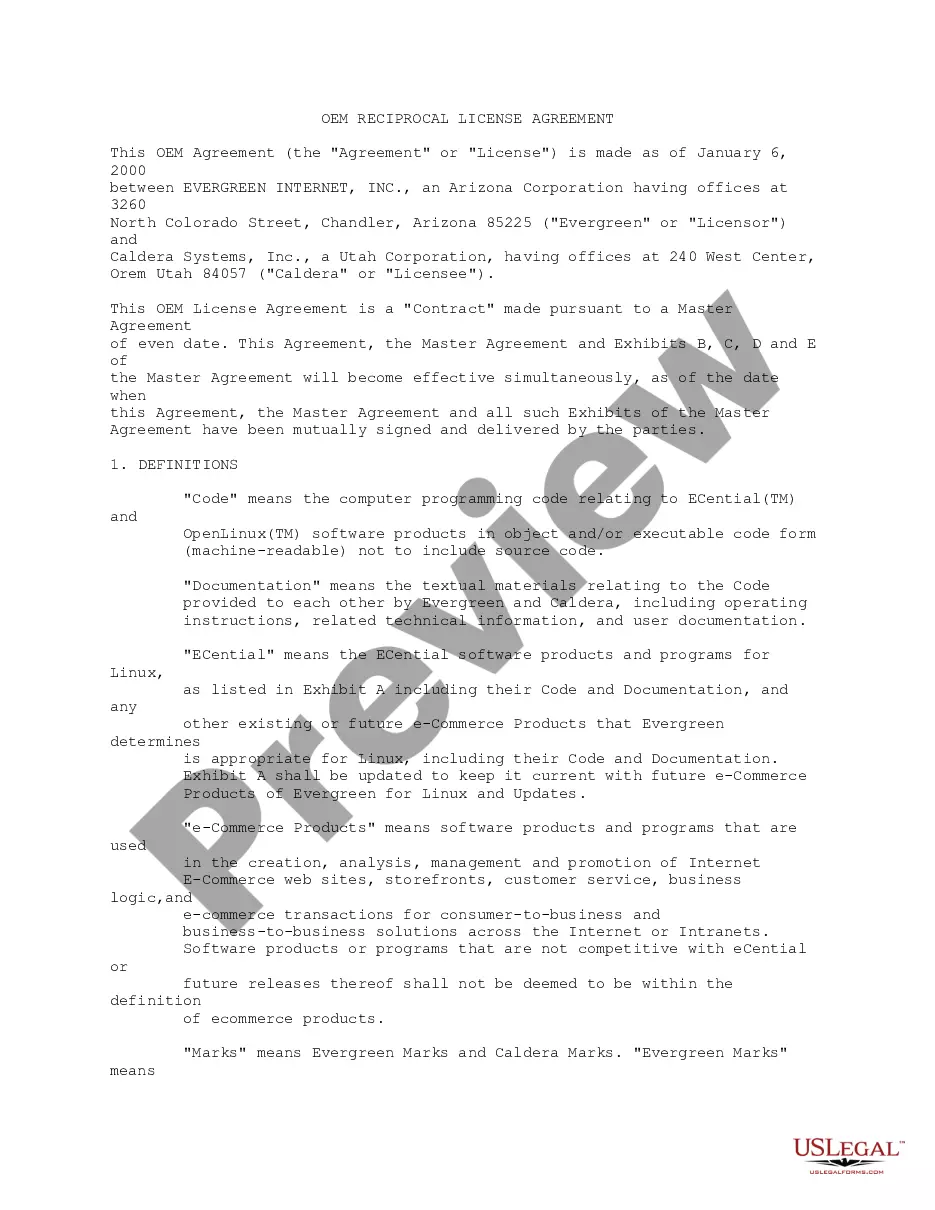
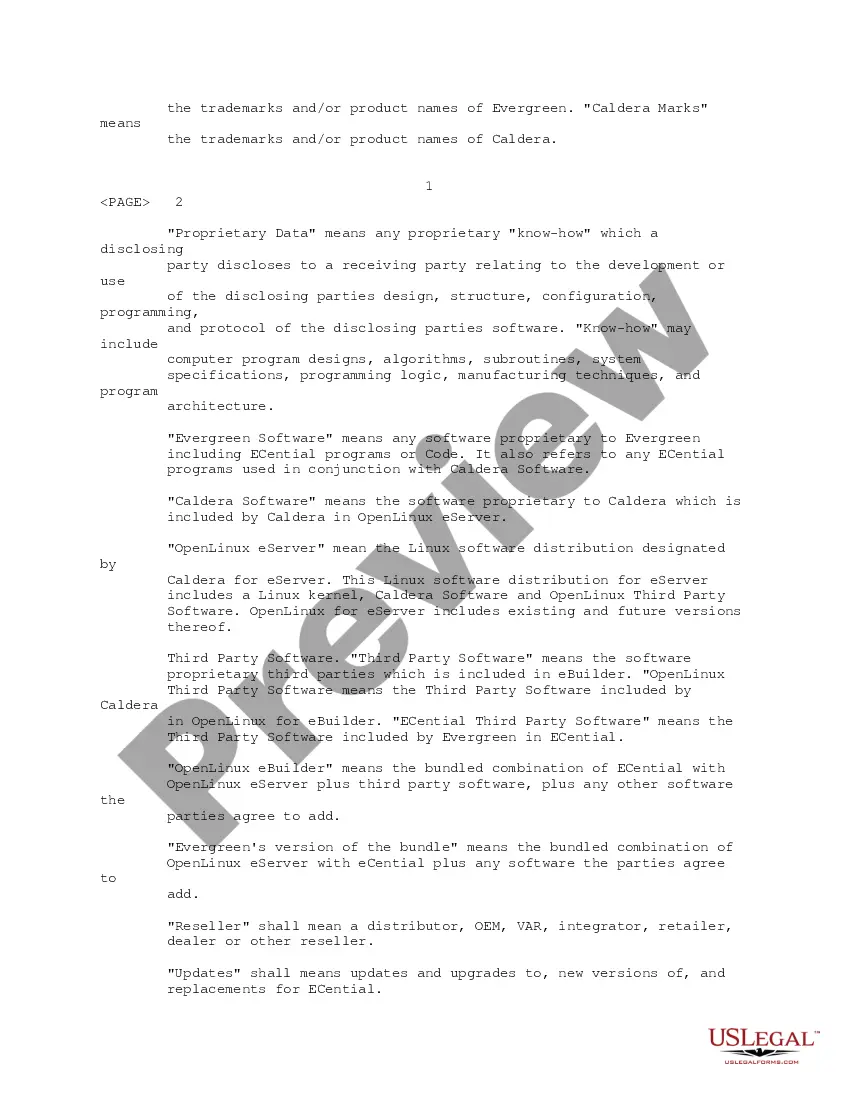
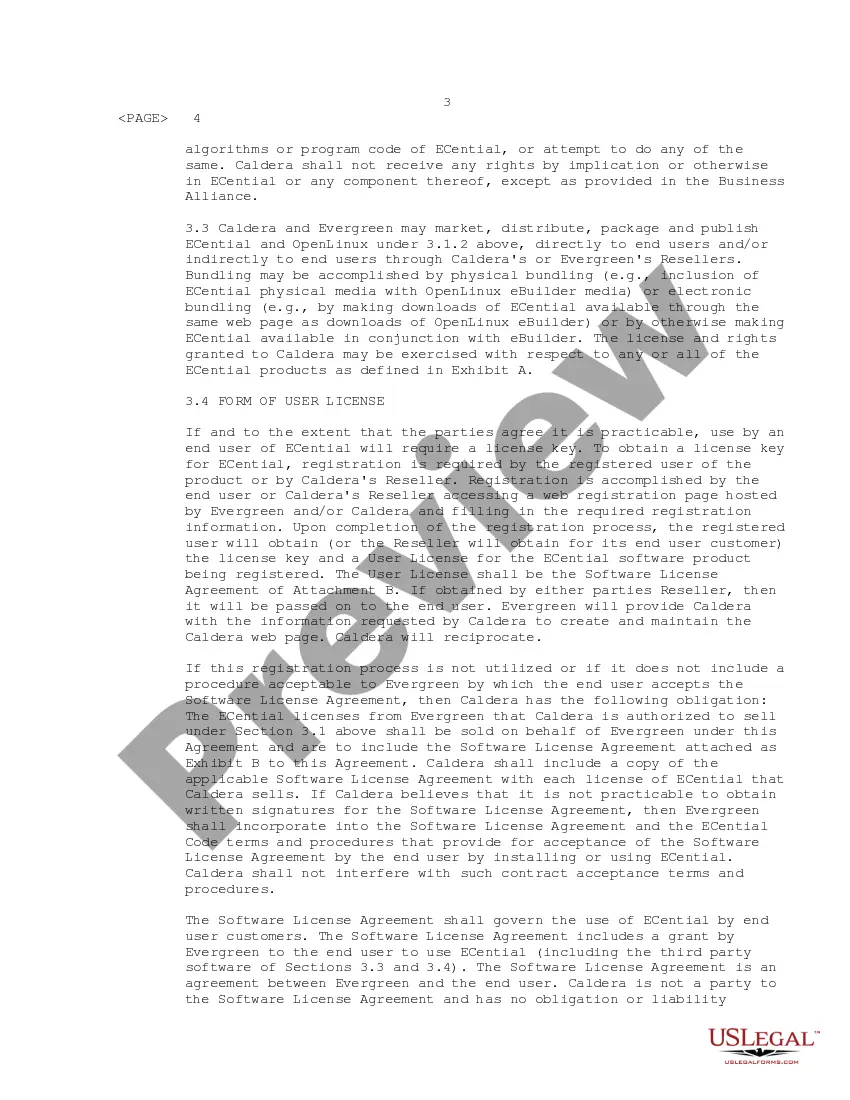
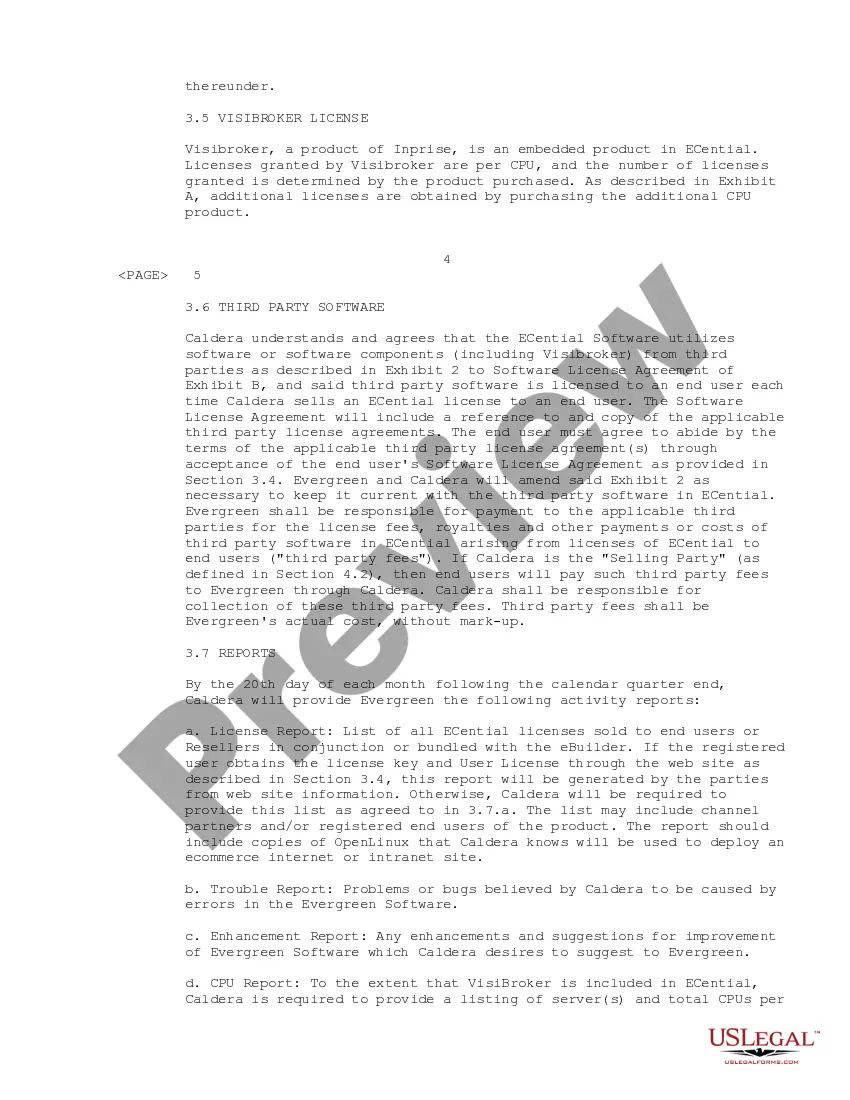
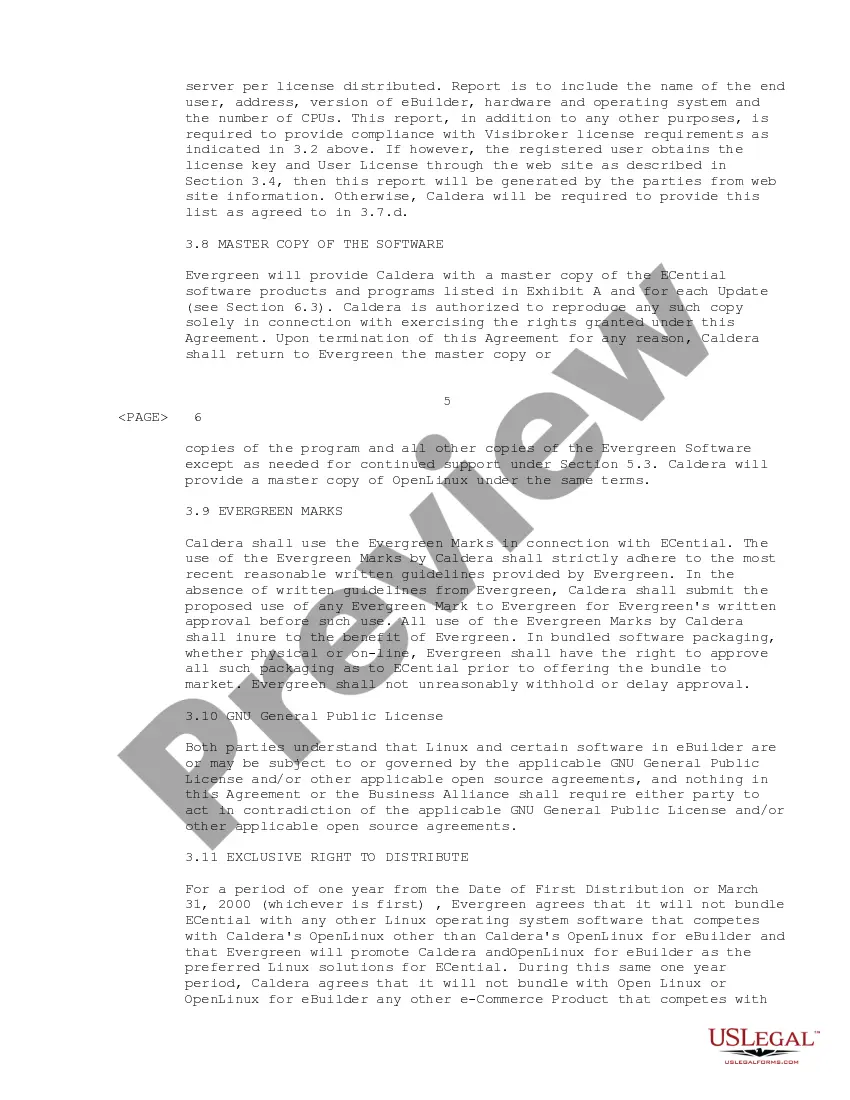
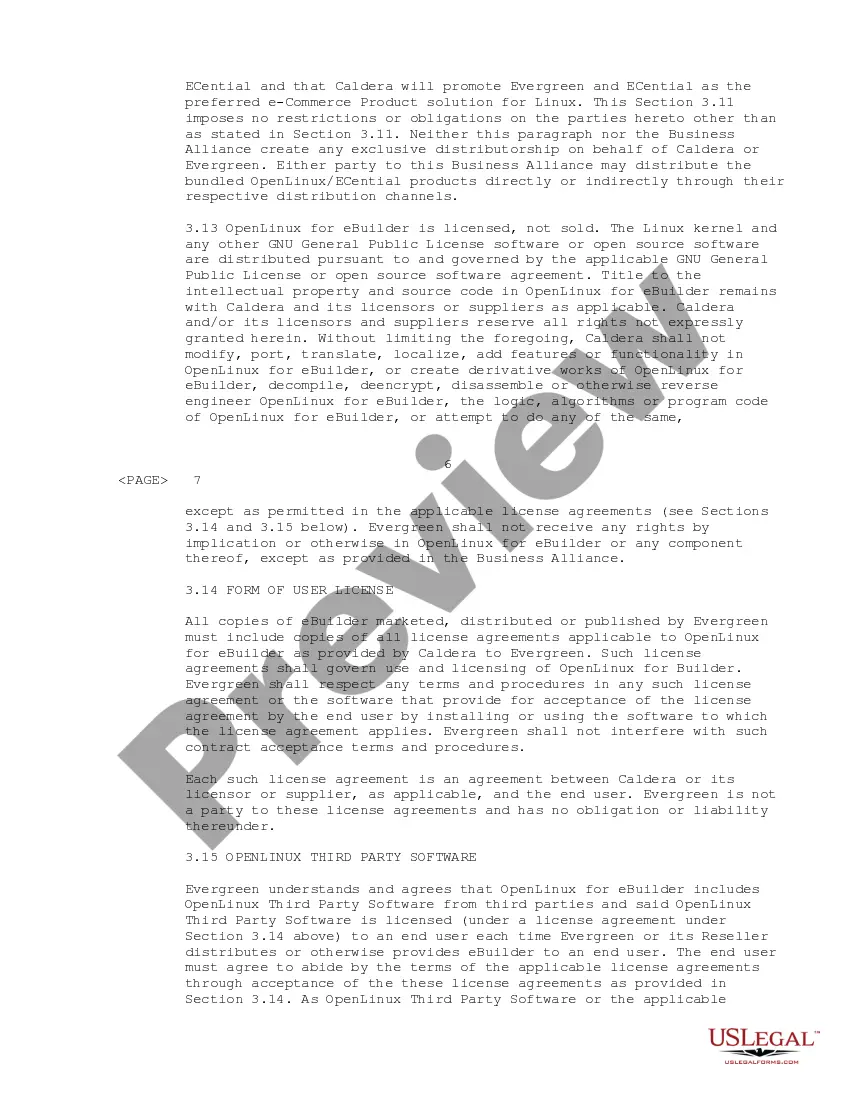
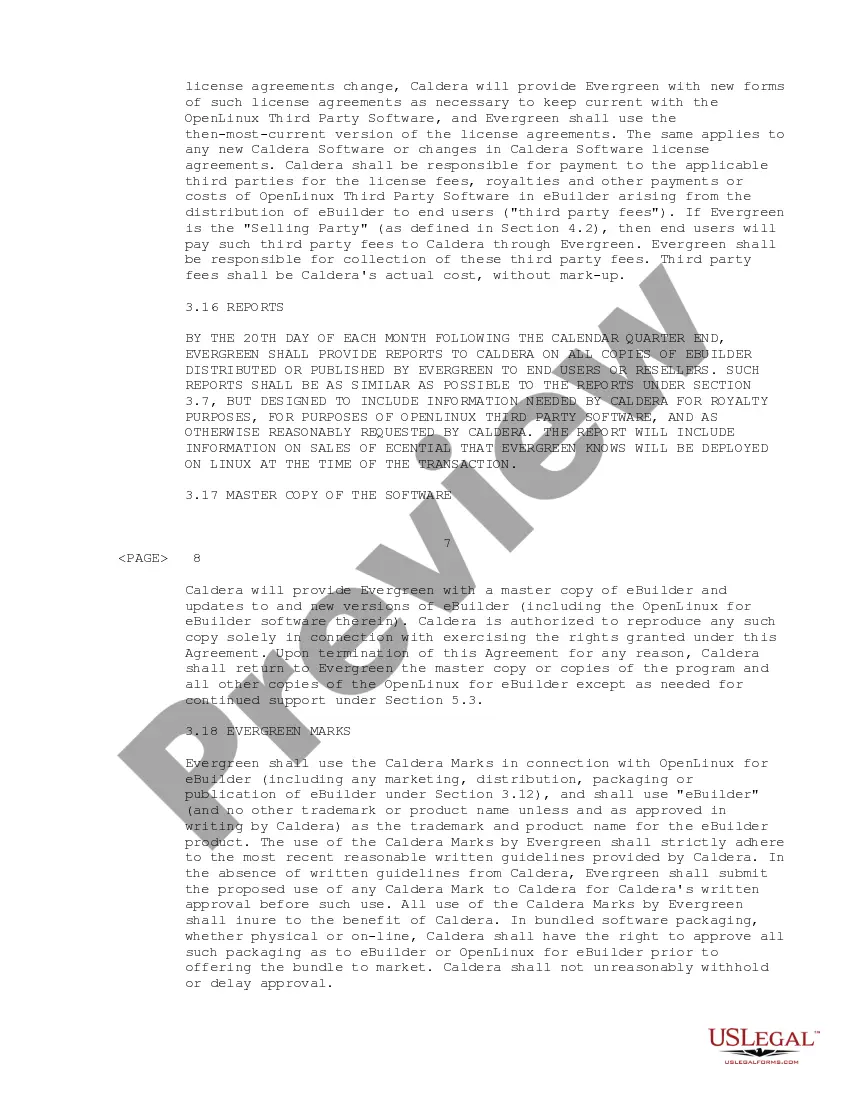
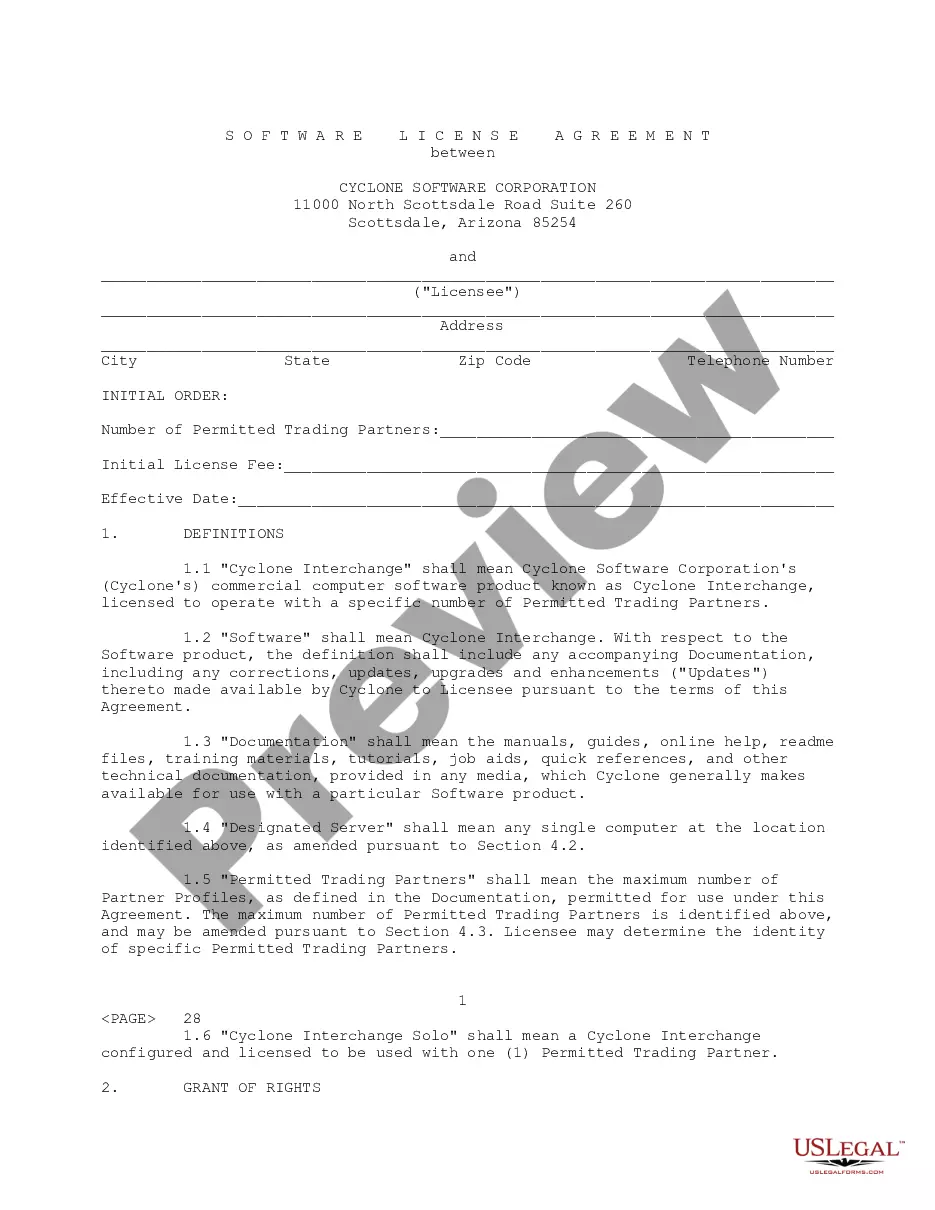
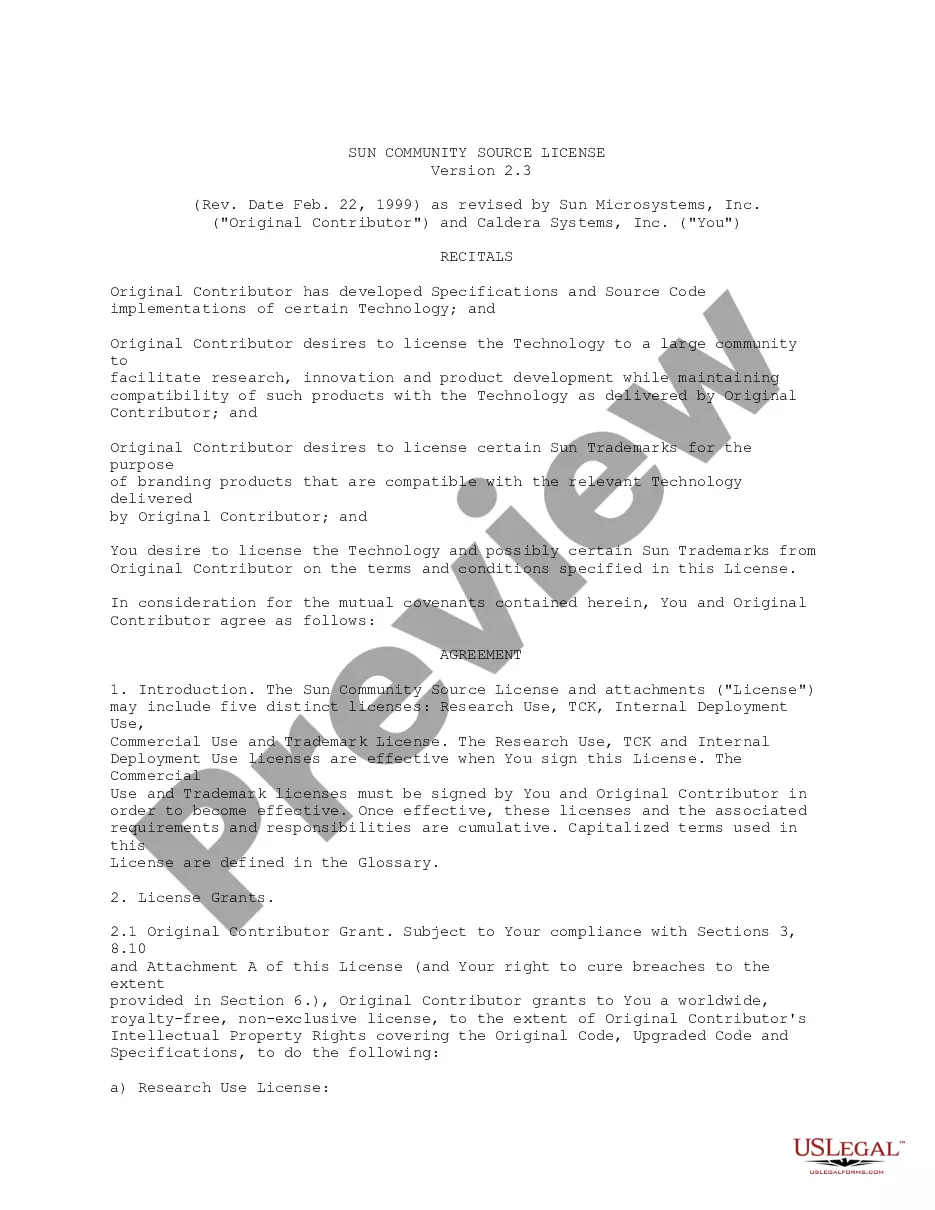
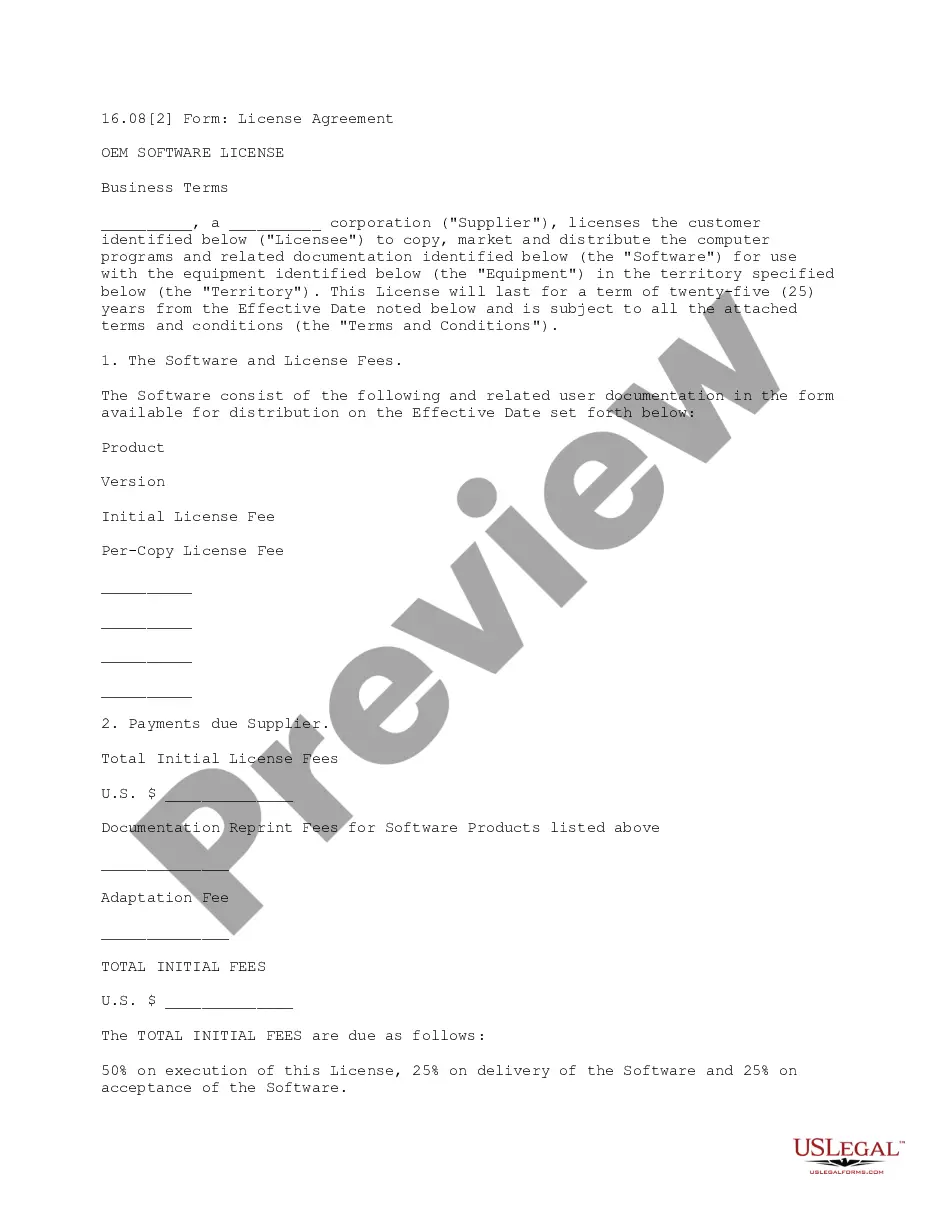
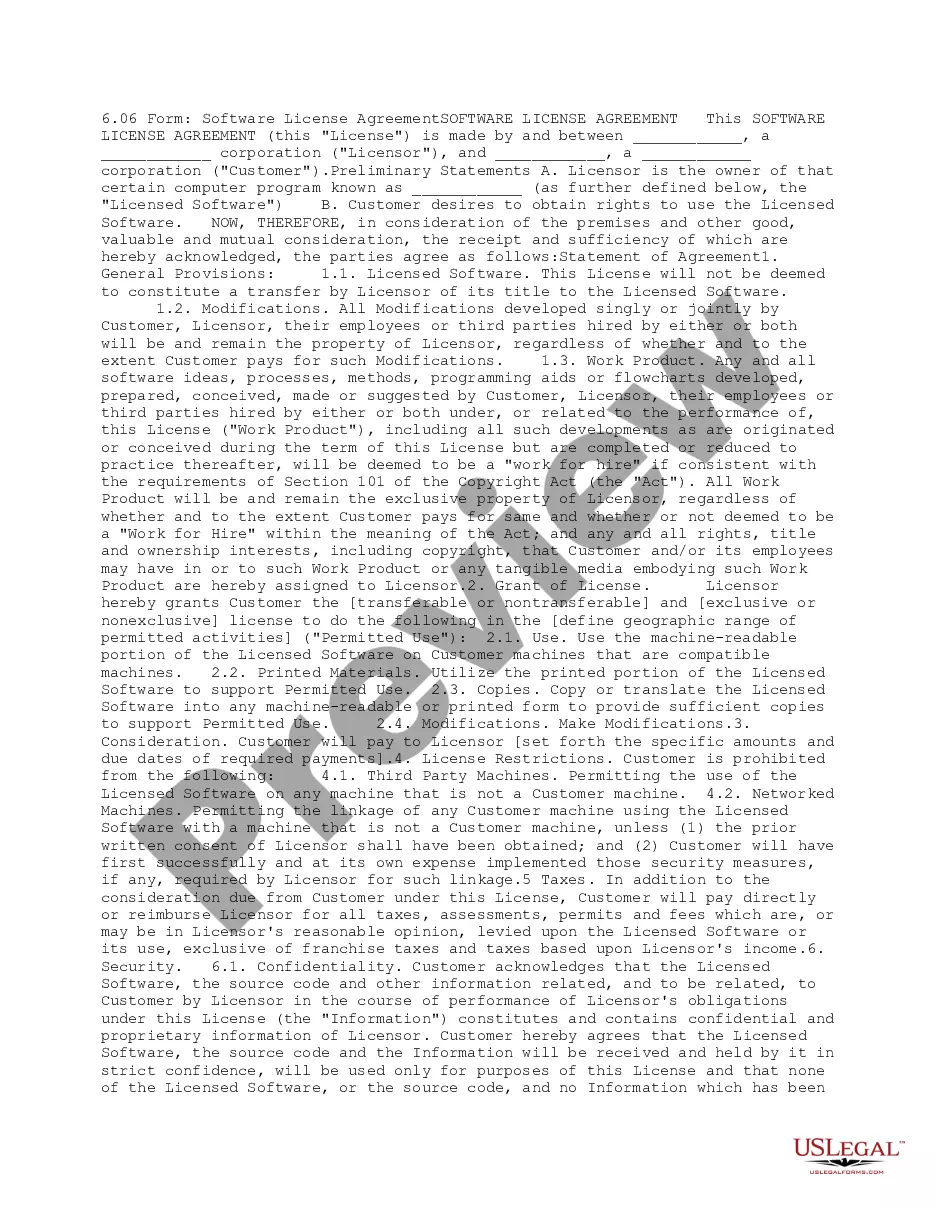
The OEM Reciprocal License Agreement is a comprehensive legal document that outlines the terms under which Evergreen Internet, Inc. and Caldera Systems, Inc. can share and distribute specific software products. This agreement serves as a framework for cooperation between both companies, allowing them to bundle their software productsâECential and OpenLinuxâeffectively. Unlike standard licensing agreements, this reciprocal agreement promotes mutual understanding regarding intellectual property rights, marketing, and distribution, catering specifically to the business partnership between these two corporations.
Key parts of this document
- Definitions: Clarifies important terms such as "Code," "Documentation," and "Proprietary Data."
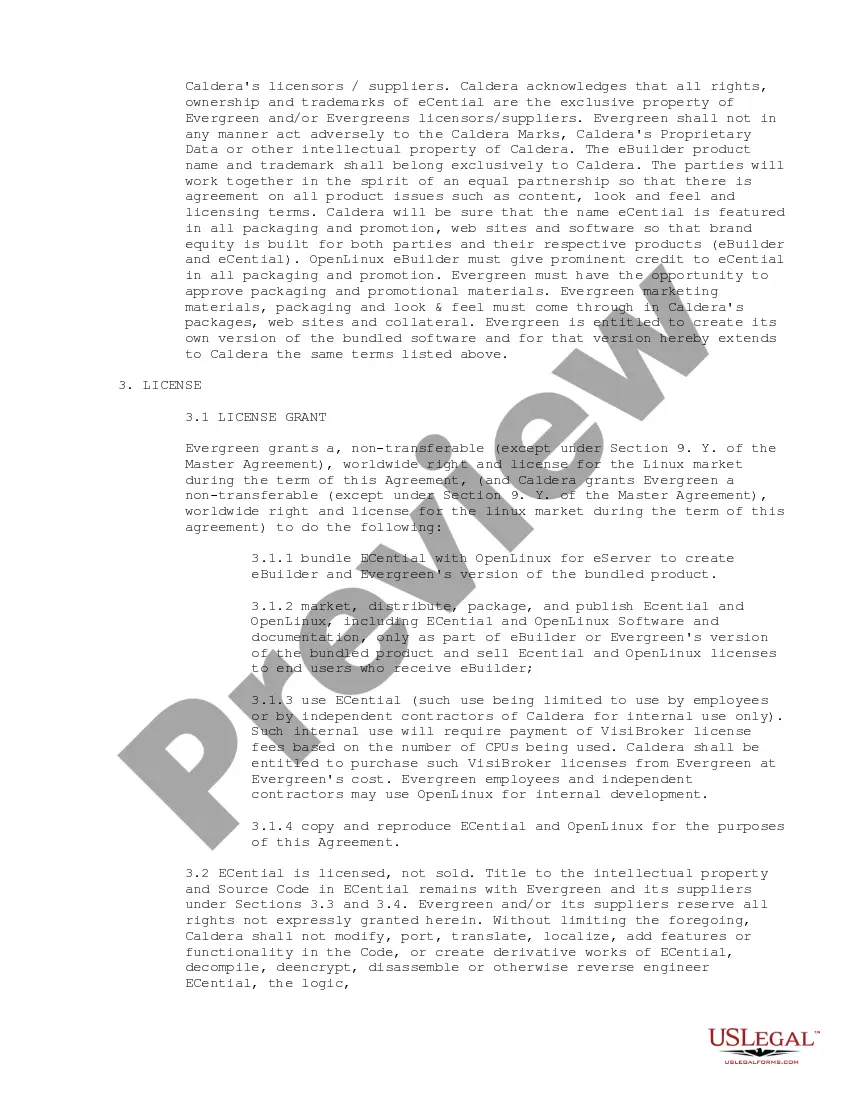
- Ownership: Details the ownership rights of the software and respective trademarks for both Evergreen and Caldera.
- License Grant: Specifies the non-transferable rights and licenses granted by both parties for using their software products.
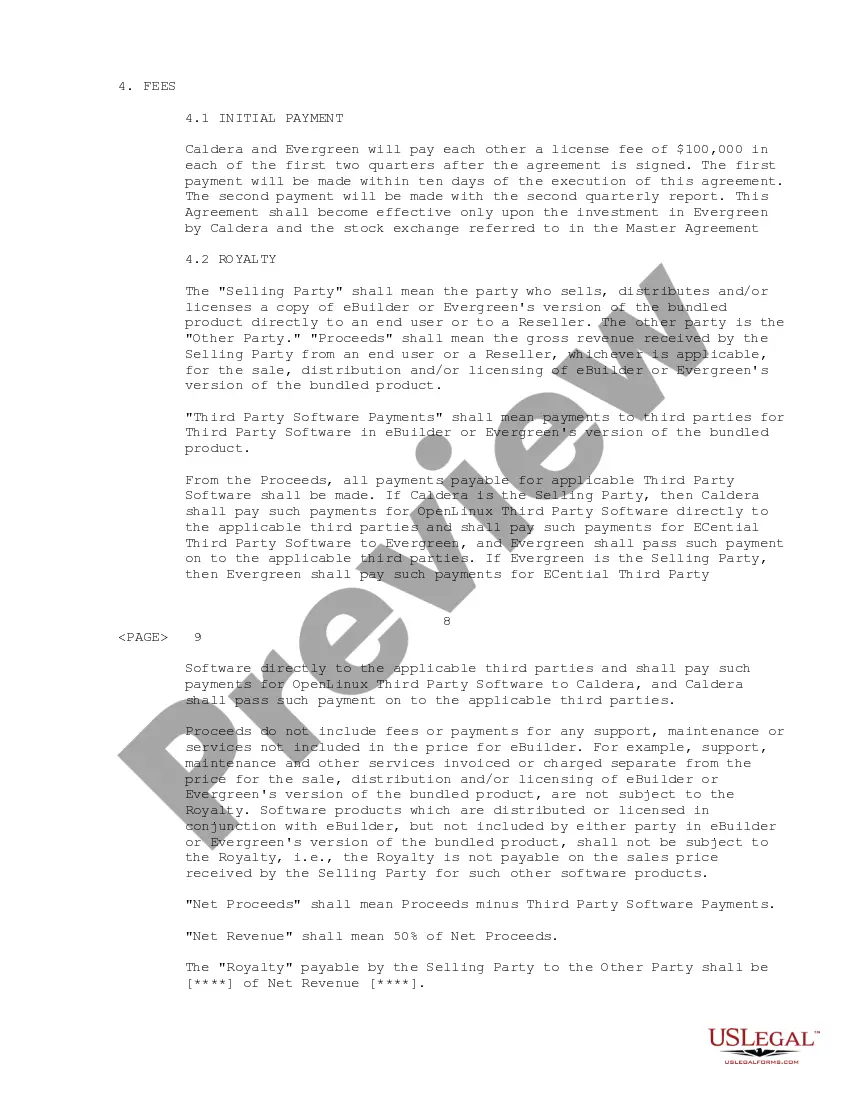
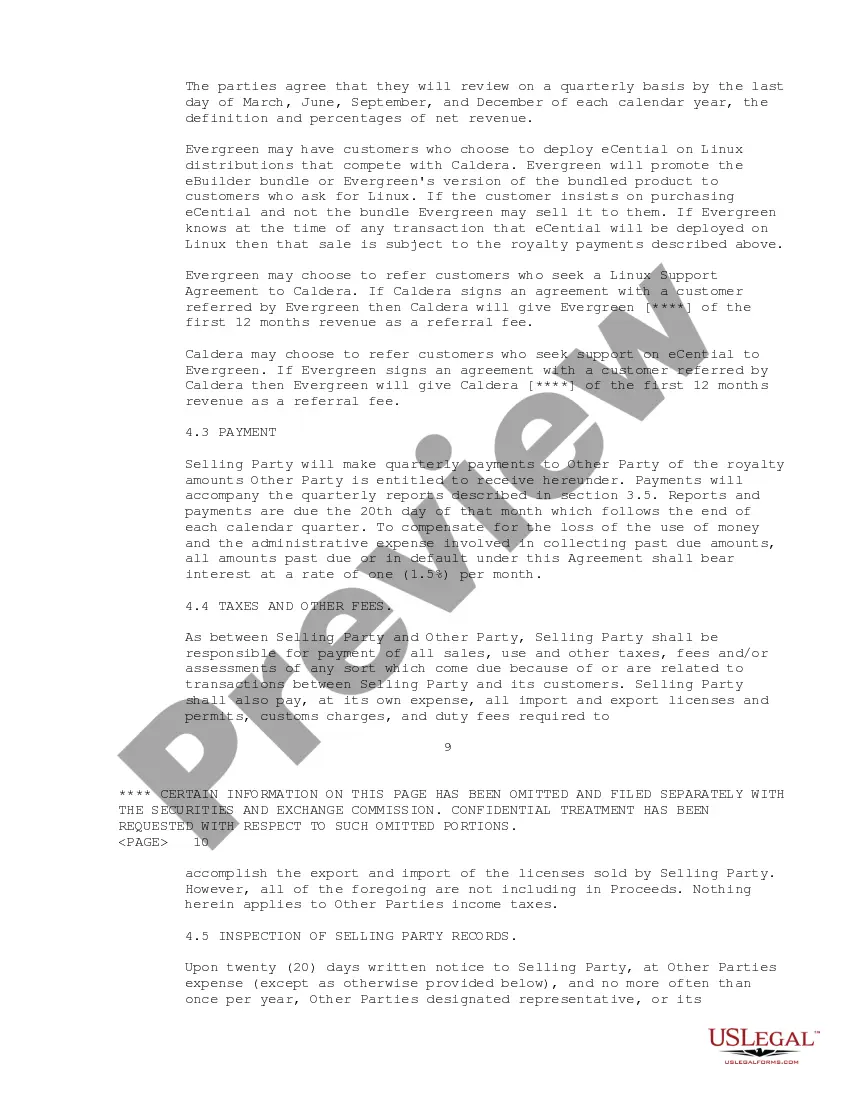
- Fees: Outlines the financial obligations between the parties, including initial payments and royalties for profits from software sales.
- Termination: Provides guidelines on how and when either party may terminate the agreement, and the effects of such termination.
- Indemnification: Discusses responsibilities regarding legal claims related to software infringement or misuse.

Situations where this form applies
This form is appropriate in various situations, including but not limited to:
- When two businesses intend to collaborate on software development, allowing for mutual usage and distribution of their respective products.
- When there is a need to establish a clear understanding of each party's intellectual property rights and obligations.
- When organizations are bundling software products for sale, ensuring that both parties' trademarks and proprietary data are properly protected.
Who can use this document
This agreement is designed for:
- Corporate entities involved in software development and distribution, specifically those forming partnerships or alliances.
- Legal departments of technology companies looking to establish licensing agreements with other firms.
- Businesses seeking to clarify ownership and licensing rights of proprietary software products shared between partners.
How to complete this form
To correctly fill out the OEM Reciprocal License Agreement, follow these steps:
- Identify the parties by entering the legal names and addresses of Evergreen Internet, Inc. and Caldera Systems, Inc.
- Define key terms in the agreement as outlined in the Definitions section to ensure clarity.
- Specify the rights and obligations under the License Grant section, detailing what is permitted under the agreement.
- Outline the financial obligations, including payment terms and royalty agreements in the Fees section.
- Include a termination clause specifying how either party may exit the agreement and the implications of such termination.
- Review the document for accuracy and completeness, and ensure all relevant signatures are obtained.
Does this form need to be notarized?
This form does not typically require notarization unless specified by local law. Ensure that both parties sign the agreement before distribution to maintain its legal integrity.
Get your form ready online
Our built-in tools help you complete, sign, share, and store your documents in one place.
Make edits, fill in missing information, and update formatting in US Legal Forms—just like you would in MS Word.
Download a copy, print it, send it by email, or mail it via USPS—whatever works best for your next step.
Sign and collect signatures with our SignNow integration. Send to multiple recipients, set reminders, and more. Go Premium to unlock E-Sign.
If this form requires notarization, complete it online through a secure video call—no need to meet a notary in person or wait for an appointment.
We protect your documents and personal data by following strict security and privacy standards.

Make edits, fill in missing information, and update formatting in US Legal Forms—just like you would in MS Word.

Download a copy, print it, send it by email, or mail it via USPS—whatever works best for your next step.

Sign and collect signatures with our SignNow integration. Send to multiple recipients, set reminders, and more. Go Premium to unlock E-Sign.

If this form requires notarization, complete it online through a secure video call—no need to meet a notary in person or wait for an appointment.

We protect your documents and personal data by following strict security and privacy standards.
Avoid these common issues
- Failing to clearly define all key terms, which can lead to confusion about rights and responsibilities.
- Not specifying financial obligations accurately, leading to disputes over payment amounts or terms.
- Neglecting to include all required signatures and dates, which can invalidate the agreement.
- Overlooking state-specific legal requirements that may affect enforceability.
Advantages of online completion
- Easy access: Download the form anytime, anywhere without the need for in-person meetings.
- Editability: Customize the document to fit specific partnership terms and needs with straightforward editing tools.
- Reliability: Forms are created by licensed attorneys ensuring they are legally sound and up to date with current laws.
What to keep in mind
- The OEM Reciprocal License Agreement is essential for outlining software licensing between collaborative partners.
- Proper completion of this form ensures clear communication of rights and obligations concerning proprietary software.
- Consider state-specific requirements to ensure compliance and enforceability of the agreement.
Looking for another form?







Form popularity
FAQ
An OEM license refers to the license that a manufacturer installs on new devices. If this is your case, the product key isn't transferable, and you can't use it to activate another installation. (Unless you're re-activating a new installation on the same computer.)
A licensing agreement allows one party (the licensee) to use and/or earn revenue from the property of the owner (the licensor). Licensing agreements generate revenues, called royalties, earned by a company for allowing its copyrighted or patented material to be used by another company.
User agreements like EULAs are legally binding contracts between the software author and the end-user. End User License Agreements are enforceable as long as it is clear that it is a contract and both parties can understand the terms.
An original equipment manufacturer, OEM, agreement is used by a company that takes components of products from one or more companies in order to build one product which it then sells under its own brand and company name.
The OEM license agreement exists between the various parties to address issues of branding, confidentiality, payment, quality assurance, and timeframes. An original equipment manufacturer (OEM) is a company that makes parts that may then be marketed to another manufacturer.
A software license is a contract between the entity that created and supplied an application, underlying source code, or related product and its end user.
What is a Licensing Agreement? A licensing agreement is a contract between two parties (the licensor and licensee) in which the licensor grants the licensee the right to use the brand name, trademark, patented technology, or ability to produce and sell goods owned by the licensor.
Perhaps the key difference between a EULA and a software license agreement is that a EULA is often meant for scenarios where many users could be using the software on a continuous basis and a software license agreement is more often used for business-to-business, often times for finite engagements.