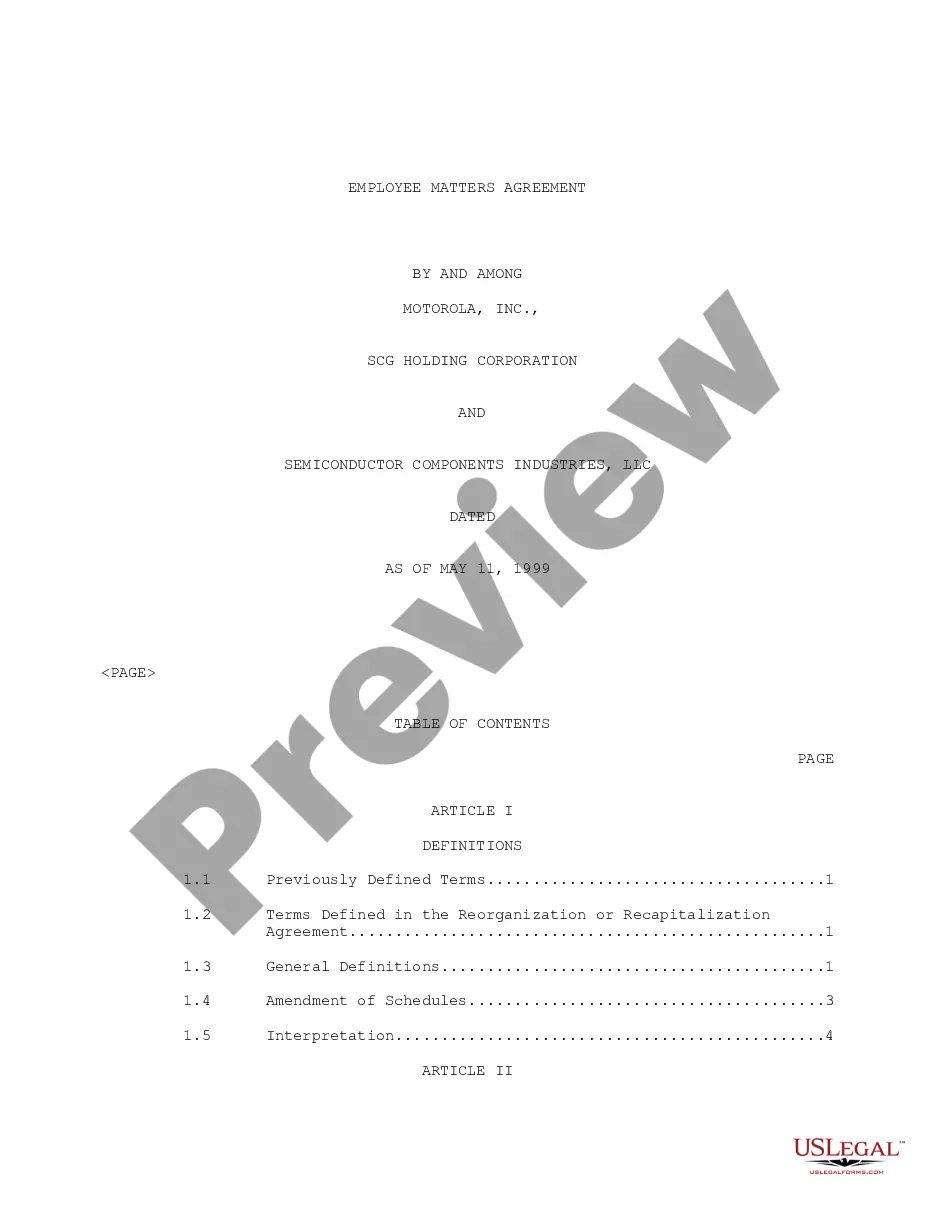
Employee Matters Agreement between Motorola, Inc., SCG Holding Corp and Semiconductor Components Industries, LLC regarding SCG documents
About this form
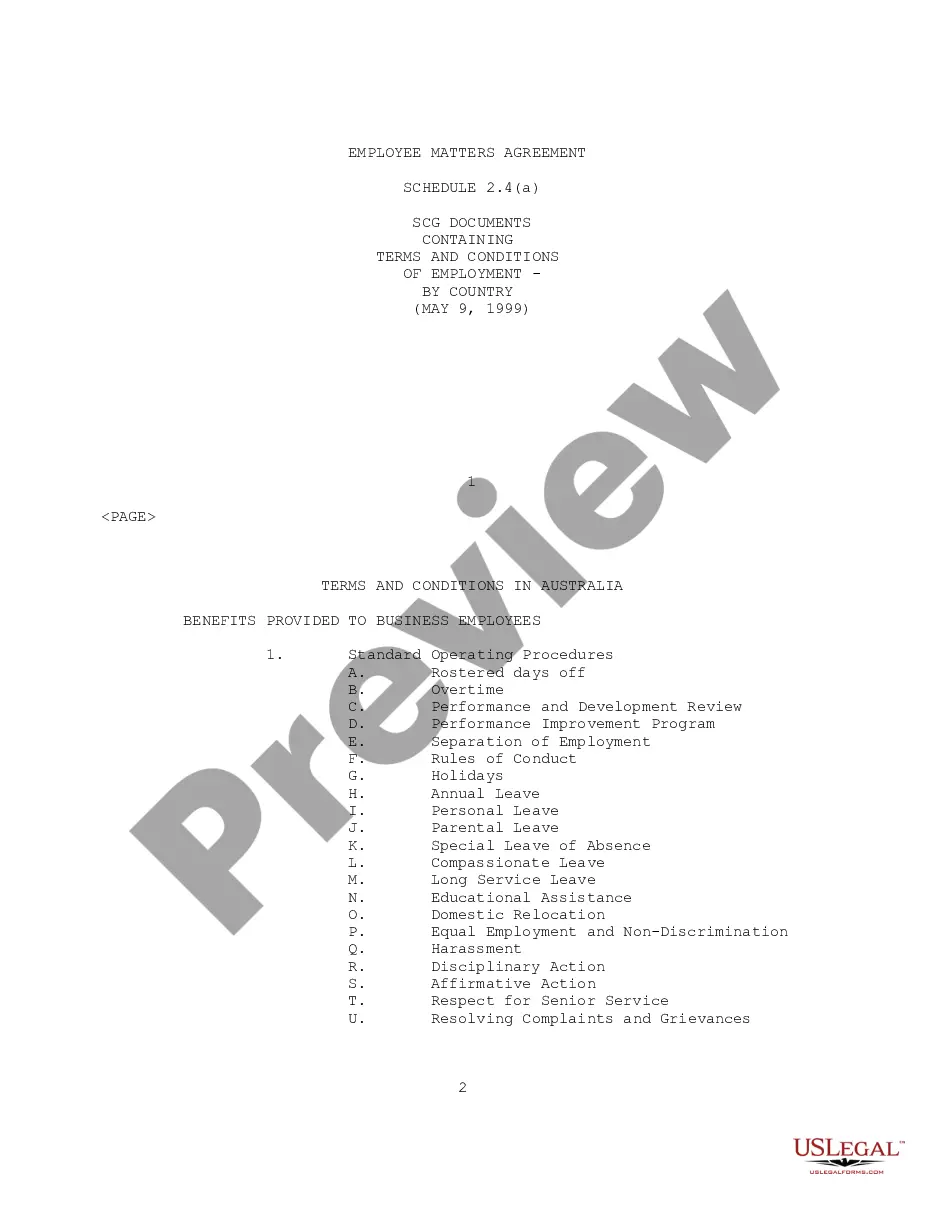
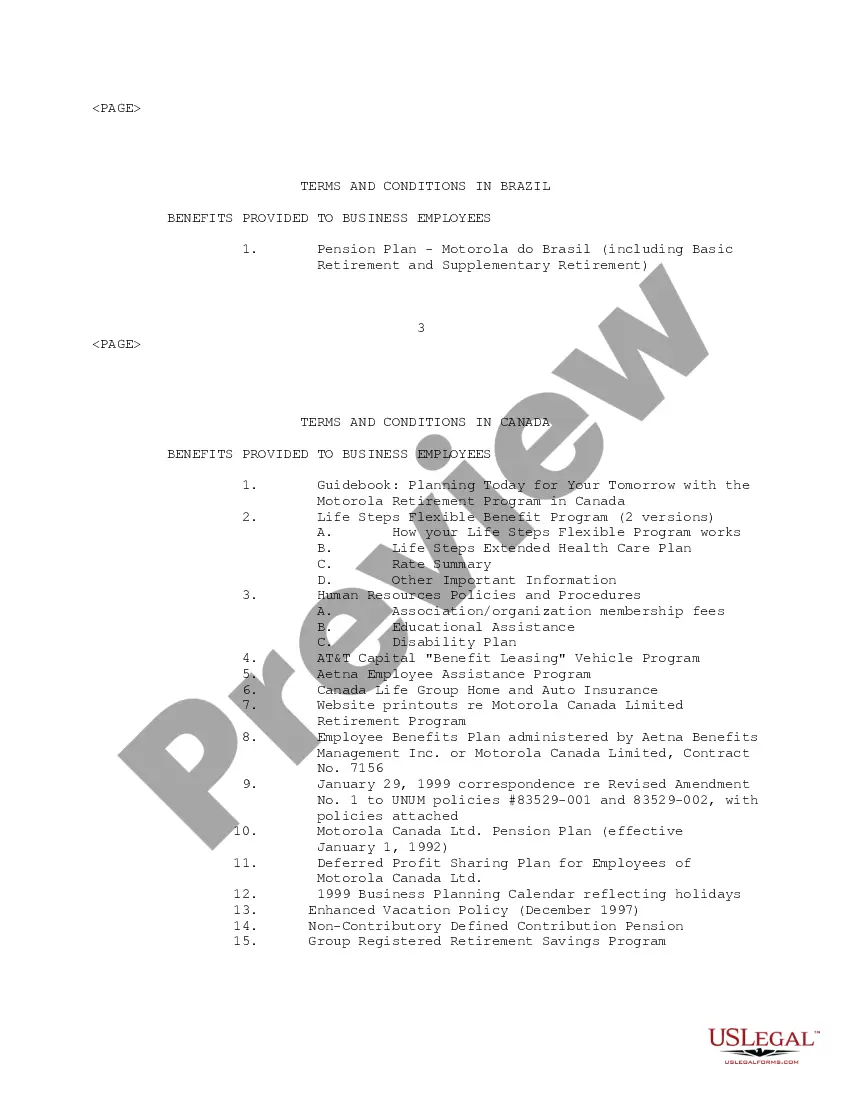
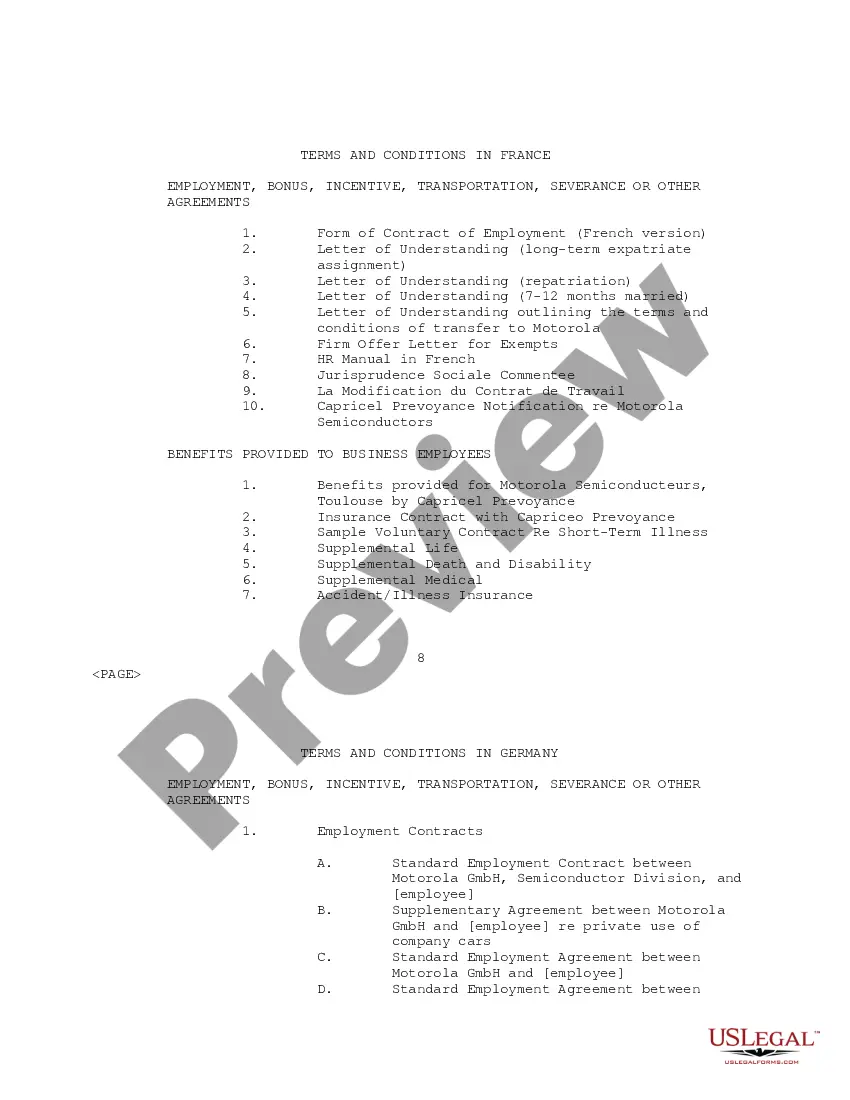
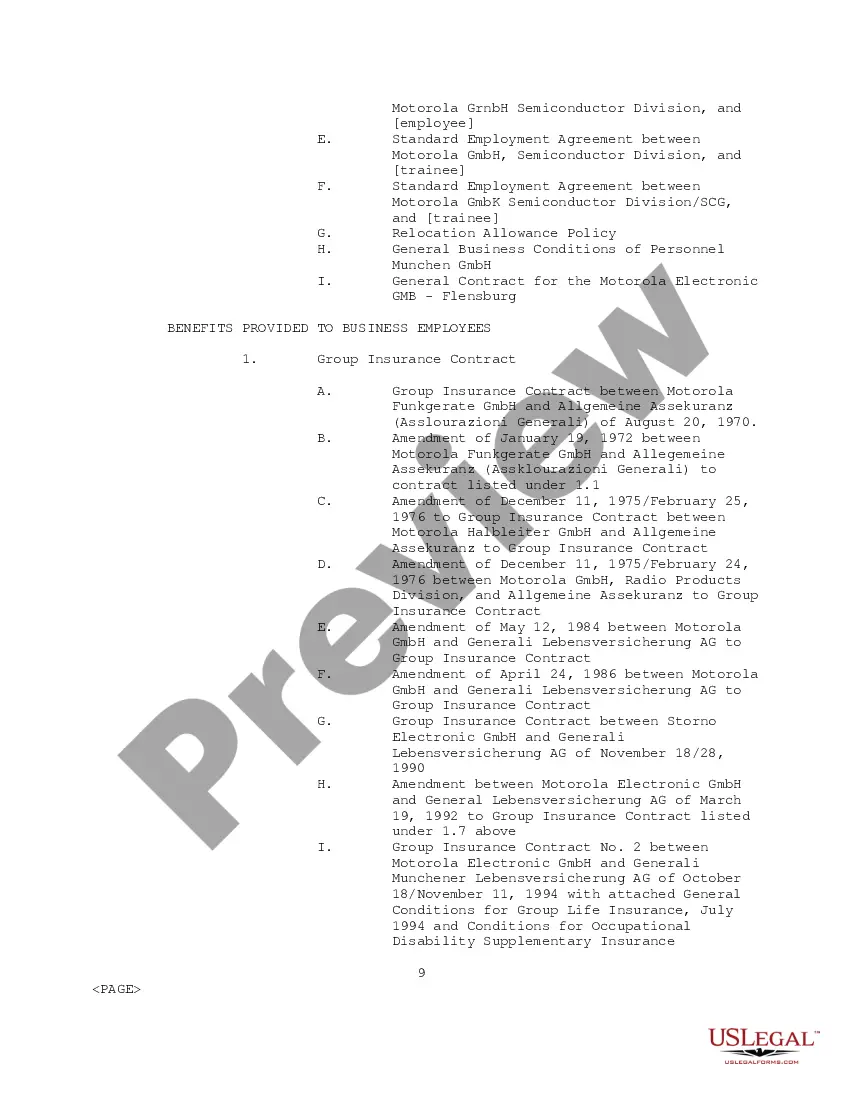
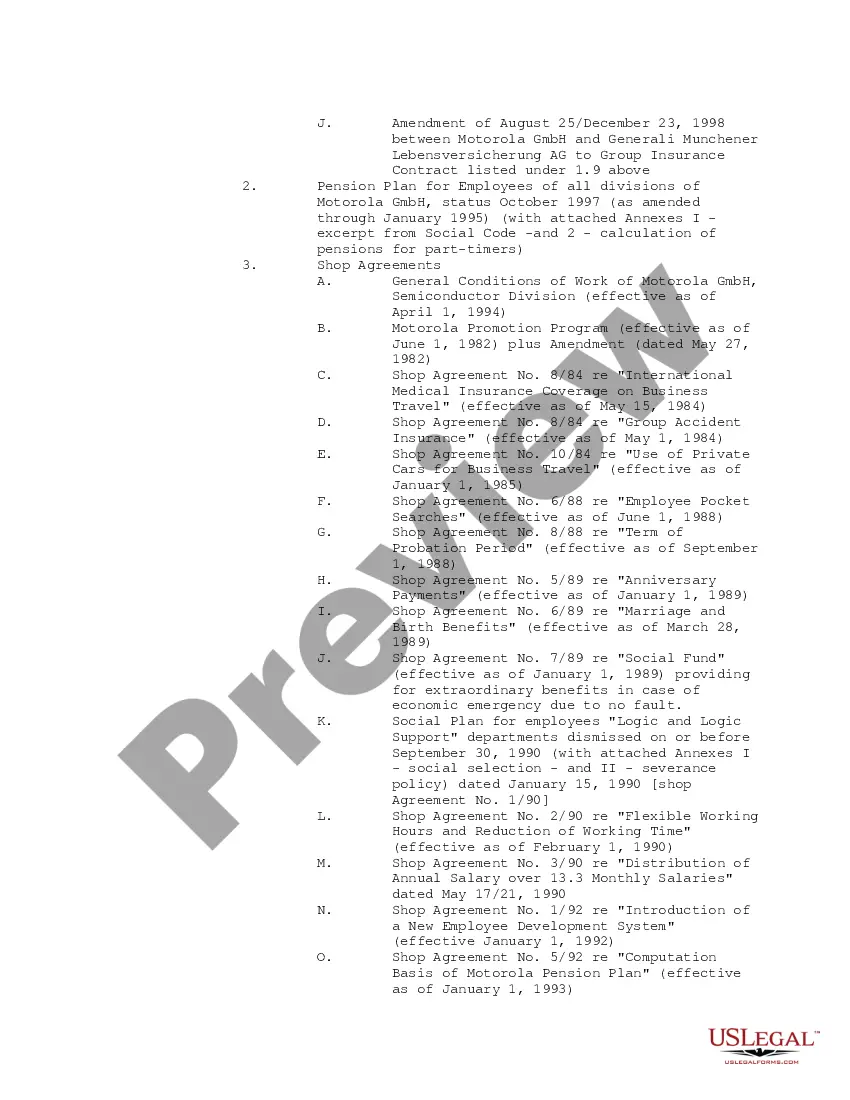
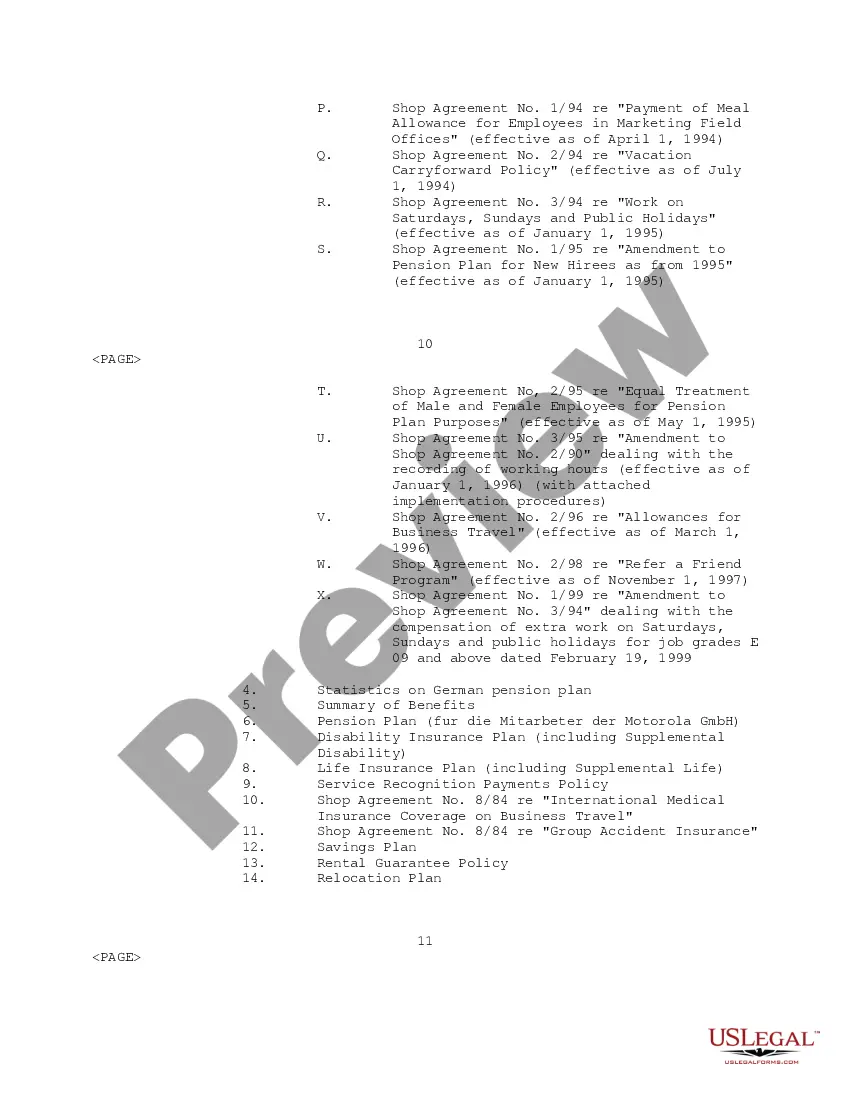
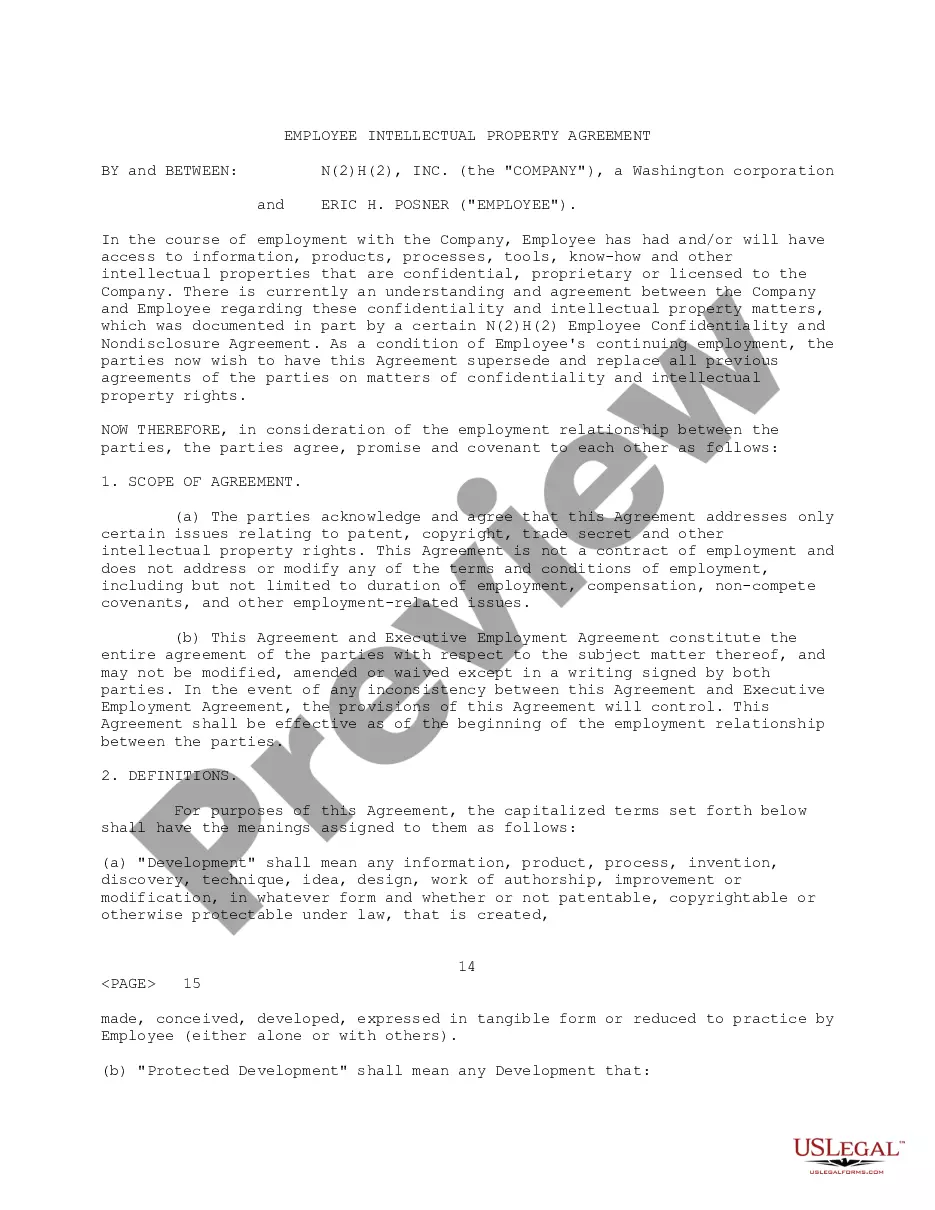
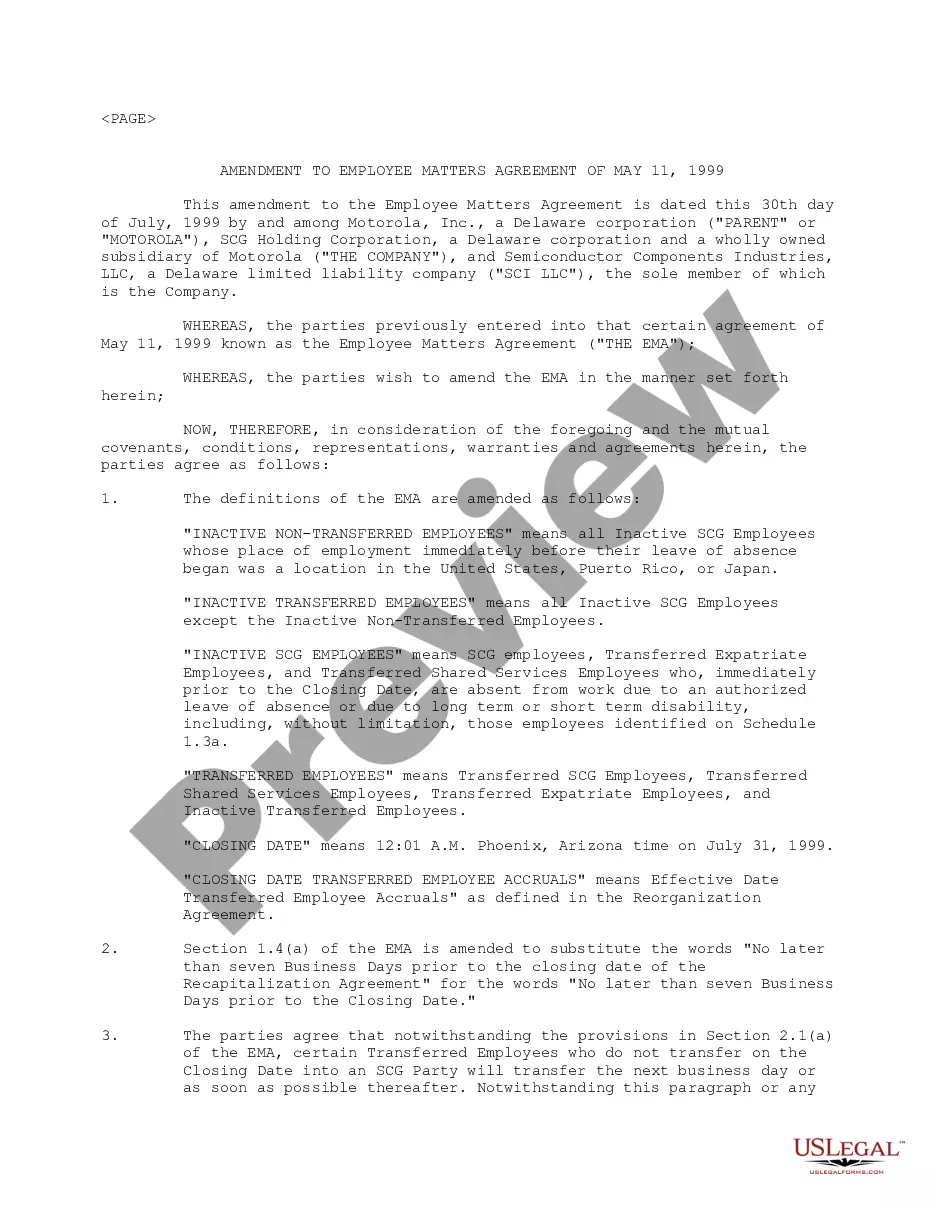
The Employee Matters Agreement is a legal document that outlines the terms and conditions of employment for Motorola, Inc., SCG Holding Corp, and Semiconductor Components Industries, LLC, specifically regarding employment policies across various countries. This agreement provides clarity on workplace expectations, benefits, and employee rights. Unlike other employment agreements, this document is specifically tailored for multinational companies and addresses regional variations in employment law and corporate policy.
Key parts of this document
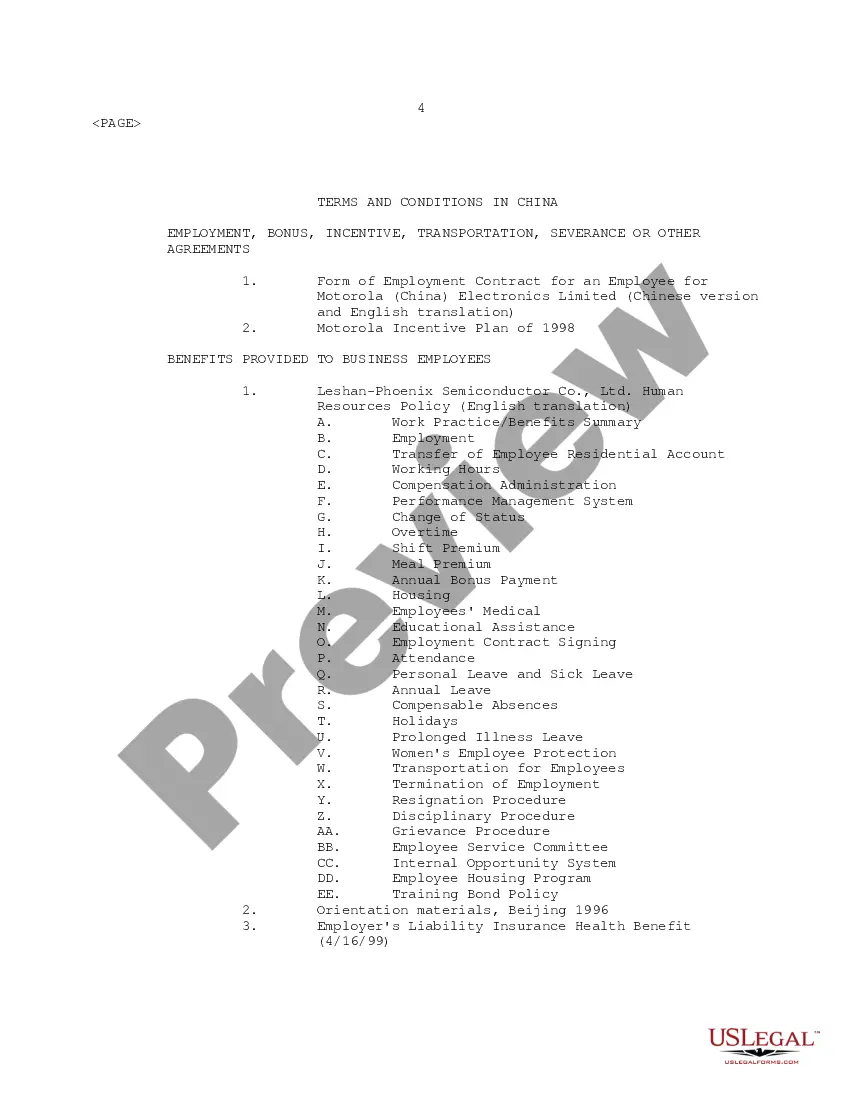
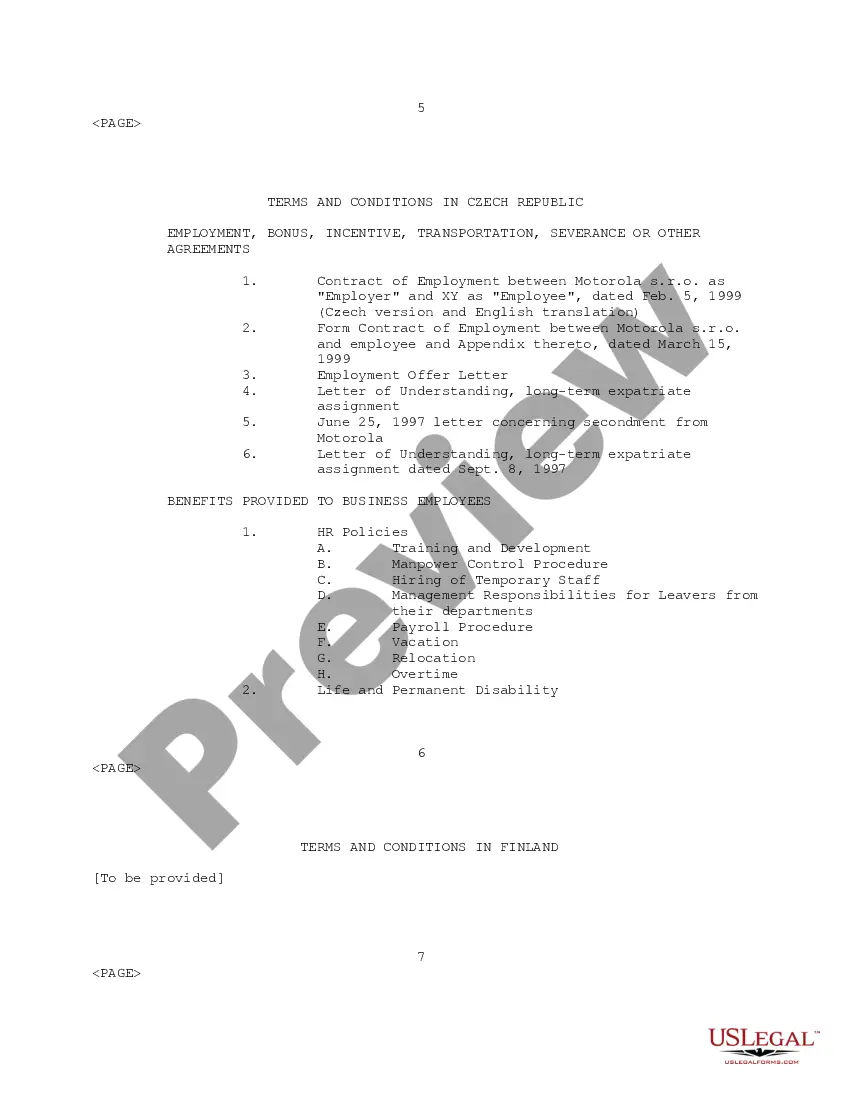
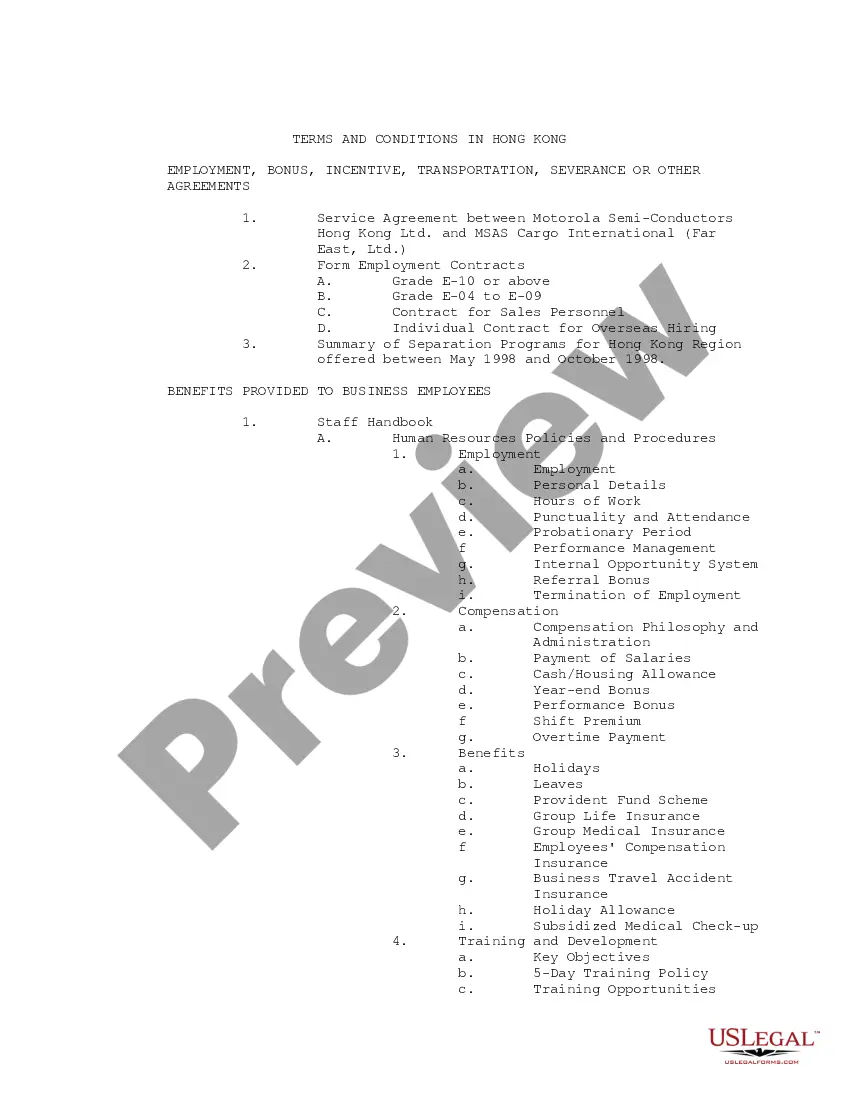
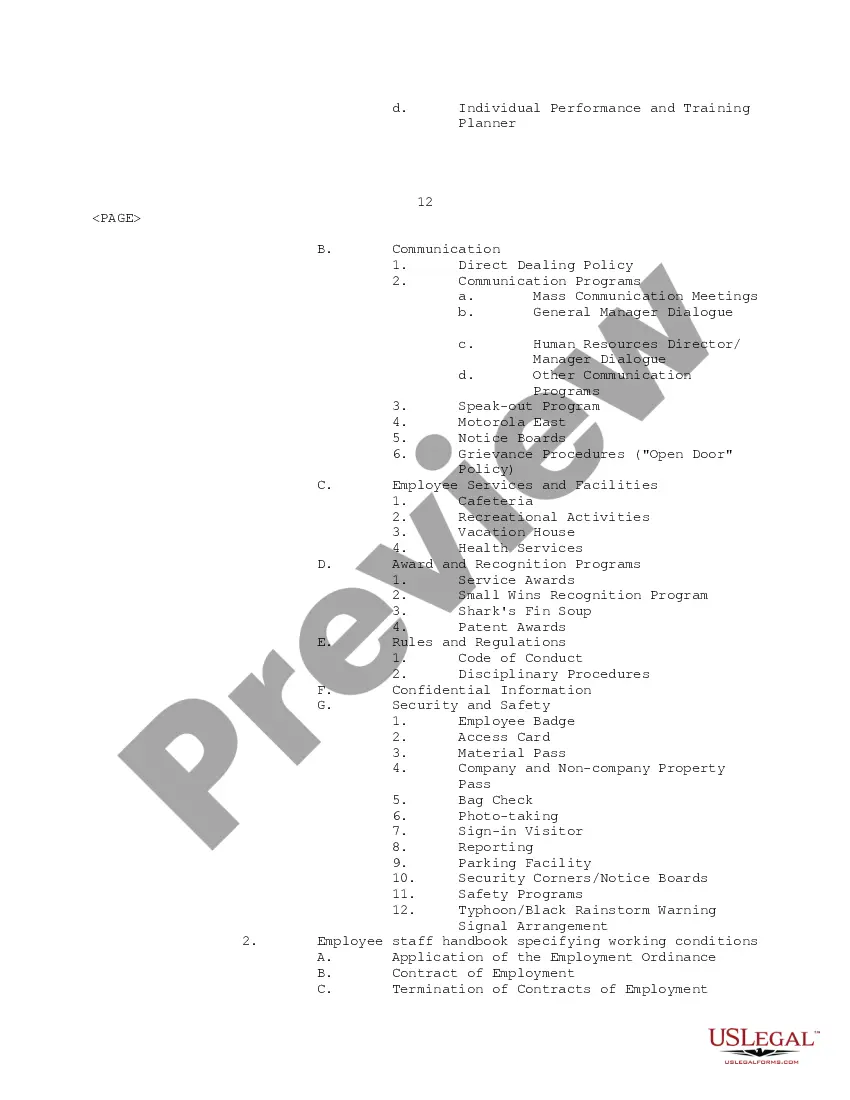
- Terms and conditions of employment by country
- Standard operating procedures for employee conduct
- Benefits provided to business employees
- Policies regarding holidays, leave, and separation of employment
- Human resources policies specific to each country

When to use this form
This form is needed when a business is establishing or reviewing employee policies in multiple countries. It is crucial for ensuring compliance with local employment laws and for standardizing procedures across different regions where the company operates. Use this agreement when onboarding new employees or updating existing employee contracts to reflect current benefits and organizational changes.
Who this form is for
This form is intended for:
- HR managers in multinational corporations
- Corporate legal teams responsible for employment law compliance
- Business owners looking to standardize employee agreements across locations
- Employees seeking clarity on their rights and responsibilities within international employment groups
Completing this form step by step
- Identify the parties involved in the agreement, including Motorola, SCG Holding Corp, and Semiconductor Components Industries, LLC.
- Specify the employment terms as per the country-specific clauses outlined in the document.
- Detail the benefits and responsibilities applicable to employees in each region.
- Include signatures and dates from authorized representatives to validate the agreement.
- Ensure that copies are distributed to all relevant stakeholders, including employees covered by the agreement.
Notarization requirements for this form
This form does not typically require notarization unless specified by local law. However, always check individual jurisdiction requirements to ensure compliance and validation.
Get your form ready online
Our built-in tools help you complete, sign, share, and store your documents in one place.
Make edits, fill in missing information, and update formatting in US Legal Forms—just like you would in MS Word.
Download a copy, print it, send it by email, or mail it via USPS—whatever works best for your next step.
Sign and collect signatures with our SignNow integration. Send to multiple recipients, set reminders, and more. Go Premium to unlock E-Sign.
If this form requires notarization, complete it online through a secure video call—no need to meet a notary in person or wait for an appointment.
We protect your documents and personal data by following strict security and privacy standards.

Make edits, fill in missing information, and update formatting in US Legal Forms—just like you would in MS Word.

Download a copy, print it, send it by email, or mail it via USPS—whatever works best for your next step.

Sign and collect signatures with our SignNow integration. Send to multiple recipients, set reminders, and more. Go Premium to unlock E-Sign.

If this form requires notarization, complete it online through a secure video call—no need to meet a notary in person or wait for an appointment.

We protect your documents and personal data by following strict security and privacy standards.
Common mistakes to avoid
- Failing to update the document with the latest employee benefits and legal changes.
- Neglecting to ensure proper signatures from all parties involved.
- Using outdated country-specific clauses that may no longer comply with local employment laws.
Benefits of completing this form online
- Easy access to updated legal templates drafted by licensed attorneys.
- Convenient editing and customization to meet specific business needs.
- Secure storage and retrieval of documents for future reference.
- This agreement is enforceable under contract law in the applicable jurisdictions specified.
- Misrepresentation of terms can lead to legal challenges and potential enforceability issues.
- Each section should comply with local regulations to ensure rights are preserved and protected.
What to keep in mind
- The Employee Matters Agreement is a vital document for establishing uniform employee rights across various jurisdictions.
- Understanding local laws and requirements is crucial for the effective use of this agreement.
- This document helps in minimizing legal risks during corporate changes affecting employee terms.
Looking for another form?
Form popularity
FAQ
Offer - One of the parties made a promise to do or refrain from doing some specified action in the future. Consideration - Something of value was promised in exchange for the specified action or nonaction. Acceptance - The offer was accepted unambiguously.
For a contract to be valid, it must have four key elements: agreement, capacity, consideration, and intention.
A contract has three distinct stages: preparation, perfection, and consummation. Preparation or negotiation begins when the prospective contracting parties manifest their interest in the contract and ends at the moment of their agreement.
The basic elements required for the agreement to be a legally enforceable contract are: mutual assent, expressed by a valid offer and acceptance; adequate consideration; capacity; and legality. In some states, element of consideration can be satisfied by a valid substitute.
The five requirements for creating a valid contract are an offer, acceptance, consideration, competency and legal intent.
Offer and acceptance. A contract is formed when an offer by one party is accepted by the other party. Intention to create legal relations. Consideration. Legal capacity. Consent. Illegal and void contracts.
An offer. an acceptance. an intention to create a legal relationship. a consideration (usually money).
The five requirements for creating a valid contract are an offer, acceptance, consideration, competency and legal intent.
Seven essential elements must be present before a contract is binding: the offer, acceptance, mutual assent (also known as meeting of the minds), consideration, capacity, and legality. Contracts are typically in writing and signed to prove all of those elements are present.