Plan of Merger between Berkshire Energy Resources, Energy East Corporation and Mountain Merger, LLC
What is this form?
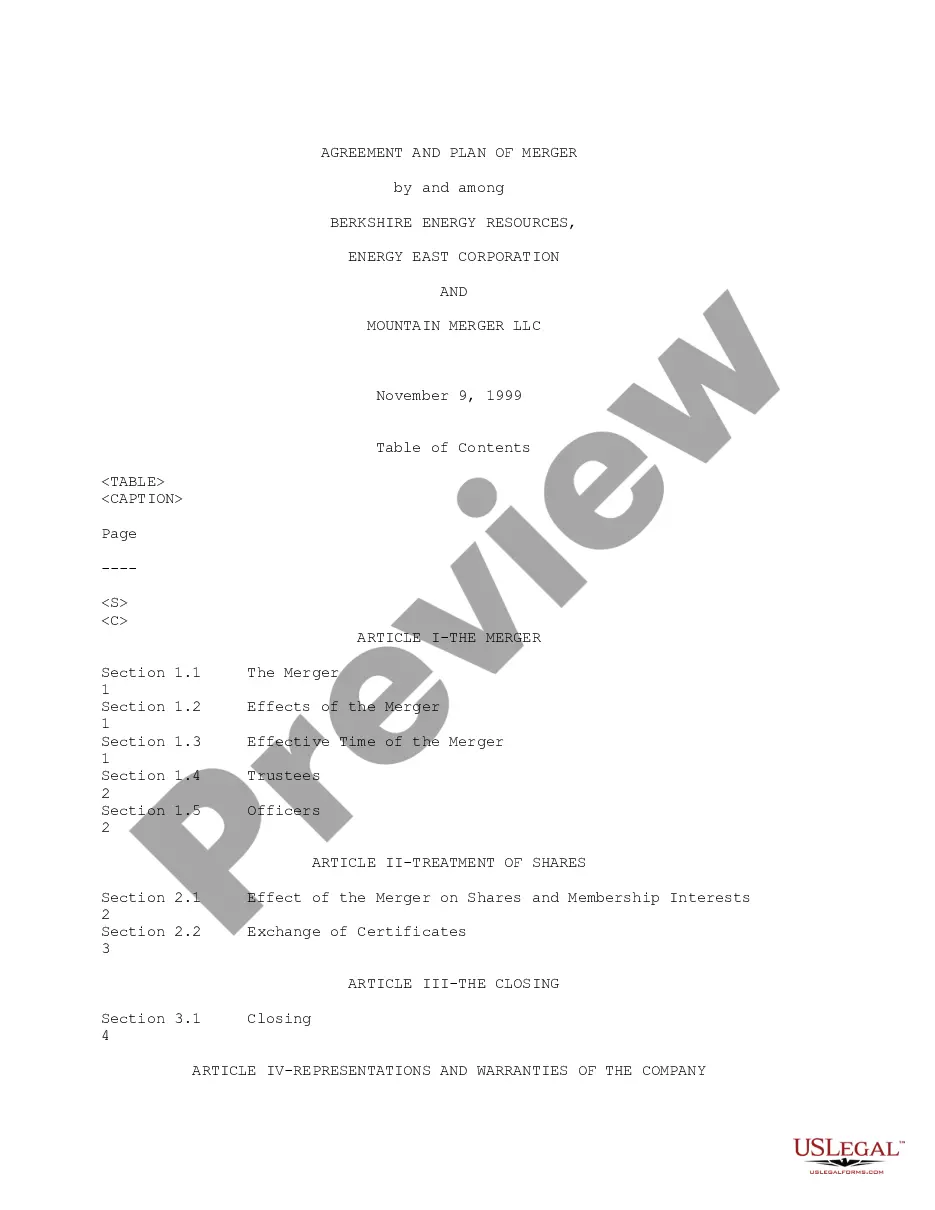
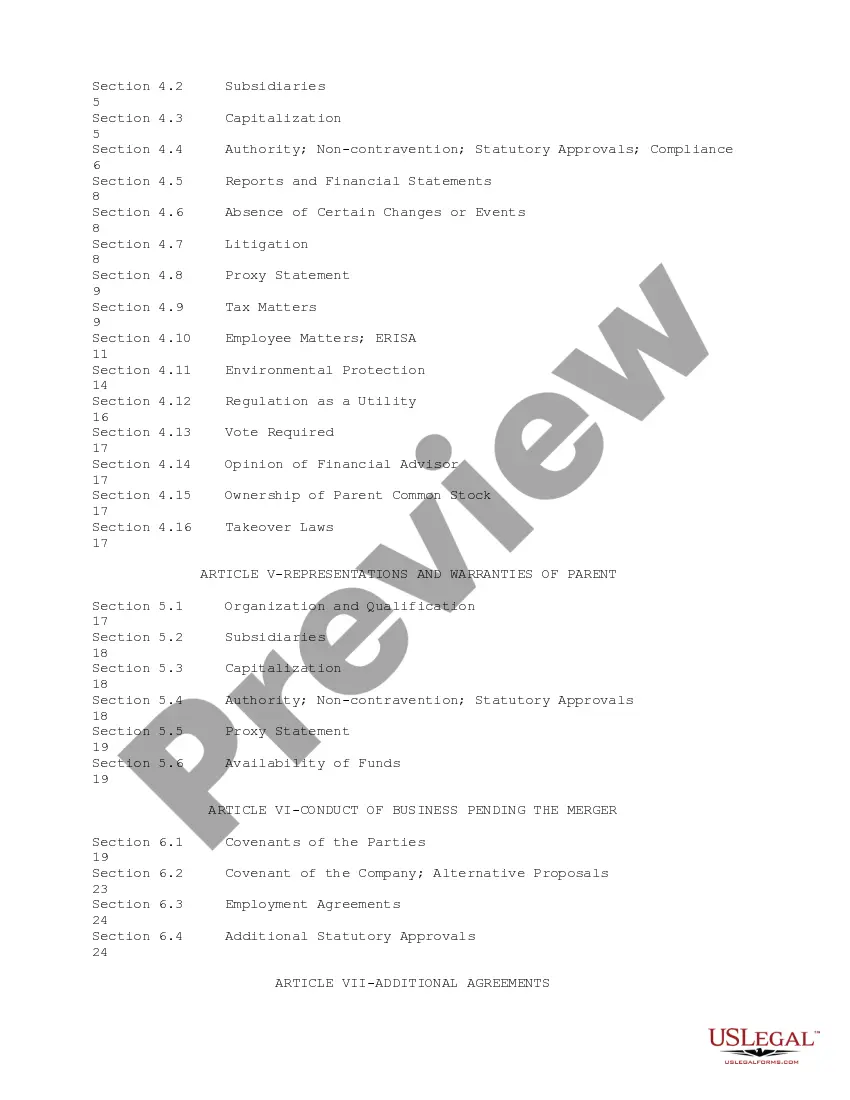
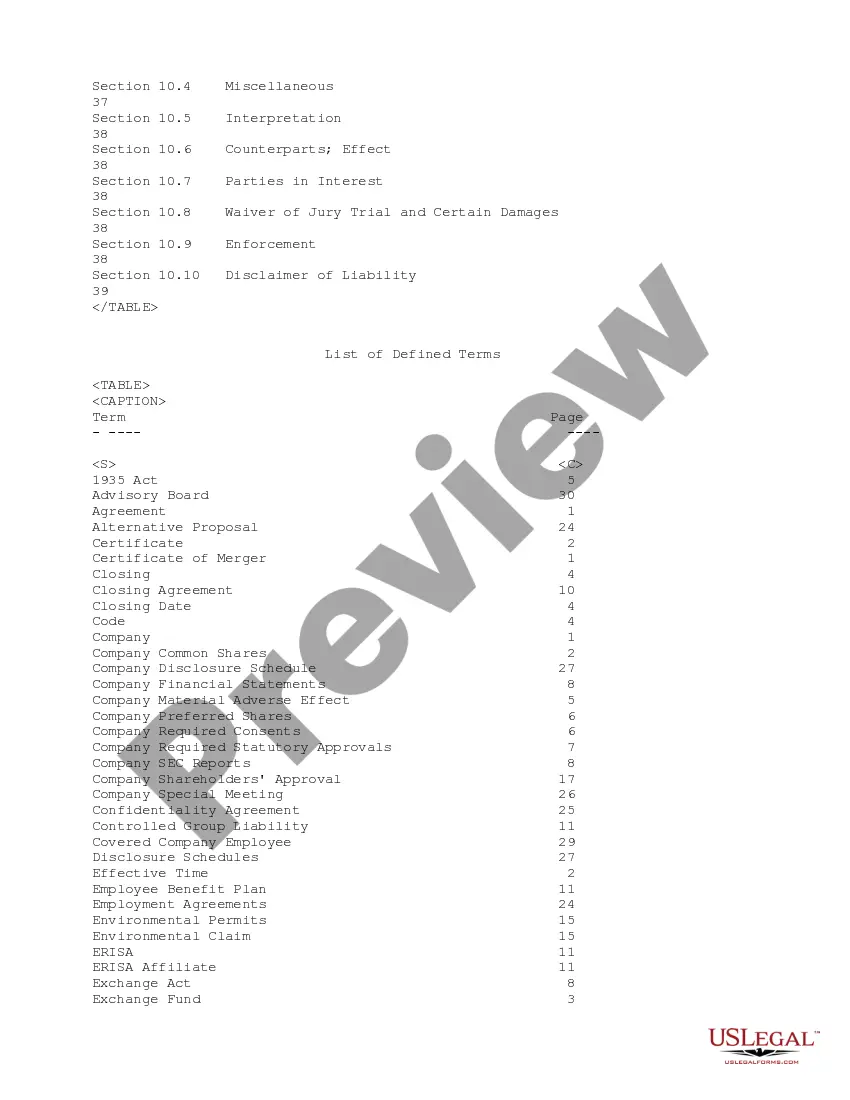
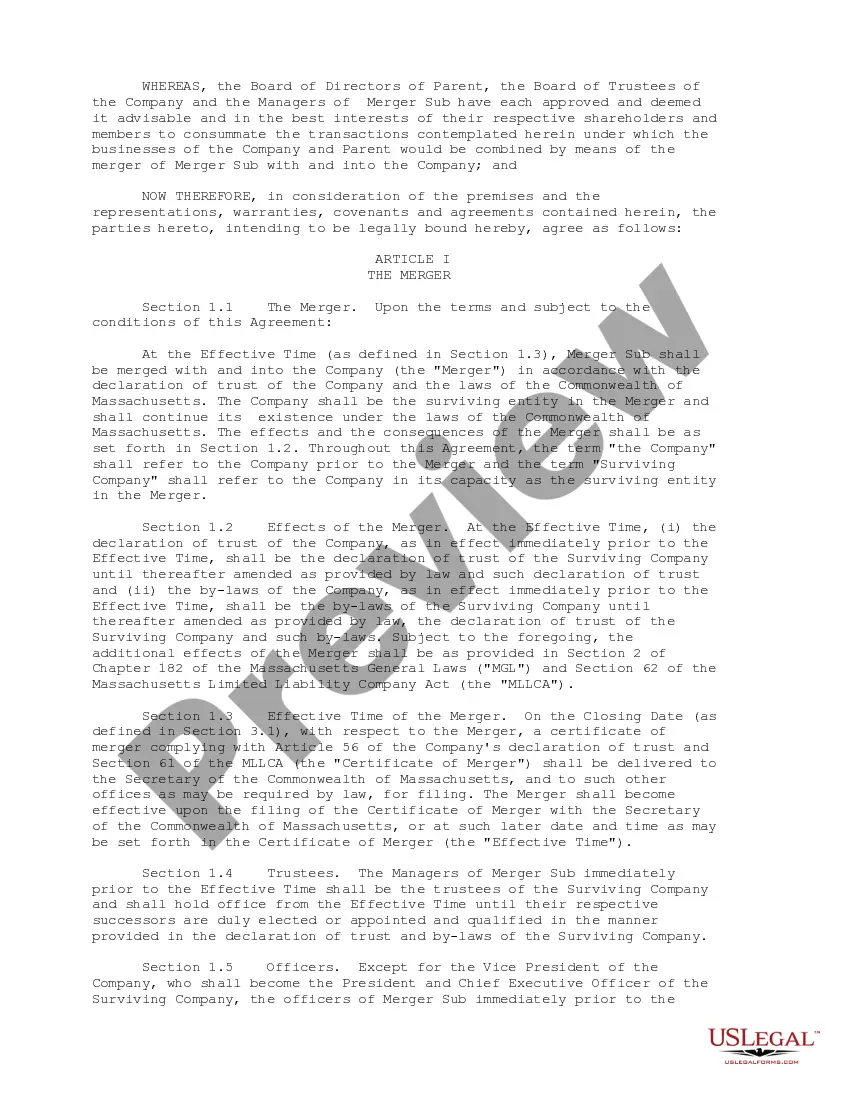
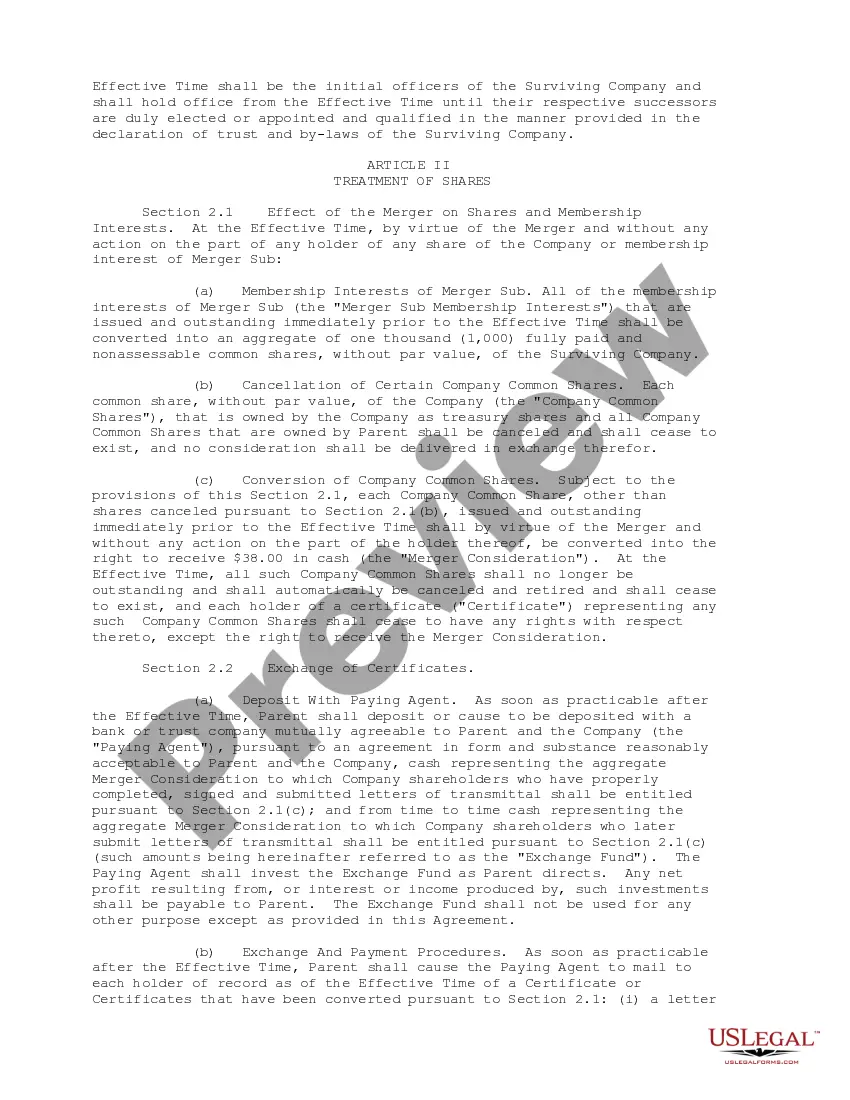
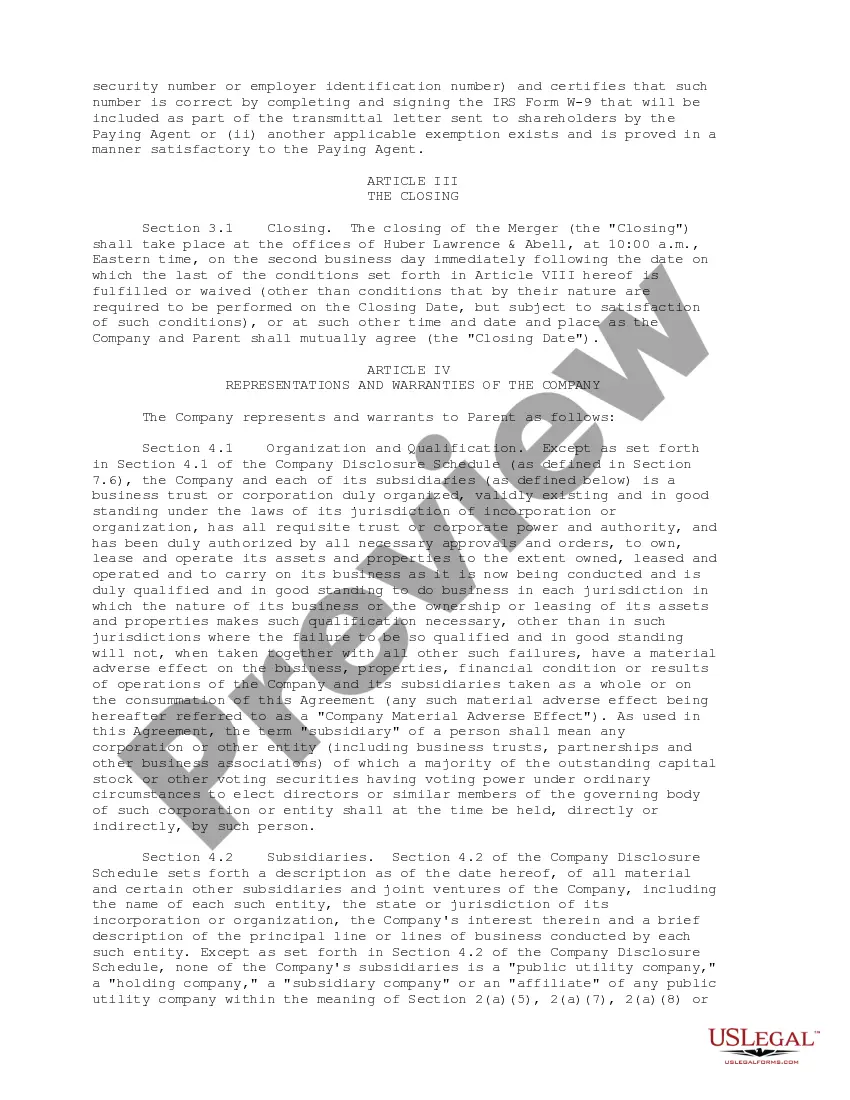
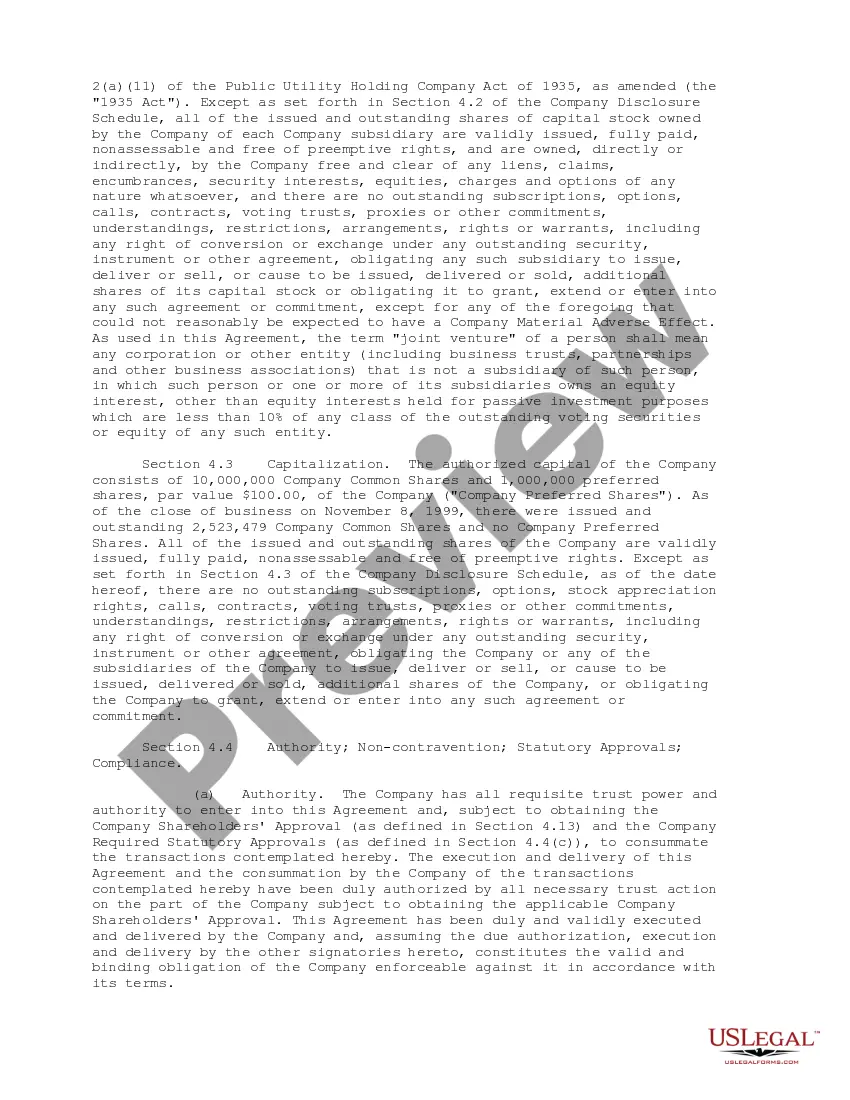
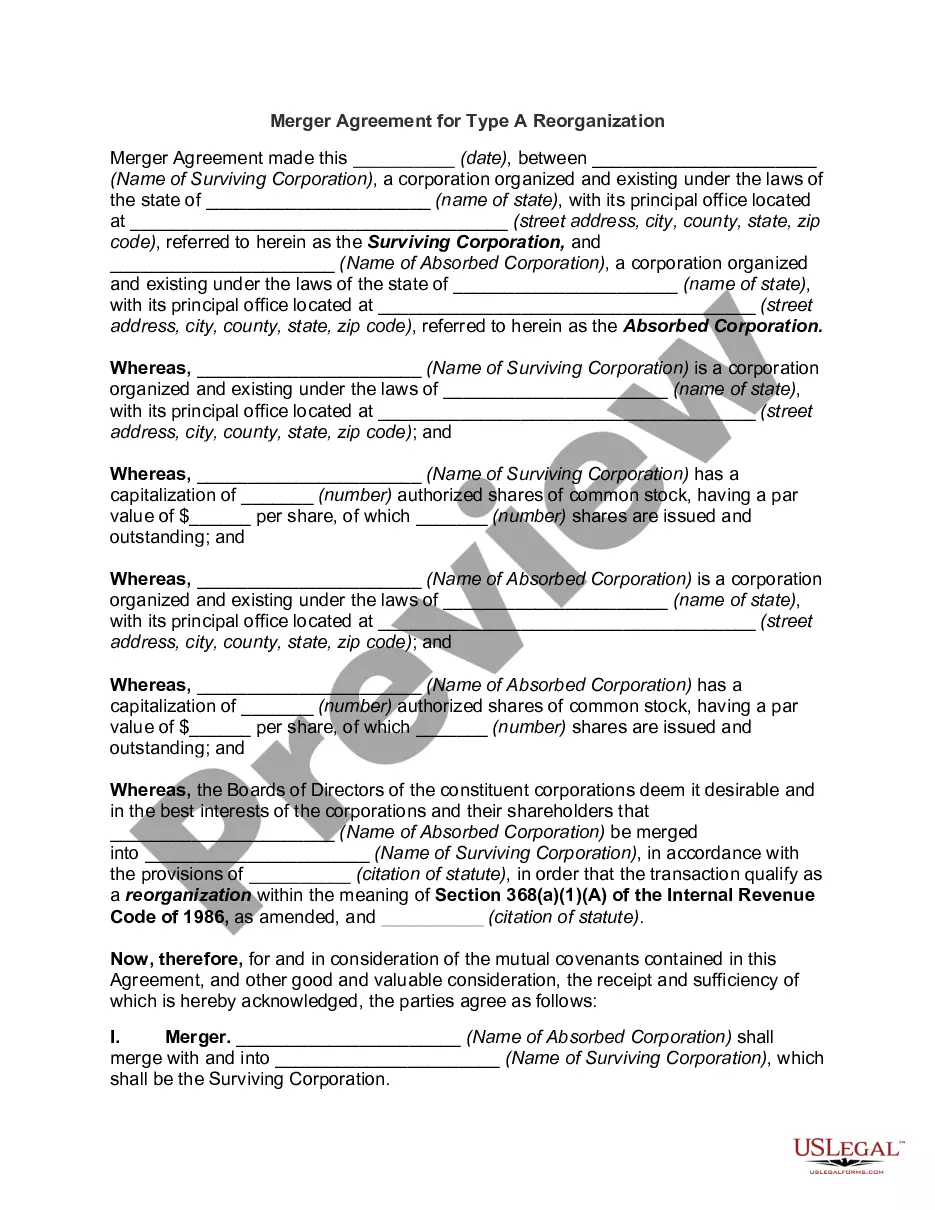
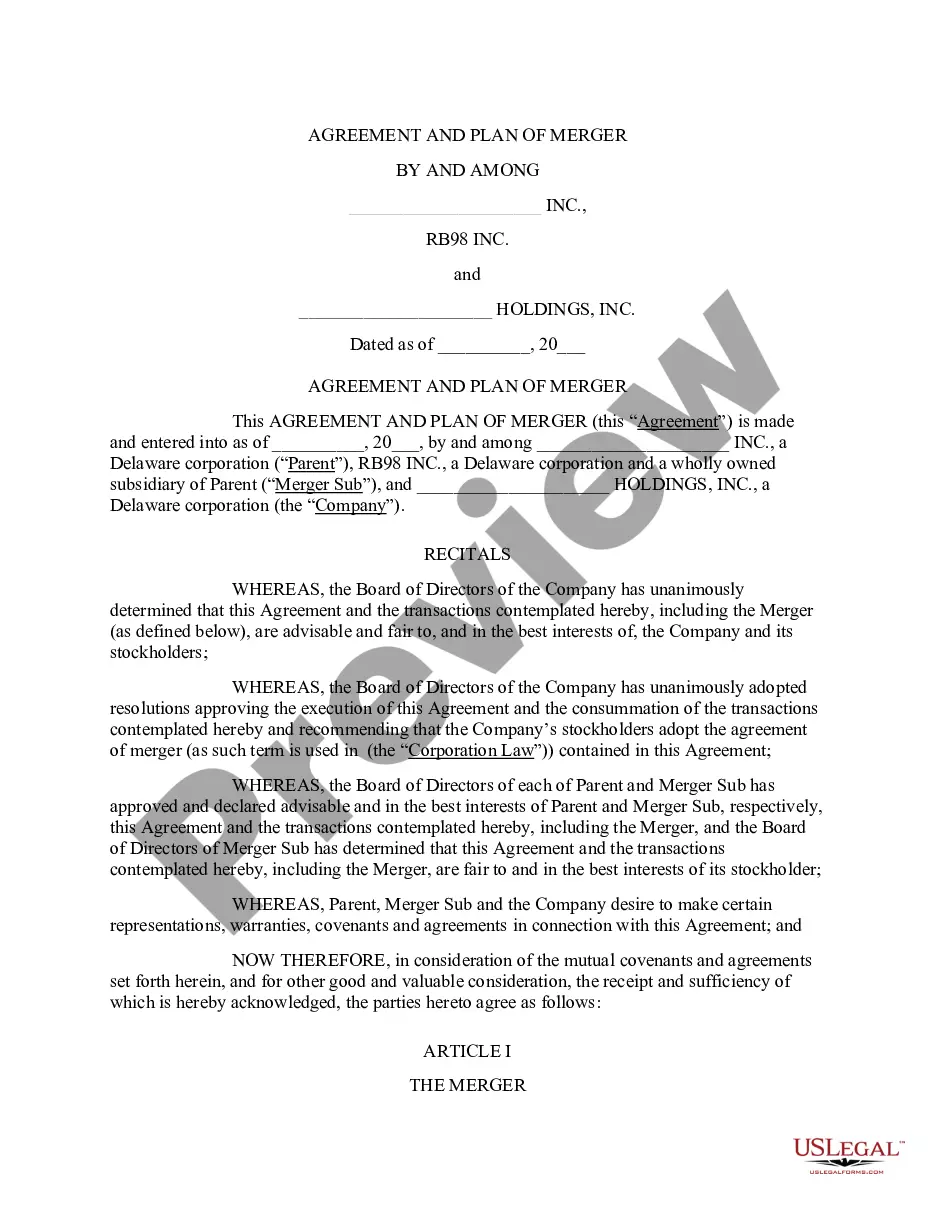
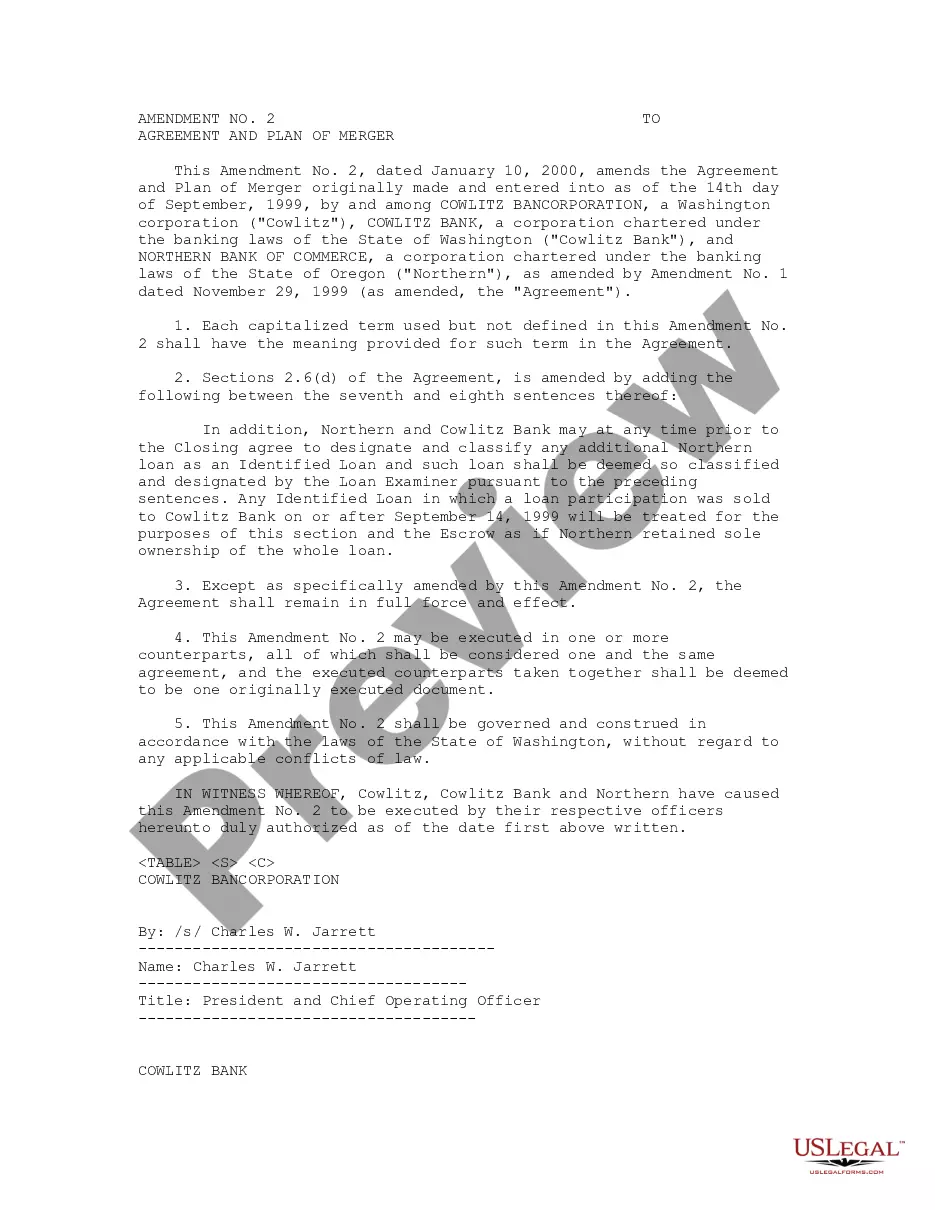
This Agreement and Plan of Merger outlines the legal framework for the merger between Berkshire Energy Resources, Energy East Corporation, and Mountain Merger, LLC. It serves to legally combine the entities into one, detailing the terms and conditions under which the merger will be executed. This form differs from other merger agreements as it specifically incorporates provisions affecting share treatment, closing procedures, and representations and warranties applicable to the involved parties.
Form components explained
- The Merger: Defines the nature of the merger and its effective time.
- Treatment of Shares: Specifies how shares and membership interests will be handled post-merger.
- Closing Procedures: Outlines the closing of the merger, including necessary actions and timelines.
- Representations and Warranties: Lists the assertions made by the companies regarding their legal status, finances, and compliance.
- Conditions to Closing: Details the requirements that must be fulfilled before the merger can be finalized.




Common use cases
This form is essential in situations where one or more companies intend to merge and need a clear, legally binding document to outline the terms of the agreement. It ensures that all parties understand their rights and obligations, including how shares will be managed, thus protecting the interests of shareholders and the involved entities during the merger process.
Who can use this document
- Corporate executives and legal advisors of companies planning a merger.
- Shareholders interested in understanding the terms affecting their shares in the merger.
- Legal entities involved in the merger process to ensure compliance and proper execution of legal obligations.
How to prepare this document
- Identify the parties involved in the merger, including their legal names and structures.
- Define the terms of the merger, specifying how shares will be treated and what interests will be exchanged.
- Detail any necessary conditions that need to be satisfied before closing the merger.
- Outline the responsibilities of each party concerning representations, warranties, and covenants.
- Obtain required approvals from shareholders and regulatory bodies, ensuring all compliance matters are addressed.
Notarization requirements for this form
This form does not typically require notarization unless specified by local law. However, it's advisable to confirm the notary requirement based on the applicable jurisdiction's merger laws.
Get your form ready online
Our built-in tools help you complete, sign, share, and store your documents in one place.
Make edits, fill in missing information, and update formatting in US Legal Forms—just like you would in MS Word.
Download a copy, print it, send it by email, or mail it via USPS—whatever works best for your next step.
Sign and collect signatures with our SignNow integration. Send to multiple recipients, set reminders, and more. Go Premium to unlock E-Sign.
If this form requires notarization, complete it online through a secure video call—no need to meet a notary in person or wait for an appointment.
We protect your documents and personal data by following strict security and privacy standards.

Make edits, fill in missing information, and update formatting in US Legal Forms—just like you would in MS Word.

Download a copy, print it, send it by email, or mail it via USPS—whatever works best for your next step.

Sign and collect signatures with our SignNow integration. Send to multiple recipients, set reminders, and more. Go Premium to unlock E-Sign.

If this form requires notarization, complete it online through a secure video call—no need to meet a notary in person or wait for an appointment.

We protect your documents and personal data by following strict security and privacy standards.
Avoid these common issues
- Failing to clearly outline the treatment of shares and membership interests.
- Not obtaining appropriate approvals from shareholders before proceeding with the merger.
- Omitting necessary conditions to closing that could lead to legal complications later.
Benefits of using this form online
- Convenience of completing the form from anywhere at any time without the need for physical paperwork.
- Editability allows users to customize the document to fit specific situations as needed.
- Access to templates drafted by attorneys, ensuring legal compliance and accuracy.
Looking for another form?
Form popularity
FAQ
Generally, most entrepreneurs choose to form a Corporation or a Limited Liability Company (LLC). The main difference between an LLC and a corporation is that an llc is owned by one or more individuals, and a corporation is owned by its shareholders.It also provides limited liability protection.
Sole Proprietorship. Sole proprietorships are the most common type of online business due to their simplicity and how easy they are to create. Partnerships. Two heads are better than one, right? Limited Partnership. Corporation. Limited Liability Company (LLC) Nonprofit Organization. Cooperative.
There are 4 main types of business organization: sole proprietorship, partnership, corporation, and Limited Liability Company, or LLC. Below, we give an explanation of each of these and how they are used in the scope of business law.
This creates a significant advantage over corporations, whose shareholders do not receive any personal financial relief from their company's losses. Limited liability organization owners receive tax deductions and lower reported income for business losses.
Limited liability is a type of protection for your personal assets. It ensures that your personal liability for the business' debts and obligations is no more than the amount of money you invested in the business.
Forming an LLC or a corporation will allow you to take advantage of limited personal liability for business obligations. LLCs are favored by small, owner-managed businesses that want flexibility without a lot of corporate formality. Corporations are a good choice for a business that plans to seek outside investment.
Limited liability. If something bad happens to the business, it's seen as a completely separate entity from its owners and founders. This can protect business owners so they are not liable if things go wrong.
Limited liability is a type of legal structure for an organization where a corporate loss will not exceed the amount invested in a partnership or limited liability company (LLC). In other words, investors' and owners' private assets are not at risk if the company fails.
Limited liability is a form of legal protection for shareholders and owners that prevents individuals from being held personally responsible for their company's debts or financial losses. Staying on top of your accounting and bookeeping has never been easier.Keep finances separate from the owners' personal finances.