Legal Opinion Checklist
About this form
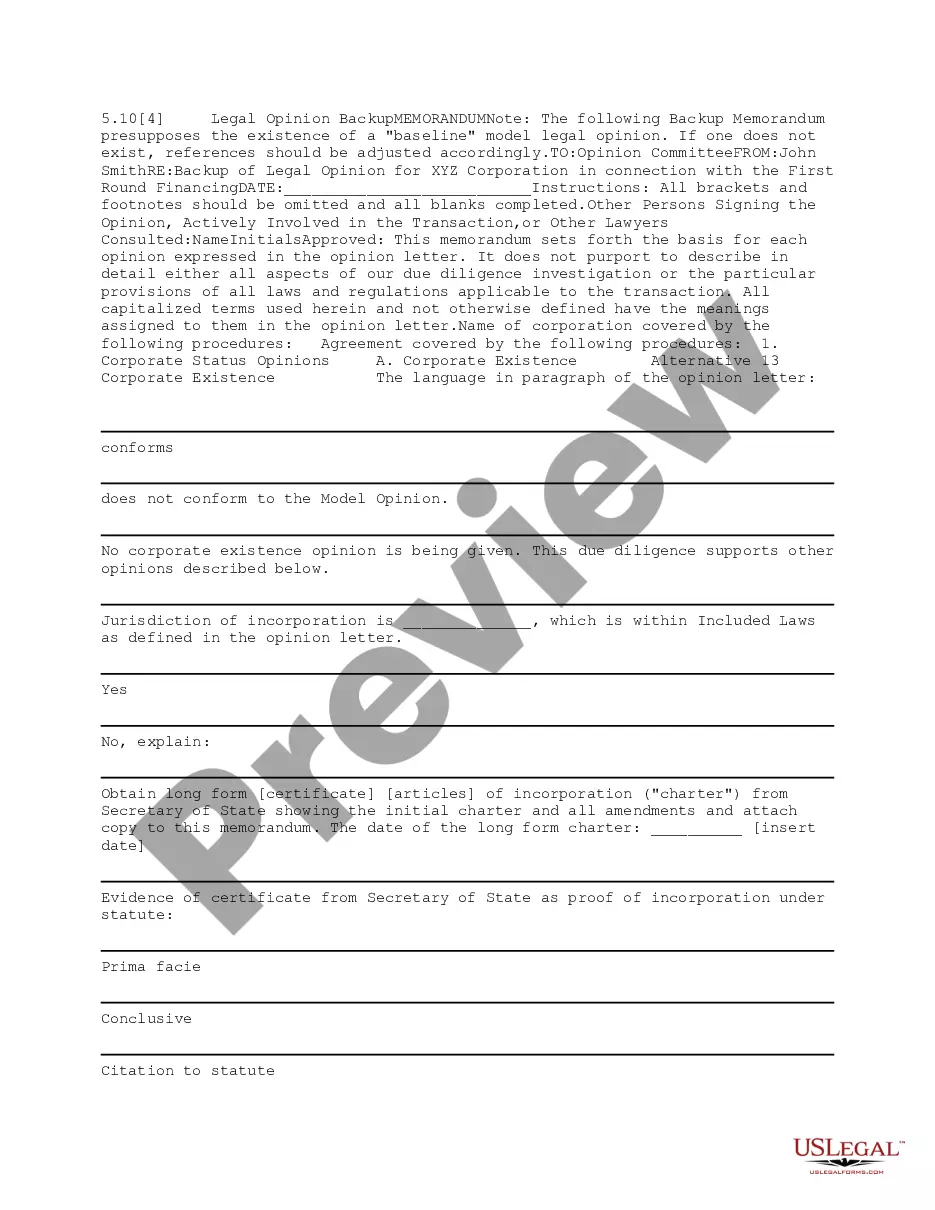
The Legal Opinion Checklist is a comprehensive document designed to guide due diligence teams in evaluating the legal standing of a company during business transactions. This form ensures that all necessary legal considerations are accounted for before finalizing agreements, making it essential for protecting the interests of stakeholders involved. Unlike other legal forms, this checklist specifically focuses on the legal opinions required in business dealings to confirm compliance and avoid potential disputes.
Main sections of this form
- Due incorporation and good standing assessment
- Qualification to conduct business in foreign jurisdictions
- Authority to execute, deliver, and perform agreements
- Verification of legal, valid, and binding agreements
- Execution, authentication, and delivery requirements
- No pending material legal proceedings evaluation






When this form is needed
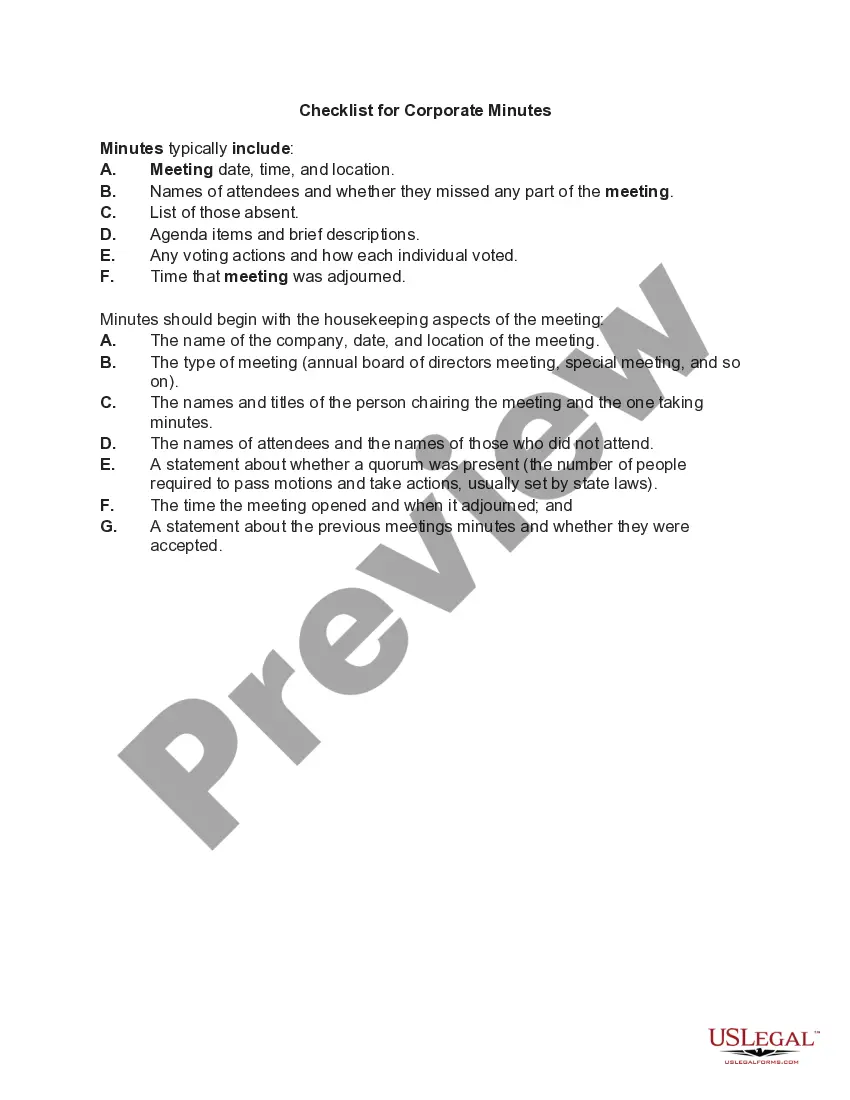
The Legal Opinion Checklist is useful in various scenarios, including mergers and acquisitions, financing transactions, and initial public offerings. It is essential when companies need to ensure legal compliance and assess the implications of their business dealings. This checklist provides a systematic approach to gathering the necessary legal documentation and opinions, minimizing risks associated with legal disputes.
Who this form is for
- Corporate attorneys conducting due diligence
- Business professionals involved in mergers and acquisitions
- Financial advisors and investment bankers
- Compliance officers ensuring legal conformity in business activities
Instructions for completing this form
- Review the incorporation documents to confirm good standing.
- Identify and document the jurisdictions where the business operates.
- Verify the authority of company officers to execute necessary documents.
- Evaluate all agreements for legality and enforceability.
- Check for any pending legal proceedings that may affect the business.
Does this form need to be notarized?
This form does not typically require notarization unless specified by local law. Always verify specific requirements based on jurisdiction to ensure compliance.
Get your form ready online
Our built-in tools help you complete, sign, share, and store your documents in one place.
Make edits, fill in missing information, and update formatting in US Legal Forms—just like you would in MS Word.
Download a copy, print it, send it by email, or mail it via USPS—whatever works best for your next step.
Sign and collect signatures with our SignNow integration. Send to multiple recipients, set reminders, and more. Go Premium to unlock E-Sign.
If this form requires notarization, complete it online through a secure video call—no need to meet a notary in person or wait for an appointment.
We protect your documents and personal data by following strict security and privacy standards.

Make edits, fill in missing information, and update formatting in US Legal Forms—just like you would in MS Word.

Download a copy, print it, send it by email, or mail it via USPS—whatever works best for your next step.

Sign and collect signatures with our SignNow integration. Send to multiple recipients, set reminders, and more. Go Premium to unlock E-Sign.

If this form requires notarization, complete it online through a secure video call—no need to meet a notary in person or wait for an appointment.

We protect your documents and personal data by following strict security and privacy standards.
Mistakes to watch out for
- Overlooking foreign jurisdiction requirements for business operations.
- Failing to obtain necessary good standing certificates.
- Neglecting to review all relevant legal documents thoroughly.
- Assuming that verbal agreements are sufficient without written confirmation.
Benefits of using this form online
- Convenient access to templates anytime and anywhere.
- Easy download and customization to meet specific needs.
- Drafted by licensed attorneys for reliability and compliance.
- Secure storage and sharing options for sensitive documents.
Legal use & context
- The Legal Opinion Checklist is essential for ensuring that business transactions comply with relevant laws.
- Using this form helps mitigate risks by ensuring all legal opinions are properly addressed.
- Well-documented legal due diligence can serve as a defense in the event of disputes.
Quick recap
- The Legal Opinion Checklist is essential for due diligence in business transactions.
- It helps ensure that all legal aspects of a company are verified before proceeding.
- The checklist is adaptable and designed to meet the needs of various jurisdictions.
Looking for another form?








Form popularity
FAQ
A legal opinion will usually contain the following:Qualifications - these will limit the opinion when absolute assurance cannot be given. They often relate to points of law such as the approach local courts would take to enforcing the transaction documents; and.
State the facts: The facts are the answers to the client's questions. Analysis: For an easy analysis, first set out the provision of the law and the law itself. Answer the query: To answer the query, you will rely on the fact and analysis sections.
The main purposes of a legal opinion are: to state conclusions of law as to the ability of a party to enter into and perform its obligations under an agreement; to inform the addressee of the legal opinion of the legal effect of an agreement; and.
It points to the key difference between a legal opinion and legal advicei.e., that a legal opinion is an attorney's analysis based on past or present facts, while legal advice is an attorney's counsel and guidance as to what future actions the client should take.
An opinion from lawyers issued in letter form expressing legal conclusions about and/or legal analysis of a transaction or matter which is relied on by the addressee of the opinion.The main purposes of a legal opinion are: To inform the addressee of the legal effect of a transaction or matter.
The California Supreme Court and Court of Appeal are state agencies authorized to request opinions. Requests should come from the chief justice or a presiding justice of the court or, as is usually the case, be submitted by the Administrative Office of the Courts.
It is important to note that the legal opinion can only be relied on by the addressee and will contain a statement to the effect that it has been prepared solely for the benefit of the addressee and cannot be relied on by anyone else.
The background. The cause (or what led to the opinion being sought). Mandate or instruction (and what do you aim to analyse). Methodology (for your analysis). Analysis (cross referencing to legal precedent and/or authority).