Notice to Debt Collector - Not Disclosing the Caller's Identity
What this document covers
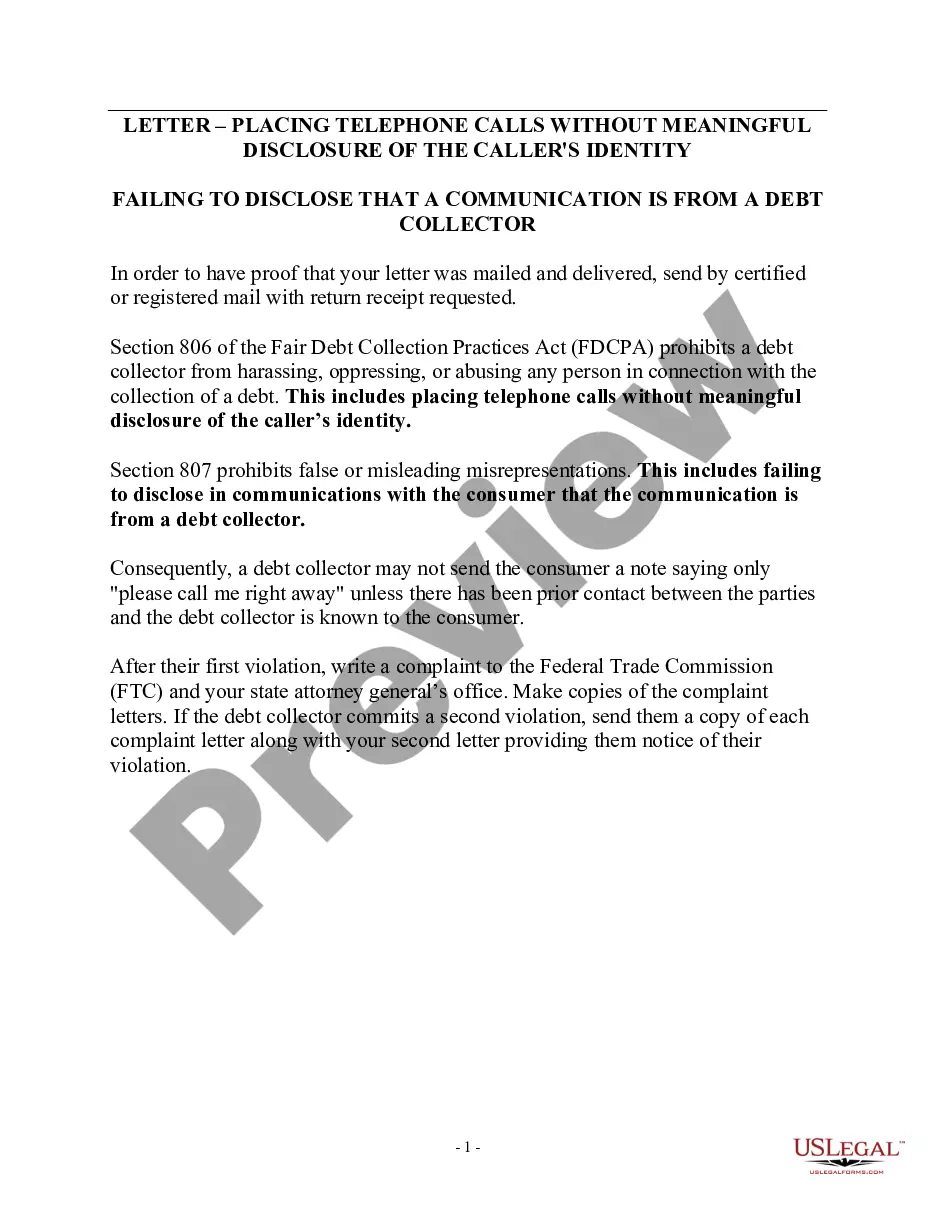
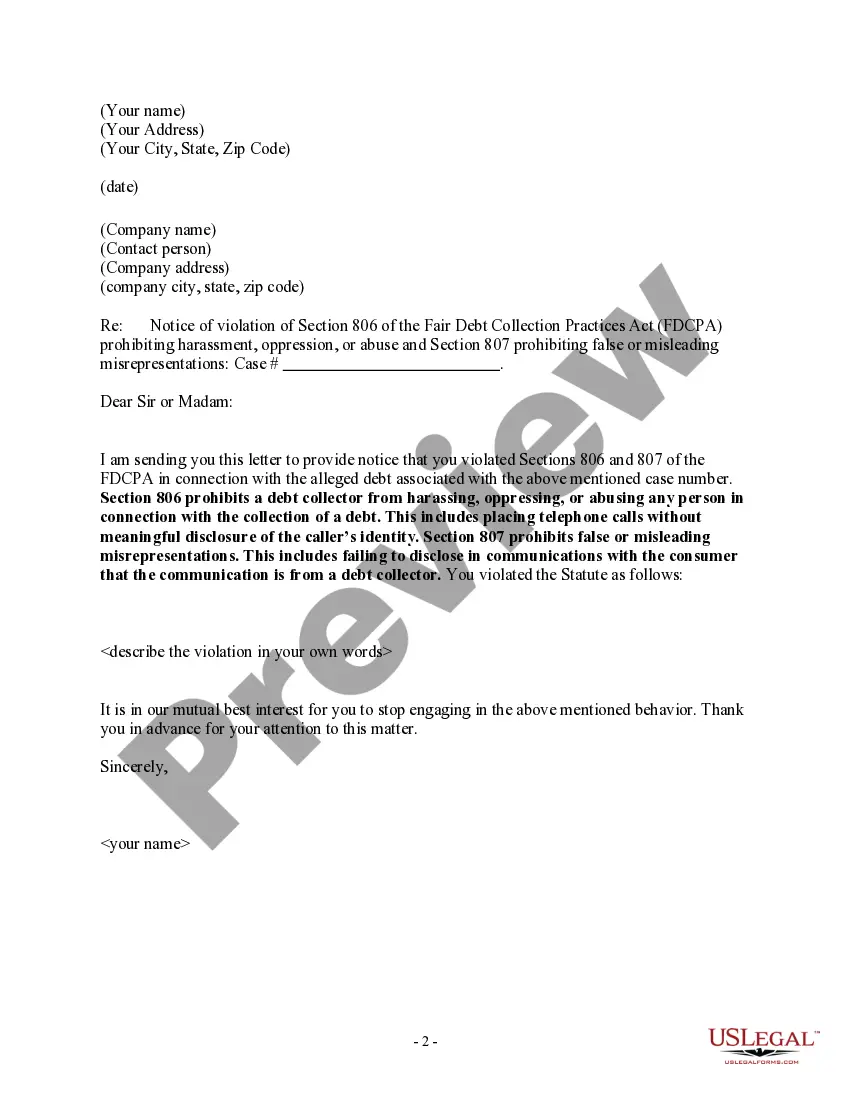
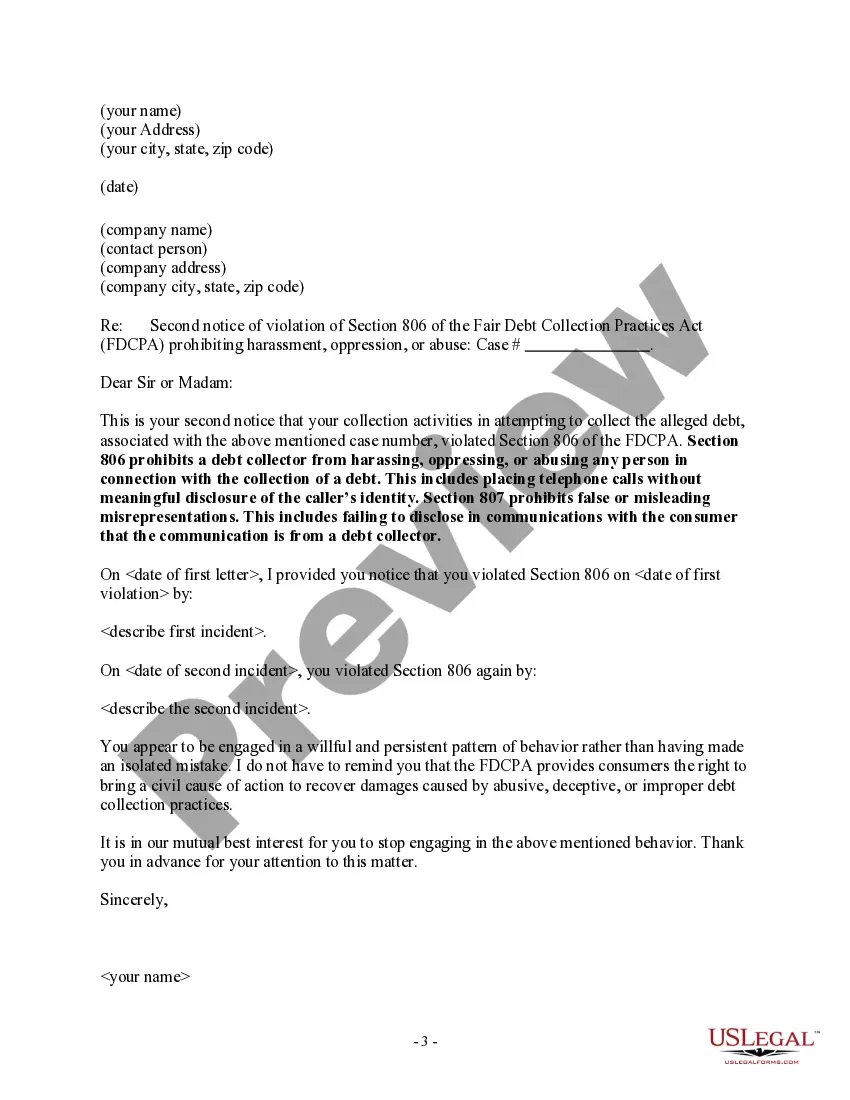
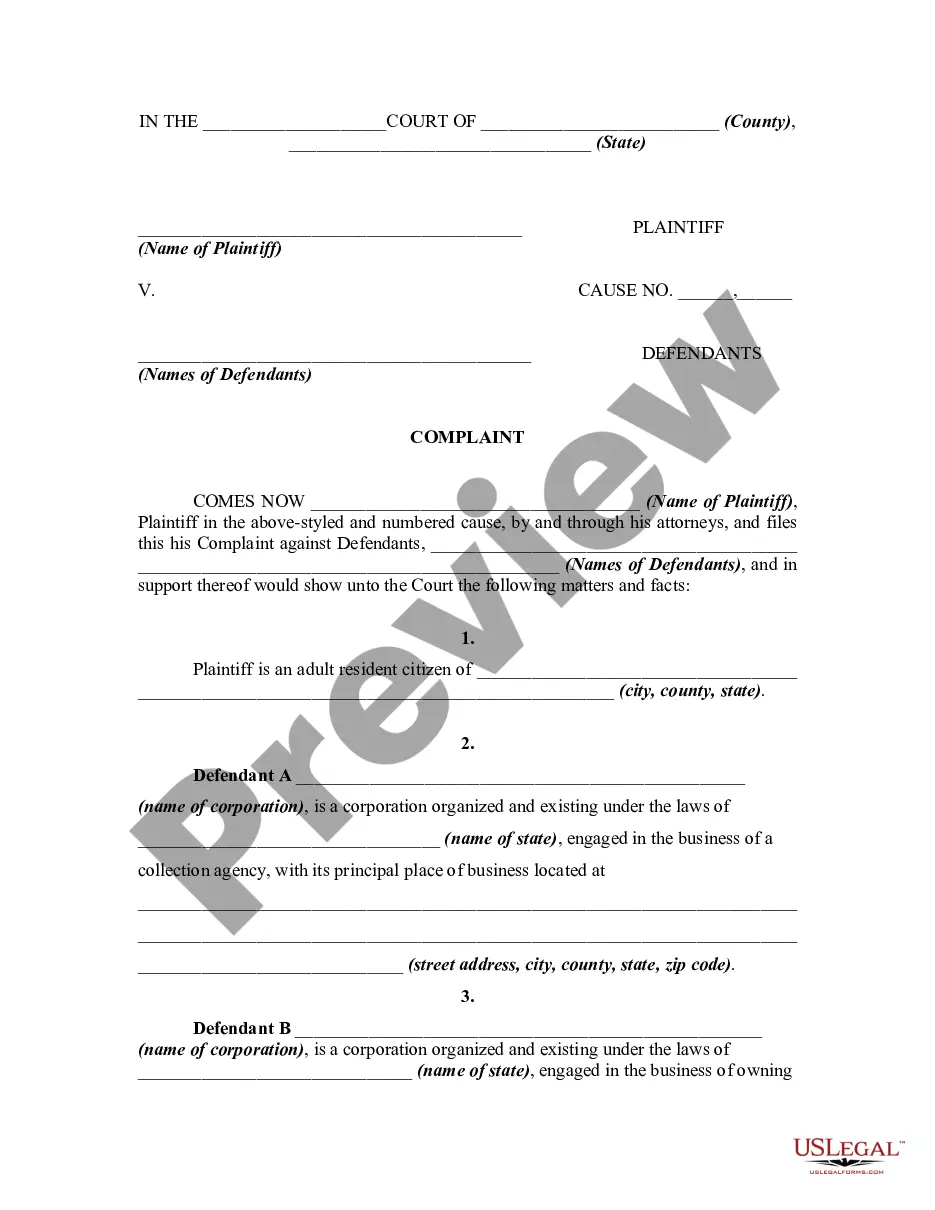
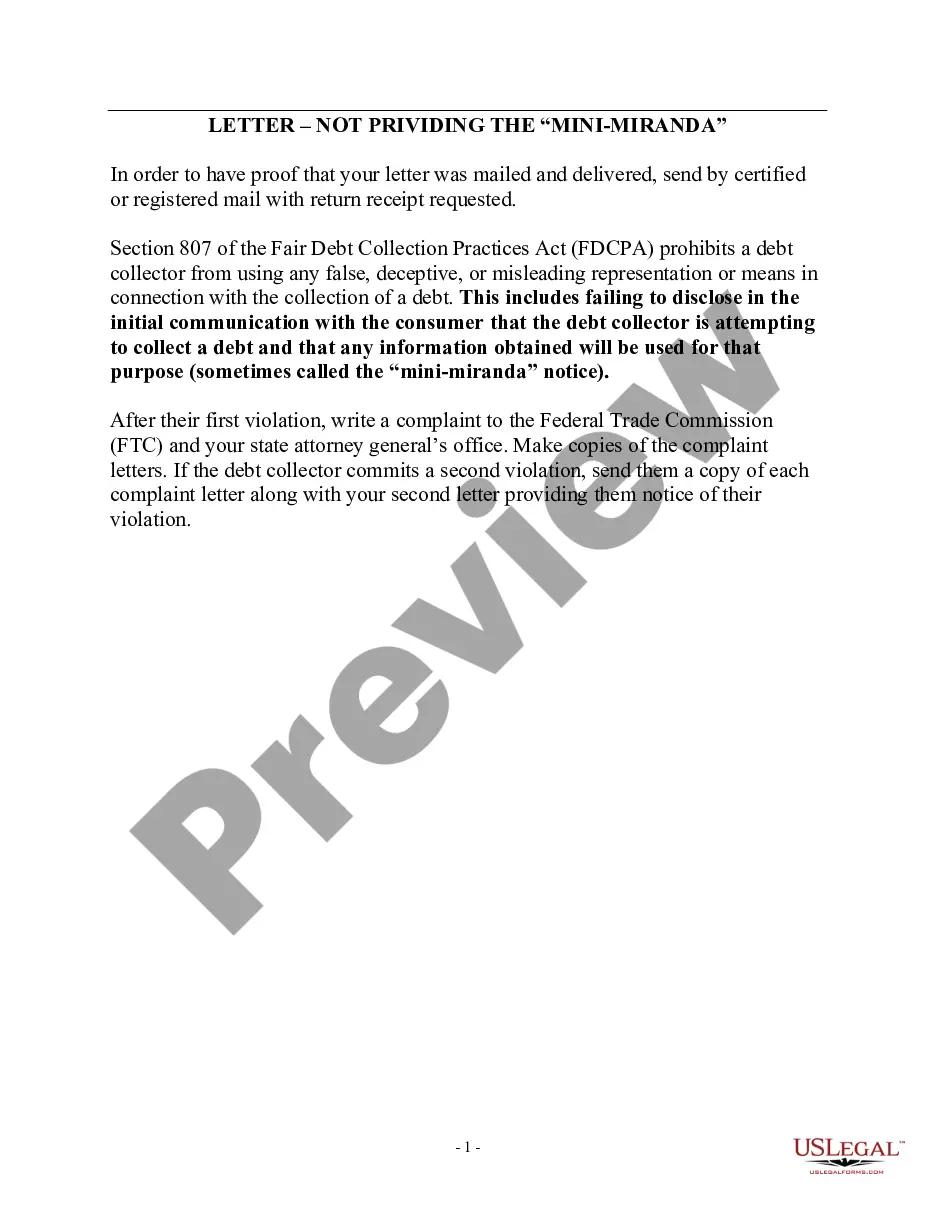
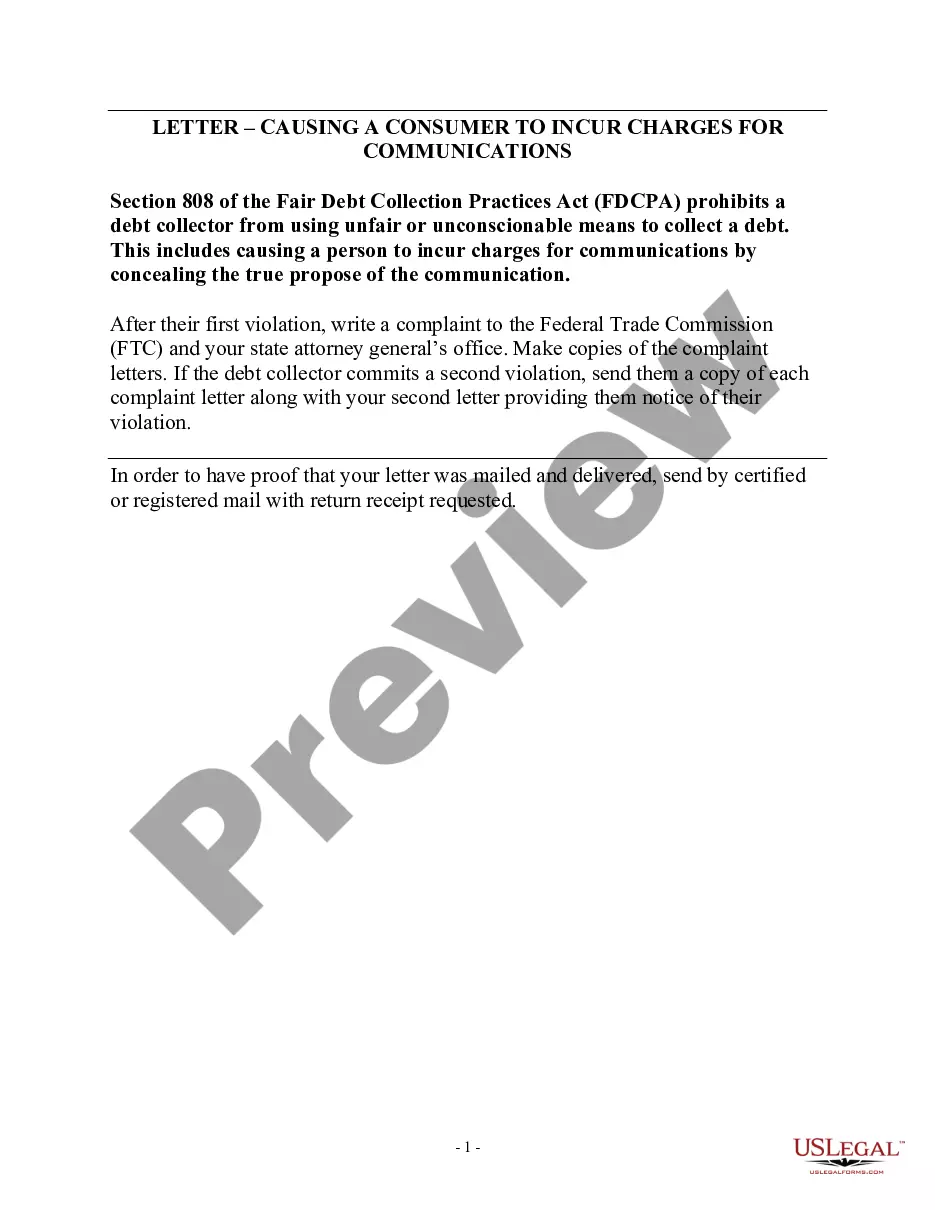
The Notice to Debt Collector - Not Disclosing the Caller's Identity is a legal document used to inform a debt collector that they have violated the Fair Debt Collection Practices Act (FDCPA). This form serves as a formal notification, helping to ensure that the debt collector adheres to regulations regarding the disclosure of their identity during communications. By sending this notice, you increase the likelihood that the debt collector will comply with the law, protecting your rights as a consumer.
Key components of this form
- Sender's information: Your name and address.
- Recipient's information: The debt collector's company name and contact details.
- Reference to specific violations of sections 806 and 807 of the FDCPA.
- Description of the violation occurring during communication.
- Request for the debt collector to cease violative behavior.
- Space for signature and date to validate the notice.

Situations where this form applies
Use this form when a debt collector has contacted you without adequately disclosing their identity, violating your rights under the FDCPA. This form is suitable if you have received phone calls or letters that do not clearly indicate they are from a debt collector. Sending this notice is an important first step in documenting harassment and pursuing further action if the collector persists in their behavior.
Intended users of this form
This form is intended for:
- Consumers who believe they have been contacted by a debt collector without proper identity disclosure.
- Individuals seeking to assert their rights under the Fair Debt Collection Practices Act.
- Anyone who has experienced repeated harassment or misleading communication from a debt collector.
Steps to complete this form
- Identify yourself by filling in your name and address at the top of the form.
- Provide the debt collector's name, address, and any relevant contact person details.
- Clearly state the violation by referring to sections 806 and 807 of the FDCPA.
- Document the specific incidents that constitute the violation in your own words.
- Sign and date the notice to validate your claims.
Notarization requirements for this form
Notarization is not commonly needed for this form. However, certain documents or local rules may make it necessary. Our notarization service, powered by Notarize, allows you to finalize it securely online anytime, day or night.
Get your form ready online
Our built-in tools help you complete, sign, share, and store your documents in one place.
Make edits, fill in missing information, and update formatting in US Legal Forms—just like you would in MS Word.
Download a copy, print it, send it by email, or mail it via USPS—whatever works best for your next step.
Sign and collect signatures with our SignNow integration. Send to multiple recipients, set reminders, and more. Go Premium to unlock E-Sign.
If this form requires notarization, complete it online through a secure video call—no need to meet a notary in person or wait for an appointment.
We protect your documents and personal data by following strict security and privacy standards.

Make edits, fill in missing information, and update formatting in US Legal Forms—just like you would in MS Word.

Download a copy, print it, send it by email, or mail it via USPS—whatever works best for your next step.

Sign and collect signatures with our SignNow integration. Send to multiple recipients, set reminders, and more. Go Premium to unlock E-Sign.

If this form requires notarization, complete it online through a secure video call—no need to meet a notary in person or wait for an appointment.

We protect your documents and personal data by following strict security and privacy standards.
Common mistakes to avoid
- Failing to use certified or registered mail for proof of delivery.
- Not including specific details about the violation, making the notice ineffective.
- Omitting your signature or date, which could invalidate your notice.
Why use this form online
- Convenience: Download the form instantly from anywhere at any time.
- Editability: Customize the form easily to fit your specific situation.
- Reliability: Forms are created by licensed attorneys to ensure legal accuracy and compliance.
Legal use & context
- This notice serves as a formal complaint against the debt collector for failing to comply with the FDCPA.
- It can strengthen your position if you later take legal action against the collector.
- Keep a copy of the notice and any correspondence for your records, as they may be needed in future disputes.
Main things to remember
- The form is essential for consumers who have experienced violations under the FDCPA.
- Proper completion and delivery of the notice can significantly impact your rights during debt collection efforts.
- Documenting the issue is crucial for potential legal actions against debt collectors.
Looking for another form?

Form popularity
FAQ
Their name. Company name. Address. Call-back phone number. Website URL. State license number, if available as not all states license collectors.
Debt collectors cannot harass or abuse you. They cannot swear, threaten to illegally harm you or your property, threaten you with illegal actions, or falsely threaten you with actions they do not intend to take. They also cannot make repeated calls over a short period to annoy or harass you.
Send a Cease and Desist Letter to Stop Collection Calls The federal law requires debt collectors to stop calling if you have notified them in writing that you wish them to quit calling. The cease and desist letter says, Stop calling me about this debt.
If you pay the collection agency directly, the debt is removed from your credit report in six years from the date of payment. If you don't pay, it purges six years from the last activity date, but you may be at risk for wage garnishment.
Based on my knowledge of existing court law and statutes, it's totally legal for debt collectors to block their numbers. In Glover v. Client Services 2007 WL 2902209 the court said a collector could call with a blocked number. This is legalese for: The FDCPA doesn't prohibit calling from a blocked number.
Is It Legal for Debt Collectors to Spoof Numbers? Legally, debt collectors can spoof their phone numbers, but the FDCPA doesn't allow them to hide their identitysuch as when you ask what agency they are calling from.
When a Debt Collector Calls, How Should You Answer? The phone call from a debt collector never comes at a good timebut the best response is to confront the state of these affairs head-on. You may want to hide or ignore the situation and hope it goes awaybut that can make things worse.
Under the Fair Debt Collection Practices Act, debt collectors are required to identify themselves in any communication with a debtor. This rule prevents collection agents from tricking consumers into returning calls or other communications without knowing the nature of the communication.
Never Give Them Your Personal Information. A call from a debt collection agency will include a series of questions. Never Admit That The Debt Is Yours. Even if the debt is yours, don't admit that to the debt collector. Never Provide Bank Account Information.