Notice to Debt Collector - Use of Abusive Language
What is this form?
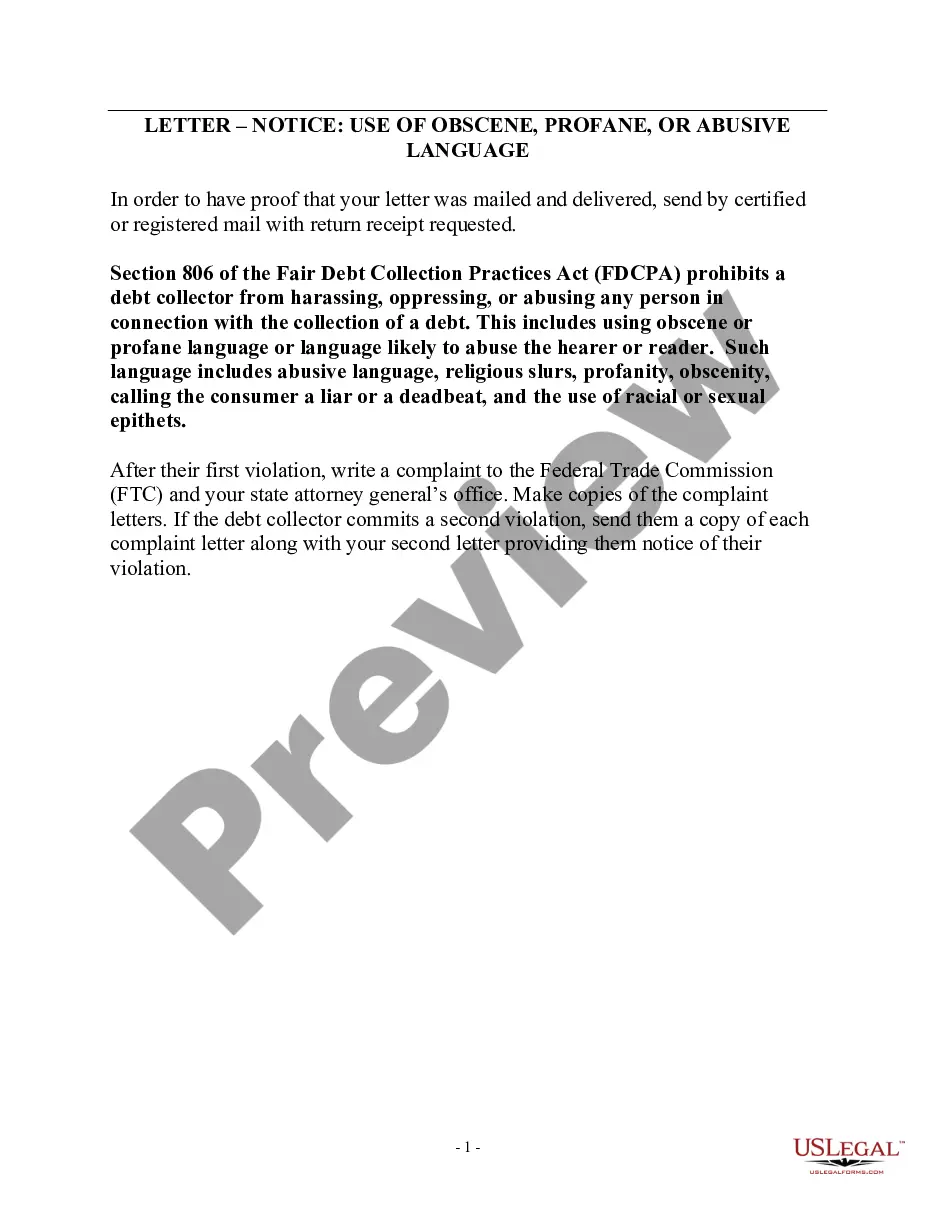
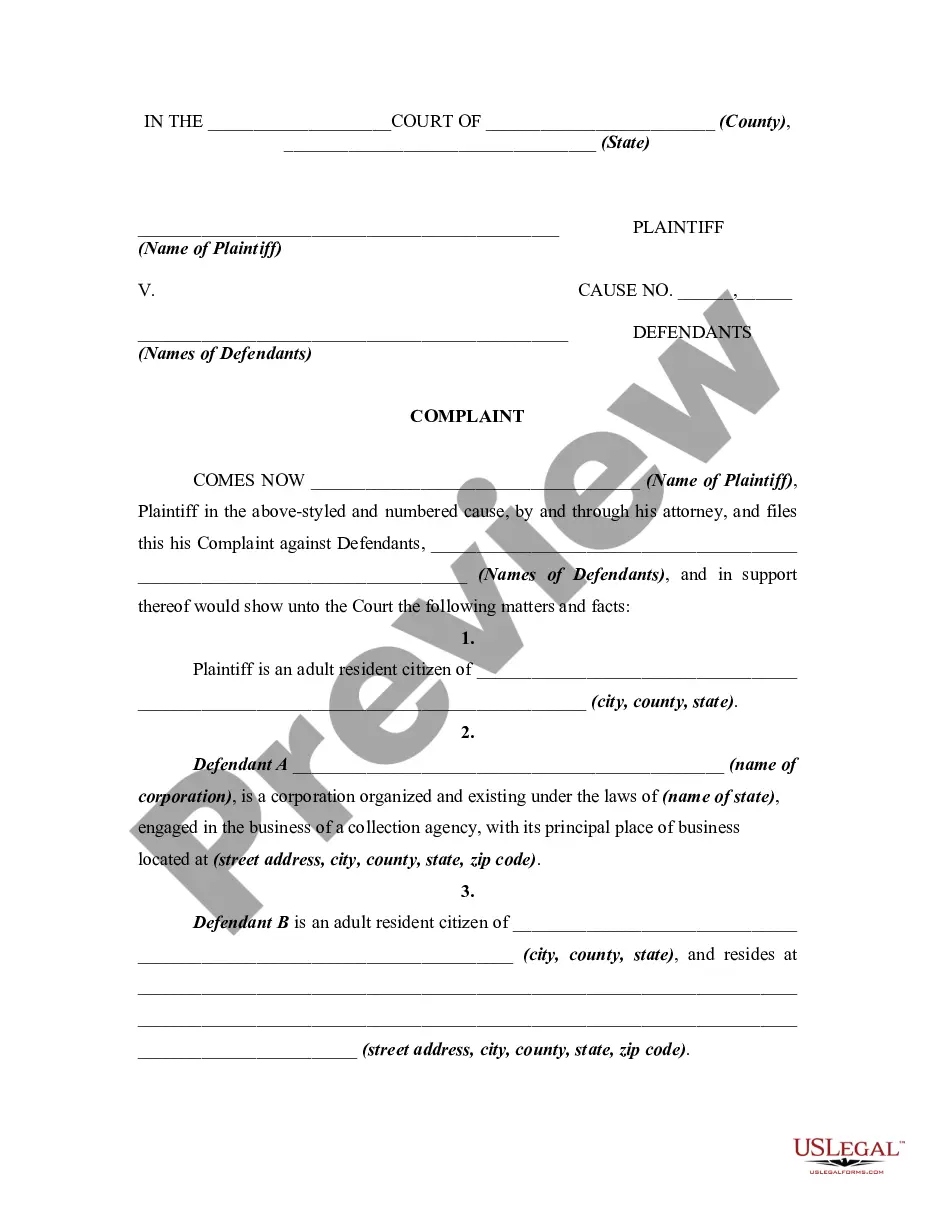
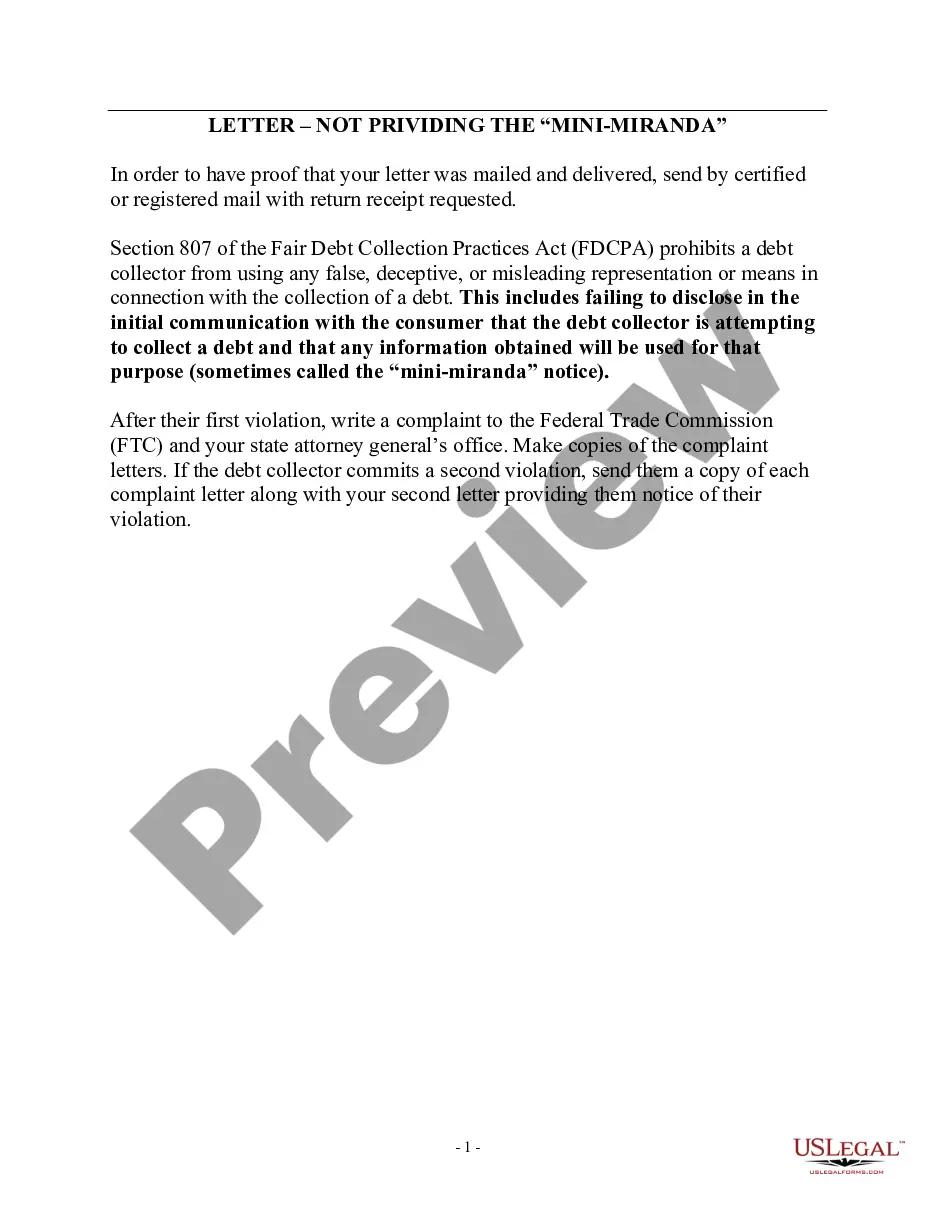
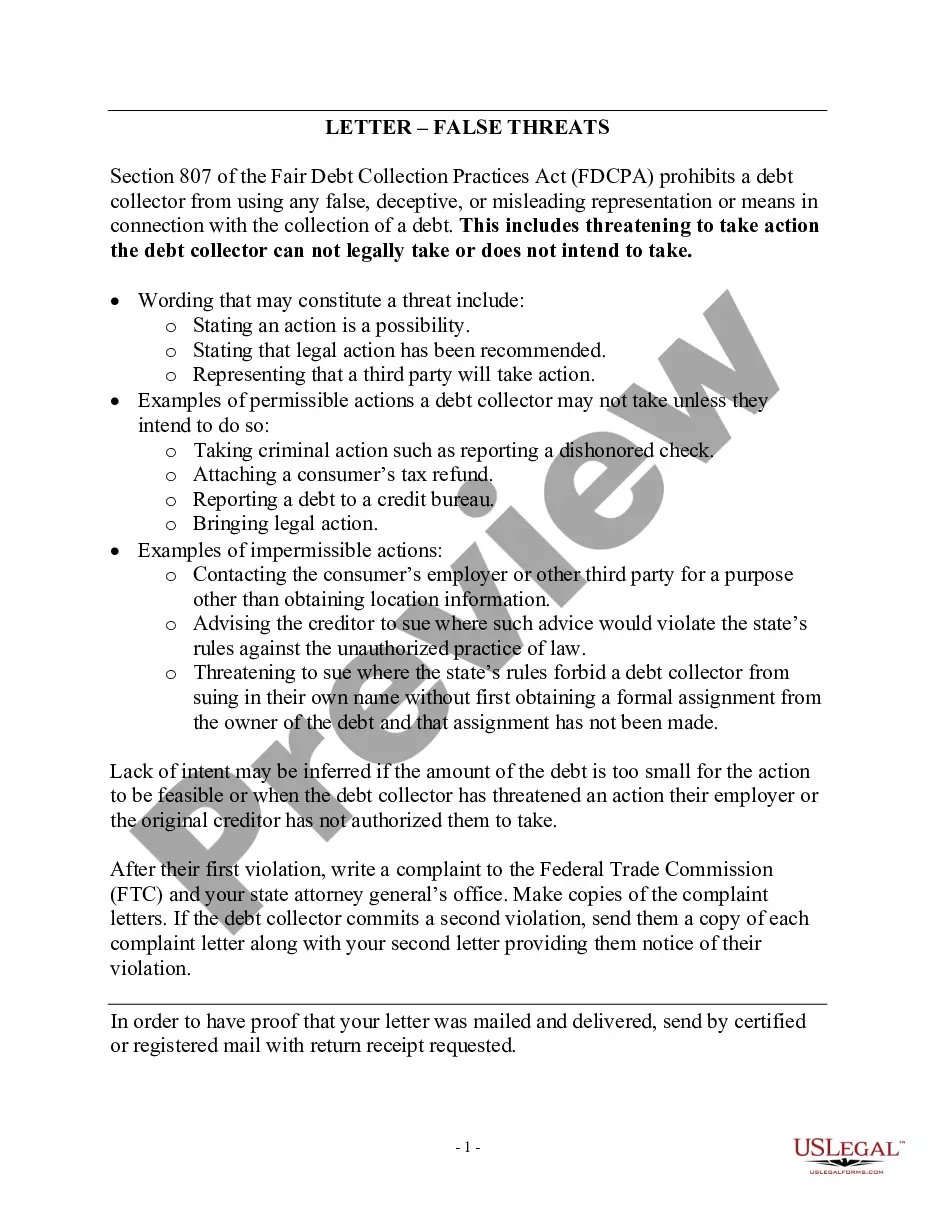
This Notice to Debt Collector - Use of Abusive Language is a legal document used to notify a debt collector of their violation of the Fair Debt Collection Practices Act (FDCPA). The purpose of this form is to formally address the use of abusive language towards a consumer during debt collection efforts. Unlike other notices, this form specifically highlights the abusive language prohibited by law, providing consumers with a clear path to assert their rights against harassment.
Key parts of this document
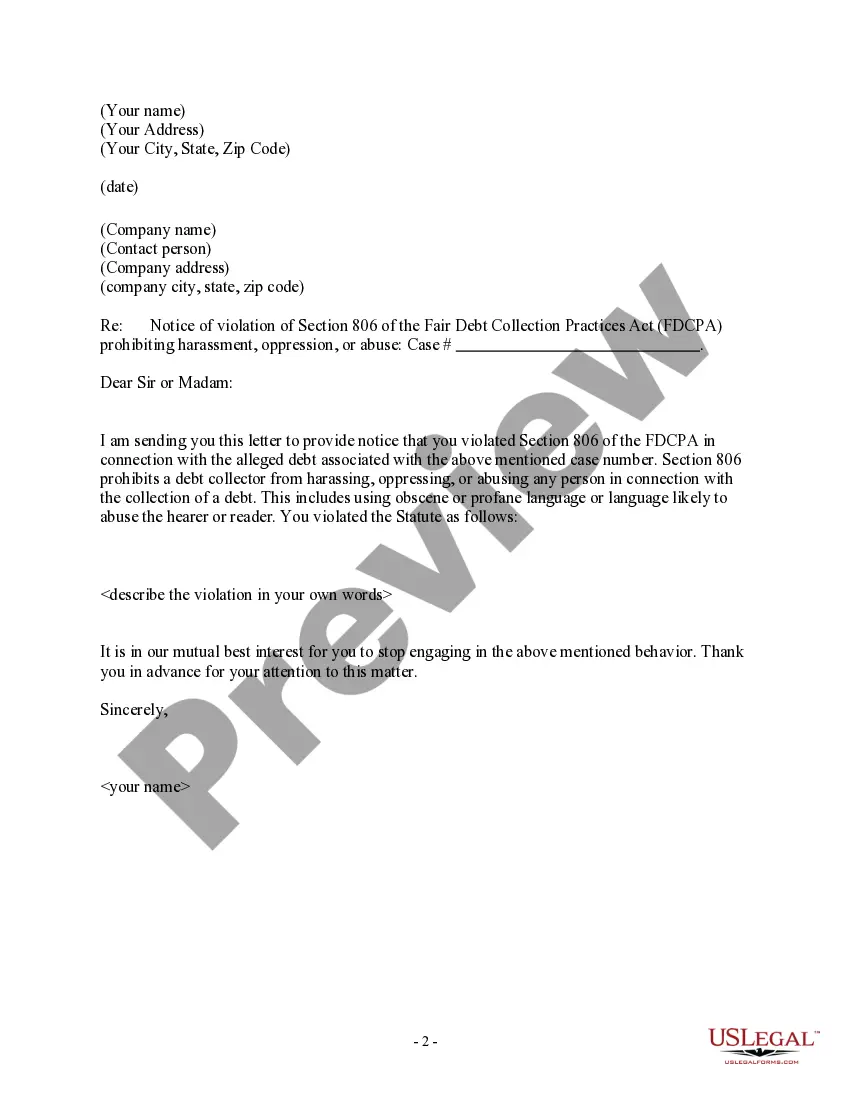
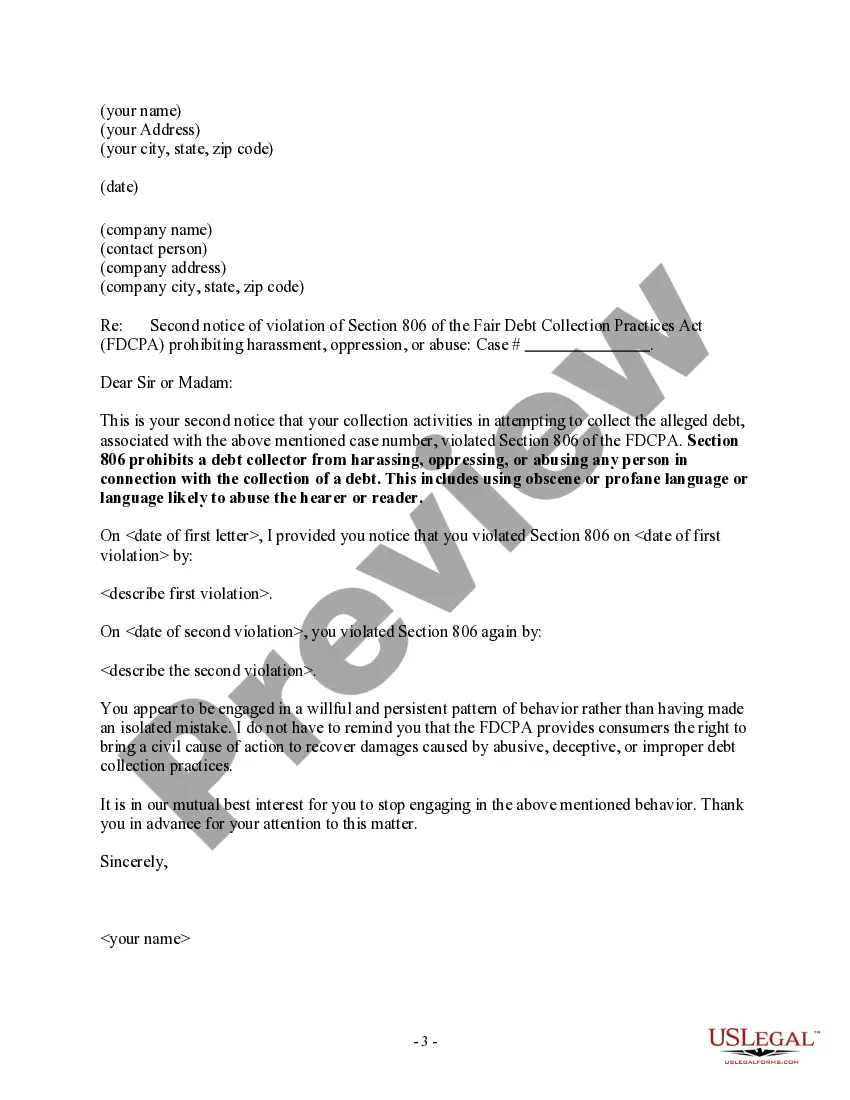
- Identification of the consumer and the debt collector.
- Details of the alleged abusive language used by the debt collector.
- Notification of the specific section of the FDCPA being violated.
- Instructions for sending the letter (certified or registered mail).
- Request for the debt collector to cease abusive communication.
When to use this document
You should use this form if you have received communication from a debt collector that included abusive language, profanity, or any type of language that could be considered disrespectful or harassing. It is particularly important to send this notice after the first instance of abusive communication, as it serves as a formal warning and may be critical for any future legal claims you may pursue against the debt collector.
Who should use this form
- Consumers who have been contacted by debt collectors that use abusive language.
- Individuals seeking to protect their rights under the FDCPA.
- Anyone wishing to document their complaints against debt collectors for potential legal action.
Completing this form step by step
- Enter your name and address at the top of the letter.
- Specify the name and address of the debt collector.
- Clearly identify the alleged debt and the associated case number.
- Describe the abusive language used by the debt collector in your own words.
- Sign and date the letter before sending it via certified mail.
Notarization guidance
Notarization is generally not required for this form. However, certain states or situations might demand it. You can complete notarization online through US Legal Forms, powered by Notarize, using a verified video call available anytime.
Get your form ready online
Our built-in tools help you complete, sign, share, and store your documents in one place.
Make edits, fill in missing information, and update formatting in US Legal Forms—just like you would in MS Word.
Download a copy, print it, send it by email, or mail it via USPS—whatever works best for your next step.
Sign and collect signatures with our SignNow integration. Send to multiple recipients, set reminders, and more. Go Premium to unlock E-Sign.
If this form requires notarization, complete it online through a secure video call—no need to meet a notary in person or wait for an appointment.
We protect your documents and personal data by following strict security and privacy standards.

Make edits, fill in missing information, and update formatting in US Legal Forms—just like you would in MS Word.

Download a copy, print it, send it by email, or mail it via USPS—whatever works best for your next step.

Sign and collect signatures with our SignNow integration. Send to multiple recipients, set reminders, and more. Go Premium to unlock E-Sign.

If this form requires notarization, complete it online through a secure video call—no need to meet a notary in person or wait for an appointment.

We protect your documents and personal data by following strict security and privacy standards.
Mistakes to watch out for
- Failing to include specific instances of abusive language used by the debt collector.
- Not sending the notice via certified or registered mail.
- Not keeping a copy of the letter for your records.
Why complete this form online
- Convenient access to professionally drafted legal templates.
- Editable content to suit your specific situation.
- Fast and secure download for immediate use.
Legal use & context
- This form is used to document violations of the FDCPA, providing your complaint with legal weight.
- Failure to comply with this notice can lead to legal action against the debt collector.
Key takeaways
- A debt collector's use of abusive language is illegal under the FDCPA.
- This form helps consumers formally notify debt collectors of their violations.
- It is essential to document all communications for potential future actions.
Looking for another form?


Form popularity
FAQ
The definition of debt collection harassment is to intimidate, abuse, coerce, bully or browbeat consumers into paying off debt. This happens most often over the phone, but harassment could come in the form of emails, texts, direct mail or talking to friends or neighbors about your debt.
Know Your Rights. Take Notes. Keep Your Emotions Under Control. Stop Trying to Explain Yourself. End the Call. Don't Pick Up the Phone. Make Them Stop Calling. Dispute the Debt.
No. Debt collectors are prohibited from deceiving or misleading you while trying to collect a debt. Debt collectors are generally prohibited under federal law from using any false, deceptive, or misleading misrepresentation in collecting a debt.
The FDCPA does not permit debt collectors to disclose your personal information to any third party. This means that if your voicemail is shared with your family or roommates or if it is monitored by your employer, debt collectors are not allowed to leave a message. Messages can only be left on private voicemail.
Debt collectors cannot harass or abuse you. They cannot swear, threaten to illegally harm you or your property, threaten you with illegal actions, or falsely threaten you with actions they do not intend to take. They also cannot make repeated calls over a short period to annoy or harass you.
Debt collectors are allowed to contact third parties to obtain or confirm location information, but the FDCPA does not allow debt collectors to leave messages with third parties.The collector cannot ask the third-party to pass on a message, ask for other information, or harass the third-party.
You received a letter in the mail. The agency is licensed in your state. The collector can verify your personal details. You can request information about the debt. There's more than one method of payment. A company works with you, not against you.
Never Give Them Your Personal Information. A call from a debt collection agency will include a series of questions. Never Admit That The Debt Is Yours. Even if the debt is yours, don't admit that to the debt collector. Never Provide Bank Account Information.