Trademark License Agreement for Internet Company
Understanding this form
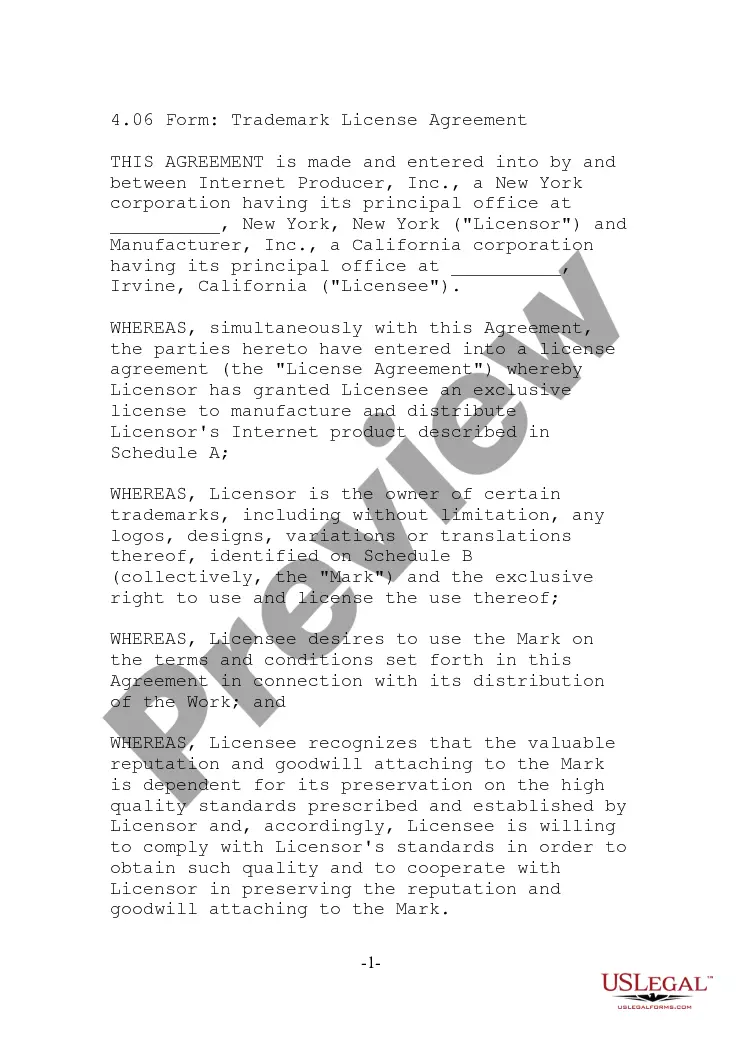
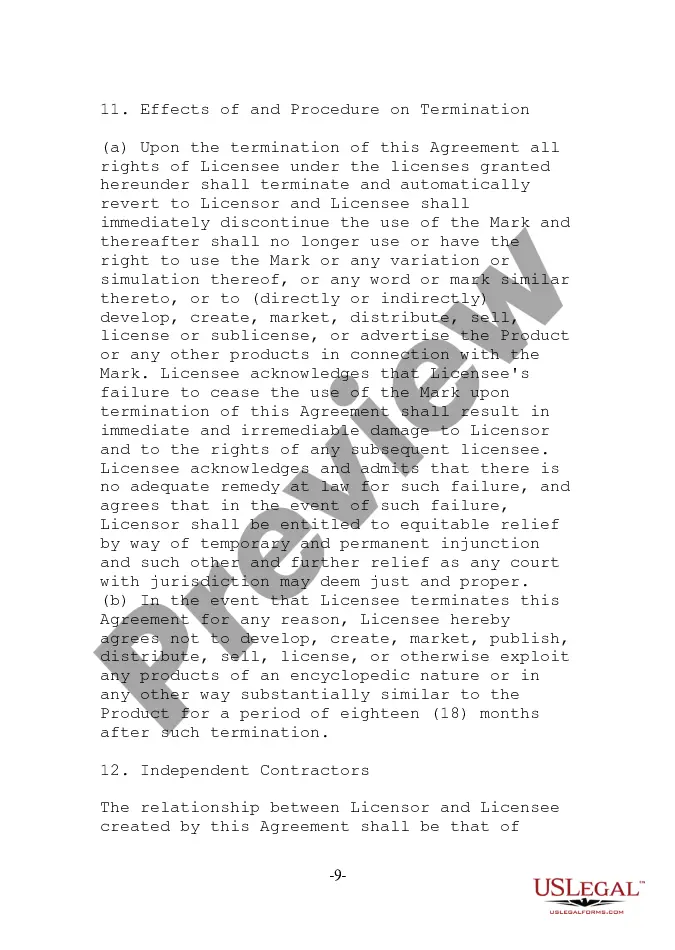
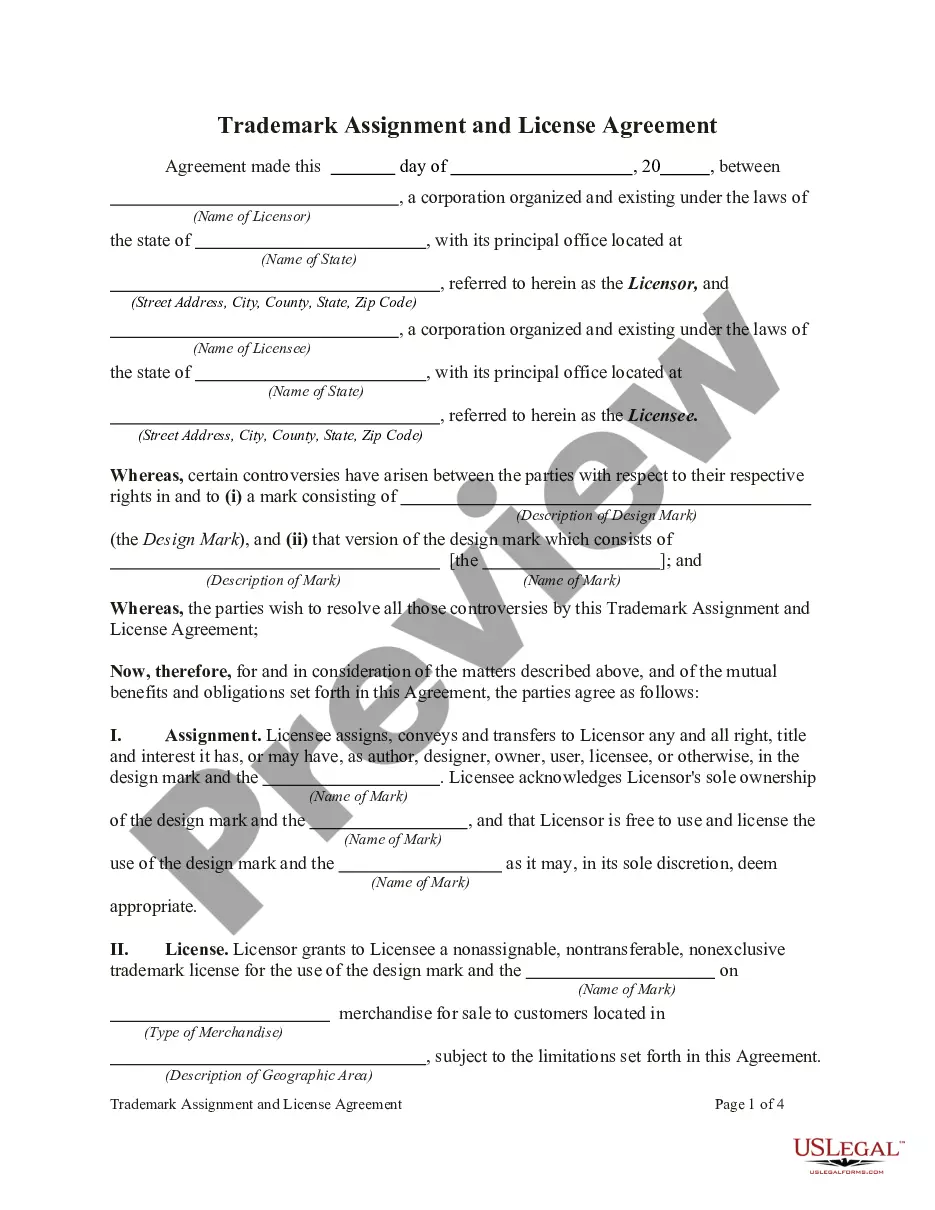
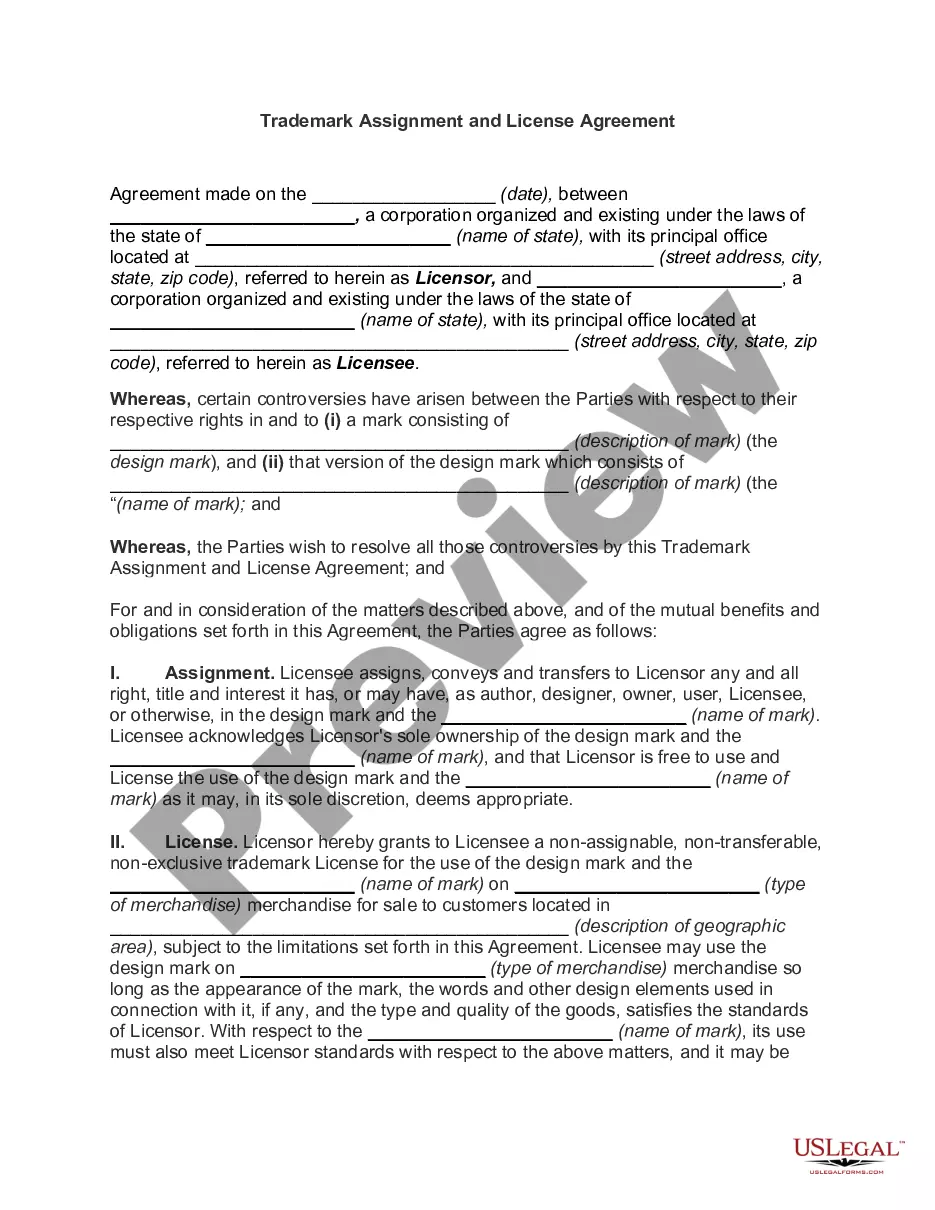
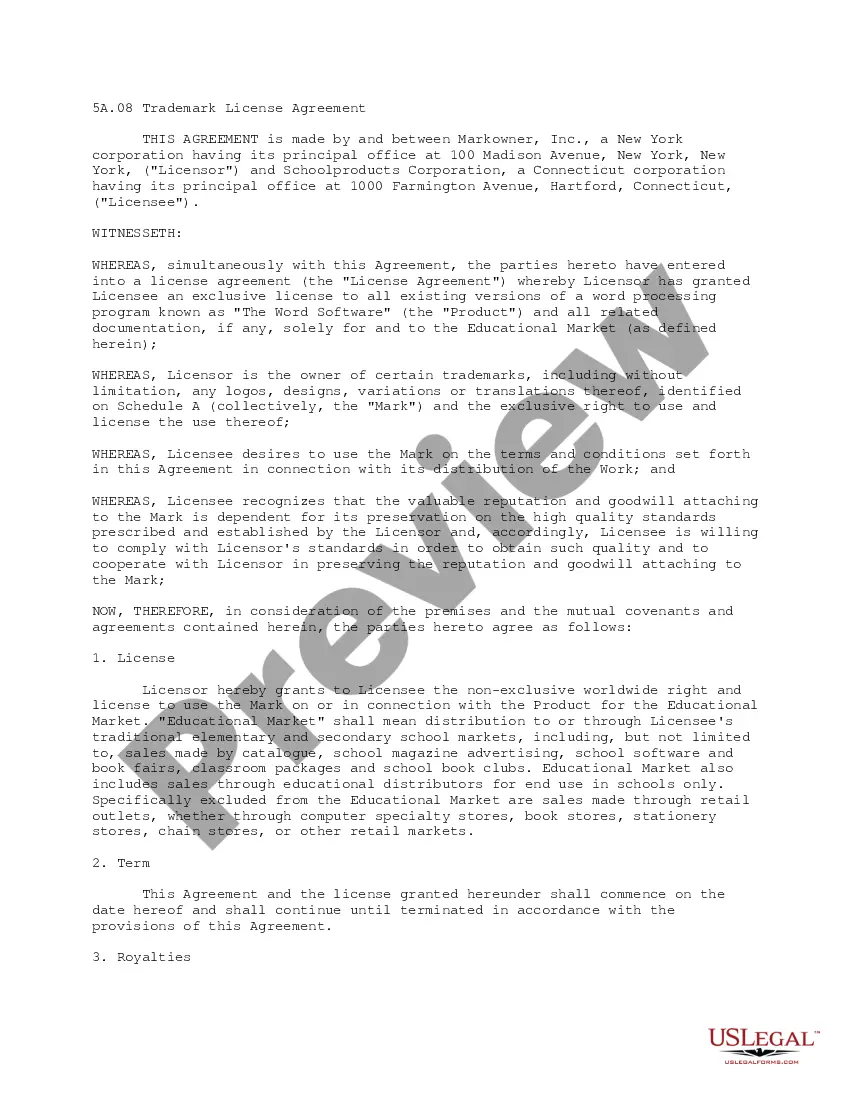
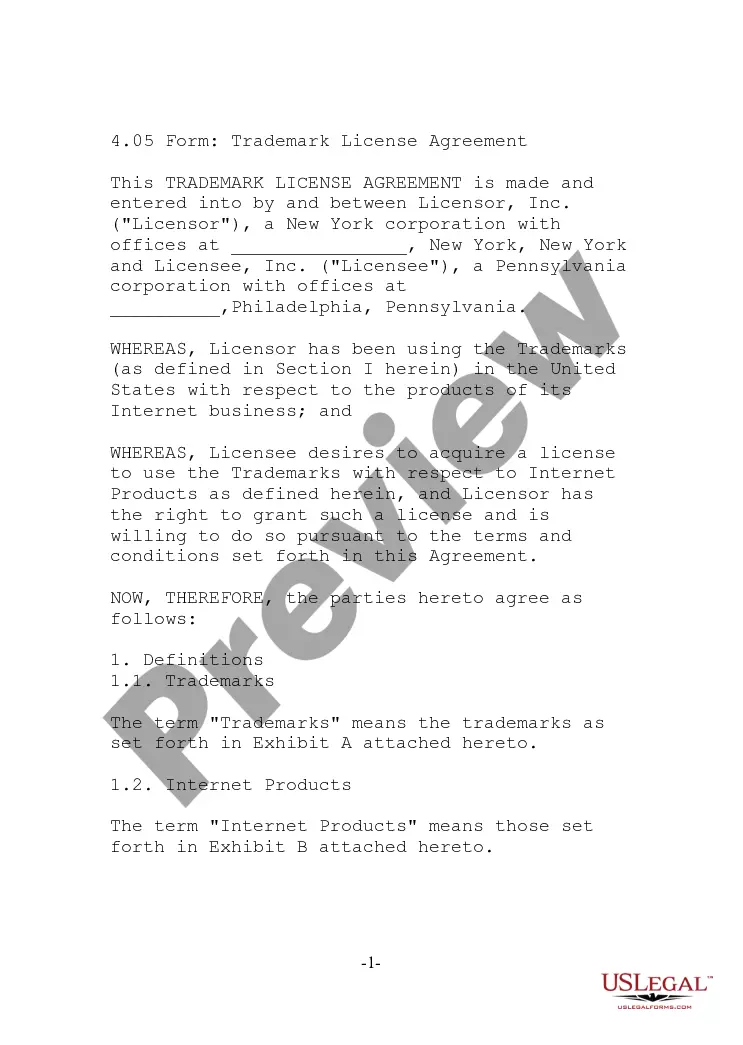
The Trademark License Agreement for Internet Company is a legal contract that allows one party (the Licensee) to use specific trademarks owned by another party (the Licensor) related to internet products or services. This agreement is particularly tailored for businesses or individual contractors who seek to leverage established trademarks while ensuring compliance with quality standards. It differs from other license agreements by focusing explicitly on internet-related goods and services, making it essential for companies in the technological and educational sectors.
Form components explained
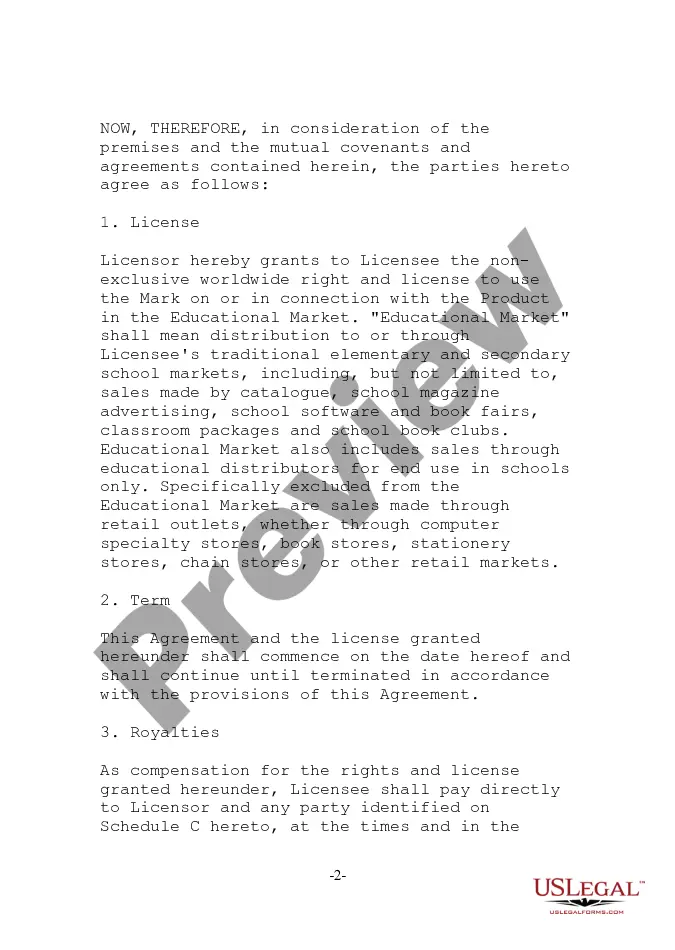
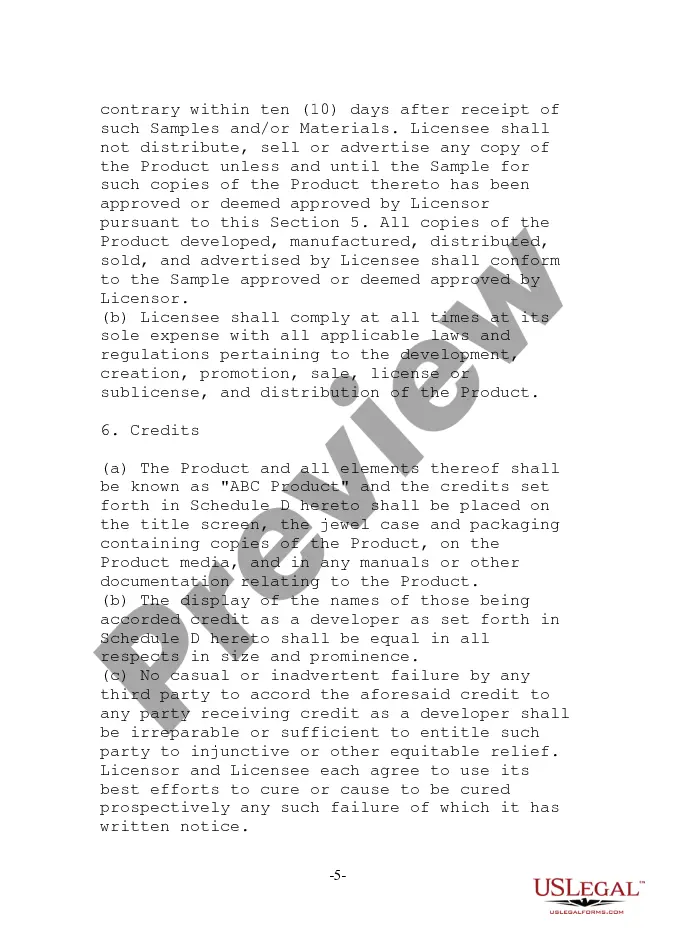
- License grant: Defines the non-exclusive rights given to the Licensee to use the trademark.
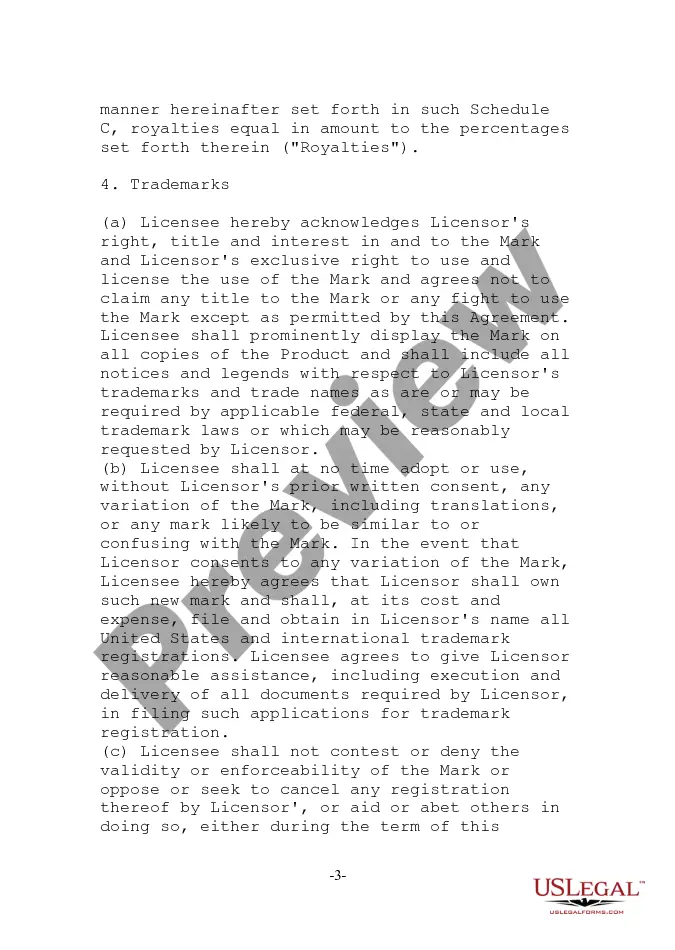
- Royalties: Outlines the payment structure for using the trademark.
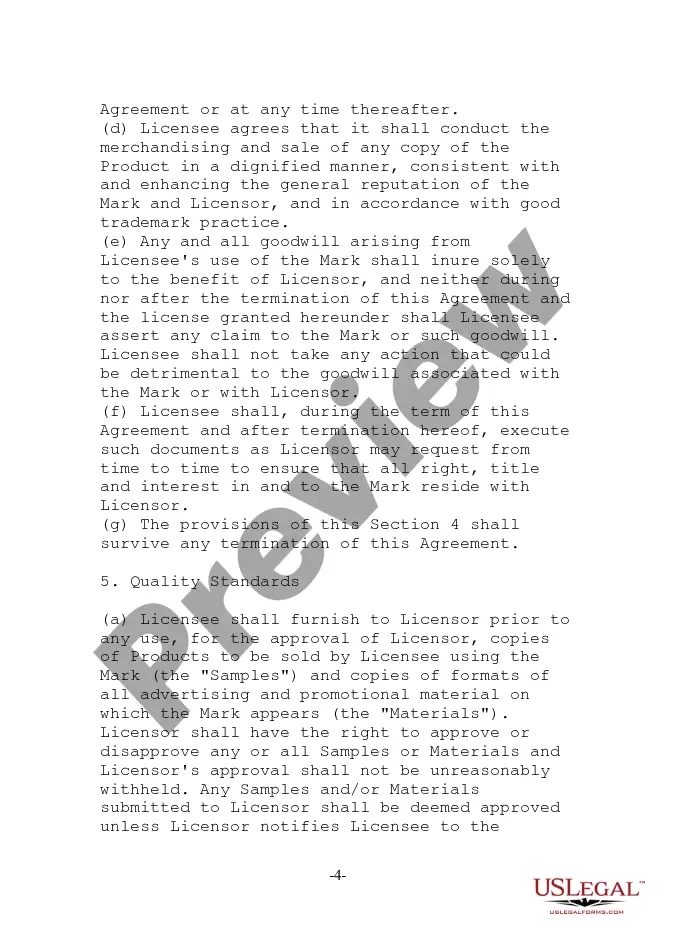
- Quality standards: Specifies requirements the Licensee must meet to maintain brand integrity.
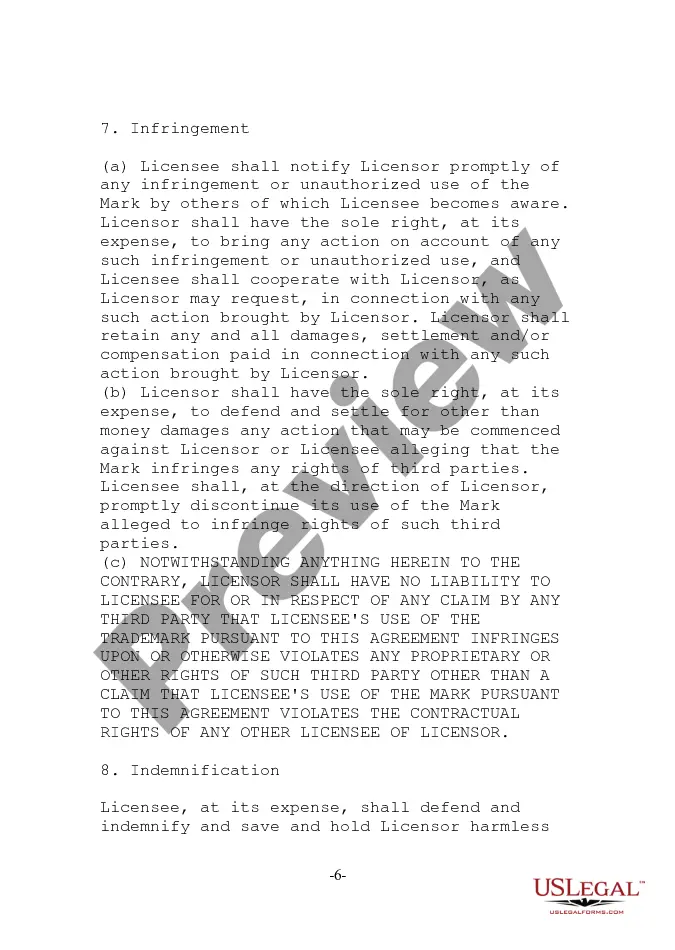
- Infringement provisions: Details responsibilities in case of trademark infringement or unauthorized use by others.
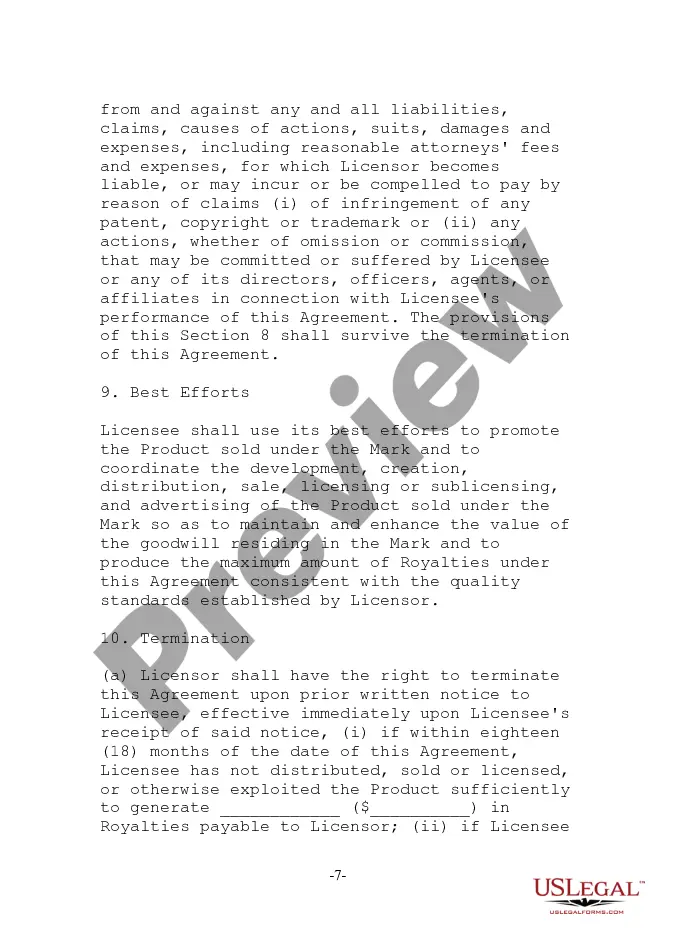
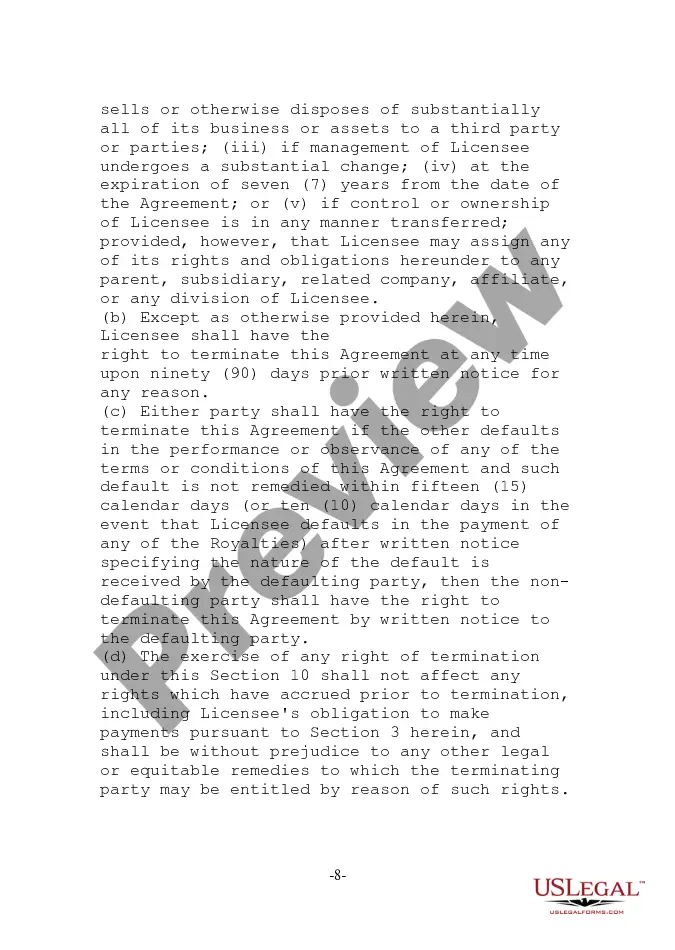
- Termination clauses: Explains conditions under which the agreement can be terminated by either party.
When this form is needed
This form should be used when a company or individual contractor wishes to license a trademark for use in connection with internet products or services. It is particularly applicable when a company wants to ensure that it can sell or distribute products in an educational market without infringing on the trademarks owned by another party. This agreement helps to protect both the Licensor's brand and the Licensee's interests in the distribution of the licensed products.
Who can use this document
- Businesses that produce educational products for schools.
- Individual contractors providing internet-based services.
- Companies looking to enhance their product offerings with recognized trademarks.
- Those who want to clearly define the terms of trademark use and mitigate legal risks associated with licensing.
Steps to complete this form
- Identify the parties: Enter the names and addresses of the Licensor and Licensee.
- Describe the trademarks: Specify all relevant trademarks and provide their descriptions in the designated sections.
- Define the royalty structure: Outline the payment details as per Schedule C.
- Establish quality standards: Ensure the Licensee complies with the Licensor's quality expectations and procedures for approval.
- Sign the agreement: Both parties must sign and date the agreement to enforce the terms.
Does this form need to be notarized?
This form does not typically require notarization unless specified by local law. It is advisable to have a legal professional review the agreement to ensure compliance with applicable regulations.
Get your form ready online
Our built-in tools help you complete, sign, share, and store your documents in one place.
Make edits, fill in missing information, and update formatting in US Legal Forms—just like you would in MS Word.
Download a copy, print it, send it by email, or mail it via USPS—whatever works best for your next step.
Sign and collect signatures with our SignNow integration. Send to multiple recipients, set reminders, and more. Go Premium to unlock E-Sign.
If this form requires notarization, complete it online through a secure video call—no need to meet a notary in person or wait for an appointment.
We protect your documents and personal data by following strict security and privacy standards.

Make edits, fill in missing information, and update formatting in US Legal Forms—just like you would in MS Word.

Download a copy, print it, send it by email, or mail it via USPS—whatever works best for your next step.

Sign and collect signatures with our SignNow integration. Send to multiple recipients, set reminders, and more. Go Premium to unlock E-Sign.

If this form requires notarization, complete it online through a secure video call—no need to meet a notary in person or wait for an appointment.

We protect your documents and personal data by following strict security and privacy standards.
Common mistakes
- Failing to clearly specify the trademarks involved.
- Neglecting to outline detailed royalty arrangements.
- Not obtaining Licensor approval for promotional materials and samples.
- Ignoring state-specific regulations that may apply to the agreement.
Why complete this form online
- Convenient access to legal templates crafted by licensed attorneys.
- Easy to customize according to specific business needs.
- Secure storage and retrieval of completed agreements.
- Reduced time and costs associated with traditional legal drafting.
Key takeaways
- The Trademark License Agreement ensures clarity and protection in the use of trademarks.
- Understanding the difference between exclusive and non-exclusive licenses is crucial.
- Quality standards set by the licensor are vital to maintain brand reputation.
- Regular consultation with legal counsel is recommended to address any complexities.
Looking for another form?







Form popularity
FAQ
The term licensing agreement refers to a legal, written contract between two parties wherein the property owner gives permission to another party to use their brand, patent, or trademark.
A trademark licensing agreement is a legal contract between a trademark owner and another party that have agreed to use the trademark on preapproved terms decided between the contracting parties.
Although a trademark license agreement isn't generally required to be in writing to be legally enforceable, it's strongly recommended that all trademark licensing agreements be in writing and signed by both the licensor and licensee.
The data license must also establish who is permitted to use the licensed data. For example, the license agreement may identify the people who are permitted to use the data or the devices on which the data may be used or may specify the maximum number of such users or devices.
Trademark licensing is the process by which a registered trademark owner, called a licensor or proprietor, allows another party, called a licensee, to make and distribute specific products or services under the licensor's trademark agreement. Trademark licensing is a type of merchandise agreement.
An example of a licensing agreement is a contract between the copyright holders of software and another company, allowing the latter to use the computer software for their daily business operations.
Get it in writing. Develop a detailed licensing agreement that is signed by both licensor and licensee. Work with an experienced trademark attorney, who has knowledge in both drafting agreements and enforcing proper use. Establish brand guidelines that clearly dictate how and where the trademark can be used.
A license agreement is a business contract between two parties. The licensor (the seller of the license) owns the asset being licensed and the licensee (the buyer) pays for the right to use the license. The licensee pays royalties to the owner in exchange for the right to sell the product or use the technology.