Approval of transfer of outstanding stock with copy of Liquidating Trust Agreement
What is this form?
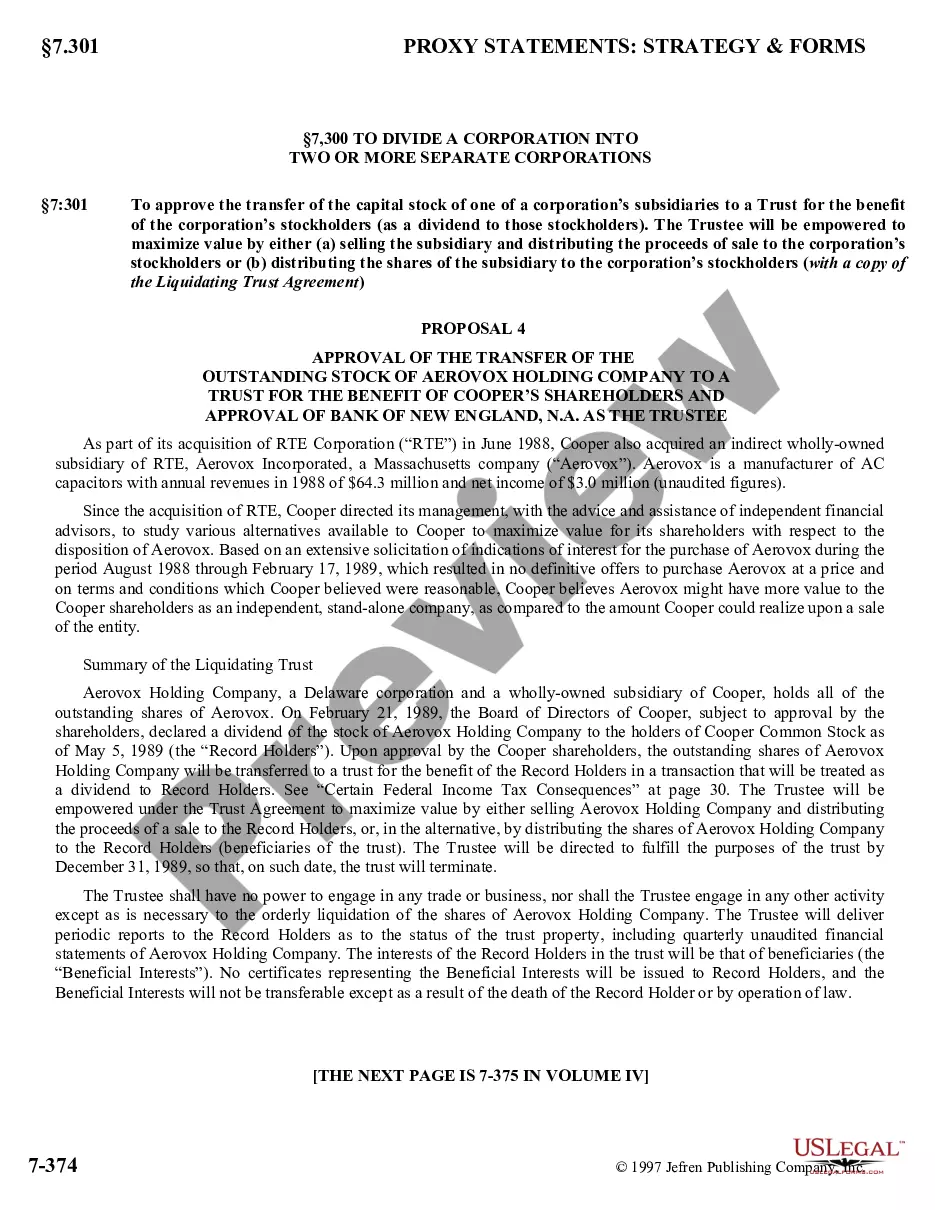
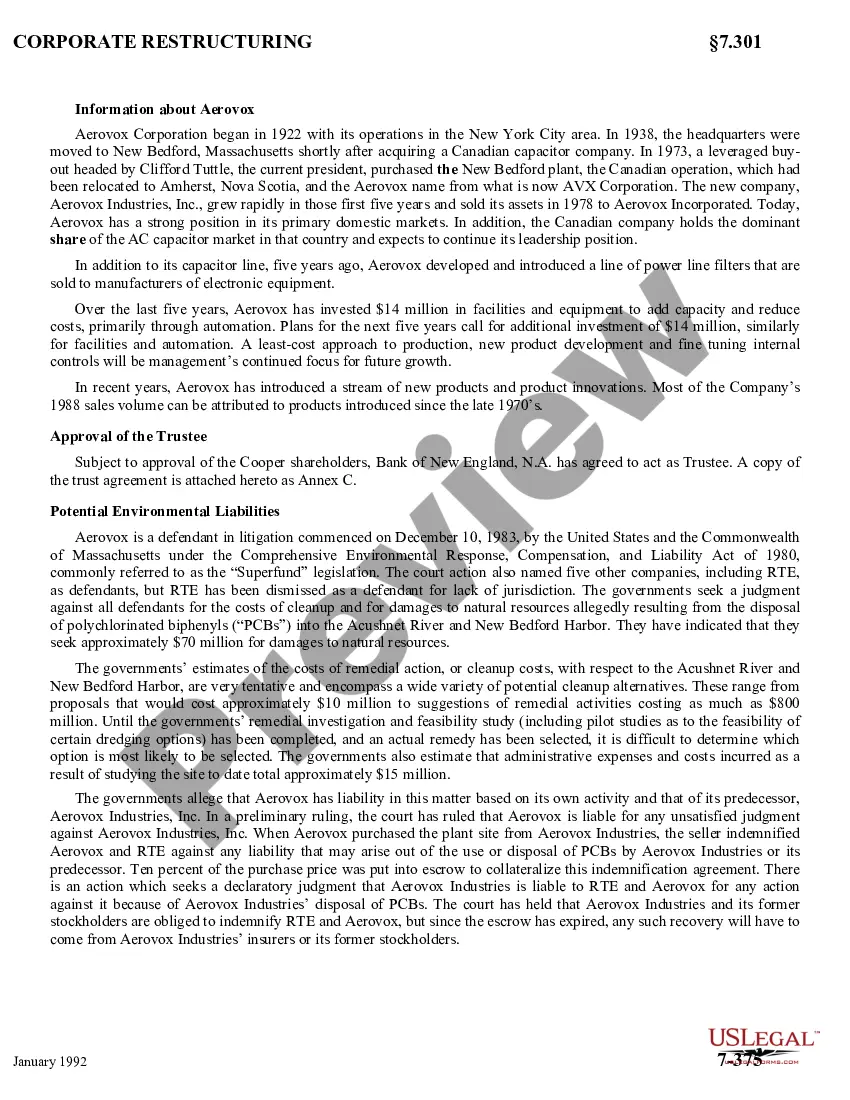
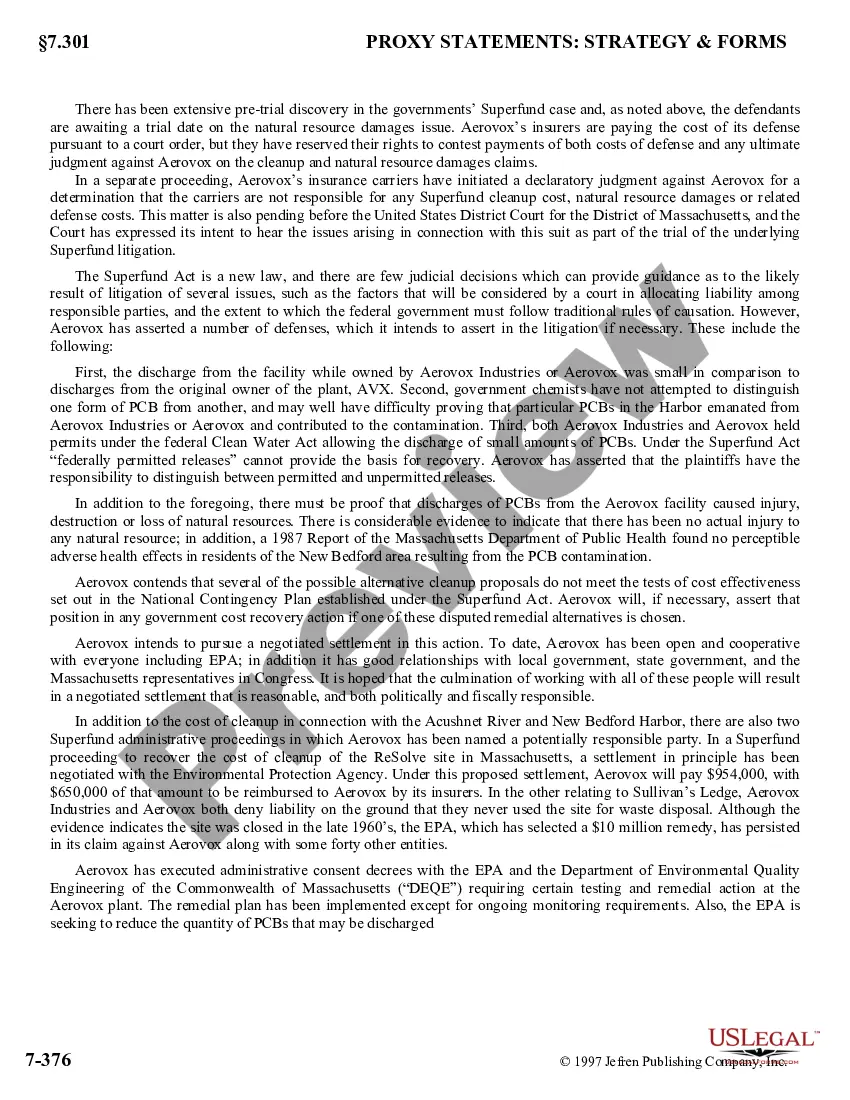
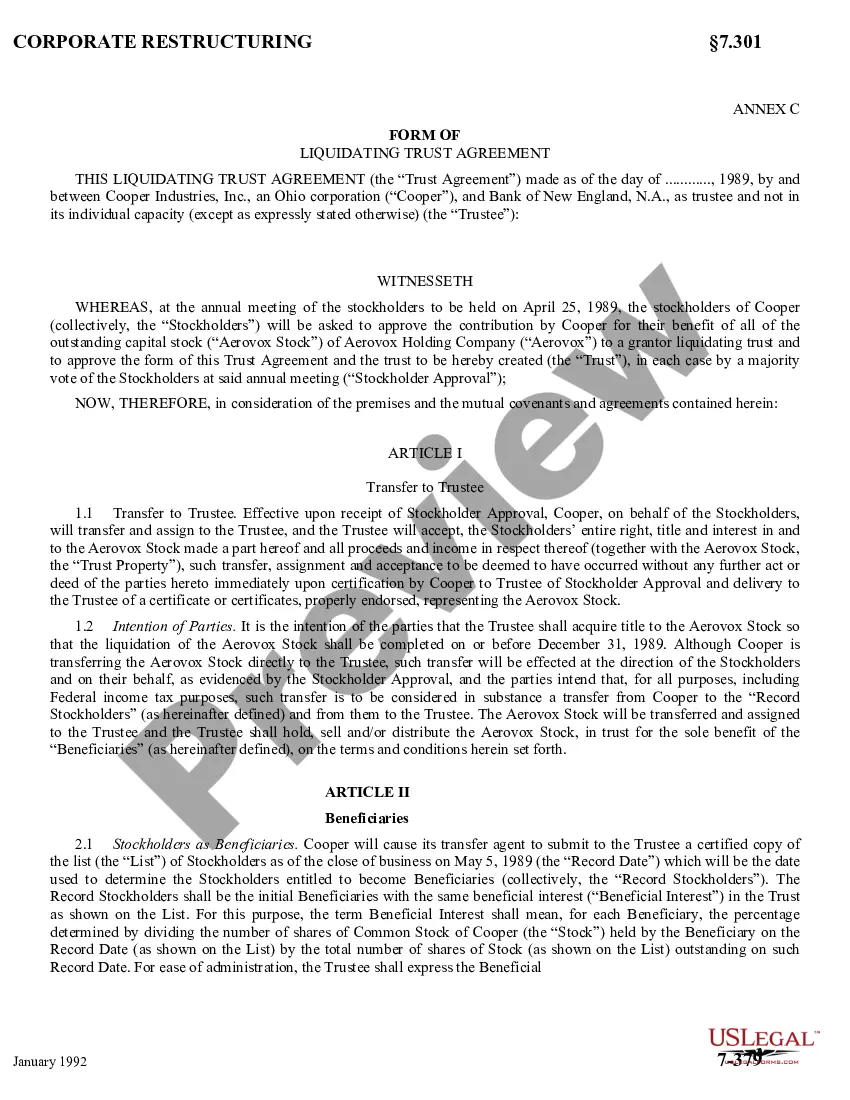
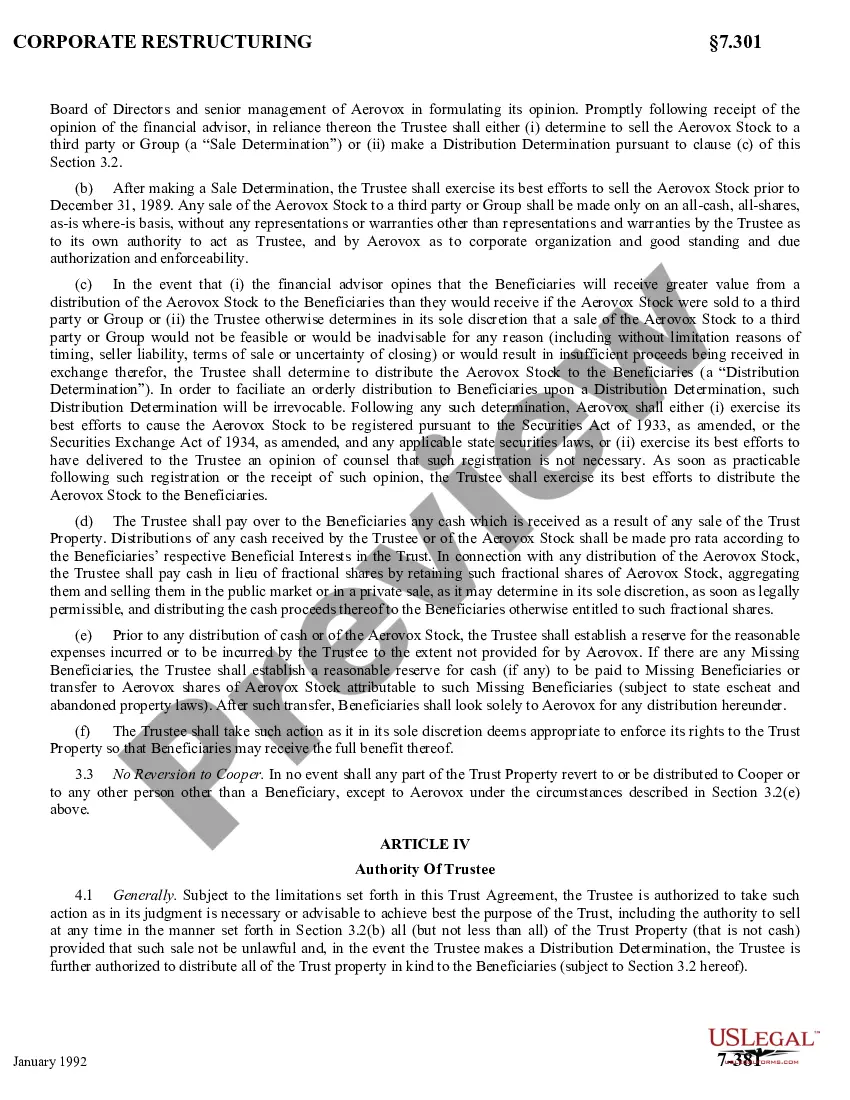
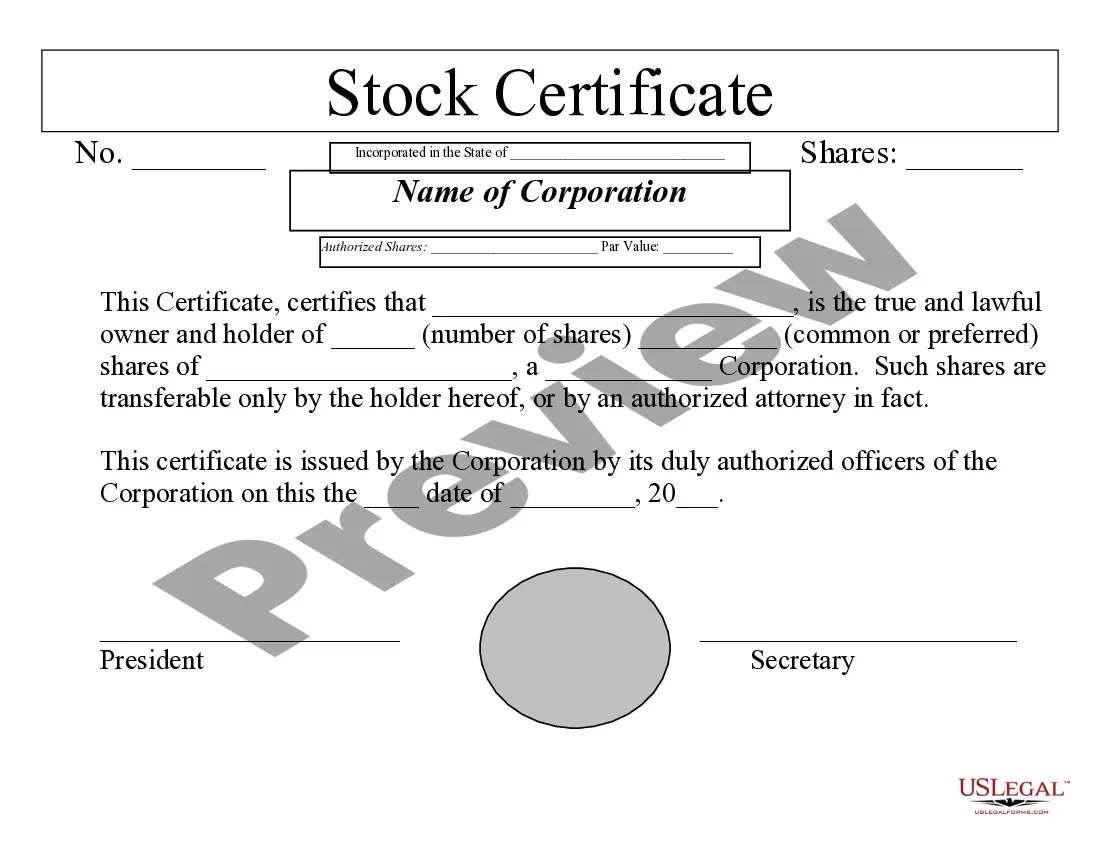
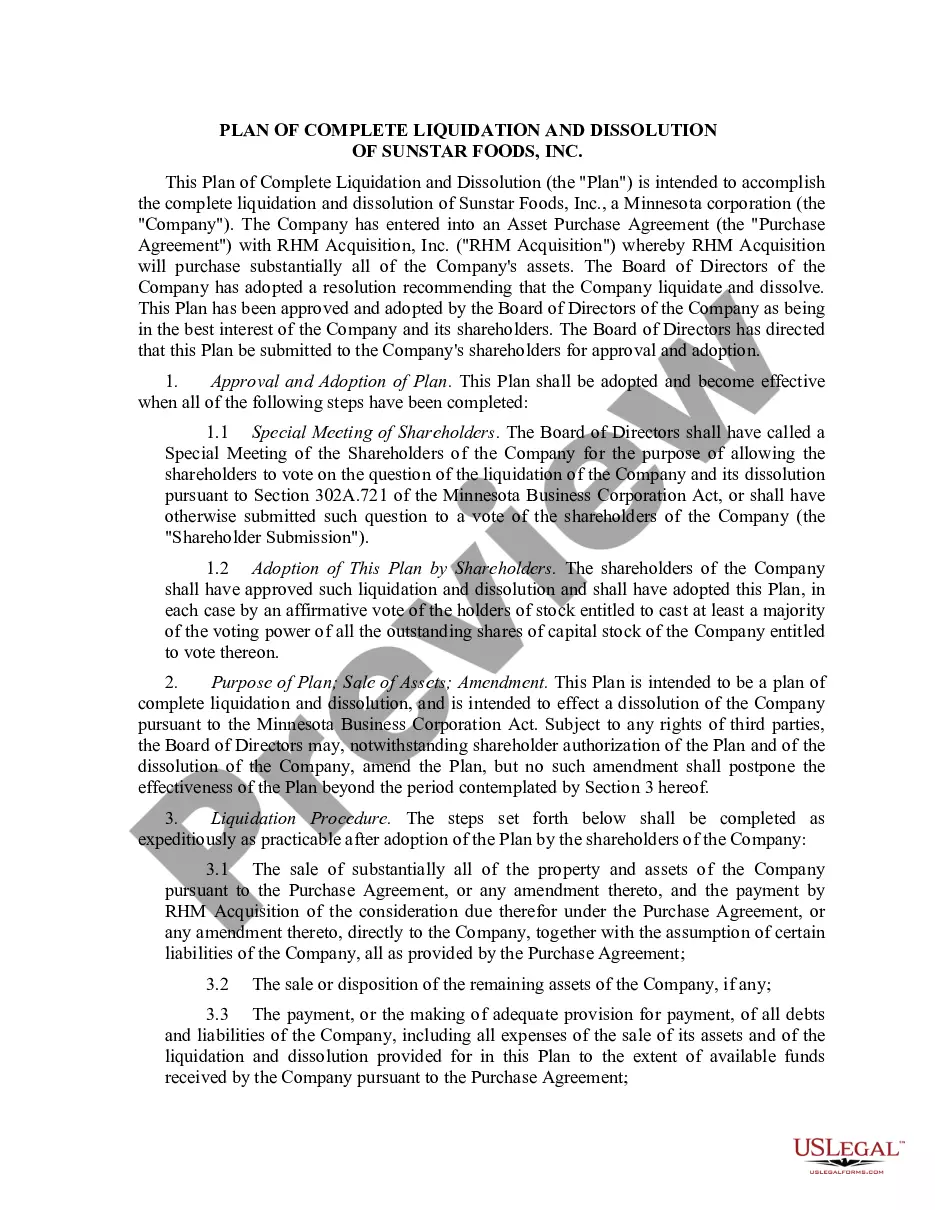
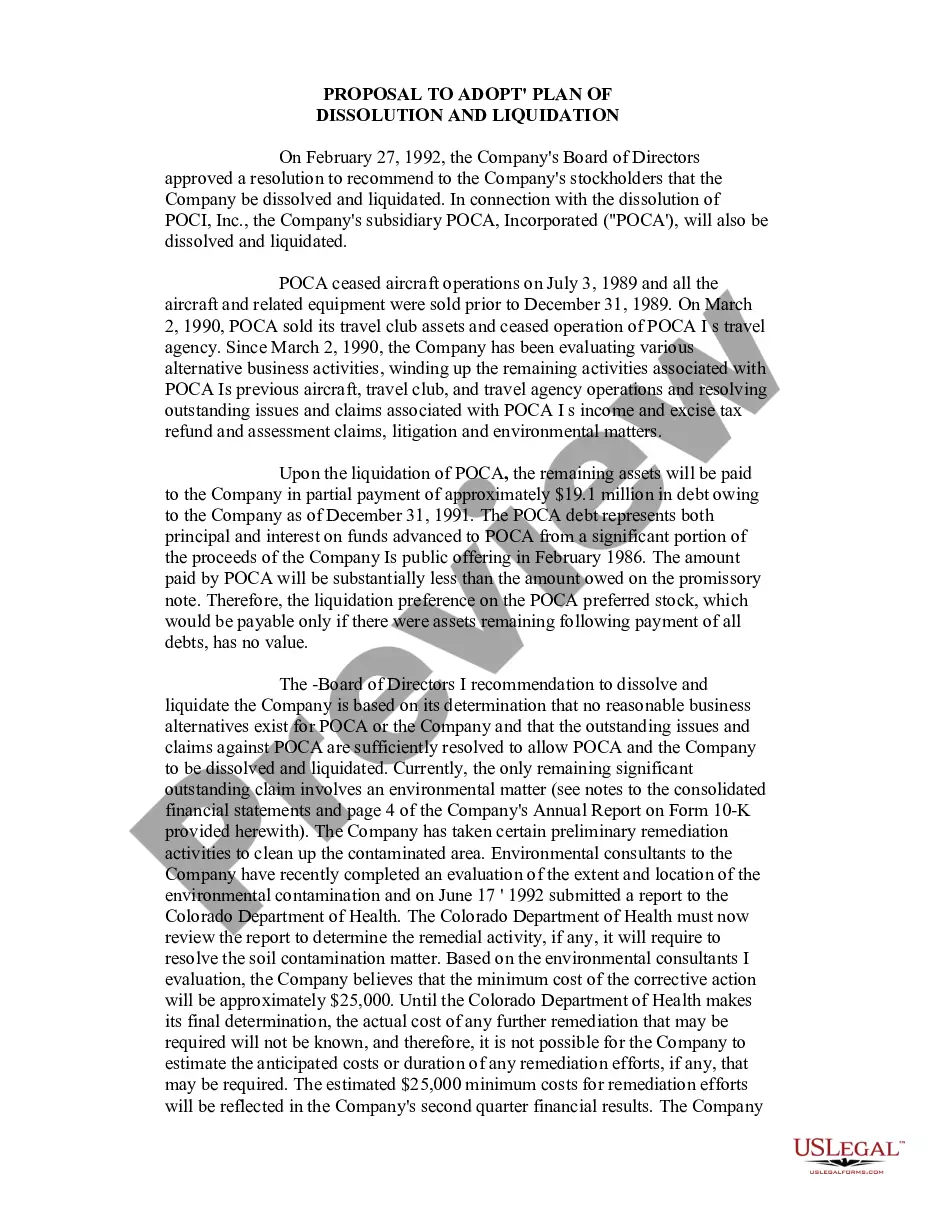
This form is an Approval of Transfer of Outstanding Stock with a Copy of the Liquidating Trust Agreement. It is designed for corporate entities aiming to approve the transfer of their subsidiary's capital stock to a trust that benefits the stockholders. Unlike other stock transfer documents, this form includes the provisions of a Liquidating Trust Agreement that outlines how the trust will manage and distribute the transferred shares to maximize value for shareholders.
What’s included in this form
- Approval of the stock transfer to the trust for the benefit of shareholders.
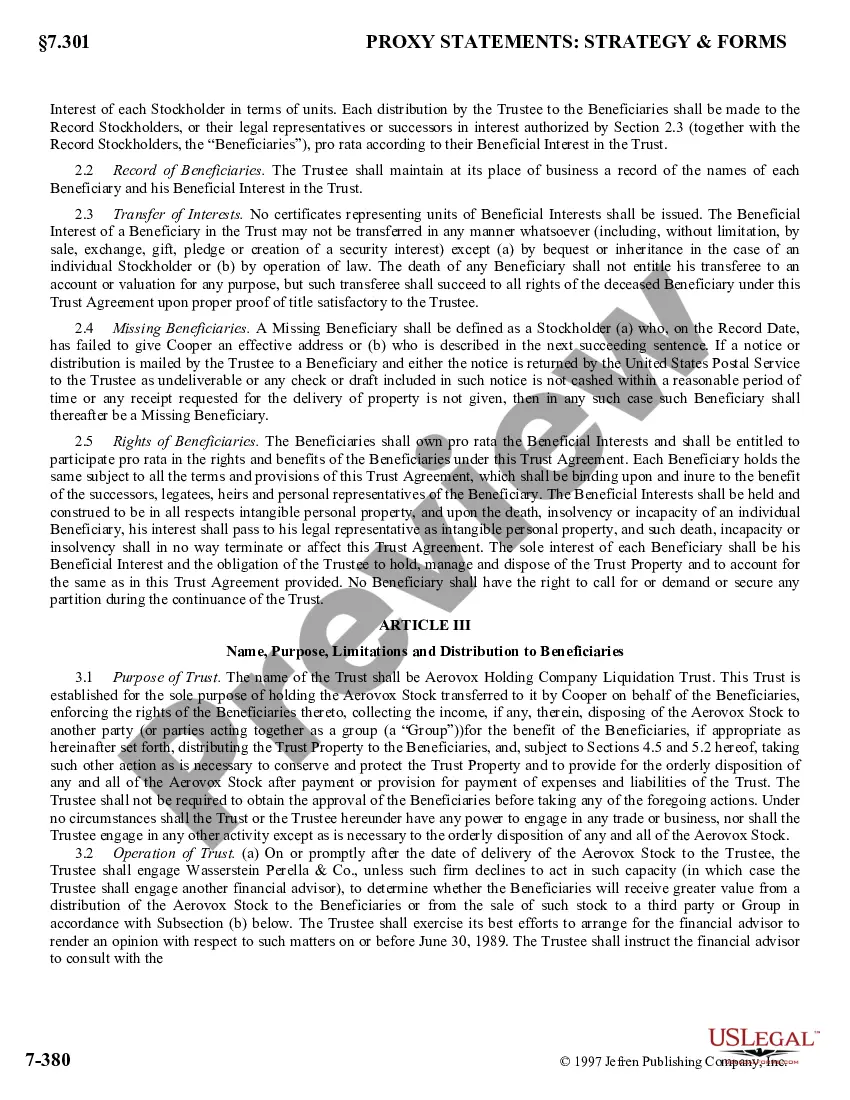
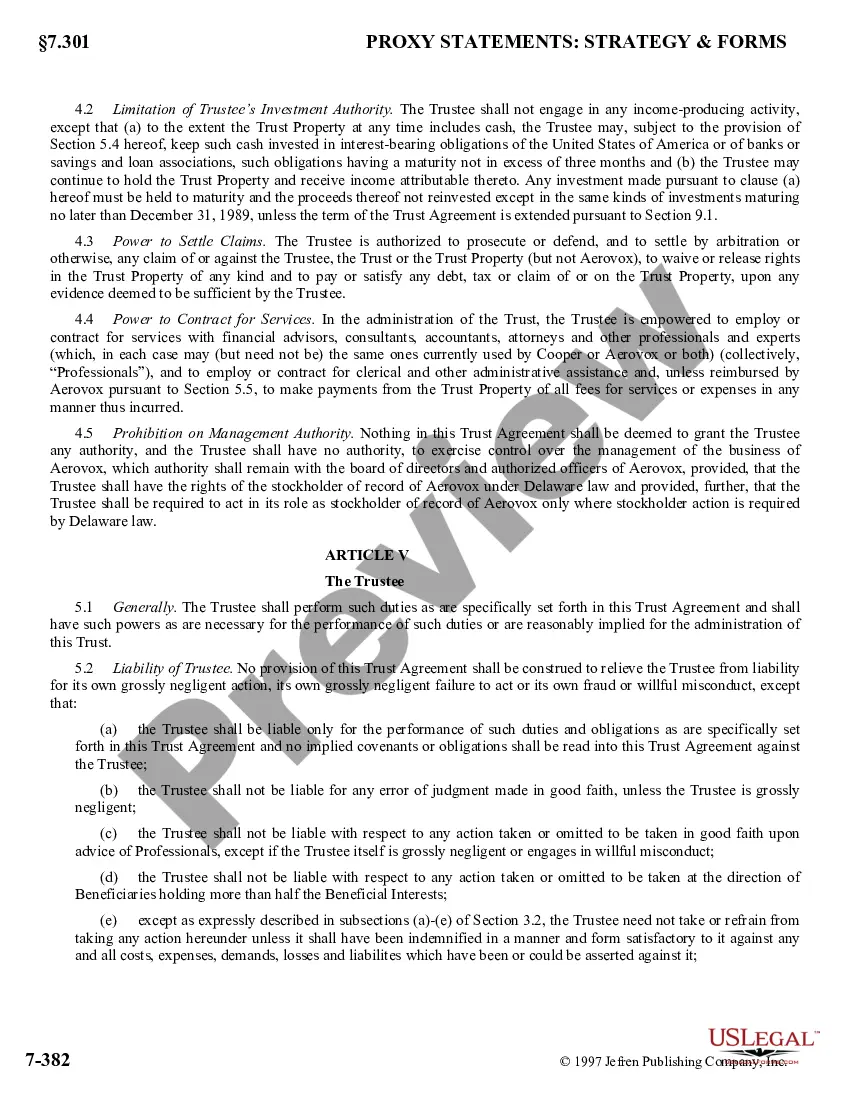
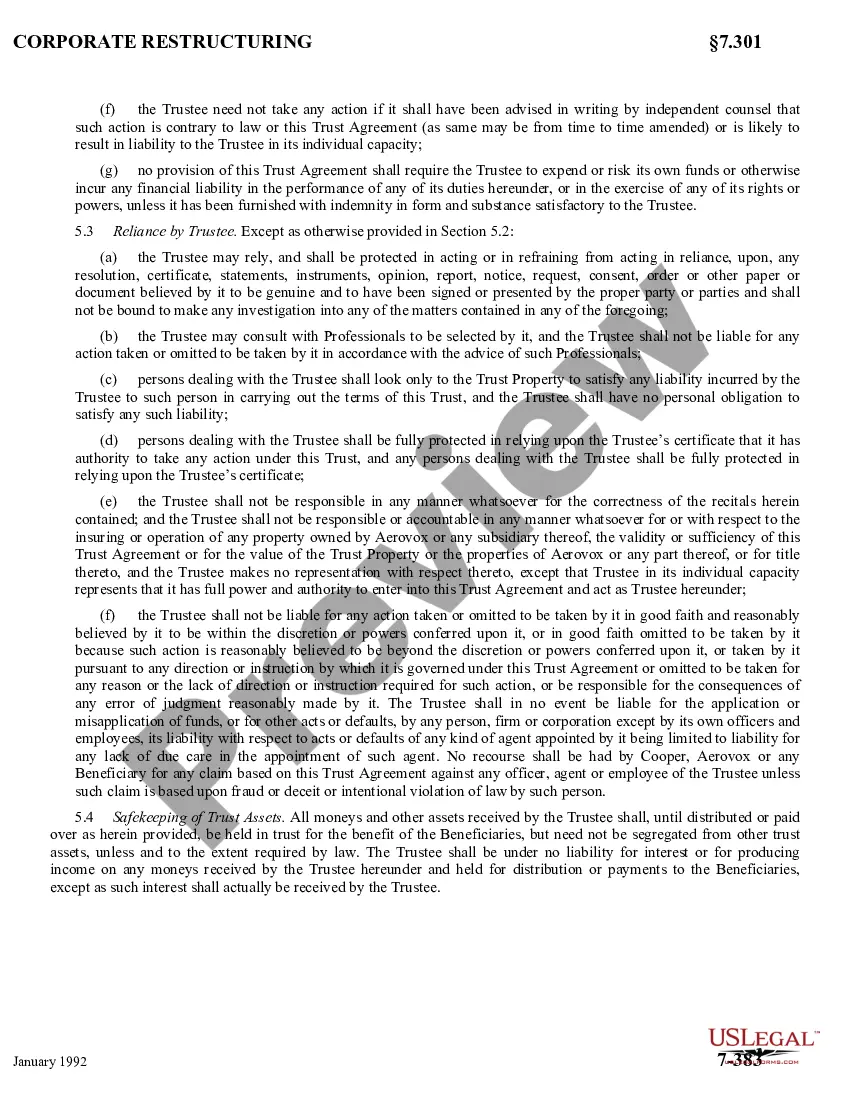
- The role and powers of the trustee, including management and distribution of the stock proceeds.
- Provisions detailing the activities the trustee may undertake, limiting them to liquidation efforts.
- Requirements for maintaining records of beneficiaries and their beneficial interest in the trust.
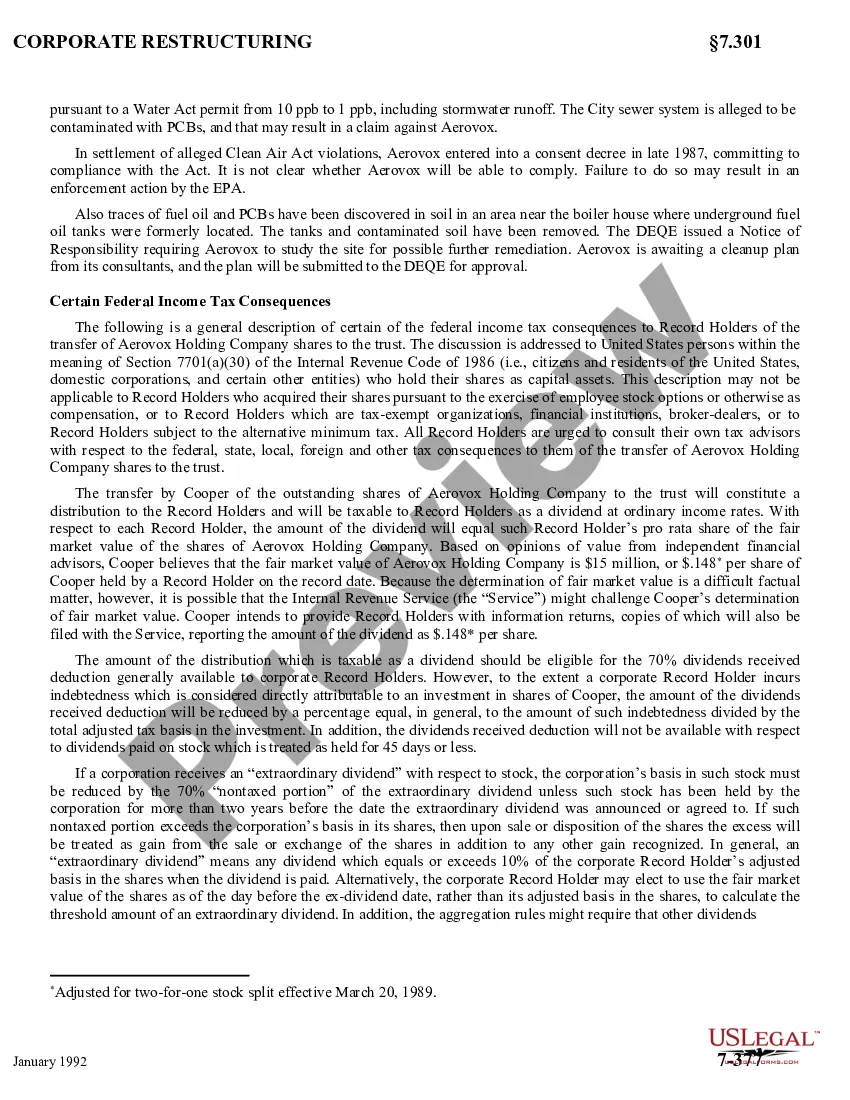
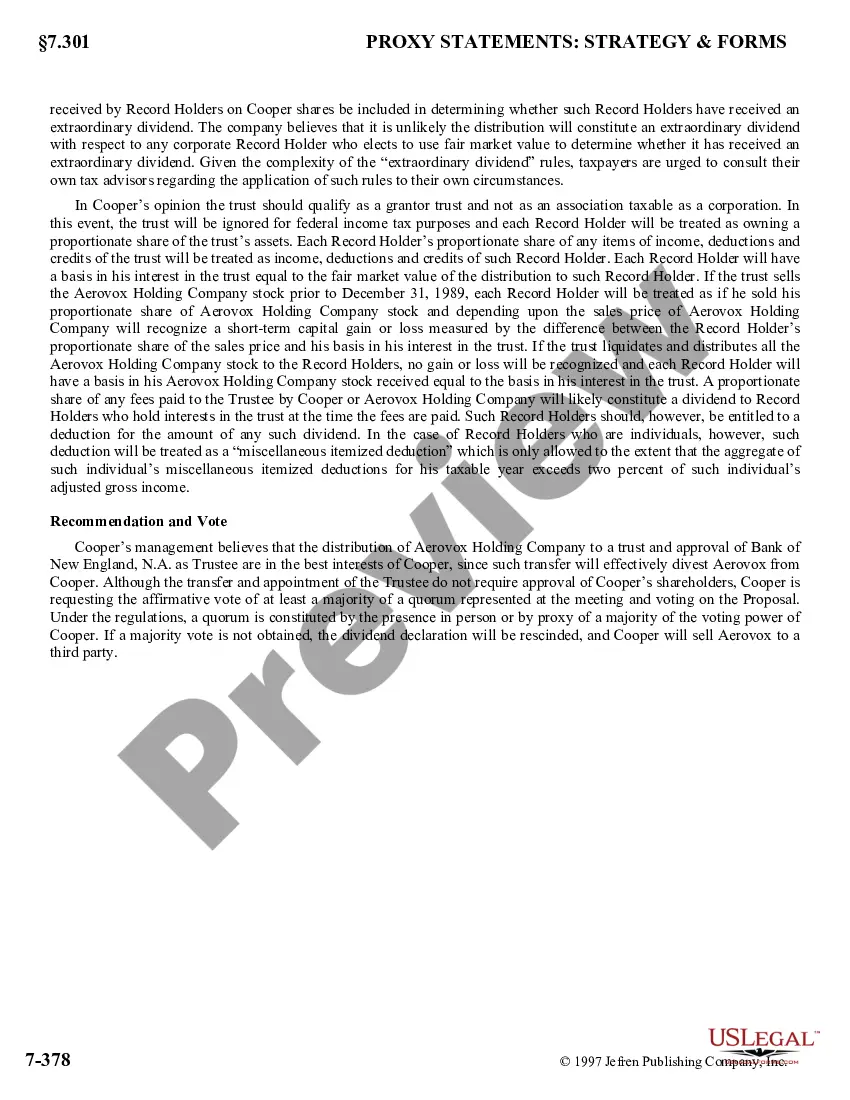
- Tax implications for shareholders regarding the distribution of stock as a dividend.

When this form is needed
This form is used when a corporation intends to transfer outstanding stock of a subsidiary into a trust to facilitate liquidation for the benefit of its stockholders. It is particularly relevant in scenarios involving corporate restructuring, such as mergers, acquisitions, or decisions to divest subsidiary assets for maximizing shareholder value.
Who this form is for
- Corporations looking to reorganize or restructure their subsidiary holdings.
- Board members and corporate executives responsible for approving stock transfers and setting up trusts.
- Shareholders interested in understanding the mechanisms for transferring their shares into a trust for liquidation.
How to prepare this document
- Identify the corporation's name and include the date of the proposed stock transfer.
- Specify the details of the subsidiary and the number of shares to be transferred into the trust.
- Select and appoint a trustee responsible for managing the trust and its assets.
- Include a provision for how stock proceeds will be distributed to shareholders.
- Ensure the form is signed by the appropriate corporate officers to validate the approval.
Notarization requirements for this form
This form does not typically require notarization to be legally valid. However, some jurisdictions or document types may still require it. US Legal Forms provides secure online notarization powered by Notarize, available 24/7 for added convenience.
Get your form ready online
Our built-in tools help you complete, sign, share, and store your documents in one place.
Make edits, fill in missing information, and update formatting in US Legal Forms—just like you would in MS Word.
Download a copy, print it, send it by email, or mail it via USPS—whatever works best for your next step.
Sign and collect signatures with our SignNow integration. Send to multiple recipients, set reminders, and more. Go Premium to unlock E-Sign.
If this form requires notarization, complete it online through a secure video call—no need to meet a notary in person or wait for an appointment.
We protect your documents and personal data by following strict security and privacy standards.

Make edits, fill in missing information, and update formatting in US Legal Forms—just like you would in MS Word.

Download a copy, print it, send it by email, or mail it via USPS—whatever works best for your next step.

Sign and collect signatures with our SignNow integration. Send to multiple recipients, set reminders, and more. Go Premium to unlock E-Sign.

If this form requires notarization, complete it online through a secure video call—no need to meet a notary in person or wait for an appointment.

We protect your documents and personal data by following strict security and privacy standards.
Common mistakes
- Failing to obtain necessary shareholder votes before transferring stock.
- Not clearly defining the duties and responsibilities of the trustee.
- Neglecting to address the tax implications for shareholders resulting from the transfer.
Benefits of using this form online
- Easy access to a standardized form prepared by legal professionals.
- Convenience of completing and downloading the form at any time.
- Editability, allowing you to customize the document to meet your corporation's specific needs.
Legal use & context
- This form provides a legally binding framework for transferring stock ownership into a trust.
- The Liquidating Trust Agreement ensures that stockholders can receive distributions in a tax-advantaged manner.
- In some cases, a lack of compliance with required corporate governance procedures may affect the legality of the transfer.
Looking for another form?
Form popularity
FAQ
Liquidation is the process of converting a company's assets into cash, and using those funds to repay, as much as possible, the company's debts. Liquidation results in the company being shut down.Court liquidation starts as a result of a court order, usually made after an application by a creditor of the company.
Hire a professional auctioneer and hold a public auction. Pay a business broker a fee to sell off your assets. File bankruptcy, in which case the a bankruptcy trustee will sell your assets and pay off your creditors with the proceeds. Assign your assets and debts to a company that specializes in liquidating businesses.
When a company goes into liquidation its assets are sold to repay creditors and the business closes down. The company name remains live on Companies House but its status switches to 'Liquidation'.Insolvent liquidation occurs when a company cannot carry on for financial reasons.
From beginning to end, it usually takes between six and 24 months to fully liquidate a company. Of course, it does depend on your company's position and the form of liquidation you're undertaking.
Liquidate means converting property or assets into cash or cash equivalents by selling them on the open market. Liquidation similarly refers to the process of bringing a business to an end and distributing its assets to claimants.
Talk to your lawyer & accountant. Scrutinize your assets: inventory, assess, & prepare each item for sale. Secure your merchandise. Establish the liquidation value of your assets. Make certain that a sale is worthwhile. Choose the best type of sale for your merchandise. Select the best time for your sale.
Most small businesses don't have stocks and bonds on their balance, but if yours does, these assets are the quickest to liquidate. An open market exists for their sale. Converting these assets to cash takes less than a day or so.
Talk to your lawyer & accountant. Scrutinize your assets: inventory, assess, & prepare each item for sale. Secure your merchandise. Establish the liquidation value of your assets. Make certain that a sale is worthwhile. Choose the best type of sale for your merchandise. Select the best time for your sale.
What Is Liquidation? Liquidation in finance and economics is the process of bringing a business to an end and distributing its assets to claimants. It is an event that usually occurs when a company is insolvent, meaning it cannot pay its obligations when they are due.