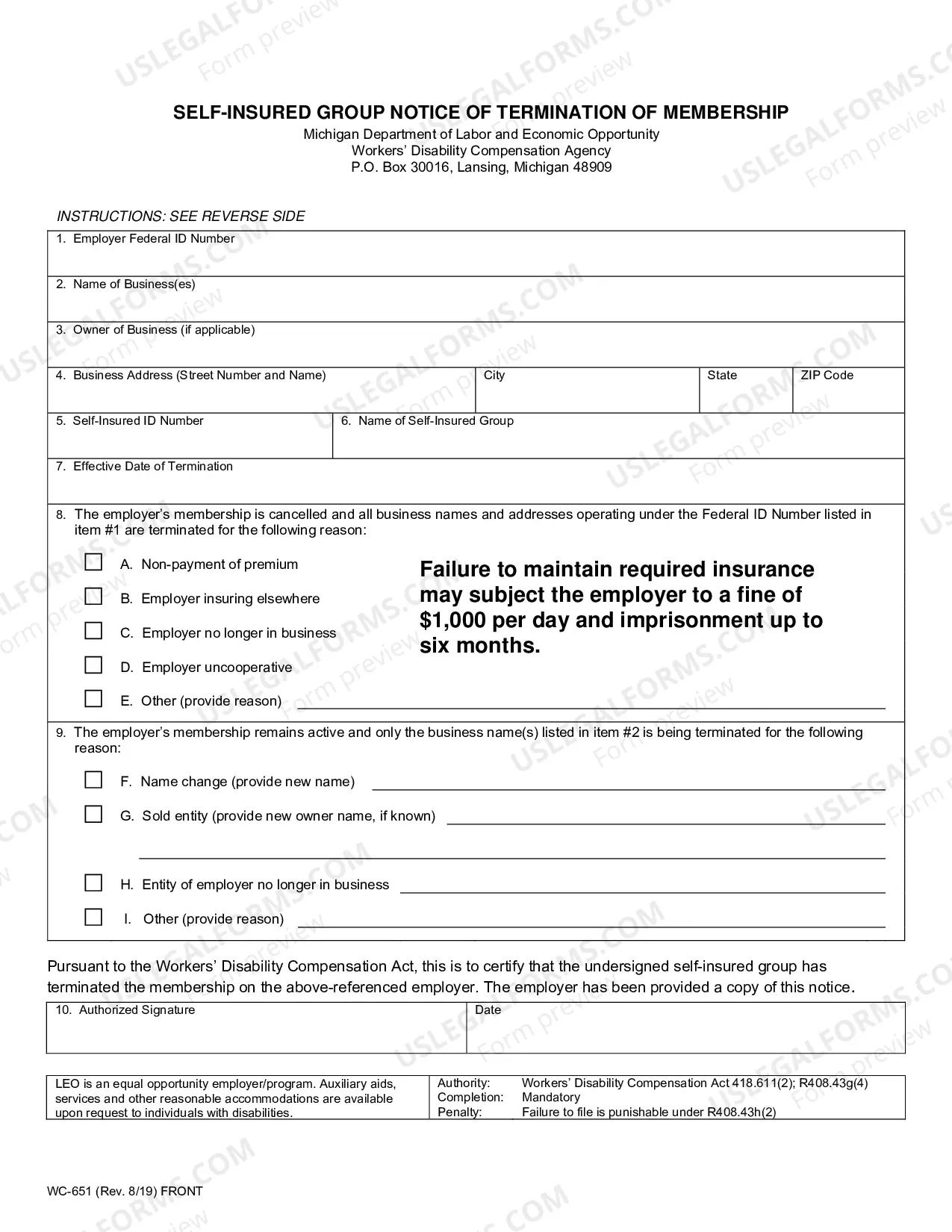
Compensation for Injuries or Sickness Treasury Regulation 104.1
What is this form?
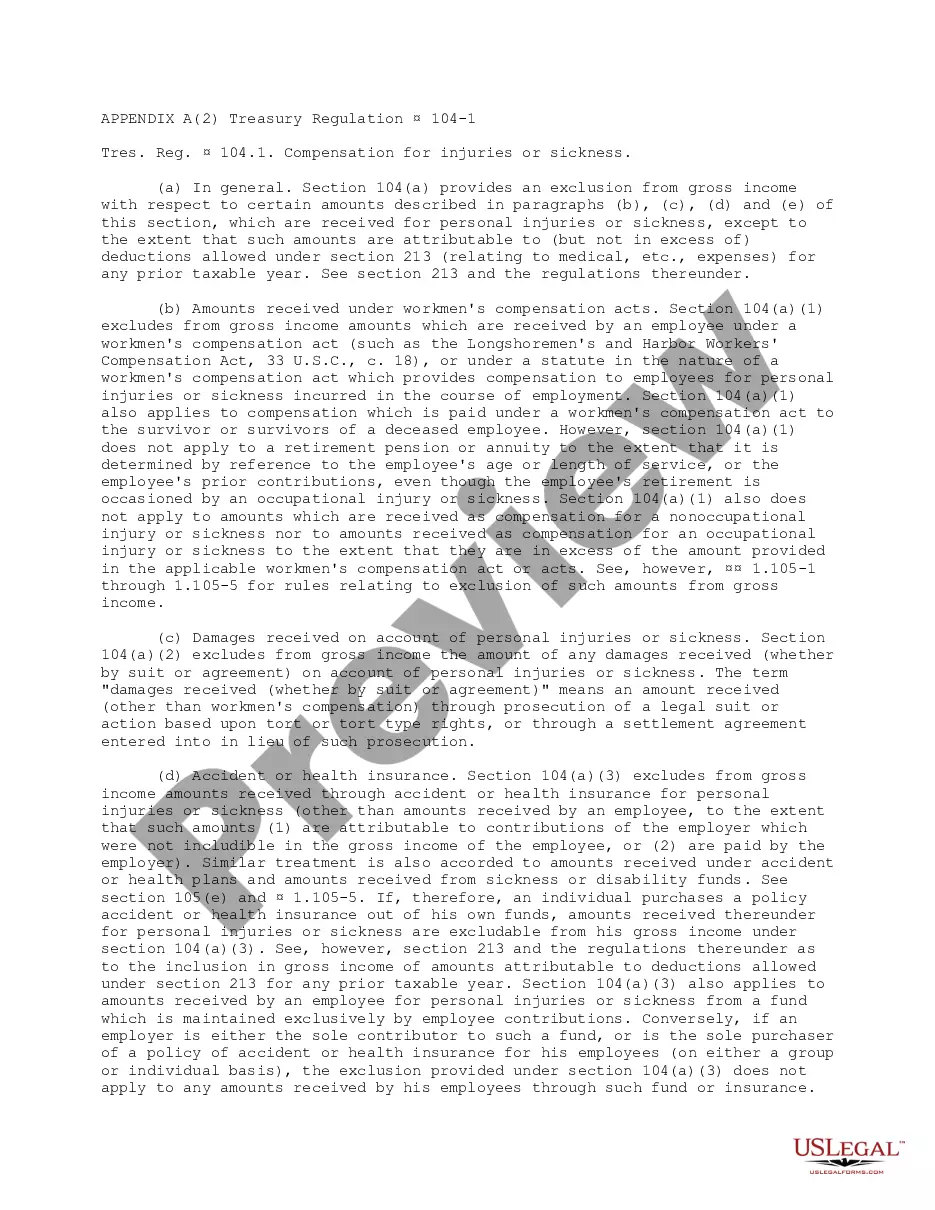
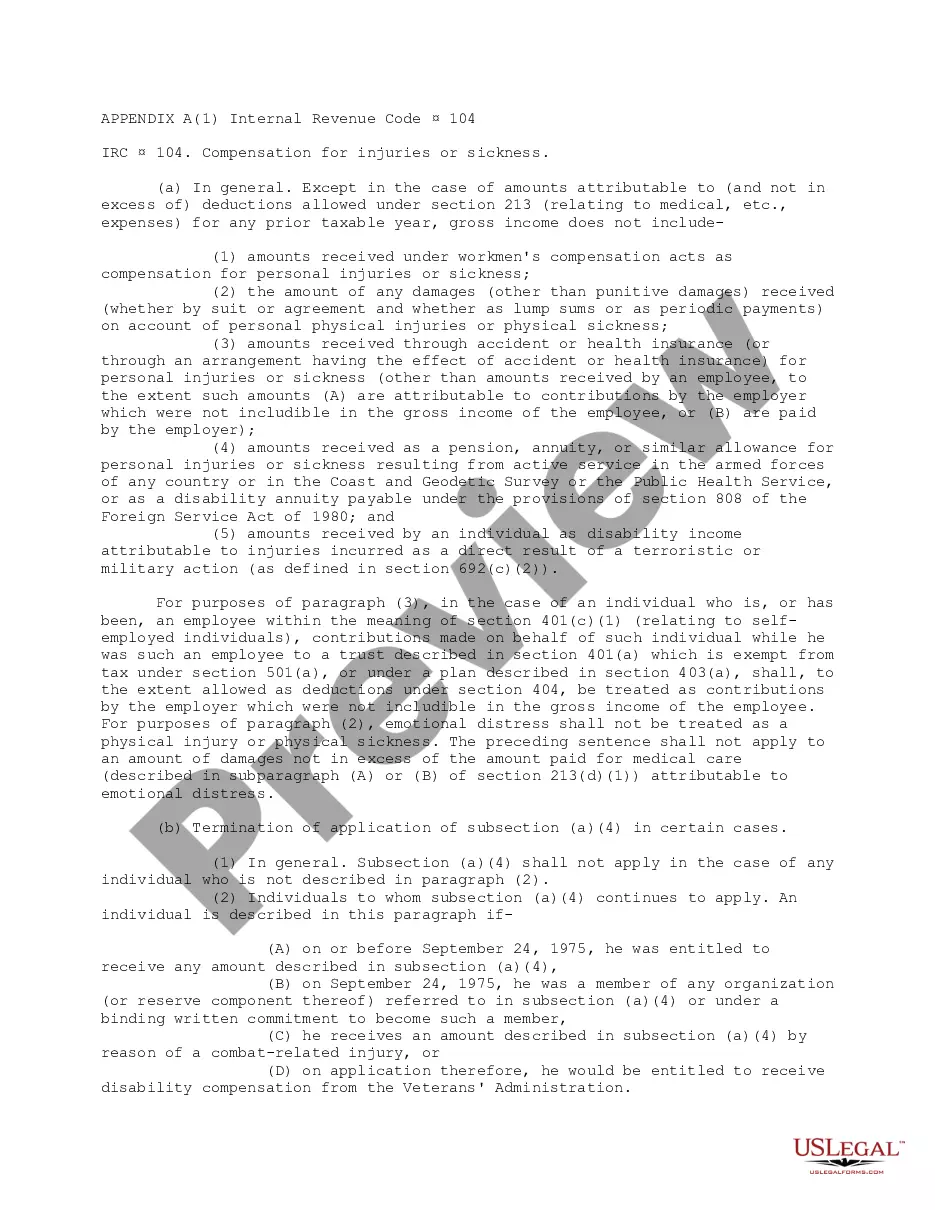
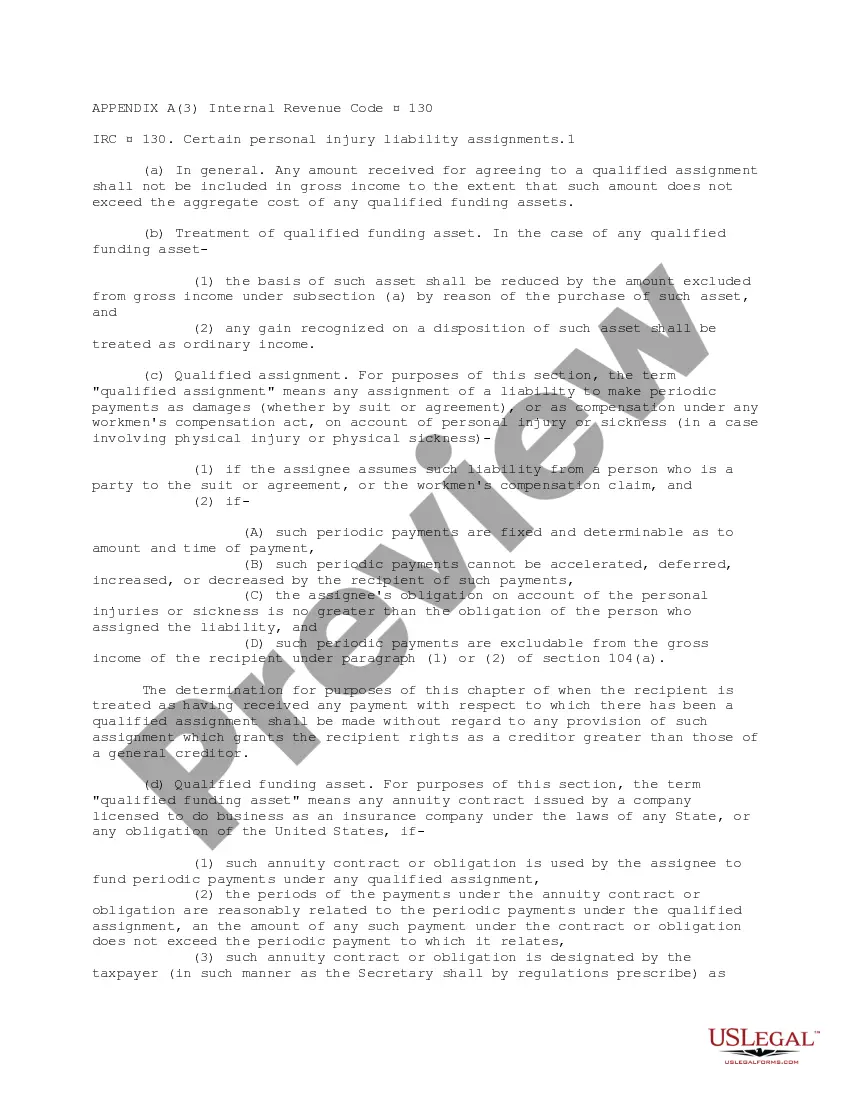
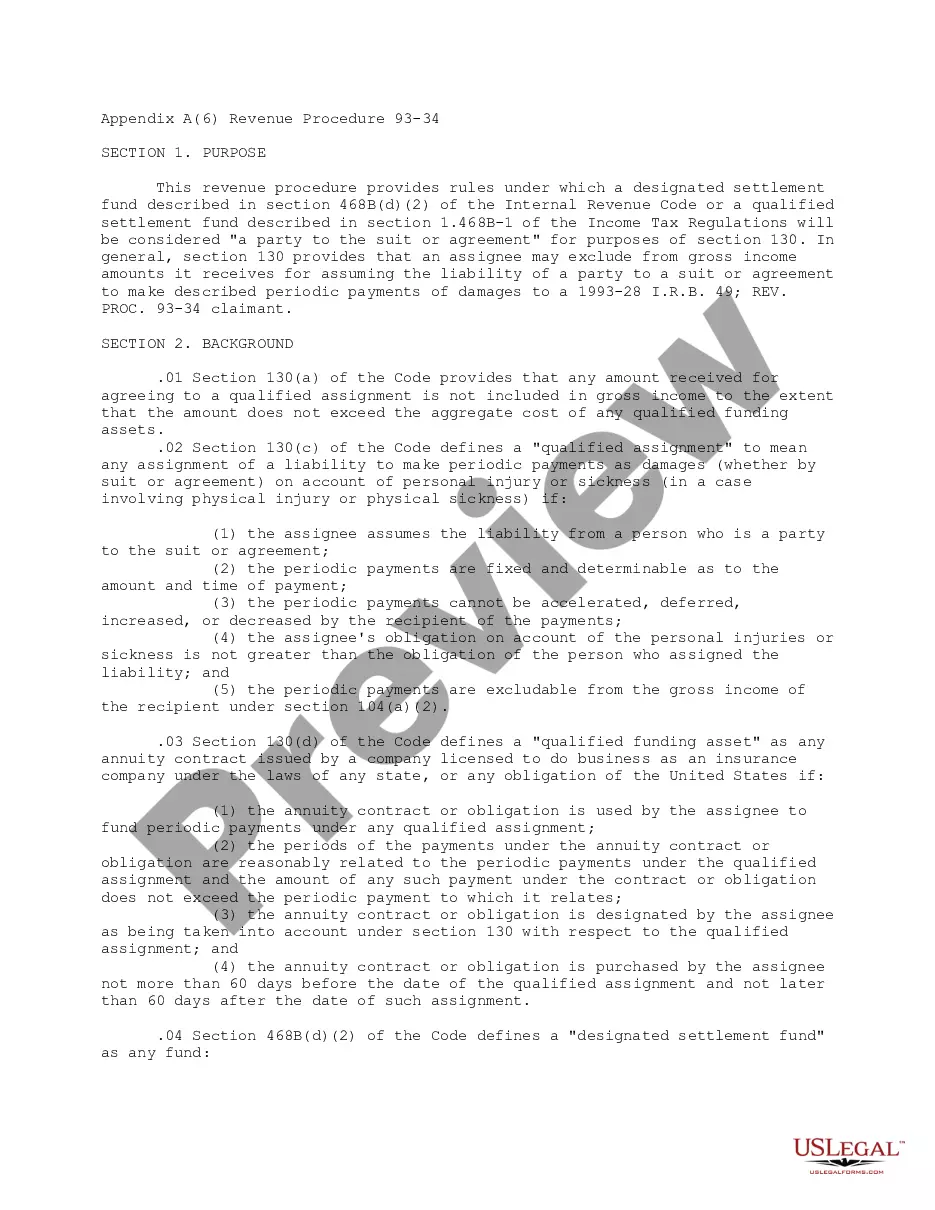
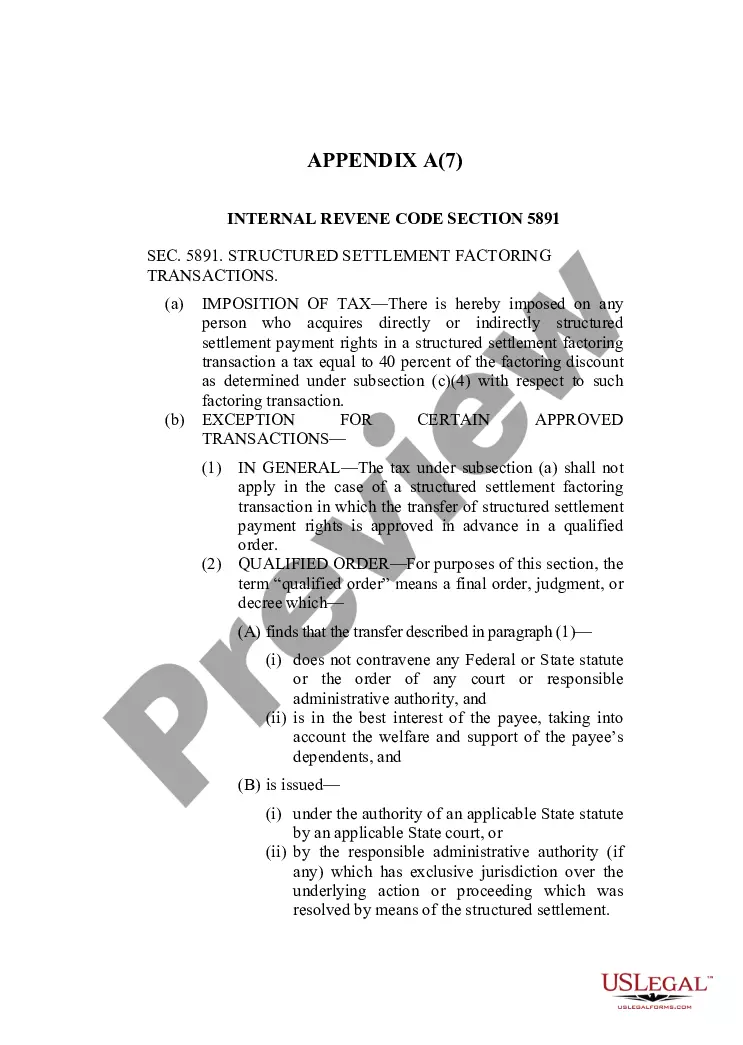
The Compensation for Injuries or Sickness form is a legal document that outlines statutory guidelines for the exclusion from gross income of certain compensations related to personal injuries or sickness. This form is primarily used in relation to workmen's compensation acts, damages from personal injuries, and certain insurance payouts. It provides clarity on what types of compensation can be excluded from taxable income, distinguishing itself from other forms that might address general tax exclusions or income documentation.
Form components explained
- General exclusions from gross income regarding compensation for personal injuries or sickness.
- Details on amounts received under workmen's compensation acts.
- Exclusions for damages awarded through legal action for personal injuries or sickness.
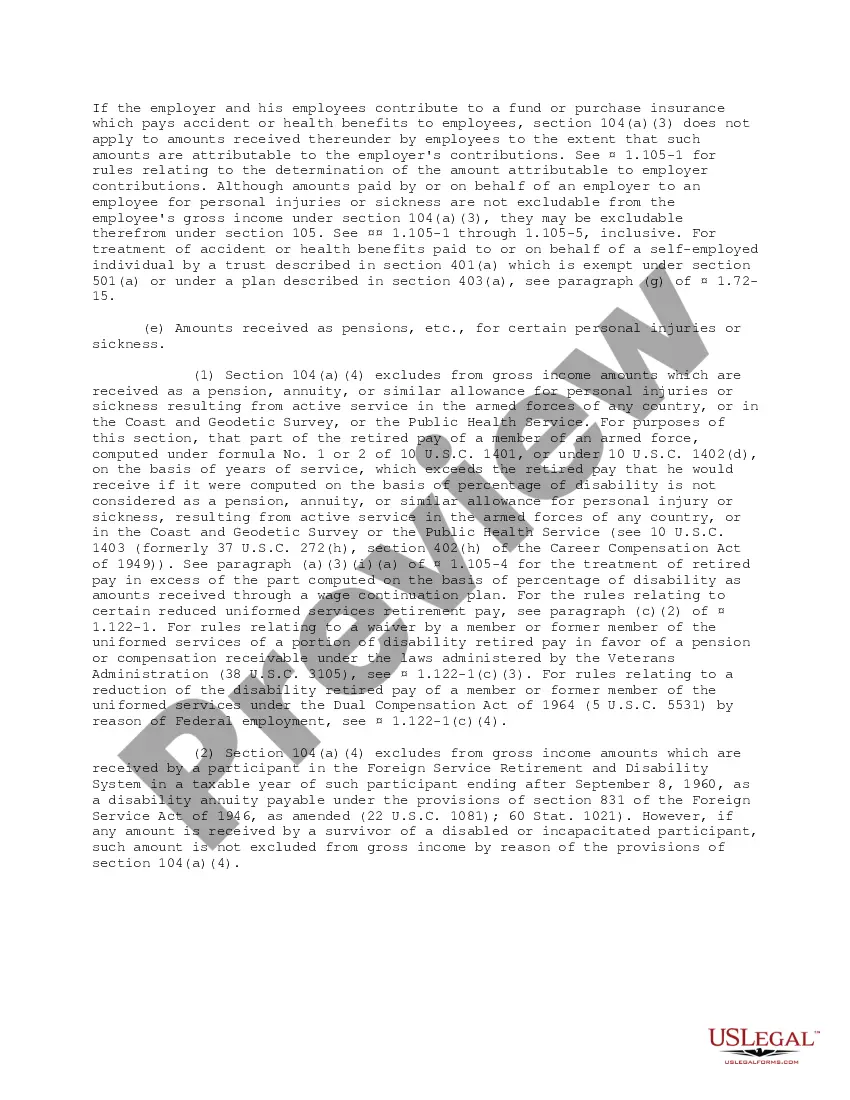
- Rules regarding payouts from accident or health insurance related to personal injuries.
- Provisions for pensions and allowances for personal injuries or sickness related to military service.

Common use cases
This form is necessary when you receive compensation for personal injuries or sickness and want to understand how these amounts may affect your gross income. Use this form if you have received payments under a workmens compensation act, legal damages due to personal injuries, or compensation from health insurance for sickness. This form helps clarify what can be excluded from your taxable income in these circumstances.
Who can use this document
- Employees who have received workmen's compensation for injuries or illnesses.
- Individuals who have secured damages from lawsuits related to personal injuries.
- Policyholders of accident or health insurance receiving benefits for personal injuries or sickness.
- Survivors of employees who have been compensated under workmens compensation acts.
How to prepare this document
- Identify all types of compensation you have received for personal injuries or sickness.
- Determine the relevant statutes and guidelines that apply to your compensation.
- Document any workmen's compensation payments that you want to exclude from gross income.
- Record damages received from legal settlements or judgments related to personal injuries.
- Specify any accident or health insurance benefits you're claiming as exclusions.
Is notarization required?
This form does not typically require notarization unless specified by local law.
Get your form ready online
Our built-in tools help you complete, sign, share, and store your documents in one place.
Make edits, fill in missing information, and update formatting in US Legal Forms—just like you would in MS Word.
Download a copy, print it, send it by email, or mail it via USPS—whatever works best for your next step.
Sign and collect signatures with our SignNow integration. Send to multiple recipients, set reminders, and more. Go Premium to unlock E-Sign.
If this form requires notarization, complete it online through a secure video call—no need to meet a notary in person or wait for an appointment.
We protect your documents and personal data by following strict security and privacy standards.

Make edits, fill in missing information, and update formatting in US Legal Forms—just like you would in MS Word.

Download a copy, print it, send it by email, or mail it via USPS—whatever works best for your next step.

Sign and collect signatures with our SignNow integration. Send to multiple recipients, set reminders, and more. Go Premium to unlock E-Sign.

If this form requires notarization, complete it online through a secure video call—no need to meet a notary in person or wait for an appointment.

We protect your documents and personal data by following strict security and privacy standards.
Mistakes to watch out for
- Failing to include all relevant compensation amounts.
- Not distinguishing between work-related and non-work-related injuries.
- Incorrectly interpreting state-specific tax rules regarding exclusions.
- Overlooking the requirement to document previous deductions when necessary.
Why use this form online
- Convenient access to forms that can be filled out at your own pace.
- Editability allows for corrections and updates as needed.
- Ensures reliability with forms drafted by licensed attorneys.
Legal use & context
- Enables individuals to determine tax obligations concerning various compensations for injuries and illnesses.
- Clarifies the legal boundaries for excluding certain amounts from gross income.
- Provides a systematic approach to ensure compliance with federal regulations.
What to keep in mind
- This form clarifies what compensations can be excluded from gross income.
- Utilize this form if you receive compensation for work-related injuries or through legal damages.
- Consult specific state regulations for any unique requirements related to this form.
Looking for another form?
Form popularity
FAQ
What Factors Make Settling a Civil Case More Difficult? According to a paper from the American Judges Association, as many as 97 percent of civil cases that are filed are resolved other than by a trial. While some of these cases are dismissed or are resolved through other means, the vast majority of the cases settle.
How long does it take to settle an employment case? The length of time an employment lawsuit will take differs greatly from case to case. In most cases, it will take at least a year to litigate; however, higher-value cases can take two years or more!
Employee lawsuits are expensive. An average out of court settlement is about $40,000. In addition, 10 percent of wrongful termination and discrimination cases result in a $1 million dollar settlement. The majority of cases, about 67 percent, are ruled in the plaintiff's favor when taken to litigation.
Employee lawsuits are expensive. An average out of court settlement is about $40,000. In addition, 10 percent of wrongful termination and discrimination cases result in a $1 million dollar settlement. The majority of cases, about 67 percent, are ruled in the plaintiff's favor when taken to litigation.
When the victim of actual violence settles out of court, the average settlement is $500,000. Jury awards to victims average $3 million. Awards for non-violent illegal actions may approach these amounts in some circumstances.
At the federal level, the court can award up to: $50,000 to an employee if the employer has between 15 and 100 employees; $100,000 if the employer has 101 to 200 employees; $200,000 if the employer has 201 to 500 employees; and.
What Factors Make Settling a Civil Case More Difficult? According to a paper from the American Judges Association, as many as 97 percent of civil cases that are filed are resolved other than by a trial. While some of these cases are dismissed or are resolved through other means, the vast majority of the cases settle.