Minnesota Discovery - Respondent's Interrogatories to Petitioner and Request for Production of Documents - Family Law
What is this form?
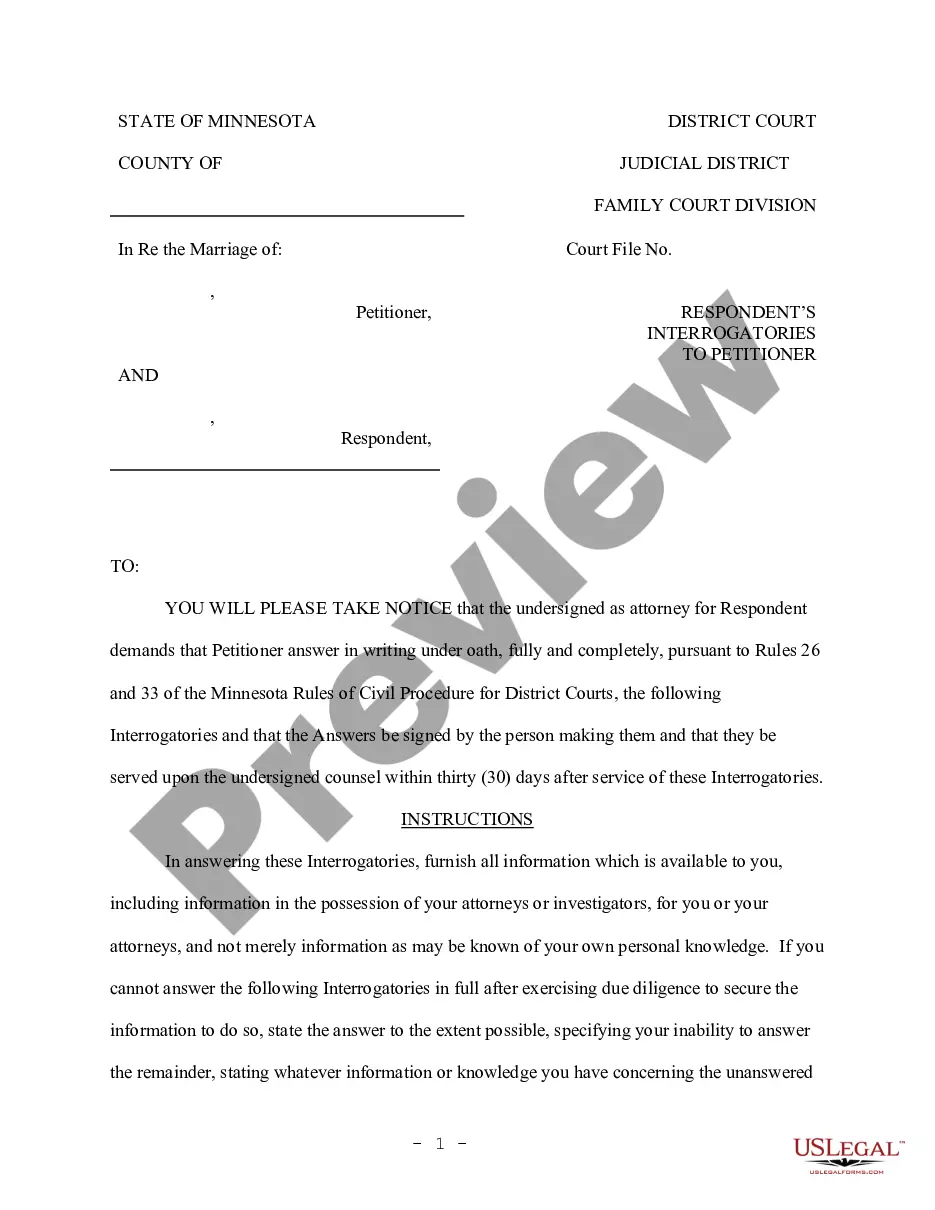
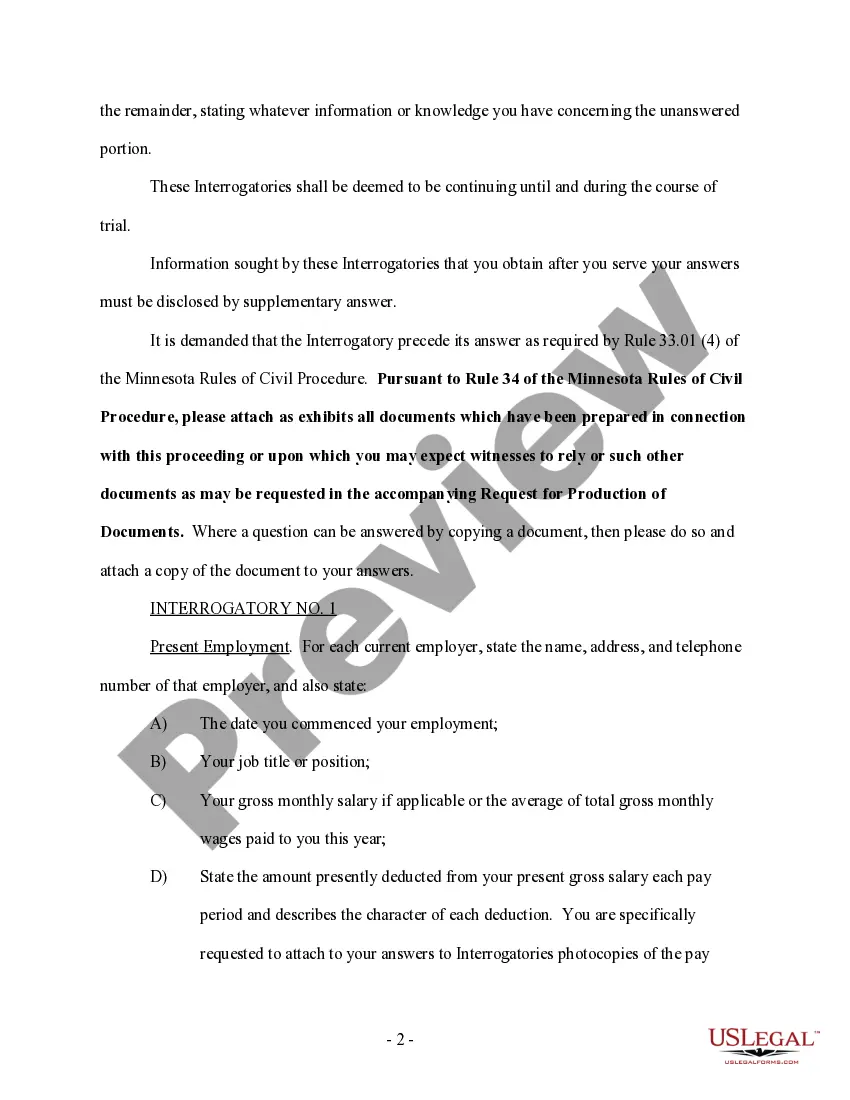
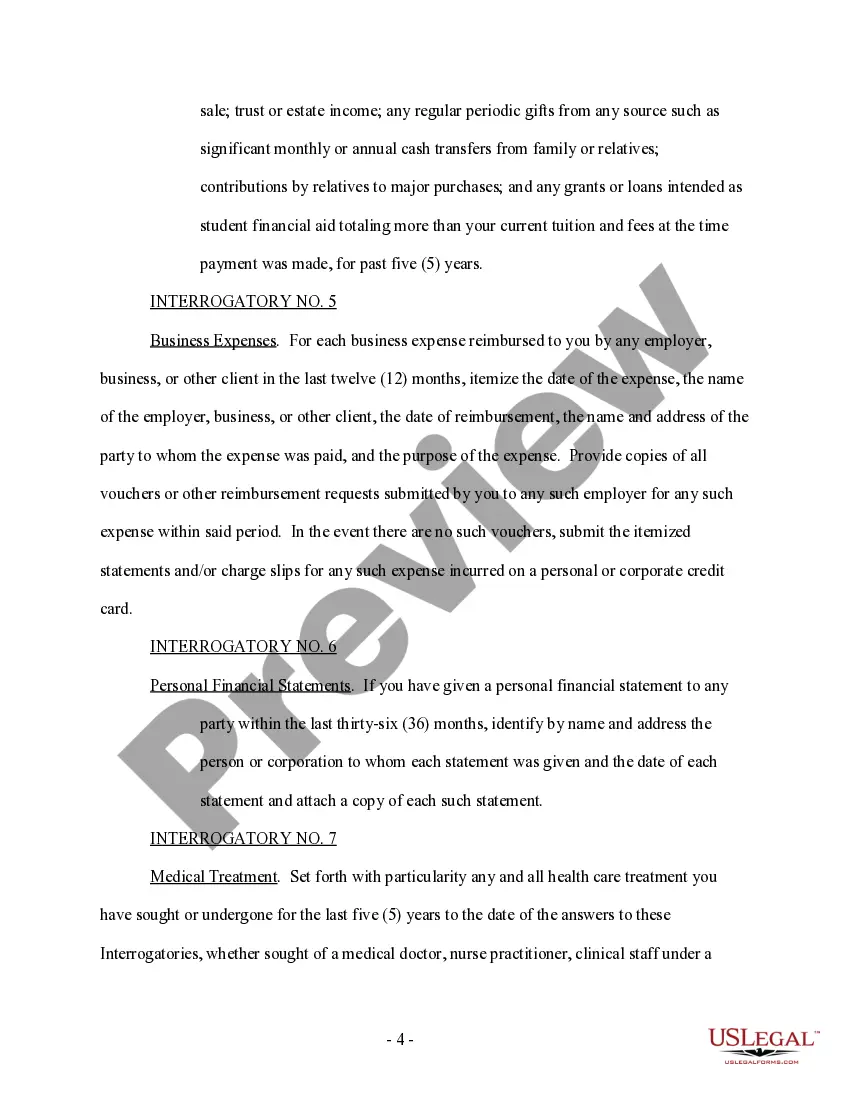
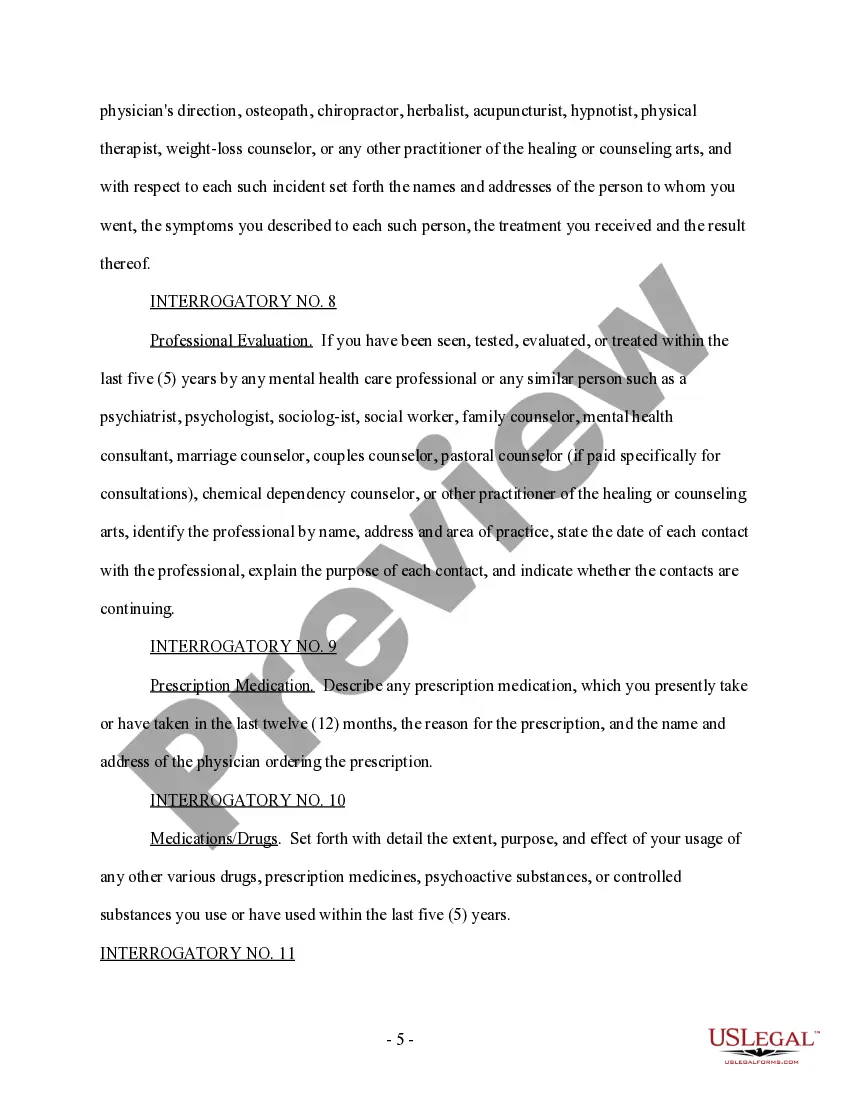
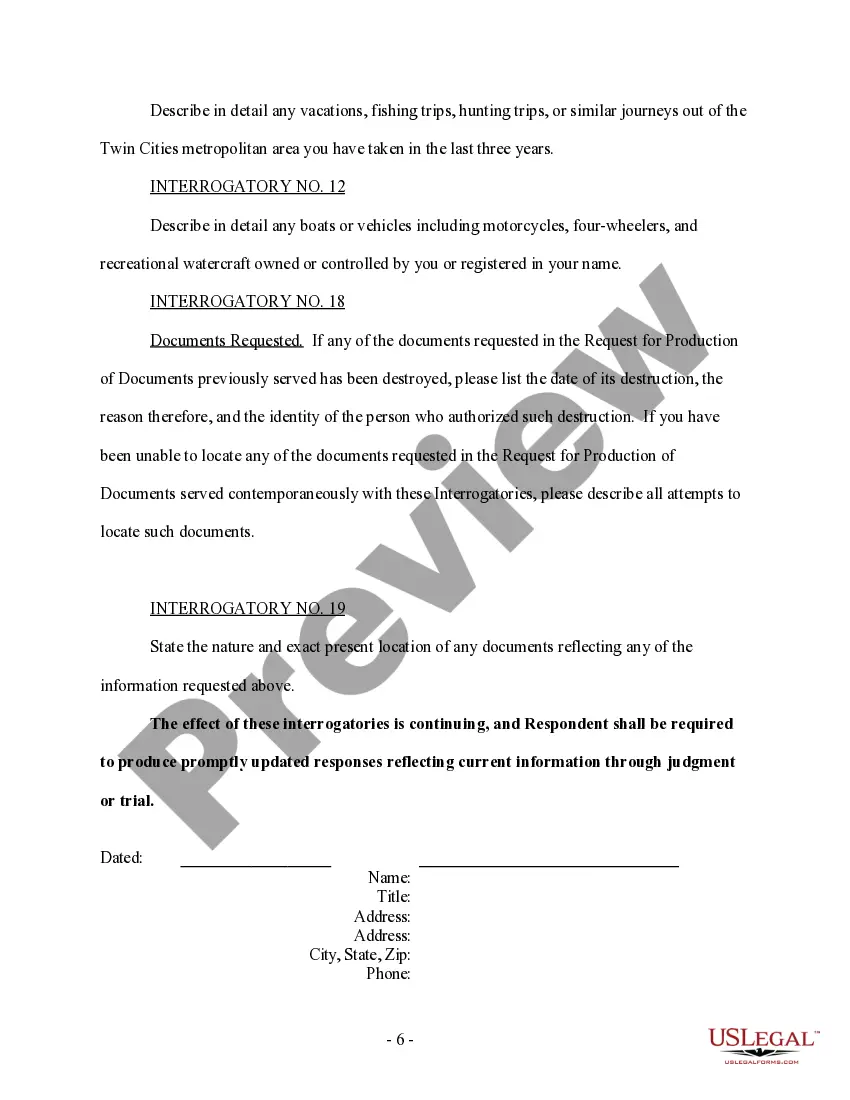
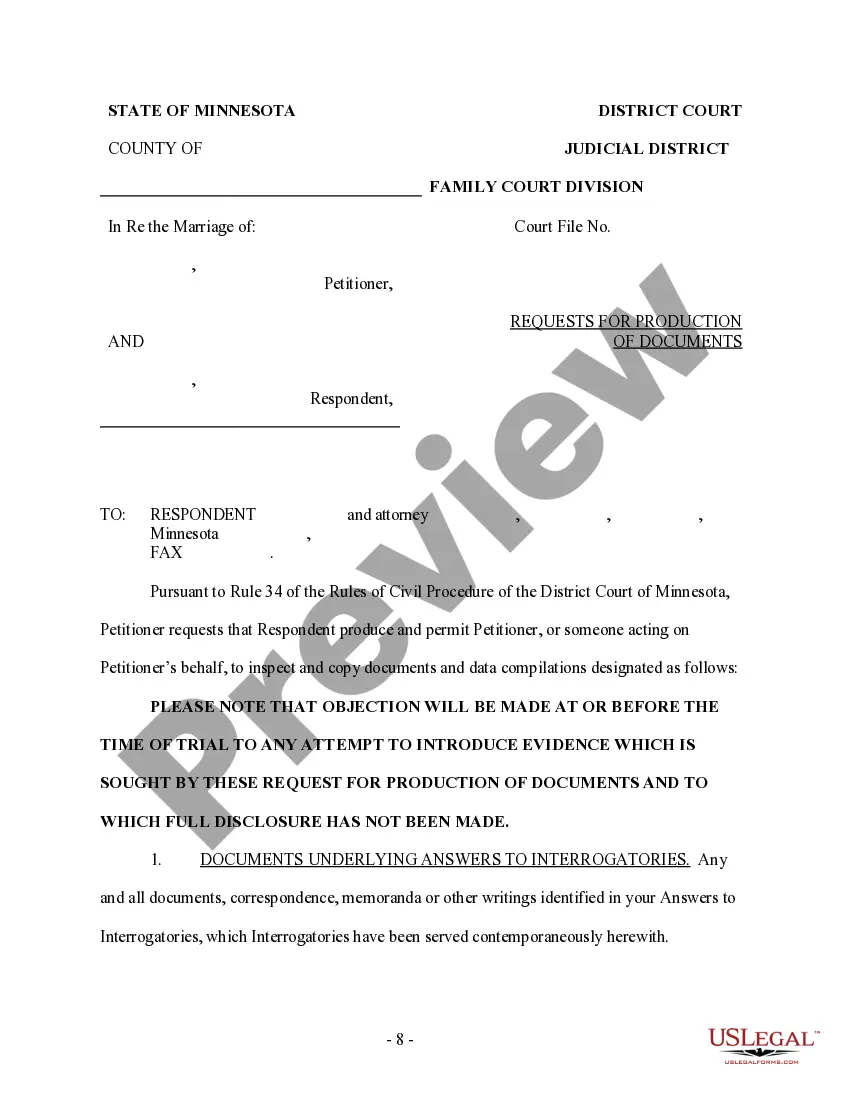
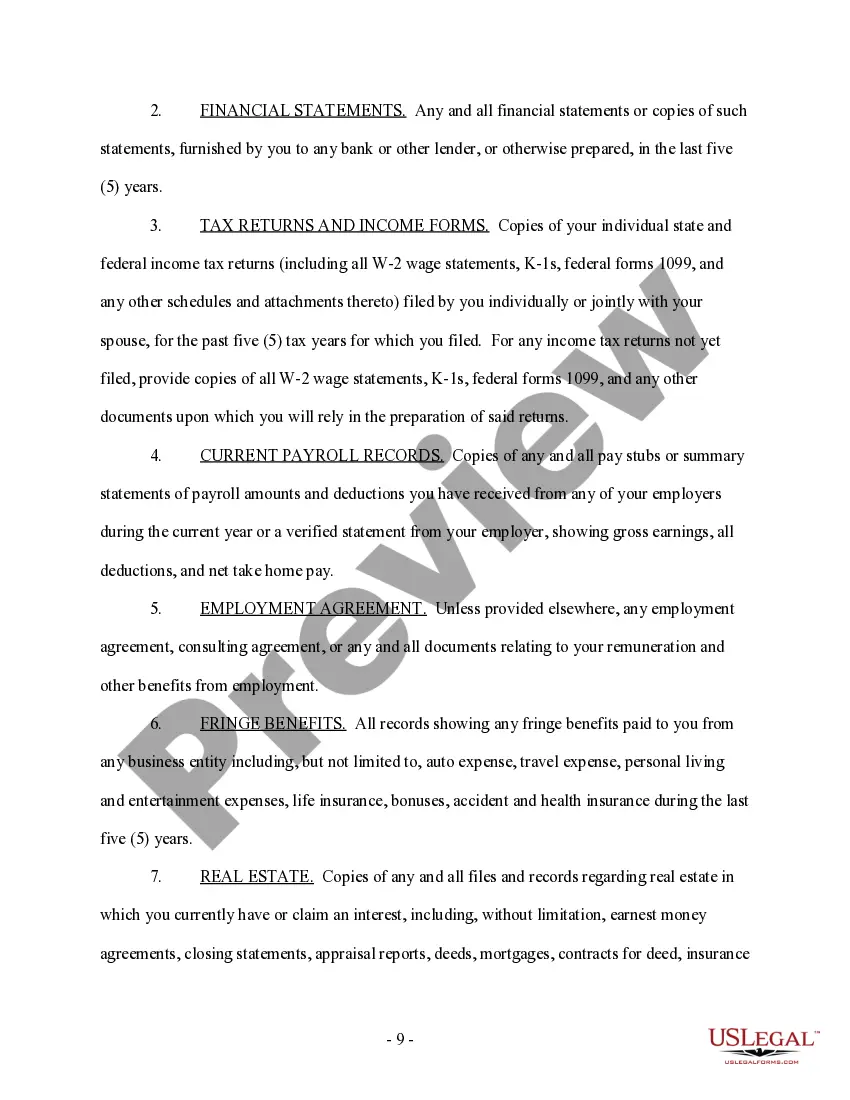
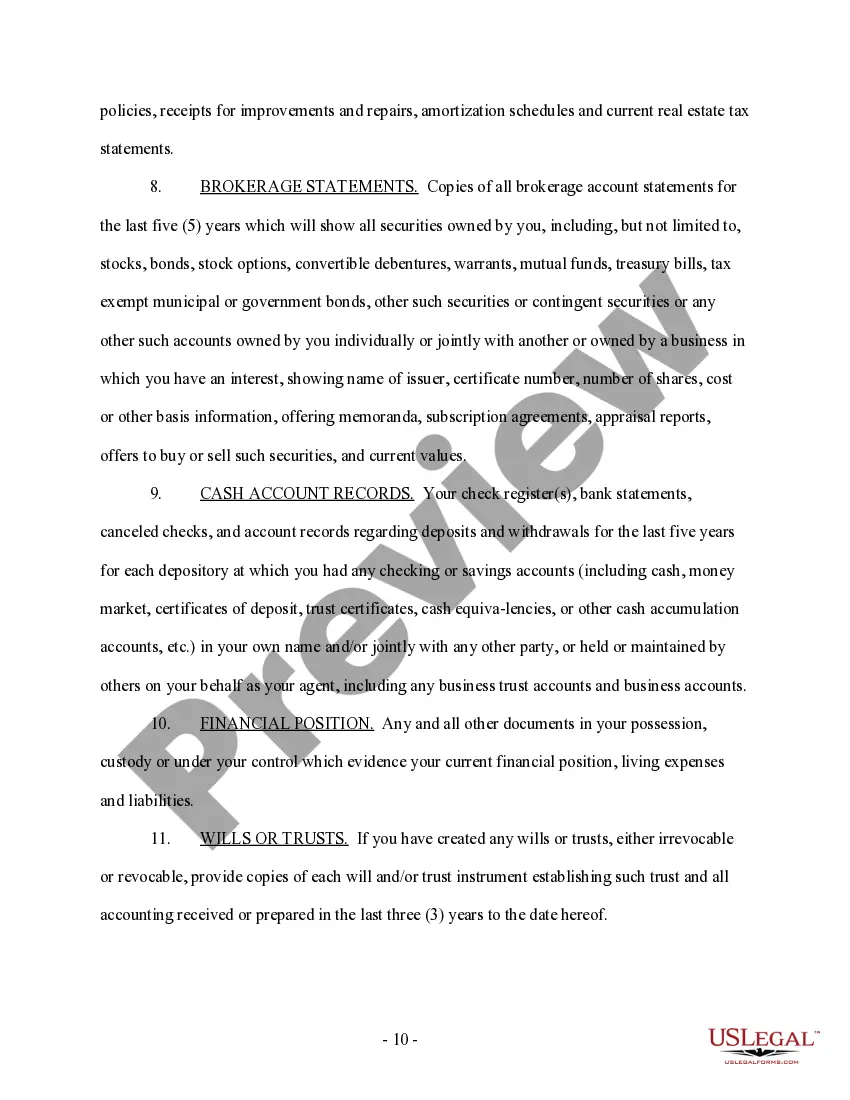
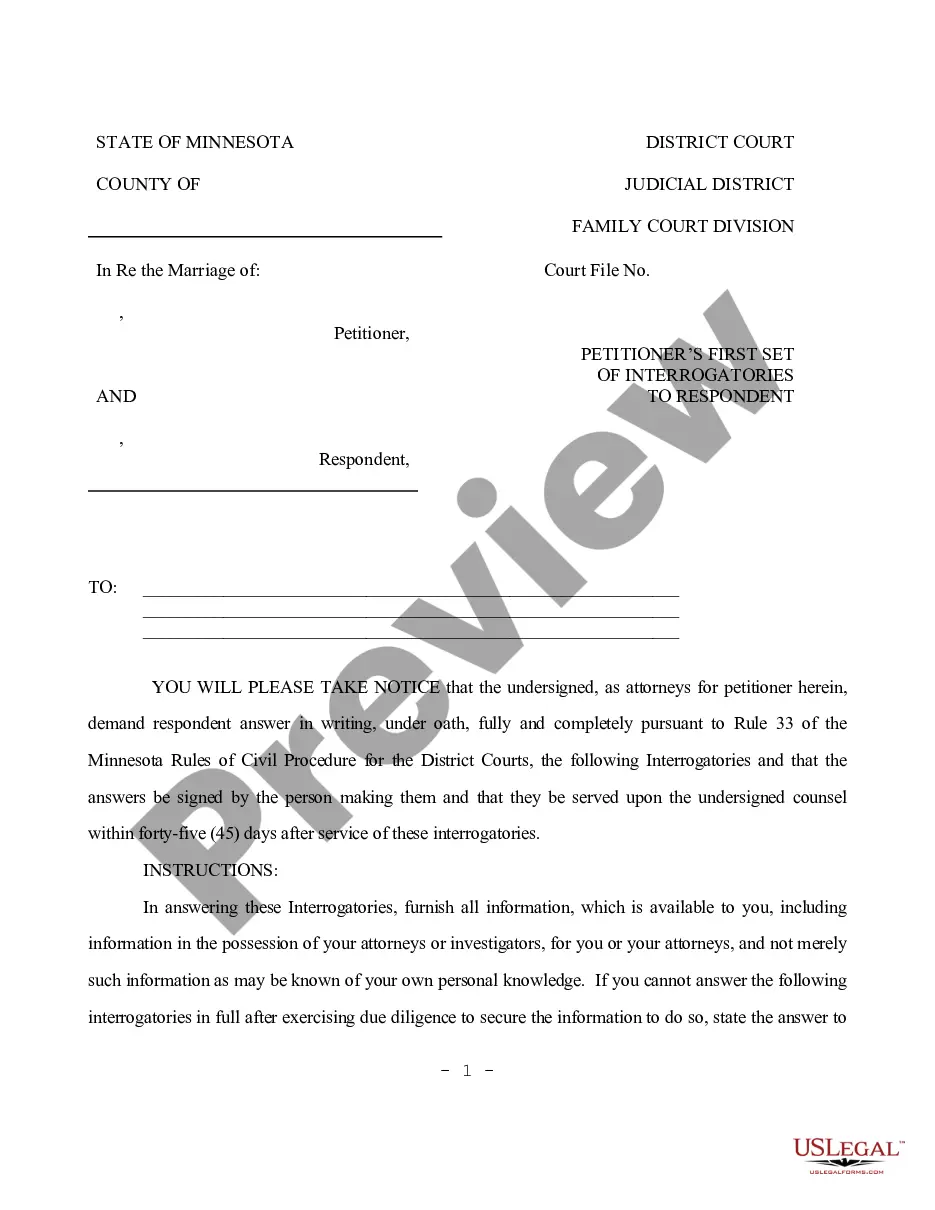
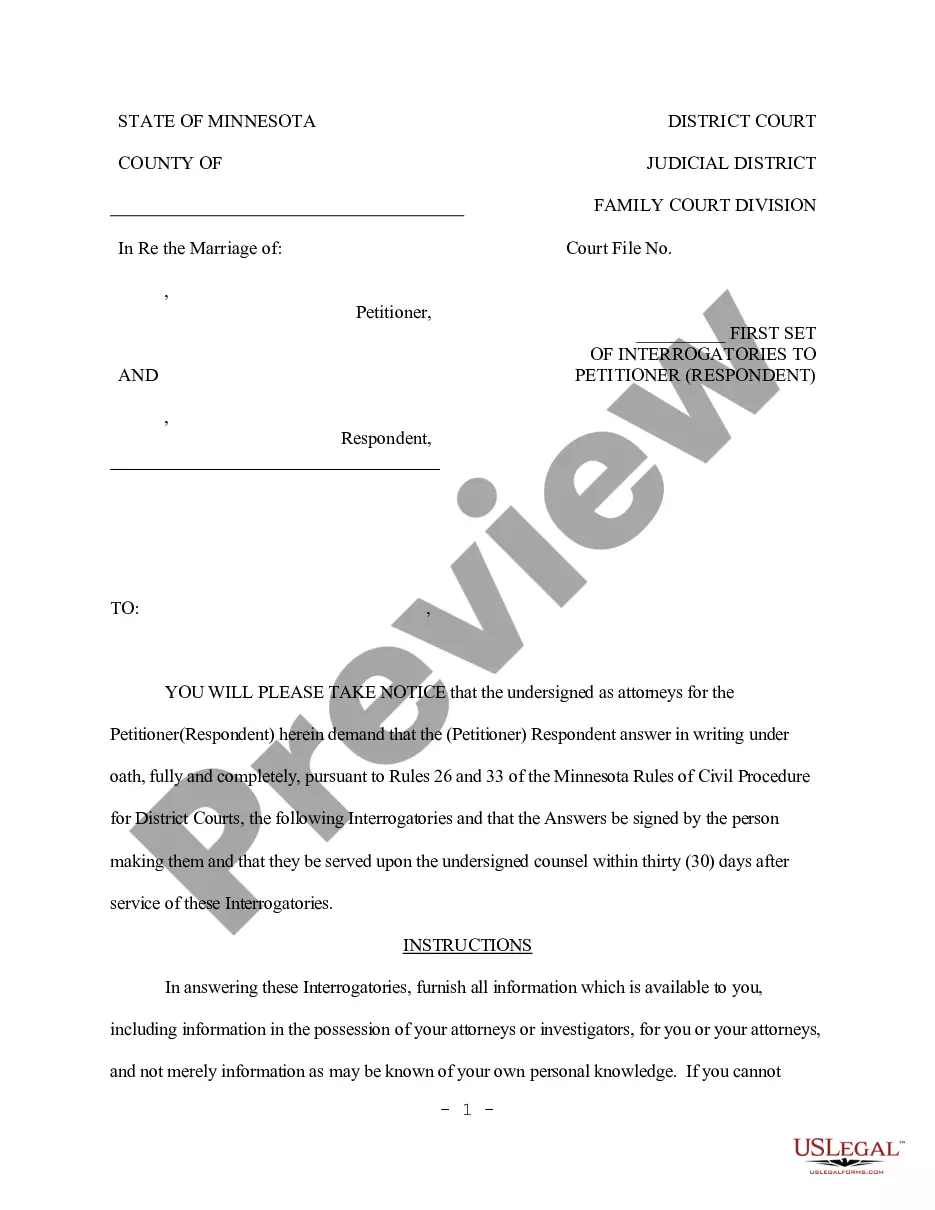
This form, known as Discovery - Respondent's Interrogatories to Petitioner and Request for Production of Documents - Family Law, is utilized in family law cases. It requires the respondent to submit detailed written responses to specific questions (interrogatories) posed by the petitioner. Additionally, it requests the production of relevant documents. This form is distinct as it aims to gather comprehensive information regarding personal finances, employment, medical treatment, and other critical aspects vital for family law proceedings.
Key parts of this document
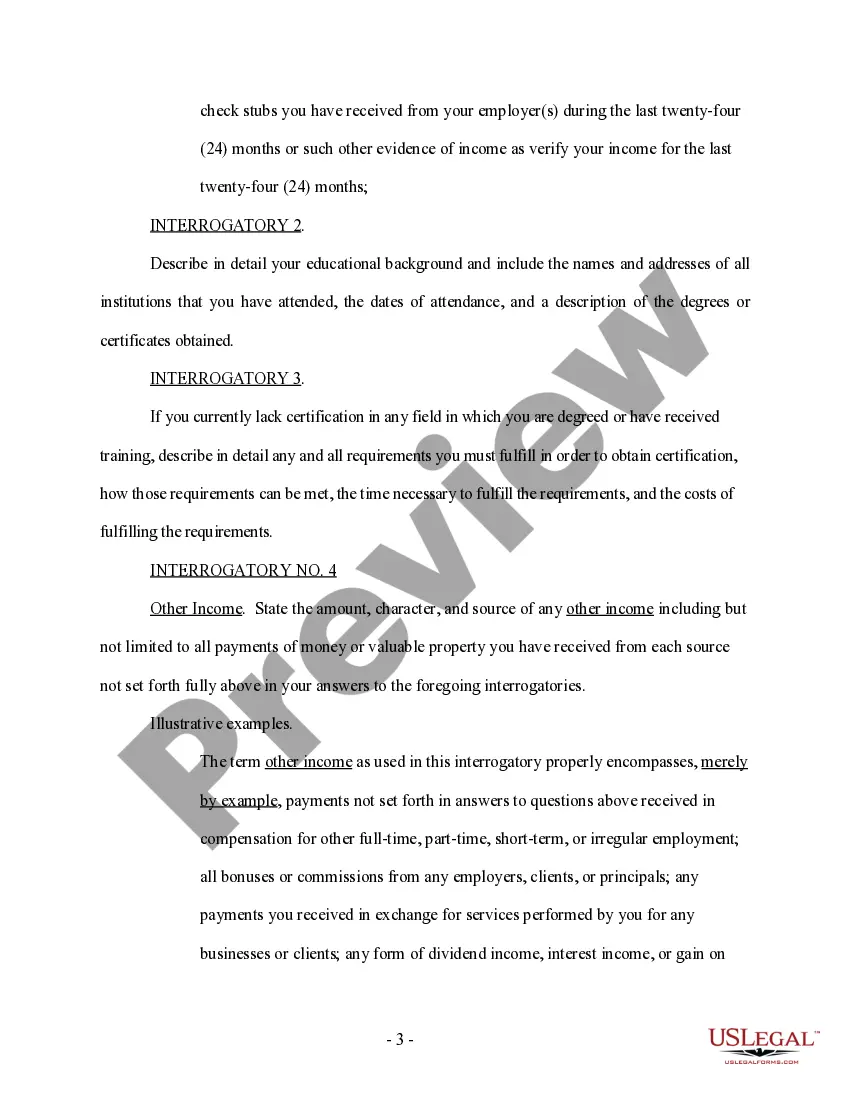
- Interrogatories covering personal employment, financial statements, and medical history.
- Detailed requests for the production of various documents related to income and personal assets.
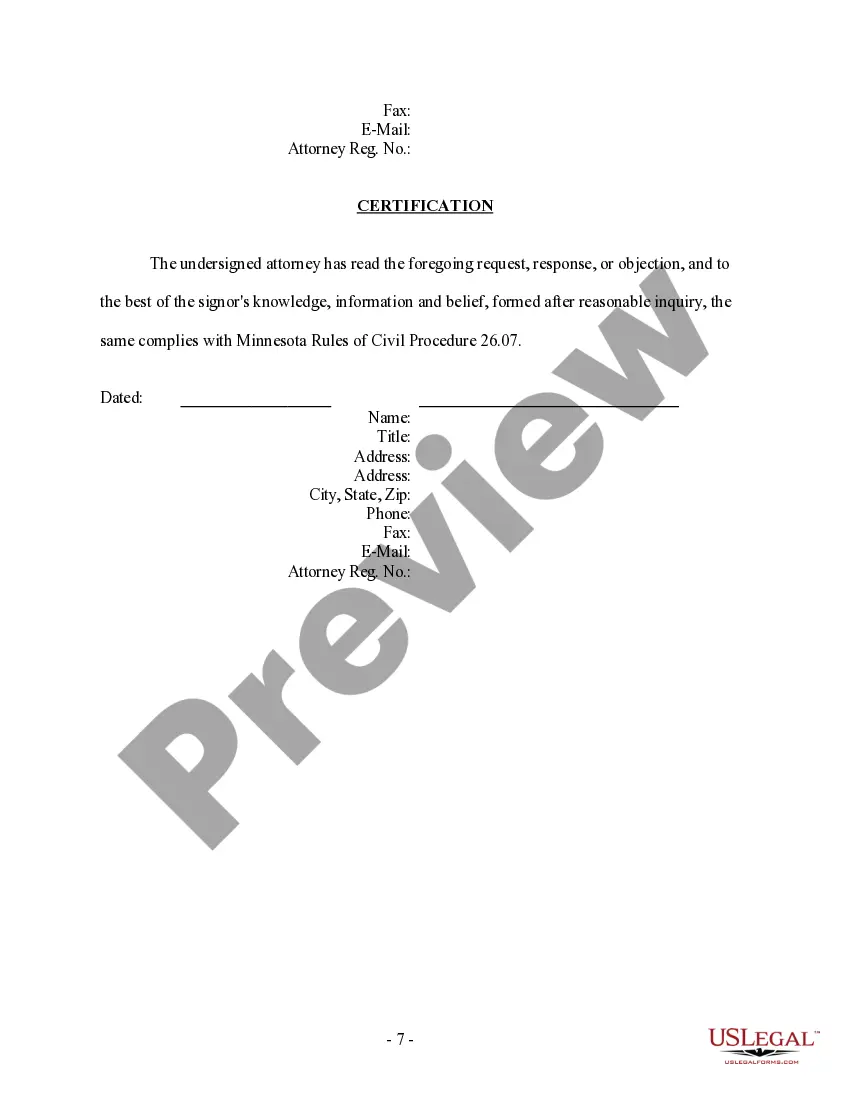
- Certification by the attorney confirming compliance with procedural rules.
- Instructions on how to answer the interrogatories and additional disclosures required.
- Required timelines for submission of responses and documents.

When to use this document
This form should be used during the discovery phase of a family law case. It is particularly relevant when one party needs to gather information from the other regarding finances, employment status, health records, and other personal details that may affect custody, support, or division of property. It is also applicable when preparing for mediation, settlement discussions, or trial.
Who this form is for
This form is intended for:
- Respondents in a family law case who need to reply to interrogatories set forth by the petitioner.
- Attorneys representing clients in family law disputes to ensure proper documentation and response to discovery requirements.
- Parties involved in child custody, divorce, or asset division cases needing to exchange critical information.
Instructions for completing this form
- Identify the parties involved, including the respondent and petitioner.
- Answer each interrogatory thoroughly, providing necessary details such as employment history, financial status, and medical treatment.
- Attach any requested documents as exhibits or additional evidence.
- Ensure answers are signed and certified by the individual providing the responses.
- Submit the completed form and documentation to the petitionerâs attorney within the specified timeline.
Does this form need to be notarized?
This form does not typically require notarization unless specified by local law. Ensure all responses are accurate and complete, as the verification by signature serves as affirmation of the information provided.
Get your form ready online
Our built-in tools help you complete, sign, share, and store your documents in one place.
Make edits, fill in missing information, and update formatting in US Legal Forms—just like you would in MS Word.
Download a copy, print it, send it by email, or mail it via USPS—whatever works best for your next step.
Sign and collect signatures with our SignNow integration. Send to multiple recipients, set reminders, and more. Go Premium to unlock E-Sign.
If this form requires notarization, complete it online through a secure video call—no need to meet a notary in person or wait for an appointment.
We protect your documents and personal data by following strict security and privacy standards.

Make edits, fill in missing information, and update formatting in US Legal Forms—just like you would in MS Word.

Download a copy, print it, send it by email, or mail it via USPS—whatever works best for your next step.

Sign and collect signatures with our SignNow integration. Send to multiple recipients, set reminders, and more. Go Premium to unlock E-Sign.

If this form requires notarization, complete it online through a secure video call—no need to meet a notary in person or wait for an appointment.

We protect your documents and personal data by following strict security and privacy standards.
Typical mistakes to avoid
- Failing to provide complete information or omitting relevant details in responses.
- Not submitting responses within the 30-day deadline.
- Neglecting to attach necessary documents or evidence requested in the interrogatories.
- Inadequate verification leading to issues with the validity of the responses.
Benefits of using this form online
- Convenience of downloading and completing the form at your own pace.
- Editability allows for easy updates as necessary information changes.
- Access to attorney-drafted templates ensures compliance with legal standards.
- Streamlined process aids in adhering to court timelines and requirements.
Main things to remember
- The form facilitates the exchange of information in family law cases.
- Timely and complete responses are crucial for legal compliance.
- Incorrect or incomplete information can affect the outcome of your case.
- The form adheres to Minnesota legal standards for family law discovery.
Looking for another form?


Form popularity
FAQ
Interrogatories are a part of the "discovery" stage of a civil case.During discovery, the parties request and exchange information and documents. Interrogatories and depositions form the bulk of the discovery process. Unlike many legal documents, interrogatories do not need to be filed with the court.
The number of questions included in an interrogatory is usually limited by court rule. For example, under the Federal Rules of Civil Procedure, each party may only ask each other party 25 questions via interrogatory unless the court gives permission to ask more.
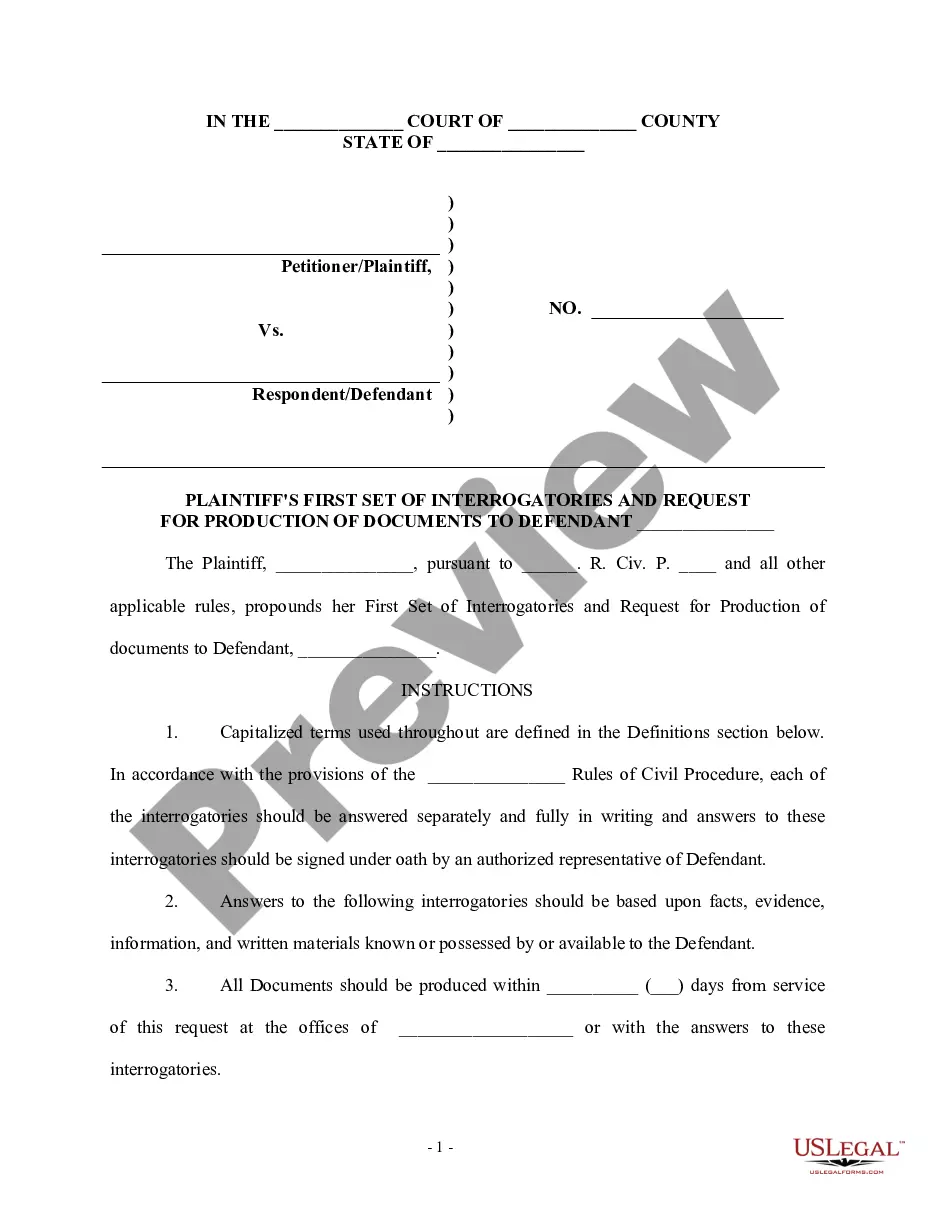
Interrogatories, which are written questions about things that are relevant or important to the case. (NRCP 33; JCRCP 33) Requests for production of documents or things, which are written requests that demand the other side provide particular documents or items.
You must answer each interrogatory separately and fully in writing under oath, unless you object to it. You must explain why you object. You must sign your answers and objections.
The purpose of interrogatories is to learn a great deal of general information about a party in a lawsuit. For example, the defendant in a personal injury lawsuit about a car accident might send you interrogatories asking you to disclose things like: Where you live. Where you work.
(1) Number. Unless otherwise stipulated or ordered by the court, a party may serve on any other party no more than 25 written interrogatories, including all discrete subparts. Leave to serve additional interrogatories may be granted to the extent consistent with Rule 26(b)(1) and (2).
Interrogatories ask questions; the responding party provides written answers. A request for production of documents requests the production of documents (or other tangible things); the responding party provides documents.
In certain cases, you might be able to write a letter to the other side and request the documents that you need. However, in more formal cases, you will likely have to draft more formal discovery demands. There are usually forms available for this in local law libraries, from the court clerk's office, or online.
Interrogatories Interrogatories are written questions that are sent by one party to another.Requests for production are the means by which you can ask the other party to make copies of documents, photographs, records, etc. and to request the inspection of property.