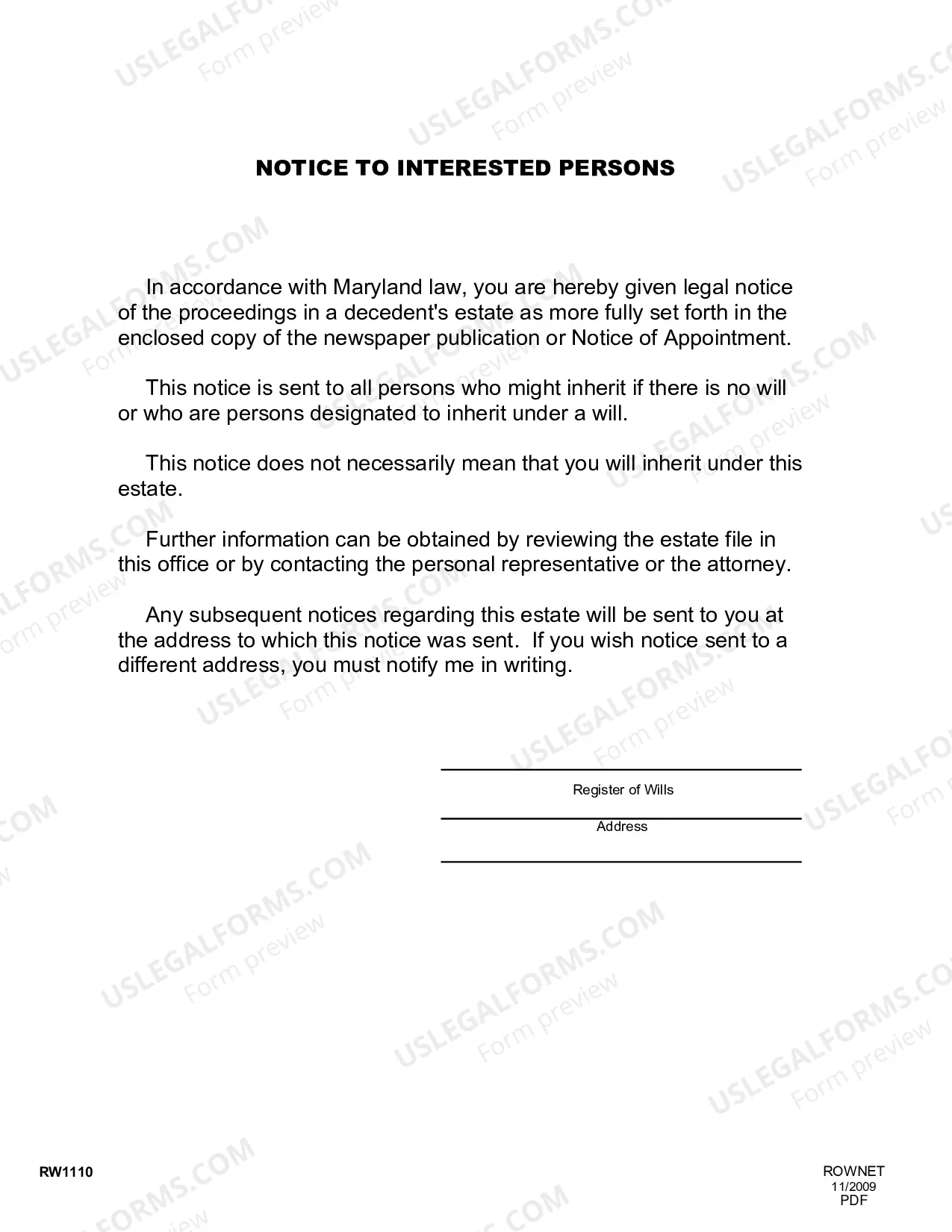
Employment Agreement to be Signed by Employee regarding employment terms
About this form
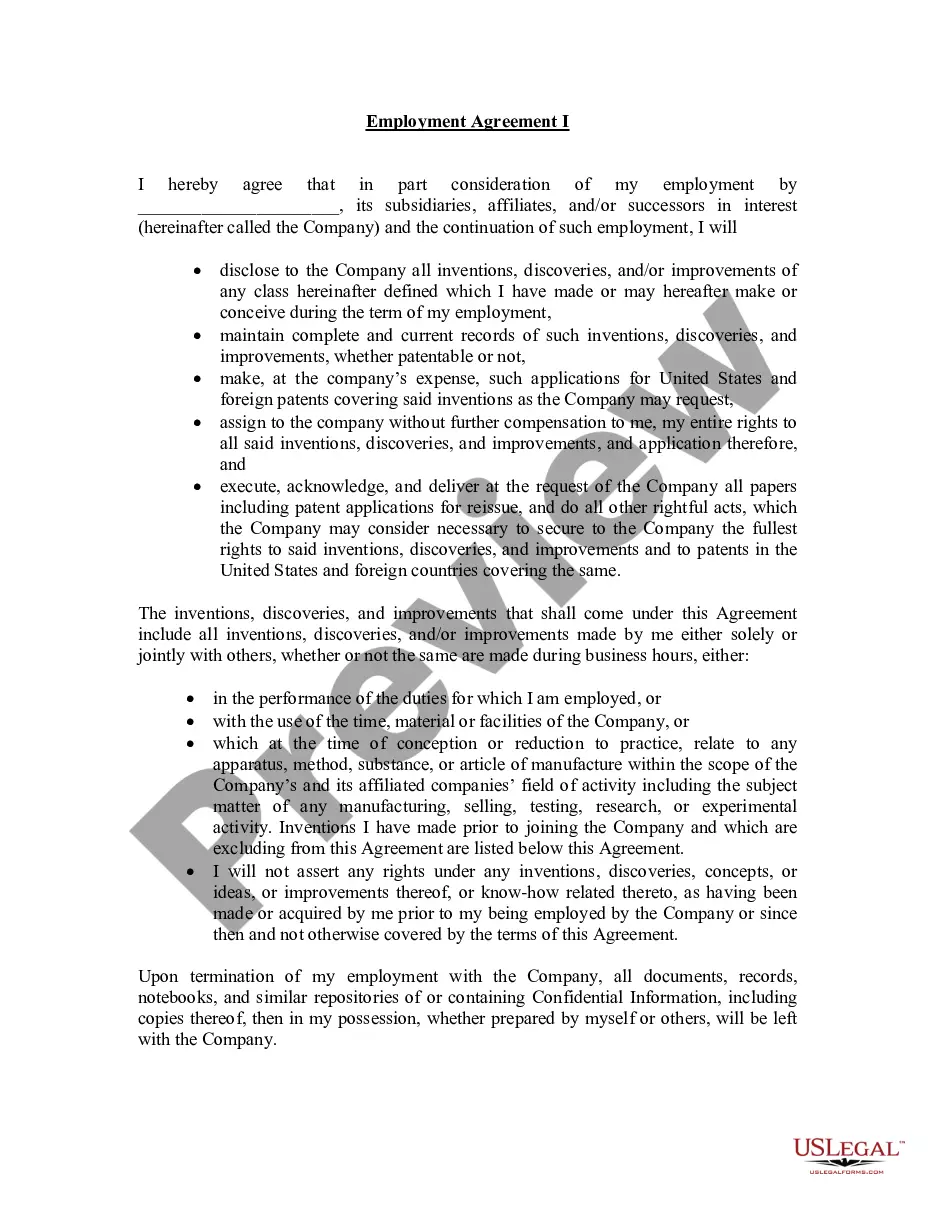
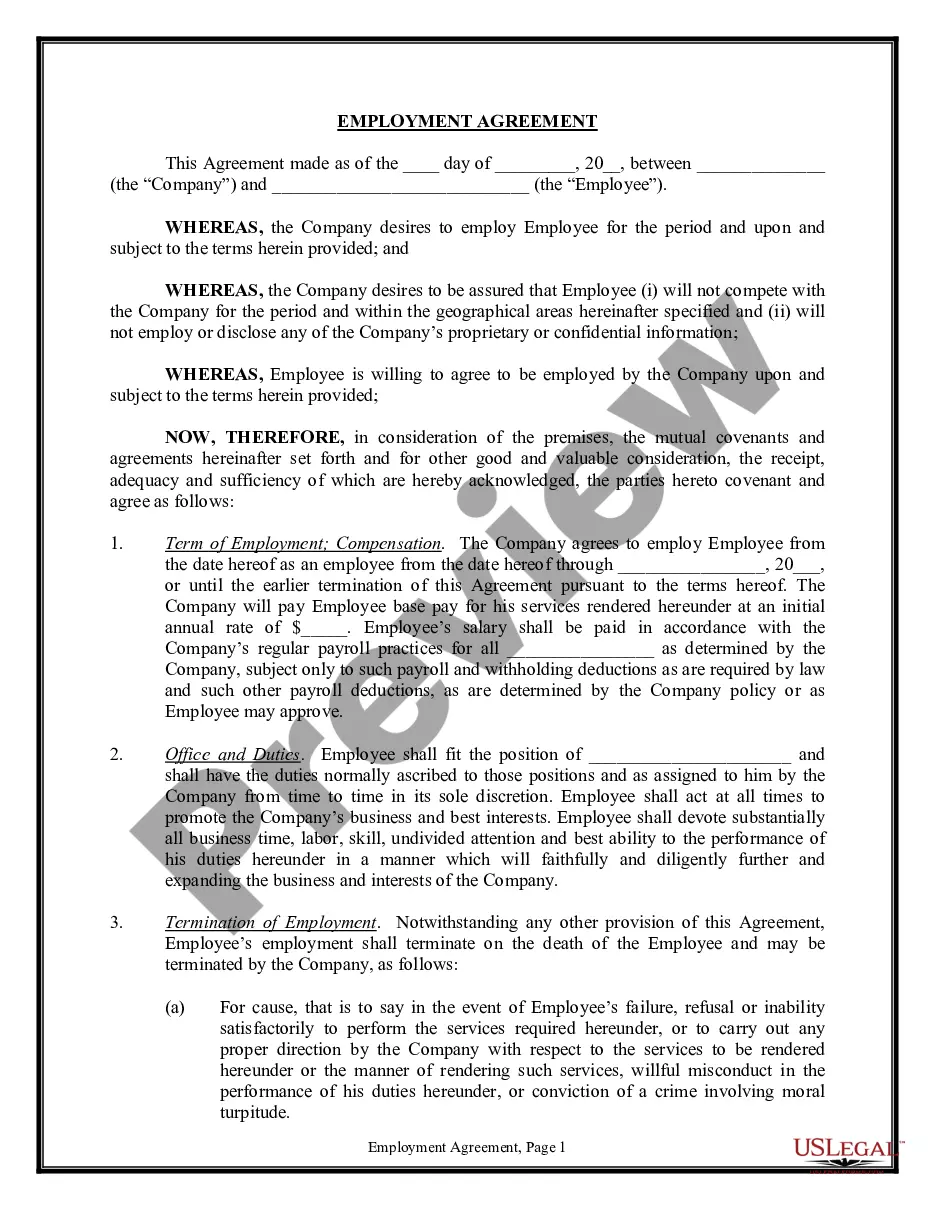
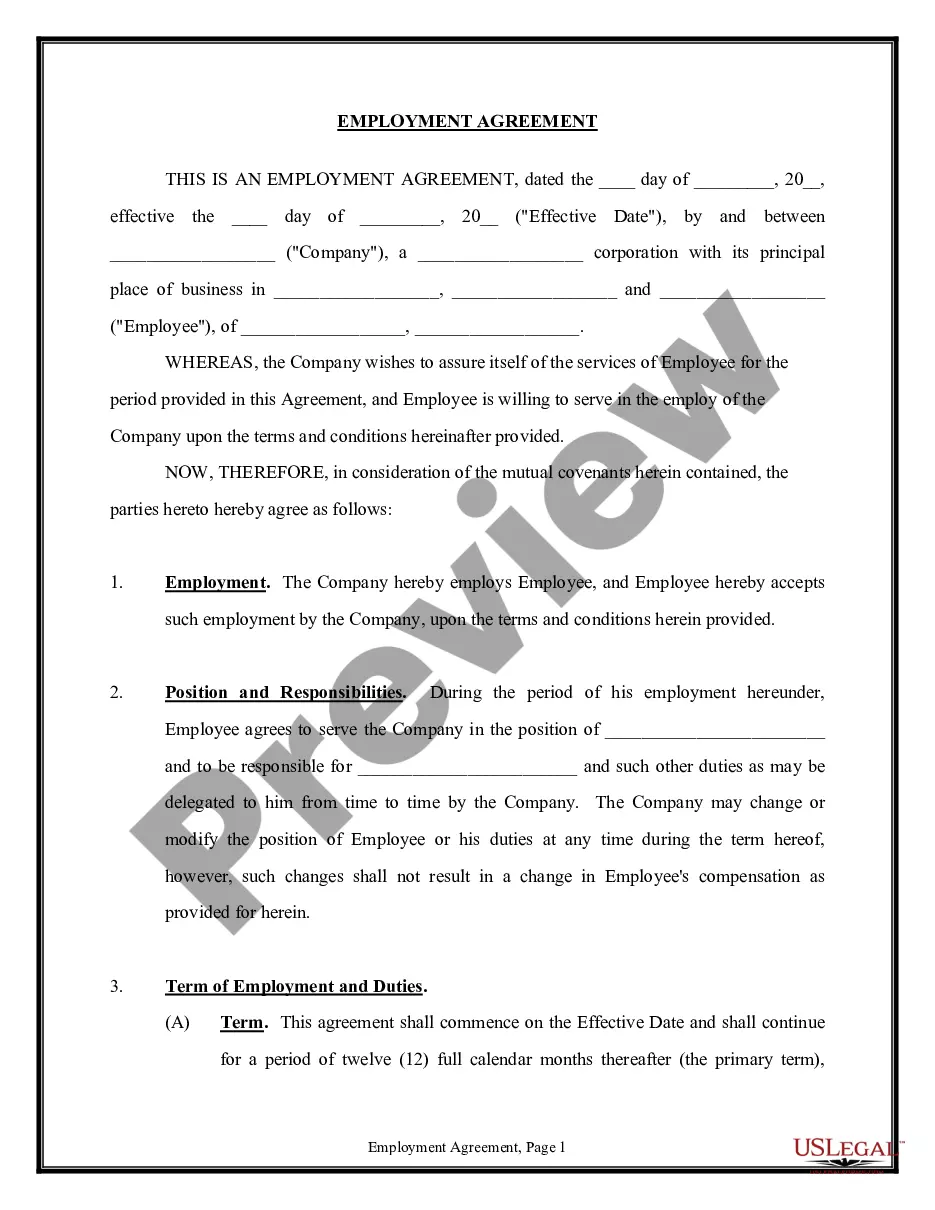
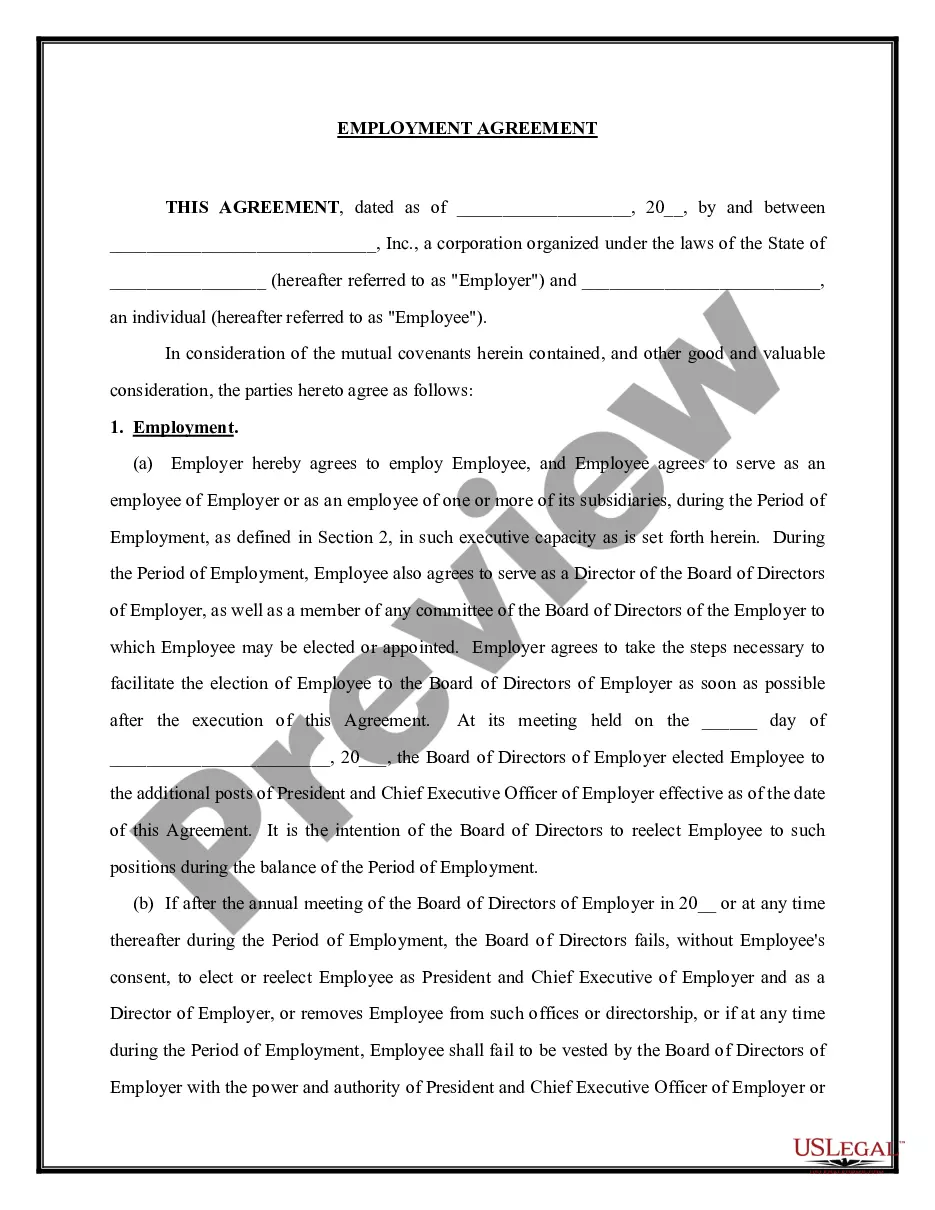
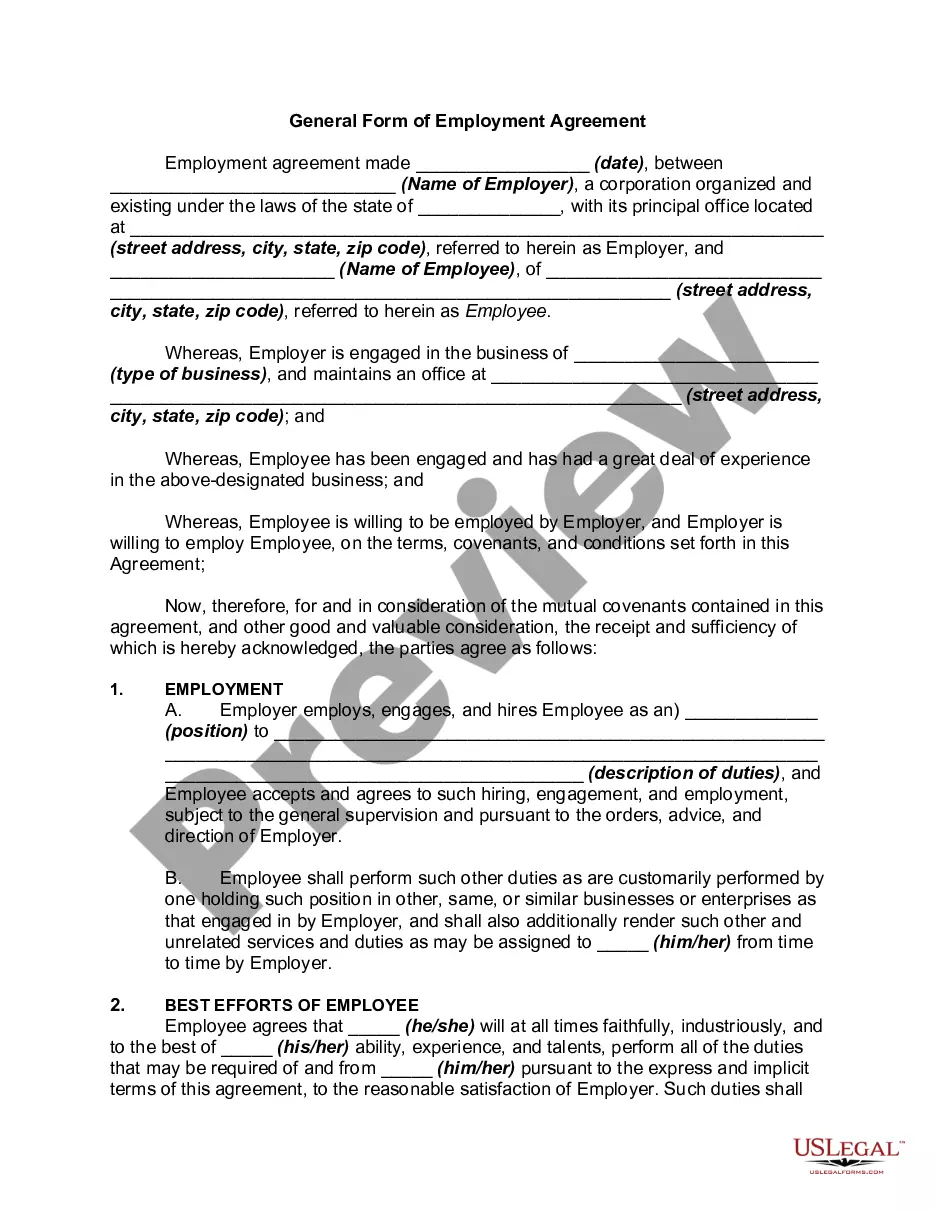
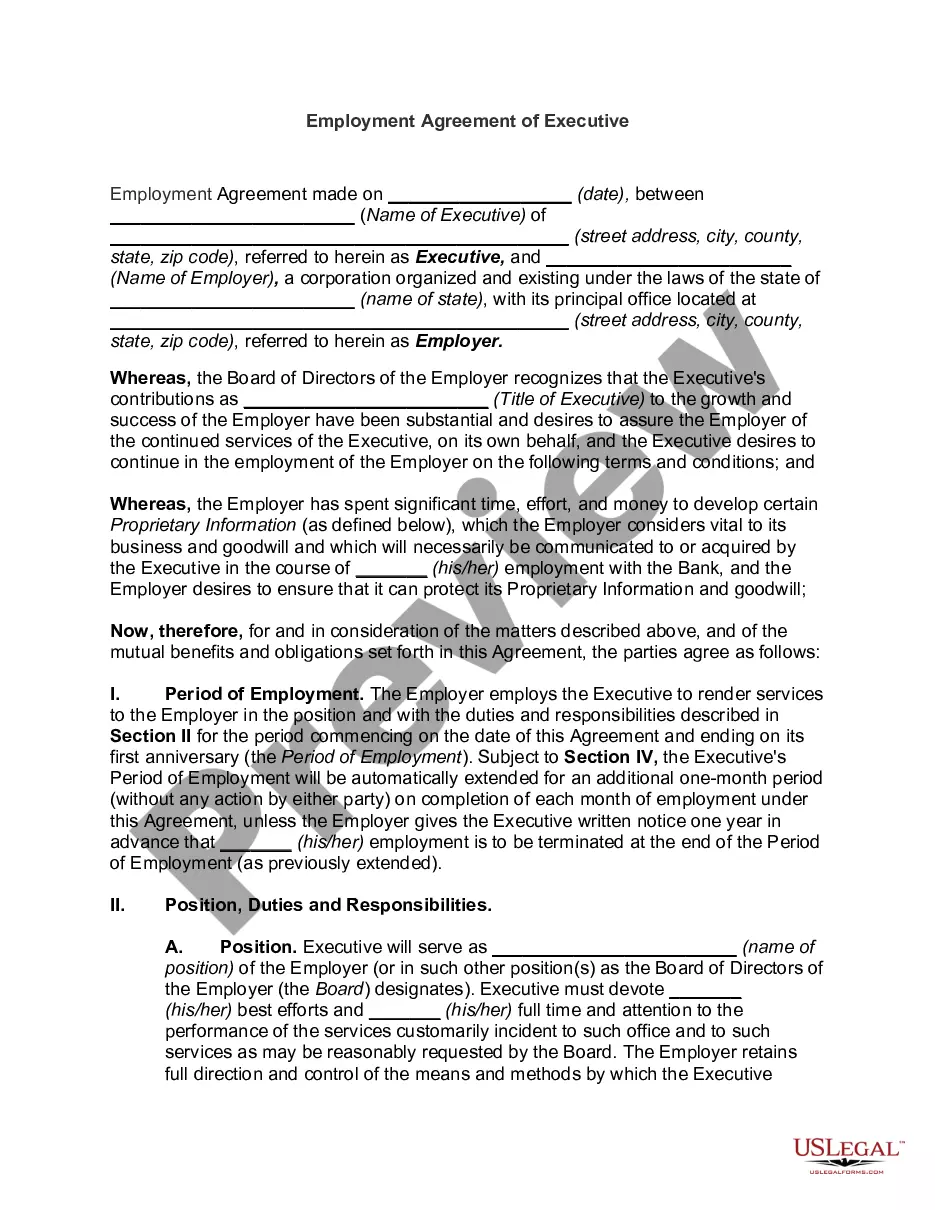
The Employment Agreement to be Signed by Employee regarding employment terms is a document that outlines the relationship between an employee and employer, specifically regarding ownership of inventions and confidentiality duties during and after employment. Unlike other employment documents, this agreement focuses on intellectual property and proprietary information, ensuring that any creations made during employment are assigned to the company, thereby protecting the employer's interests.
Key components of this form
- Definition of inventions and intellectual property coverage during employment.
- Obligations of the employee to disclose inventions and maintain records.
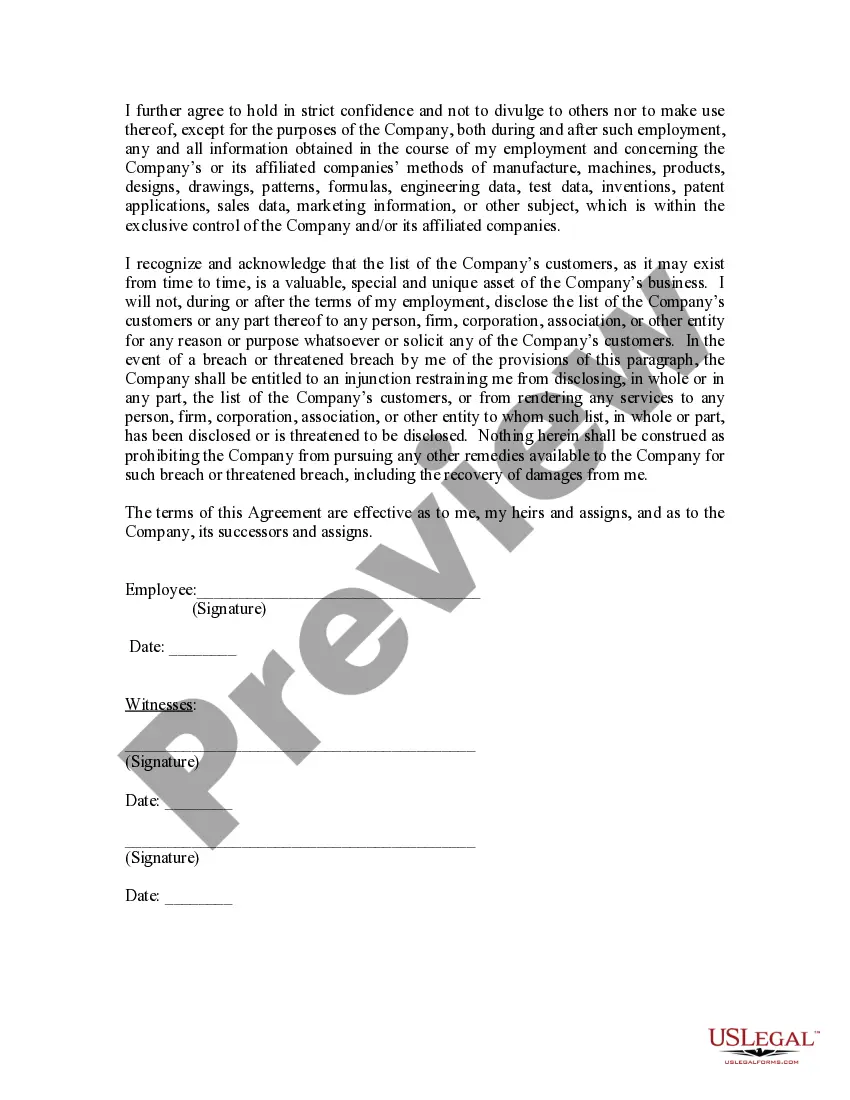
- Confidentiality clauses regarding company information and customer lists.
- Provisions regarding the assignment of rights to inventions made by the employee.
- Requirements for signature and acknowledgment by both employee and witnesses.
When this form is needed
This form should be used when an individual is entering into a formal employment relationship where they will be creating intellectual property. It is crucial for roles in industries such as technology, research and development, or any field where proprietary information or inventions are likely to be generated. This agreement helps clarify the expectations and legal responsibilities concerning any innovations made during the term of employment.
Intended users of this form
This form is intended for:
- Employers who need to protect their intellectual property created by employees.
- Employees in roles involving research, development, or creation of new products.
- Companies looking to establish clear terms regarding confidentiality and invention ownership.
Steps to complete this form
- Enter the name of the company in the designated space.
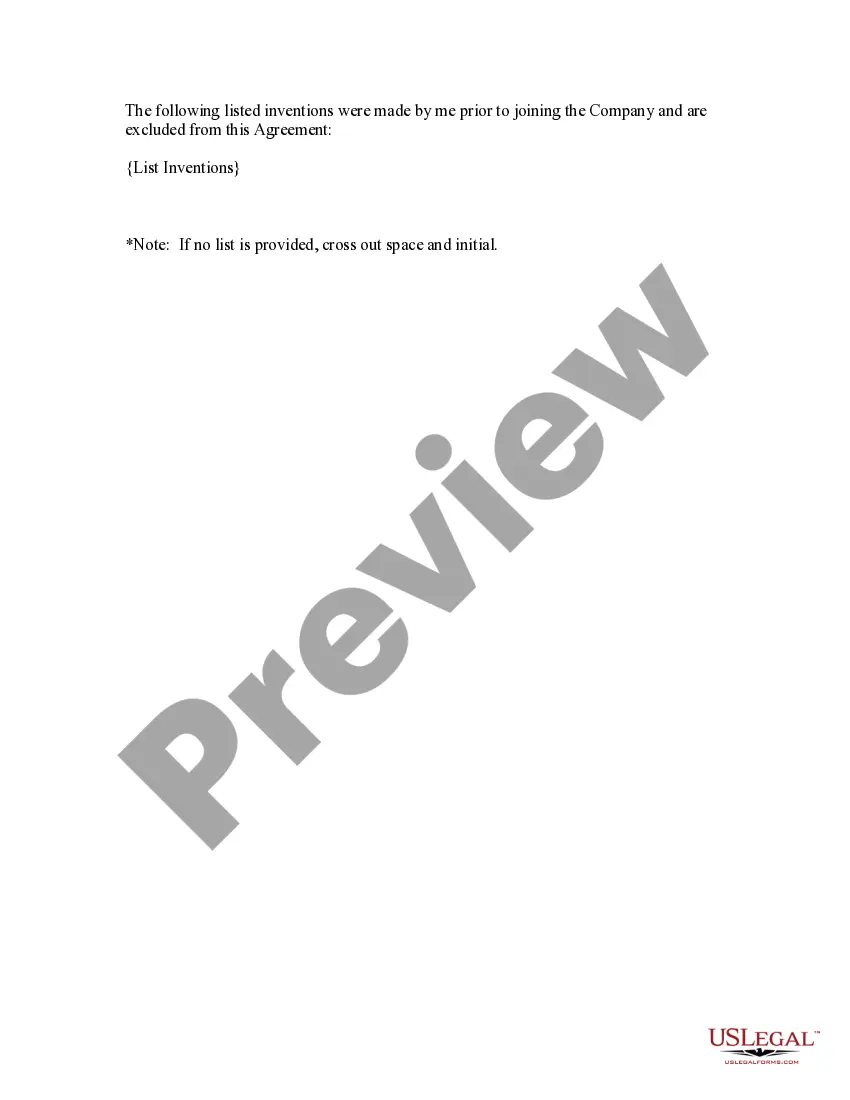
- Review the section regarding prior inventions to ensure clarity on excluded items.
- Sign the agreement in the employee signature area and provide the date.
- Obtain two witness signatures and corresponding dates in the designated spaces.
- Ensure all confidential information and inventions are documented as required.
Does this document require notarization?
Notarization is generally not required for this form. However, certain states or situations might demand it. You can complete notarization online through US Legal Forms, powered by Notarize, using a verified video call available anytime.
Get your form ready online
Our built-in tools help you complete, sign, share, and store your documents in one place.
Make edits, fill in missing information, and update formatting in US Legal Forms—just like you would in MS Word.
Download a copy, print it, send it by email, or mail it via USPS—whatever works best for your next step.
Sign and collect signatures with our SignNow integration. Send to multiple recipients, set reminders, and more. Go Premium to unlock E-Sign.
If this form requires notarization, complete it online through a secure video call—no need to meet a notary in person or wait for an appointment.
We protect your documents and personal data by following strict security and privacy standards.

Make edits, fill in missing information, and update formatting in US Legal Forms—just like you would in MS Word.

Download a copy, print it, send it by email, or mail it via USPS—whatever works best for your next step.

Sign and collect signatures with our SignNow integration. Send to multiple recipients, set reminders, and more. Go Premium to unlock E-Sign.

If this form requires notarization, complete it online through a secure video call—no need to meet a notary in person or wait for an appointment.

We protect your documents and personal data by following strict security and privacy standards.
Typical mistakes to avoid
- Failing to list prior inventions that are not covered by the agreement.
- Not signing the document in the presence of witnesses.
- Omitting required information about the company or inventions.
Benefits of using this form online
- Convenient access to legal forms without needing to visit a lawyer's office.
- Easy to download and fill out at your own pace.
- Customization options are often available to tailor the agreement to specific needs.
What to keep in mind
- The Employment Agreement protects both the company's intellectual property and the employee's rights.
- Clear areas for listing prior inventions help avoid future legal complications.
- Confidentiality clauses are essential for protecting sensitive information during and after employment.
Looking for another form?









Form popularity
FAQ
An employment contract is a signed agreement between an individual employee and an employer or a labor union. It establishes both the rights and responsibilities of the two parties: the worker and the company.
Right to a safe workplace free of dangerous conditions, toxic substances, and other potential safety hazards; Right to be free from retaliation for filing a claim or complaint against an employer (these are sometimes called "whistleblower" rights); and. Right to fair wages for work performed.
Contract Types Overview. Express and Implied Contracts. Unilateral and Bilateral Contracts. Unconscionable Contracts. Adhesion Contracts. Aleatory Contracts. Option Contracts. Fixed Price Contracts.
What are contract workers? A contract worker, also known as an independent contractor or 1099 employee (based on the 1099 tax form they receive), is an individual who enters into a contractual agreement with a business in order to provide a service in exchange for a fee.
Fixed price contracts. With a fixed price contract the buyer (that's you) doesn't take on much risk. Cost-reimbursable contracts. With a cost-reimbursable contract you pay the vendor for the actual cost of the work. Time and materials contracts.
Types of Employment Contracts: Permanent employment, temporary employment and independent contractors.
Job information. Compensation and benefits. Time off, sick days, and vacation policy. Employee classification. The schedule and employment period. Confidentiality agreement. A technology privacy policy. Termination terms and conditions.
There are three types of employment status: employee, worker and self-employed. The three are often not in practice used correctly and the difference is not always known.
Unfortunately, yes. Companies with sufficient knowledge and understanding, can use an employment contract to their advantage by requiring its employees to sign one-sided contracts that essentially reduce the legal rights of those employees.