Conflict of Interest Policy
Overview of this form
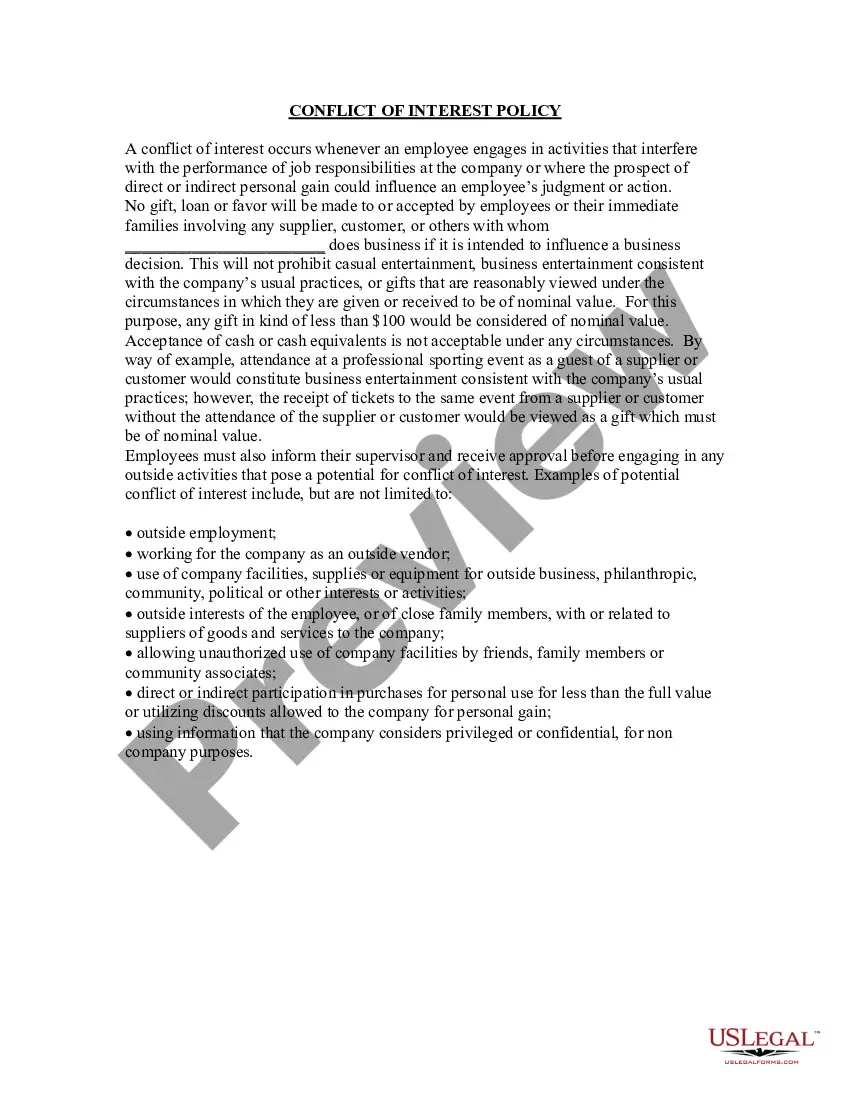
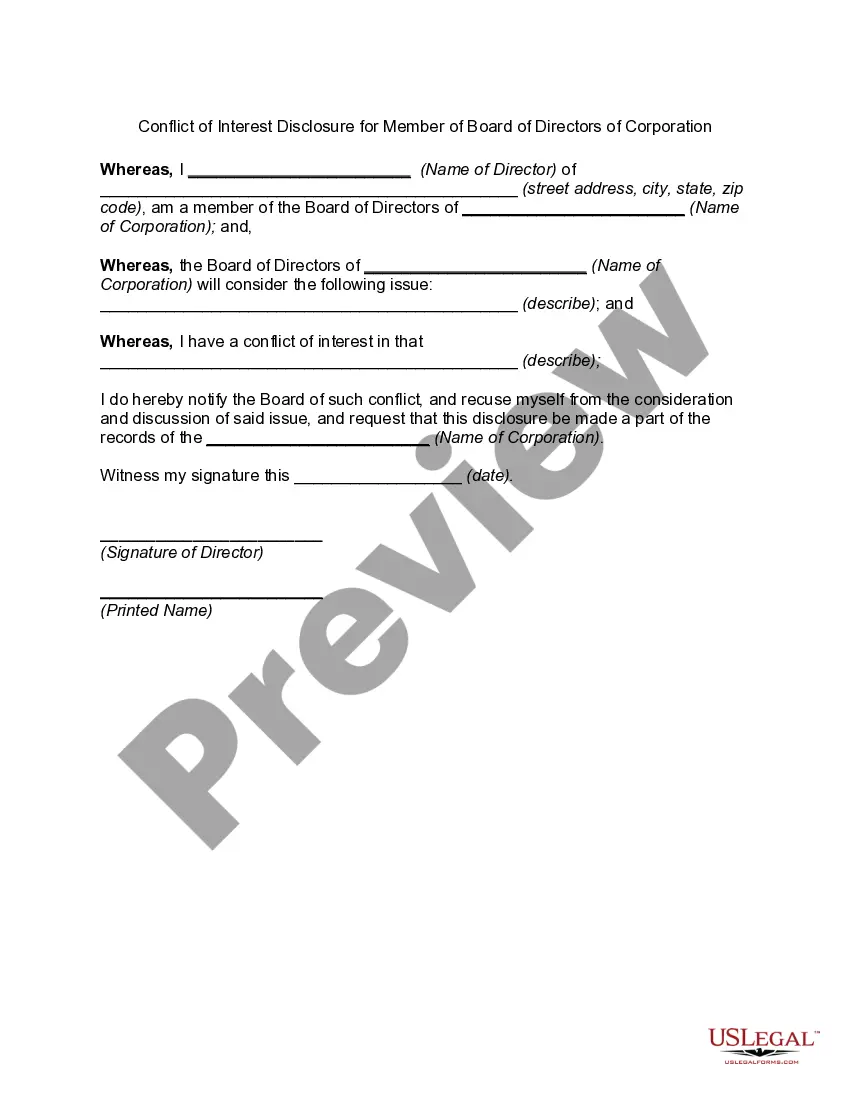
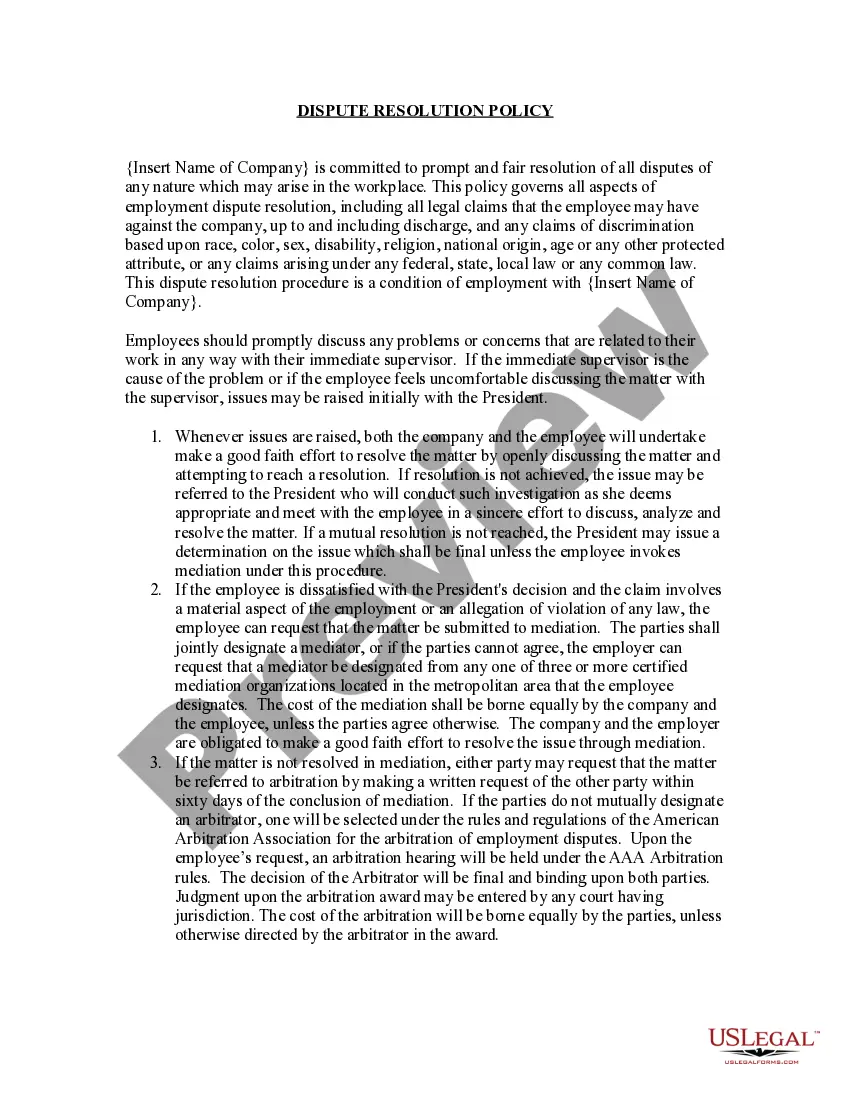
The Conflict of Interest Policy is a formal document that outlines the potential situations in which an employee's outside activities might conflict with the company's goals. It helps establish clear guidelines to prevent any actions that could negatively influence company decisions. Unlike other workplace policies, this form specifically addresses the acceptance of gifts and outside activities that may impair an employee's judgment or responsibilities.
What’s included in this form
- Definition of conflict of interest and related situations.
- Guidelines for accepting gifts, loans, or favors from external parties.
- Details about nominal value limits for gifts.
- Clarification on acceptable business entertainment.
- Examples to illustrate acceptable versus unacceptable gifts.
When to use this document
This form should be used when establishing or reviewing company policies regarding conflicts of interest. It is essential for organizations that want to ensure employees are aware of the ethical standards expected in the workplace. Utilizing this form helps prevent future legal issues related to conflicts of interest, ensuring that all employees act in the company's best interests.
Who this form is for
- Employers looking to implement a conflict of interest policy.
- Human resources professionals responsible for workplace policies.
- Employees to understand their rights and responsibilities concerning outside activities.
- Legal teams seeking to ensure compliance with ethical standards.
Instructions for completing this form
- Clearly define situations that may lead to conflicts of interest.
- Outline any restrictions regarding the acceptance of gifts and entertainment.
- Set parameters for what constitutes business entertainment vs. gifts.
- Specify the reporting process for potential conflicts.
- Ensure all employees read and acknowledge receipt of the policy.
Notarization requirements for this form
This form does not typically require notarization unless specified by local law. However, ensuring that all employees are informed and have acknowledged the policy is crucial for compliance and enforcement.
Get your form ready online
Our built-in tools help you complete, sign, share, and store your documents in one place.
Make edits, fill in missing information, and update formatting in US Legal Forms—just like you would in MS Word.
Download a copy, print it, send it by email, or mail it via USPS—whatever works best for your next step.
Sign and collect signatures with our SignNow integration. Send to multiple recipients, set reminders, and more. Go Premium to unlock E-Sign.
If this form requires notarization, complete it online through a secure video call—no need to meet a notary in person or wait for an appointment.
We protect your documents and personal data by following strict security and privacy standards.

Make edits, fill in missing information, and update formatting in US Legal Forms—just like you would in MS Word.

Download a copy, print it, send it by email, or mail it via USPS—whatever works best for your next step.

Sign and collect signatures with our SignNow integration. Send to multiple recipients, set reminders, and more. Go Premium to unlock E-Sign.

If this form requires notarization, complete it online through a secure video call—no need to meet a notary in person or wait for an appointment.

We protect your documents and personal data by following strict security and privacy standards.
Common mistakes
- Failing to define what constitutes a conflict of interest adequately.
- Not including examples that clarify policy intent.
- Overlooking the importance of employee acknowledgment of policy receipt.
- Being vague about the handling of gifts and entertainment.
Benefits of completing this form online
- Instant access to customizable legal templates.
- Ability to download, fill out, and store the document securely.
- Convenience of editing the policy to fit specific organizational needs.
- Reliability by utilizing forms drafted by licensed attorneys.
- The policy is enforceable as a part of employment agreements and onboarding processes.
- Failure to comply with the policy can result in disciplinary action, including termination.
- Employees should be aware of legal implications regarding conflicts of interest under state and federal law.
Key takeaways
- The Conflict of Interest Policy is essential for maintaining integrity within the organization.
- Clear guidelines help employees understand acceptable practices regarding external engagements and gifts.
- Regular training and communication are vital for effective implementation of the policy.
Looking for another form?

Form popularity
FAQ
The perception of conflict of interests is as harmful to public institutions as they undermine trust in public institutions and representatives, raise doubts about their fairness and damage the credibility of public decision and policy-making processes.
Hiring an unqualified relative to provide services your company needs. Starting a company that provides services similar to your full-time employer. Failing to disclose that you're related to a job candidate the company is considering hiring.
What Is a Conflict of Interest? A conflict of interest involves a person or entity that has two relationships competing with each other for the person's loyalty. For example, the person might have a loyalty to an employer and also loyalty to a family business.
Disclosures The COI statements should list each author separately by name. If multiple authors declare no conflict, this can be done in one sentence: Conflict of interest: John Smith, Paula Taylor, and Mike Schultz declare that they have no conflict of interest.
Severing relationships that create real or potential conflicts of interest; declaring a conflict(s) of interest in a meeting if the researcher believes there is an issue under discussion where the researcher has, or might reasonably be perceived to have, a conflict of interest (and not taking part in the discussion);
A Declaration of Conflicting Interests policy refers to a formal policy a journal may have to require a conflict of interest statement or conflict of interest disclosure from a submitting or publishing author.The issue is particularly sensitive when such interests are private and/or may result in personal gain.
What is a Conflict of Interest? A conflict of interest occurs when an individual's personal interests family, friendships, financial, or social factors could compromise his or her judgment, decisions, or actions in the workplace. Government agencies take conflicts of interest so seriously that they are regulated.
If no conflict exists, you can state that The Author(s) declare(s) that there is no conflict of interest. If there are potential conflicts of interest, we highly encourage each author to identify and declare clearly to avoid any future investigations by the publisher.