Jury Instruction - Wire Fraud - Depriving Another Of Intangible Right Of Honest Services
What this document covers
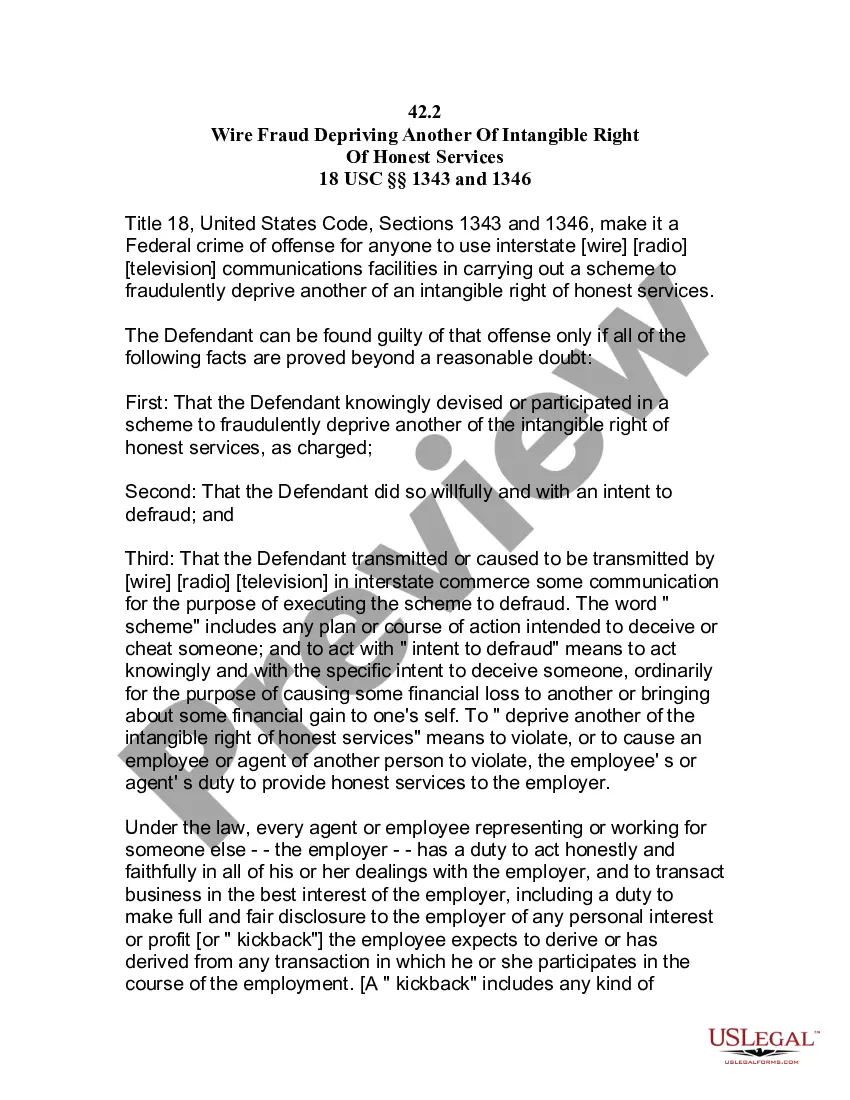
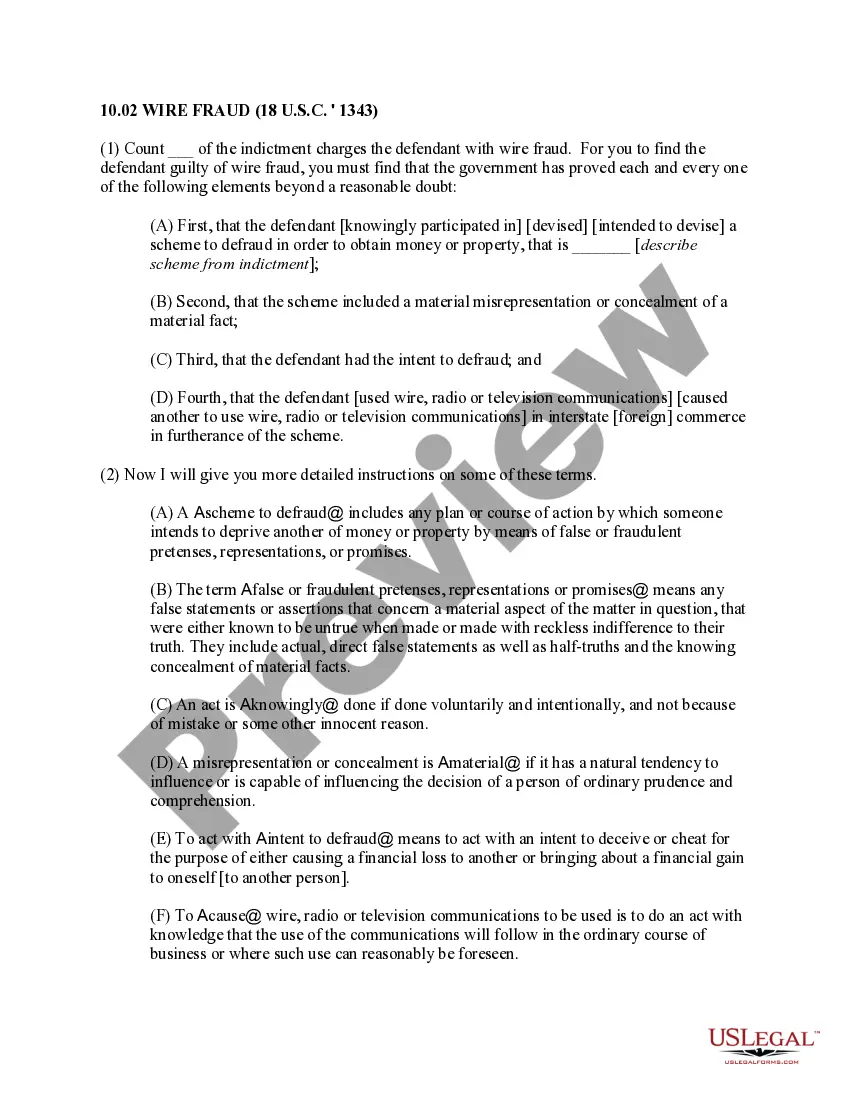
This form provides sample jury instructions related to wire fraud, specifically concerning the deprival of another personâs intangible right to honest services. It is designed to assist in legal proceedings but should be adapted to suit specific cases. Unlike generic instructions, this form includes relevant federal law interpretations found under 18 USC Sections 1343 and 1346, addressing schemes that defraud individuals of honest services through deceitful practices using interstate wire communications.
Key parts of this document
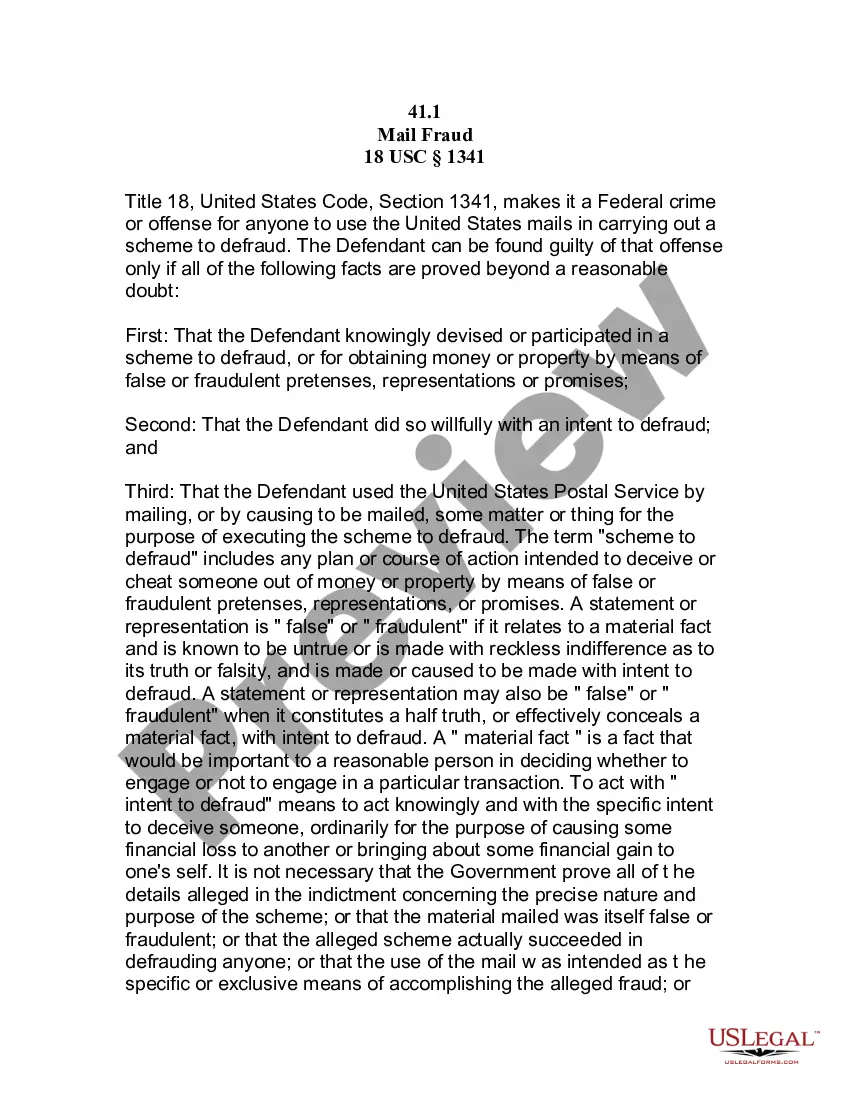
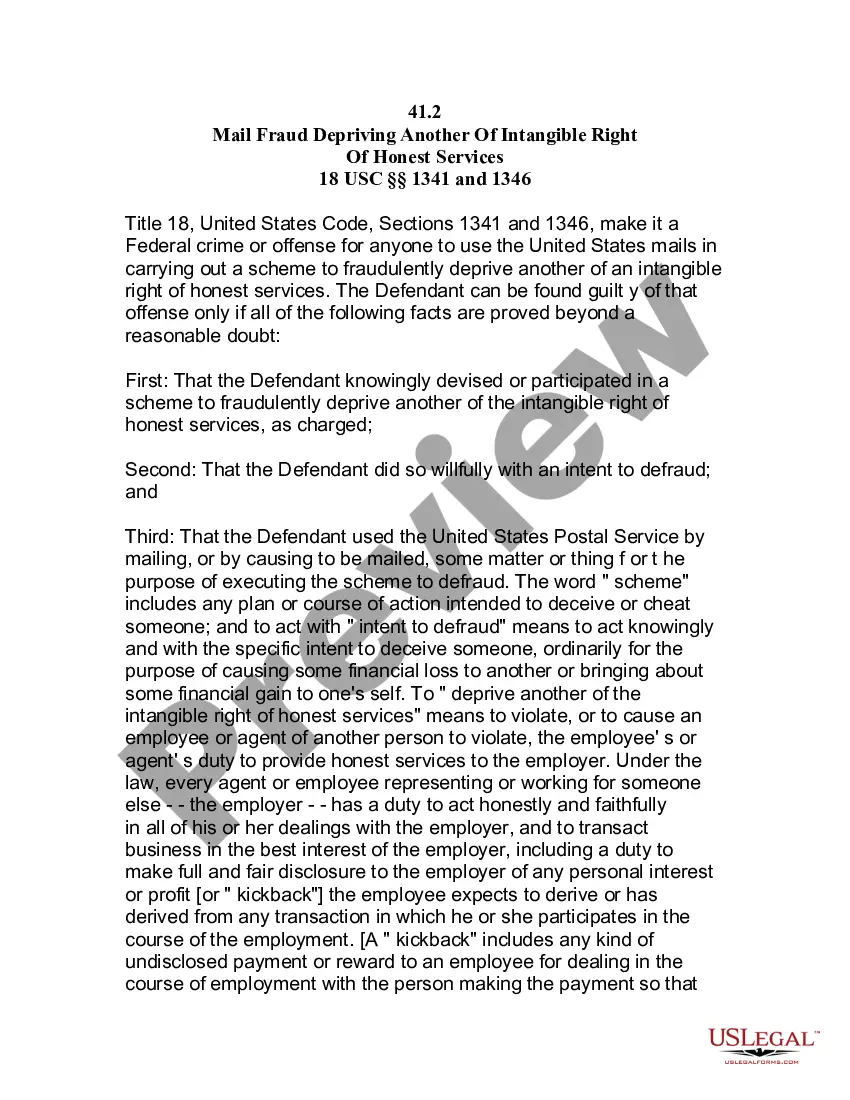
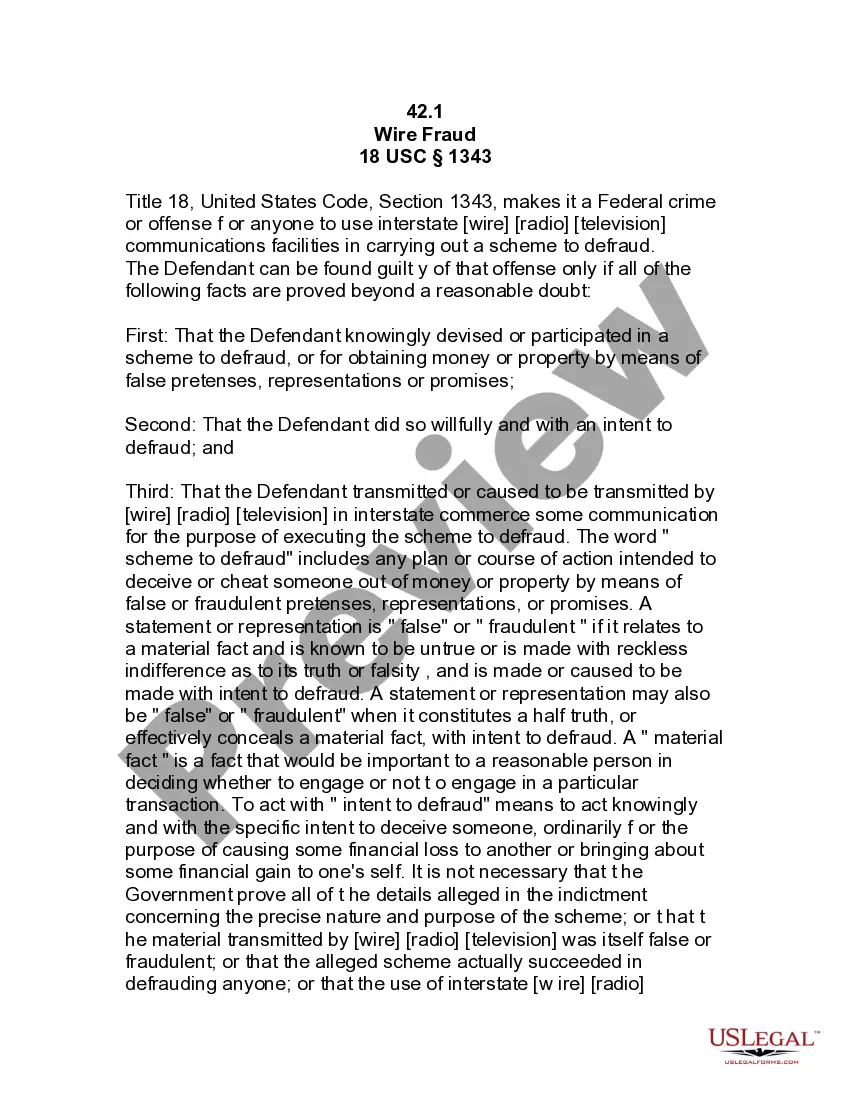
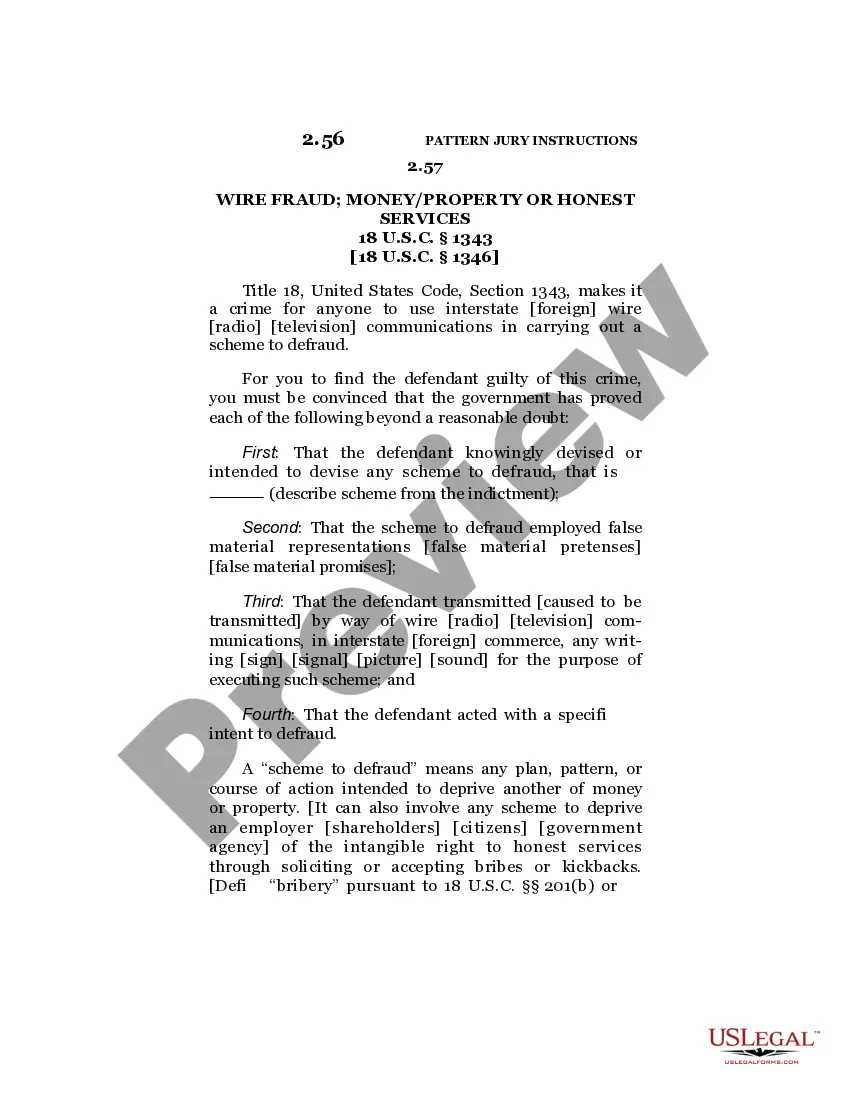
- Definition of wire fraud and its relation to honest services.
- Criteria for establishing guilt, including intent and actions of the defendant.
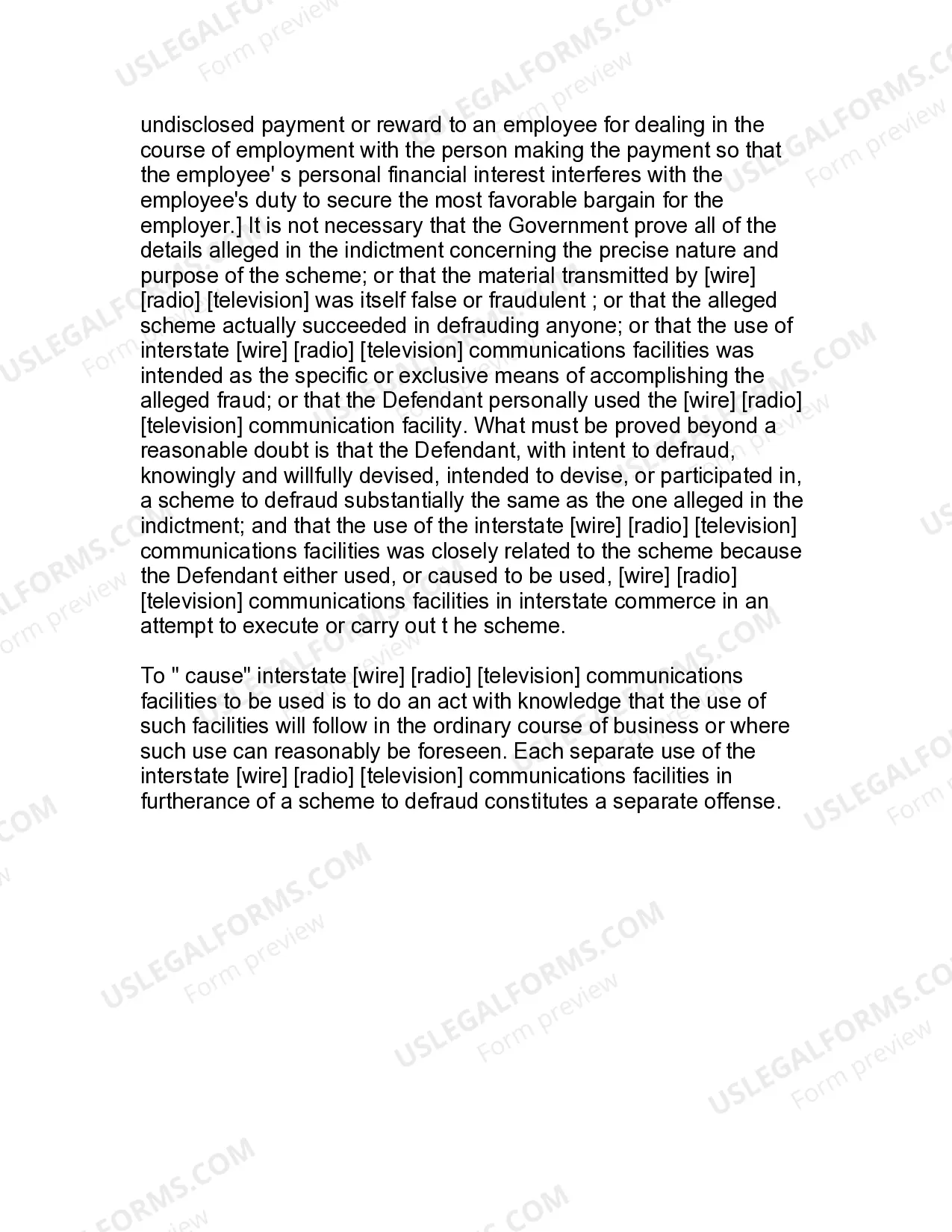
- Details on what constitutes a "scheme" under federal law.
- Clarification on the role of wire communications in committing fraud.
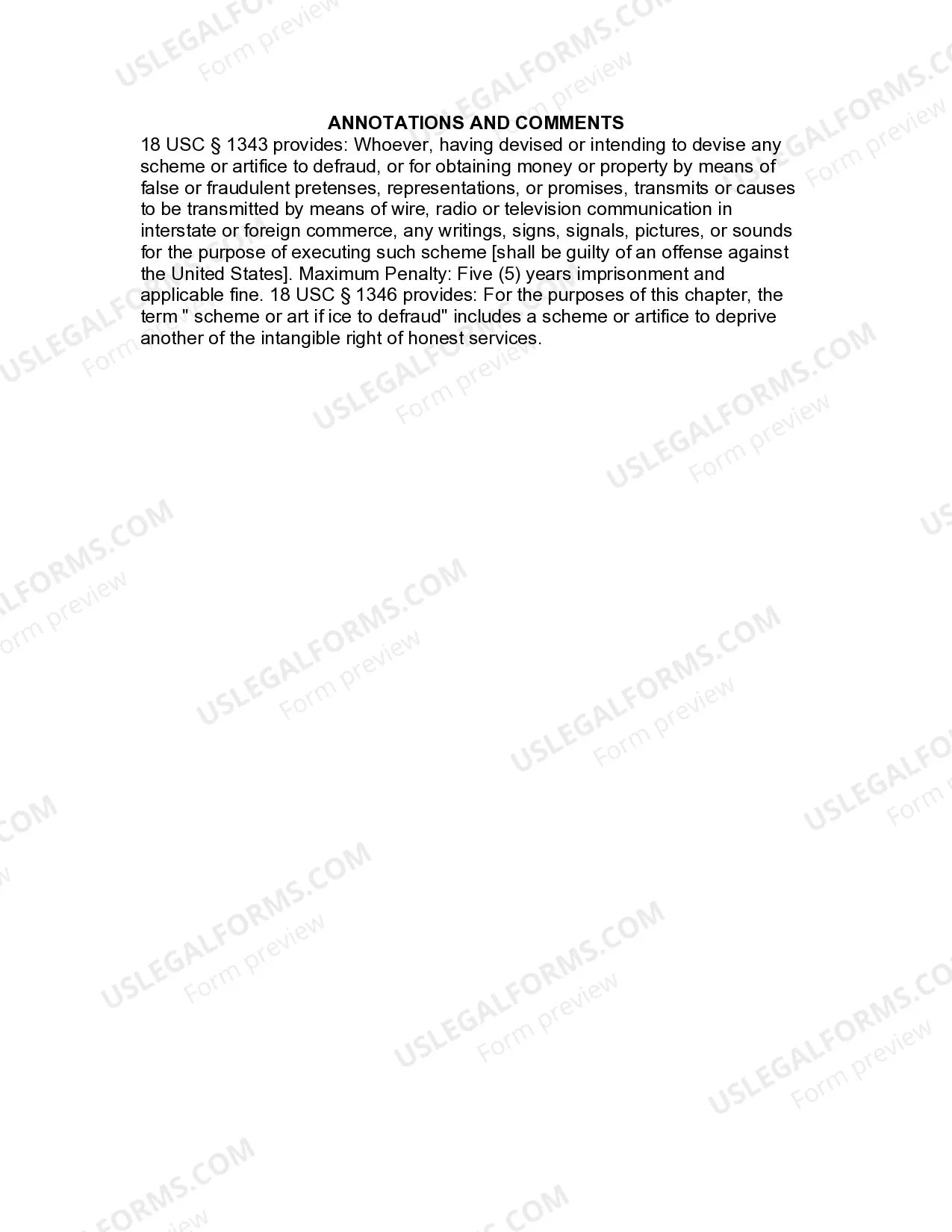
- Maximum penalties for violations.
When to use this form
This jury instruction form should be used during federal criminal trials where wire fraud charges stem from actions that involve depriving another individual of the intangible right to honest services. It can guide jurors on the necessary elements to consider when evaluating evidence presented in cases of alleged fraud involving false representations or misconduct in professional duties.
Who this form is for
- Prosecutors working on federal wire fraud cases.
- Defense attorneys representing clients accused of wire fraud.
- Judges overseeing cases where jury instructions need to be provided on wire fraud laws.
- Legal educators designing curriculum on fraud cases and jury processes.
How to prepare this document
- Review the legal standards set by 18 USC Sections 1343 and 1346.
- Tailor the jury instructions to fit the specific details of the case being tried.
- Ensure all elements of a wire fraud crime are adequately addressed within the instructions.
- Consult with legal counsel to modify language for clarity and relevance.
- Present the instructions to the judge for approval before submission to the jury.
Does this document require notarization?
This form does not typically require notarization unless specified by local law or court rules. Ensure to verify any jurisdiction-specific requirements before use.
Get your form ready online
Our built-in tools help you complete, sign, share, and store your documents in one place.
Make edits, fill in missing information, and update formatting in US Legal Forms—just like you would in MS Word.
Download a copy, print it, send it by email, or mail it via USPS—whatever works best for your next step.
Sign and collect signatures with our SignNow integration. Send to multiple recipients, set reminders, and more. Go Premium to unlock E-Sign.
If this form requires notarization, complete it online through a secure video call—no need to meet a notary in person or wait for an appointment.
We protect your documents and personal data by following strict security and privacy standards.

Make edits, fill in missing information, and update formatting in US Legal Forms—just like you would in MS Word.

Download a copy, print it, send it by email, or mail it via USPS—whatever works best for your next step.

Sign and collect signatures with our SignNow integration. Send to multiple recipients, set reminders, and more. Go Premium to unlock E-Sign.

If this form requires notarization, complete it online through a secure video call—no need to meet a notary in person or wait for an appointment.

We protect your documents and personal data by following strict security and privacy standards.
Common mistakes
- Failing to specifically outline each element of the offense.
- Using vague language that may confuse jury members.
- Neglecting to modify instructions based on case specifics.
- Ignoring the need for clarity around terms related to âintangible rights.â
Benefits of using this form online
- Convenience of downloading and customizing the form as needed.
- Access to legal templates reviewed by licensed attorneys.
- Streamlined process for obtaining legally sound forms quickly.
- Reduced risk of errors compared to self-drafting paperwork.
Legal use & context
- Enforceable in federal courts for wire fraud cases.
- Guidelines must be tailored to match the specifics of individual cases.
- Successful prosecution requires proof of intent to defraud.
What to keep in mind
- This form is essential for delivering jury instructions on wire fraud cases involving honest services.
- Adapting the instructions for each case is critical for clarity and legality.
- Prosecution and defense can effectively use this form to ensure jury members understand the nuances of wire fraud laws.
Looking for another form?
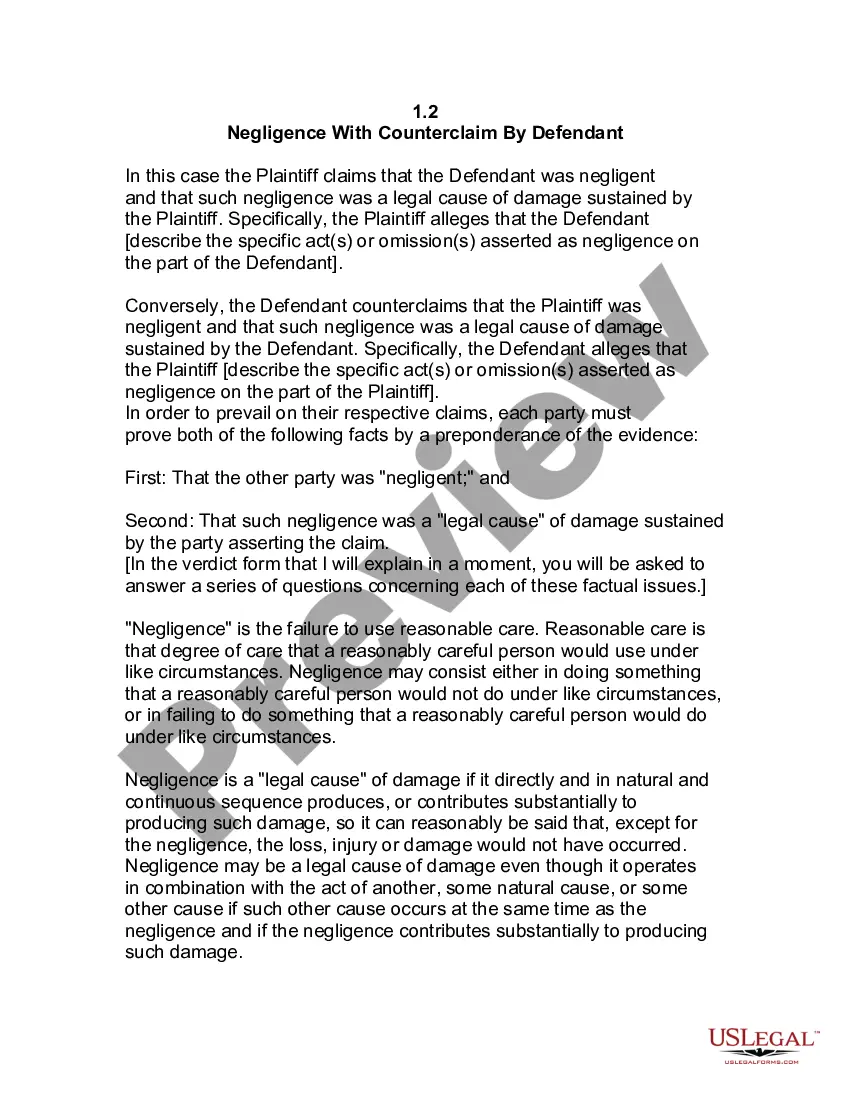
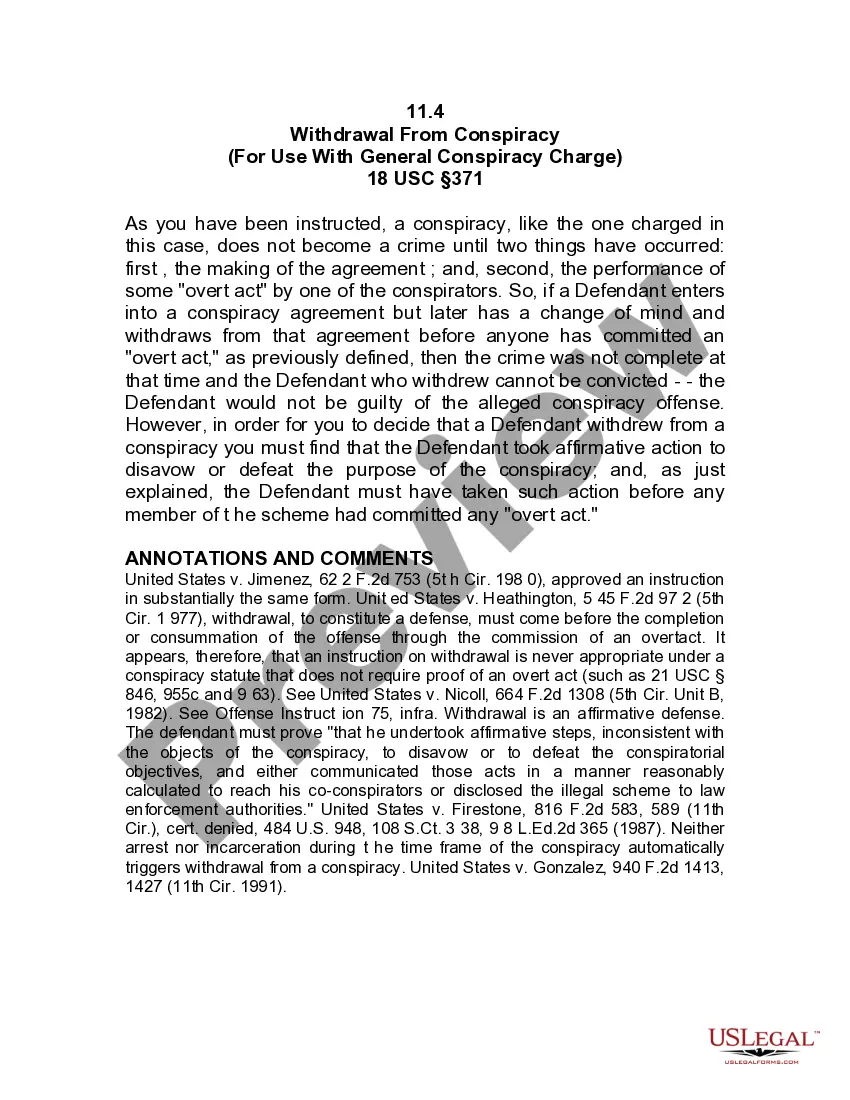

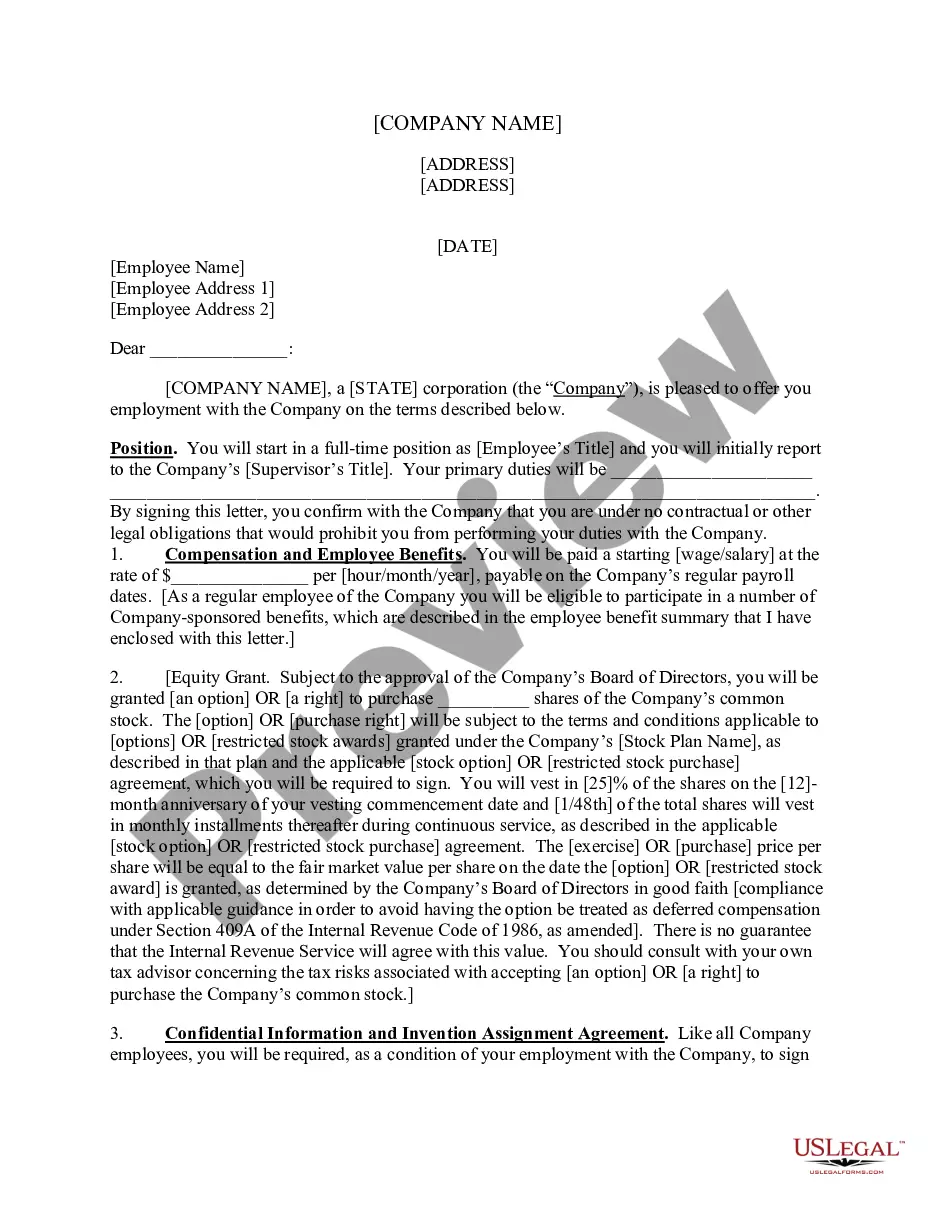
Form popularity
FAQ
Definition. Makes it a crime for executives and government officials to deny the perople they serve the intangible right to honest services.
Both mail and wire fraud require a scheme to defraud the victim of money or property.The mail fraud statute is a product of Congress's power to establish post offices and post roads under the Postal Clause. The wire fraud statute, on the other hand, is an exercise of Congress's authority under the Commerce Clause.
Mail fraud is punishable by a fine and imprisonment of up to 20 years. If the crime involves benefits connected to a presidentially declared major disaster or emergency, or affects a financial institution, there are enhanced penalties that include fines of up to $1 million and imprisonment for up to 30 years.
The crime of wire fraud occurs when someone voluntarily and intentionally uses an interstate communications device (such as a telephone) as a part of any scheme to defraud another of property, or anything else of value. Wire fraud is a federal crime with serious potential consequences.
Mail fraud and wire fraud are federal crimes in the United States that involve mailing or electronically transmitting something associated with fraud. Jurisdiction is claimed by the federal government if the illegal activity crosses interstate or international borders.
A conviction for mail fraud can result in a 20 year sentence, restitution to any victims, and fine determined by the judge. If the fraud involves federal disaster relief funds or a financial institution, a conviction can result in up to 30 years in prison.