Jury Instruction - 3.2 Civil Theft
Understanding this form
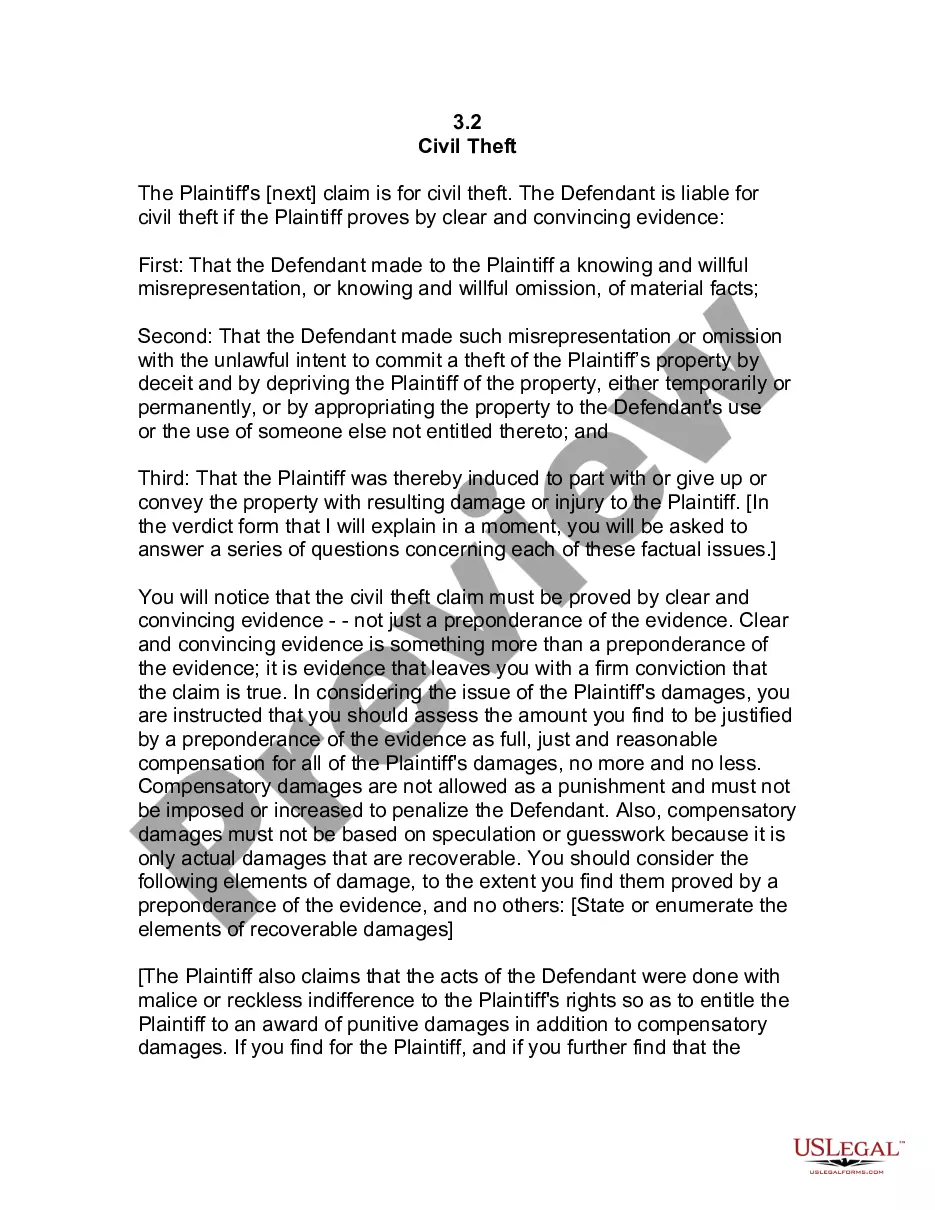
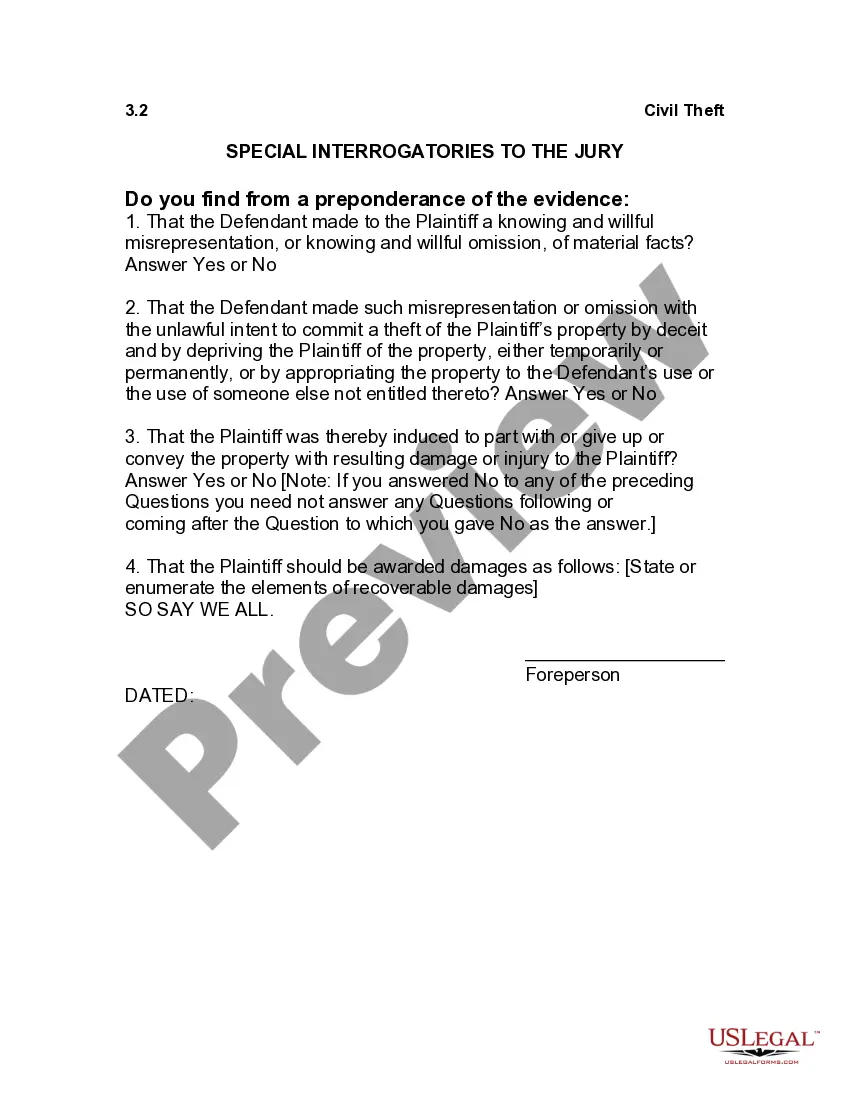
The Jury Instruction for Civil Theft is a legal document that provides sample jury instructions related to civil theft cases across the United States. This form is particularly useful for guiding juries in understanding the legal standards and criteria that must be met for a finding of civil theft. Unlike other jury instructions, this specific form focuses on the elements necessary to establish civil theft claims, ensuring jurors assess whether a defendant has unlawfully misappropriated a plaintiff's property through deceit.
What’s included in this form
- Definitions: Clarifies what constitutes civil theft and the standards of evidence required.
- Required elements: Details the three essential elements that the plaintiff must prove for civil theft.
- Questions for the jury: Provides specific interrogatories for jurors to answer regarding the defendant's actions.
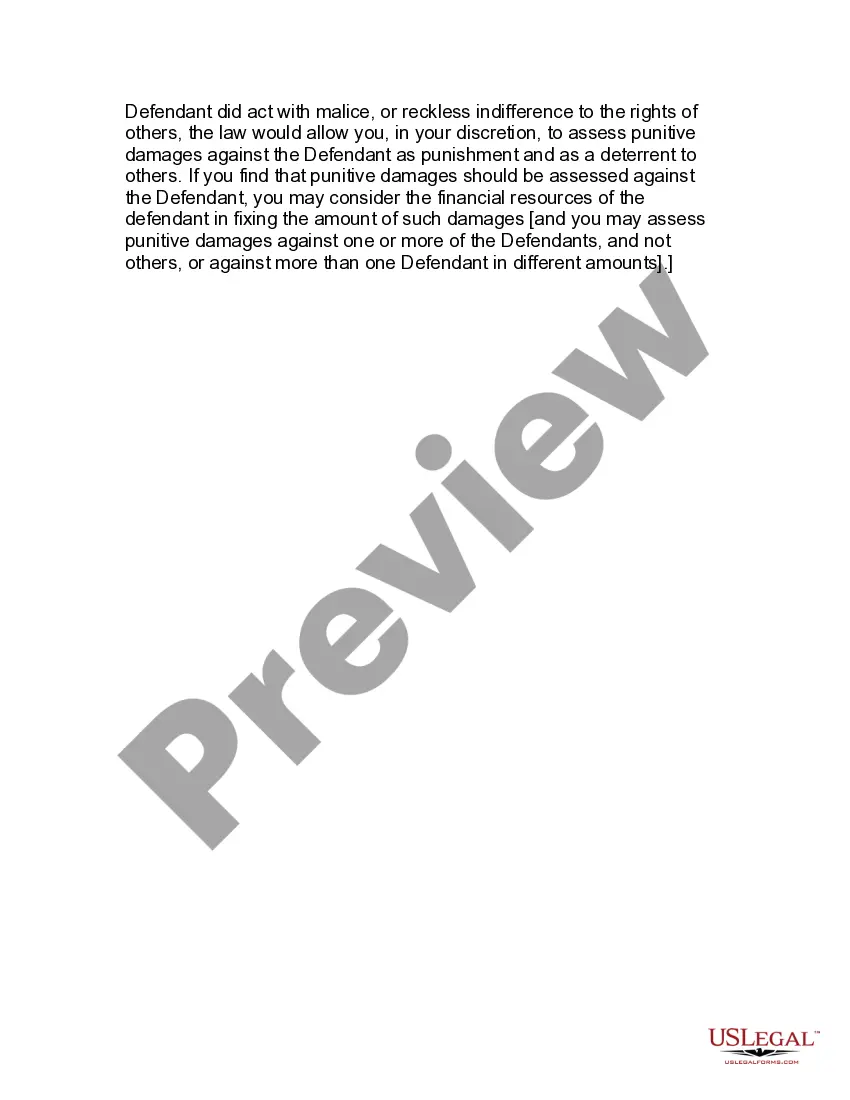
- Damages: Outlines compensatory and punitive damages, including how to assess them based on the evidence presented.
- Verdict form: Instructions for jurors on how to structure their findings and awards.
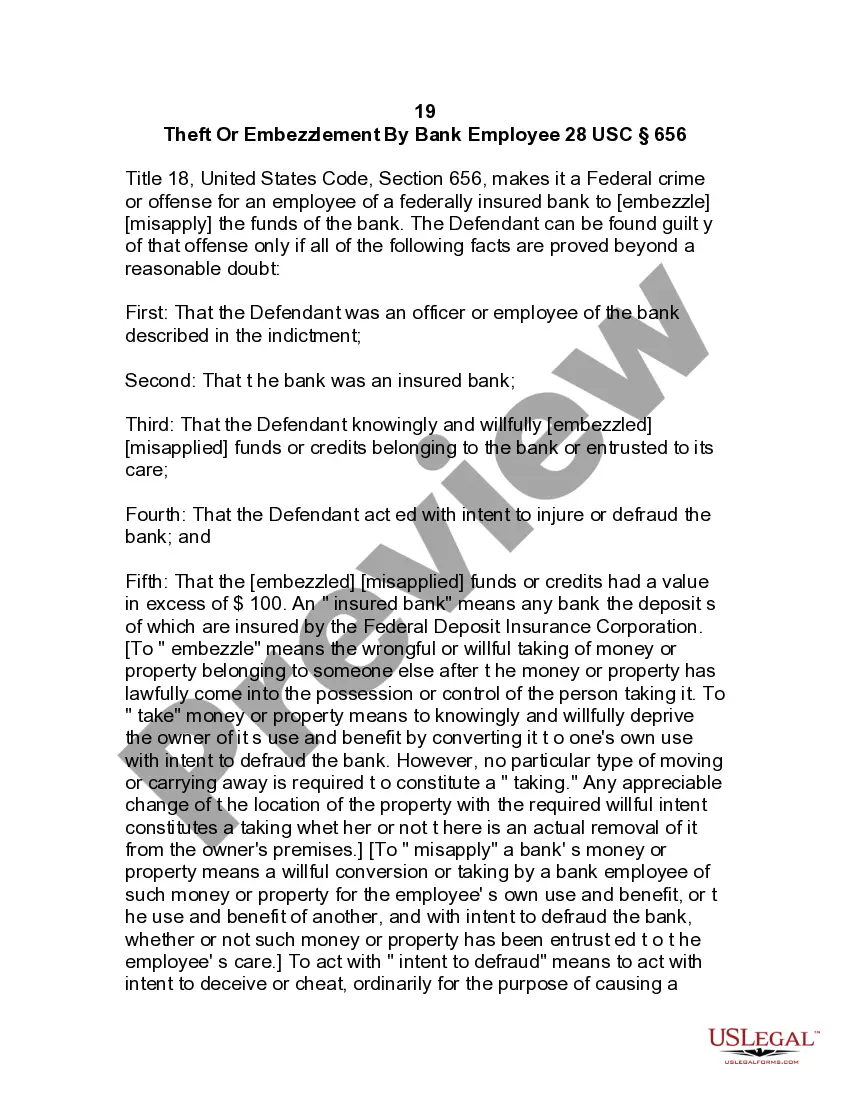
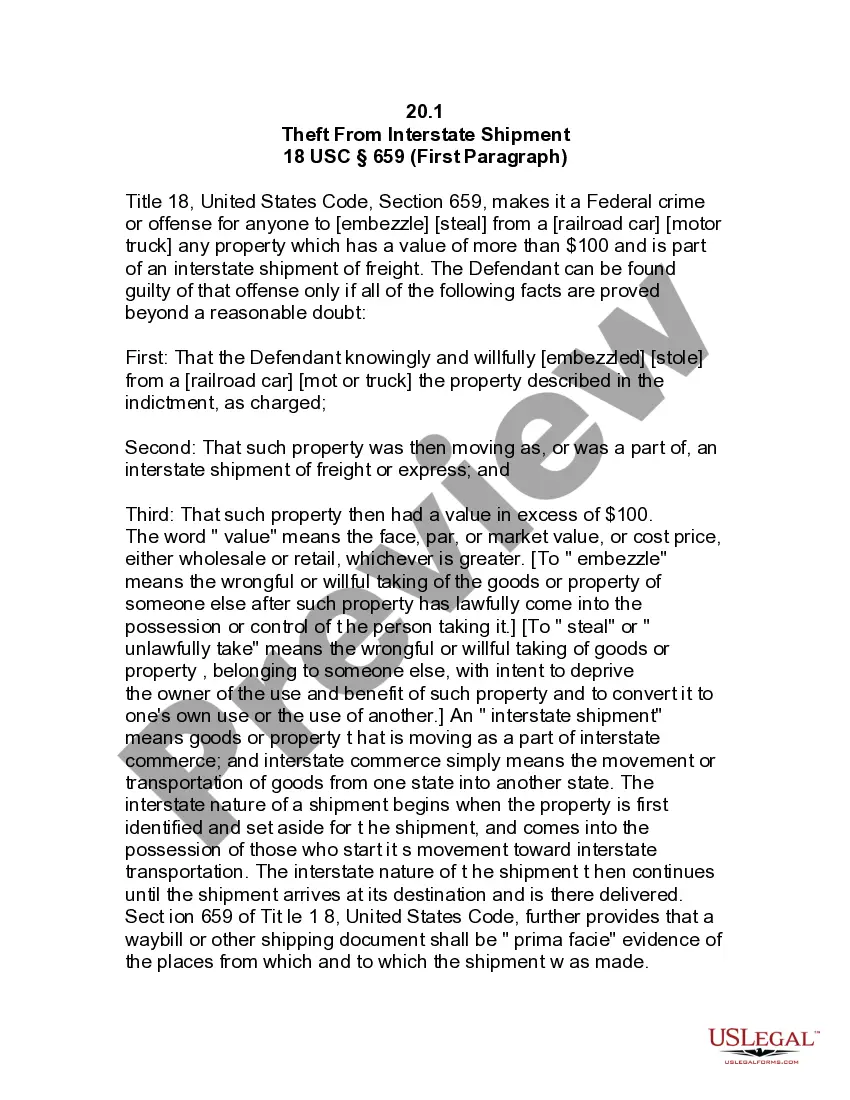
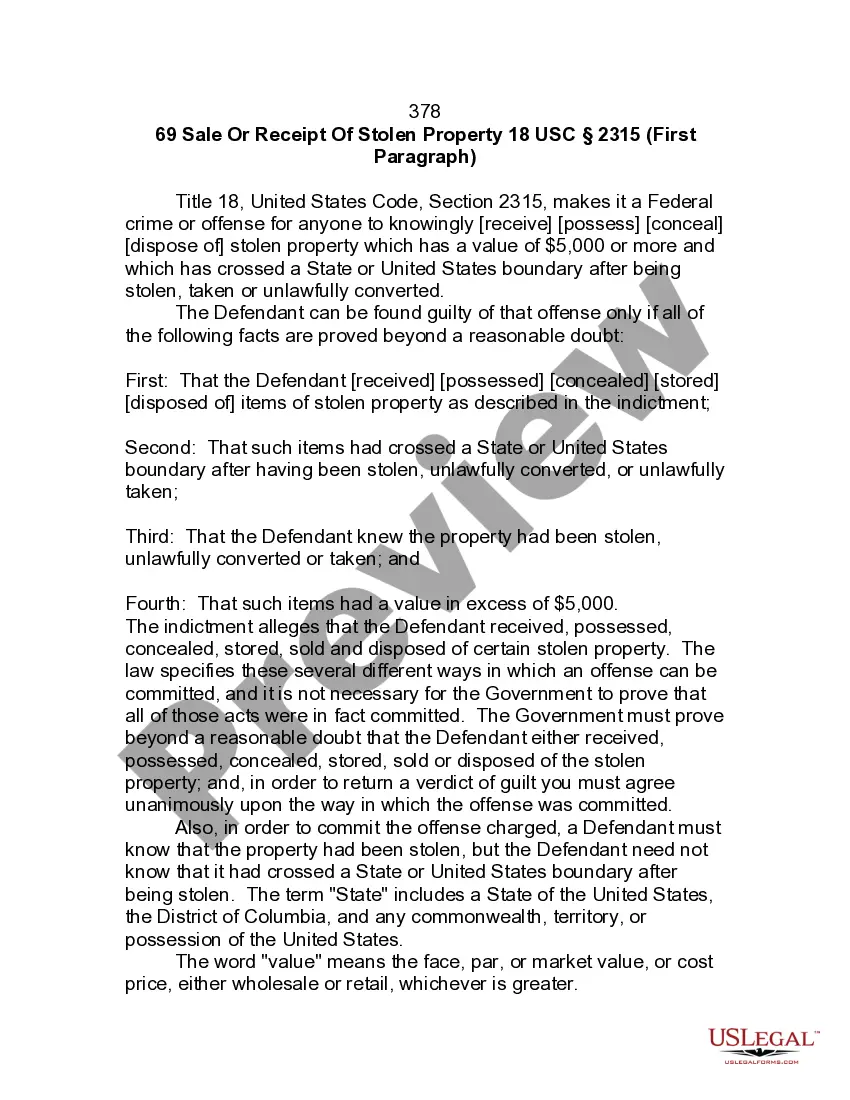
When to use this form
This form should be utilized in civil theft cases where a plaintiff alleges that a defendant knowingly misrepresented facts to unlawfully acquire property. It is appropriate when there is a need for the jury to evaluate the legitimacy of a theft claim, particularly in cases that involve deceit that results in financial harm to the plaintiff.
Who this form is for
- Judges overseeing civil theft trials.
- Attorneys representing plaintiffs in civil theft cases.
- Jurors tasked with delivering verdicts on civil theft claims.
- Legal practitioners seeking a clear model for jury instructions in civil theft matters.
Steps to complete this form
- Read the instructions thoroughly to understand the elements of civil theft.
- Determine if the plaintiff has met the burden of proof by clear and convincing evidence.
- Complete each section by answering the jury interrogatories with "yes" or "no" as applicable to the case specifics.
- Assess the damages based on the evidence and specify the compensation required in the verdict form.
- Ensure all jury members discuss and agree before finalizing the verdict findings.
Does this form need to be notarized?
Notarization is not commonly needed for this form. However, certain documents or local rules may make it necessary. Our notarization service, powered by Notarize, allows you to finalize it securely online anytime, day or night.
Get your form ready online
Our built-in tools help you complete, sign, share, and store your documents in one place.
Make edits, fill in missing information, and update formatting in US Legal Forms—just like you would in MS Word.
Download a copy, print it, send it by email, or mail it via USPS—whatever works best for your next step.
Sign and collect signatures with our SignNow integration. Send to multiple recipients, set reminders, and more. Go Premium to unlock E-Sign.
If this form requires notarization, complete it online through a secure video call—no need to meet a notary in person or wait for an appointment.
We protect your documents and personal data by following strict security and privacy standards.

Make edits, fill in missing information, and update formatting in US Legal Forms—just like you would in MS Word.

Download a copy, print it, send it by email, or mail it via USPS—whatever works best for your next step.

Sign and collect signatures with our SignNow integration. Send to multiple recipients, set reminders, and more. Go Premium to unlock E-Sign.

If this form requires notarization, complete it online through a secure video call—no need to meet a notary in person or wait for an appointment.

We protect your documents and personal data by following strict security and privacy standards.
Avoid these common issues
- Failing to fully explain the term "clear and convincing evidence" to the jury.
- Not adapting the jury questions to fit the specifics of the case.
- Overlooking the need for jurors to have a discussion about key points before answering interrogatories.
- Improperly calculating or presenting the damages that may be awarded.
Why complete this form online
- Convenient access to trusted, attorney-drafted jury instructions.
- Edit and customize the form according to your specific case needs.
- Streamlined download process, allowing immediate availability for trial preparation.
- Guidance from legal experts ensures you're following the correct legal procedures.
Key takeaways
- The Jury Instruction for Civil Theft provides essential guidance for juries evaluating theft claims.
- Understanding civil theft requires clear definitions and evidence standards.
- Users must adapt the content to ensure relevance to their specific case circumstances.
- This form promotes fairness by clarifying legal expectations in civil theft cases.
Looking for another form?

Form popularity
FAQ
If you steal from your employer or someone else who has entrusted you with property or money, you can be convicted of a crime and sued in a civil court.
What Is Civil Theft? Civil theft is not a separate type of theft crime; this term refers to a different process for recovering remedies falling victim to theft. Instead of pressing criminal charges, the victim files a lawsuit against the defendant seeking monetary damages or the recovery of his or her stolen property.
Petty theft generally is a misdemeanor offense. The theft of property with a value of $950 or more constitutes grand theft under California law. Grand theft can result in a misdemeanor or felony, depending on the circumstances.
Court cases that involve disputes between people or businesses over money or some injury to personal rights are called civil cases. A civil case usually begins when one person or business (called the "plaintiff") claims to have been harmed by the actions of another person or business (called the "defendant").
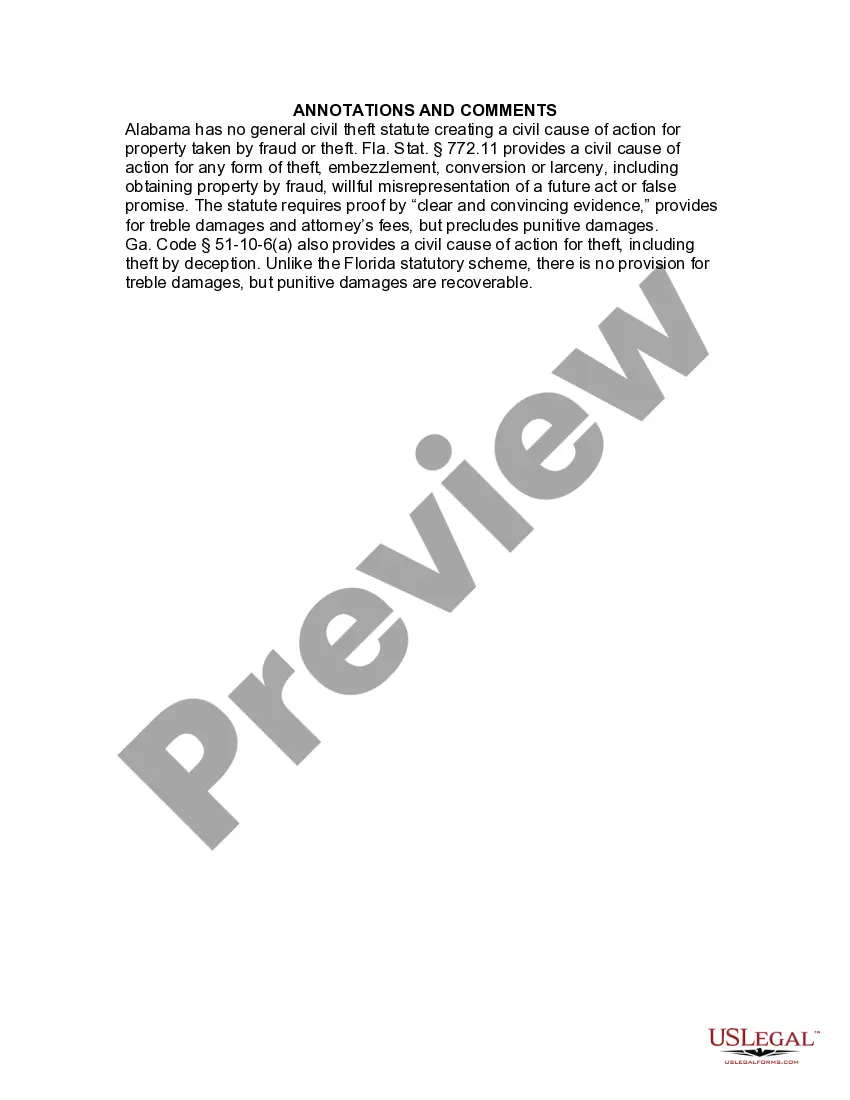
The Statute The civil theft statute, F.S. §772.11 (1) (2001), entitled Civil Remedy For Theft, provides: Any person who proves by clear and convincing evidence that he or she has been injured in any fashion by reason of any violation of the provisions of ss.