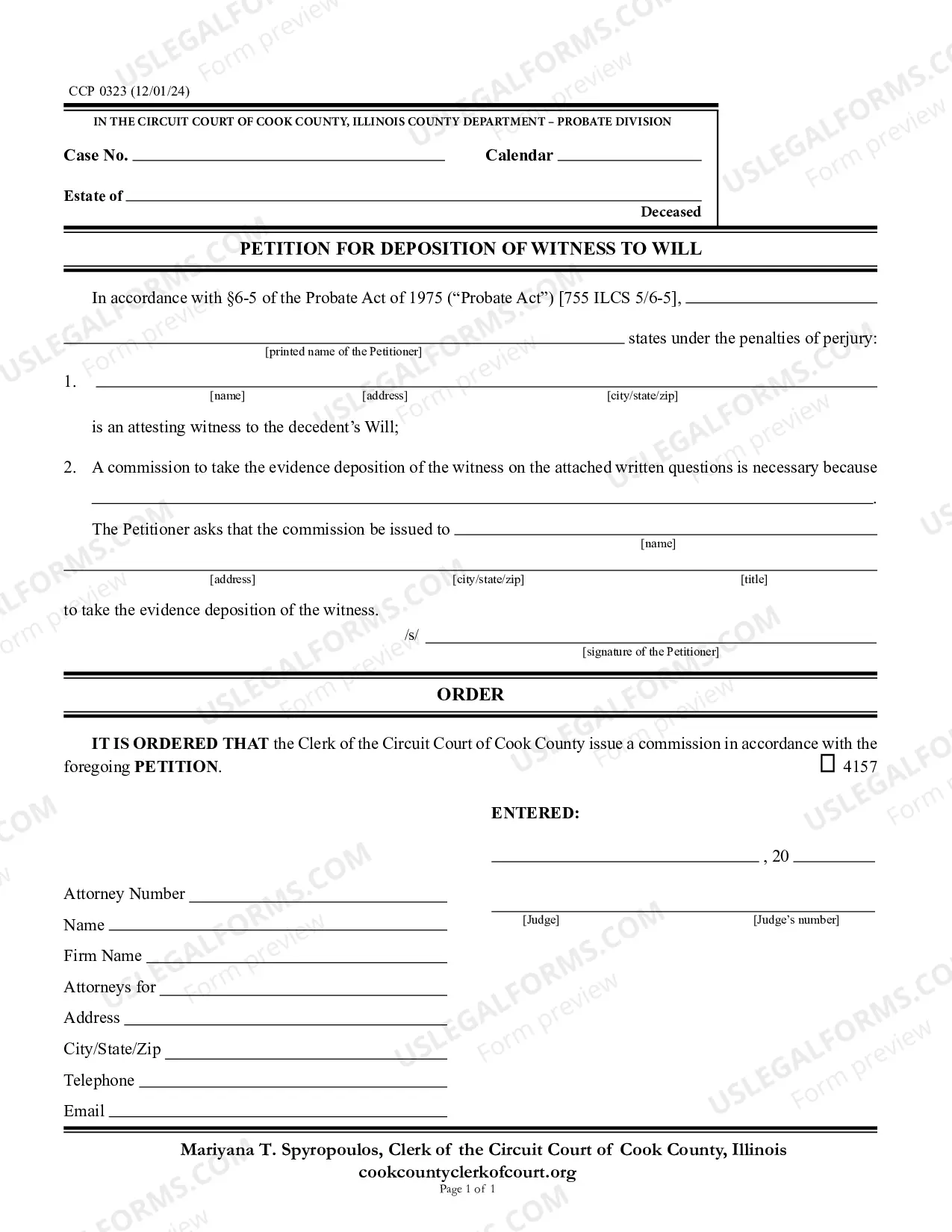
Sample Letter for Request for Copy of Right to Sue Letter
Understanding this form
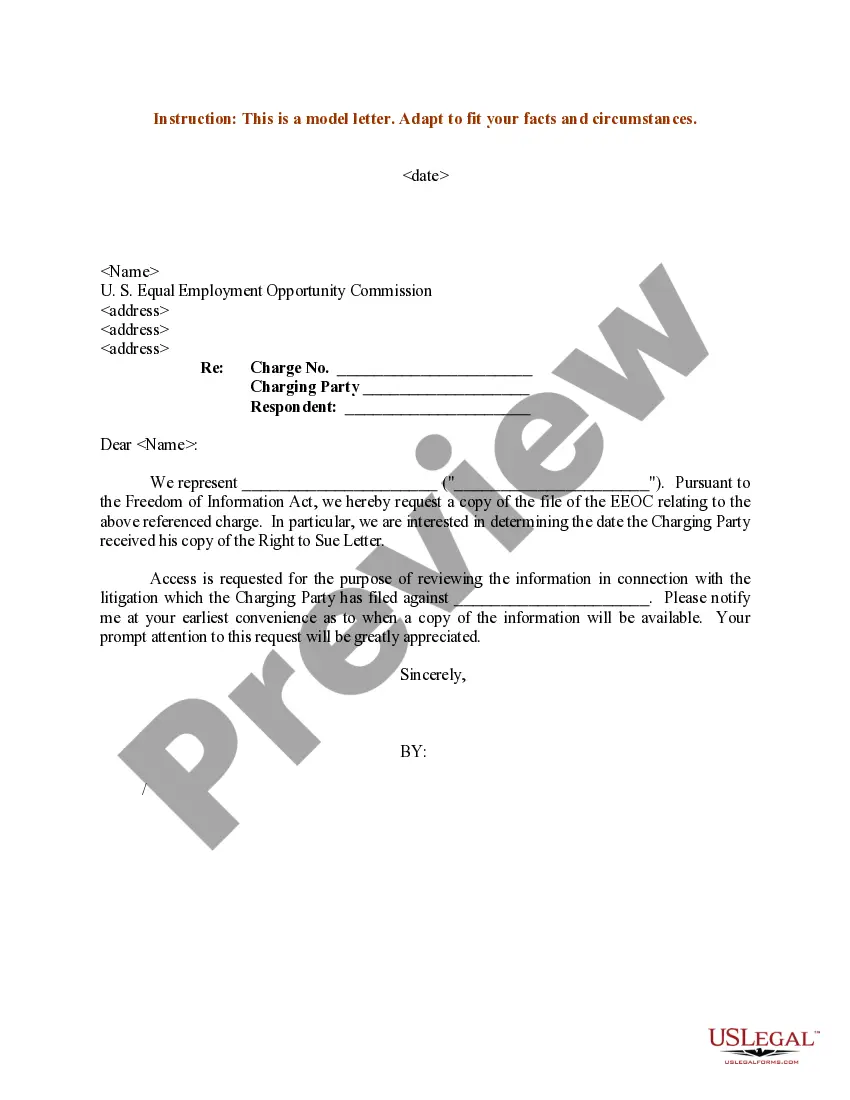
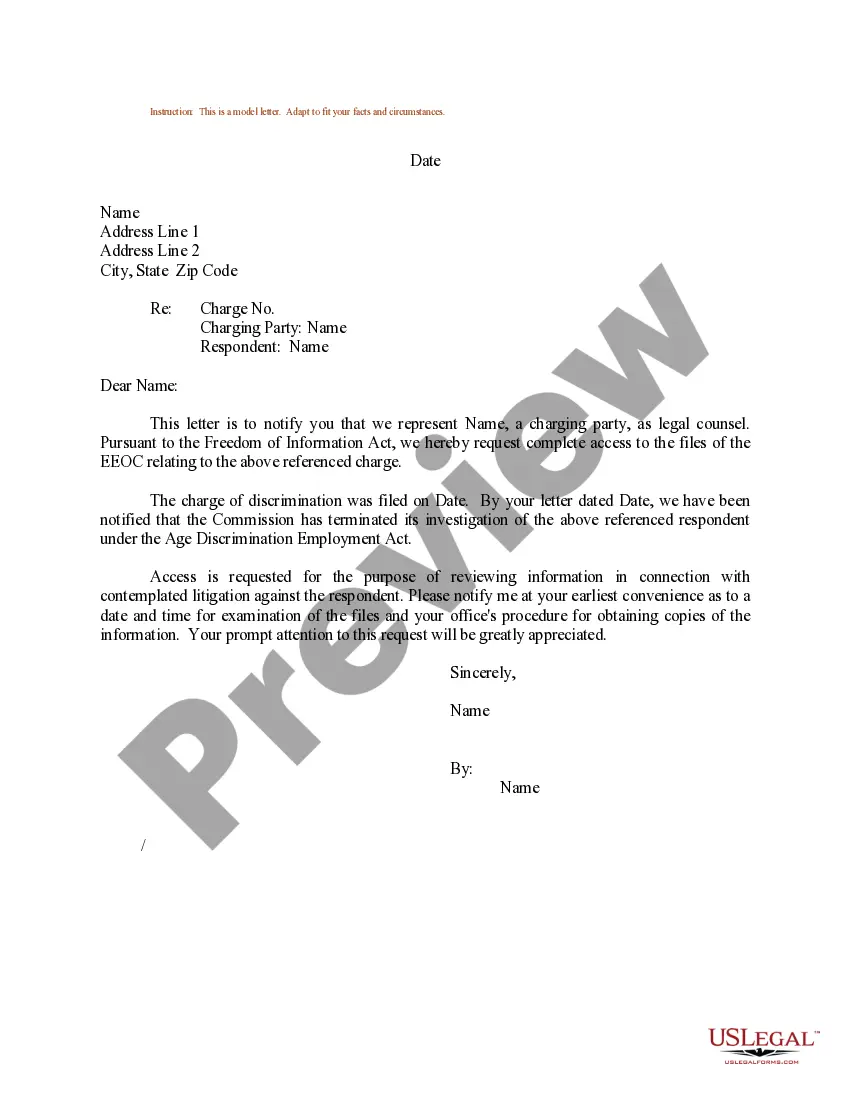
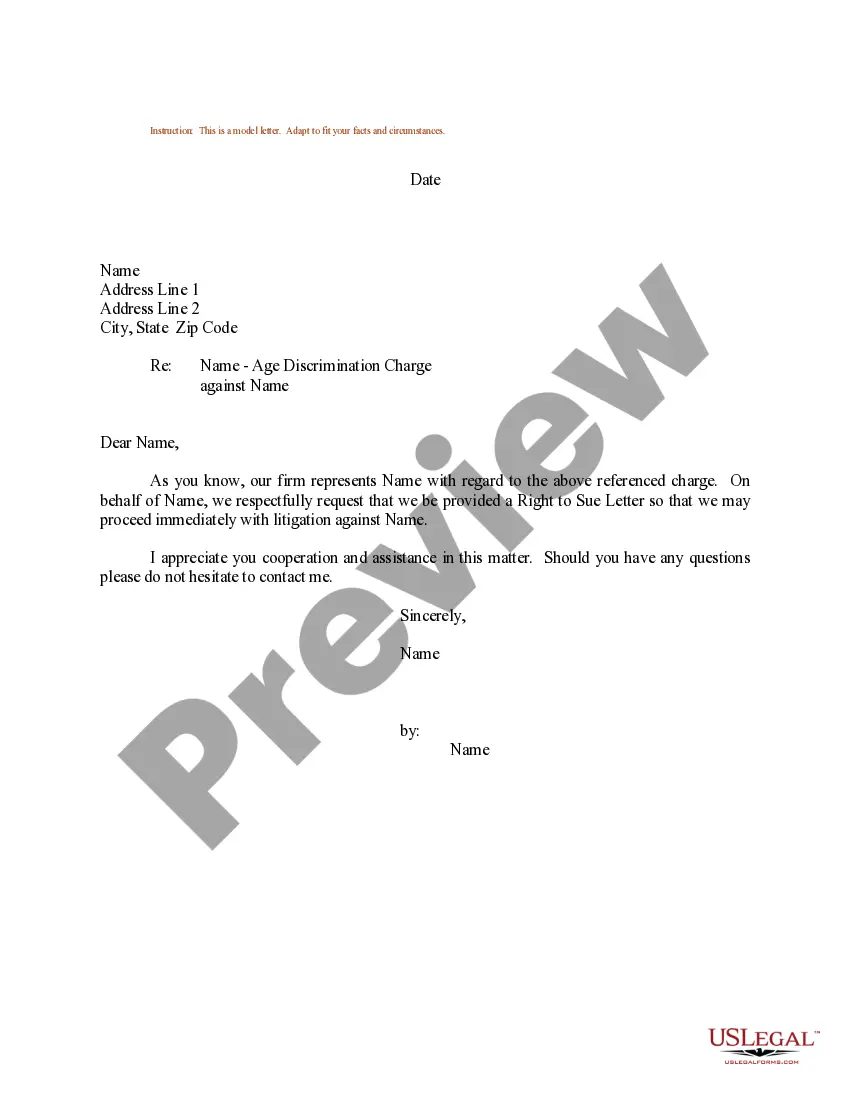
The Sample Letter for Request for Copy of Right to Sue Letter is a template designed to facilitate communication with the U.S. Equal Employment Opportunity Commission (EEOC). This form allows individuals or their representatives to formally request information about their case, specifically a copy of the Right to Sue Letter. Unlike other legal forms related to employment law, this letter specifically targets the retrieval of information essential for pursuing legal action against an employer or entity.
What’s included in this form
- Date of the request
- Addressee: U.S. Equal Employment Opportunity Commission
- Charge number associated with the complaint
- Name of the Charging Party and Respondent
- Request for the file relating to the charge under the Freedom of Information Act
- Signature line for the representative
Situations where this form applies
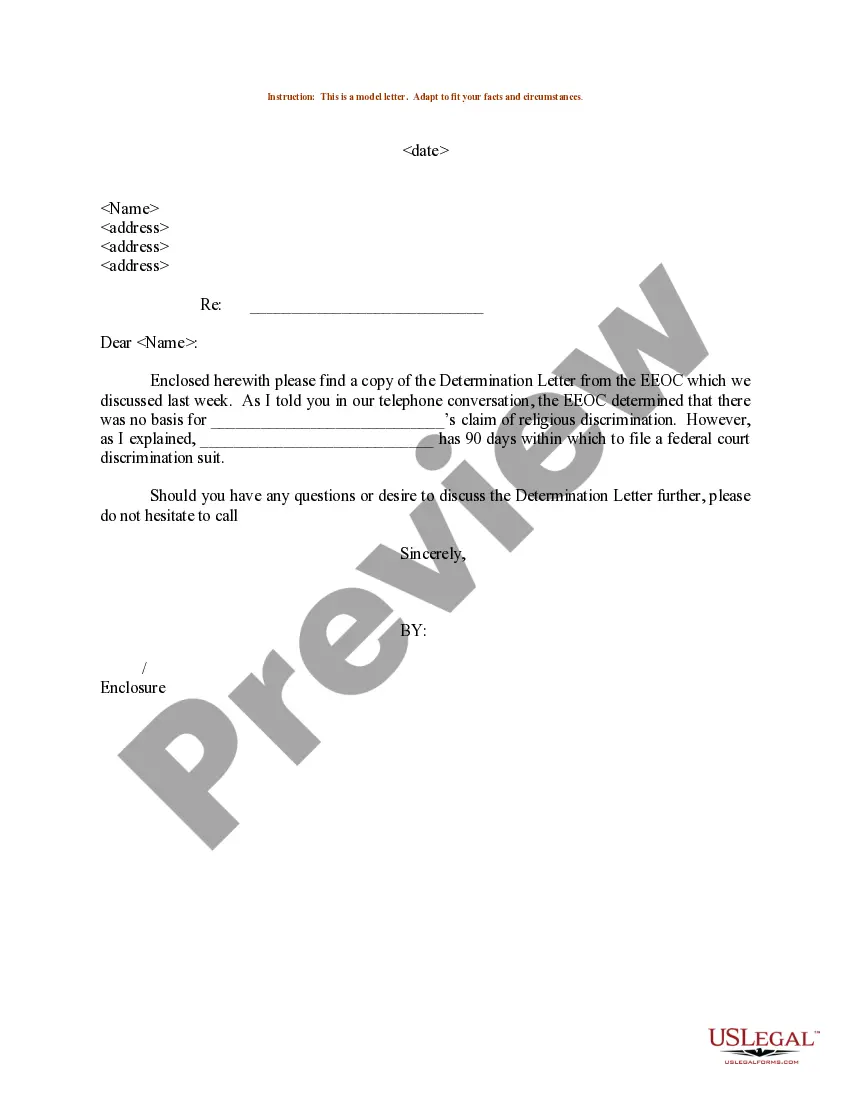
This form should be used when an individual has filed a charge of discrimination with the EEOC and needs a copy of their Right to Sue Letter to proceed with a lawsuit. It is particularly useful in cases where the recipient wants to clarify the timeline of their case or verify the receipt date of critical documents related to their charge.
Who needs this form
- Individuals who have filed a charge with the EEOC
- Legal representatives acting on behalf of a Charging Party
- Parties seeking to understand or expedite their legal proceedings regarding employment discrimination
How to complete this form
- Enter the date at the top of the letter.
- Fill in the name and address of the U.S. Equal Employment Opportunity Commission.
- Specify the charge number correlated with the case.
- Identify the Charging Party and Respondent by filling in their names.
- In the body of the letter, clearly state your request for the file and any pertinent details.
- Sign the letter if you are a legal representative; ensure to include your credentials if necessary.
Notarization guidance
This form does not typically require notarization unless specified by local law.
Get your form ready online
Our built-in tools help you complete, sign, share, and store your documents in one place.
Make edits, fill in missing information, and update formatting in US Legal Forms—just like you would in MS Word.
Download a copy, print it, send it by email, or mail it via USPS—whatever works best for your next step.
Sign and collect signatures with our SignNow integration. Send to multiple recipients, set reminders, and more. Go Premium to unlock E-Sign.
If this form requires notarization, complete it online through a secure video call—no need to meet a notary in person or wait for an appointment.
We protect your documents and personal data by following strict security and privacy standards.

Make edits, fill in missing information, and update formatting in US Legal Forms—just like you would in MS Word.

Download a copy, print it, send it by email, or mail it via USPS—whatever works best for your next step.

Sign and collect signatures with our SignNow integration. Send to multiple recipients, set reminders, and more. Go Premium to unlock E-Sign.

If this form requires notarization, complete it online through a secure video call—no need to meet a notary in person or wait for an appointment.

We protect your documents and personal data by following strict security and privacy standards.
Mistakes to watch out for
- Failing to include the correct charge number.
- Not providing sufficient details about the Charging Party and Respondent.
- Omitting a signature or failing to clearly identify the requester.
- Not following the appropriate format for a formal letter.
Benefits of completing this form online
- Convenient download in a user-friendly Word format.
- Edit and customize the letter to suit individual needs.
- Access to a reliable template drafted by licensed attorneys.
- Fast and efficient way to start the request process.
Legal use & context
- This letter is used to request specific documents that are legally obtainable under the Freedom of Information Act.
- It serves as a formal communication regarding employment discrimination cases.
- Retaining a copy of the request may be essential for future reference in legal actions.
Main things to remember
- The form is crucial for individuals seeking to proceed with legal action against an employer.
- Filling it out correctly ensures a smooth request process from the EEOC.
- Getting a copy of the Right to Sue Letter is a critical step in legal employment matters.
Looking for another form?

Form popularity
FAQ
The Sample Letter for Request for Copy of Right to Sue Letter is a formally structured template used to obtain a copy of the EEOC’s Right to Sue Letter under the Freedom of Information Act. It’s designed for charging parties or their representatives in employment-discrimination cases and guides you to include date, recipient, charge number, charging party, respondent, and a clear request statement.
This form is used to request a copy of the EEOC's Right to Sue Letter from the EEOC under FOIA. It guides users to include essential details such as the date, recipient details, charge number, charging party, and respondent, and a clear statement of the file being requested.
Generally, the Right to Sue Letter tells whether the EEOC has allowed a charging party to sue in court on an employment-discrimination claim. This form functions as a tool to obtain a copy of that letter from the EEOC under FOIA and to collect relevant case details, such as charge number and parties.
Yes, this form is designed specifically for requesting the Right to Sue Letter related to an EEOC charge. It is most useful for charging parties or their representatives who need the letter under FOIA; for other EEOC documents, a different form may be more appropriate.
Processing times for Right to Sue Letter requests vary by EEOC FOIA operations. This form helps submit a clear, complete request with the required details but does not guarantee a specific deadline or timeline. Users should anticipate potential delays and may need to follow up with the EEOC FOIA office if the request is incomplete or requires clarification.
This form is tailored to requesting a copy of the Right to Sue Letter from the EEOC and targets charging parties or their representatives. It specifies case-related details (charge number, charging party, respondent) and a precise request statement, which a generic FOIA letter may not include.