Sample Letter for Complaint to Reform Title in Deed of Trust - Agreed Order
Understanding this form
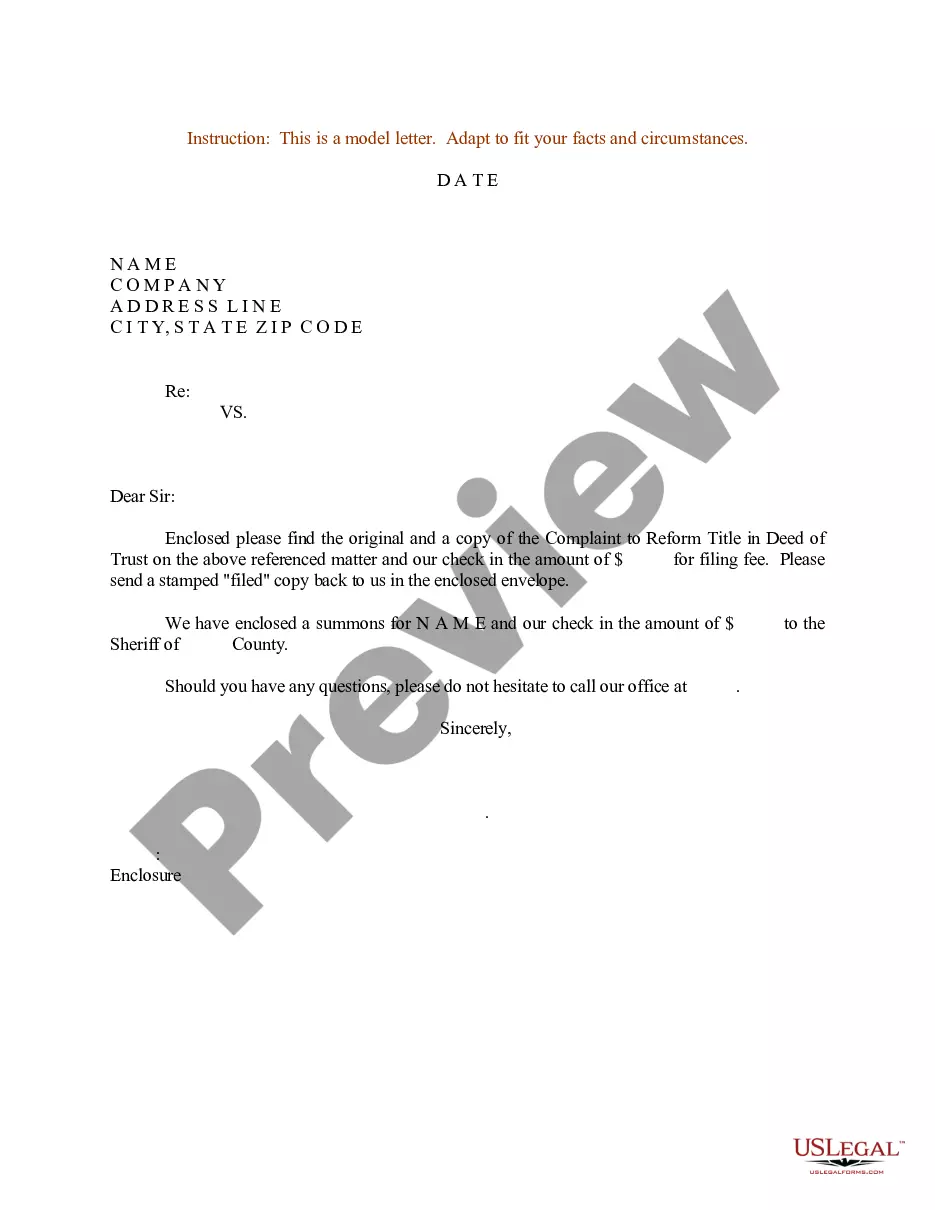
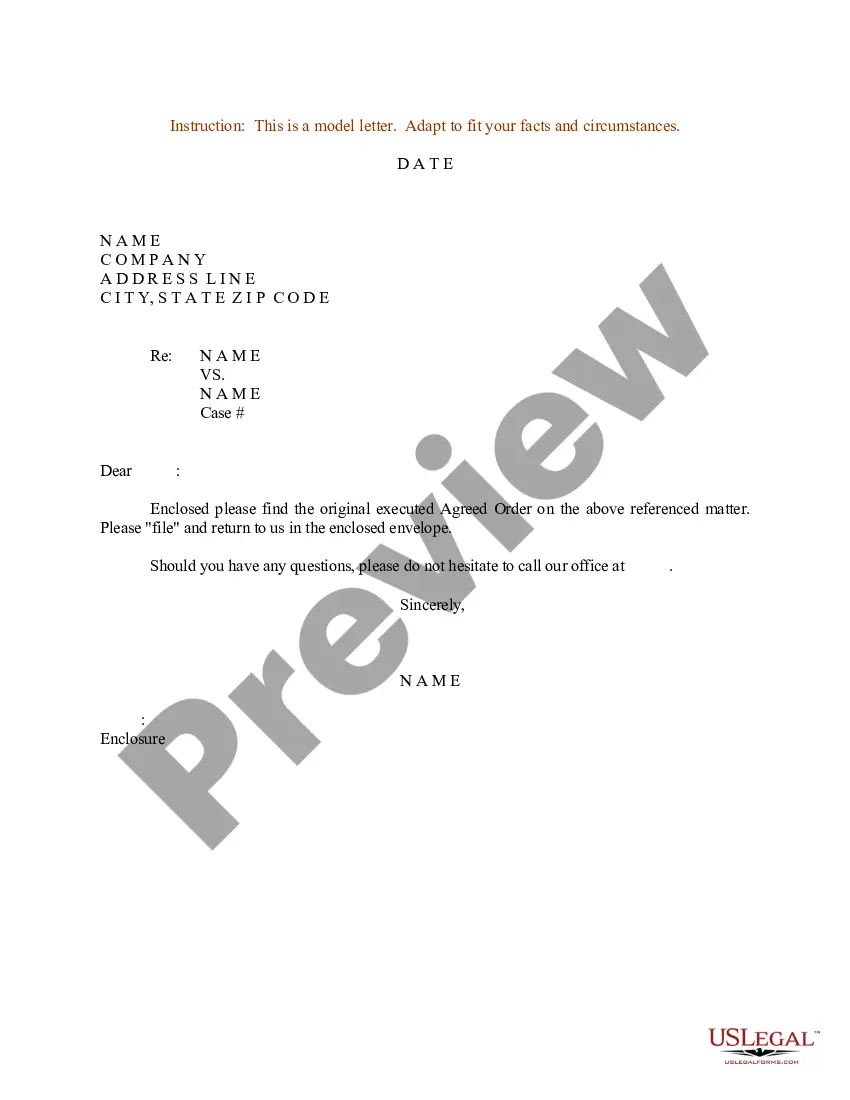
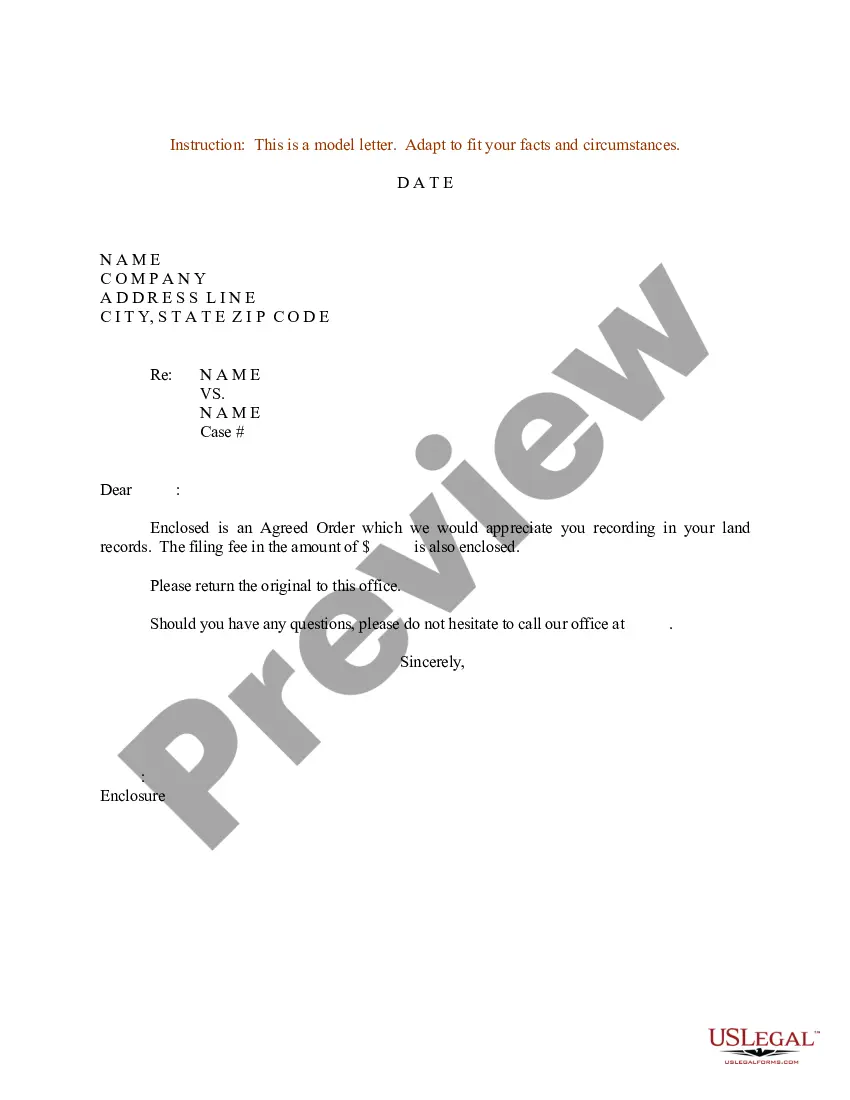
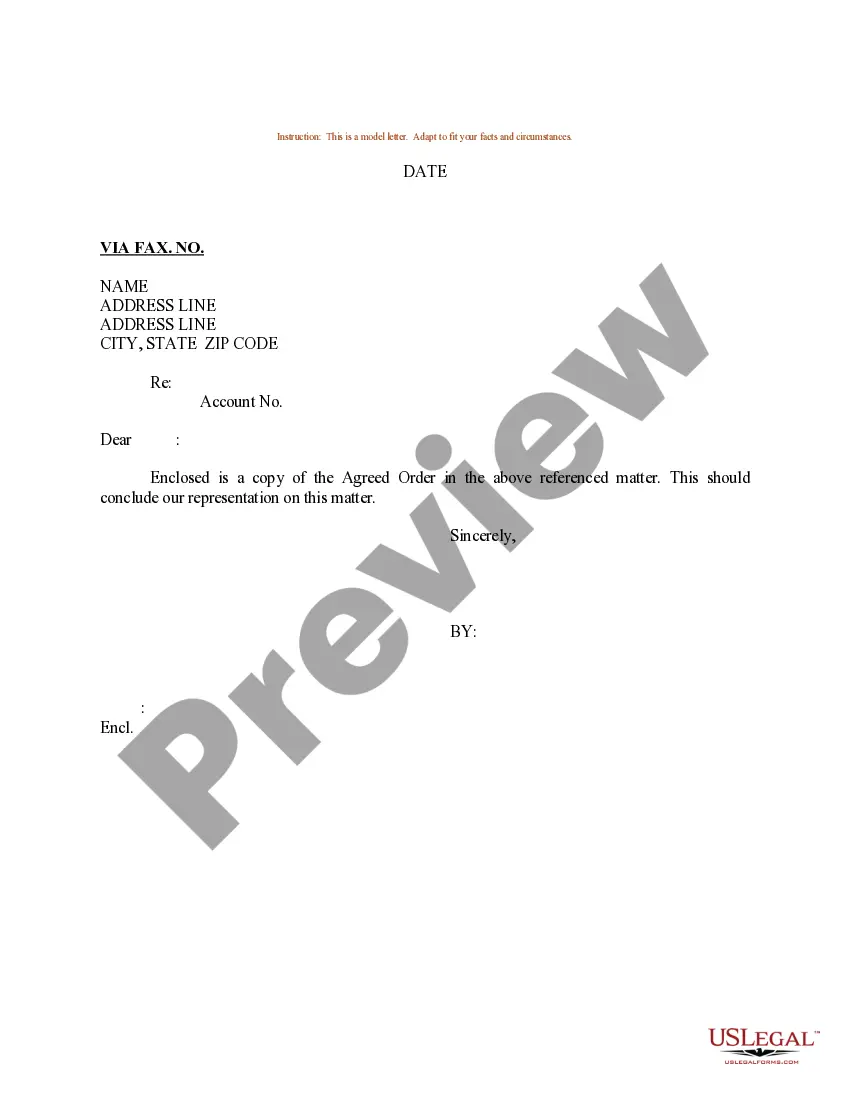
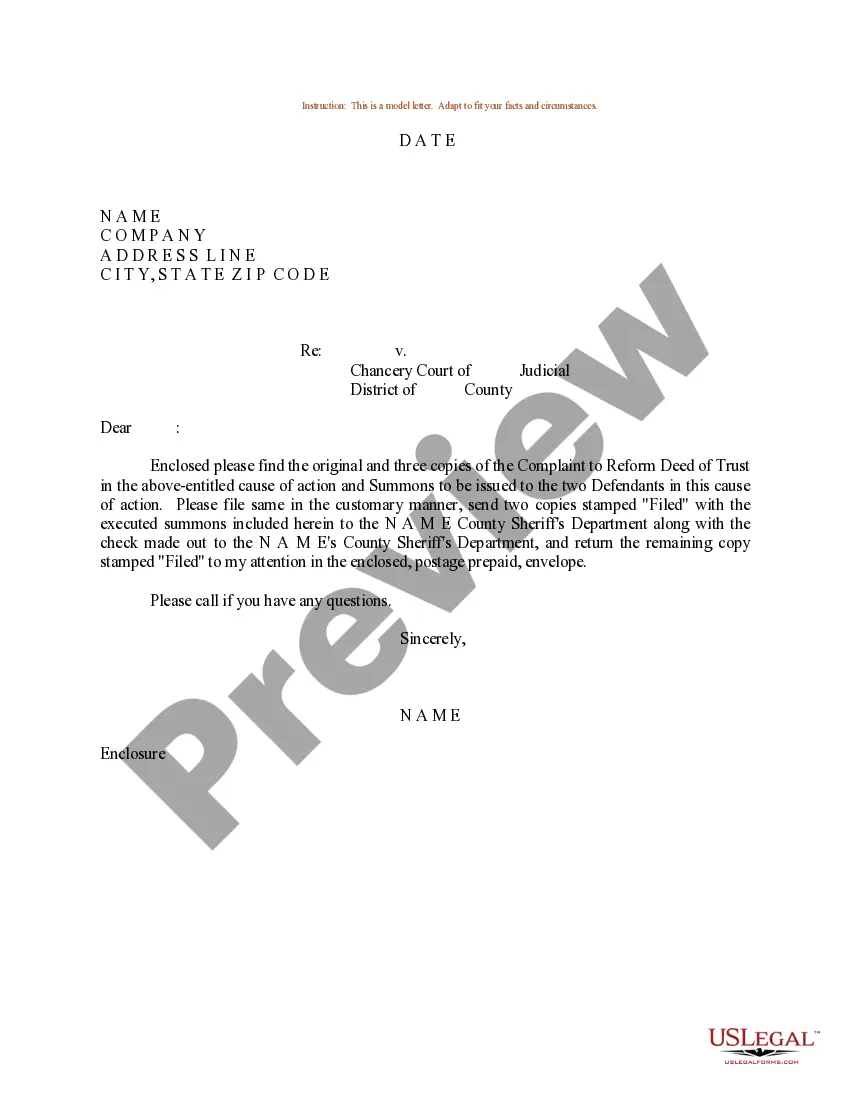
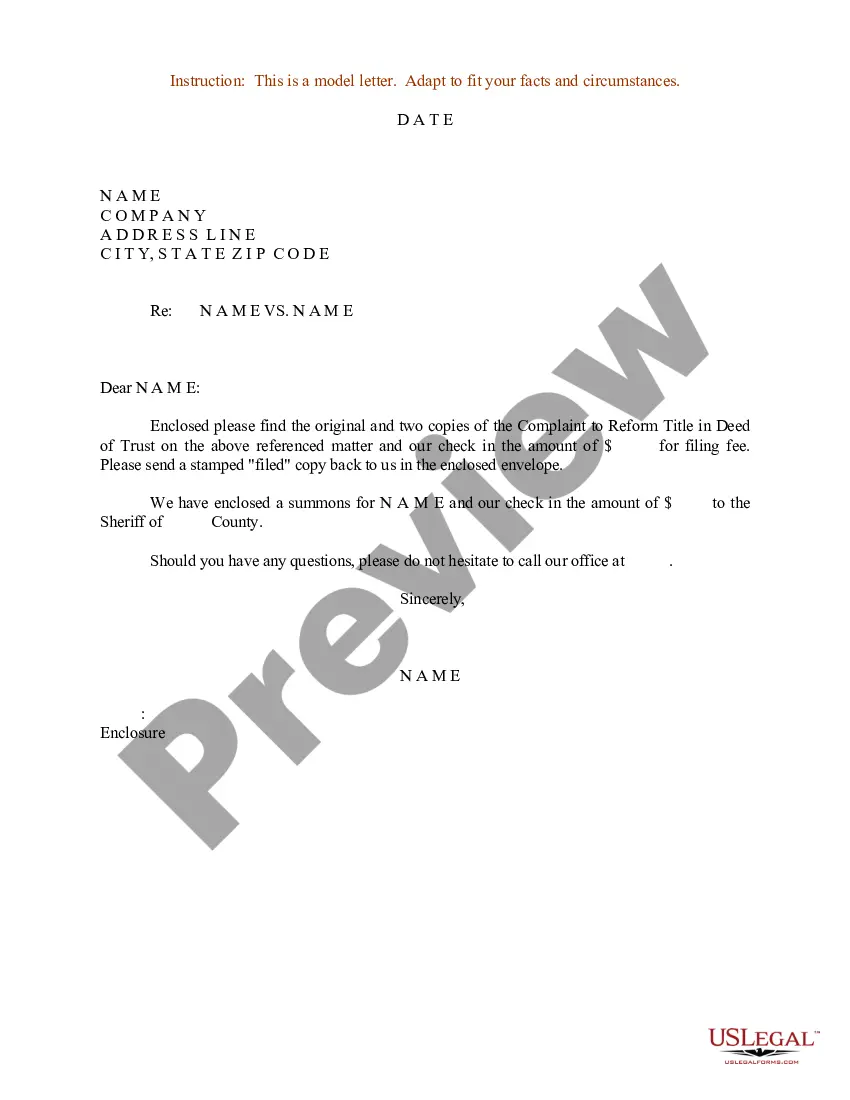
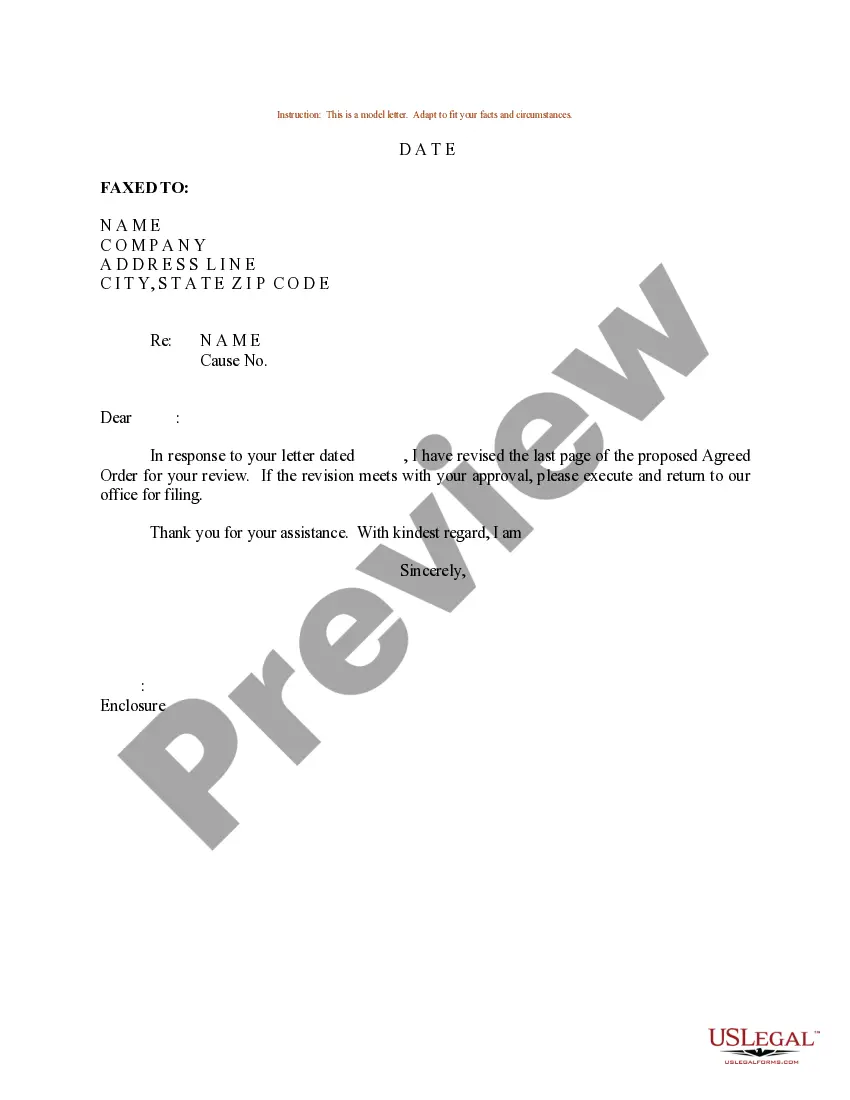
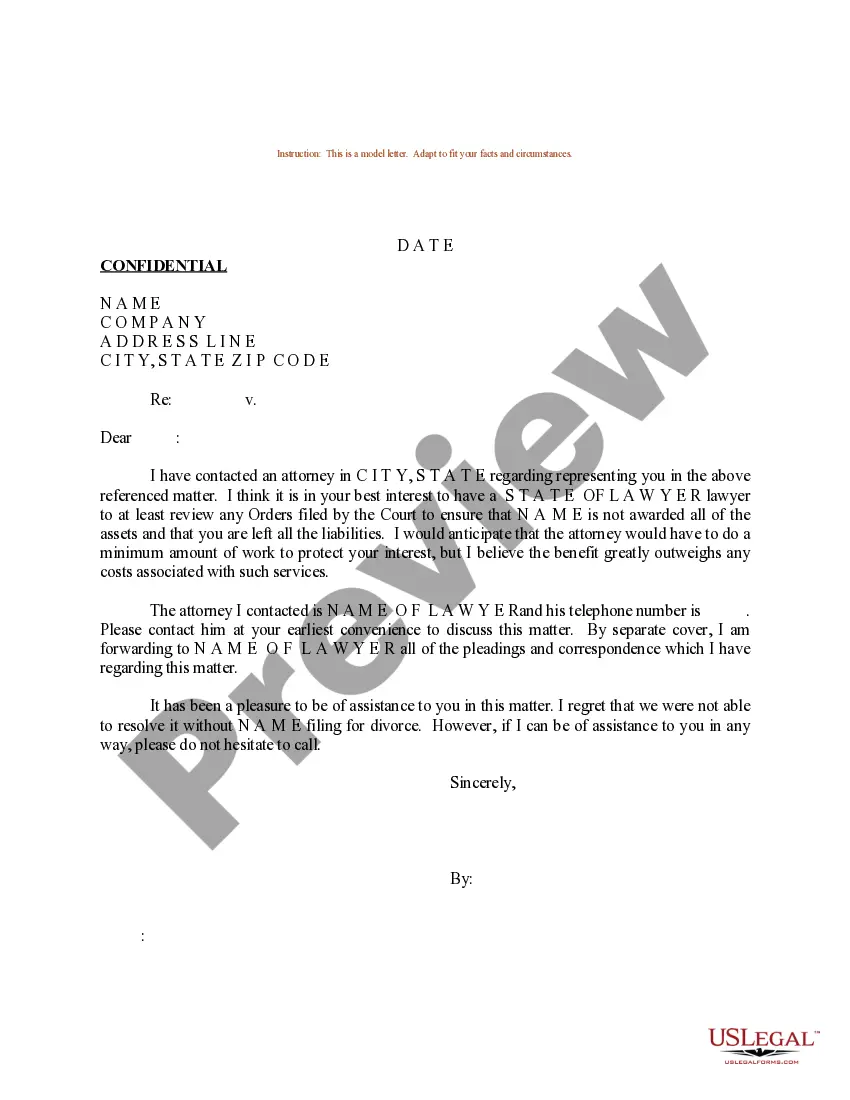
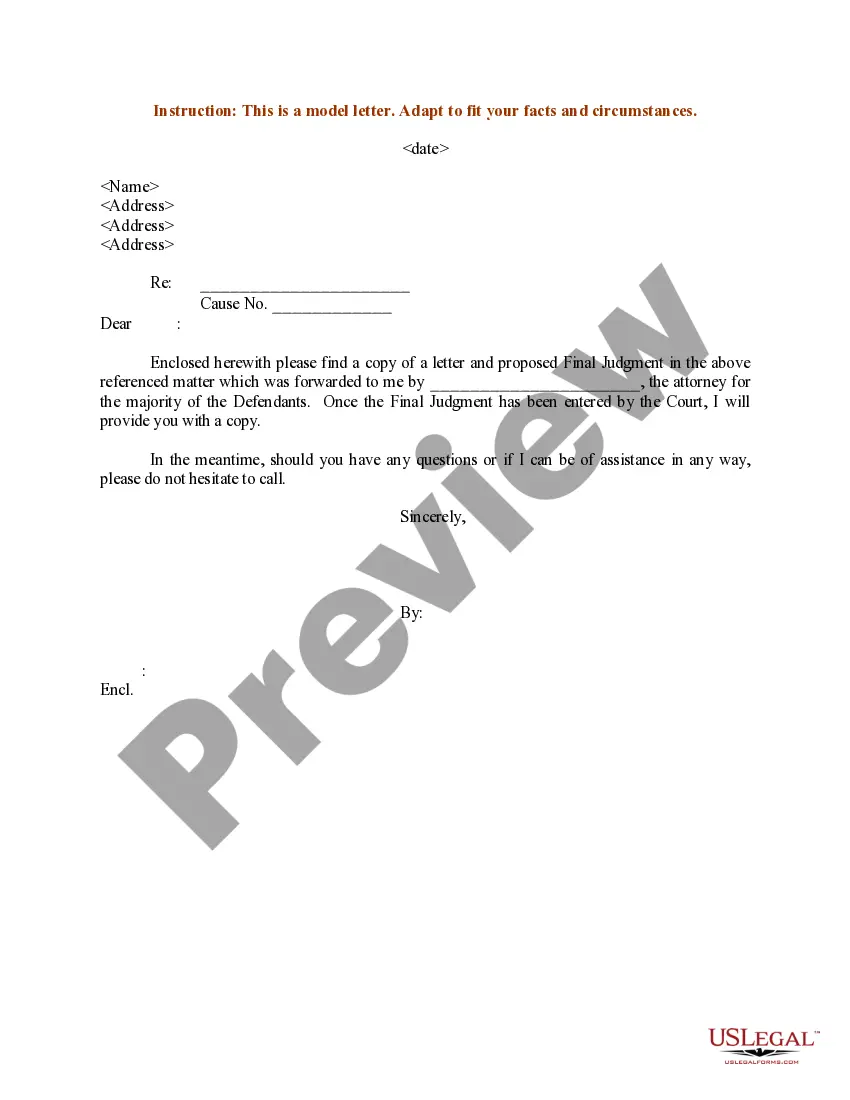
The Sample Letter for Complaint to Reform Title in Deed of Trust - Agreed Order is a document used to formally request changes to the title in a deed of trust. This letter serves as a template to effectively communicate the need for reforming the title, distinguishing it from other legal forms like a general complaint or notice. It encapsulates essential details to support a claim or request related to property interests and titles.
What’s included in this form
- Date of the request
- Names and addresses of the parties involved
- Identification of the specific complaint
- Details surrounding the deed of trust
- Signature lines for the parties

Common use cases
This form should be used when a party believes that the title in a deed of trust needs to be amended or corrected. Typical scenarios may include discovering inaccuracies in property records, changes in ownership, or the need to clarify rights or responsibilities associated with a property trust. It effectively initiates a formal request for reforms needed to ensure that the title is accurate and legally valid.
Who can use this document
- Property owners seeking to correct inaccuracies in their deed of trust
- Trustees managing property interests for beneficiaries
- Legal representatives acting on behalf of clients in property matters
Completing this form step by step
- Identify and enter the date at the top of the letter.
- Fill in the names and addresses of both the sender and recipient.
- Clearly state the specific complaint regarding the deed of trust.
- Include any necessary details about the rights or ownership associated with the property.
- Sign and date the letter to finalize the request.
Is notarization required?
This form does not typically require notarization unless specified by local law.
Get your form ready online
Our built-in tools help you complete, sign, share, and store your documents in one place.
Make edits, fill in missing information, and update formatting in US Legal Forms—just like you would in MS Word.
Download a copy, print it, send it by email, or mail it via USPS—whatever works best for your next step.
Sign and collect signatures with our SignNow integration. Send to multiple recipients, set reminders, and more. Go Premium to unlock E-Sign.
If this form requires notarization, complete it online through a secure video call—no need to meet a notary in person or wait for an appointment.
We protect your documents and personal data by following strict security and privacy standards.

Make edits, fill in missing information, and update formatting in US Legal Forms—just like you would in MS Word.

Download a copy, print it, send it by email, or mail it via USPS—whatever works best for your next step.

Sign and collect signatures with our SignNow integration. Send to multiple recipients, set reminders, and more. Go Premium to unlock E-Sign.

If this form requires notarization, complete it online through a secure video call—no need to meet a notary in person or wait for an appointment.

We protect your documents and personal data by following strict security and privacy standards.
Avoid these common issues
- Neglecting to include accurate dates, which could affect the legal validity.
- Omitting important parties or contact information.
- Failing to clearly state the complaint, leading to confusion.
- Not signing the letter appropriately.
Why use this form online
- Convenient access to the form allows for immediate download.
- Editability ensures that users can customize it to fit their specific situation.
- Reliability, as the form is drafted by licensed attorneys to meet legal standards.
Legal use & context
The Sample Letter for Complaint to Reform Title in Deed of Trust is legally recognized as a formal means of communication regarding title issues. It is enforceable in court if completed accurately and can play a crucial role in ensuring that property ownership records are corrected to reflect the actual ownership rights.
Key takeaways
- This letter is essential for initiating a formal request to amend a deed of trust.
- Completing the form accurately helps prevent delays or legal issues.
- Consult local rules to ensure compliance during use.
Looking for another form?
Form popularity
FAQ
A formal complaint in court means that someone filed a complaint alleging some civil action i.e. breach of contract or tort. In order to file a complaint the plaintiff files a document in court of proper jurisdiction.
Be professional. Use professional letterhead and be sure to sign in ink. Express your dissatisfaction clearly, with facts, dates, and details (including copies of receipts and so on) to help substantiate your claim. Be sincere. Be prompt. Don't expect compensation every time.
Be clear and concise. State exactly what you want done and how long you're willing to wait for a response. Don't write an angry, sarcastic, or threatening letter. Include copies of relevant documents, like receipts, work orders, and warranties. Include your name and contact information.
A discriminatory action is unlawful under Title VII if:The basis for the alleged discrimination is race, color, religion, sex, national origin, or retaliation. This issue or claim involves a discriminatory matter or personnel action; and. There is a casual connection between the basis and issue.
The definition of a complaint is an expression of, or the cause of, pain, anger, discontent, regret or annoyance. An example of complaint is a statement about how poorly a certain shop runs its business. An example of complaint is a major fault in a chain restaurant.
N. the first document filed with the court (actually with the County Clerk or Clerk of the Court) by a person or entity claiming legal rights against another. The party filing the complaint is usually called the plaintiff and the party against whom the complaint is filed is called the defendant or defendants.
A formal complaint is a complaint made by an employee, representative of employees, or relative of an employee who has provided their written signature for the complaint.Non-formal complaints cause a letter to be sent to the company listing the possible violations and requiring proof of abatement.
Definition. The pleading that starts a case. Essentially, a document that sets forth a jurisdictional basis for the court's power, the plaintiff's cause of action, and a demand for judicial relief.